Games Industry Africa
Association63 documents
African game industry media platform. Publishes annual "State of the African Games Industry" reports, country reports, and resource guides.
Documents
Article
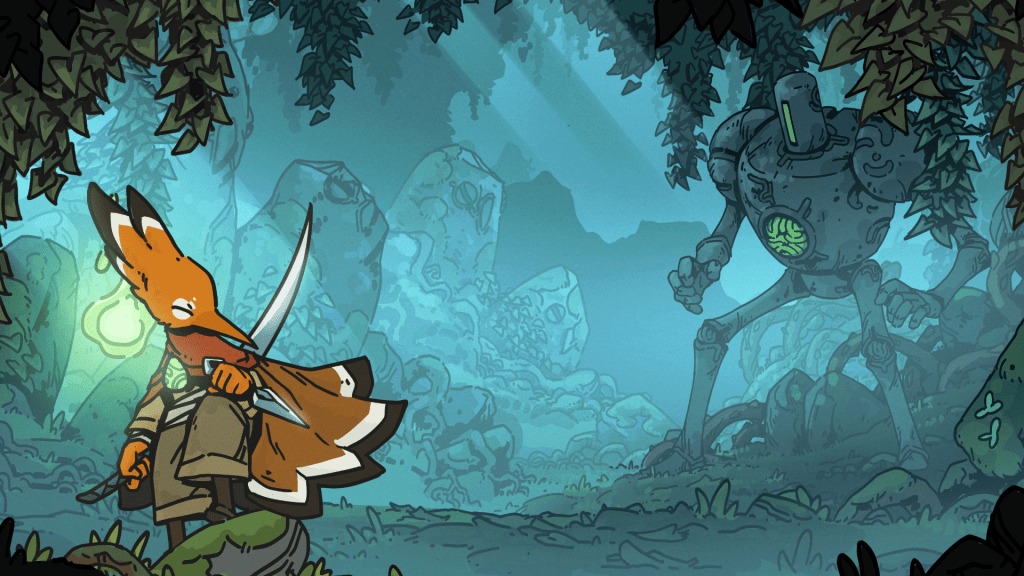
Feather’s Edge Reaches 10k Wishlists After 72h: South Africa
Feather’s Edge, an action‑packed kinetic metroidvania developed by South African studio Clockwork Acorn, achieved 10 000 wishlists on Steam within 72 hours of its announcement. The title’s trailer has accumulated over 250 000 views across multiple platforms, and the game’s wishlist count has doubled in the weeks following its reveal. Players assume the role of Upu, a Hoopoe warrior, navigating the fractured Tower of Time to prevent temporal collapse. The gameplay emphasizes skill progression and high‑score pursuit while battling through time‑rifts in a richly handcrafted environment.
Clockwork Acorn, founded in 2014 and known for titles such as Jetstream and contributions to Terra Nil: Vita Nova, launched Feather’s Edge with backing from Outersloth—an indie funding initiative established by the creators of Among Us. The project’s rapid traction underscores growing interest in African‑based indie titles within the global gaming community.
The data presented reflects engagement metrics gathered from Steam wishlist counts and trailer view statistics across social media channels. While the report does not detail survey methodology, it highlights key performance indicators that signal strong early interest and potential market viability for the game. Overall, Feather’s Edge demonstrates a successful launch trajectory for an African studio in the competitive action‑platformer genre.
- Clockwork Acorn’s action-metroidvania Feather’s Edge secured 10,000 Steam wishlists within 72 hours of its initial announcement.
- The game’s promotional trailer has generated over 250,000 views across multiple social media platforms.
- Feather’s Edge experienced a 100% increase in wishlist counts during the weeks following its reveal.
- The project is backed by Outersloth, an indie funding initiative established by the creators of Among Us.
- Clockwork Acorn, a South African studio founded in 2014, previously developed Jetstream and contributed to Terra Nil: Vita Nova.
+4
Games Industry AfricaMay 2026
Article
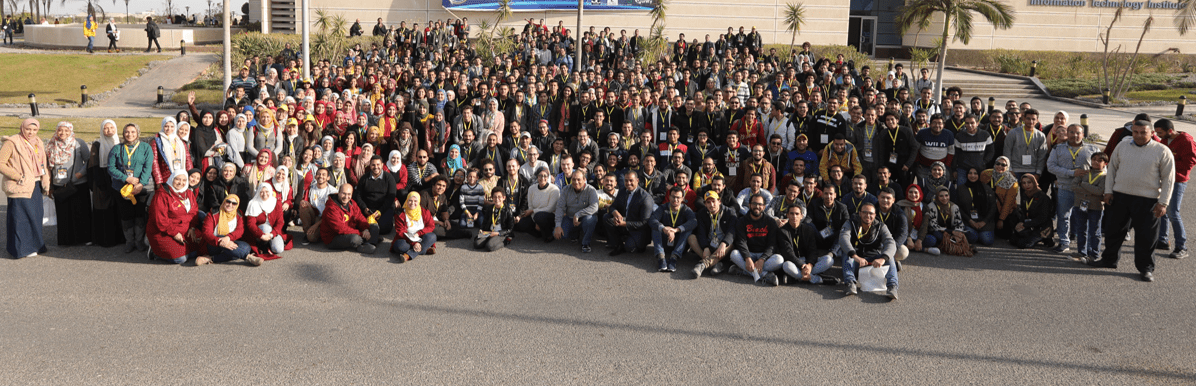
Assembly Games Egypt Launches to Unite and Grow Egypt’s Game Development Industry
Assembly Games Egypt (AGE) has been launched as a dedicated industry association aimed at consolidating and expanding the country’s game development ecosystem. The initiative targets Egypt’s rapidly growing network of studios, independent developers, academic institutions, and community leaders, positioning itself as a central hub for advocacy, knowledge sharing, networking, and ecosystem development. By uniting stakeholders across the sector, AGE seeks to create clearer pathways for talent cultivation, industry visibility, and international market access.
Egypt’s game development scene has gained momentum thanks to a youthful digital‑native population, expanding technical education programs, and an increasing number of independent studios. However, the absence of a unified body has limited coordinated representation and cross‑sector collaboration. AGE addresses this gap by offering structured support, fostering partnerships between developers, educators, investors, and community organizers, and promoting Egyptian‑made games to regional and global audiences.
The organization is currently in its founding phase, actively onboarding member studios and strategic partners nationwide. While specific membership numbers or survey data are not disclosed, AGE’s mission statement emphasizes the country’s talent, creativity, and ambition to become a significant player in global game development. The launch is positioned for the 2026 calendar year, with a focus on long‑term ecosystem growth and international visibility.
- Assembly Games Egypt (AGE) has launched as a formal industry association to unify Egypt’s fragmented game development ecosystem, including studios, developers, and academic institutions.
- The organization aims to address the lack of coordinated industry representation by acting as a central hub for advocacy, networking, and cross-sector collaboration.
- AGE is currently in its founding phase, focusing on onboarding nationwide member studios and strategic partners to build a foundation for long-term growth.
- The initiative is specifically designed to improve international market access for Egyptian-made games and increase the global visibility of the country's development sector.
- The association’s strategic roadmap is oriented toward the 2026 calendar year, prioritizing the cultivation of local talent and the formalization of industry pathways.
Games Industry AfricaMay 2026
Article
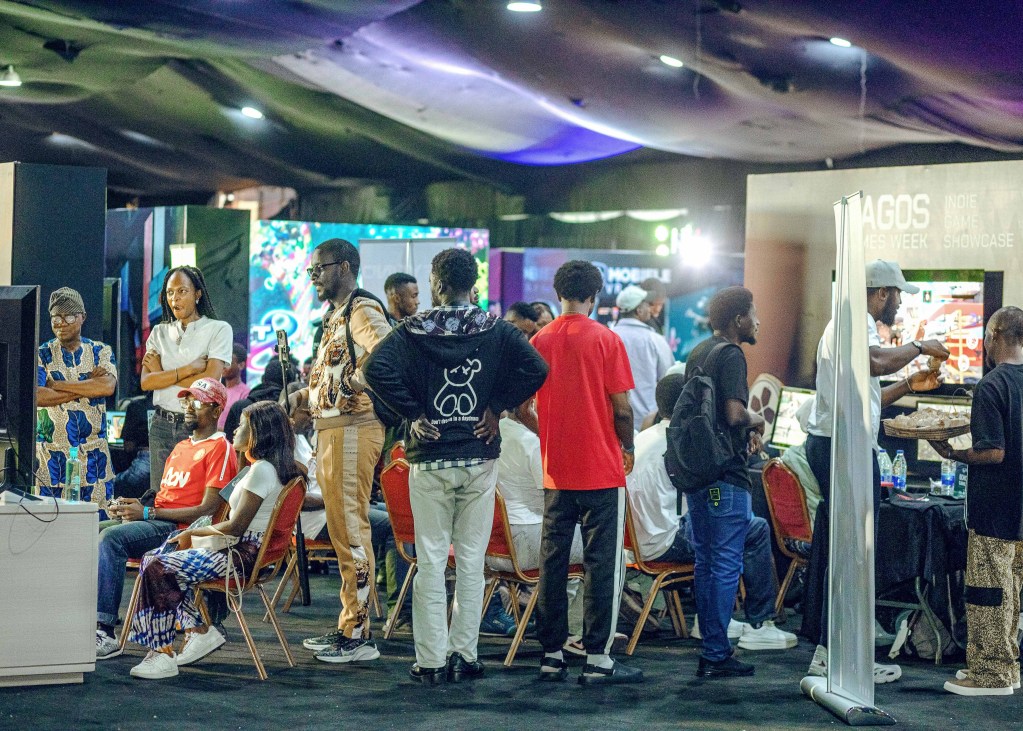
GamesConnect Africa at Gamescom 2026
The initiative announced by the Goethe‑Institut seeks to enhance African game developers’ visibility at Gamescom 2026 in Cologne. The program, named GamesConnect AFRICA, is designed to connect studios across the continent with global partners through collaboration, professional exchange and networking. The primary objective is to coordinate meetings and partner activities during the event by collecting attendance information via a short online form. Participants who plan to attend or wish to engage during Gamescom are invited to fill out the form, which will be used solely for coordination purposes and shared with partner organisations only when explicit consent is given.
The announcement outlines the logistical framework: a dedicated Microsoft Forms link provides a streamlined method for stakeholders to indicate their presence and interests. The Goethe‑Institut emphasizes that the data will facilitate meaningful exchanges, networking opportunities, and invitations to on‑site engagements throughout Gamescom. No specific data points or statistics are provided in the brief, as it functions primarily as a call to action rather than an analytical report.
Geographically, the scope is Africa‑wide, targeting developers and industry stakeholders across the continent. The time frame centers on Gamescom 2026, with the call to action published in early May 2026. Methodologically, the initiative relies on self‑reported attendance data collected through an online form, with privacy safeguards highlighted. The overall aim is to strengthen the international presence of African game development by leveraging Gamescom’s global platform.
- The Goethe-Institut has launched GamesConnect AFRICA to increase the international visibility and networking opportunities for African game developers at Gamescom 2026.
- The initiative aims to facilitate professional exchanges and partnerships by coordinating meetings between African studios and global industry stakeholders during the event.
- Interested participants are required to register their attendance and engagement interests via a dedicated Microsoft Forms link provided by the Goethe-Institut.
- Data collection is strictly for event coordination, with the Goethe-Institut guaranteeing that participant information will only be shared with partner organizations upon explicit consent.
- The program targets developers and industry stakeholders across the entire African continent to strengthen their collective presence at the 2026 Cologne event.
Games Industry AfricaMay 2026

Article
BRIDGE Program Reopens Applications for African Game Studios
The BRIDGE Program, launched in 2019 to connect African and European game studios, has reopened its application window for the latest edition. The initiative focuses on co‑development and professional exchange, aiming to bridge a historically limited collaboration gap between the two regions. Over its tenure, BRIDGE has evolved beyond networking; it offers African studios exposure to diverse production methodologies, business practices, and market expectations, thereby enhancing their international visibility and fostering long‑term partnerships.
Eligibility is limited to independent African studios seeking expansion beyond local markets. Pairings with European counterparts create shared project opportunities and encourage knowledge transfer and cultural exchange. Applications remain open until May 31, 2026, with further details available on the program’s official website.
The announcement is part of Games Industry Africa’s broader coverage of industry developments, including related events such as the Morocco Gaming Expo and initiatives like Assembly Games Egypt. Sponsorships from entities including Bright Gambit, Appmagic, and Newzoo underscore the program’s industry backing. The reopening signals continued commitment to nurturing cross‑border collaboration and professional growth within the African game development ecosystem.
- The BRIDGE Program has reopened applications for independent African game studios seeking international expansion through co-development partnerships with European counterparts.
- Interested studios must submit their applications by the deadline of May 31, 2026.
- The initiative facilitates professional exchange by exposing African developers to European production methodologies, business practices, and global market expectations.
- The program is backed by industry sponsors including Bright Gambit, Appmagic, and Newzoo.
- BRIDGE is part of a broader regional development ecosystem that includes initiatives like Assembly Games Egypt and events such as the Morocco Gaming Expo.
Games Industry AfricaMay 2026

Article
Outliver: Tribulation Joins Google Play Pass
Outliver: Tribulation, a story‑driven action‑adventure title rooted in African mythology, has entered Google Play Pass, expanding its reach beyond the initial Android launch that succeeded under Google’s Android Porting Challenge. Developed by Nigerian studio GBROSSOFT, the game blends intense combat, atmospheric environments, and a narrative steeped in African folklore. The Play Pass inclusion is positioned as a strategic milestone that will broaden the audience for GBROSSOFT and elevate African‑inspired storytelling on a global platform.
The announcement highlights the studio’s founder, Mudathir Giwa, who emphasizes that Play Pass access will allow wider distribution and cultural exchange. The game’s prior recognition includes features in “best offline premium Android games” lists by prominent YouTubers, indicating a growing player base and media interest. While the piece does not provide quantitative download or revenue figures, it underscores the significance of platform partnerships for emerging African developers seeking international visibility.
Geographically, the focus remains on Africa’s growing game development ecosystem, with GBROSSOFT based in Nigeria and the announcement distributed through Games Industry Africa’s online portal. The timeframe is contemporary, with the Play Pass launch occurring in early May 2026. Methodologically, the article relies on a developer statement and contextual references to prior platform successes rather than empirical data. The overall narrative frames the Play Pass integration as a pivotal step for GBROSSOFT, positioning it within the broader trend of African studios gaining traction on major global distribution channels.
- Nigerian developer GBROSSOFT has launched its action-adventure title, Outliver: Tribulation, on the Google Play Pass subscription service as of early May 2026.
- The inclusion in Google Play Pass serves as a strategic expansion for the studio following the game's initial success in Google’s Android Porting Challenge.
- Outliver: Tribulation distinguishes itself in the mobile market by featuring a narrative rooted in African mythology and folklore.
- The game previously gained visibility through features in 'best offline premium Android games' lists by prominent YouTubers, signaling established interest prior to the platform expansion.
- This partnership highlights a broader industry trend of emerging African game studios utilizing major global distribution channels to increase international reach and cultural visibility.
Games Industry AfricaMay 2026

Article
Maliyo Games Strikes ASU Partnership: Bringing International Credentials to African Talent
Lagos‑based Maliyo Games has secured a transatlantic partnership with Arizona State University’s Endless Games and Learning Lab to embed U.S. micro‑credentials into its GameUp Africa talent acceleration programme. The agreement, formalised during a studio visit by ASU representatives Mark Ollila and Bola Akinrolabu, positions GameUp Africa as a conduit for delivering globally recognised qualifications to African game developers who historically face barriers to international certification. Over the next three years, Maliyo Games and ASU aim to train and certify more than 10,000 learners across the continent, equipping them with practical skills, industry exposure and credentials that enhance employability in the global gaming market. The initiative reflects a strategic shift toward nurturing homegrown talent rather than relying on imported expertise, aligning with broader efforts to build a sustainable African games sector. The partnership’s scope covers all of Africa, targeting developers from diverse regions and leveraging ASU’s reputation as one of the largest innovation‑focused universities in the United States. While specific survey or sample sizes are not disclosed, the programme’s scale and partnership with a major U.S. university suggest a robust framework for curriculum delivery, assessment, and credentialing that will be monitored over the three‑year rollout. The collaboration underscores a growing trend of international academic institutions partnering with African tech ecosystems to provide formal recognition and accelerate skill development in emerging creative industries.
- Maliyo Games has partnered with Arizona State University’s Endless Games and Learning Lab to integrate U.S. micro-credentials into the GameUp Africa talent acceleration programme.
- The three-year initiative aims to train and certify more than 10,000 African game developers to improve their employability in the global market.
- The partnership seeks to remove historical barriers to international certification for African developers by providing globally recognised qualifications.
- The programme covers the entire African continent, focusing on building a sustainable local games sector by nurturing homegrown talent rather than relying on imported expertise.
- The collaboration leverages Arizona State University’s academic framework to provide formal curriculum delivery, assessment, and credentialing for participants.
Games Industry AfricaApr 2026

Article
Cape Town’s Clockwork Acorn Takes Flight: Feather’s Edge Gets World Premiere at Indie Live Expo
Cape Town studio Clockwork Acorn announces the worldwide premiere of its kinetic metroidvania, Feather’s Edge, at Indie Live Expo. The title follows the studio’s “chunky design” philosophy, emphasizing memorable choices and fluid gameplay. Feather’s Edge is backed by Outersloth, the indie funding arm of Among Us developers, which supported the project during its early stages. The game centers on Upu, a hoopoe warrior navigating the Tower of Time, with combat and movement merged into a single “dash‑and‑slash” controller that collapses aim, jump, and attack into one fluid input. This design shift aligns the title more closely with action‑fighting games than traditional metroidvanias, creating a distinct tempo and encouraging mastery through repeatable time‑rift challenges. The tower’s environment showcases temporal variance, with regions aging at different rates to convey narrative through visual palette rather than exposition. Feather’s Edge will launch on Steam, and early community engagement has already seen the title reach 10 k wishlists within 72 hours of its announcement. The release highlights South Africa’s growing indie scene and the increasing influence of African studios on global platforms.
- Clockwork Acorn’s new title, Feather’s Edge, reached 10,000 wishlists on Steam within 72 hours of its announcement at Indie Live Expo.
- The project is backed by Outersloth, the indie funding division established by the developers of Among Us.
- Feather’s Edge utilizes a unique 'dash-and-slash' control scheme that merges aiming, jumping, and attacking into a single fluid input to bridge the gap between metroidvanias and action-fighting games.
- The game’s narrative is conveyed through environmental storytelling, where regions of the Tower of Time age at different rates to reflect temporal variance.
- The studio employs a 'chunky design' philosophy, focusing on repeatable time-rift challenges to encourage player mastery.
+1
Games Industry AfricaApr 2026

Article
Jiwe IO Launches First Live Crowdfunding Campaign with Ma3 Simulator
Jiwe IO has inaugurated its first live crowdfunding initiative, targeting the next development phase of Ma 3 Simulator—a Nairobi‑inspired matatu racing title. The campaign, managed by Zawadi Games and led by Kennedy Kimeu, seeks funds to add two new buses and ten additional routes. By focusing on a concrete update milestone rather than an entire product launch, the platform demonstrates a milestone‑based funding model that aims to make contributions more tangible for backers and enable developers to build momentum incrementally.
The initiative is part of Jiwe IO’s broader strategy within the Jiwe ecosystem to provide African game creators with structured pathways for community backing, visibility, and monetisation. The platform’s infrastructure supports publishing, engagement, and financial support beyond informal networks, positioning it as a catalyst for sustained project growth across the continent.
Geographically, the effort centres on Kenya’s Nairobi market but is framed as a scalable model for African developers at large. The campaign launched in April 2026 and is accessible via the Jiwe IO website, with a dedicated link for supporters. While specific funding targets and backer numbers are not disclosed in the announcement, subsequent coverage indicates that the campaign achieved full funding by mid‑May 2026. The initiative underscores a growing trend toward structured, milestone‑driven crowdfunding within the African gaming industry, offering a replicable framework for future projects.
- Jiwe IO successfully piloted a milestone-based crowdfunding model for the Nairobi-inspired title 'Ma3 Simulator,' achieving full funding by mid-May 2026.
- The campaign, managed by Zawadi Games and led by Kennedy Kimeu, focused on specific development goals, specifically the addition of two new buses and ten new routes.
- The initiative launched in April 2026 on the Jiwe IO platform to provide African game developers with a structured alternative to informal funding networks.
- Jiwe IO intends for this milestone-driven approach to serve as a scalable framework for other African game creators to secure community backing and project momentum.
- The platform aims to act as a centralized ecosystem for African game development by integrating publishing, community engagement, and monetization tools.
+1
Games Industry AfricaApr 2026
Article
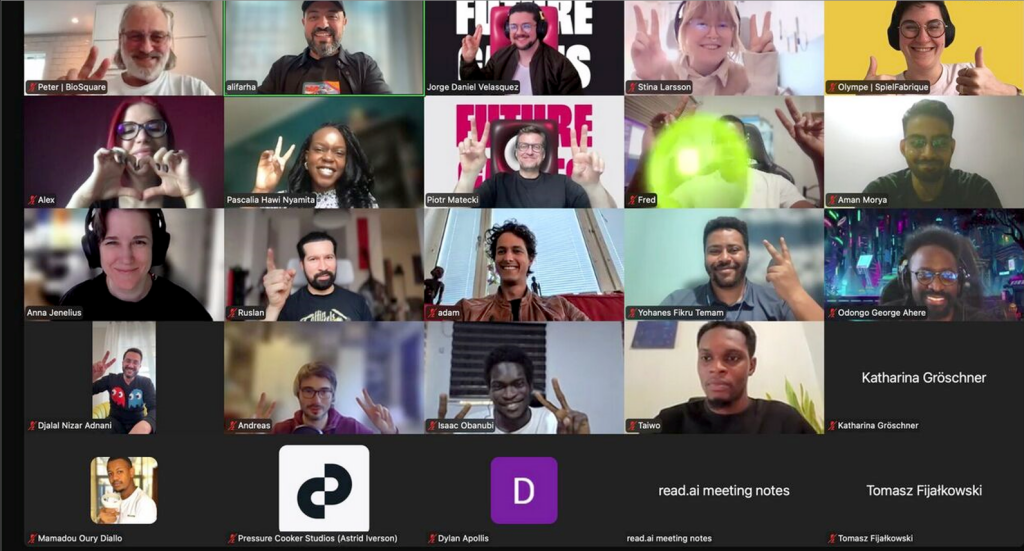
Three Games, Two Continents, One Vision: The Story Behind a Unique Global Game Jam
The initiative, led by Futuregames and Elimu Goal, organized a 96‑hour cross‑continental game jam that brought together sixteen studios from Africa and Europe. The event’s core thesis was that senior developers working as peers, rather than in traditional vendor‑client or mentor‑mentee roles, could create culturally resonant games through shared play. The jam produced three new titles—each centered on food, music, or family—that blend African and European visual styles, narratives, and themes. All three will be released on itch.io.
The methodology deliberately mixed teams of senior developers from both continents, guided by the Ubuntu philosophy (“I am because we are”) to ensure balanced knowledge transfer and mutual influence. Participation spanned a diverse array of studios, with support from partners such as SpielFabrique, the Video Games Poland Association, Swedish Games Industry, Africacomicade, IGDA Incubation SIG, Darko Petrovic, Games for Change Africa, and the UNESCO Chair on Intercultural Competences.
The jam’s outcomes will be showcased at the Games for Change Africa Summit in Nairobi, positioning the work as a model for using games to foster social and cultural connection. The event demonstrates that structured, peer‑led collaboration across time zones can yield innovative, culturally hybrid games while strengthening African‑European industry ties.
- Futuregames and Elimu Goal facilitated a 96-hour cross-continental game jam involving sixteen studios from Africa and Europe.
- The initiative produced three new titles centered on food, music, and family, which will be released on itch.io.
- The project utilized a peer-to-peer collaboration model based on the Ubuntu philosophy to ensure balanced knowledge transfer between senior developers from both continents.
- The collaboration was supported by a coalition of industry partners including SpielFabrique, Video Games Poland Association, Swedish Games Industry, Africacomicade, IGDA Incubation SIG, and the UNESCO Chair on Intercultural Competences.
- The resulting games will be showcased at the Games for Change Africa Summit in Nairobi to demonstrate the efficacy of cross-continental, peer-led development.
+1
Games Industry AfricaApr 2026
Article
FitNot Games Unveils 14th-Century Cairo Stealth Title
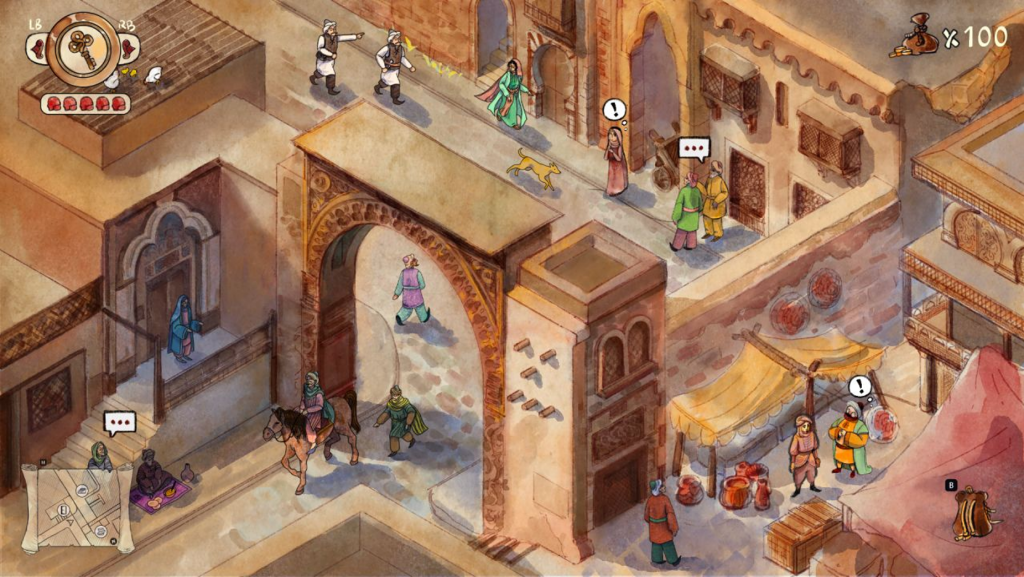
FitNot Games announces a forthcoming title, _Ali Al‑Zeibaq_, positioned as a 2D isometric stealth adventure set in 14th‑century Mamluk Cairo. The narrative centers on a legendary folk hero celebrated for wit, disguise, and resistance against corrupt authority, drawing heavily from Egyptian folklore and a childhood television series that shaped the founder Abdallah Elshabrawy’s creative vision. The studio emphasizes environmental authenticity, detailing bustling market stalls, intricate archways, faction‑based informants, and patrolling guards that demand strategic evasion. Gameplay mechanics remain largely undisclosed, but the focus on disguise, social navigation, and cleverness aligns with the hero’s folkloric roots. Development milestones indicate that a first playable build is nearly complete, suggesting an upcoming public reveal or early showcase. The project represents a culturally grounded approach to game design within the African gaming industry, highlighting local storytelling traditions and historical settings. No quantitative data or market analysis is provided; the announcement serves primarily to inform stakeholders of the studio’s creative direction and development progress.
- FitNot Games is developing 'Ali Al-Zeibaq,' a 2D isometric stealth adventure set in 14th-century Mamluk Cairo.
- The game centers on a legendary Egyptian folk hero, utilizing mechanics focused on disguise, social navigation, and strategic evasion.
- A first playable build of the title is nearing completion, indicating an imminent public reveal or early showcase.
- The project emphasizes environmental authenticity through detailed depictions of historical Cairo, including market stalls and faction-based informants.
- The studio’s creative direction is led by founder Abdallah Elshabrawy, drawing inspiration from Egyptian folklore and a childhood television series.
+2
Games Industry AfricaApr 2026
Article
Senegal’s Teranga Game Studio Selected for EVA 2026
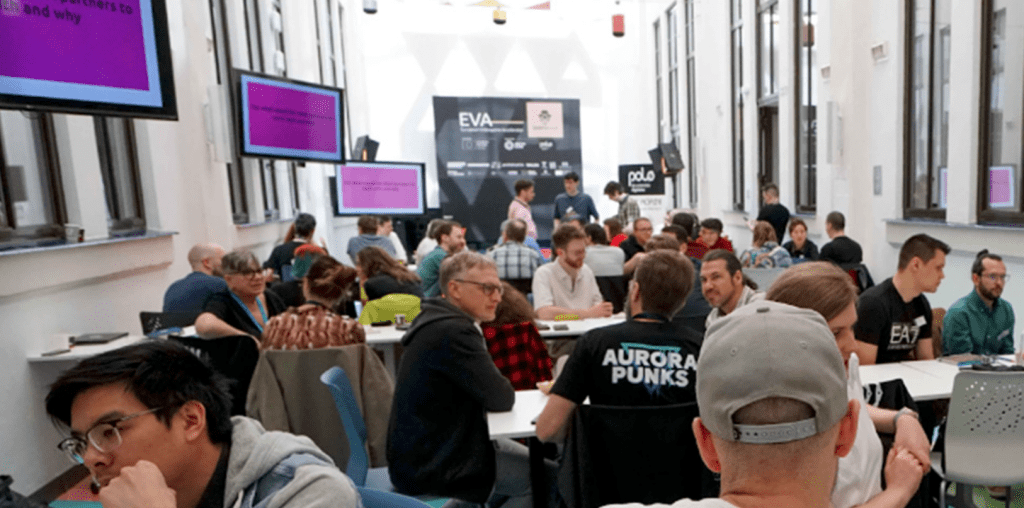
Senegal’s Teranga Game Studio has been selected to participate in the European Videogame Acceleration Program 2026 (EVA), becoming the sole African studio invited to this highly competitive initiative. The program, hosted by Spielfabrique, targets independent studios worldwide and offers mentorship, industry networking, and business development support aimed at refining projects for global market entry. Teranga’s inclusion places it alongside studios from France, Germany, the Czech Republic, and Canada, underscoring its emerging potential within a cohort of innovative developers.
Teranga Game Studio is a nascent entrant to the industry, having released a single Android title. The studio’s selection signals recognition of its creative vision and technical capability, positioning it to benefit from EVA’s structured guidance and access to European industry professionals. The program’s framework emphasizes tailored coaching, pitch preparation, and market strategy development, which are expected to accelerate Teranga’s growth trajectory.
The announcement was made by Games Industry Africa on April 15, 2026, and highlights EVA’s role in nurturing independent talent across continents. While the article does not provide quantitative metrics on Teranga’s performance, it notes the studio’s unique status as Africa’s sole representative in EVA 2026. The coverage reflects a broader trend of increasing African participation in global game development ecosystems, with EVA serving as a conduit for cross‑continental collaboration and exposure.
- Senegal’s Teranga Game Studio has been selected as the sole African representative for the European Videogame Acceleration Program (EVA) 2026.
- The EVA 2026 program, hosted by Spielfabrique, provides independent studios with mentorship, networking, and business development support to facilitate global market entry.
- Teranga Game Studio joins an international cohort of developers from France, Germany, the Czech Republic, and Canada.
- The studio is a nascent developer with a portfolio currently consisting of a single Android title.
- The program focuses on tailored coaching, pitch preparation, and market strategy to accelerate the growth of participating independent studios.
Games Industry AfricaApr 2026

Article
Egyptian Developer Hassan Adham Recognised at AMD Showcase as Arabic Games Conference Expands Reach
The Arabic Games Conference (AGC) recently expanded its regional influence by hosting an AMD-backed showcase, which highlighted the work of four emerging developers from across the Arab world. The primary purpose of this initiative is to bridge the gap between local creators and the global gaming industry by providing both visibility and tangible resources. Egyptian developer Hassan Adham was among the featured participants, recognized for his work on a non-commercial project titled The Virtuoso, a combat-focused title that originated as a character modeling experiment.
The collaboration between the Arabic Games Conference and AMD serves as a strategic effort to support developers in emerging markets. As part of the showcase, each of the four selected developers received an ASUS Mini PC to assist with their technical production needs. Furthermore, AMD is leveraging its Developer Community program to provide these creators with ongoing access to technical resources, feedback channels, and collaborative opportunities.
This event underscores the growing momentum of the game development scene in Egypt and the broader Arab region. By facilitating these connections, the conference aims to foster a more sustainable and connected ecosystem for regional talent. The initiative reflects a broader industry trend of multinational hardware providers investing in localized talent pools to encourage long-term growth and professional development within underserved creative sectors.
- The Arabic Games Conference (AGC) partnered with AMD to showcase four emerging developers from the Arab world, providing them with ASUS Mini PCs and ongoing access to AMD’s Developer Community resources.
- Egyptian developer Hassan Adham was specifically recognized for his combat-focused project, The Virtuoso, which began as a character modeling experiment.
- The initiative aims to bridge the gap between regional creators and the global gaming industry by providing technical support and professional visibility.
- AMD’s involvement reflects a broader industry trend of multinational hardware providers investing in underserved creative sectors to foster long-term growth.
- The collaboration serves as a strategic effort to build a more sustainable and connected game development ecosystem across Egypt and the broader Arab region.
Games Industry AfricaApr 2026