Games Industry Africa
Association63 documents
African game industry media platform. Publishes annual "State of the African Games Industry" reports, country reports, and resource guides.
Documents
Article
GamesConnect AFRICA Launches Open Call for Gamescom Dev Scholarships
GamesConnect AFRICA, an initiative by the Goethe-Institut, has opened applications for the 2026 gamescom dev Scholarship Programme. The primary objective of this initiative is to mitigate financial, structural, and personal barriers that prevent African game industry professionals from participating in major international events. By facilitating attendance at the gamescom dev and gamescom events in Cologne, Germany, the program seeks to increase the global visibility of African talent and foster deeper integration into the international gaming ecosystem.
The scholarship provides comprehensive support for selected participants, including complimentary access to gamescom dev and B2B activities, return flight support, and accommodation. Beyond logistical assistance, the program includes a mandatory introduction event and a curated online onboarding process to ensure attendees are prepared for high-level networking. The initiative specifically targets a broad range of practitioners, including game developers and event organizers, with a focus on supporting individuals from underrepresented communities.
This program serves as a strategic effort to build a robust, connected pan-African network that enables local studios to scale and share knowledge on a global stage. By providing access to publishers, investors, and technology partners, the scholarship aims to drive long-term professional development and market exposure for African creators. Applications for the 2026 cohort are open to all eligible industry stakeholders, with a submission deadline of June 25, 2026. This initiative underscores a broader industry trend of international stakeholders investing in the growth and representation of the African games sector.
- The Goethe-Institut’s GamesConnect AFRICA initiative has opened applications for the 2026 gamescom dev Scholarship Programme, with a submission deadline of June 25, 2026.
- The scholarship covers return flights, accommodation, and complimentary access to gamescom dev and B2B activities for selected African game industry professionals.
- The program aims to remove financial and structural barriers to international participation, specifically targeting game developers, event organizers, and individuals from underrepresented communities.
- Selected participants must complete a mandatory introduction event and a curated online onboarding process to prepare for high-level networking with global publishers, investors, and technology partners.
- The initiative is designed to increase the global visibility of African talent and facilitate the integration of local studios into the international gaming ecosystem.
+1
Games Industry AfricaJun 2026
Article
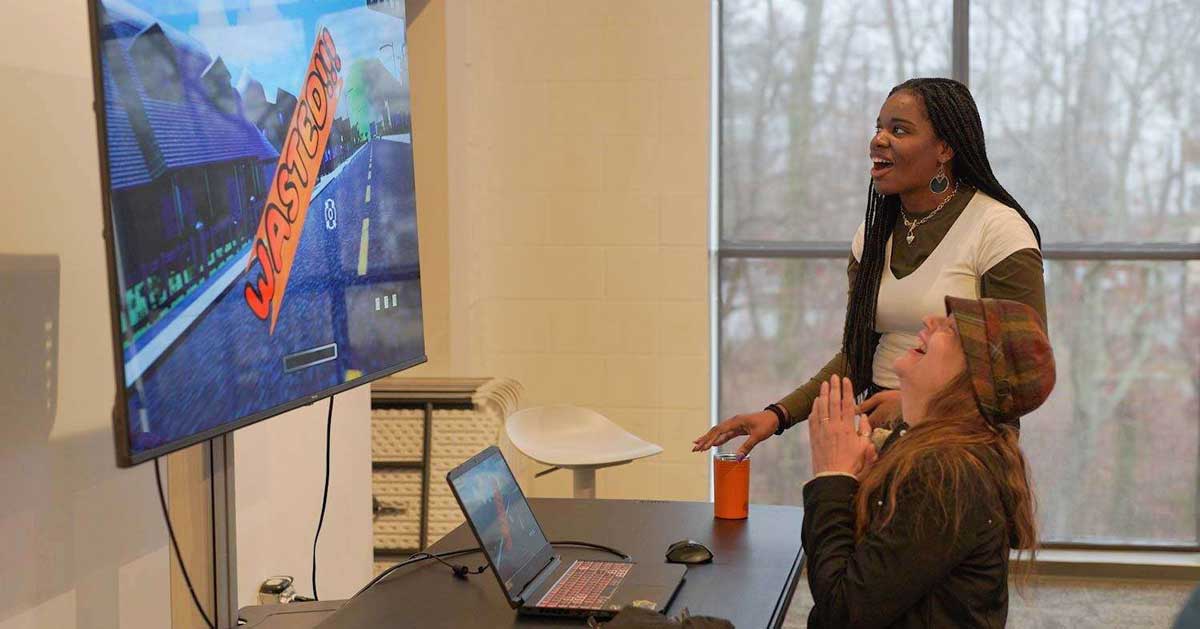
Applications Open for Roots & Pixels Programme: Bringing African Women Game Developers to Belgium
The Roots & Pixels programme has launched an open call for applications, offering a fully funded international training opportunity for female-identifying game developers. Scheduled for March 15–26, 2027, the initiative aims to bridge the gap in talent mobility and international networking for women working in the African game development sector. The programme will take place at the Howest Digital Arts and Entertainment campuses in Kortrijk, Belgium, and is supported by VLIRUOS, which covers all travel, accommodation, and training expenses for participants.
The cohort will consist of 17 developers, including nine participants from South Africa, Kenya, and Uganda, and eight developers based in Belgium. The curriculum is designed for junior-level professionals across various disciplines, including programming, design, production, art, and community management. The two-week structure features a blend of masterclasses and workshops during the first week, followed by a collaborative game jam in the second week. A core focus of the programme is the development of games for impact, emphasizing social consciousness and cultural storytelling.
This initiative addresses the persistent challenges faced by developers in emerging African markets, where access to global industry networks remains limited despite the rapid growth of local studio ecosystems. By facilitating cross-continental collaboration, the programme seeks to empower women to expand their professional reach and technical skills. Interested candidates have until August 16, 2026, to submit their applications through the official programme portal.
- The Roots & Pixels programme is offering a fully funded, two-week training initiative for 17 female-identifying game developers in Kortrijk, Belgium, from March 15–26, 2027.
- The cohort will consist of nine developers from South Africa, Kenya, and Uganda, and eight developers based in Belgium, with all travel, accommodation, and training costs covered by VLIRUOS.
- The curriculum targets junior-level professionals across programming, design, production, art, and community management, culminating in a collaborative game jam focused on games for impact.
- Applications for the programme must be submitted through the official portal by the August 16, 2026 deadline.
- The initiative is hosted at the Howest Digital Arts and Entertainment campuses to address limited international networking opportunities for women in emerging African game development markets.
+2
Games Industry AfricaJun 2026
Article
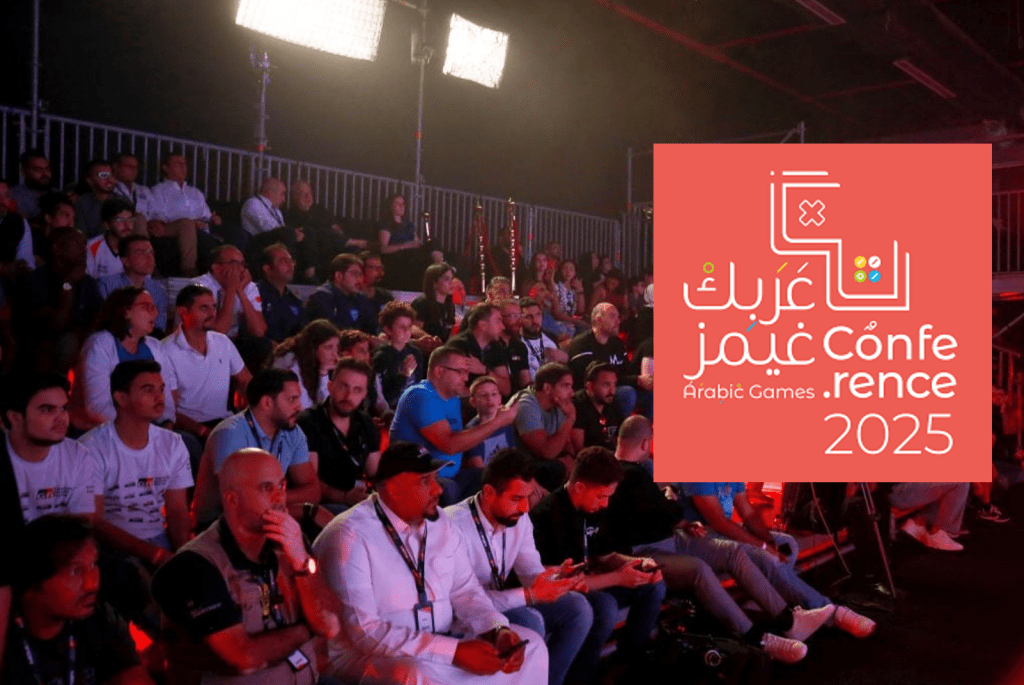
Arabic Games and Devcom Open Scholarship Applications for North African Developers
Arabic Games and Devcom have launched a joint Diversity & Access Scholarship program aimed at supporting game developers from the MENA region. The initiative seeks to bridge the gap between emerging North African talent and the global games industry by facilitating attendance at major professional events in Cologne, Germany. By providing complimentary access to both Devcom and Gamescom’s business-focused activities, the program intends to foster international networking, project showcasing, and market insight acquisition for regional developers.
The scholarship covers entry to Devcom, scheduled for August 24–25, and the Gamescom B2B event, running from August 26–28. Beyond event access, selected scholars will participate in mandatory online preparatory briefings and an on-site Scholarship Day on August 23. While the organizers provide the event passes, participants remain responsible for all personal travel, accommodation, insurance, and visa-related expenses. The program is strictly in-person, requiring full attendance at all scheduled community-building activities.
Applications for the scholarship opened in June 2026, with a submission deadline of June 19 and notification of successful candidates set for June 24. This initiative serves as a strategic effort to integrate North African developers into the broader international ecosystem, connecting them with potential publishers, investors, and industry peers. The program underscores a growing emphasis on increasing representation and accessibility for developers operating within emerging game development markets.
- Arabic Games and Devcom have launched a Diversity & Access Scholarship to connect North African developers with the global games industry via events in Cologne, Germany.
- The scholarship provides complimentary access to Devcom (August 24–25) and the Gamescom B2B event (August 26–28).
- Selected participants must attend mandatory online briefings and an on-site Scholarship Day on August 23 to facilitate networking with publishers and investors.
- While event passes are covered, scholars are responsible for all personal costs, including travel, accommodation, insurance, and visa fees.
- Applications opened in June 2026 with a submission deadline of June 19 and a notification date for successful candidates of June 24.
+1
Games Industry AfricaJun 2026
Article
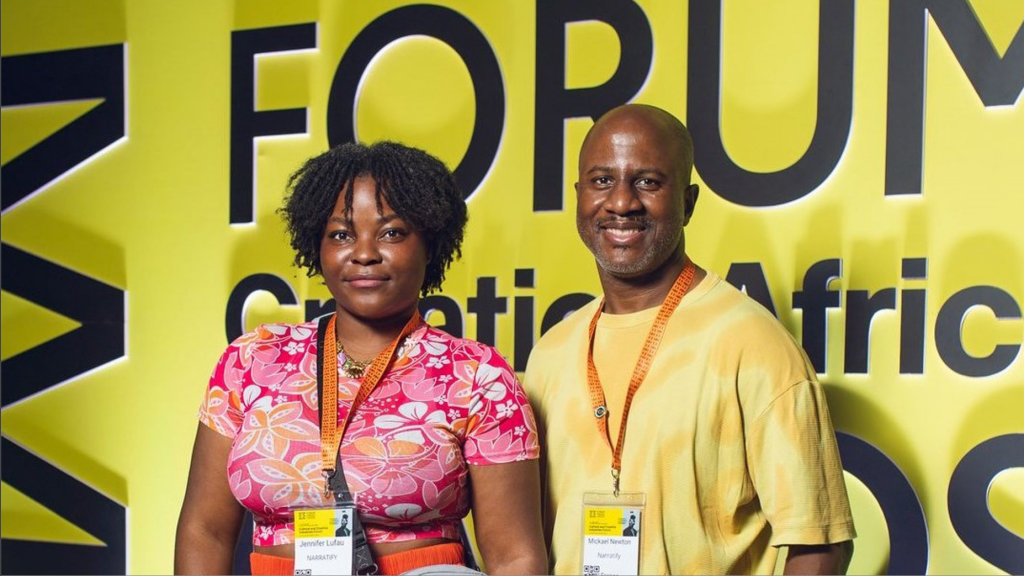
Narratify Launches Afro Game Showcase to Spotlight African Games on the Global Stage
The agency Narratify has launched the Afro Game Showcase, a digital event designed to increase the global visibility of African-made video games and provide a platform for developers across the continent and its diaspora. By highlighting upcoming PC and mobile titles, the initiative seeks to address systemic industry barriers, such as limited access to development hardware, and demonstrate the maturity of the African gaming ecosystem to an international audience.
The inaugural showcase, scheduled for June 25, 2026, features a curated selection of over 20 titles chosen from more than 75 global submissions. The program includes trailers, gameplay reveals, and developer interviews, spanning diverse genres such as action-adventure and puzzle games. To maximize reach, the event is hosted in both English and French, with content creators encouraged to participate through co-streaming and community coverage.
The showcase highlights the work of developers from various regions, including Kenya, Nigeria, France, and Brazil, emphasizing the global reach of African game development. By facilitating this exposure, Narratify aims to challenge the status quo and provide a dedicated space for studios that often operate under significant technical constraints. This event serves as a strategic effort to integrate African talent more firmly into the broader global gaming industry.
- Narratify is launching the inaugural Afro Game Showcase on June 25, 2026, to increase the global visibility of video games developed in Africa and by the African diaspora.
- The event features a curated selection of over 20 titles chosen from a pool of more than 75 global submissions.
- Participating developers represent diverse regions including Kenya, Nigeria, France, and Brazil, showcasing a wide range of genres such as action-adventure and puzzle games.
- The initiative aims to address systemic industry barriers like limited access to development hardware by providing a dedicated platform for studios operating under technical constraints.
- To maximize international reach and accessibility, the showcase will be presented in both English and French.
+1
Games Industry AfricaJun 2026
Article
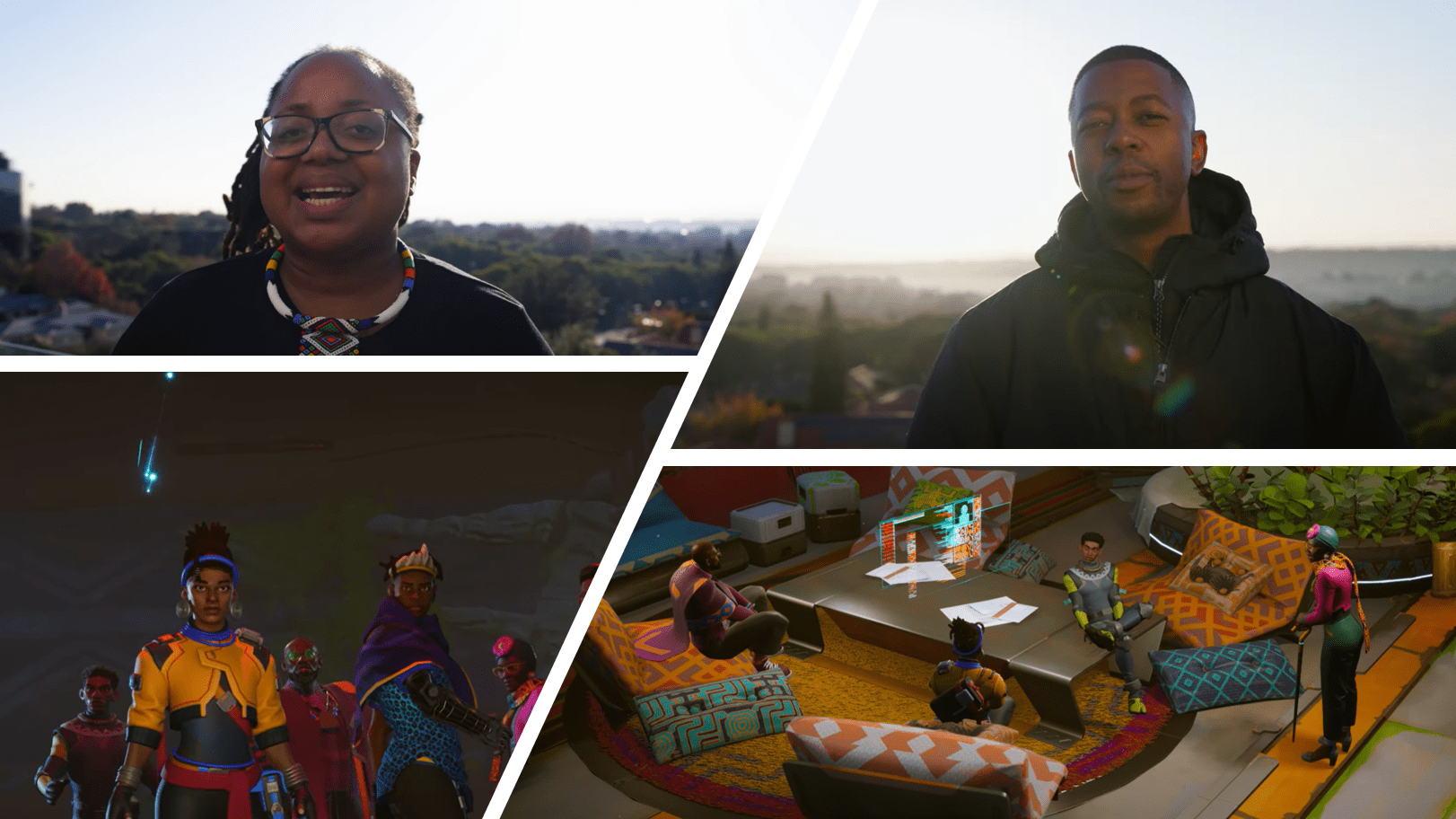
South African Studio Nyamakop Earns Games for Change 2026 Nomination for Relooted
South African game development studio Nyamakop has received a nomination for the Best in Community Empowerment award at the 2026 Games for Change (G4C) Festival. This recognition highlights the studio’s title, Relooted, an Afrofuturist heist game released in February 2026 for PC and Xbox Series X/S. The nomination underscores the studio's success in blending commercial game development with social advocacy, specifically addressing the global discourse surrounding the colonial displacement of African cultural heritage.
The narrative of Relooted centers on a crew operating in a futuristic Johannesburg, tasked with reclaiming over 70 historically significant African artifacts from Western museums. By integrating specific cultural items—such as the Benin Bronzes and the Maqdala Crown—into its gameplay mechanics, the title serves as a vehicle for raising awareness about cultural restitution. The developers emphasize that the project was motivated by UNESCO data indicating that approximately 90 to 95 percent of sub-Saharan Africa’s artistic heritage is currently held outside the continent.
The Games for Change Festival, scheduled for July 21–22, 2026, at The Glasshouse in New York City, focuses on the theme of Reimagining Play, exploring how interactive media can function as a catalyst for social impact. Nyamakop’s nomination reflects a broader industry trend of African creators utilizing digital platforms to tell localized stories with global resonance. The studio continues to position its work as a demonstration of the commercial viability and cultural importance of African-centered interactive media.
- South African studio Nyamakop has been nominated for the Best in Community Empowerment award at the 2026 Games for Change Festival for their title, Relooted.
- Relooted is an Afrofuturist heist game released in February 2026 for PC and Xbox Series X/S that focuses on the restitution of African cultural heritage.
- The game narrative centers on reclaiming over 70 historically significant artifacts, such as the Benin Bronzes and the Maqdala Crown, from Western museums.
- The project was developed in response to UNESCO data indicating that 90 to 95 percent of sub-Saharan Africa’s artistic heritage is currently held outside the continent.
- The 2026 Games for Change Festival, themed 'Reimagining Play,' is scheduled to take place on July 21–22, 2026, at The Glasshouse in New York City.
Games Industry AfricaJun 2026
Article
Nigerian Studio Inuv8 Unveils Project OVERRIDE
Inuv8 Studios, a Nigerian game development team led by Daniel Shontan, has officially announced its latest project, a narrative-driven science fiction adventure titled Project OVERRIDE. The game is currently in the pre-alpha stage of development and aims to explore themes of mystery, discovery, and the long-term consequences of human history within a dystopian, post-collapse world.
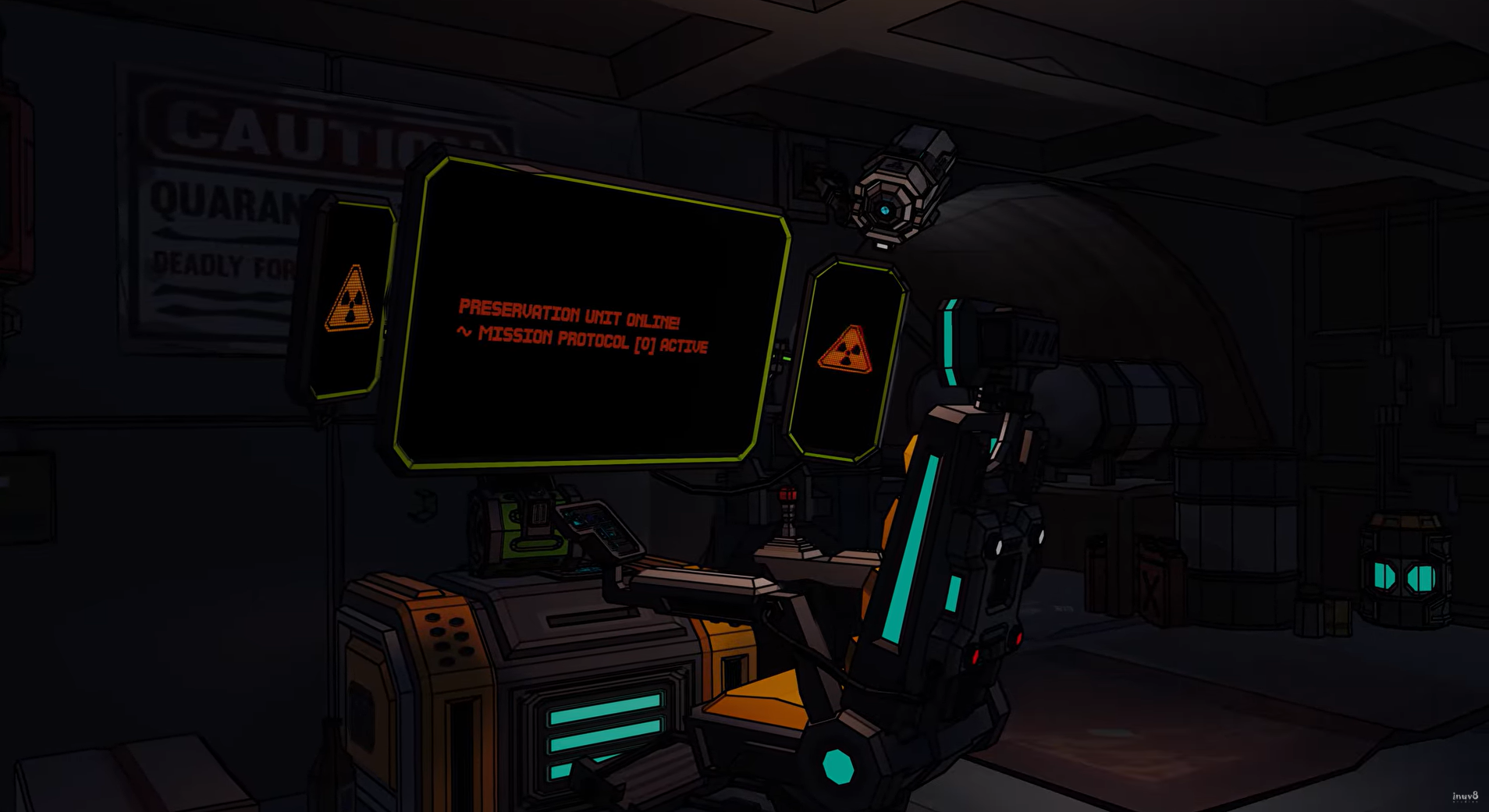
The project’s reveal featured a teaser highlighting the activation of an obsolete preservation machine, which serves as a central narrative hook. Despite the early state of production, the studio has already established core technical foundations, including a custom gameplay ability framework, modular combat systems, advanced animation architecture, and specialized narrative tooling. These components are designed to support an expansive, interconnected game world.
While the studio has not yet disclosed specific release windows, target platforms, or comprehensive gameplay mechanics, the announcement serves as a strategic move to showcase the team's creative vision. Inuv8 Studios is currently seeking to engage with potential publishers and industry partners to facilitate the continued development of the title. This project represents a notable addition to the growing landscape of independent game development within Nigeria.
- Nigerian developer Inuv8 Studios has announced Project OVERRIDE, a narrative-driven science fiction adventure set in a post-collapse, dystopian world.
- The project is currently in the pre-alpha stage of development and focuses on themes of mystery and the long-term consequences of human history.
- Inuv8 Studios is actively seeking publishers and industry partners to support the continued development of the title.
- The studio has built core technical foundations including a custom gameplay ability framework, modular combat systems, advanced animation architecture, and specialized narrative tooling.
- The narrative centers on the activation of an obsolete preservation machine, which serves as the primary hook for the game's interconnected world.
Games Industry AfricaJun 2026
Article
South Africa’s Free Lives and Cozy Lives Turn Heads at Wholesome Direct with Dressmaker
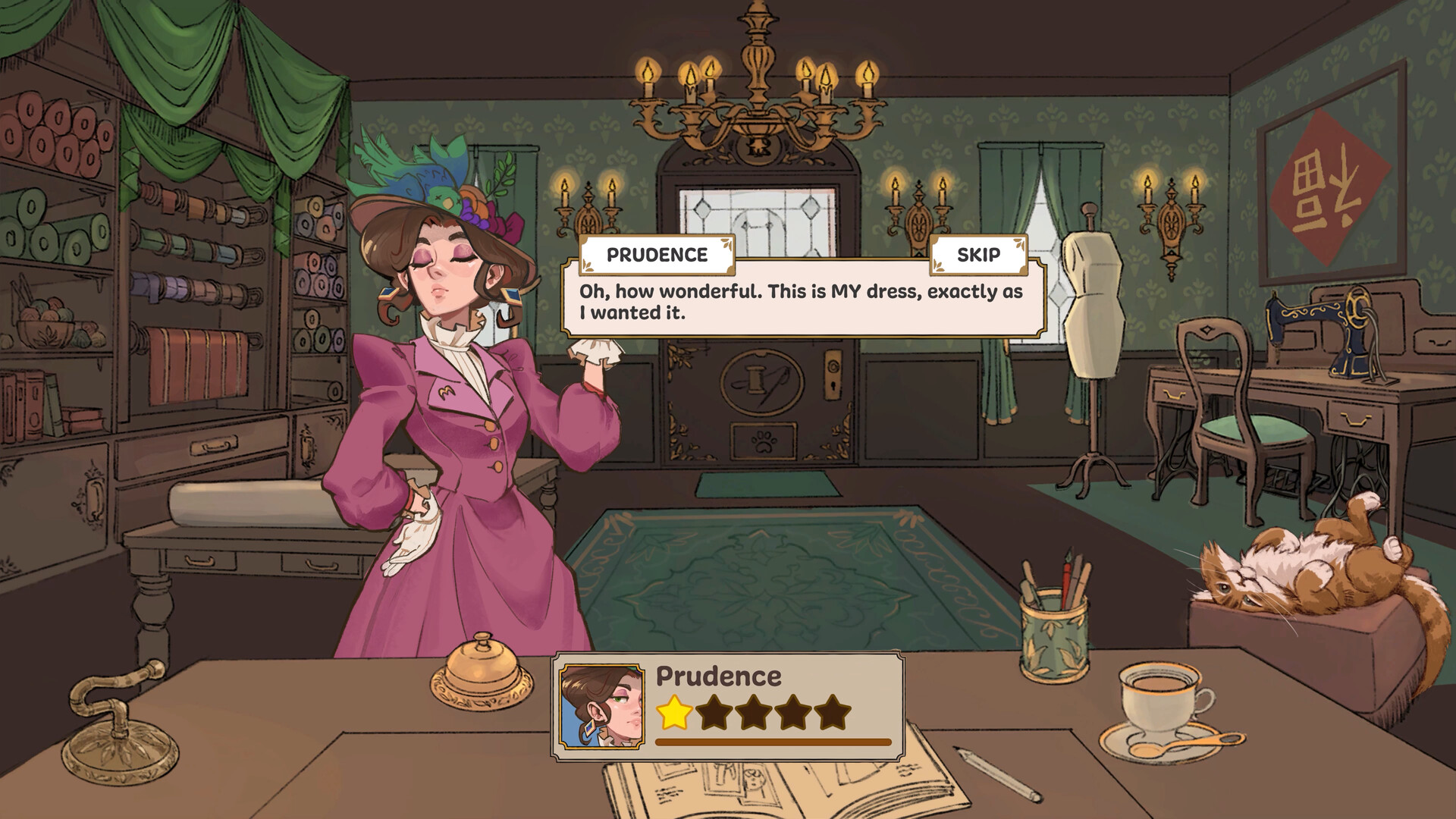
South African studio Free Lives, together with its sister label Cozy Lives, announced the release of Dressmaker at Wholesome Direct, a showcase dedicated to feel‑good titles. The simulation game focuses on the entire garment‑making process, allowing players to select fabric types—cotton, linen, wool, silk and velvet—design patterns in an in‑game sketchbook, cut along grain or bias lines, feed material into a sewing machine and finish with decorative elements such as buttons, bows, appliqué or lace. The level of detail is emphasized by the ability to preview finished pieces on a mannequin before final stitching, giving each creative decision tangible impact rather than cosmetic flair.
Dressmaker places players in a small town where they can take commissions, build reputation or sell pre‑made designs from their shop window. The blend of creative freedom and client‑driven objectives provides structure while encouraging personal aesthetic expression, and a pet cat adds a lighthearted touch. The title represents a tonal shift for Free Lives, known for action titles like Broforce and Gorn, toward the contemplative focus of Cozy Lives.
The game achieved over 100,000 Steam wishlists within a single weekend at Wholesome Direct, indicating strong international interest and reflecting the growing appetite for relaxing, craft‑centered gameplay. The milestone suggests that Dressmaker resonates beyond existing fans of the studio and taps into a broader market for soothing, creative gaming experiences.
- South African studio Free Lives and its label Cozy Lives achieved over 100,000 Steam wishlists for their new title, Dressmaker, within a single weekend following its reveal at Wholesome Direct.
- The game represents a strategic pivot for Free Lives, moving away from their established action-oriented portfolio—which includes Broforce and Gorn—toward the contemplative, cozy gaming genre.
- Dressmaker features a detailed simulation loop that covers the entire garment-making process, including fabric selection, pattern design, cutting, sewing, and final decorative detailing.
- The gameplay combines creative freedom with structured objectives, allowing players to fulfill client commissions, manage a shop, and build a reputation within a small-town setting.
- The rapid accumulation of wishlists indicates a strong international market appetite for relaxing, craft-centered simulation titles that offer tangible creative impact.
+4
Games Industry AfricaJun 2026

Article
Johannesburg Studio Riker Reveals Text-Driven Mystery: South Africa
Johannesburg‑based studio Riker announces its debut title, Detective Turner: If Looks Could Kill, slated for a Q1 2027 release on Steam for Windows and macOS. The game redefines the murder‑mystery genre by making textual content itself the investigative environment; players read words scrawled on walls, floors, and objects to uncover clues rather than interact with conventional physical objects. The narrative centers on the death of fashion magazine editor Margot Voss, a character described as brilliant and feared, whose demise pulls the player into a web of suspects with overlapping motives reminiscent of ensemble mysteries such as Knives Out and the high‑stakes world of fashion depicted in The Devil Wears Prada.
Gameplay mechanics include photographing evidence with a Polaroid camera, recording findings in an integrated notebook, interrogating suspects, and using contradictions to build a case. The design philosophy emphasizes deliberate scrutiny of language; every sentence’s placement may conceal evidence, encouraging a slower, more analytical playstyle than typical detective titles.
The project is published by ALL DAY ALL NIGHT, with pricing pending. No survey or statistical data are presented; the release information is limited to platform, launch window, and core gameplay concepts. The scope remains confined to the South African market with a global digital distribution strategy via Steam, targeting players interested in narrative‑rich, text‑centric puzzle experiences.
- Johannesburg-based studio Riker will release its debut title, Detective Turner: If Looks Could Kill, on Steam for Windows and macOS in Q1 2027.
- The game features a unique investigative mechanic where players must analyze textual content scrawled on environmental surfaces rather than interacting with traditional physical objects.
- The narrative focuses on the murder of a high-profile fashion magazine editor, utilizing an ensemble cast of suspects with overlapping motives.
- Core gameplay loops involve photographing evidence with a Polaroid camera, maintaining an integrated notebook, and building cases by identifying contradictions during suspect interrogations.
- The project is being published by ALL DAY ALL NIGHT and is designed for a global audience interested in analytical, text-centric puzzle experiences.
+2
Games Industry AfricaJun 2026
Article
Why This Kenyan Solo Developer Chose Medieval Theology Instead of Mobile Trends
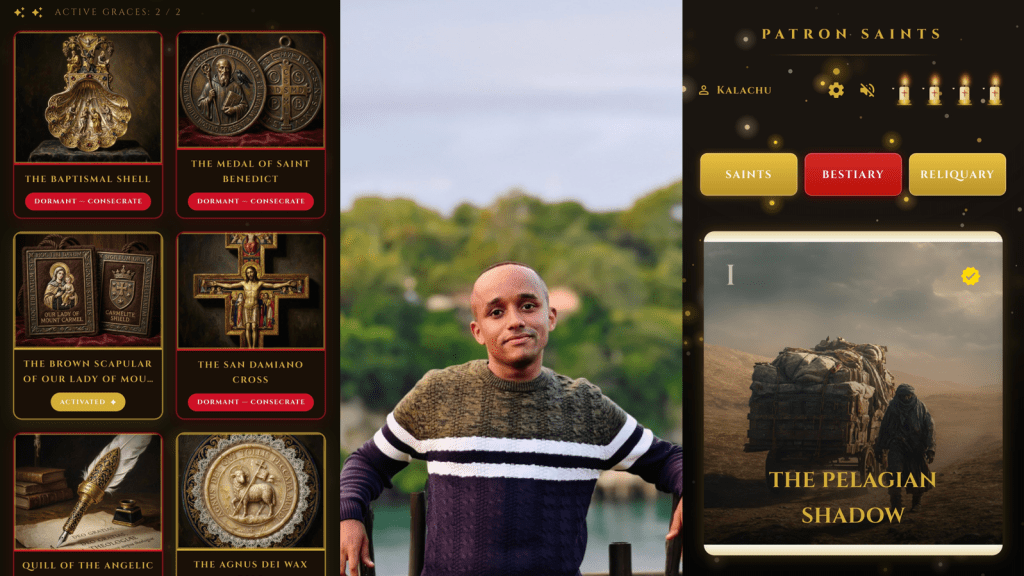
A Kenyan solo developer, Kalachu Mwiri, has released a free, non‑commercial RPG titled Patron Saints that foregrounds medieval Christian theology and African intellectual heritage. The game eschews casual mobile trends in favor of a “Scholastic Dark” experience built around the medieval Disputatio debate structure, demanding players distinguish church dogma from heresy through challenging encounters. Visuals draw on Caravaggio‑style chiaroscuro, while narrative content centers on early African theological figures such as St. Moses the Black and St. Salsa of Tipasa, underscoring Africa’s role in early Christian intellectual history rather than portraying Christianity as a colonial import. Mwiri, who holds a construction management degree and has worked in IT, accounting, and automotive repair, self‑taught programming skills to develop the entire engine using Flutter over a year. The game sources its theological material exclusively from Church‑approved texts, contains no advertising or monetisation, and is positioned as a labor of love for the faith he recently joined. By delivering a systems‑heavy, culturally serious title from a single developer in Kilifi, Mwiri demonstrates that high‑concept game development is not limited to large studios or established markets. The release highlights a niche segment of mobile gaming that prioritizes intellectual depth and cultural representation, offering an alternative to mainstream casual titles.
- Kenyan solo developer Kalachu Mwiri released 'Patron Saints,' a non-commercial RPG that utilizes a 'Scholastic Dark' design based on the medieval Disputatio debate structure.
- The game engine was built from scratch by a single developer using Flutter over a one-year development cycle.
- The narrative focuses on early African theological figures like St. Moses the Black and St. Salsa of Tipasa to reframe Christianity as part of African intellectual history rather than a colonial import.
- The project features a distinct visual aesthetic inspired by Caravaggio-style chiaroscuro and sources its content exclusively from Church-approved texts.
- The title contains no advertising or monetization, positioning itself as a high-concept, intellectual alternative to mainstream casual mobile gaming trends.
+2
Games Industry AfricaJun 2026
Article
AJB Games Studio Announces Cazafonia
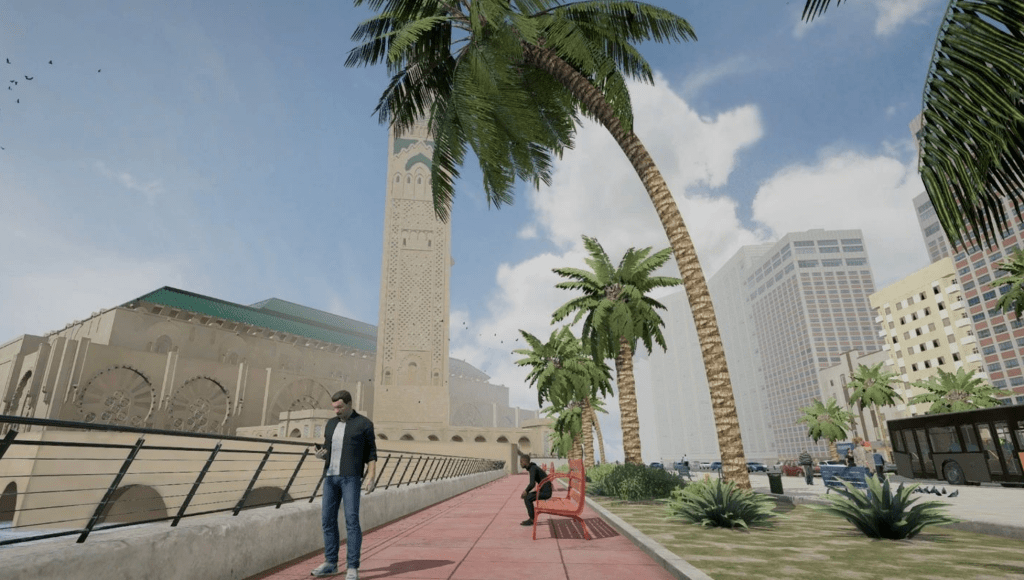
AJB Games Studio, led by CEO Ayman Jbari, has announced its forthcoming title “Cazafonia,” positioning the Moroccan developer as a key contributor to North Africa’s expanding game industry. The announcement, shared on social media after a public reveal, highlights a decade‑long development period focused on creating an open‑world experience that intertwines music, street culture, and Moroccan identity. While specific gameplay mechanics remain undisclosed, early descriptions suggest a narrative that blends local storytelling with broader commercial appeal.
The project emerges amid growing international interest in African‑made intellectual property, as studios across the continent increasingly produce titles rooted in regional narratives. Cazafonia’s emphasis on cultural authenticity aligns with this trend, potentially attracting both domestic and global audiences. The studio’s public statement underscores enthusiasm for the game’s release, hinting at additional content to follow.
Scope-wise, the announcement is centered on Morocco and the broader African market, with no explicit release window or platform details provided. Methodologically, the information derives from a social media post by the studio’s CEO rather than an industry survey or data set. The communication serves primarily as a marketing announcement, aiming to generate anticipation and signal AJB Games Studio’s commitment to culturally resonant game development within the rapidly evolving African gaming ecosystem.
- Moroccan developer AJB Games Studio, led by CEO Ayman Jbari, has officially announced its upcoming open-world title, "Cazafonia."
- The game has been in development for a decade and focuses on integrating music, street culture, and Moroccan identity into its narrative.
- The project is part of a broader industry trend of increasing international interest in African-made intellectual property rooted in regional storytelling.
- AJB Games Studio has not yet disclosed specific gameplay mechanics, release windows, or target platforms for the title.
- The announcement serves as a strategic marketing effort to establish the studio's position within the expanding North African gaming ecosystem.
Games Industry AfricaMay 2026
Article
Morocco Gaming Expo 2026: Africa's Largest Gaming Event
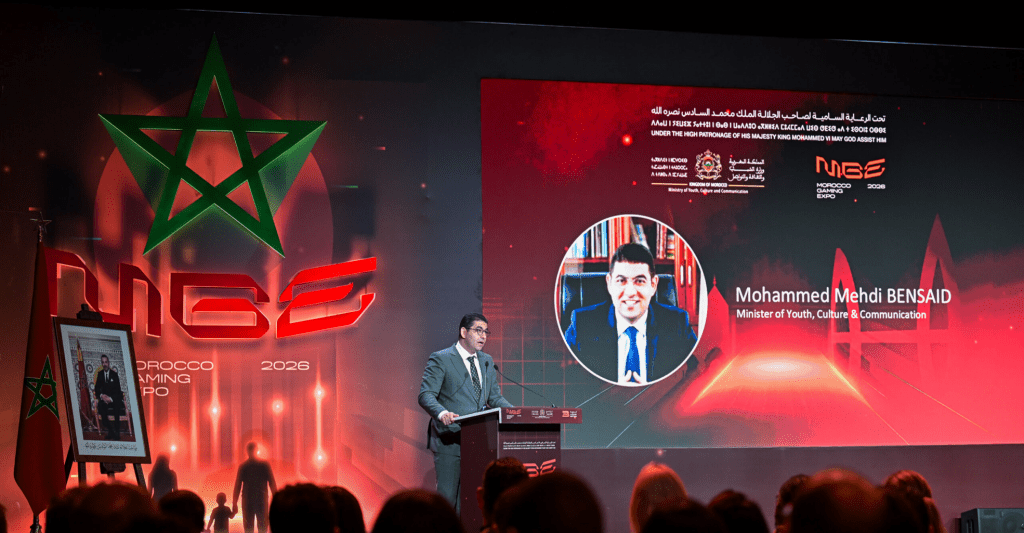
The Morocco Gaming Expo 2026 concluded on 24 May in Rabat, establishing itself as the largest gaming event ever held on the African continent. Five days of programming at Sofitel Jardin des Roses attracted 41,845 visitors in 2024 and 72,623 in 2025, with participants from 24 countries. The expo featured 100 exhibitors, 86 speakers and 27 developers presenting 32 games, all under the theme “Moroccan Talent.” Local studios such as KasbahLab, Ivalys Studio, AJB Studio and Dizzy Gaming showcased titles rooted in Moroccan culture, including the first commercial release from KasbahLab and a GTA‑inspired game by Dizzy Dros set in Casablanca.
International attention was highlighted by the presence of Erin Roberts, Chief Development Officer at Cloud Imperium Games, and delegations from KRAFTON, Epic Games and Merak Capital. New industry partnerships were announced with Proxy Planet, Garena and TA Publishing. The Inwi Challenge gamification competition awarded a cash prize and a slot at Gamescom 2026, linking Moroccan creators to the world’s largest trade show.
Morocco’s gaming sector has expanded rapidly, generating $227 million in revenue in 2025 and growing from a handful of startups to 100 active companies—a 900 % increase since 2022. The government targets 10,000 jobs by 2030 and aims to capture 1 % of global gaming revenues, a goal deemed increasingly attainable given recent growth. The expo’s scale and international engagement underscore Morocco’s emerging position as a key hub for gaming talent and investment across Africa.
- Morocco’s gaming sector has grown to 100 active companies, representing a 900% increase since 2022 and generating $227 million in revenue in 2025.
- The government has set a strategic goal to capture 1% of global gaming revenues and create 10,000 industry jobs by 2030.
- The Morocco Gaming Expo 2026 saw attendance surge to 72,623 visitors, solidifying its status as the largest gaming event on the African continent.
- International industry engagement is rising, evidenced by the participation of major entities such as Cloud Imperium Games, KRAFTON, Epic Games, and Merak Capital.
- New strategic partnerships were established with Proxy Planet, Garena, and TA Publishing to integrate Moroccan developers into the global market.
Games Industry AfricaMay 2026
Article
Ma3 Simulator Crowdfunding Campaign Closes at 100% on Jiwe IO
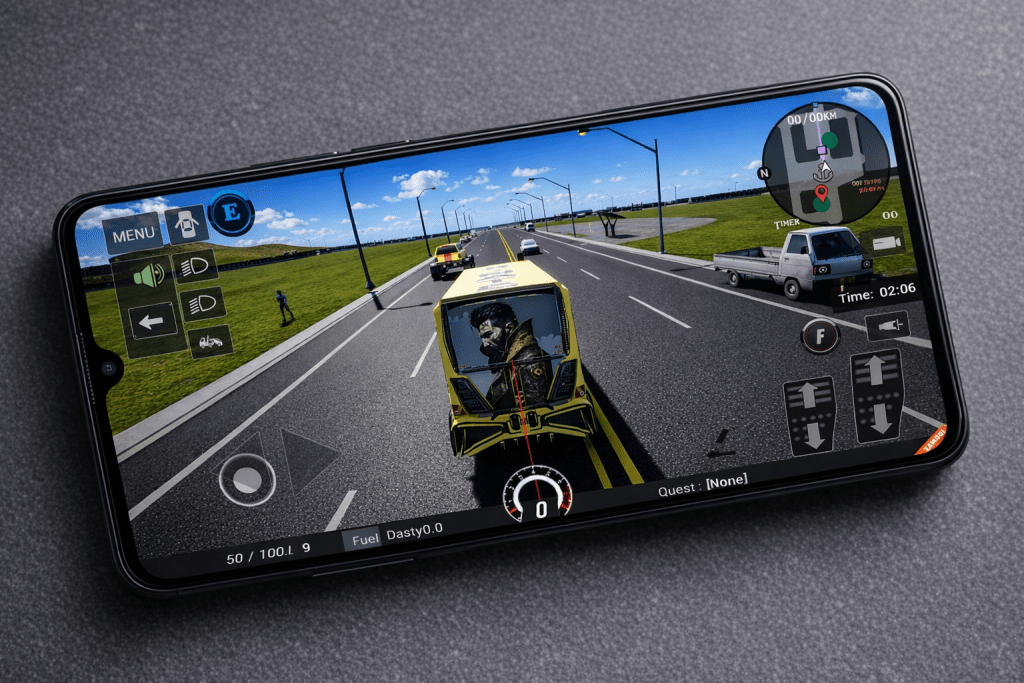
The Nairobi‑inspired transit game Ma 3 Simulator has completed its first live crowdfunding effort on the Kenyan platform Jiwe IO, achieving 100 % of a modest target and raising KES 25 000. The campaign, managed by Zawadi Games under developer Kennedy Kimeu, aimed to fund the addition of two new buses and ten new routes that expand the matatu‑culture simulation. Of the total, KES 10 000 came from local supporters while two international backers contributed KES 15 000, with a final KES 9 000 pledge arriving in the last two hours to secure the finish line.
Promotion relied on a lean, community‑driven approach: a three‑person team leveraged LinkedIn, WhatsApp groups, an email list and three TikTok streamers to generate awareness without a large marketing budget. Jiwe IO’s model focuses on financing specific development milestones within existing projects rather than launching entirely new games, positioning Ma 3 Simulator as an early success story for this approach.
The campaign’s completion marks a milestone for both the developer and Jiwe IO, illustrating how African game creators can secure targeted funding from local and international audiences. The initiative demonstrates the viability of micro‑crowdfunding for incremental updates in culturally resonant titles, and it underscores Jiwe IO’s role as a growing infrastructure for African game development.
- The Ma3 Simulator crowdfunding campaign on Jiwe IO successfully reached its KES 25,000 goal to fund two new buses and ten additional routes.
- International backers provided KES 15,000 of the total funding, while local supporters contributed KES 10,000.
- A late-stage surge of KES 9,000 in the final two hours was critical to the campaign reaching its 100% funding target.
- The developer, Zawadi Games, utilized a lean marketing strategy focused on LinkedIn, WhatsApp, email, and three TikTok streamers to avoid high promotional costs.
- Jiwe IO’s platform model successfully demonstrates the viability of micro-crowdfunding to finance specific incremental development milestones rather than full game launches.
+2
Games Industry AfricaMay 2026