Gamecity Hamburg
Association402 documents
Documents
Article
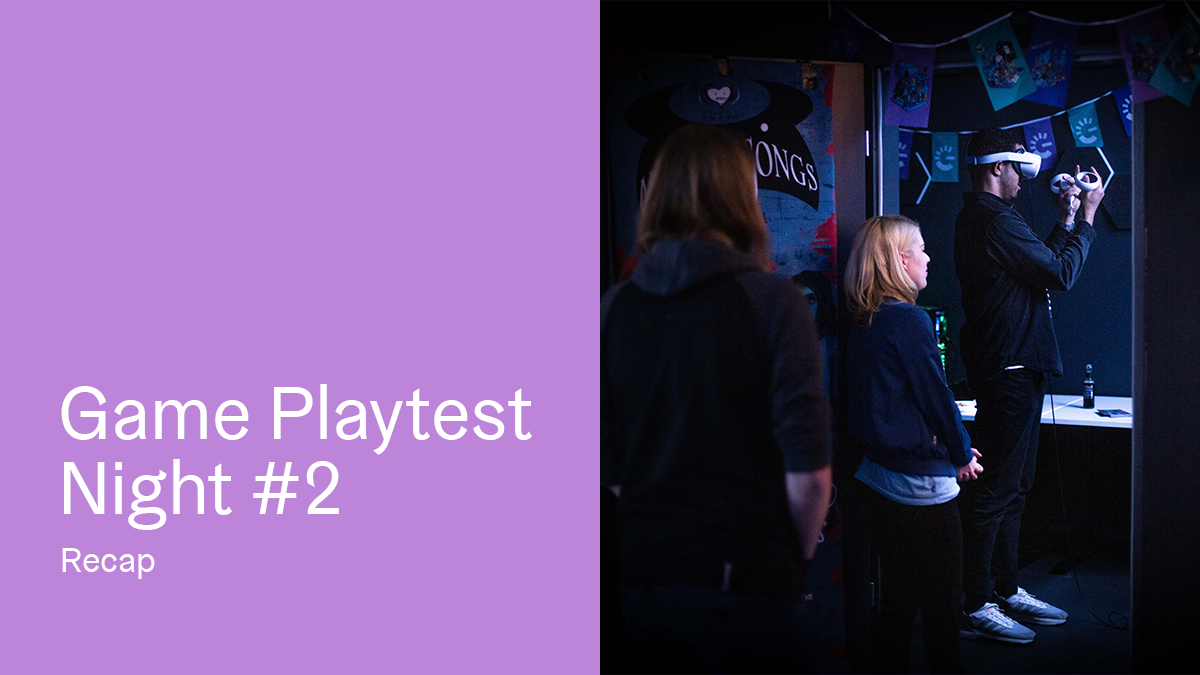
Recap: Game Playtest Night #2: Hamburg
The Game Playtest Night #2, held on June 13, 2024, in Hamburg, served as a collaborative platform designed to bridge the gap between local indie game developers and the gaming community. Organized by Gamecity Hamburg in partnership with the eSport center Play Bay, the event provided a structured environment for developers to gather critical user feedback on work-in-progress titles before their official release.
The event featured six distinct developer teams who presented their projects to a group of 60 test gamers. The showcased titles spanned a variety of genres and platforms, including the hidden object game Bee Welcome, the 2D puzzle Metroidvania Light of Atlantis, the sci-fi VR title Escape Sector VR, the co-op shooter Replicore, the musical building game ODDADA, the VR adventure Monstersongs VR, and the horror escape game The Patient.
The methodology focused on facilitating direct interaction, allowing developers to observe players in real-time and collect qualitative data regarding playability, engagement, and overall fun factor. This exchange proved mutually beneficial, as developers gained actionable insights to refine their mechanics, while participants received exclusive early access to local projects in a social, professional setting. Given the positive reception from both developers and the public, the organizers confirmed that the playtest series will continue, reflecting a sustained demand for localized, hands-on testing opportunities within the Hamburg game development ecosystem.
- Gamecity Hamburg and Play Bay hosted the second Game Playtest Night on June 13, 2024, to facilitate direct user feedback for local indie developers.
- Six developer teams presented work-in-progress titles to a cohort of 60 test gamers to gather qualitative data on playability and engagement.
- The event featured a diverse range of seven titles, including Bee Welcome, Light of Atlantis, Escape Sector VR, Replicore, ODDADA, Monstersongs VR, and The Patient.
- The playtest methodology prioritized real-time observation and direct interaction between developers and players to refine game mechanics before official release.
- Due to positive reception from both developers and participants, organizers have confirmed the continuation of the playtest series to support the Hamburg game development ecosystem.
+1
Gamecity Hamburg
Article
Road to Polaris 2024: Booth Packages for Hamburg Developers
Gamecity Hamburg is facilitating local industry participation at the Polaris community convention, scheduled for October 11–13, 2024. The primary objective of this initiative is to provide Hamburg-based game developers, studios, and teams with a platform to showcase their projects at a dedicated joint booth. By offering these subsidized exhibition spaces, the organization aims to increase the visibility of regional talent within the broader gaming, e-sports, and pop-culture community.
The comprehensive booth package includes a designated exhibition space, necessary hardware, exhibitor tickets, USK clearing, and a preparatory workshop conducted by Gamecity Hamburg. To qualify for selection, applicants must be commercially oriented entities with headquarters or a branch office located in Hamburg. Furthermore, participants are required to present a playable version of their game, provide a trailer, and maintain an active Steam page for their project. Selected exhibitors must commit to staffing the booth for the entire three-day duration of the event.
Applications for these booth packages are processed through a formal submission system, with a deadline of August 25, 2024. All entries undergo a review process to determine the final delegation. This initiative serves as part of a broader effort by Gamecity Hamburg to support the local games ecosystem through various funding, networking, and promotional programs, ensuring that regional developers remain competitive and connected to both national and international industry opportunities.
- Gamecity Hamburg is offering subsidized exhibition spaces for local developers at the Polaris community convention, taking place October 11–13, 2024.
- Applicants must be commercially oriented entities with a headquarters or branch office located in Hamburg to qualify for the joint booth.
- The application deadline for the booth packages is August 25, 2024, after which a review process will determine the final delegation.
- Selected participants must provide a playable game demo, a trailer, and an active Steam page for their project.
- Exhibitors are required to commit to staffing the booth for the entire three-day duration of the event.
Gamecity Hamburg
Article
Gamecity Hamburg and Hamburg Game Studios at Gamescom 2024
Gamecity Hamburg facilitates the participation of five local indie studios at Gamescom 2024, held in Cologne from August 21 to 25. The initiative serves to bolster the visibility of Hamburg-based developers by providing them with exhibition space at the Indie Arena Booth, a platform designed to make international industry events accessible to smaller companies. This effort is part of a broader "Road to" program, which offers delegation packages and professional preparation, including workshops, to help local studios network and secure business opportunities.
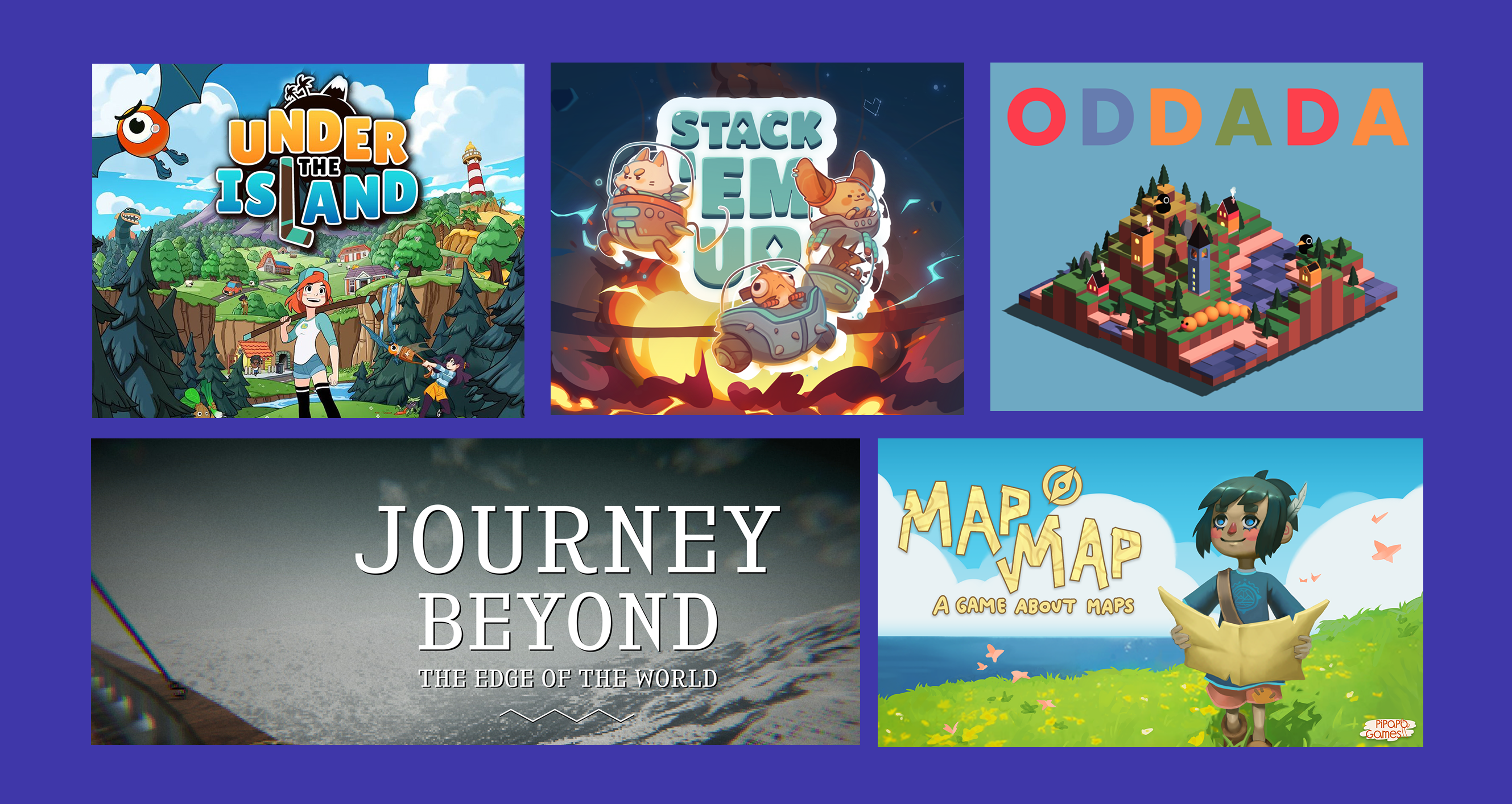
The five featured indie teams include Godcomplex Games, showcasing the multiplayer party game Stack 'Em Up; solo developer Markus Koepke, presenting the immersive adventure Journey Beyond the Edge of the World; and Pipapo Games, highlighting their cozy exploration title Map Map - A Game About Maps. Additionally, Slime King Games is exhibiting the 2D RPG Under the Island, while the duo of Sven Ahlgrimm and Mathilde Hoffmann is presenting the music construction kit game ODDADA. These projects reflect a diverse range of genres, from cozy exploration and music-based design to traditional RPGs and fast-paced multiplayer experiences.
Beyond these five studios, the broader Hamburg games industry maintains a significant presence at the event. Other notable companies participating in various capacities include Osmotic Studios, Mooneye Studios, InnoGames, Bigpoint, and Daedalic Entertainment. The presence of these established firms, alongside the supported indie cohort and media coverage from outlets like Rocket Beans TV, underscores the depth and activity of the Hamburg games sector within the German market.
- Gamecity Hamburg supported five local indie studios at Gamescom 2024, held in Cologne from August 21 to 25, by providing exhibition space at the Indie Arena Booth.
- The initiative is part of a 'Road to' program that provides delegation packages and professional workshops to help Hamburg-based developers secure networking and business opportunities.
- The five featured indie projects include Godcomplex Games (Stack 'Em Up), Markus Koepke (Journey Beyond the Edge of the World), Pipapo Games (Map Map - A Game About Maps), Slime King Games (Under the Island), and Sven Ahlgrimm and Mathilde Hoffmann (ODDADA).
- The Hamburg games industry maintains a significant presence at Gamescom through established companies including Osmotic Studios, Mooneye Studios, InnoGames, Bigpoint, and Daedalic Entertainment.
- Media coverage from outlets such as Rocket Beans TV highlights the depth and activity of the Hamburg games sector within the broader German market.
+1
Gamecity Hamburg
Article
Games Lift 2024: Hamburg's Selected Development Teams
The Games Lift Incubator, a specialized program based in Hamburg, Germany, serves to accelerate the professional development of local game studios through financial investment, mentorship, and collaborative workspace. The program’s primary objective is to bridge the gap between early-stage development and industry readiness by providing selected teams with comprehensive support from international experts in fields such as game design, business development, and marketing.
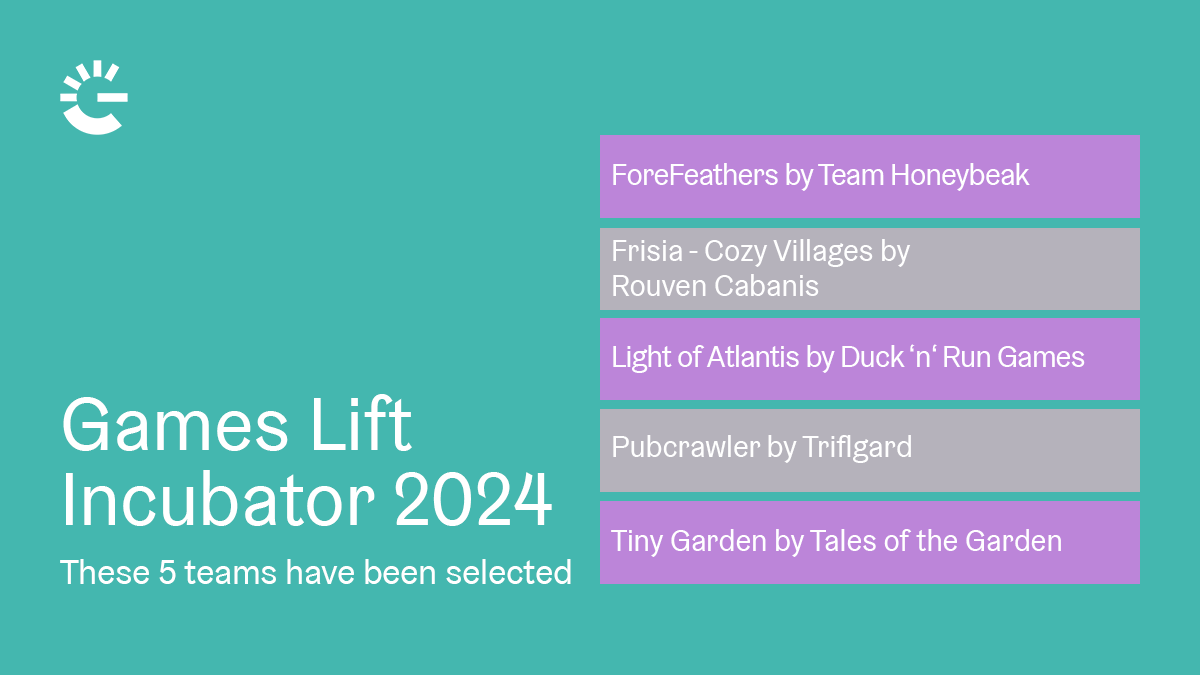
For the 2024 cohort, the selection process involved an evaluation of 21 applicant teams, from which five projects were chosen to receive 15,000 euros in funding each. The selected teams—Team Honeybeak, Rouven Cabanis, Duck 'n' Run Games, Triflgard, and Tales from the Garden—are currently engaged in a one-year support cycle. This includes access to a network of over 30 industry experts, shared office space in Hamburg to foster peer-to-peer collaboration, and opportunities to participate in international industry trade fairs to gain global market exposure.
The projects selected for the 2024 incubator demonstrate a diverse range of genres and mechanics, including 3D puzzle platformers, cozy town-building simulations, 2D metroidvanias, and cooperative PC titles. By facilitating this structured environment, the initiative aims to professionalize the local development landscape and provide emerging creators with the necessary tools to navigate the complexities of the global games industry. The program continues to act as a central pillar for Hamburg’s regional game development ecosystem, emphasizing both creative innovation and sustainable business growth.
- The 2024 Games Lift Incubator in Hamburg selected five development teams from a pool of 21 applicants to receive 15,000 euros in funding each.
- Selected teams for the 2024 cohort include Team Honeybeak, Rouven Cabanis, Duck 'n' Run Games, Triflgard, and Tales from the Garden.
- The program provides a one-year support cycle featuring access to over 30 international industry experts and shared office space in Hamburg.
- Participating studios receive professional guidance in game design, business development, and marketing to bridge the gap between early-stage development and industry readiness.
- The 2024 project portfolio spans diverse genres, including 3D puzzle platformers, cozy town-building simulations, 2D metroidvanias, and cooperative PC titles.
Gamecity Hamburg
Article
School Internship Games 2024: Hands-on Video Game Development
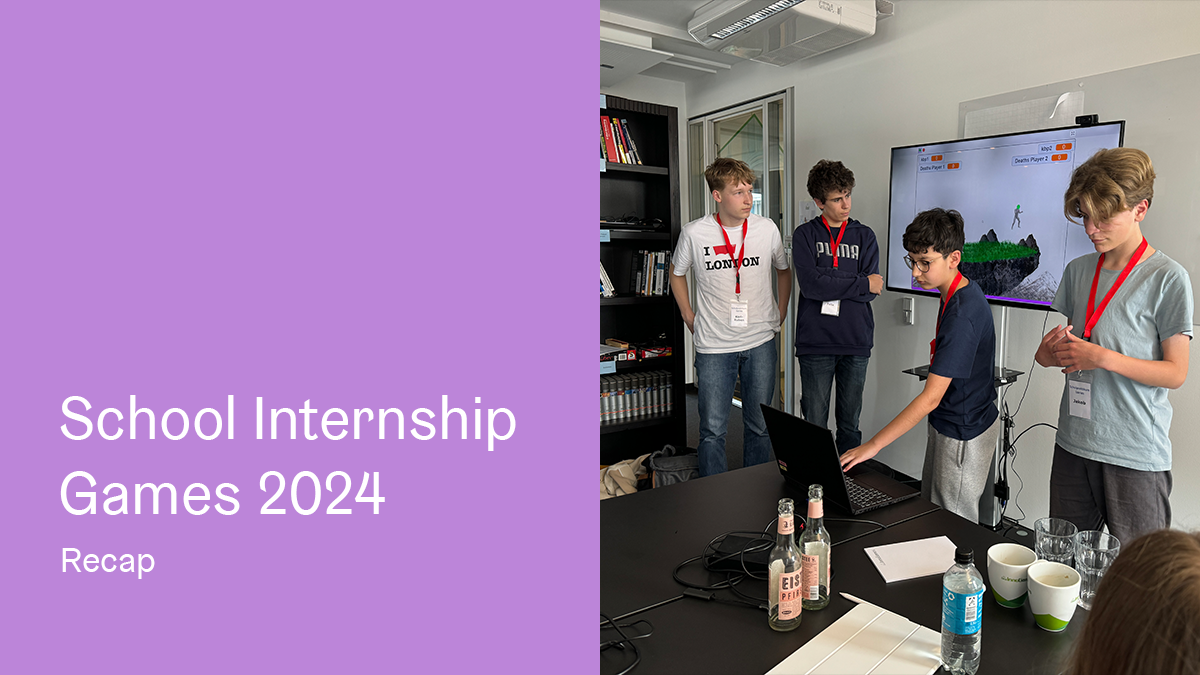
The School Internship Games 2024 initiative served as a professional development program designed to introduce secondary school students to the video game industry in Hamburg, Germany. Held from June 24 to July 12, 2024, the three-week program provided 17 ninth-grade students—comprising nine girls and eight boys—with hands-on experience in game development and exposure to various professional career paths within the sector.
The program was a collaborative effort involving prominent local industry entities, including FISHLABS, InnoGames, Square Enix, Tivola Games, the Hamburg University of Applied Sciences, and the Initiative Creative Gaming. Throughout the internship, participants engaged with these organizations to gain technical insights, build professional portfolios, and learn to use industry-standard game engines. The curriculum culminated in a two-day game jam, where students successfully developed and presented seven distinct projects, ranging from text-based adventures to pixel-art platformers.
Organizers noted a high level of technical proficiency among the participants, many of whom arrived with prior experience in programming and design. This initiative reflects a broader regional commitment to fostering future talent, supported by the Gamecity Hamburg organization. Beyond the internship, the initiative maintains ongoing educational outreach through the Gamecity@School program, which facilitates direct engagement between industry experts and students to promote awareness of career opportunities in the games industry. The program underscores the growing seriousness with which young students approach game development as a viable professional trajectory.
- The School Internship Games 2024 program provided 17 ninth-grade students with three weeks of hands-on game development training in Hamburg from June 24 to July 12, 2024.
- The initiative was a collaborative effort involving major industry players including FISHLABS, InnoGames, Square Enix, Tivola Games, the Hamburg University of Applied Sciences, and the Initiative Creative Gaming.
- Participants demonstrated high technical proficiency, utilizing industry-standard game engines to produce seven distinct projects during a concluding two-day game jam.
- The program serves as a strategic talent pipeline supported by Gamecity Hamburg to introduce secondary students to professional career paths in the gaming sector.
- Ongoing educational outreach continues through the Gamecity@School program, which facilitates direct engagement between industry experts and students to promote long-term career awareness.
+1
Gamecity Hamburg
Article
InnoGames Announces New Strategy Game: Heroes of History
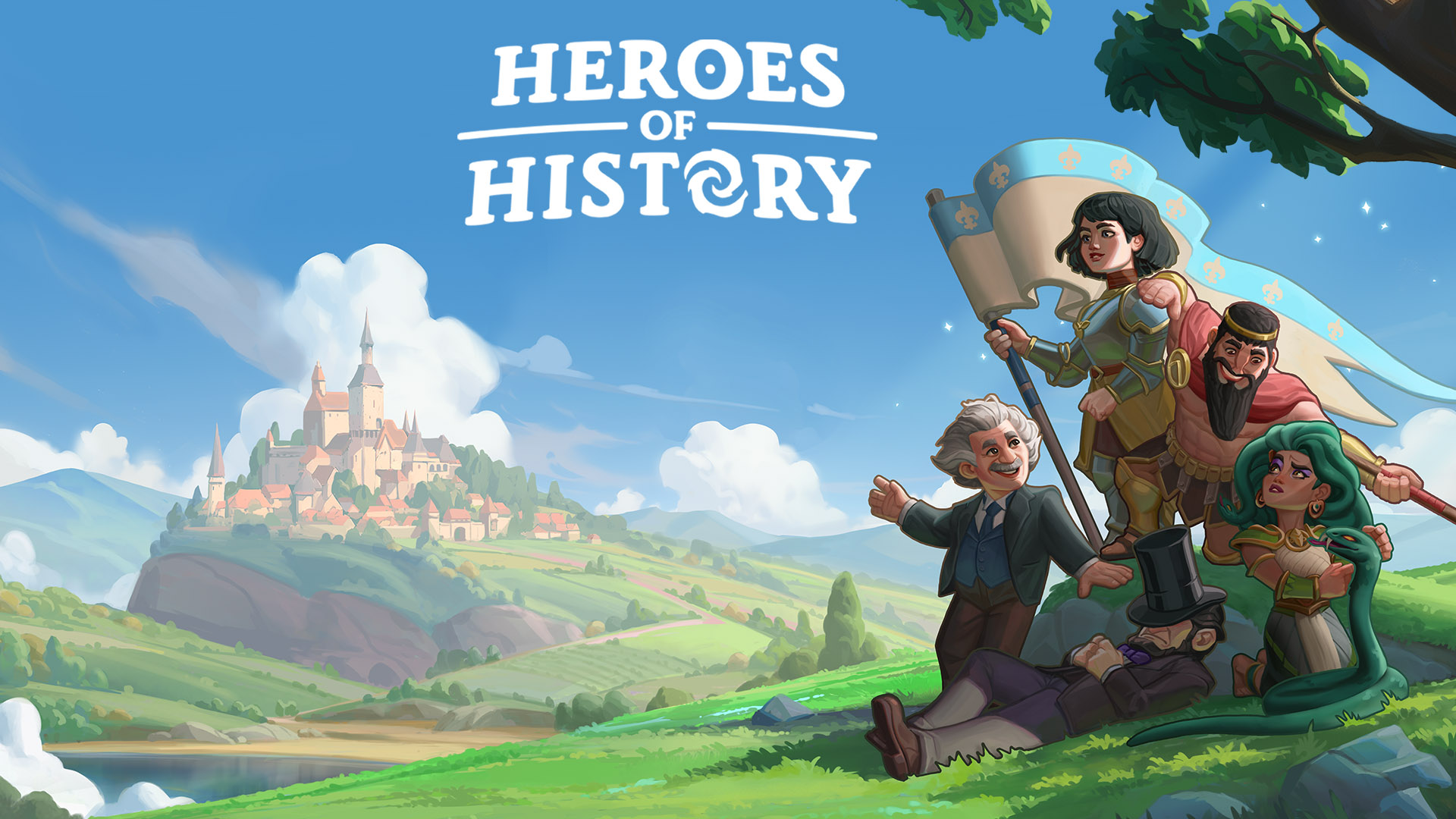
InnoGames, a prominent German developer and publisher based in Hamburg, has announced the upcoming release of a new strategy title, Heroes of History. The game centers on empire-building mechanics integrated with time-travel elements, allowing players to recruit and utilize over 70 historical figures, such as Albert Einstein, Cleopatra, and Van Gogh.
The title is designed for a broad multi-platform audience, with a free-to-play model available on iOS, Android, and PC browsers. A key feature of the release is the inclusion of cross-play functionality, enabling seamless interaction across these different platforms. The game is scheduled for an August launch, with pre-registration currently open to the public.
InnoGames, founded in 2007, maintains a significant presence in the global gaming market with a portfolio that includes established titles such as Forge of Empires, Elvenar, and Tribal Wars. The company employs over 350 staff members and continues to leverage its expertise in browser and mobile strategy games to expand its reach. This announcement underscores the studio's ongoing commitment to the strategy genre and its focus on cross-platform accessibility.
- InnoGames is launching a new strategy title, Heroes of History, in August with pre-registration currently open.
- The game features empire-building mechanics combined with time-travel elements, allowing players to recruit more than 70 historical figures.
- Heroes of History will operate on a free-to-play model across iOS, Android, and PC browsers.
- The title supports cross-play functionality, enabling seamless interaction between mobile and browser platforms.
- Hamburg-based InnoGames, founded in 2007, currently employs over 350 staff members.
+3
Gamecity Hamburg
Article
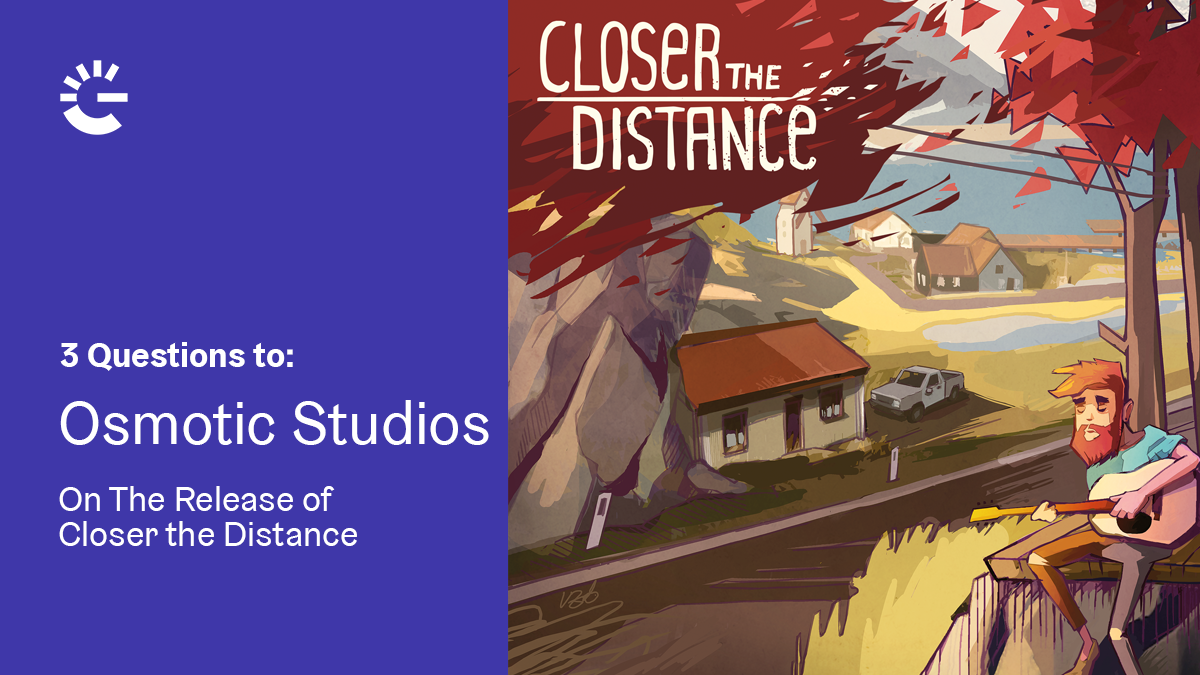
Osmotic Studios Released Their Third Title: Closer the Distance
Hamburg-based indie developer Osmotic Studios, known for the narrative-driven Orwell series, released its third title, Closer the Distance, on August 2, 2024. The game represents a strategic pivot for the studio, moving away from the dystopian themes of its previous work toward a slice-of-life simulation that explores human connection and the experience of grief. The project was supported by prototype funding from Creative Europe MEDIA and the German government’s computer game funding program, and it is published by Skybound Games for PC, PlayStation 5, and Xbox Series X/S.
The development process for Closer the Distance involved a significant evolution in mechanics. Initially conceived as a time-loop puzzle game, the project transitioned into a real-time simulation where players guide characters through their lives from an afterlife perspective. This shift was intended to better facilitate the exploration of complex emotional themes and multi-perspective storytelling.
In discussing the current indie landscape, leadership at Osmotic Studios emphasizes the necessity of innovation to stand out in an increasingly crowded market. The studio advocates for a mechanical approach to narrative design, prioritizing unique player experiences over traditional storytelling methods. Regarding business strategy, the studio advises indie developers to approach publishers early, prioritize in-person networking at industry events, and maintain a clear understanding of the trade-offs involved in signing away intellectual property or revenue rights. Ultimately, the studio views the release as a vital step in maintaining its creative independence and sustaining its team for future projects.
- Osmotic Studios released its third title, 'Closer the Distance,' on August 2, 2024, marking a strategic shift from dystopian themes to a slice-of-life simulation focused on grief and human connection.
- The project was supported by prototype funding from Creative Europe MEDIA and the German government’s computer game funding program, with Skybound Games serving as the publisher for PC, PlayStation 5, and Xbox Series X/S.
- Development evolved from an initial time-loop puzzle concept into a real-time simulation, allowing players to influence characters from an afterlife perspective to better facilitate multi-perspective storytelling.
- Osmotic Studios leadership identifies mechanical innovation in narrative design as a critical requirement for indie developers to remain competitive in an increasingly saturated market.
- The studio advises indie developers to engage with publishers early in the development cycle to secure necessary support while carefully weighing the long-term trade-offs of relinquishing intellectual property or revenue rights.
+1
Gamecity Hamburg
Article
3 Questions to skaule on the Release of Magical Delicacy: Germany
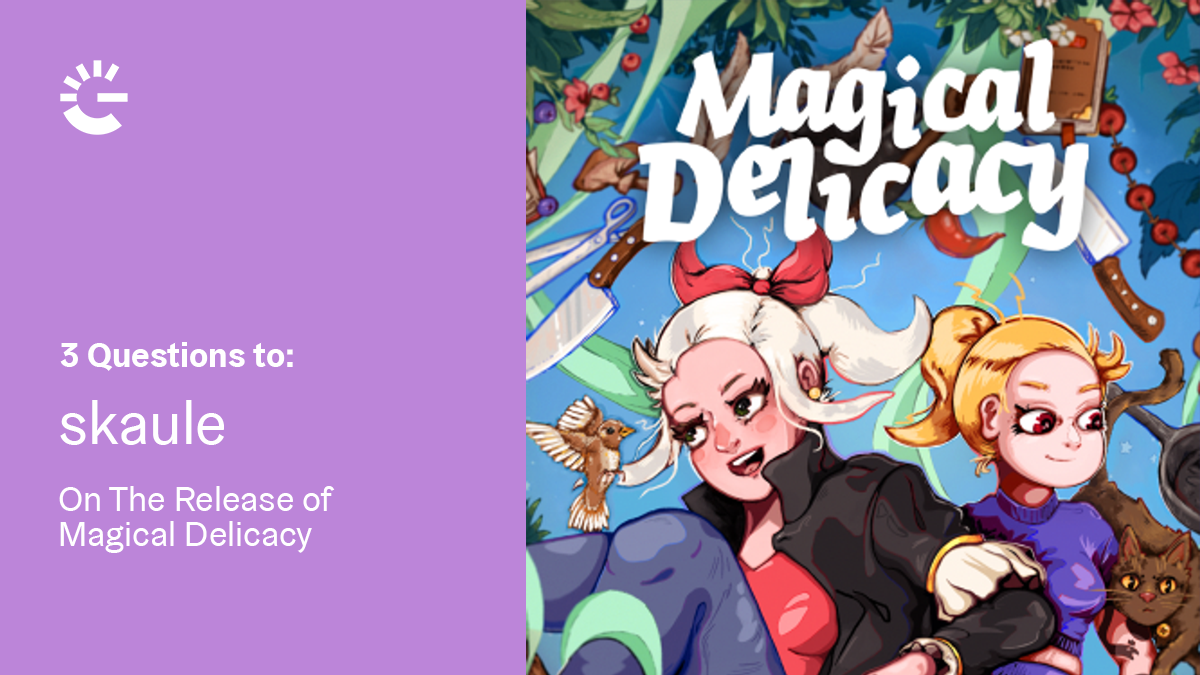
The release of the pixel art platformer Magical Delicacy serves as a case study for the challenges and strategic considerations faced by independent solo developers in the German games industry. Developed by Hamburg-based creator Steven Kaule, the project highlights the transition from academic study in illustration to commercial game production. The primary thesis emphasizes that securing early financial support through a publisher and maintaining a highly polished vertical slice are critical components for successfully navigating the complexities of independent game development.
Key findings from the development process underscore the difficulty of balancing creative autonomy with the logistical demands of a solo workflow. The final stages of production, which included managing external localization, porting, and marketing, proved to be the most taxing phase. The collaboration with Whitethorn Games, a publisher specializing in cozy, stress-free titles, was secured through a targeted outreach strategy involving cold pitches and a comprehensive pitch deck. This partnership provided the necessary financial stability to complete the project, allowing the developer to focus on building flexible, reusable systems for future titles.
The scope of this experience is localized to the Hamburg independent game scene, reflecting the broader regional support ecosystem for developers. The developer credits a formal education in illustration and game design at the HAW Hamburg as a foundational element, providing both the technical skills and the critical feedback loops necessary to refine design choices. Ultimately, the project demonstrates that while solo development offers complete creative control, success is heavily dependent on professional preparation, strategic networking, and the ability to manage diverse operational tasks simultaneously.
- Securing a publishing partner early is a critical strategy for independent solo developers to ensure the financial stability required to complete complex projects.
- Hamburg-based developer Steven Kaule successfully partnered with Whitethorn Games by utilizing a targeted outreach strategy that included cold pitches and a comprehensive pitch deck.
- The final stages of production, specifically managing external localization, porting, and marketing, represent the most resource-intensive and taxing phase for a solo developer.
- Building flexible, reusable systems during the development of an initial title is a key operational strategy for solo creators to streamline the production of future games.
- A formal academic background in illustration and game design, such as the program at HAW Hamburg, provides the essential technical skills and feedback loops needed to refine game mechanics.
+2
Gamecity Hamburg

Article
Recap: Gamescom 2024
Gamescom 2024 marked a significant milestone for the international gaming industry, recording its highest attendance since 2019 with 335,000 visitors, including 32,000 trade professionals. The event hosted exhibitors from approximately 120 countries, with peak attendance resulting in sold-out tickets on both Friday and Saturday. The Indie Arena Booth in Hall 10.2 served as a central hub for the event, showcasing over 160 international indie titles and attracting high-level political engagement, including a tour by German Economics Minister Robert Habeck.
Gamecity Hamburg utilized the event to facilitate international exposure for five local developer teams through its "Road to gamescom" initiative. These developers presented titles such as Stack 'Em Up, Journey Beyond the Edge of the World, Map Map - A Game About Maps, Under the Island, and ODDADA. Participation allowed these studios to secure direct feedback from the public, engage with media representatives, and establish essential business connections with publishers. The presence of regional and national representatives, including Berlin’s mayor, underscored the strategic importance of state-supported showcases in promoting domestic game development.
Beyond the exhibition floor, the event fostered a robust networking environment through various industry-specific gatherings, including dedicated events for women in gaming. The success of the week highlighted the ongoing relevance of physical trade shows for indie developers to generate project momentum. Following the conclusion of the event, organizers shifted focus toward upcoming regional initiatives, such as the Polaris Convention, to maintain the professional development and networking opportunities for the Hamburg-based gaming community.
- Gamescom 2024 reached its highest attendance since 2019, drawing 335,000 total visitors, including 32,000 trade professionals.
- The event featured exhibitors from approximately 120 countries and sold out all tickets for both Friday and Saturday.
- The Indie Arena Booth served as a primary hub for the event, hosting over 160 international indie titles and receiving a formal visit from German Economics Minister Robert Habeck.
- Gamecity Hamburg’s 'Road to gamescom' initiative supported five local developer teams, providing them with direct access to media, publishers, and public feedback for titles like ODDADA and Under the Island.
- The high-level political attendance, including the mayor of Berlin, highlighted the strategic importance of state-supported showcases for domestic game development.
+1
Gamecity Hamburg
Article
Games Lift Team Impawsible Games Launch Kickstarter Campaign for "Ninja Brigade"
Impawsible Games, a Hamburg-based studio and alumnus of the 2020 Games Lift Incubator, has initiated a Kickstarter campaign for its upcoming title, Ninja Brigade feat. Jonah Weingarten. The project is a 2D pixel-art Metroidvania set in feudal Japan, featuring a narrative centered on a protagonist trapped within an arcade machine who must battle various monsters and Yokai to secure an escape.
The game distinguishes itself through a blend of traditional platforming mechanics, combat, fishing, and mini-games, complemented by an original soundtrack composed by Jonah Weingarten of the bands Pyramaze and Catalyst Crime. The crowdfunding campaign serves as a primary vehicle for project support and community engagement, with the funding window scheduled to close on October 1, 2024.
Founded in 2021 by graduates of the SAE Institute Hamburg, Impawsible Games represents the ongoing output of the local game development ecosystem supported by Gamecity Hamburg. The studio’s development progress is further documented on Steam, where the title is currently listed. This launch highlights the continued activity of Hamburg-based developers in utilizing global crowdfunding platforms to bring niche, independent titles to market.
- Hamburg-based studio Impawsible Games has launched a Kickstarter campaign for its 2D pixel-art Metroidvania, 'Ninja Brigade feat. Jonah Weingarten,' which concludes on October 1, 2024.
- The game features a narrative set in feudal Japan where a protagonist trapped in an arcade machine battles Yokai and monsters.
- The project distinguishes itself through a hybrid gameplay model that combines traditional platforming and combat with fishing and mini-games.
- The soundtrack is composed by Jonah Weingarten, known for his work with the bands Pyramaze and Catalyst Crime.
- Impawsible Games is a 2021 startup founded by SAE Institute Hamburg graduates and is an alumnus of the 2020 Games Lift Incubator supported by Gamecity Hamburg.
+3
Gamecity Hamburg
Article
Road to Polaris 2024: 5 Games Accompanying Gamecity Hamburg
Gamecity Hamburg is facilitating the promotion of local game development by hosting a joint booth at the 2024 Polaris convention in Hamburg, scheduled for October 11–13. The initiative serves as part of the organization’s Road to Polaris program, which aims to provide independent developers and studios from the region with a platform to showcase their projects, engage with the public, and foster industry connections. By offering free participation to selected studios, the program supports the visibility of Hamburg’s creative sector within the broader context of gaming, anime, and Asian pop culture.
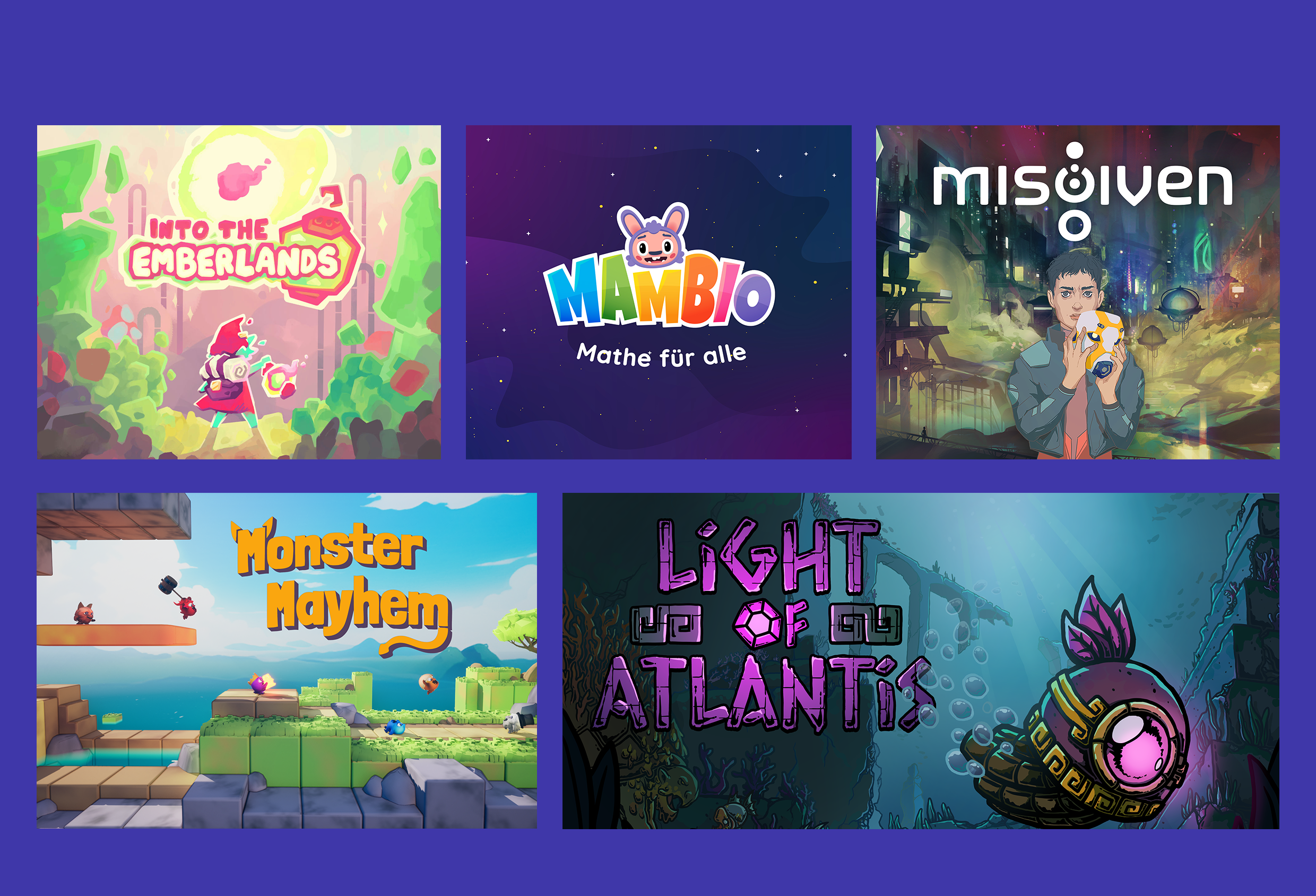
The showcase features five distinct titles developed in Hamburg: Into the Emberlands by Tiny Roar, a cozy rogue-lite exploration game; Light of Atlantis by Duck’n’Run Games, a 2D puzzle metroidvania; Mambio by neurodactics, an educational mathematics game for children; Misgiven by Symmetry Break Studio, a narrative-driven sci-fi adventure; and Monster Mayhem by Lost the Game Studios, a multiplayer battle game. These selections highlight the diversity of the local industry, ranging from educational software to narrative-focused and competitive titles.
Polaris 2024 is expected to be the largest iteration of the event to date, utilizing over 20,000 square meters of the Hamburg trade fair grounds to accommodate approximately 150 exhibitors. Beyond the game demonstrations, the Gamecity Hamburg booth serves as an informational hub where attendees can interact with developers and learn about the city’s various funding programs and support structures for the games industry. This effort aligns with the organization's broader mission to provide Hamburg-based companies with access to national and international events, thereby strengthening the local ecosystem through networking and business development opportunities.
- Gamecity Hamburg is hosting a joint booth for five local studios at the Polaris 2024 convention, taking place in Hamburg from October 11–13.
- Polaris 2024 is expanding to its largest scale yet, occupying over 20,000 square meters of trade fair space with approximately 150 exhibitors.
- The five featured titles are Into the Emberlands (Tiny Roar), Light of Atlantis (Duck’n’Run Games), Mambio (neurodactics), Misgiven (Symmetry Break Studio), and Monster Mayhem (Lost the Game Studios).
- The 'Road to Polaris' program provides selected independent studios with free participation to increase their visibility and facilitate industry networking.
- The Gamecity Hamburg booth functions as an informational hub to educate attendees on regional funding programs and support structures for the games industry.
Gamecity Hamburg
Article
Gamecity Hamburg Games Lift 2024: Kick-Off with a Bang
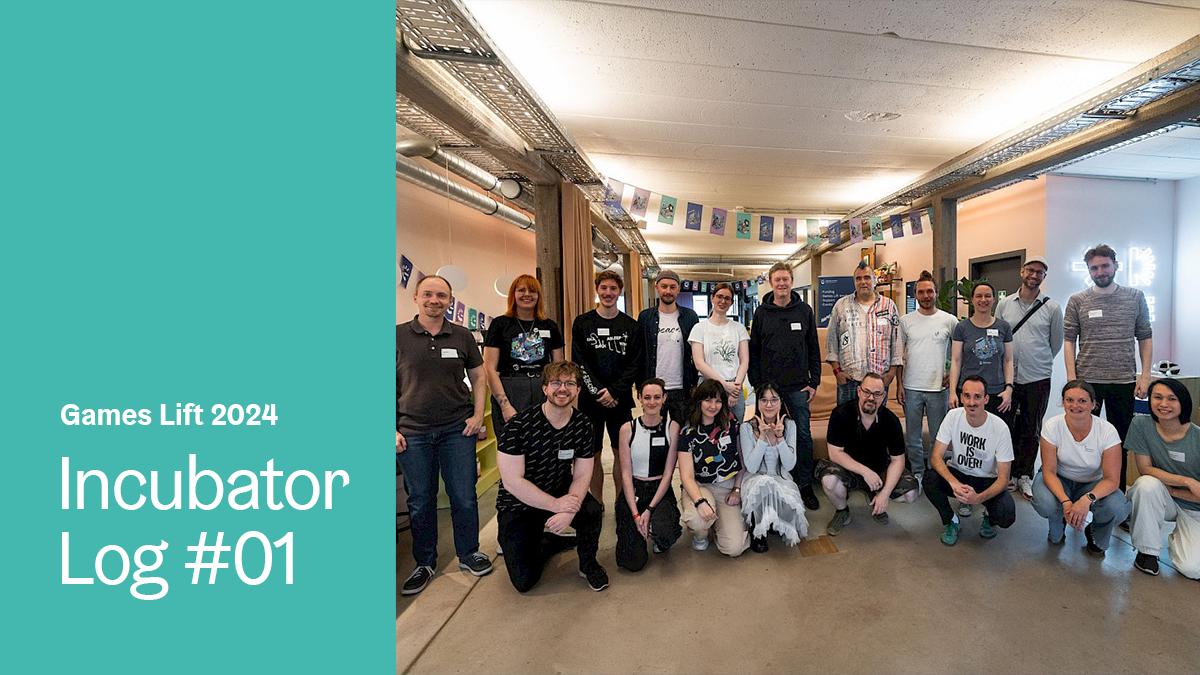
The Games Lift Incubator, a prominent initiative by Gamecity Hamburg, officially launched its 2024 cohort with a kick-off event held at the SPACE facility in Hamburg’s Hafencity. The program serves as an intensive support system for emerging game developers, providing a structured environment where new teams engage with experienced mentors, alumni, and industry experts to refine their projects and business strategies.
The 2024 cohort features a diverse range of projects, highlighting the creative breadth of the local industry. Notable participants include Honeybeak, which is developing the 3D puzzle-platformer ForeFeathers; Duck’n’Run, the creators of the award-winning Metroidvania title Light of Atlantis; and solo developer Rouven Cabanis, who is working on the cozy building game Frisia. Other featured projects include the cooperative apocalyptic title Pubcrawler by Triflgard and the world-building game Tiny Garden by Sven Mehlhorn. These teams utilize the incubator to address critical business challenges, such as marketing strategies, self-publishing versus partnership models, and overall project development.
The incubator program is designed to evolve through continuous feedback, incorporating recurring workshops and mentorship from industry veterans. By facilitating direct connections between developers and established professionals, the initiative aims to foster professional growth and project viability. The program remains a central pillar of Hamburg’s game development ecosystem, emphasizing the importance of community, networking, and expert guidance in navigating the competitive landscape of the global games industry.
- Gamecity Hamburg has launched the 2024 Games Lift Incubator at the SPACE facility to provide intensive mentorship and business strategy support for emerging game developers.
- The 2024 cohort includes five notable projects: the 3D puzzle-platformer ForeFeathers by Honeybeak, the Metroidvania title Light of Atlantis by Duck’n’Run, and the cozy building game Frisia by Rouven Cabanis.
- Additional projects participating in the incubator include the cooperative apocalyptic title Pubcrawler by Triflgard and the world-building game Tiny Garden by Sven Mehlhorn.
- The program focuses on addressing critical business challenges for developers, specifically marketing strategies, project development, and the decision-making process between self-publishing and partnership models.
- The incubator structure relies on recurring workshops and direct mentorship from industry veterans and alumni to improve the commercial viability of participating projects.
Gamecity Hamburg