Gamecity Hamburg
Association402 documents
Documents
Article
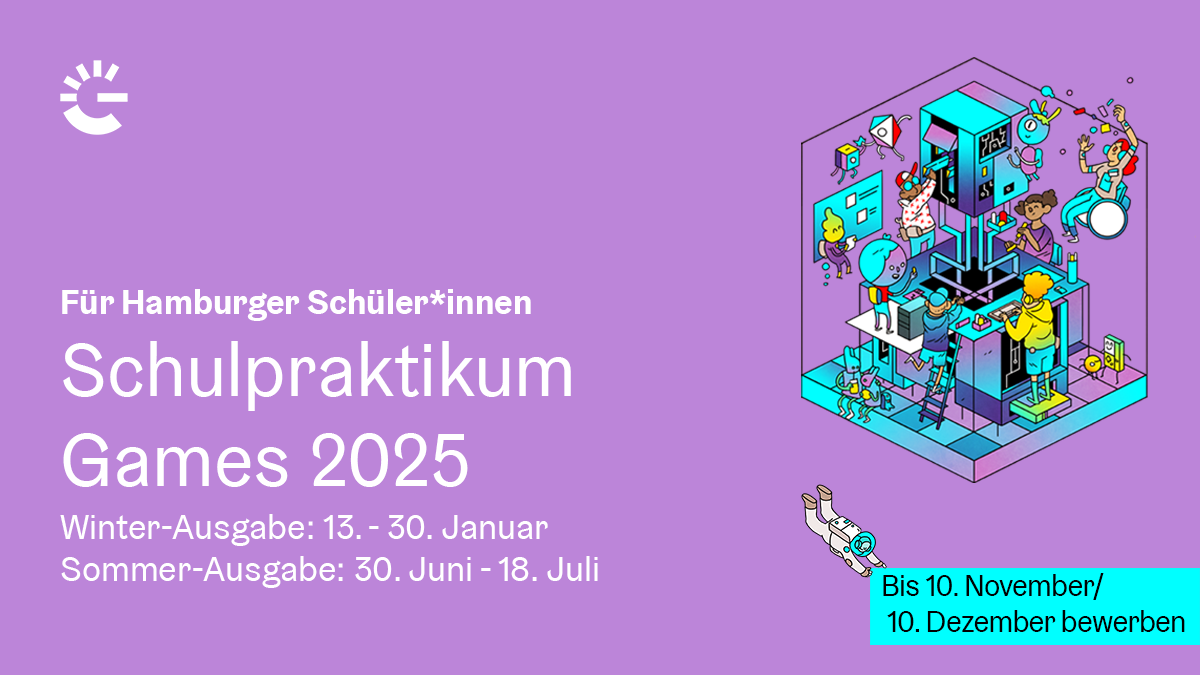
Schulpraktikum Games 2025: Hamburg
The Schulpraktikum Games 2025 initiative serves as a career development program designed to introduce ninth-grade students in Hamburg to the professional games industry. By providing structured, three-week internship opportunities, the program aims to bridge the gap between secondary education and the professional sector, offering participants direct exposure to various career paths including game design, game art, and programming.
The program is a collaborative effort involving local games companies, the Hamburg University of Applied Sciences (HAW), and the initiative Creative Gaming e.V., with support from Gamecity Hamburg and the regional branch of the German Games Industry Association. Since its inception in 2021, the initiative has facilitated placements at prominent organizations such as InnoGames, Playa Games, Fishlabs, Square Enix, and Tivola Games, providing students with firsthand insights from industry professionals.
For the 2025 cycle, internships are scheduled for two distinct periods: January 13 to January 30, and June 30 to July 18. Interested students must adhere to specific application deadlines, with a cutoff of November 10, 2024, for the winter session and December 10, 2024, for the summer session. This initiative underscores a regional commitment to fostering local talent and providing students with a comprehensive understanding of the educational and professional requirements necessary to enter the diverse and evolving games sector.
- The Schulpraktikum Games 2025 initiative provides three-week internships for ninth-grade students in Hamburg to gain professional experience in game design, art, and programming.
- Application deadlines for the 2025 program are November 10, 2024, for the winter session and December 10, 2024, for the summer session.
- Internships are scheduled for two distinct blocks: January 13 to January 30, 2025, and June 30 to July 18, 2025.
- Participating industry partners include prominent studios such as InnoGames, Playa Games, Fishlabs, Square Enix, and Tivola Games.
- The program is a collaborative effort involving Creative Gaming e.V., the Hamburg University of Applied Sciences (HAW), Gamecity Hamburg, and the German Games Industry Association.
Gamecity Hamburg
Article
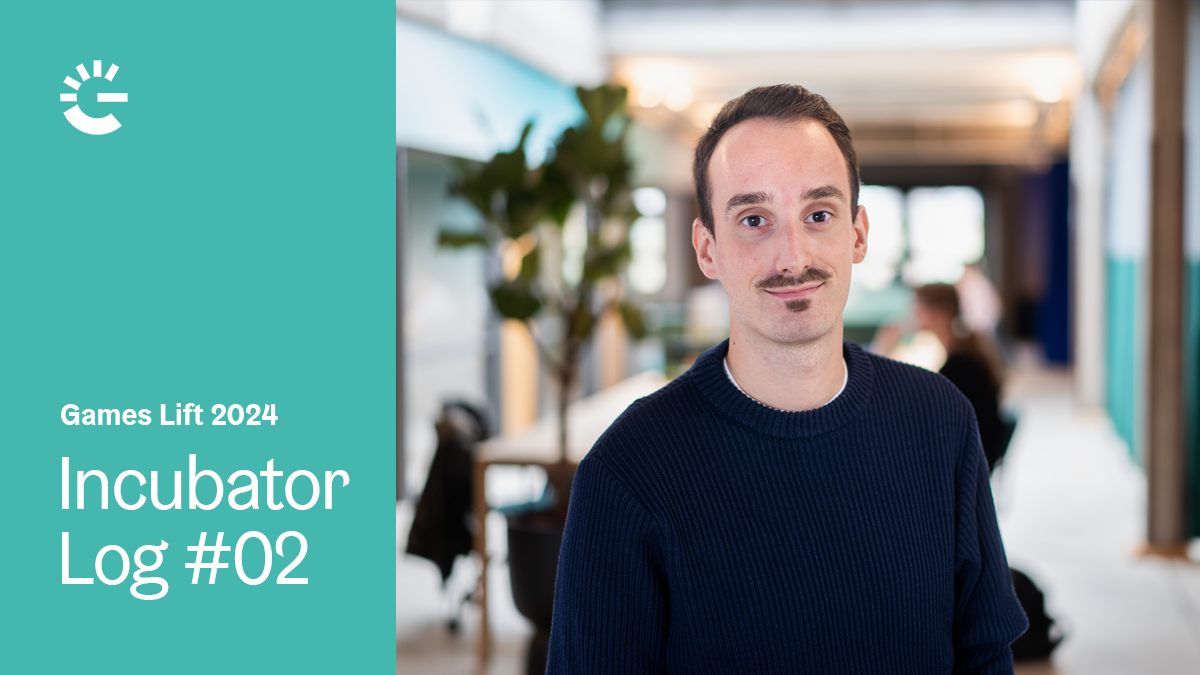
Games Lift: Rouven Cabanis has Frisia on his mind
The Games Lift Incubator, an initiative by Gamecity Hamburg, serves as a professional development platform for emerging game developers, providing mentorship, workshop training, and strategic guidance. A primary focus of the program is to assist developers in refining their projects, navigating publisher relations, and mastering the complexities of project pitching and funding. The incubator emphasizes a hands-on, iterative approach to development, encouraging participants to learn through practical application and community feedback.
The program highlights the development of Frisia – Cozy Villages, a strategy game created by Rouven Cabanis. Inspired by the atmospheric and environmental dynamics of the North Sea’s Frisian Islands, the project aims to capture the region’s unique lighting, weather patterns, and historical reliance on salvaged maritime resources. The game, which features a playable demo on Steam, serves as a case study for the incubator’s efficacy in helping developers transition from conceptual design to professional market readiness.
By facilitating access to industry expertise and structured training, the incubator supports the growth of the Hamburg-based games sector. Participants benefit from a curriculum that covers technical skill-building, such as 3D design and programming, alongside essential business competencies. Through ongoing playtesting and feedback loops, the program enables developers to refine their project scope and audience engagement, ensuring that creative visions are effectively translated into viable, market-oriented products.
- The Games Lift Incubator, managed by Gamecity Hamburg, provides emerging developers with structured mentorship, workshop training, and strategic guidance to transition projects from conceptual design to market readiness.
- The program focuses on bridging the gap between creative development and business viability by teaching participants how to navigate publisher relations, project pitching, and funding strategies.
- Rouven Cabanis’s strategy game, Frisia – Cozy Villages, serves as a primary case study for the incubator’s efficacy in refining project scope through iterative development and community feedback.
- Frisia – Cozy Villages draws its core aesthetic and gameplay mechanics from the North Sea’s Frisian Islands, specifically incorporating regional weather patterns, lighting, and maritime resource salvage.
- A playable demo for Frisia – Cozy Villages is currently available on Steam, demonstrating the incubator's focus on practical application and early audience engagement.
+1
Gamecity Hamburg
Article
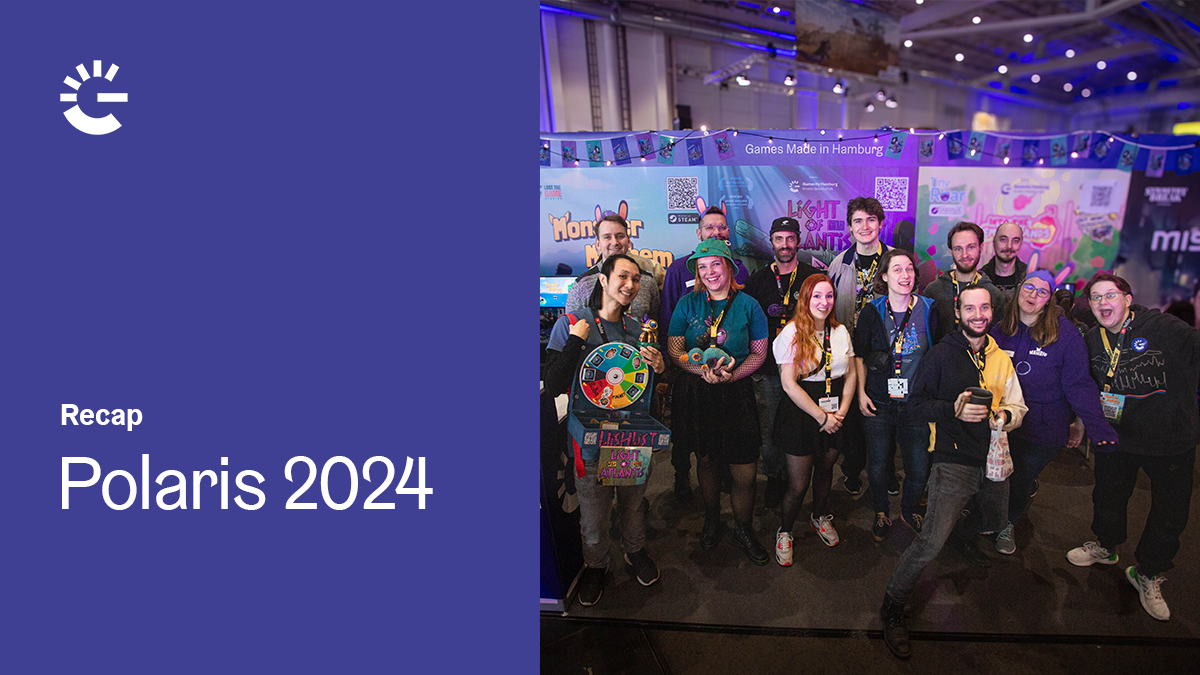
Recap: Gamecity Hamburg at Polaris 2024
The Polaris 2024 convention, held in October at the Hamburg Exhibition Center, served as a significant platform for the regional games industry, drawing a record-breaking attendance of over 40,000 visitors across three days. The event focused on a broad spectrum of pop culture, including gaming, anime, manga, and Asian pop culture, while providing a dedicated space for industry networking and professional development.
Gamecity Hamburg maintained a prominent presence at the convention through its "Games Made in Hamburg" booth, situated within the "Sandbox" area. This initiative showcased five specific indie titles—Into The Emberlands, Light of Atlantis, Mambio, Misgiven, and Monster Mayhem—all of which were supported by the organization’s "Road to Polaris" program. Beyond product exhibition, the team provided career guidance and information on industry employment opportunities to attendees.
A key component of the convention’s professional programming was the Gamecity Treff networking event, which gathered over 250 industry guests at the Grüner Jäger music club. This session facilitated high-level exchanges, business development, and community building among local and national industry stakeholders. The success of the 2024 iteration has already led to the scheduling of the next event, which is set to take place from October 10 to 12, 2025.
- Polaris 2024 achieved record-breaking attendance with over 40,000 visitors across three days at the Hamburg Exhibition Center.
- The Gamecity Treff networking event hosted over 250 industry professionals to facilitate business development and community building.
- Gamecity Hamburg showcased five indie titles—Into The Emberlands, Light of Atlantis, Mambio, Misgiven, and Monster Mayhem—supported by its 'Road to Polaris' program.
- The convention served as a hub for both consumer pop culture and professional industry development, including career guidance for attendees.
- The next iteration of the event is scheduled to take place from October 10 to 12, 2025.
Gamecity Hamburg
Article
Press Start: Games Start-up Scholarship for German Developers
The Press Start: Games start-up scholarship is a newly launched initiative designed to foster the growth of the German video game industry by providing financial and professional support to emerging developers. The program aims to assist up to 130 game studios in their foundational stages, specifically targeting entrepreneurs who have established a studio within the last 18 months or intend to do so in the near future.
The scholarship is backed by a total investment of approximately 8 million euros, provided by the Federal Government Commissioner for Culture and the Media. Selected participants receive a monthly stipend exceeding 2,750 euros, complemented by an 18-month structured program that includes professional coaching, educational workshops, and networking opportunities. This comprehensive support system is intended to lower the barriers to entry for new studios and ensure long-term sustainability for participants.
Administered by the game – German Games Industry Association in cooperation with the Digital Games Culture Foundation, the initiative represents a significant federal effort to professionalize the startup landscape across Germany. The application window for the inaugural cohort is scheduled from October 28 to November 17, 2024. By combining direct financial aid with industry-specific mentorship, the program seeks to strengthen the domestic games sector and facilitate the successful transition of independent developers into established, viable businesses.
- The German government is investing 8 million euros into the 'Press Start' scholarship to support up to 130 emerging video game studios.
- Selected participants will receive a monthly stipend exceeding 2,750 euros alongside an 18-month program of professional coaching and workshops.
- The initiative is open to entrepreneurs who have established a studio within the last 18 months or intend to launch one in the near future.
- Applications for the inaugural cohort must be submitted between October 28 and November 17, 2024.
- The program is administered by the 'game' – German Games Industry Association in partnership with the Digital Games Culture Foundation.
+2
Gamecity Hamburg

Article
Application Start for Creative Europe: Video Games and Immersive Content Development
Creative Europe has opened its application window for funding dedicated to the development of narrative video games and immersive interactive content. The initiative aims to support the creation of prototypes, specifically targeting either a "First Playable Prototype" or a "First Trial Version." A total budget of seven million euros is available to assist eligible studios in advancing their projects, with individual grants covering up to 60% of eligible costs, capped at 200,000 euros per project.
To qualify for this funding, applicants must be European companies whose primary corporate purpose involves the production of games, audiovisual content, or extended reality (XR) experiences. A mandatory requirement for eligibility is the submission of at least one reference project that has been commercially exploited internationally between January 1, 2021, and the application deadline. While the reference project must be verifiable through sales reports, it is not required to be narrative in nature.
The application period for this funding cycle runs from October 1, 2024, through February 12, 2025, with potential funding disbursements scheduled to begin in November 2025. To assist interested parties with the submission process, a free informational webinar is scheduled for November 6, 2024. This program represents a significant opportunity for European developers to secure financial backing for early-stage interactive and narrative-driven content.
- Creative Europe is offering a total budget of 7 million euros to support the development of narrative video games and immersive interactive content.
- Individual grants cover up to 60% of eligible project costs, with a maximum funding cap of 200,000 euros per project.
- Applicants must be European companies with a primary focus on games, audiovisual content, or XR, and must have released at least one commercially exploited project internationally since January 1, 2021.
- The application window is open from October 1, 2024, to February 12, 2025, with funding disbursements expected to commence in November 2025.
- Funding is specifically designated for the creation of a 'First Playable Prototype' or a 'First Trial Version' of a project.
+1
Gamecity Hamburg
Article
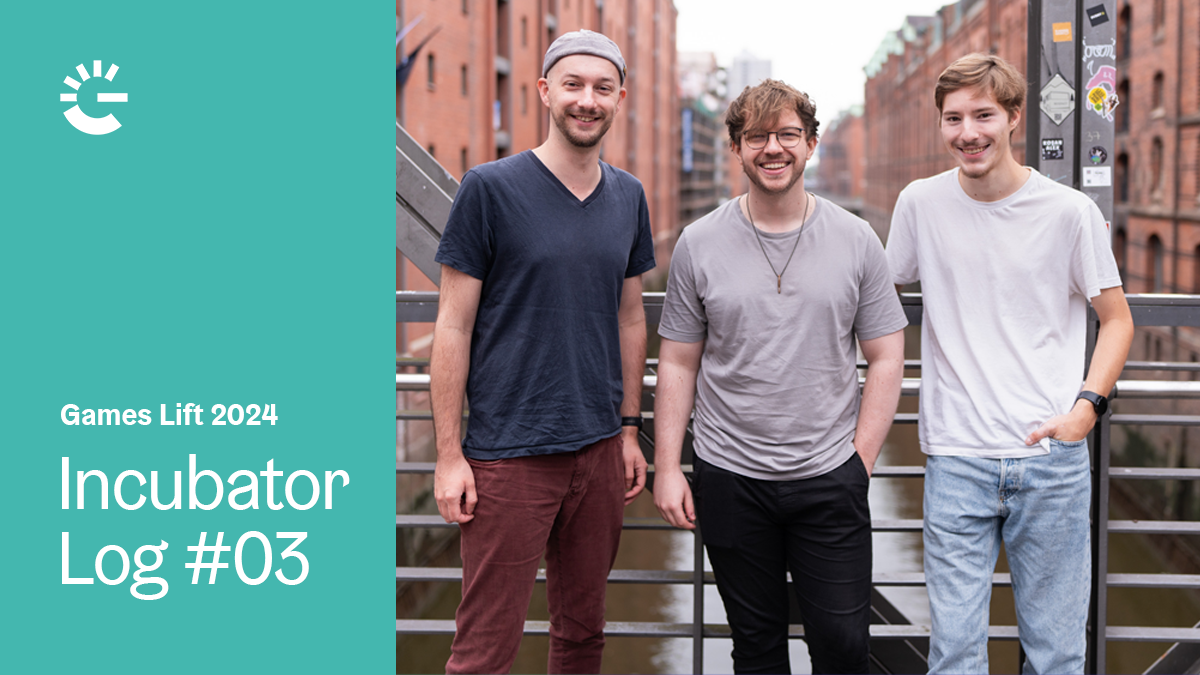
Games Lift: Triflgard Develop More Than Just a Pub
The development team Triflgard, currently participating in the Games Lift incubator in Hamburg, is working on a new multiplayer title titled Pubcrawler. The game centers on the concept of a mobile pub traversing a post-apocalyptic wasteland, where players must collaborate to manage the establishment and host guests. The project emphasizes a sense of safety and shelter, contrasting the cozy, sunlit interior of the pub with the harsh, inhospitable environment outside.
The studio is composed of three students from the Hamburg University of Applied Sciences: Lio Kaplanski, Finn Reimann, and Fred Alfs. Their collaboration is rooted in a shared history of playing board games, which informs their design philosophy of fostering togetherness and cooperative gameplay. While the team is known for their penchant for puns—evidenced by their studio name and their previous project, Billgard—they maintain a professional focus on technical implementation, including network coding and 3D development.
Currently in the early concept phase, Pubcrawler is being designed for both local and online multiplayer, featuring split-screen functionality. The team is utilizing the Games Lift incubator to gain the necessary industry expertise to refine their production processes and eventually scale their operations. By leveraging the incubator’s mentorship and resources, Triflgard aims to transition from a student-led project into a sustainable studio capable of hiring and supporting new talent in a fair and responsible manner.
- Triflgard, a student team from the Hamburg University of Applied Sciences, is developing a multiplayer title called Pubcrawler within the Games Lift incubator.
- Pubcrawler features a cooperative gameplay loop where players manage a mobile pub traversing a post-apocalyptic wasteland.
- The game design focuses on the contrast between a cozy, sunlit interior and a harsh, dangerous external environment.
- The project is currently in the early concept phase and is being built for both local split-screen and online multiplayer functionality.
- The three-person team—Lio Kaplanski, Finn Reimann, and Fred Alfs—is utilizing the Games Lift incubator to professionalize their production processes and studio operations.
Gamecity Hamburg
Article
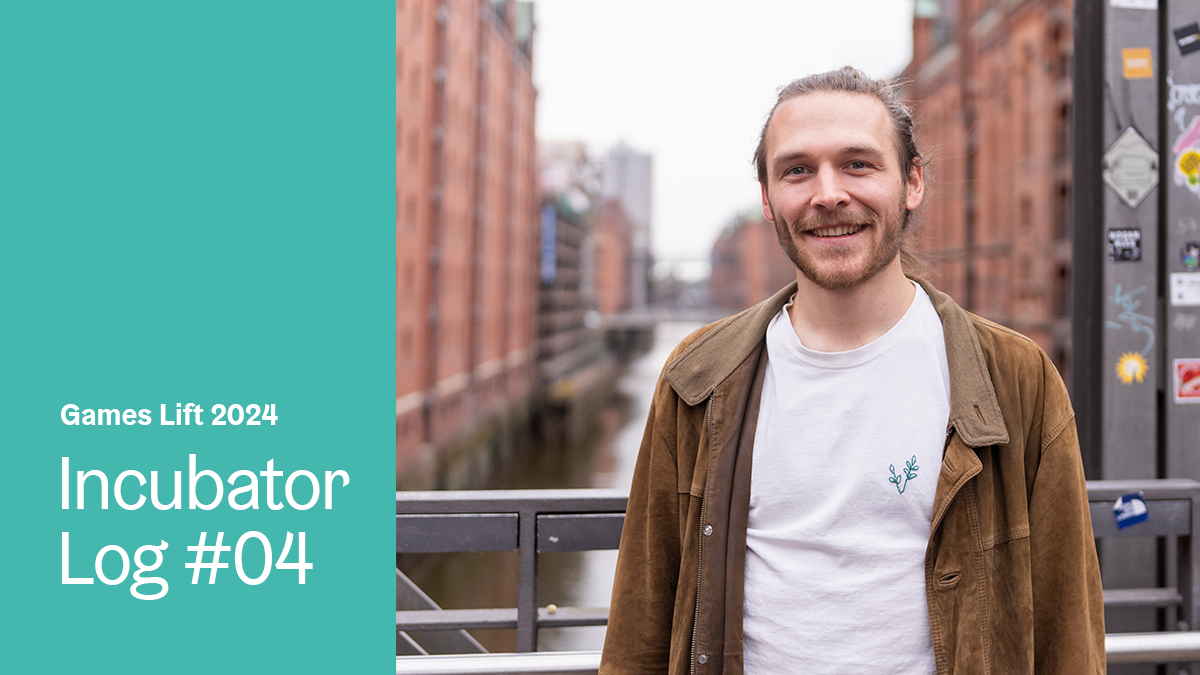
Games Lift: Tales from the Garden on Letting Ink Bloom
The Games Lift Incubator in Hamburg serves as a critical development hub for emerging game projects, exemplified by the progress of the indie title Garden Ink. The incubator provides essential consultation and professional support to developers, helping them refine early prototypes into viable, polished experiences. By fostering a collaborative environment, the program enables creators to bridge the gap between initial artistic vision and functional, player-centric design.
Garden Ink, a cozy, non-conflict game focused on exploration and creative growth, highlights the benefits of the incubator’s mentorship. The project is a collaborative effort between graphic designer Sven Mehlhorn and software engineer Arne Jürgens, who utilize their distinct professional backgrounds to balance artistic vision with technical execution. The development process emphasizes iterative feedback, with a specific focus on maintaining player agency and engagement throughout the experience.
The project is currently in an early prototype phase, with the team working toward a vertical slice that will serve as the foundation for future development. The incubator’s influence is evident in the project’s refined design, which now includes interactive features like a color-picker tool to enhance user creativity. By leveraging the resources and networking opportunities available in Hamburg, the developers aim to scale their project while maintaining the intuitive, hand-painted aesthetic that defines the game’s identity.
- The Hamburg-based Games Lift Incubator provides professional consultation and mentorship to help indie developers transition from early prototypes to polished, player-centric game designs.
- The indie project Garden Ink, a non-conflict exploration game, is currently utilizing the incubator’s resources to develop a vertical slice as the foundation for future scaling.
- Garden Ink is a collaborative project between graphic designer Sven Mehlhorn and software engineer Arne Jürgens, combining distinct artistic and technical skill sets.
- Incubator mentorship has directly influenced Garden Ink’s design, resulting in the integration of specific interactive features like a color-picker tool to boost user creativity.
- The development team is prioritizing iterative feedback loops to ensure player agency and engagement while preserving the game's signature hand-painted aesthetic.
+1
Gamecity Hamburg
Article
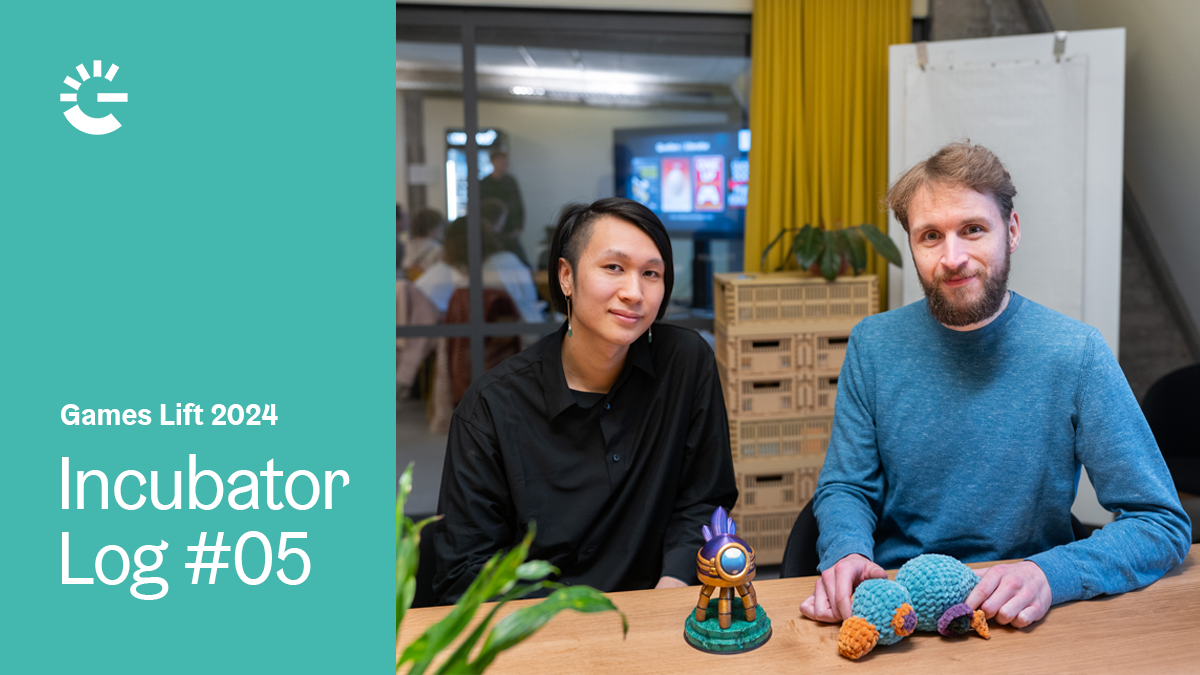
Games Lift: Duck ’n’ Run Raise the Level
The Games Lift Incubator, an initiative based in Hamburg, Germany, serves as a critical support system for independent game developers aiming to bridge the gap between prototype success and commercial viability. The program focuses on providing mentorship, marketing expertise, and industry networking to help studios navigate the highly competitive indie market. By offering workshops on social media strategy and pitch training, the incubator addresses the common challenge where high-quality game prototypes fail to generate sufficient consumer interest or Steam wishlists.
A primary case study for this support is the development of the puzzle platformer Light of Atlantis by Duck’n’Run Games. Despite winning prestigious accolades, including the Best Prototype category at the 2023 Deutscher Computerspielpreis, the team faced a disconnect between critical acclaim and market traction. Through the incubator, the studio has refined its production roadmap, with a vertical slice expected in early 2025 and a full release targeted for approximately 18 months thereafter. The team credits the program’s access to industry veterans and marketing specialists as essential for transforming their project from an academic portfolio piece into a sustainable commercial venture.
The broader scope of the Games Lift program underscores the necessity of professional guidance in the German indie sector. By facilitating connections with experts and providing structured development milestones, the incubator helps teams move beyond the initial hype cycle. This approach highlights a recurring industry reality: technical craftsmanship and creative design are insufficient for success without a robust, data-informed marketing strategy. The program continues to foster growth for Hamburg-based developers, ensuring that promising projects receive the necessary resources to reach their full market potential.
- The Games Lift Incubator in Hamburg bridges the gap between prototype development and commercial viability by providing indie studios with mentorship, marketing expertise, and networking.
- Duck’n’Run Games utilized the incubator to pivot their puzzle platformer, Light of Atlantis, from an award-winning prototype into a commercially viable project.
- Despite winning the Best Prototype category at the 2023 Deutscher Computerspielpreis, Light of Atlantis required incubator support to address a disconnect between critical acclaim and consumer market traction.
- Following incubator guidance, Duck’n’Run Games has scheduled a vertical slice of Light of Atlantis for early 2025, with a full release planned approximately 18 months later.
- The program addresses a recurring industry failure where high-quality technical craftsmanship and creative design fail to generate sufficient Steam wishlists or consumer interest due to inadequate marketing.
Gamecity Hamburg
Article
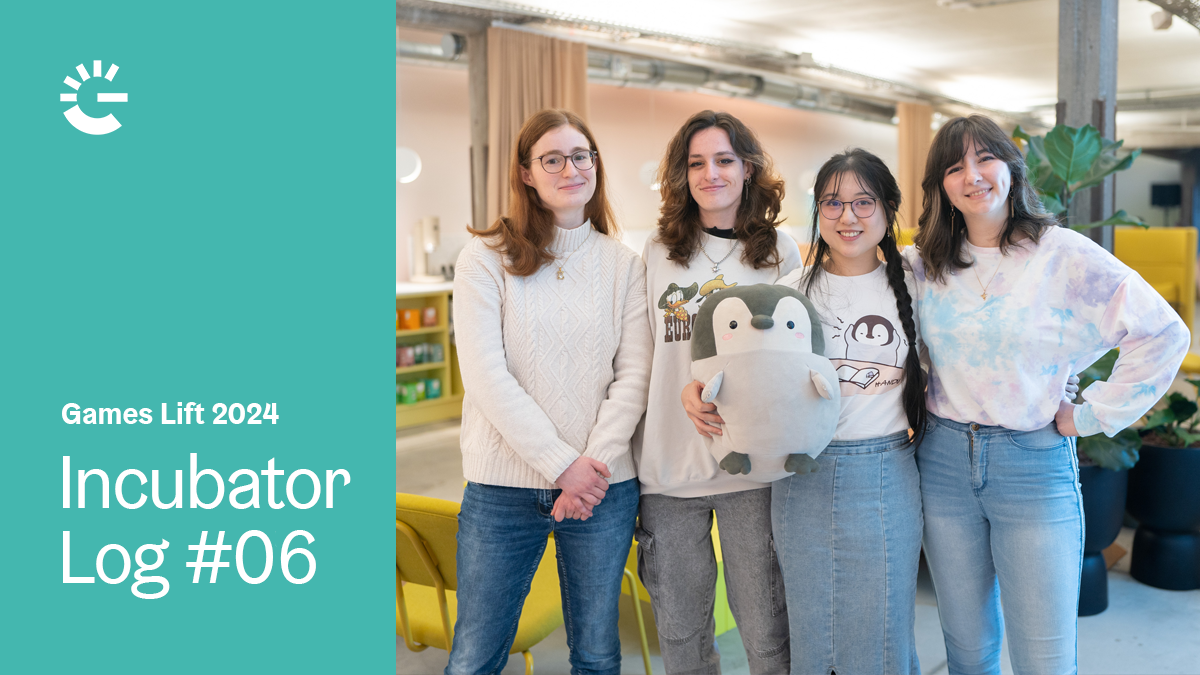
Games Lift: Honeybeak Aim for the Sky
The Games Lift incubator program in Hamburg serves as a developmental hub for emerging indie game studios, providing mentorship and structural guidance to help teams refine their projects and professional operations. A primary focus of the program is to assist developers in transitioning from academic concepts to market-ready products through workshops on market analysis, pitch development, and production planning.
The studio Honeybeak, a team of four graduates from the University of Applied Sciences Kaiserslautern, exemplifies this incubator model. Their project, ForeFeathers, is a story-rich exploration game centered on a penguin character navigating a world of floating island ruins. The game explores themes of cultural appreciation and the tension between generational traditions and new experiences. By participating in the incubator, the team has leveraged professional guidance to sharpen their genre definition and narrative focus, ensuring their creative vision is supported by a sustainable production framework.
The team utilizes a collaborative structure where each member contributes to the art department while maintaining individual specializations in coding, animation, game design, and social media management. Their experience highlights the importance of effective communication and shared vision in remote and in-person team environments. By prioritizing a solid organizational foundation during the incubation phase, the studio aims to mitigate common production pitfalls, demonstrating a pragmatic approach to indie game development within the broader Hamburg gaming ecosystem.
- The Games Lift incubator in Hamburg provides indie studios with mentorship in market analysis, pitch development, and production planning to bridge the gap between academic concepts and market-ready products.
- Honeybeak, a four-person team of graduates from the University of Applied Sciences Kaiserslautern, utilized the incubator to refine the genre and narrative focus of their project, ForeFeathers.
- ForeFeathers is a story-rich exploration game featuring a penguin character that explores themes of cultural appreciation and generational tension within a world of floating island ruins.
- Honeybeak employs a collaborative organizational structure where all four members contribute to art production while maintaining individual specializations in coding, animation, game design, and social media.
- The studio prioritizes a solid organizational foundation during the incubation phase to mitigate common production pitfalls and ensure a sustainable development framework.
Gamecity Hamburg

Article
German Developer Award 2024: Hamburg Studios Win Big
The German Developer Award 2024, held on December 3 in Cologne, recognized significant achievements within the German-speaking game development industry, with Hamburg-based studios securing notable accolades. The event serves as a primary platform for celebrating excellence in game design, storytelling, and innovation across the regional sector.
Osmotic Studios achieved a major success with their title, Closer the Distance, which received awards in three distinct categories: Best Audio Design, Best Story, and Innovation. This emotional slice-of-life simulation, which explores themes of grief and interpersonal connection, was highlighted for its atmospheric quality and narrative depth. Additionally, Pipapo Games earned the Ubisoft Newcomer Award for their project, Map Map - A Game about Maps. This recognition underscores the effectiveness of local support structures, as the studio previously participated in the Games Lift Incubator 2023 and received Gamecity Hamburg 2024 Prototype Funding.
These results reflect the ongoing impact of regional incubation and funding programs on the success of independent developers in Germany. By providing financial support, mentorship, and workshop opportunities, initiatives like the Games Lift Incubator continue to foster high-quality, award-winning projects. The recognition of these Hamburg studios highlights the competitive strength of the local development scene and the value of structured industry support in facilitating creative and commercial success.
- Osmotic Studios' title 'Closer the Distance' won three German Developer Award 2024 categories: Best Audio Design, Best Story, and Innovation.
- Pipapo Games received the Ubisoft Newcomer Award for 'Map Map - A Game about Maps', highlighting the success of Hamburg-based independent developers.
- The German Developer Award ceremony took place on December 3, 2024, in Cologne to honor excellence in the German-speaking game industry.
- Pipapo Games' success is attributed to local support, specifically the Games Lift Incubator 2023 and Gamecity Hamburg 2024 prototype funding.
- Regional incubation and funding programs are identified as critical drivers for the creative and commercial success of independent studios in Germany.
+1
Gamecity Hamburg
Article
Octofox Games Release Wild Woods in Early Access
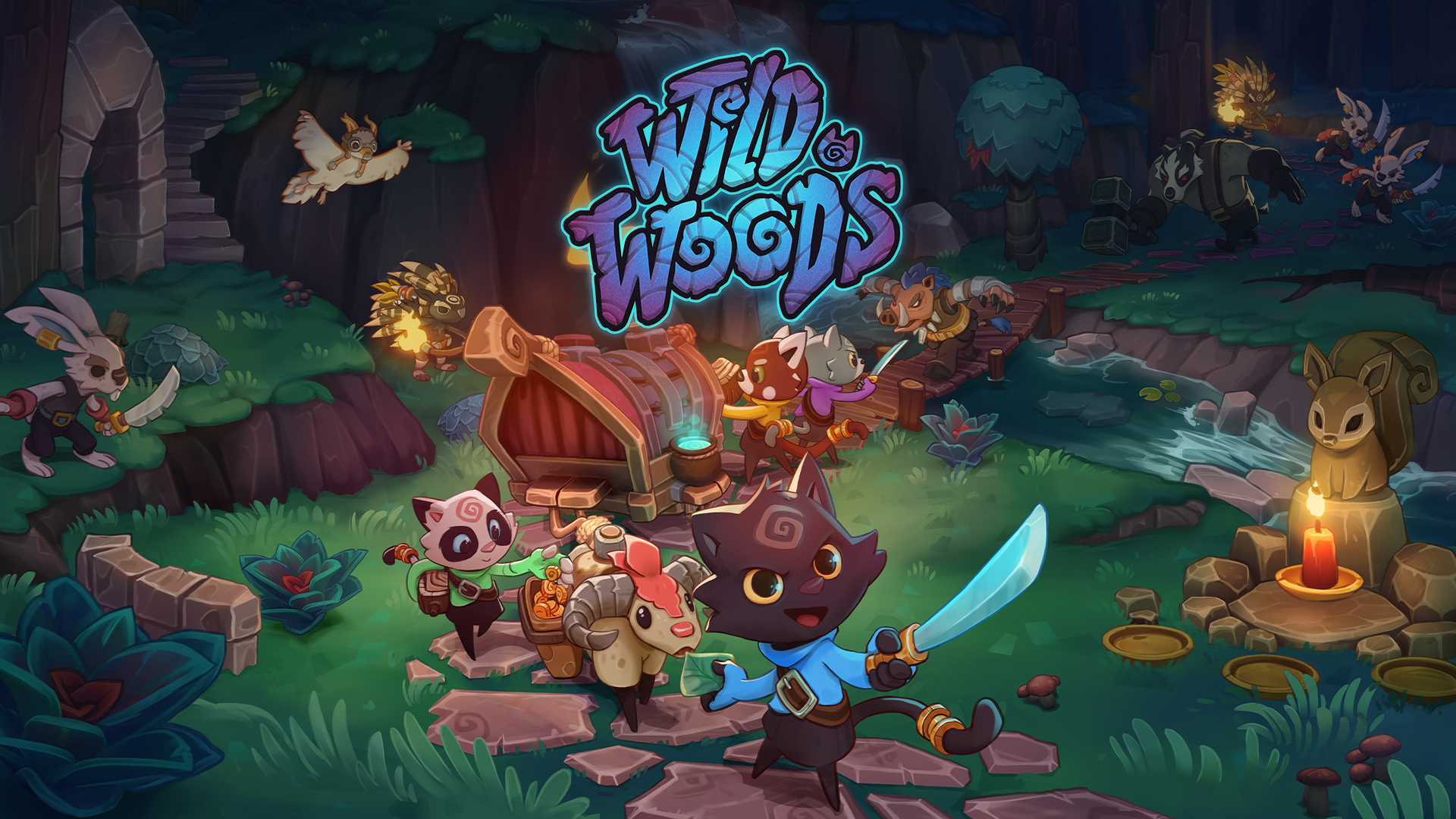
Octofox Games, a Hamburg-based studio, officially launched its cooperative adventure title, Wild Woods, into Early Access on Steam on December 9, 2024. Published by Daedalic Entertainment, the game features a four-player cooperative mechanic where users control cats tasked with defending a cart from thieves within a dynamic forest environment. The project is currently in an iterative development phase, with a full 1.0 release projected for 2025 or 2026, during which time the studio plans to introduce additional biomes and gameplay features.
The development of Wild Woods represents a significant milestone for the studio, which originated from a student project at HAW Hamburg. The team previously earned industry recognition by winning the Best Newcomer Student Award at the 2019 German Developer Award. The project’s progression was supported by local infrastructure, specifically through the Prototype Funding program provided by Gamecity Hamburg, which the studio secured in 2020.
This release highlights the ongoing output of the Hamburg game development ecosystem, which continues to foster local talent through various funding and mentorship initiatives. The transition of Octofox Games from student-led development to a commercial Early Access launch underscores the efficacy of regional support programs in facilitating the professionalization of independent studios.
- Octofox Games launched its four-player cooperative adventure title, Wild Woods, into Steam Early Access on December 9, 2024, with publishing support from Daedalic Entertainment.
- The studio plans to iterate on the game throughout the Early Access period, with a full 1.0 release currently projected for 2025 or 2026.
- The project originated as a student initiative at HAW Hamburg, which previously earned the Best Newcomer Student Award at the 2019 German Developer Award.
- Development was supported by the local Hamburg game ecosystem, specifically through a 2020 Prototype Funding grant from Gamecity Hamburg.
- The transition of Octofox Games from a student project to a commercial Early Access launch serves as a case study for the effectiveness of regional mentorship and funding programs in professionalizing independent studios.
+5
Gamecity Hamburg
Article
Games Lift: A Beginning, Not an End
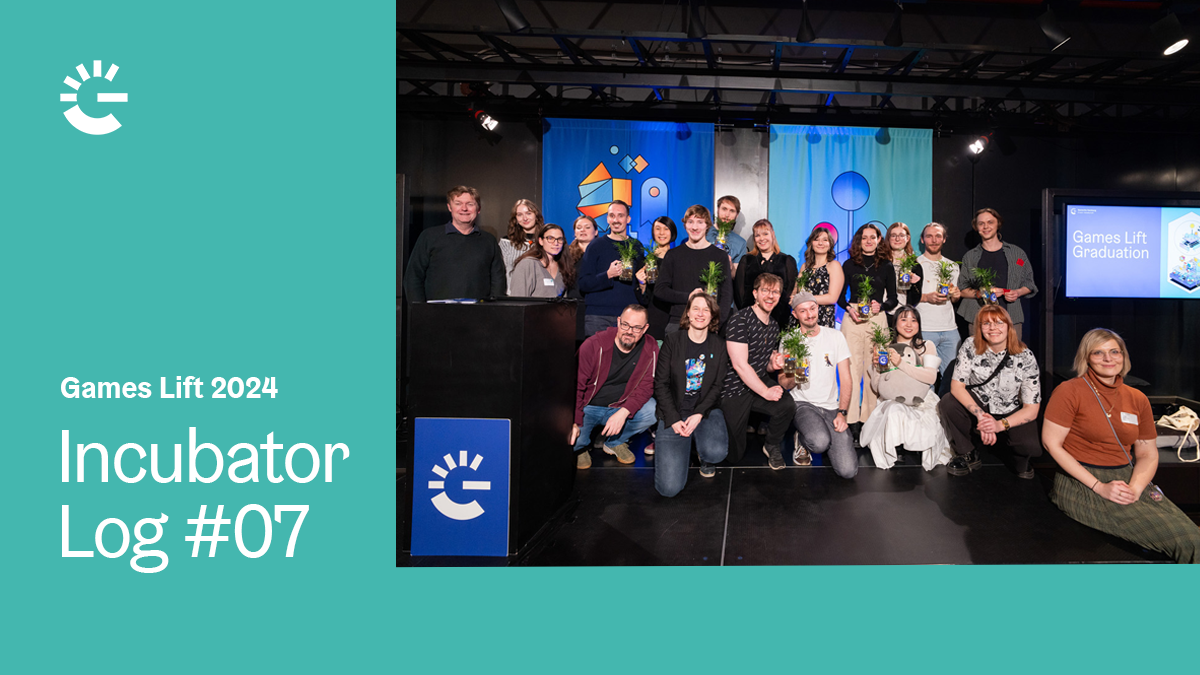
The Games Lift incubator program, facilitated by Gamecity Hamburg, recently concluded its 2024 cycle with a graduation event held at the Design Zentrum Hamburg. The program serves as a developmental hub for independent game studios, focusing on refining marketing strategies, game design, and technical implementation. By providing mentorship and a collaborative environment, the initiative aims to foster both high-quality project outcomes and a sustainable, supportive studio culture within the regional games industry.
The 2024 cohort featured a diverse range of projects, each at different stages of development. Duck’n’Run Games utilized the incubator to sharpen the marketing strategy for their title Light of Atlantis, while solo developer Rouven of Wetterfest refined the design of his city-builder, Frisia: Tides & Tales, based on community feedback. Other participants included Team Honeybeak, recognized for the artistic quality of their exploration game Forefeathers, and the team behind Garden Ink, which focused on enhancing interactive mechanics. Additionally, the studio Triflgard presented their early-stage cooperative multiplayer project, Pubcrawler, emphasizing the importance of team dynamics in the development process.
The graduation event highlighted the long-term impact of the incubator, evidenced by the active participation of program alumni who continue to engage with current cohorts. Mentorship remains a core component of the program, with industry experts providing guidance on everything from genre-specific design to technical scaling. By facilitating these connections and providing a platform for public presentation, the incubator functions as a critical bridge for developers transitioning from prototype stages to more mature, market-ready products. The event underscored a commitment to nurturing local talent and maintaining a professional network that extends well beyond the formal conclusion of the program.
- The 2024 Games Lift incubator program, facilitated by Gamecity Hamburg, concluded with a focus on professionalizing independent studios through marketing, design, and technical mentorship.
- The 2024 cohort included five specific projects: Duck’n’Run Games (Light of Atlantis), Rouven of Wetterfest (Frisia: Tides & Tales), Team Honeybeak (Forefeathers), Garden Ink, and Triflgard (Pubcrawler).
- The program functions as a bridge for developers to transition from early prototypes to market-ready products by providing access to industry experts and public presentation platforms.
- Mentorship within the incubator covers specialized areas including genre-specific game design, technical scaling, and the refinement of team dynamics.
- The incubator emphasizes long-term sustainability by fostering an active alumni network that continues to engage with and mentor subsequent cohorts.
+1
Gamecity Hamburg