Gamecity Hamburg
Association402 documents
Documents
Article
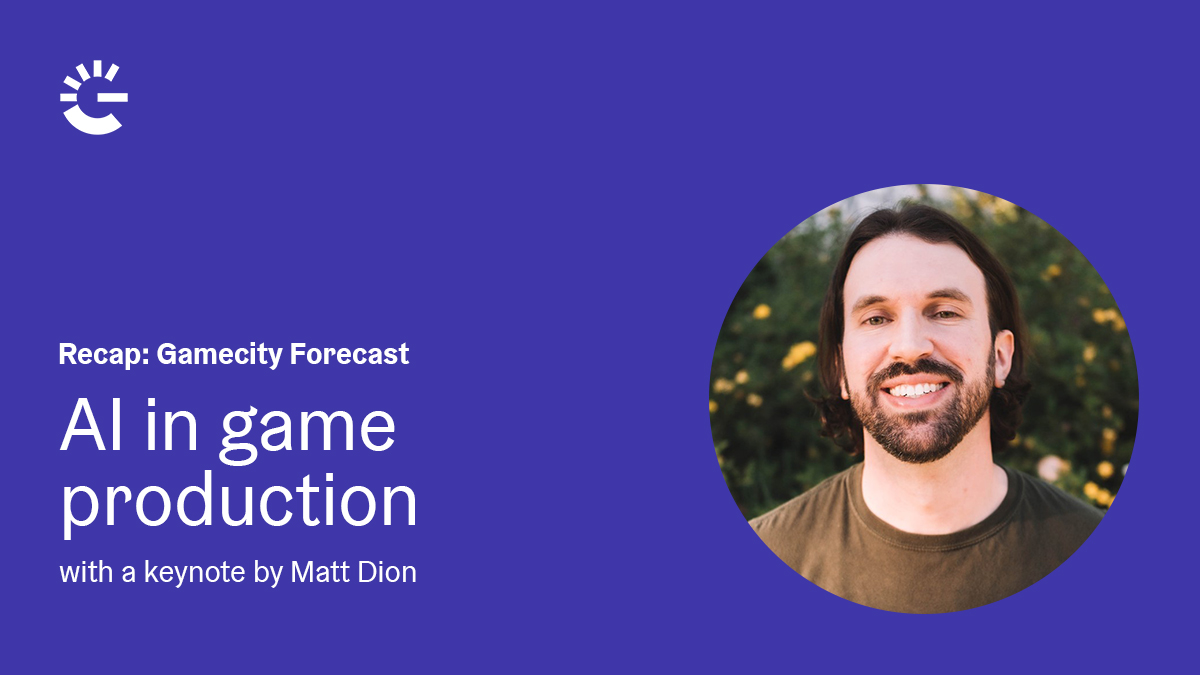
Recap: Gamecity Forecast: AI in Game Production
The Gamecity Forecast event, held in February 2023, served as a platform for international games industry professionals to examine the integration of artificial intelligence into game production workflows. The primary objective was to identify current trends, address operational challenges, and share best practices regarding the adoption of AI-powered tools. The session featured expert insights from Matthew Dion, focusing on both existing capabilities and future developments in generative AI.
Key findings indicate that AI is already actively utilized in game development to facilitate rapid prototyping, provide creative inspiration, and automate repetitive tasks, thereby allowing teams to focus on higher-level quality and innovation. Despite these advancements, the human element remains indispensable. AI-generated content frequently requires rigorous human supervision, selection, and refinement. Consequently, the industry is seeing an increased demand for data science expertise and a shift in required skill sets, where proficiency in managing AI tools is becoming as critical as traditional craft knowledge.
Organizational adoption remains a significant hurdle, with success largely dependent on team acceptance. Creating experimental environments is recommended to foster familiarity and overcome initial skepticism. While current AI applications are heavily concentrated in creative domains, there is significant potential for productivity gains in project and production management. Looking ahead, the industry anticipates a rapid evolution as domain-specific AI solutions—tailored for specialized development tasks—begin to reach the market, likely triggering a new wave of efficiency across the sector.
- AI is currently integrated into game development workflows primarily to accelerate prototyping, provide creative inspiration, and automate repetitive tasks to prioritize high-level innovation.
- Human oversight remains essential, as AI-generated content requires continuous selection, refinement, and supervision by experienced developers.
- The industry is experiencing a shift in hiring requirements, with an increasing demand for data science expertise and proficiency in managing AI tools alongside traditional craft skills.
- Organizational adoption of AI is most successful when companies establish experimental environments to build team familiarity and reduce skepticism toward new tools.
- While current AI usage is concentrated in creative domains, significant future productivity gains are expected in project and production management.
+1
Gamecity Hamburg
Article
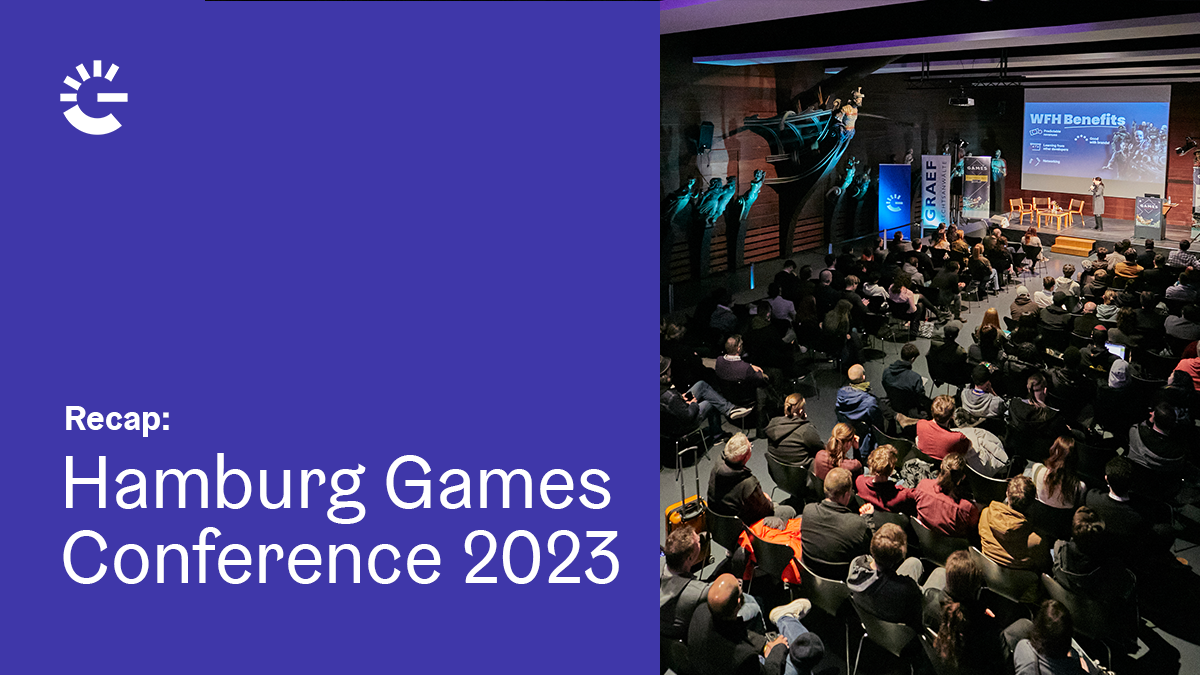
Recap: Hamburg Games Conference 2023
The 2023 Hamburg Games Conference served as a pivotal nexus for the international gaming sector, successfully transitioning back to a fully in-person format. By hosting 500 business professionals from 25 countries alongside 600 public attendees, the event reinforced Hamburg’s position as a central hub for European game development. The primary objective centered on bridging the gap between creative indie development and the complexities of the modern financial landscape, specifically addressing evolving investment strategies, merger and acquisition trends, and diverse funding mechanisms.
The conference facilitated 300 structured business meetings and featured 50 industry experts who provided critical insights into the current market. A significant portion of the discourse focused on the commercial viability of independent projects, drawing on the success of titles such as Dome Keeper and Stumble Guys to illustrate effective development and growth trajectories. This emphasis on practical application was complemented by a dedicated exhibition space that allowed local studios to engage directly with international stakeholders, fostering cross-border collaboration and investment opportunities.
Beyond the immediate networking benefits, the event underscored the robust health of the local Hamburg ecosystem. Recent regional successes, including the launches of Star Trek: Voyager – Across the Unknown and MENACE, demonstrate a sustained capacity for high-quality production. Looking forward, the industry is supported by a structured framework of prototype funding and strategic initiatives like the Portside Game Assembly and the Road to gamescom program. These resources ensure that developers maintain a clear pipeline for growth, positioning the region to remain competitive within the broader global gaming market throughout the coming year.
- The 2023 Hamburg Games Conference hosted 500 business professionals from 25 countries and 600 public attendees, re-establishing the city as a primary European hub for game development.
- The event facilitated 300 structured business meetings focused on navigating modern financial complexities, including investment strategies, M&A trends, and diverse funding mechanisms.
- Industry experts utilized the commercial success of titles like Dome Keeper and Stumble Guys to demonstrate effective growth trajectories and viability for independent projects.
- Hamburg’s local ecosystem remains robust, evidenced by the recent production of titles such as Star Trek: Voyager – Across the Unknown and MENACE.
- Regional competitiveness is supported by a structured framework of prototype funding and strategic initiatives, specifically the Portside Game Assembly and the Road to gamescom program.
+1
Gamecity Hamburg
Article
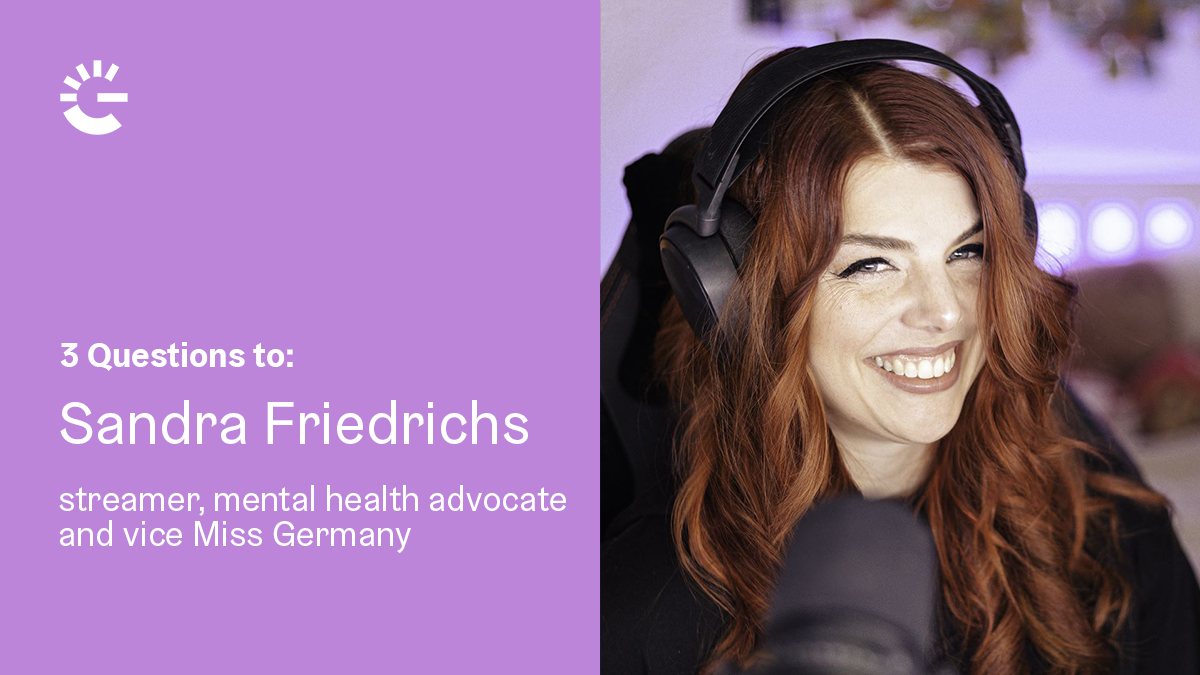
Three Questions to: Sandra Friedrichs, Streamer and Mental Health Advocate
This interview with streamer and mental health advocate Sandra Friedrichs explores the intersection of professional gaming, gender representation, and psychological well-being. The primary objective is to highlight the necessity of diverse role models within the German gaming industry and to address the critical, often overlooked, issue of mental health among players. By leveraging her platform, Friedrichs aims to dismantle the perception of gaming as a male-dominated niche and foster a more inclusive, self-aware community.
Key findings emphasize that while half of all German gamers are female, the industry continues to face significant social stigma and exclusionary behavior. Friedrichs identifies excessive gaming—specifically sessions lasting seven to nine hours—as a substantial risk factor for mental health, noting that such habits are frequently glorified under the label of "hardcore gaming." To combat these risks, she advocates for the creation of "safe spaces" where users can access educational content developed in collaboration with psychologists, providing an essential bridge to professional mental health resources.
The discussion also touches on the economic realities of the industry, particularly within the Hamburg region. While the city is recognized as a vibrant hub for developers and publishers, high living costs present a barrier to entry for many professionals. The analysis concludes that increased local support is vital to ensure the industry remains accessible to a broader demographic rather than being limited to those with significant financial means. Through her advocacy, Friedrichs seeks to normalize the discussion of mental health and promote a more sustainable, equitable environment for all participants in the gaming ecosystem.
- Female gamers comprise 50% of the German gaming population, yet the industry continues to struggle with persistent social stigma and exclusionary behavior.
- Gaming sessions lasting seven to nine hours are identified as a significant mental health risk, despite being frequently glorified as 'hardcore gaming' culture.
- The industry requires the integration of psychologist-led educational content and 'safe spaces' within gaming platforms to bridge the gap to professional mental health support.
- High living costs in the Hamburg region act as a structural barrier, limiting industry entry to those with significant financial means rather than a diverse talent pool.
- Increased local support and policy intervention are necessary to ensure the gaming industry remains accessible to a broader demographic and maintains a sustainable, equitable ecosystem.
+1
Gamecity Hamburg
Article
Road to gamescom 2023: Hamburg
The Road to gamescom 2023 program, initiated by Gamecity Hamburg, serves to support local game developers by providing them with a platform at the world’s largest video game event. The primary objective is to offer five Hamburg-based studios or independent developers free exhibition space at the Indie Arena Booth during gamescom 2023, which took place from August 23 to 27. By facilitating this presence, the program aims to increase the visibility of regional talent on an international stage.
Selected participants receive a comprehensive support package, including exhibitor passes, assistance with USK age-rating processes, inclusion in the Indie Arena Booth’s official lineup and sales events, and access to a preparatory workshop day. To be eligible, applicants must be commercially oriented, maintain a headquarters or branch office in Hamburg, possess a playable version of their project, and currently operate without a publisher. A jury is responsible for selecting the final participants based on criteria aligned with the Indie Arena Booth’s standards.
This initiative reflects a broader effort by Gamecity Hamburg to foster the regional games industry through targeted promotional opportunities and professional development. By leveraging the Indie Arena Booth—recognized as the largest shared developer booth globally—the program provides a critical bridge for indie studios to connect with publishers, press, and the broader gaming community. The application process requires developers to register through the Indie Arena Booth platform while specifically identifying their intent to participate in the Gamecity Hamburg program.
- Gamecity Hamburg provides five selected local studios or independent developers with free exhibition space at the Indie Arena Booth during gamescom.
- The program supports participants with exhibitor passes, USK age-rating assistance, inclusion in official sales events, and a preparatory workshop day.
- To be eligible, applicants must be based in Hamburg, possess a playable project, and currently operate without a publisher.
- The initiative aims to increase the international visibility of regional talent by leveraging the Indie Arena Booth, which is the world's largest shared developer booth.
- Final participants are selected by a jury based on criteria aligned with the Indie Arena Booth’s professional standards.
Gamecity Hamburg
Article
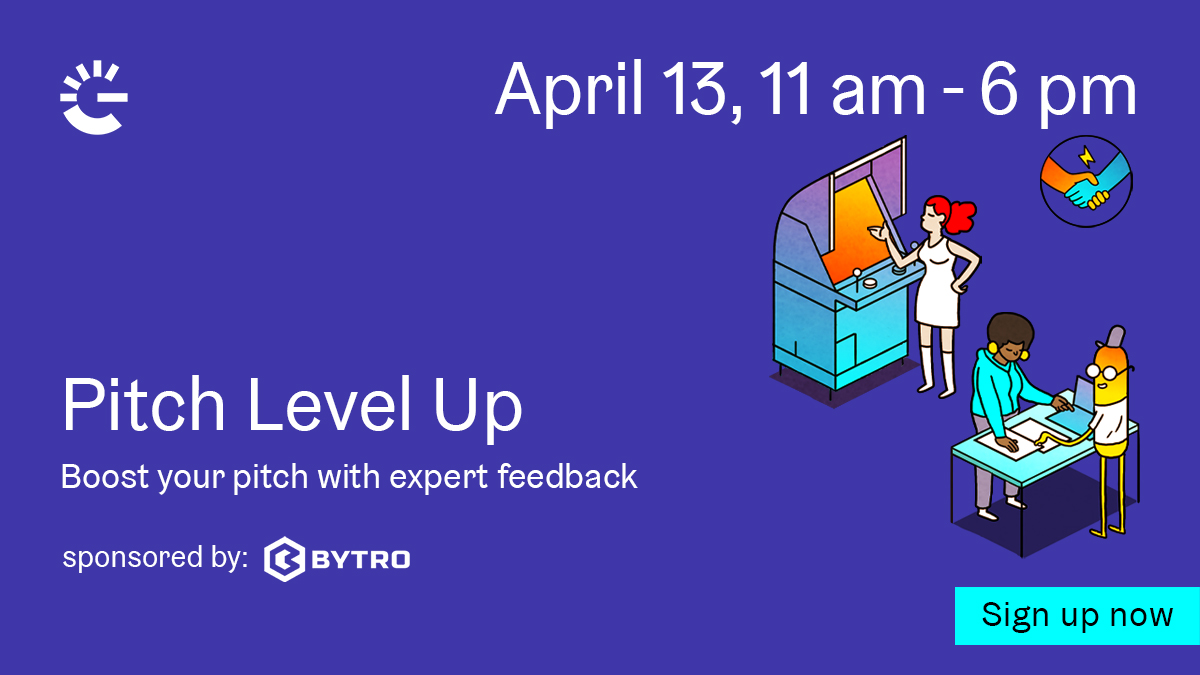
Pitch Level Up 2023: Boost Your Pitch with Expert Feedback
The Pitch Level Up 2023 event, organized by Gamecity Hamburg, serves as a professional development initiative designed to help game developers refine their project pitches for publishers, investors, and funding institutions. The primary objective is to provide participants with constructive, expert-led feedback in a secure environment, allowing them to improve their presentation strategies without risking future professional opportunities.
The event features a structured format where participants select up to three industry experts for 30-minute sessions. Each session consists of a 10-minute pitch presentation followed by 20 minutes of individualized critique. The expert panel includes representatives from prominent industry entities such as Ubisoft, astragon Entertainment, Bytro, Daedalic Entertainment, and Super Crowd Entertainment, alongside independent consultants and journalists. This diverse group ensures that developers receive feedback from multiple perspectives, covering various aspects of business development and communication.
Beyond the one-on-one sessions, the event includes a supplementary talk program. These sessions address critical industry topics, including effective elevator pitch construction, publisher communication, and contract negotiation. By combining personalized mentorship with broader educational content, the initiative aims to bridge the gap between creative development and the commercial requirements necessary for securing funding and partnerships. The event is positioned as a key resource for the Hamburg games industry, fostering professional growth and facilitating better alignment between developers and stakeholders.
- Pitch Level Up 2023 provides game developers with 30-minute feedback sessions consisting of a 10-minute pitch presentation followed by 20 minutes of individualized critique from industry experts.
- Participants can select up to three experts from a panel including representatives from Ubisoft, astragon Entertainment, Bytro, Daedalic Entertainment, and Super Crowd Entertainment.
- The event, organized by Gamecity Hamburg, focuses on improving presentation strategies for publishers, investors, and funding institutions in a secure, low-risk environment.
- The program includes supplementary educational sessions covering essential business topics such as elevator pitch construction, publisher communication, and contract negotiation.
- The initiative is designed to bridge the gap between creative game development and the commercial requirements necessary to secure funding and professional partnerships.
+2
Gamecity Hamburg
Article
Games Germany Steam Sale 2023: Enter Your Game
The Games Germany initiative organizes a dedicated Steam sale event scheduled for late June 2023, designed to showcase the diversity and creativity of the German video game development sector. The primary objective is to provide a platform for studios and publishers headquartered in Germany to promote their titles to a global audience on the Steam storefront. By highlighting both released games and upcoming projects, the initiative aims to increase visibility and generate wishlist entries for domestic developers.
Participation is open to any studio or publisher with a registered head office in Germany. To maintain a standard of quality, submitted titles are generally required to hold a "mostly positive" rating on Steam, though exceptions may be granted for new or niche titles that lack sufficient review volume. Developers are permitted to submit up to two items, which may include individual games or bundles, while publishers may submit additional items provided they represent different German-based development teams.
The application process requires interested parties to submit their game details via a designated online form by the deadline of May 12, 2023. Participants are advised that titles discounted during this event will be subject to a 30-day cooldown period regarding future price reductions, although this restriction does not apply to the broader Steam Summer Sale. This initiative serves as a strategic effort to bolster the international presence of the German games industry through coordinated promotional activity.
- Games Germany is hosting a dedicated Steam sale in late June 2023 to increase global visibility and wishlist entries for German-based game developers.
- Eligible participants must have a registered head office in Germany and submit their application via an online form by the May 12, 2023 deadline.
- Studios are limited to submitting two items, which can include individual games or bundles, while publishers may submit additional items representing different German development teams.
- Participating titles generally require a 'mostly positive' Steam rating, though exceptions are available for new or niche titles with low review volume.
- Discounting a title for this event triggers a 30-day price reduction cooldown, though this restriction does not apply to the Steam Summer Sale.
+1
Gamecity Hamburg
Article
ROCKFISH Games Releases EVERSPACE 2
The release of EVERSPACE 2 by Hamburg-based developer ROCKFISH Games marks the culmination of a five-year development cycle, including two years of Early Access. The project represents a strategic evolution for the studio, transitioning from the linear roguelike structure of its predecessor to a more expansive, semi-open-world space-action RPG. This shift was driven by the studio’s desire to create a deeper narrative experience while retaining the core combat mechanics that defined the original title.
Key operational insights from the development process emphasize the importance of iterative design and community engagement. By treating major Early Access updates as miniature product launches, the studio successfully refined the game’s mechanics based on player feedback, ultimately producing a title capable of competing with modern AAA standards. The development team utilized a modular approach, breaking complex tasks into manageable segments to maintain momentum and quality control throughout the production of a massive, content-rich world.
The studio highlights transparency and consistent communication as essential pillars for building a loyal player base. By maintaining a dedicated community team across multiple platforms and balancing public feedback with a clear creative vision, the developers fostered a collaborative environment that included community-driven features like an in-game photo tool. Looking forward, the studio plans to expand the game’s reach through console releases on Xbox Series X/S and PlayStation 5, alongside ongoing content updates and future expansions to further develop the game’s universe.
- ROCKFISH Games transitioned EVERSPACE 2 from a linear roguelike to a semi-open-world space-action RPG to prioritize narrative depth while retaining core combat mechanics.
- The project concluded a five-year development cycle, which included a two-year Early Access period used to refine mechanics based on player feedback.
- The studio treated major Early Access updates as miniature product launches to ensure the final title met modern AAA quality standards.
- Development efficiency was maintained through a modular approach that broke complex tasks into manageable segments to ensure consistent quality control.
- The studio fostered a loyal player base by maintaining dedicated community teams across multiple platforms and integrating community-requested features like an in-game photo tool.
+2
Gamecity Hamburg
Article
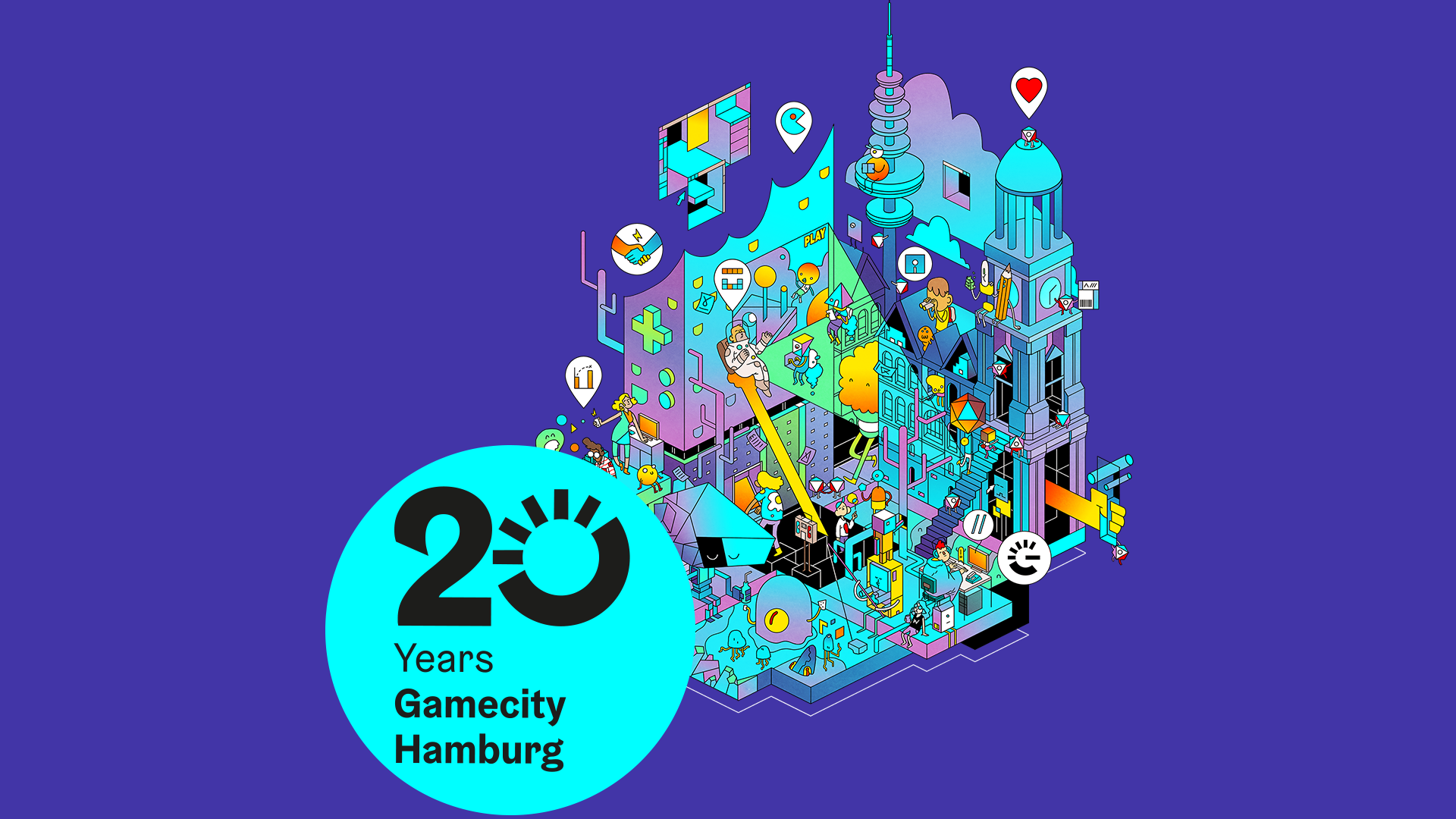
Gamecity Hamburg: 20 Years Supporting Hamburg's Games Industry
Established in 2003, Gamecity Hamburg serves as a foundational public institution dedicated to the advancement of the games industry within the Hamburg region. As the first state-level funding body for the sector in Germany, its primary mission involves fostering growth through targeted financial support, professional development programs, and industry-wide networking initiatives. The organization acts as a central hub for studios, publishers, and independent developers, facilitating a collaborative ecosystem that sustains the local creative economy.
The organization’s operational scope encompasses a wide range of support mechanisms, including prototype funding, incubator programs like the Games Lift, and the coordination of international trade presence at events such as gamescom. By providing financial grants, mentorship, and workshop opportunities, the institution actively lowers barriers to entry for emerging talent while supporting established studios in their commercial endeavors. These efforts are complemented by regular industry gatherings, such as the Portside Game Assembly and various playtest nights, which bridge the gap between developers and the broader gaming community.
Over its two-decade history, the institution has solidified its role as a strategic partner for Hamburg’s games sector. By maintaining a consistent dialogue with government officials and industry stakeholders, it ensures that the region remains a competitive environment for game development. The ongoing commitment to professionalizing the local industry is evidenced by a robust calendar of events, funding cycles, and networking opportunities that continue to drive innovation and visibility for Hamburg-based projects on both national and international stages.
- Established in 2003, Gamecity Hamburg is Germany’s first state-level funding body dedicated to the games industry.
- The organization provides direct financial support through prototype funding and grants to lower barriers to entry for emerging and established studios.
- The Games Lift incubator program serves as a primary mechanism for professional development and mentorship within the region.
- Gamecity Hamburg coordinates international trade presence at major industry events like gamescom to increase the global visibility of local projects.
- The institution facilitates a collaborative ecosystem through regular networking initiatives, including the Portside Game Assembly and community playtest nights.
Gamecity Hamburg
Article
Pitch Level Up 2023 in Review: Hamburg
The Pitch Level Up 2023 event, held on April 13 in Hamburg, Germany, served as a specialized professional development forum designed to assist game developers, founders, and students in refining their pitch decks and navigating the complexities of the gaming industry. The primary objective was to provide participants with actionable insights into securing public funding, developing effective publishing strategies, and mastering the art of presenting game concepts to investors and publishers.
The event featured a dual-track structure consisting of expert-led educational sessions and intensive one-on-one feedback consultations. Five industry experts delivered talks covering critical topics such as public funding acquisition and publisher relations. Subsequently, ten industry professionals—representing organizations such as Daedalic Entertainment, Ubisoft, Bytro, and the IFB Innovationsstarter—conducted individual sessions to review developer pitch decks. This format addressed a significant industry pain point: the lack of constructive, specific feedback following project rejections, thereby enabling teams to iterate on their game ideas and business proposals more effectively.
Hosted at the Hamburger Ding, the initiative represents a recurring effort by Gamecity Hamburg to foster local talent and strengthen the regional game development ecosystem. By facilitating direct interaction between emerging developers and established industry veterans, the event aimed to bridge the gap between creative vision and commercial viability. The successful execution of this second annual edition underscores a continued commitment to professionalizing the pitch process for developers within the Hamburg gaming sector.
- Pitch Level Up 2023, held on April 13 in Hamburg, provided developers with direct access to ten industry professionals from companies including Daedalic Entertainment, Ubisoft, Bytro, and IFB Innovationsstarter for one-on-one pitch deck reviews.
- The event addressed the industry-wide challenge of receiving actionable feedback after project rejections by offering intensive, personalized consultations to help developers iterate on their business proposals.
- Five industry experts led educational sessions focused on core commercial competencies, specifically targeting public funding acquisition and publisher relations.
- The initiative is a recurring professional development effort hosted by Gamecity Hamburg at the Hamburger Ding to strengthen the regional game development ecosystem.
- The event's primary objective was to bridge the gap between creative vision and commercial viability for developers, founders, and students.
+1
Gamecity Hamburg
Article
Celebrating 20 Years of Gamecity Hamburg at the Hamburg City Hall
Gamecity Hamburg recently marked its 20th anniversary with a commemorative event held at the Hamburg City Hall, hosted by the Senate of the Free and Hanseatic City of Hamburg. The celebration served to highlight the organization’s two decades of support for the local games industry, emphasizing the city's ongoing commitment to fostering a creative and consistent environment for game development. Approximately 200 industry guests attended the reception, which featured speeches from government officials and a panel discussion involving prominent local industry experts.
The organization traces its origins to a 2003 academic thesis by Achim Quinke, which provided the conceptual framework for the initiative. Over the past twenty years, the project has evolved through the leadership of various managers, including Stefan Klein and Oliver Redelfs, before transitioning to the current team led by Dennis Schoubye in 2019. The anniversary event served as both a retrospective on this foundational growth and a forward-looking discussion regarding the future of the Hamburg games sector.
During the event, Dr. Carsten Brosda, the Minister of Culture and Media of Hamburg, underscored the importance of the games industry to the region's cultural and economic landscape. The panel discussion, which included representatives from Super Crowd Entertainment, Bytro Labs, and Rockfish Games, explored the evolution of the local ecosystem and identified future opportunities for growth. The event concluded with a strong emphasis on the community-driven nature of the industry, signaling a long-term commitment to maintaining Hamburg as a hub for game development and innovation.
- Gamecity Hamburg celebrated its 20th anniversary, marking two decades of government-backed support for the local game development industry.
- The commemorative event at Hamburg City Hall hosted approximately 200 industry professionals, including representatives from key local firms such as Super Crowd Entertainment, Bytro Labs, and Rockfish Games.
- The initiative originated from a 2003 academic thesis by Achim Quinke and has been under the leadership of Dennis Schoubye since 2019.
- Dr. Carsten Brosda, the Minister of Culture and Media, officially reaffirmed the Hamburg Senate's long-term commitment to the games sector as a vital component of the region's cultural and economic landscape.
- The event served as a strategic forum to evaluate the evolution of the local ecosystem and identify future growth opportunities for the Hamburg games hub.
Gamecity Hamburg

Article
Games Lift Insights 2023: Workshop with Cassia Curran
The Games Lift Insights workshop, held in May 2023, served as a strategic educational initiative for independent game developers based in Hamburg. The primary objective of the event was to provide prospective applicants with a comprehensive overview of the Games Lift Incubator program while offering professional guidance on essential business competencies. By hosting industry expert Cassia Curran, the organizers aimed to equip developers with the analytical skills necessary to evaluate market dynamics, thereby fostering more robust game design and commercial decision-making.
The workshop focused on the practical application of market analysis, breaking down complex calculations and evaluation methods into actionable steps for indie studios. Beyond the educational component, the event functioned as a formal introduction to the incubator’s support structure, which includes financial assistance, mentorship, and a structured workshop curriculum. The Gamecity Hamburg team utilized the session to clarify the application process, providing a direct Q&A forum to address the specific needs of potential participants.
This initiative reflects a broader regional commitment to professionalizing the local games industry. By bridging the gap between creative development and business strategy, the program seeks to improve the success rate of early-stage studios. The event underscored the importance of data-driven planning in the competitive indie landscape, emphasizing that technical development must be paired with a sophisticated understanding of market positioning to achieve long-term viability.
- The Games Lift Incubator program in Hamburg provides independent studios with financial assistance, mentorship, and a structured curriculum to improve commercial viability.
- The May 2023 workshop led by Cassia Curran focused on teaching indie developers how to apply market analysis and analytical calculations to their game design and business strategies.
- Gamecity Hamburg aims to increase the success rate of early-stage studios by bridging the gap between creative development and data-driven market positioning.
- The workshop served as a formal recruitment and information session for prospective applicants to the Games Lift Incubator, featuring a dedicated Q&A to clarify the application process.
- Long-term viability in the competitive indie landscape requires developers to pair technical production with a sophisticated understanding of market dynamics.
+2
Gamecity Hamburg
Article
Application Start for Gamecity Hamburg Games Lift Incubator 2023
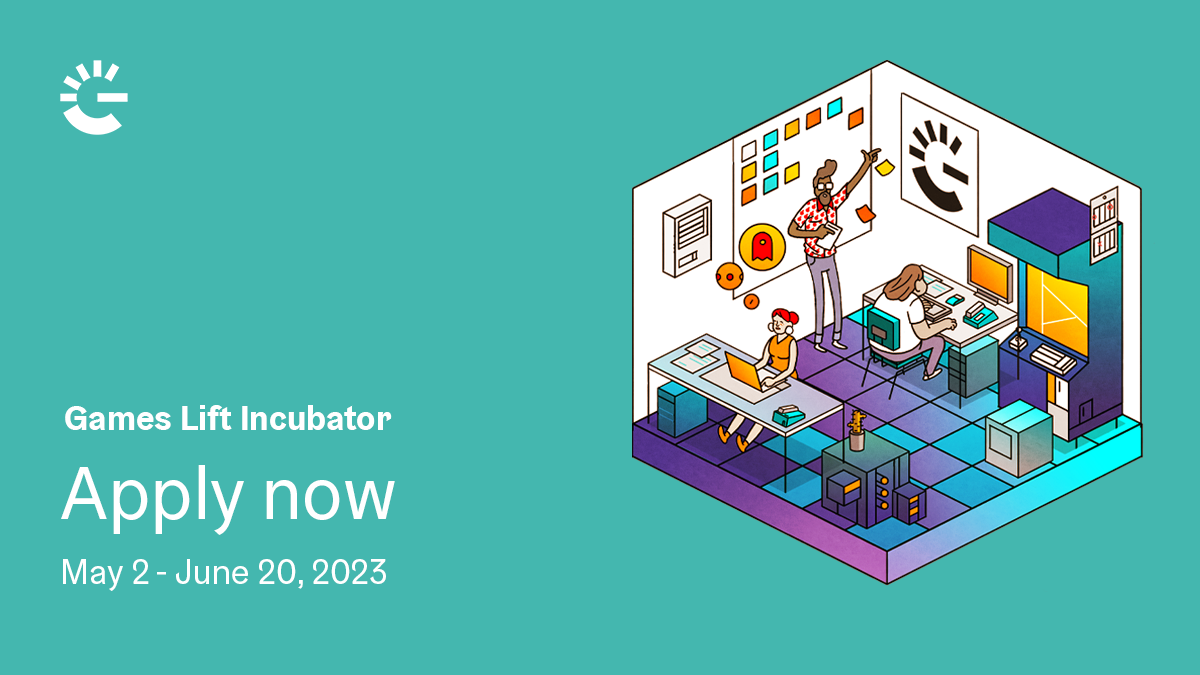
Gamecity Hamburg has initiated the application process for the 2023 Games Lift Incubator, a program designed to support the professional development and market entry of independent game projects. The incubator targets a diverse range of participants, including student teams, independent developers, start-ups, and small-to-medium enterprises (SMEs) based in the region. Eligible projects may be at any stage of development, ranging from initial concepts to pre-release versions.
The program provides selected participants with a comprehensive support package intended to accelerate project growth. Key benefits for the five chosen teams include an expense allowance of 15,000 euros, access to professional workshops, individual coaching, and dedicated mentoring. Additionally, participants gain networking opportunities and the use of office space located in Hamburg’s HafenCity district.
The application window for the 2023 cohort opened on May 2, 2023, and concluded on June 20, 2023. This initiative reflects the broader mission of Gamecity Hamburg to foster the local games industry by providing structured resources and professional guidance to emerging talent. By facilitating access to industry expertise and financial support, the incubator aims to bridge the gap between creative game concepts and successful commercial viability.
- Gamecity Hamburg is providing five selected teams with a 15,000 euro expense allowance to support the development and market entry of independent game projects.
- The 2023 Games Lift Incubator program offers participants professional workshops, individual coaching, dedicated mentoring, and office space in Hamburg’s HafenCity district.
- The incubator is open to a diverse range of applicants based in the region, including student teams, independent developers, start-ups, and small-to-medium enterprises.
- Eligible projects for the program can be at any stage of development, ranging from initial concepts to pre-release versions.
- The application window for the 2023 cohort took place between May 2, 2023, and June 20, 2023.
Gamecity Hamburg