Article
Playable Ads Trends: May 2026
The mobile user acquisition landscape in May 2026 reflects a significant shift toward playable advertisements as a primary driver for growth, particularly within the context of increased spending on SDK networks and platforms like AppLovin. Playable ads have transitioned from a secondary creative format to a foundational element of high-volume, AI-integrated marketing funnels. This evolution underscores a broader industry trend where creative strategy is increasingly tied to sophisticated, automated workflows.
A primary trend identified for May 2026 is the widespread adoption of fashion and styling mechanics across diverse game genres. Developers of match-three and merge games are increasingly utilizing styling-themed playable ads to engage users, tasking players with making aesthetic choices within a limited timeframe to drive conversion. This strategy leverages the popularity of makeover-style gameplay to attract users to titles that may not feature these mechanics as their core loop, effectively using the playable ad as a high-performing gateway.
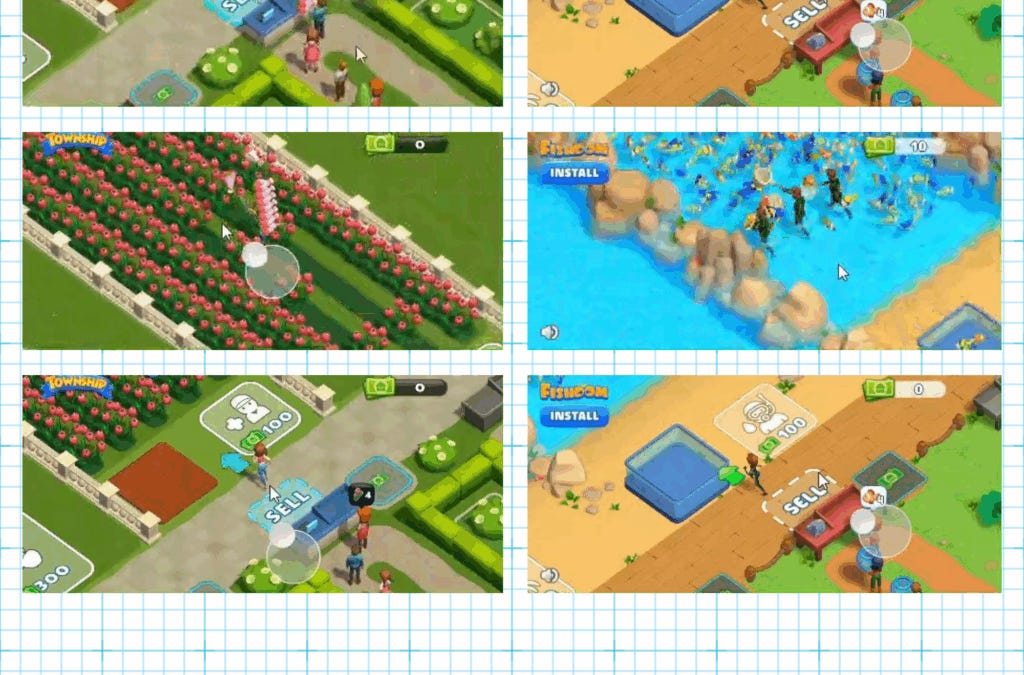
The analysis also highlights strategic debates regarding brand consistency, specifically noting the practices of major publishers like Playrix. There is a growing tension between the efficiency of using standardized, high-performing playable templates across multiple game titles and the potential risk this poses to long-term brand recognition. As publishers scale their creative output, the industry continues to grapple with the balance between leveraging proven, repeatable ad templates and maintaining a distinct identity for individual game franchises.
- Playable ads have transitioned from a secondary format to a core component of user acquisition strategies, particularly when integrated into video-led funnels and AI-driven creative workflows.
- Fashion and styling mechanics are currently the dominant trend in playable ads, frequently used as a hook for Match3 and Merge genre games.
- Playable ad creative for Match3 and Merge games often utilizes 'choice-based' narratives where users select styles or outfits within a timed environment to drive engagement.
- Playrix is actively testing the use of standardized playable templates across multiple distinct game titles to evaluate the trade-off between production efficiency and brand recognition.
- The mobile user acquisition landscape is seeing increased reliance on SDK networks and platforms like Applovin, necessitating higher volumes of playable ad creative.
+4
Brutally HonestJun 2026