Sailor Moon
Game
2 documents in the library are about Sailor Moon, from writers such as DiGRA and Extra Credits. Each has a summary and key insights with the page they come from.
Connections
Each row is a game or company named alongside Sailor Moon, each column a document, oldest first. A mark means that document names it. Select a row to see those documents.
Documents about Sailor Moon
The Revolution Dances: The Pleasures of Transformation in Final Fantasy X-2
This paper argues that Final Fantasy X-2 (2004) deserves serious scholarly attention as a feminist and queer intervention in Japanese role-playing game traditions, one that has been dismissed by fans and critics as "too girly" despite its thematic and mechanical sophistication.
- The paper argues that Final Fantasy X-2 (2004) merits serious scholarly attention as a feminist and queer intervention in Japanese RPG traditions, despite fan and critic dismissal of it as "too girly."
- Tracing online discourse from 2006 through 2023, the authors show the game's dancing, dressphere transformation system, and grief-driven plot shifting from objects of disdain to sites of celebration among queer and nonqueer players.
- X-2 is positioned as the counterpart to Final Fantasy X, which centers a male protagonist contesting religious sacrifice, while X-2 follows its female lead through the aftermath of that upheaval.
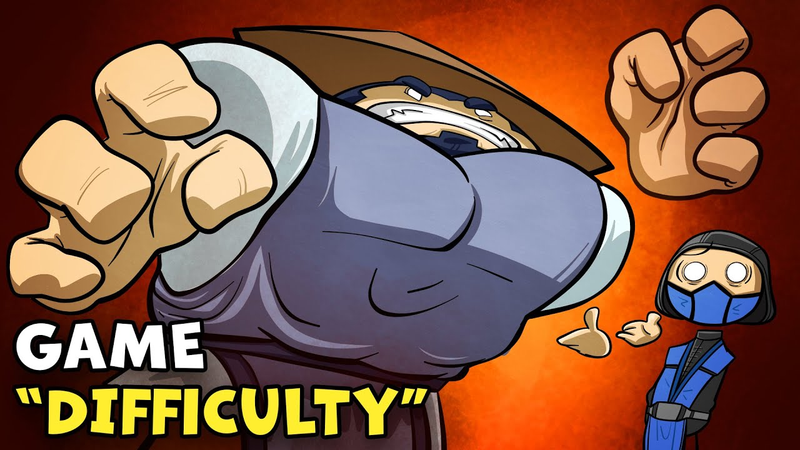
Video Game Difficulty is Hard (But It Doesn't Have To Be) | Extra Credits Gaming
Traditional difficulty settings in video games often fail to serve players effectively because they require users to commit to a specific challenge level before they have experienced the game’s mechanics.
- Traditional difficulty settings often fail because they force players to make a permanent choice before they have experienced the game's mechanics or pacing.
- Player ego frequently prevents users from lowering difficulty settings; developers report that many players would rather quit a game entirely than switch to 'easy' mode.
- Adaptive difficulty systems, such as the 'game rank' feature in Resident Evil 4 or 'automatic challenge tuning' in Ratchet & Clank, secretly adjust mechanics like enemy health and item drops based on real-time player performance.