1 free read left. Create a free account for unlimited reading + AI research.
Create free accountArticle How To Market A Game
1 free read left. Create a free account for unlimited reading + AI research.
Create free accountArticleHow To Market A Game
The algorithm treats unknown titles as potential low-effort asset flips.
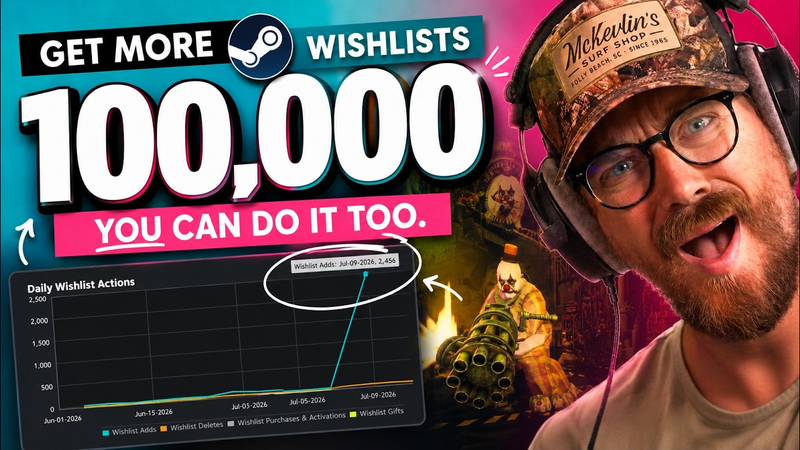
The primary objective is to diagnose why independent games on Steam fail to generate significant wishlists and to provide actionable strategies for developers to trigger the platform's discovery algorithm. The central thesis posits that Steam’s algorithm inherently suppresses unknown titles, treating them as potential low-effort asset flips until they prove their value through a substantial, concentrated influx of traffic and conversions. Without this initial "blessing" from the algorithm, games remain invisible to the broader user base.
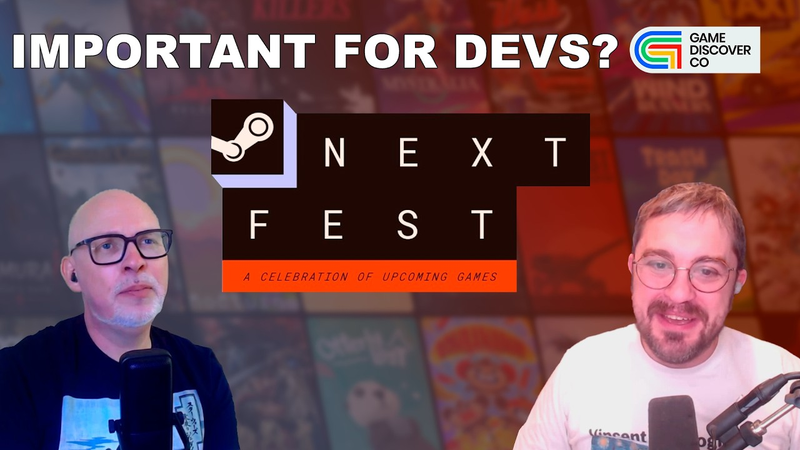
Key findings indicate that successful games typically require a major event to kickstart visibility. Data from the Steam Discovery Queue suggests that games often need to achieve a threshold of approximately 3,500 visits and 1,400 wishlists within a seven-day period to gain significant algorithmic traction. The analysis categorizes games into two distinct marketing paths: those that are "social-media friendly," capable of going viral through visual appeal, and those that are "demo-friendly," which rely on streamer coverage and festival participation to build momentum.
Methodologically, the analysis utilizes a fishbone diagram approach to identify defects in visibility, emphasizing that developers must treat game promotion as a rigorous, data-driven process rather than a passive activity. Common pitfalls include poor announcement execution, lack of professional presentation—such as ineffective capsules or vague short descriptions—and failing to provide streamers with accessible, high-quality press materials. The analysis concludes that if a game fails to gain traction after exhaustive, targeted promotional efforts, the underlying issue may be the core game design itself. In such cases, developers are encouraged to adopt a portfolio approach, testing multiple concepts to identify which resonate with the market before committing to full-scale production.
The games and companies this document names on the inner ring, other documents about them on the outer one. Select a cover to see it up close and open it in a new tab; drag to move, pinch or Ctrl + scroll to zoom.

How To Market A Game · 2026
How To Market A Game · 2026
How To Market A Game · 2026
How To Market A Game · 2026
How To Market A Game · 2026
How To Market A Game · 2026
How To Market A Game · 2026
How To Market A Game · 2026

How To Market A Game · 2026
How To Market A Game · 2026

How To Market A Game · 2026
How To Market A Game · 2026
Thomas Brush · 2026