The global games industry is in a period of structural instability, marked by 18,000 layoffs over the past year and a widespread 'survive to 2025' mentality among developers.
Generative AI adoption is split between business and development, with 41-44% usage in marketing and business roles compared to only 21-25% in design and engineering.
Ethical concerns remain a primary barrier to AI integration, with 80% of the workforce expressing apprehension regarding the technology.
Community management is a direct commercial driver, as research indicates players spend 54% more in gaming environments they perceive as non-toxic.
High-quality content continues to generate significant commercial success, evidenced by Sony’s Helldivers 2 selling over 8 million copies and the independent hit Balatro.
The UK games industry is experiencing increased friction with the government due to recent immigration restrictions, changes to tax reliefs, and perceived neglect in the national budget.
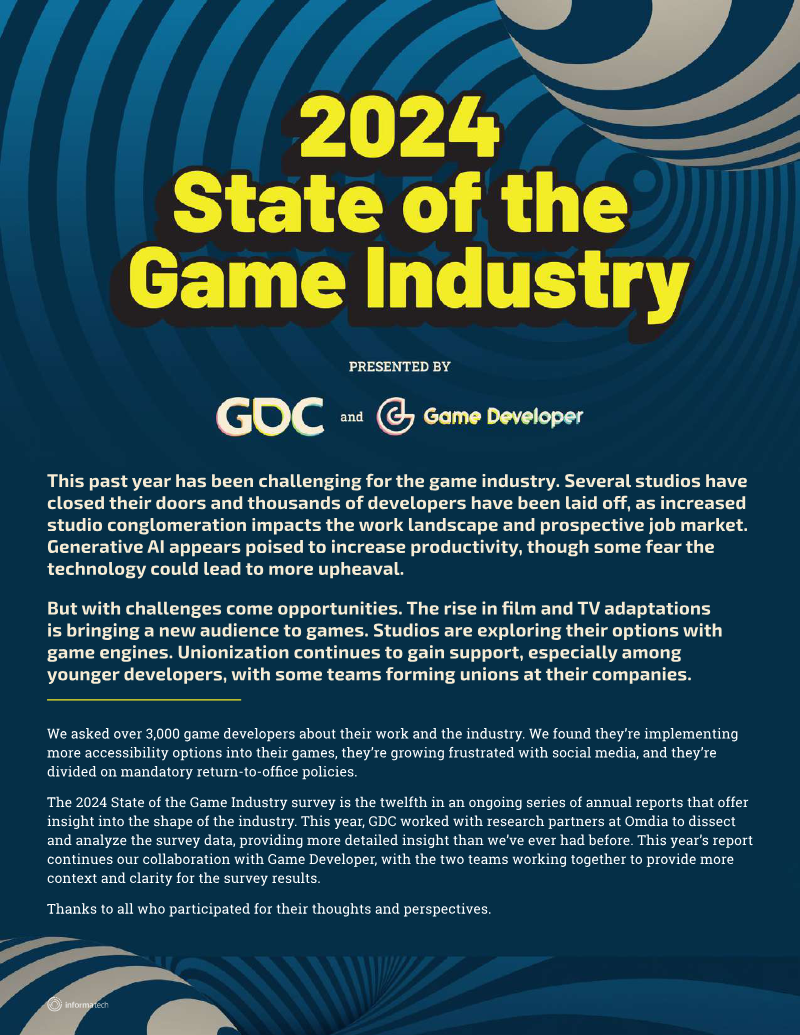
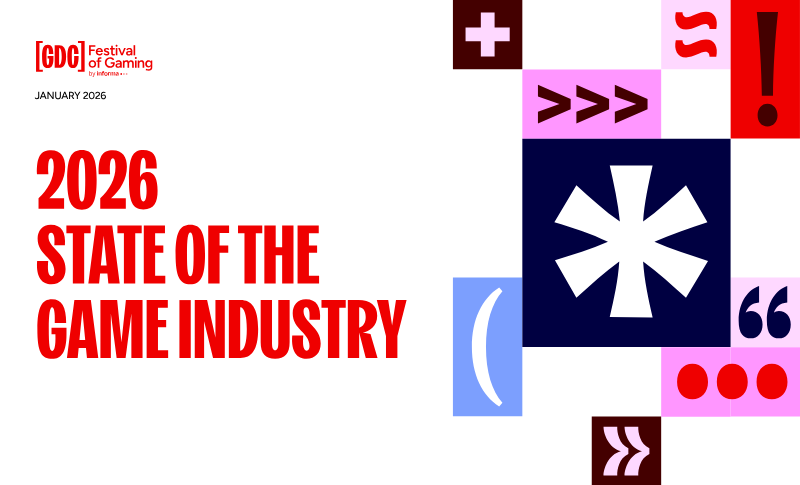
This industry analysis summarizes the state of the global video games sector following the 2024 Game Developers Conference (GDC) in San Francisco. The primary thesis suggests that while the industry remains capable of producing significant commercial hits, it is currently navigating a period of profound structural tension characterized by labor instability, ethical debates over emerging technology, and shifting political relationships.
Key findings from the GDC State of the Industry survey, which sampled over 3,000 professionals, reveal a growing divide in the adoption of generative AI. While 31% of respondents personally use these tools, adoption is significantly higher in commercial roles like marketing (41%) and business (44%) than in core development areas like engineering (25%) or game design (21%). This hesitation is largely attributed to ethical concerns held by four-fifths of the workforce. Furthermore, the labor market is described as exceptionally bleak following 18,000 global layoffs over the past year, leading to a "survive to 2025" mentality among developers.
The scope of the analysis covers major geographic hubs, specifically the United States and the United Kingdom. In the UK, the relationship between the games industry and the government has reached a point of friction due to immigration restrictions, changes to tax reliefs, and a perceived lack of support in the national budget. Additionally, the report highlights the commercial necessity of tackling community toxicity, noting research that players spend 54% more in environments they perceive as non-toxic.
The summary concludes by noting specific market successes, such as the independent hit Balatro and Sony’s Helldivers 2, which has sold over 8 million copies. These data points serve as a counter-narrative to the prevailing industry gloom, suggesting that high-quality content continues to drive strong engagement despite broader macroeconomic and political challenges.