Key insights
5 slides
New approach
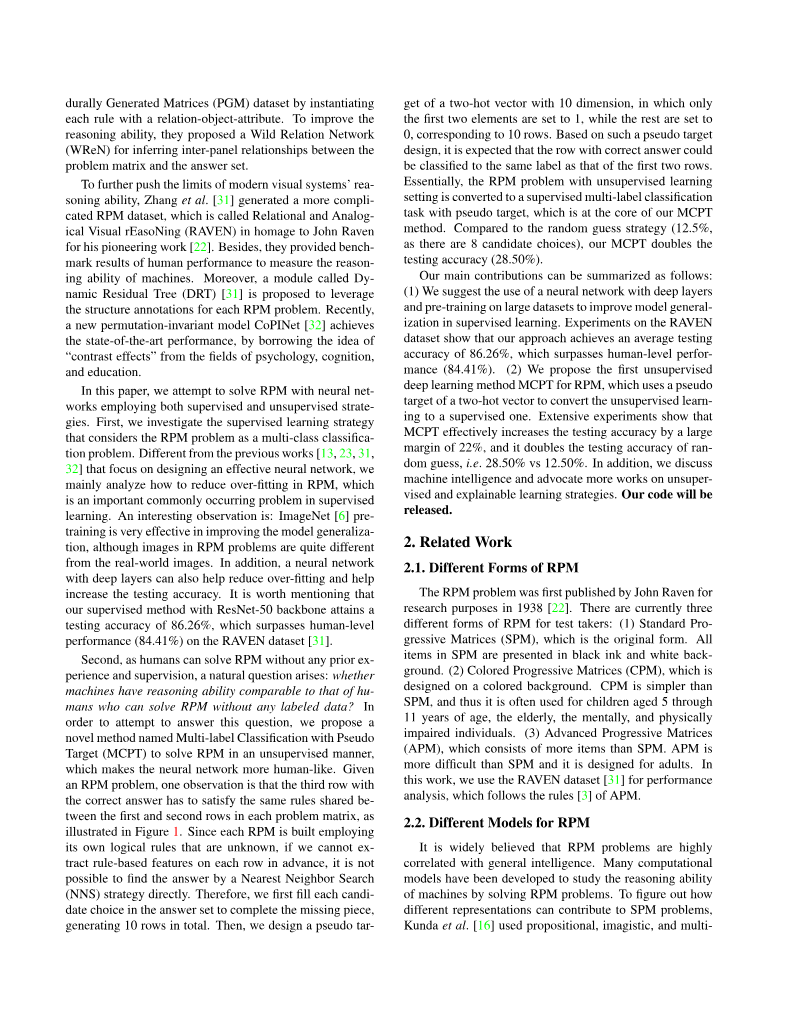
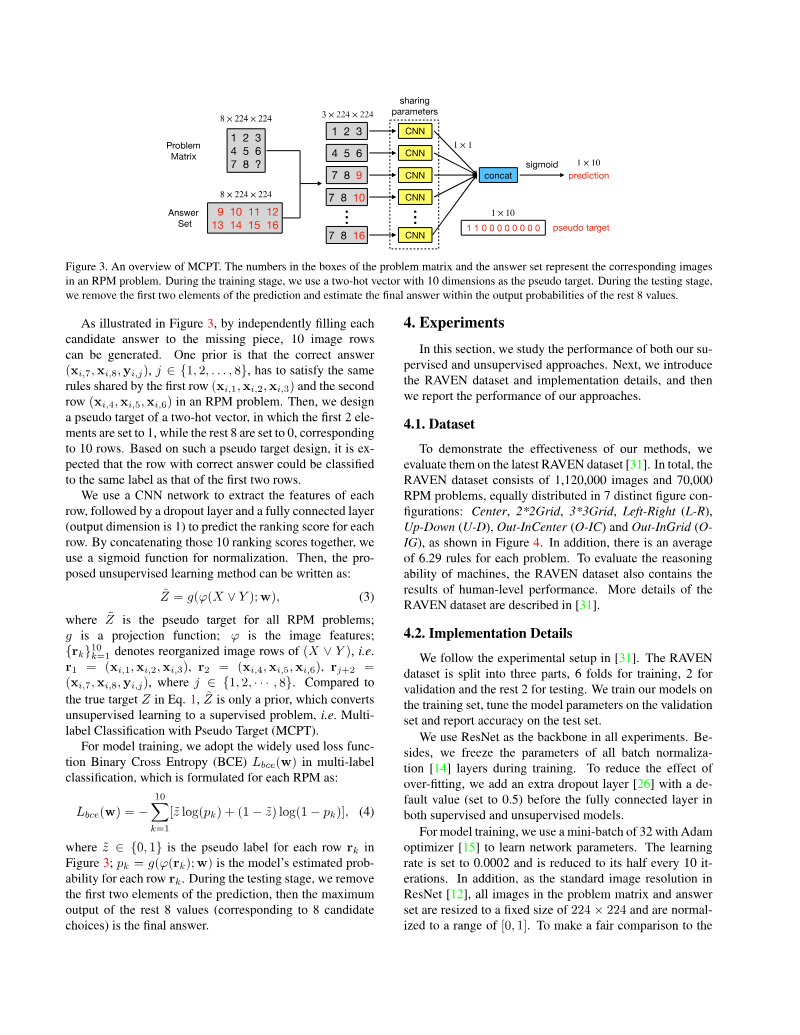
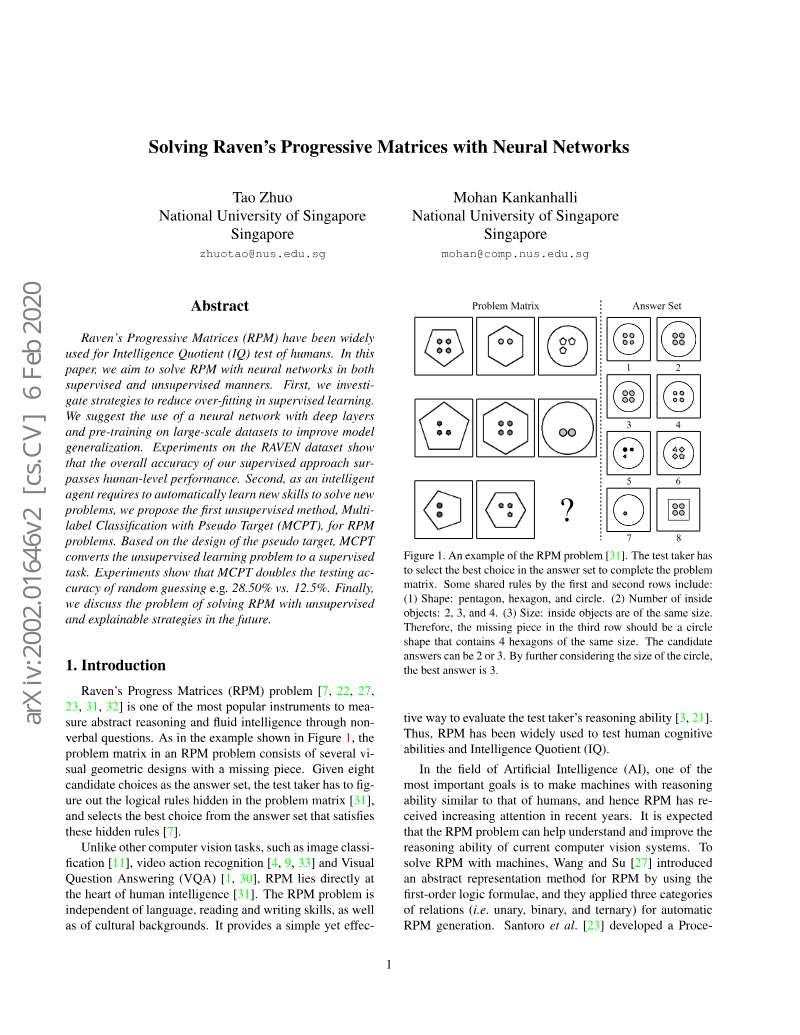
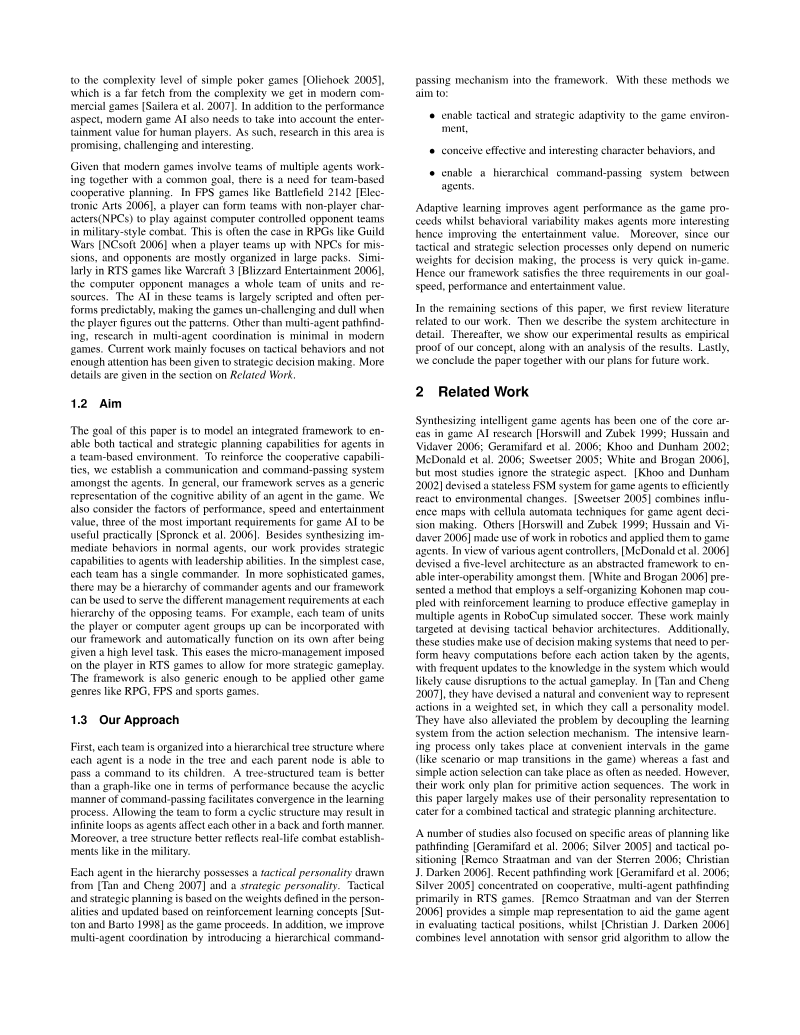
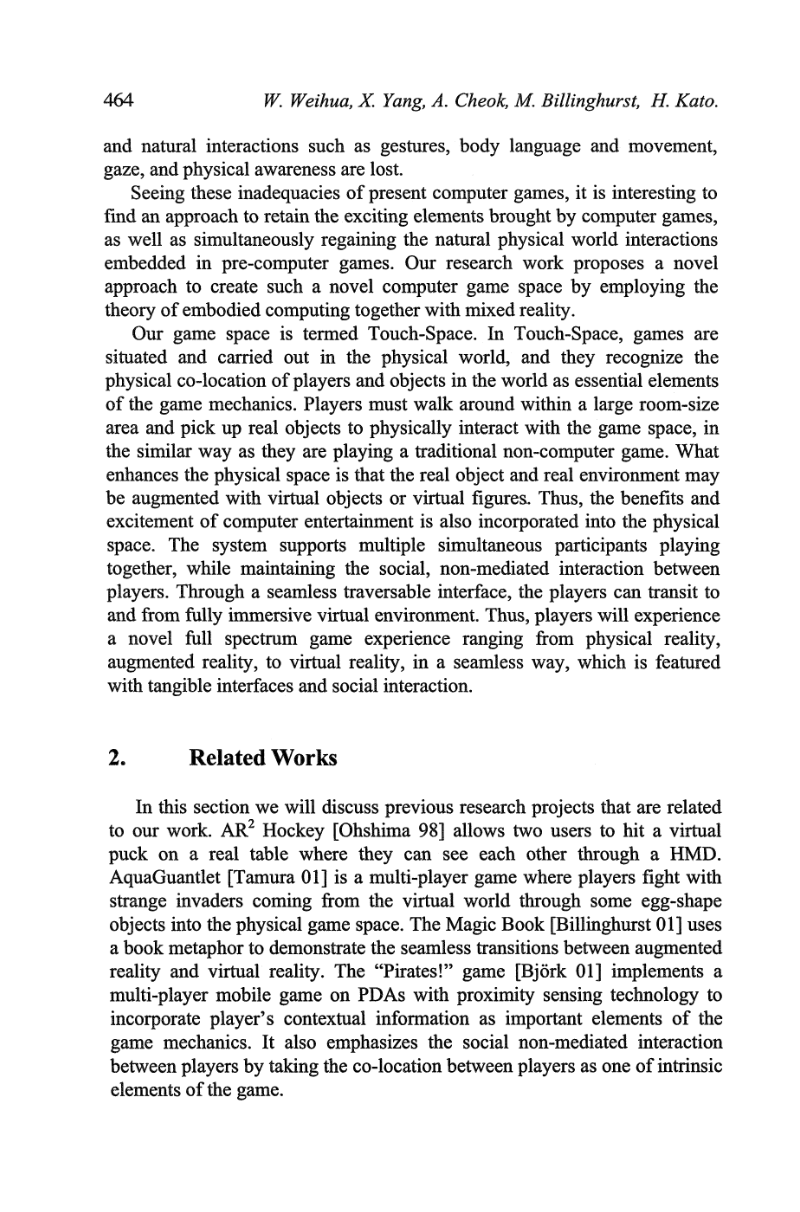
Touch-Space uses embodied computing to integrate physical and social interaction into mixed reality gaming.
This framework aims to reintroduce physical interaction, human touch, and social presence into computer entertainment. It synthesizes ubiquitous, tangible, and social computing.
Core concept. Touch-Space integrates physical movement, tangible object manipulation, and social interaction into room-scale mixed reality gaming.
1 / 5
- 01Touch-Space utilizes an embodied computing framework to integrate physical movement, tangible object manipulation, and social interaction into room-scale mixed reality gaming.See it on page 2
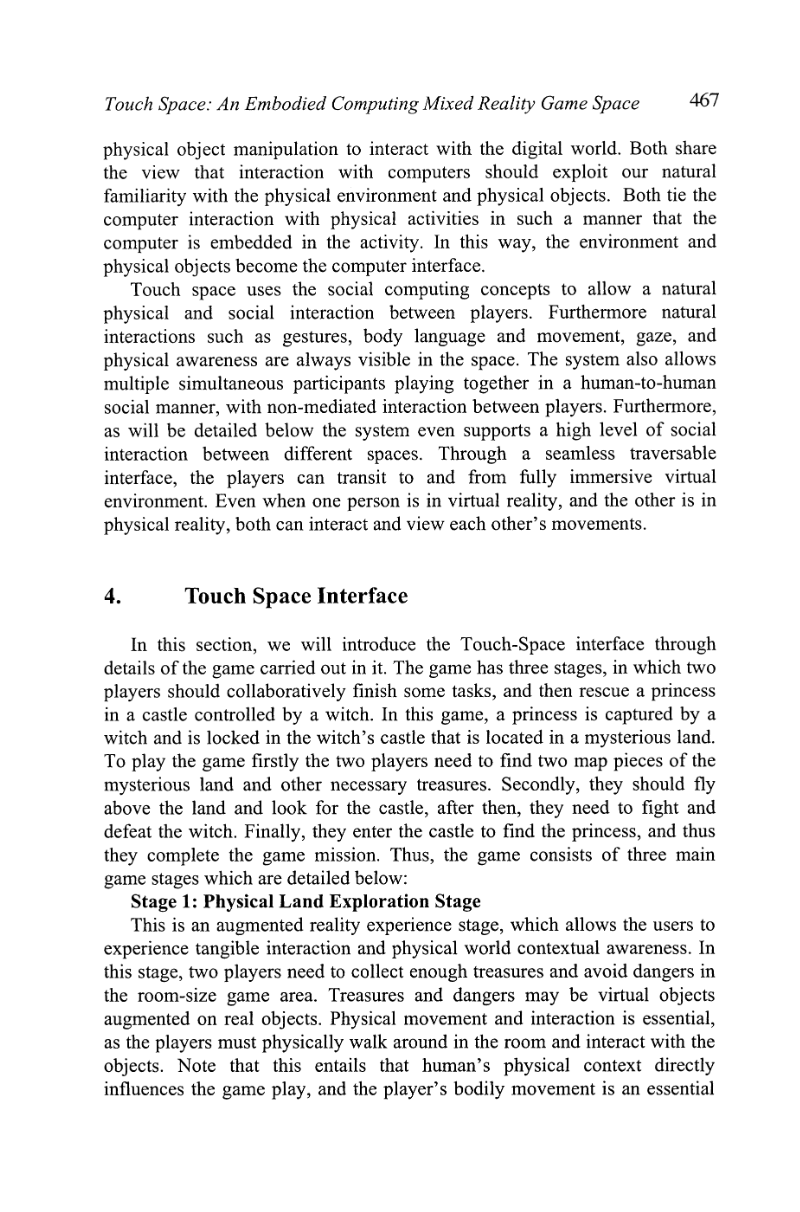
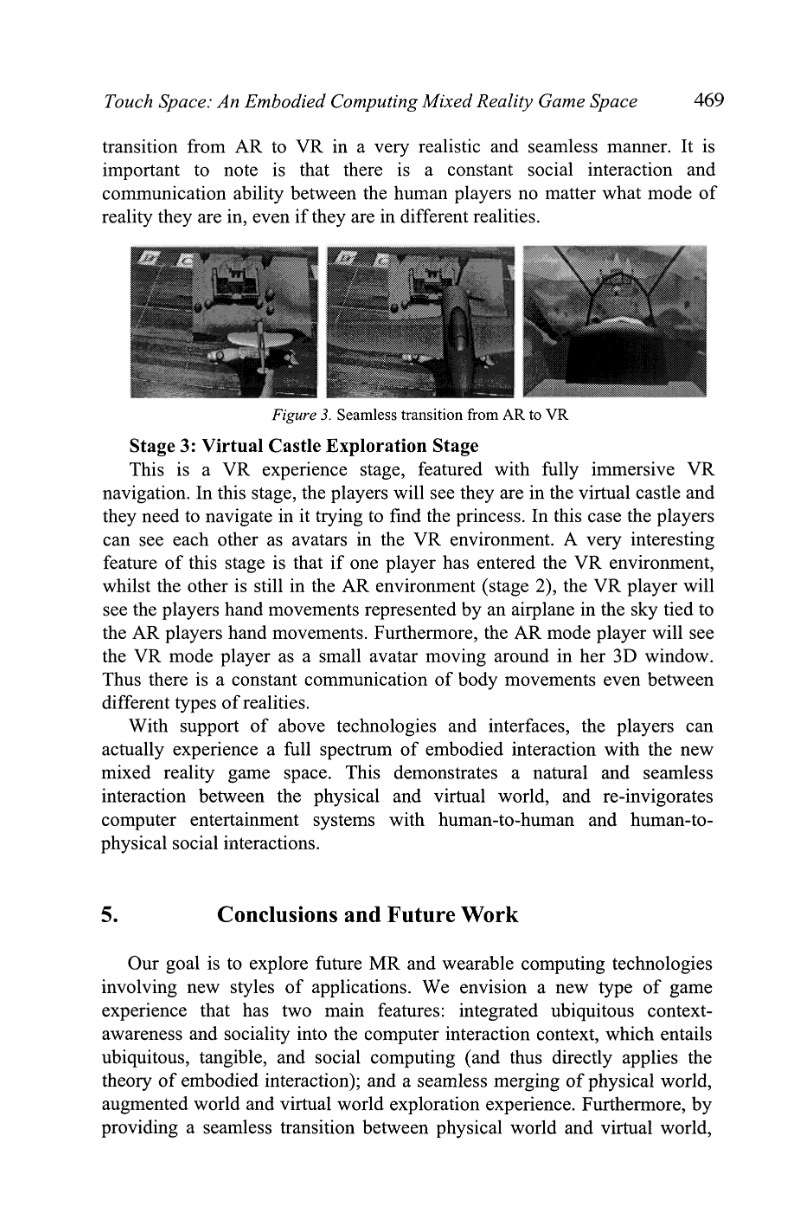
- 02The system features a seamless transition interface that allows players to switch between AR and VR modes while maintaining continuous physical and social awareness of other participants.See it on page 7
- 03By anchoring digital 3D objects to physical locations and movements, the framework replaces traditional screen-based interfaces with natural gestures and body language.See it on page 5
- 04The three-stage game narrative is designed to bridge the gap between physical reality, AR, and VR by requiring real-time collaboration and navigation of the physical environment.See it on page 5
- 05Future development aims to scale these embodied interaction techniques beyond room-scale environments to city-wide or field-based spaces using wearable computing technology.See it on page 8
Ask AI about this report
Summary
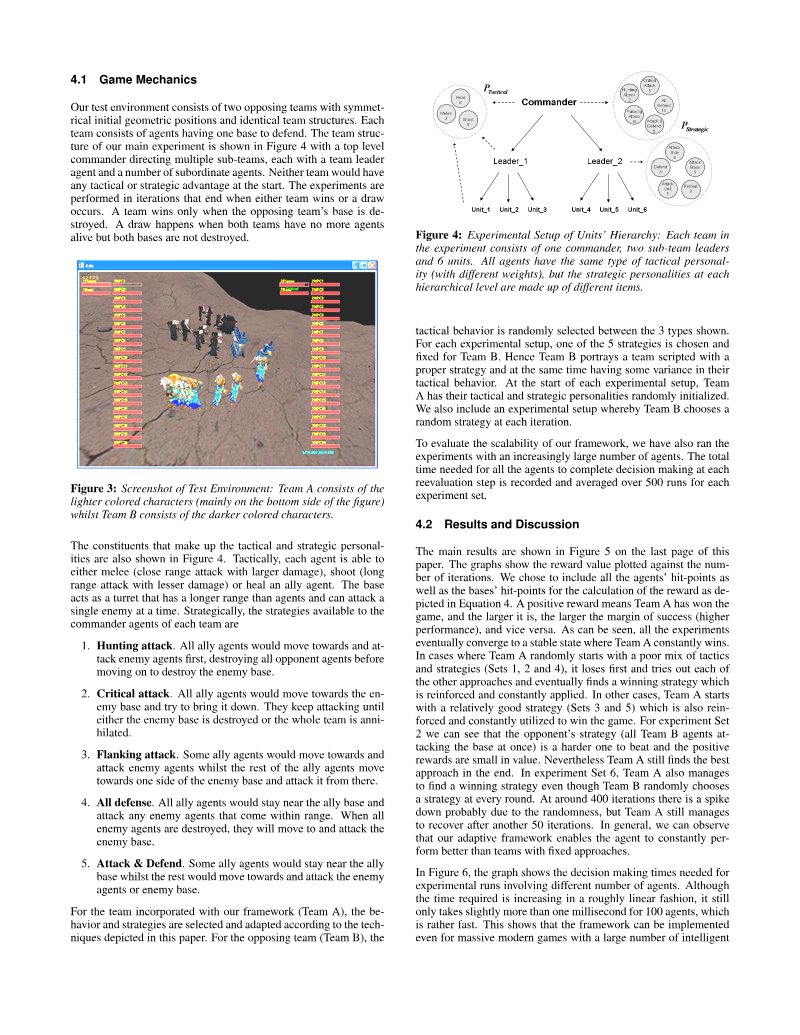
Touch-Space introduces a novel mixed reality (MR) gaming framework designed to reintegrate physical interaction, human touch, and social presence into computer entertainment. By applying the theory of embodied computing—which synthesizes ubiquitous, tangible, and social computing—the system moves beyond traditional screen-based interfaces. The primary thesis is that by situating gameplay within a physical, room-scale environment where digital objects are seamlessly embedded, developers can create a more natural, collaborative, and immersive experience that bridges the gap between physical reality, augmented reality (AR), and virtual reality (VR).
The system functions through a three-stage game narrative that requires players to physically navigate a room, manipulate tangible objects, and collaborate in real-time. Key technical features include a seamless transition interface that allows players to move between AR and VR modes while maintaining constant social and physical awareness of other participants. Unlike previous MR systems that often focus on small-scale interactions or lack transitions between reality spectrums, this approach utilizes room-scale movement and contextual awareness to ensure that human-to-human and human-to-physical interactions remain central to the game mechanics.
The research highlights the importance of "tangible mixed reality," where digital 3D landscapes and objects are directly tied to physical movements and locations. By enabling players to interact with virtual elements through natural gestures and body language, the system successfully maintains the fantasy appeal of computer games while restoring the social dynamics of traditional, non-mediated play. Future iterations aim to scale these embodied interaction techniques to larger environments, such as fields or city-wide spaces, leveraging advancements in wearable computing to further integrate digital entertainment into everyday physical life.