More on AI
View all


Whitepaper
Toward Ludic Gerontechnology: A Review of Games for Dementia Care
DiGRA · 2016
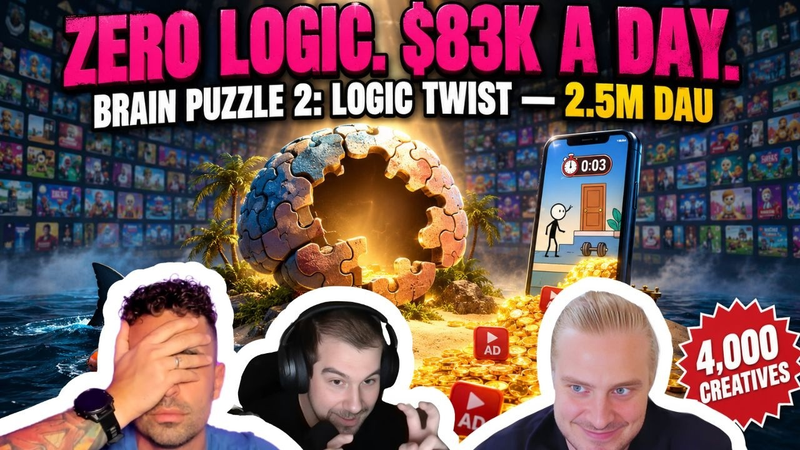
Two & a Half Gamers
🧩 Zero Logic, 2.5M DAU: Brain Puzzle 2 Makes $83K/Day With the Dumbest Ad Setup We’ve Ever Seen
Two & a Half Gamers · 2026

PocketGamer.biz
Block Blast Hit 300M Players — And Kills 95% of Ideas
PocketGamer.biz · 2026



Whitepaper
Mission Profiles and Interaction Patterns in Gravitas: Evidence from a Simulation-Based Physics Learning Game
European Conference on Games Based Learning (ECGBL) · 2026
Whitepaper
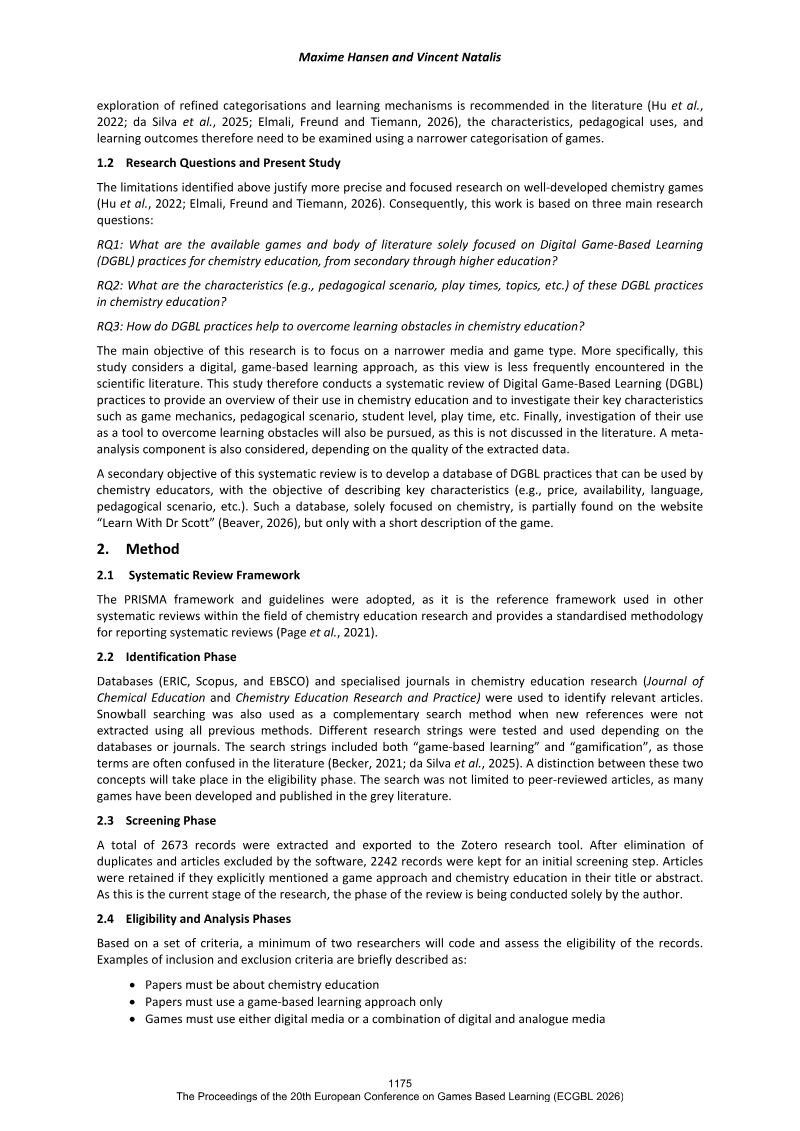
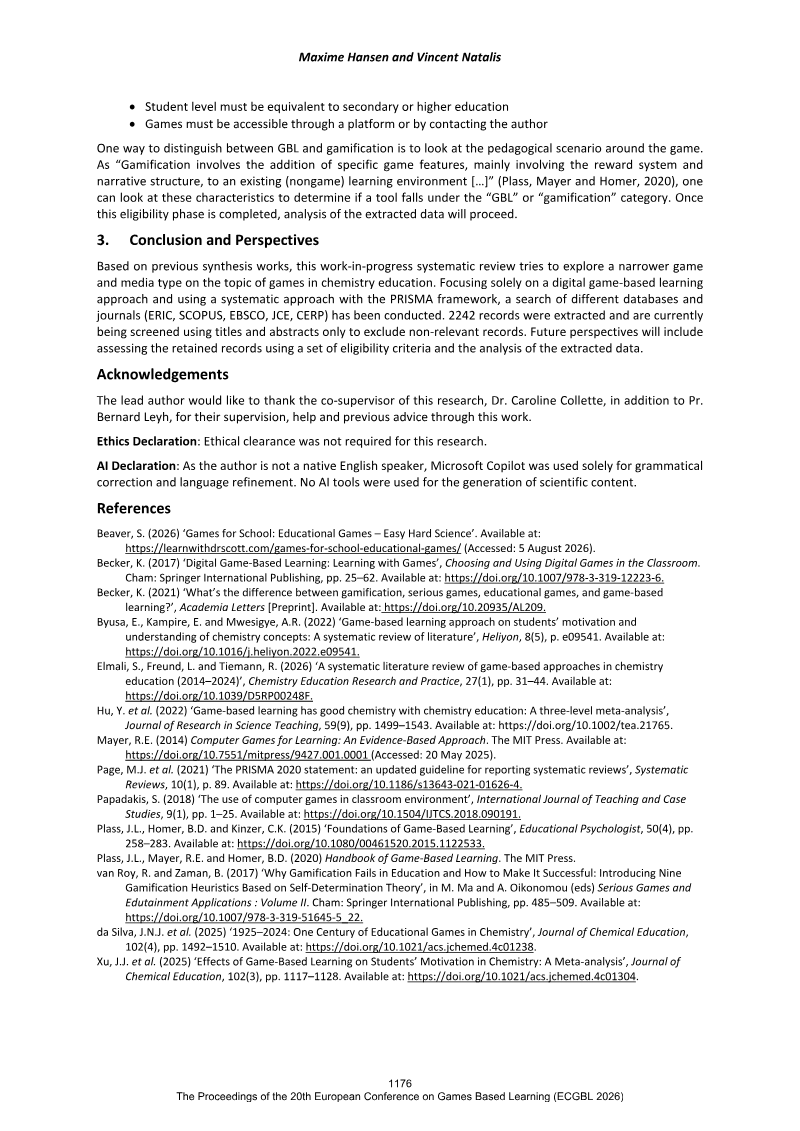
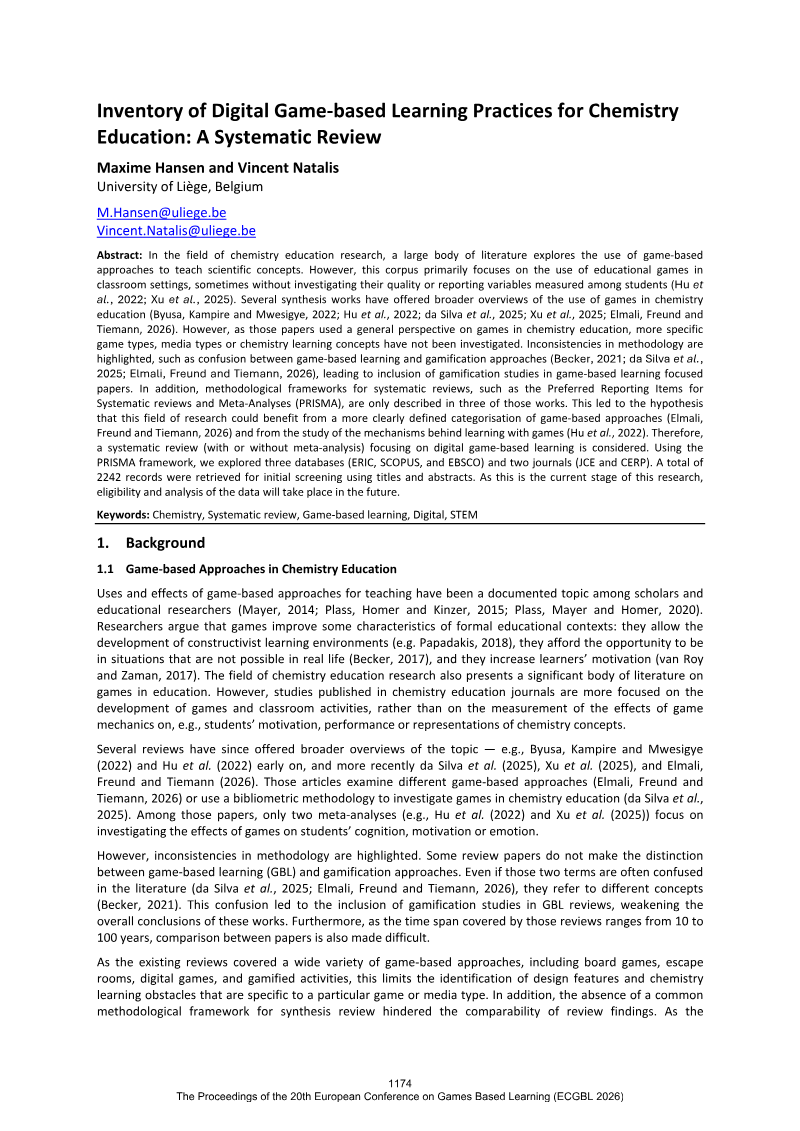
Inventory of Digital Game-Based Learning Practices for Chemistry Education: A Systematic Review
European Conference on Games Based Learning (ECGBL) · 2026



Whitepaper
Designing with Generative AI: Ethical and Creative Redesign of Visual Assets in a Statistics Game
European Conference on Games Based Learning (ECGBL) · 2026



Whitepaper
Who Tells the Better Math Story? Exploring Gen AI in a Digital Algebra Game
European Conference on Games Based Learning (ECGBL) · 2026
Whitepaper
Against Seamlessness and Hedonistic Loops: The Cases of Pause, Reflect, Resist, and Reform, from Interaction Design into Games
DiGRA · 2026
Two & a Half Gamers
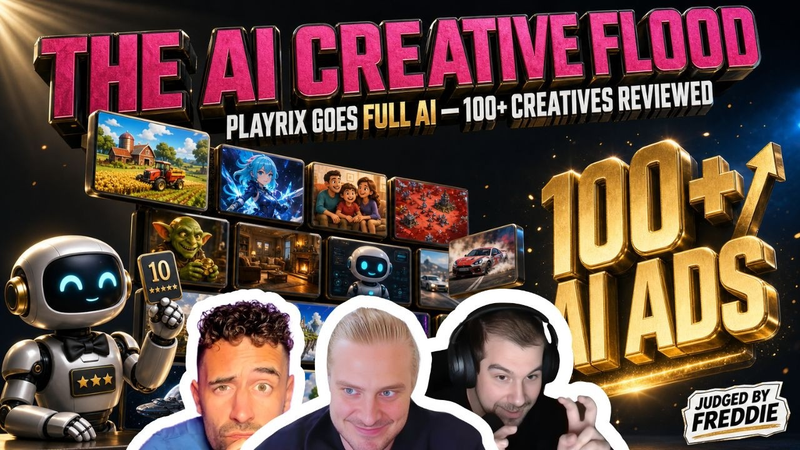
🧠 Playrix just went All-In on AI Creatives: 100+ AI Ads Reviewed
Two & a Half Gamers · 2026

Two & a Half Gamers
🚨Tactile & Loomit: How Top Games Make Money From Ads
Two & a Half Gamers · 2026
Whitepaper
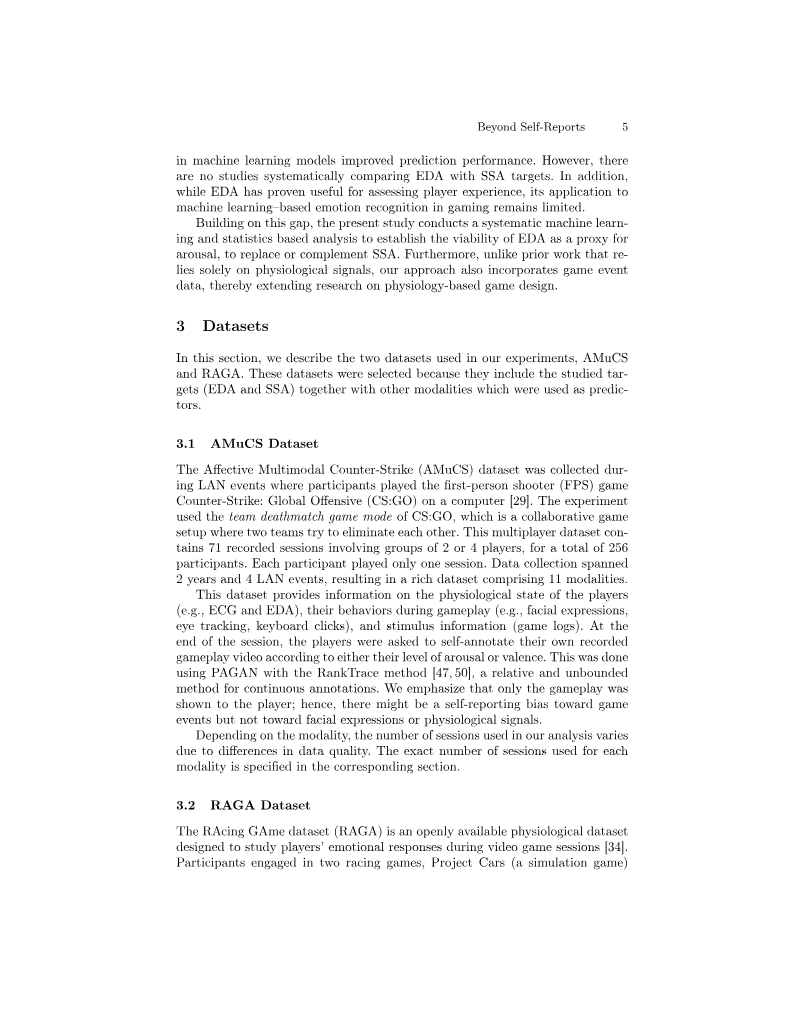
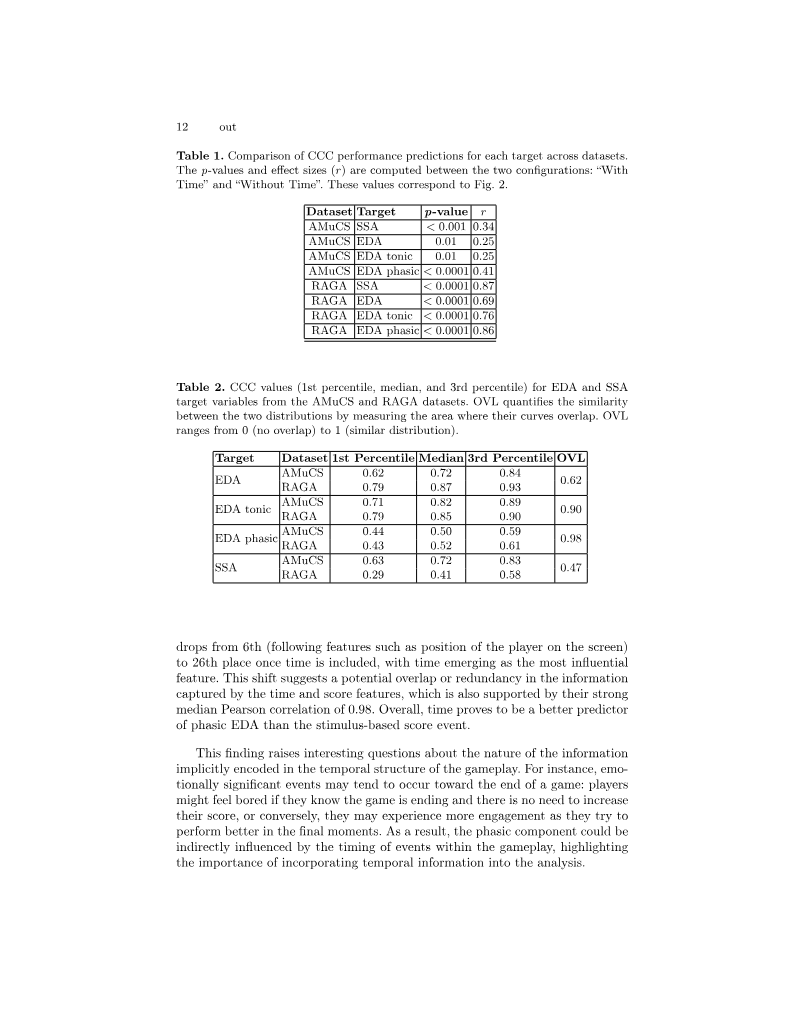
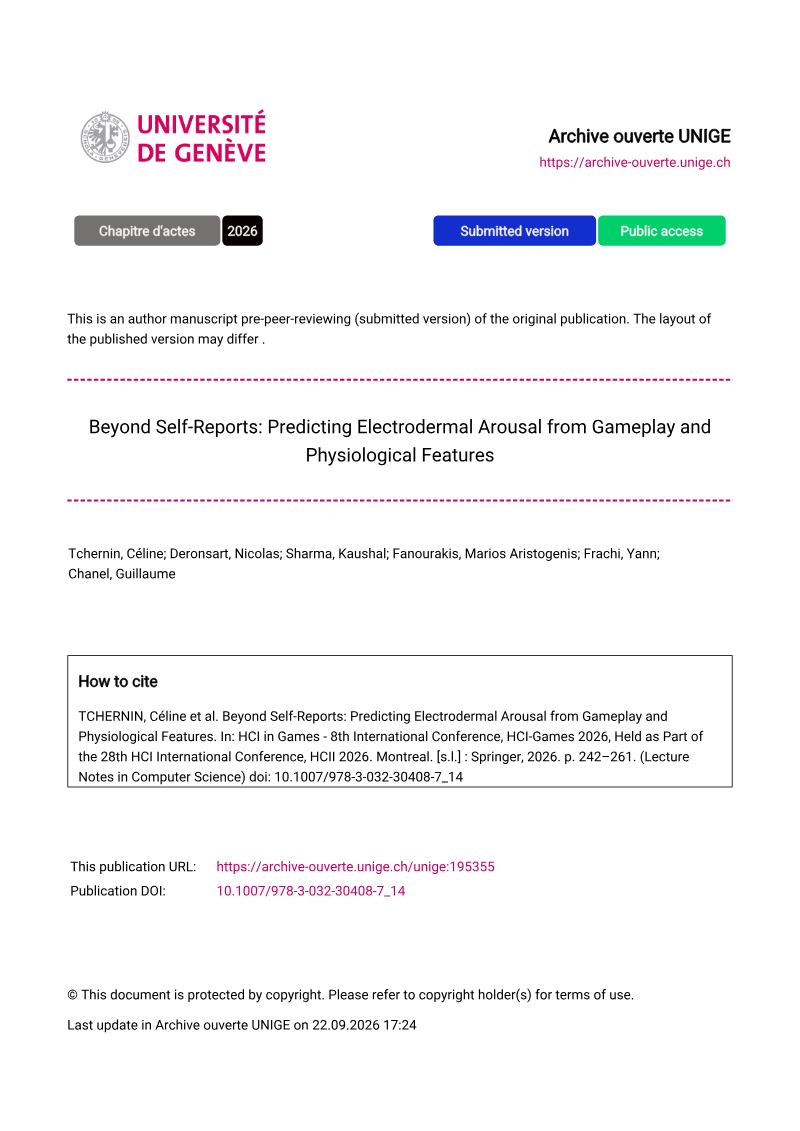
Beyond Self-Reports: Predicting Electrodermal Arousal from Gameplay and Physiological Features
Springer · 2026
Whitepaper
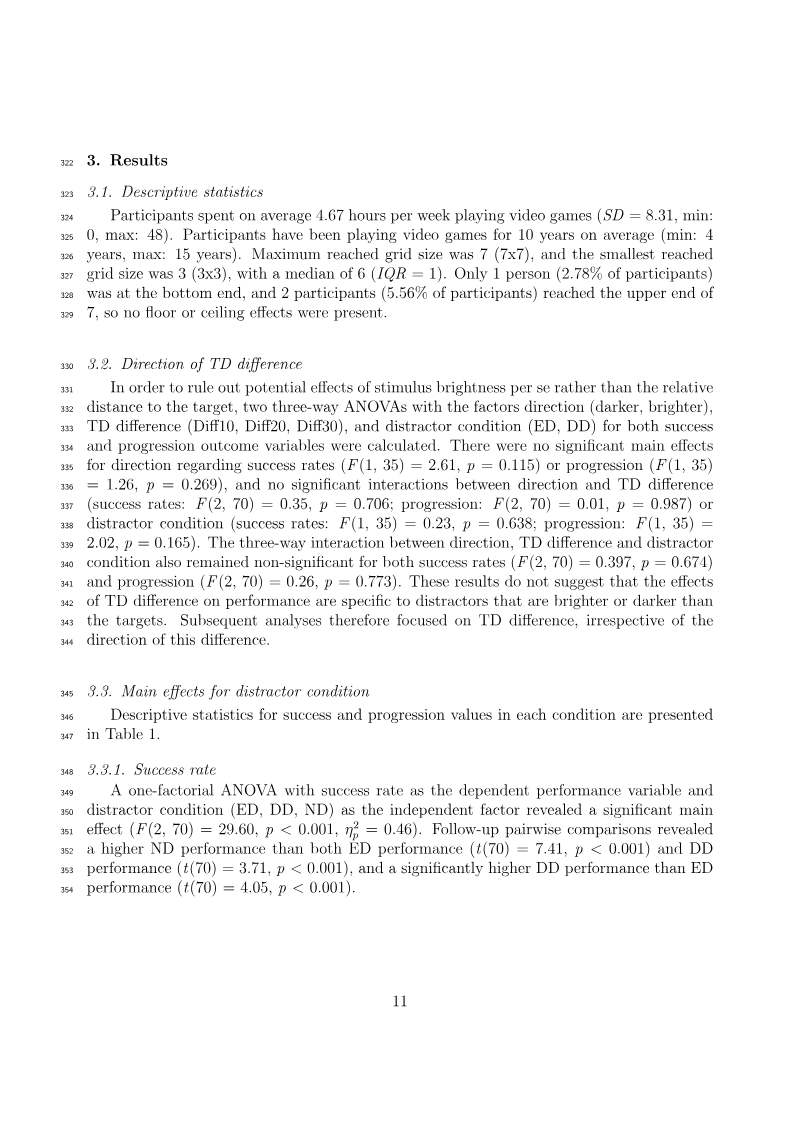
Examining the Influence of Target–Distractor Similarity on Difficulty in a Working Memory Game
Entertainment Computing · 2025