1 free read left. Create a free account for unlimited reading + AI research.
Create free accountArticle DiGRA
1 free read left. Create a free account for unlimited reading + AI research.
Create free accountArticleDiGRA
Researchers asked whether mobile music games deliver the educational benefits associated with serious games. The apps were selected from an initial pool of 313 candidates.
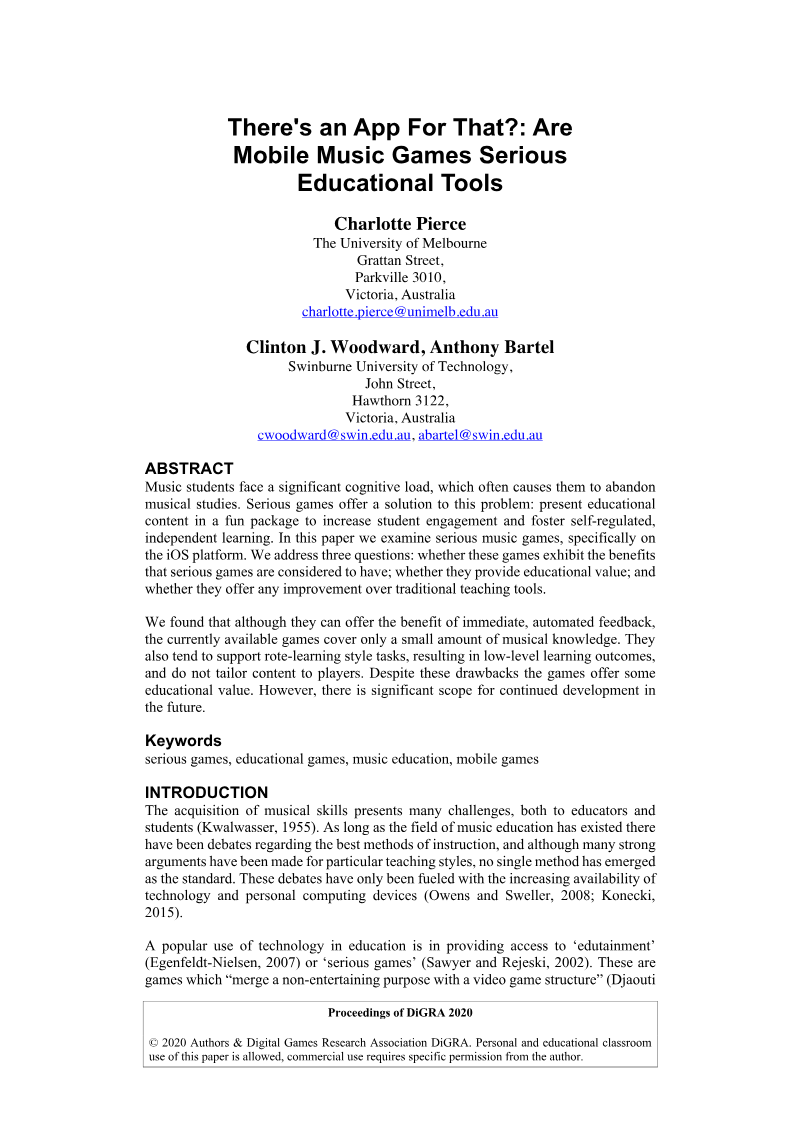
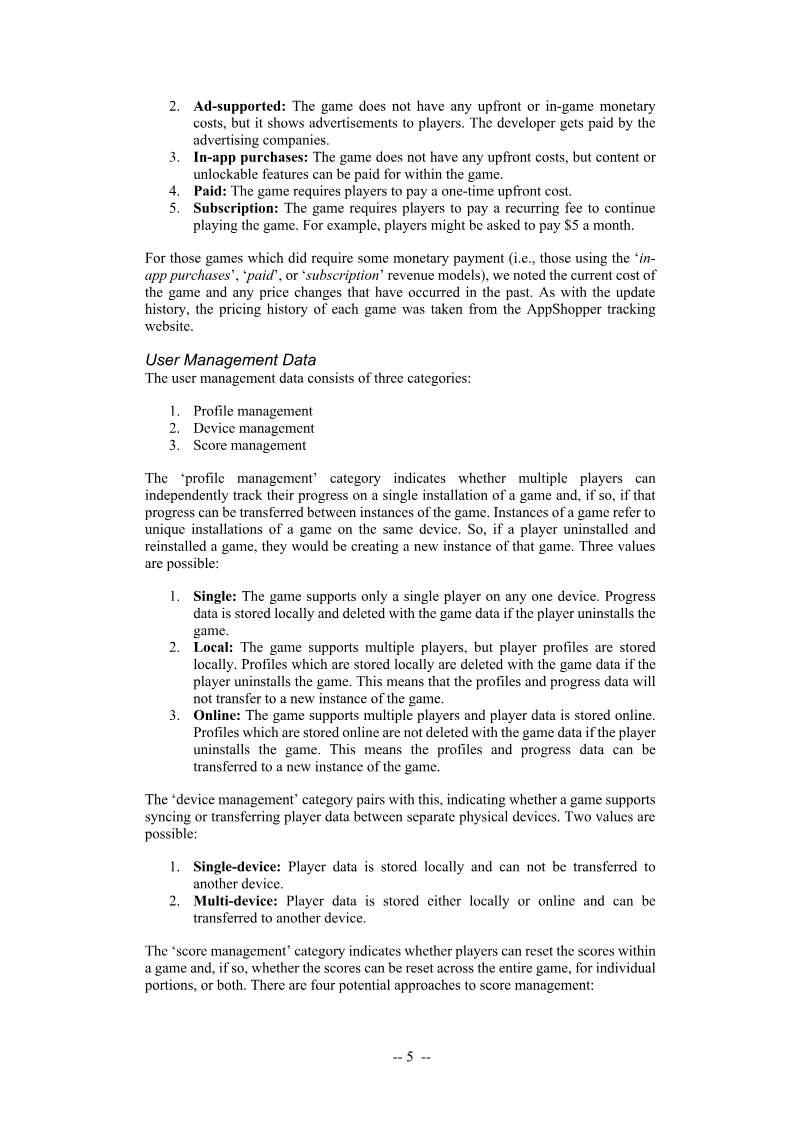
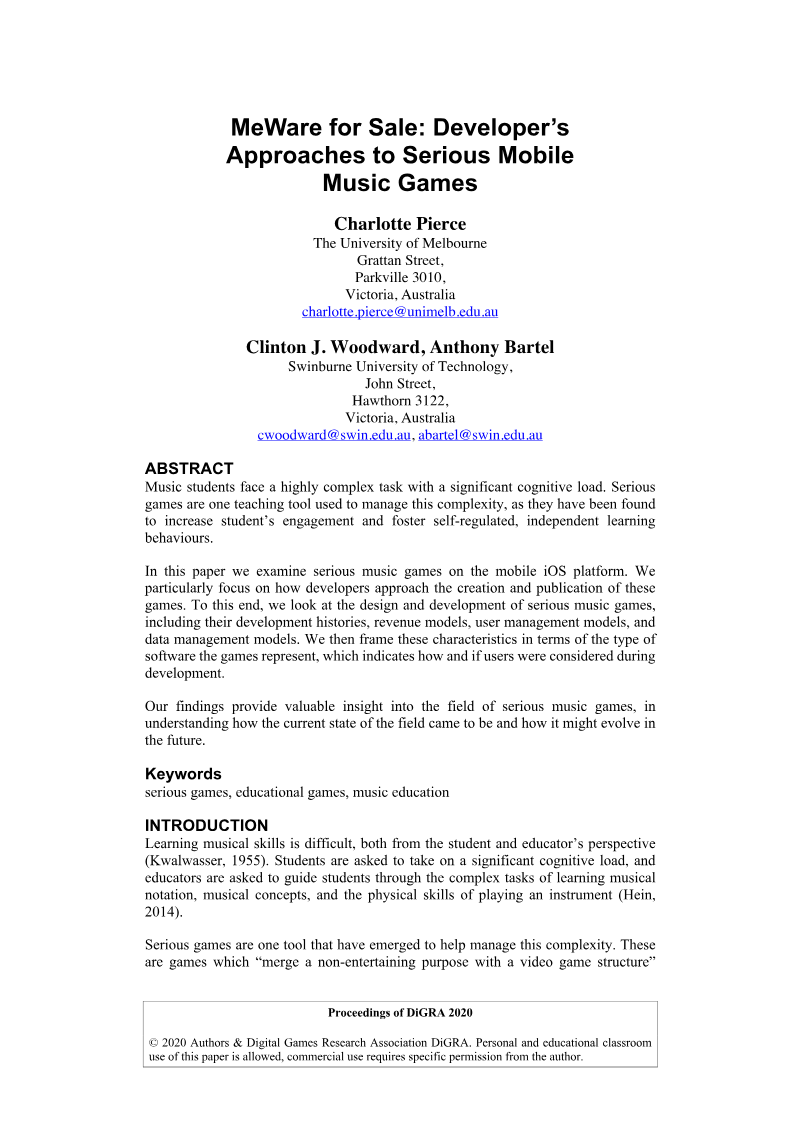
A study of 175 iOS music education apps, drawn from an initial pool of 313 candidates, asks whether these mobile serious games deliver the educational benefits commonly attributed to the serious games genre and whether they improve on traditional music teaching tools. The authors frame their inquiry around the cognitive load faced by music students and the potential of games to provide engagement, immediate automated feedback, and support for self-regulated learning. To evaluate the apps, the study applies a content taxonomy, the SOLO learning outcome classification, a feedback typology, and progression models.
The apps cluster predominantly within the "Music" and "Education" genres. Their feedback is generally immediate but shallow, consisting mostly of verification or knowledge-of-response signals, with little deeper guidance for the learner. Content concentrates on music notation reading and basic instrument skills, and visual recognition is the most common activity type. The learning outcomes are similarly constrained: 132 of the 175 games reach only uni-structural outcomes, meaning they address a single relevant element of learning rather than integrating multiple ideas.
The study's central conclusion is that these mobile music games are useful as supplements to traditional instruction but fall short as comprehensive educational tools. Their limitations lie in depth, adaptivity, and coverage of broader musical knowledge. The analysis is grounded in the research traditions of instructional feedback, serious games, cognitive load theory in music instruction, and instructional app evaluation.

DiGRA · 2022

DiGRA · 2022



DiGRA · 2022



DiGRA · 2022

DiGRA · 2022

DiGRA · 2022



DiGRA · 2022

DiGRA · 2022

DiGRA · 2022



DiGRA · 2022



DiGRA · 2022

DiGRA · 2022
PocketGamer.biz · 2026