1 free read left. Create a free account for unlimited reading + AI research.
Create free accountWhitepaper Press Start
1 free read left. Create a free account for unlimited reading + AI research.
Create free accountWhitepaperPress Start
Distilling the key insights…
The temples within The Legend of Zelda: Ocarina of Time function as sophisticated reliquaries that mirror the structural and symbolic characteristics of sacred architecture found in Shinto, Buddhist, and Christian traditions. By integrating these diverse religious design elements, the game establishes a virtual environment that transcends mere entertainment, instead guiding players through a ritualistic progression from the secular world into a sanctified space. This architectural framework utilizes thresholds, guardian figures, and hierarchical layouts to evoke a profound sense of reverence and meditative flow, effectively transforming standard dungeon progression into a meaningful, pseudoreligious experience.
The core thesis posits that virtual architecture exerts an influence on player psychology comparable to physical sacred spaces. Through the strategic application of semiotic and iconographic signifiers, the game’s design facilitates a trajectory toward the divine, culminating in boss encounters that serve as the focal point of this ritualistic journey. These symbols, while often obscured by the demands of gameplay, act as essential conduits for atmosphere and engagement, signaling a clear separation between the mundane and the holy.
This analysis encompasses the entirety of the game’s dungeon environments, focusing on the intersection of architectural history, religious studies, and game design. By synthesizing these multidisciplinary perspectives, the study demonstrates that virtual environments are not merely aesthetic backdrops but are instead active participants in shaping the player’s journey. Ultimately, the research concludes that the intentional use of religious iconography within digital spaces serves to deepen player immersion, proving that virtual architecture functions as a powerful tool for creating complex, emotionally resonant experiences that mirror the significance of real-world sacred sites.
Each row is a game or company this document names, each column a document, oldest first. A mark means that document names it. Select a row to see those documents.



Press Start · 2026
Press Start · 2026
Press Start · 2026
Press Start · 2026
Press Start · 2026
Press Start · 2026
Press Start · 2026
Press Start · 2026
Press Start · 2025
Press Start · 2025
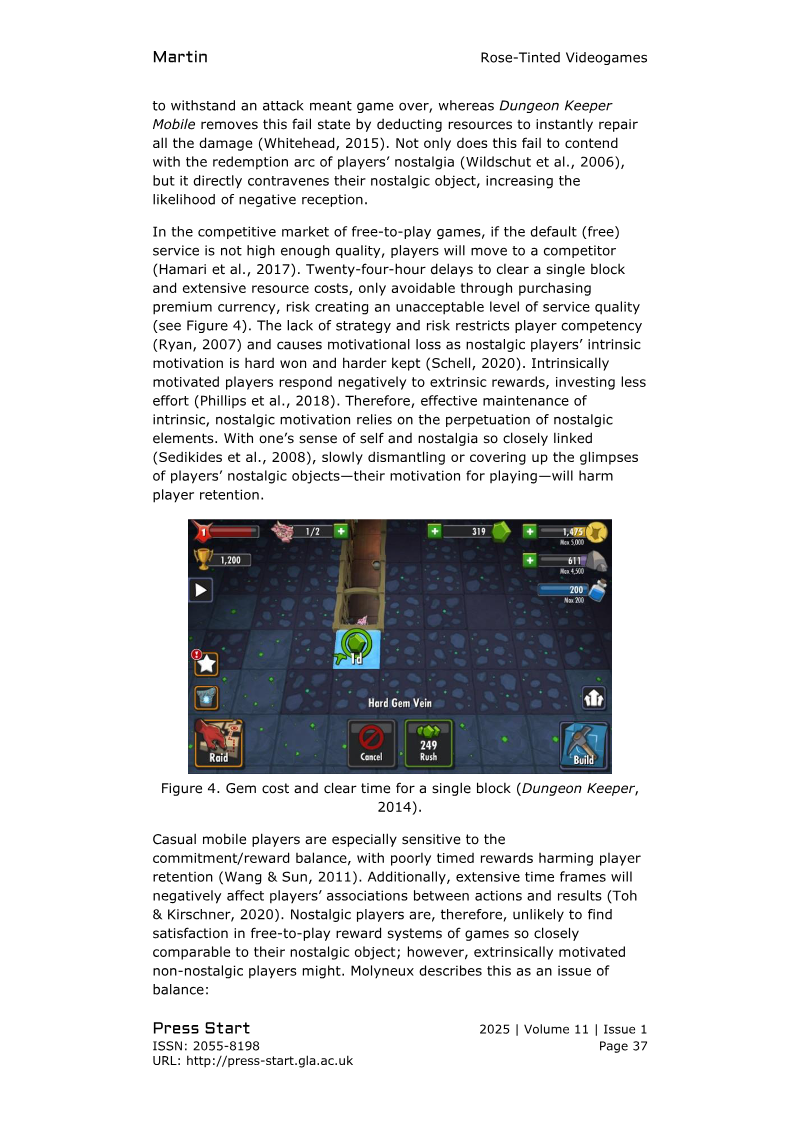
Press Start · 2025
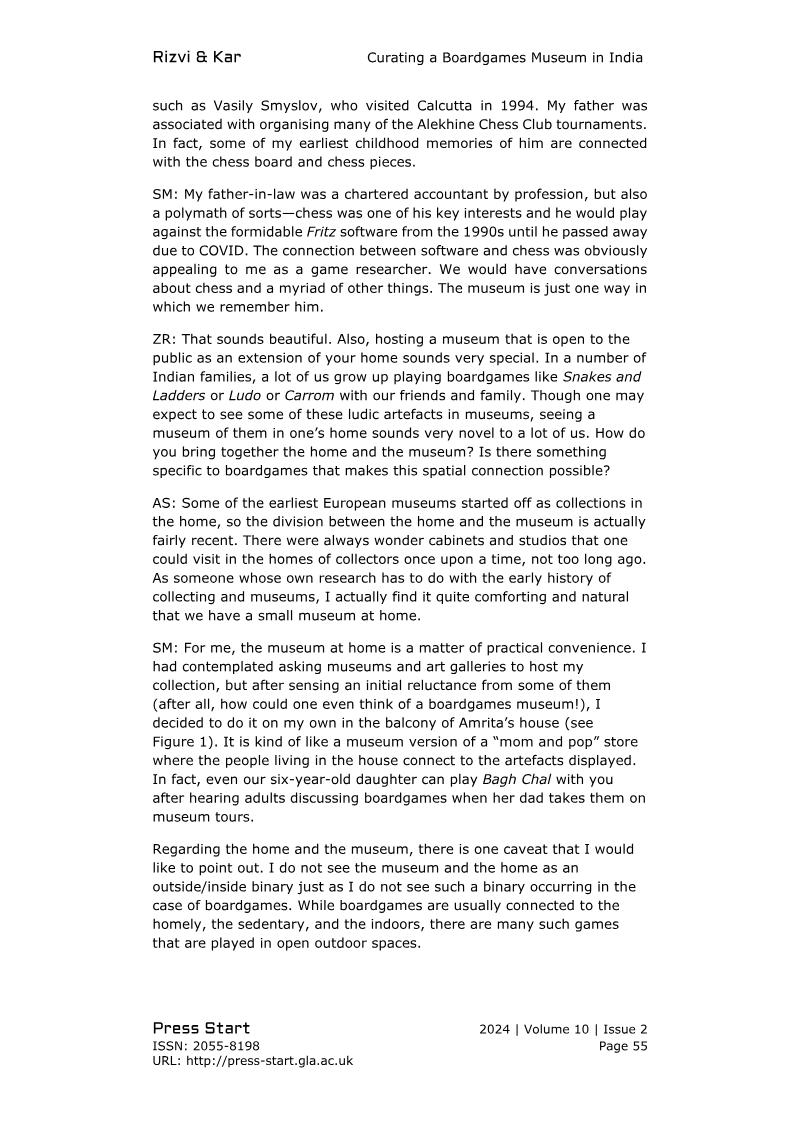
Press Start · 2024
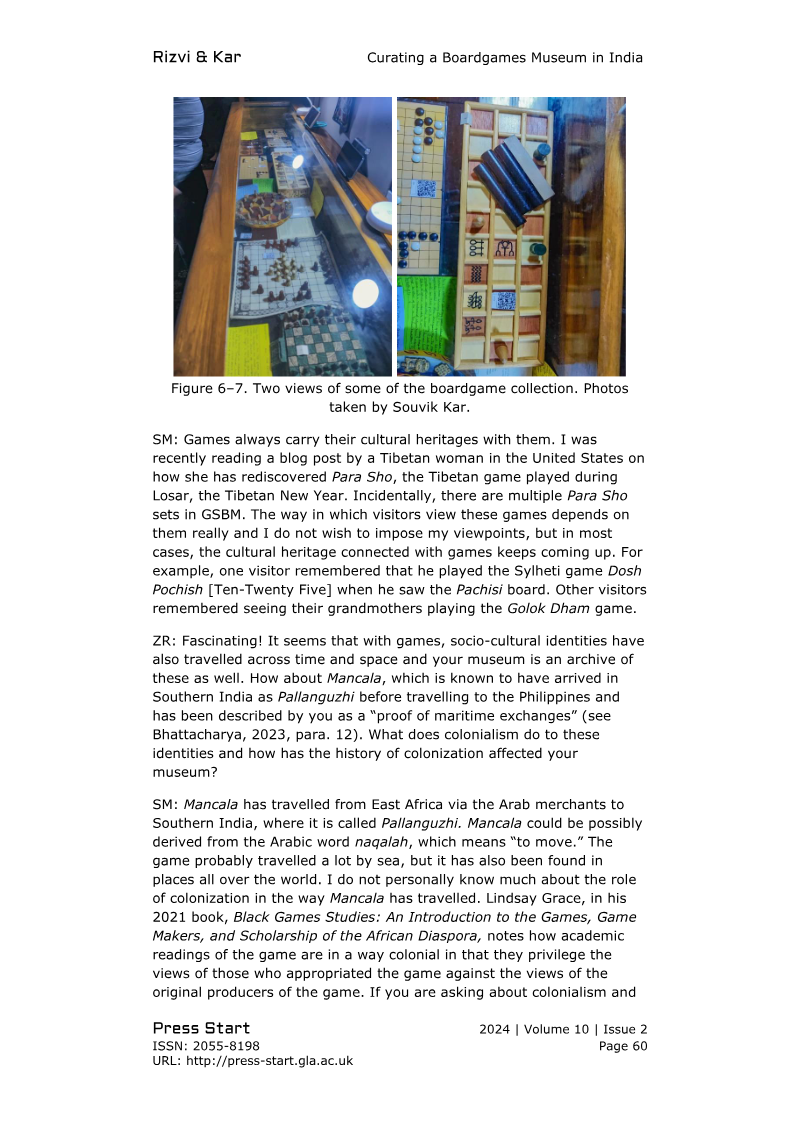
Press Start · 2024