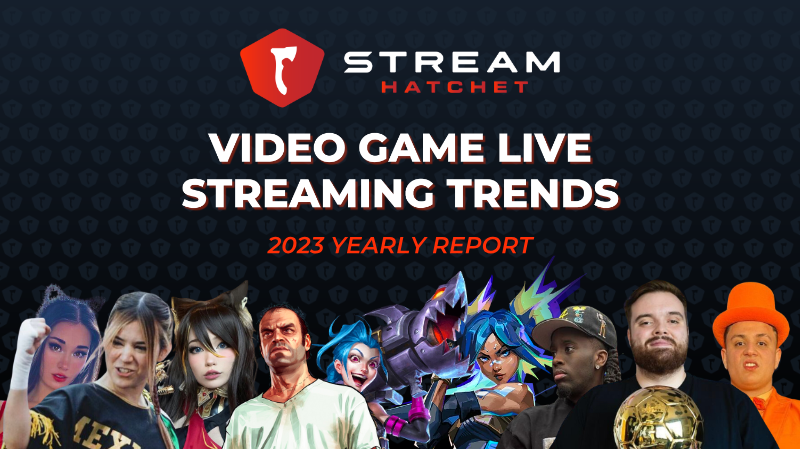
The global live streaming market entered a period of stabilization in 2023, reaching 38.3 billion hours watched with the lowest volatility recorded since 2020. While the industry leader, Twitch, experienced a 4.9% decline in total hours watched, the broader landscape remained dynamic due to the 11% growth of YouTube Gaming and the rapid ascent of Kick. Within its first year, Kick secured the position of the third-largest Western streaming platform, displacing Facebook and hosting nearly one million unique channels. This shift reflects a diversifying market where platform loyalty is increasingly challenged by new entrants and multi-platform simulcasting, the latter of which has been shown to increase creator audiences by an average of 100%.
Esports remains a primary engine for engagement, with viewership rising 9% year-over-year to 2.5 billion hours. This growth is heavily supported by the rise of co-streaming, which now accounts for nearly 30% of total esports consumption. While First-Person Shooters remain the dominant gaming genre at 4.7 billion hours, non-gaming categories such as "Just Chatting" and "Sports" are expanding their market share. Notable content trends include the continued rise of VTubers on YouTube and significant regional growth in Japan, where Twitch viewership increased by 283 million hours.
Demographic and geographic shifts further define the current landscape. Kick has established a predominantly English-speaking base and shows a slightly higher representation of top female creators compared to its competitors. Meanwhile, Europe saw a massive 400% surge in Battle Royale esports viewership driven by major international championships. As the industry matures, the integration of sophisticated analytics and marketing ecosystems allows stakeholders to navigate a complex environment where traditional gaming content, creator-led events, and diverse language markets intersect to maintain high levels of global engagement.
Stream Hatchet · 2025
Stream Hatchet · 2025
Stream Hatchet · 2025
Stream Hatchet · 2025
Stream Hatchet · 2025
Stream Hatchet · 2025

Stream Hatchet · 2025
Stream Hatchet · 2025
Stream Hatchet · 2024
Stream Hatchet · 2024
Stream Hatchet · 2024
Stream Hatchet · 2024

IGN Entertainment · 2026

InvestGame · 2025

Vorhaus Advisors · 2025
Stream Hatchet · 2024
Stream Hatchet · 2024
Stream Hatchet · 2024
Lurkit · 2024
Stream Hatchet · 2024