1 free read left. Create a free account for unlimited reading + AI research.
Create free accountWhitepaper Press Start
1 free read left. Create a free account for unlimited reading + AI research.
Create free accountWhitepaperPress Start
The playable teaser P.T. (2014) serves as a seminal case study for the efficacy of psychological horror within video games. By analyzing the game’s central mechanic—a perpetually looping, L-shaped hallway—the research demonstrates how developers successfully leverage psychoanalytic theory to evoke profound dread. The thesis posits that the game’s terror is not derived from traditional jump scares or excessive violence, but rather from the intentional application of Sigmund Freud’s concept of the uncanny, which exploits the tension between familiar domestic environments and unsettling, inexplicable alterations.
The analysis highlights how P.T. utilizes architectural space to disrupt the player's sense of reality. By presenting a mundane, recognizable setting that shifts incrementally with each loop, the game forces players into a state of compulsive evaluation, mirroring the psychological struggle to reconcile the familiar with the unheimlich, or "unhomely." This process is further intensified by the first-person perspective, which collapses the boundary between the player and the avatar, fostering a sense of powerlessness and existential doubt. The research draws parallels between these design choices and the works of Guillermo del Toro and Junji Ito, both of whom frequently employ themes of repetition, the double, and the blurring of fantasy and reality to create horror.
Ultimately, the study concludes that P.T. established a new design standard for the genre. By prioritizing psychological discomfort over conventional horror tropes, the game has influenced a subsequent wave of titles, including Layers of Fear, Resident Evil VII, and Visage. The findings suggest that the most potent psychological horror arises when developers manipulate the player's perception of the familiar, transforming safe, domestic spaces into sites of inescapable, recursive terror.
Each row is a game or company this document names, each column a document, oldest first. A mark means that document names it. Select a row to see those documents.



Press Start · 2026
Press Start · 2026
Press Start · 2026
Press Start · 2026
Press Start · 2026
Press Start · 2026
Press Start · 2026
Press Start · 2026
Press Start · 2025
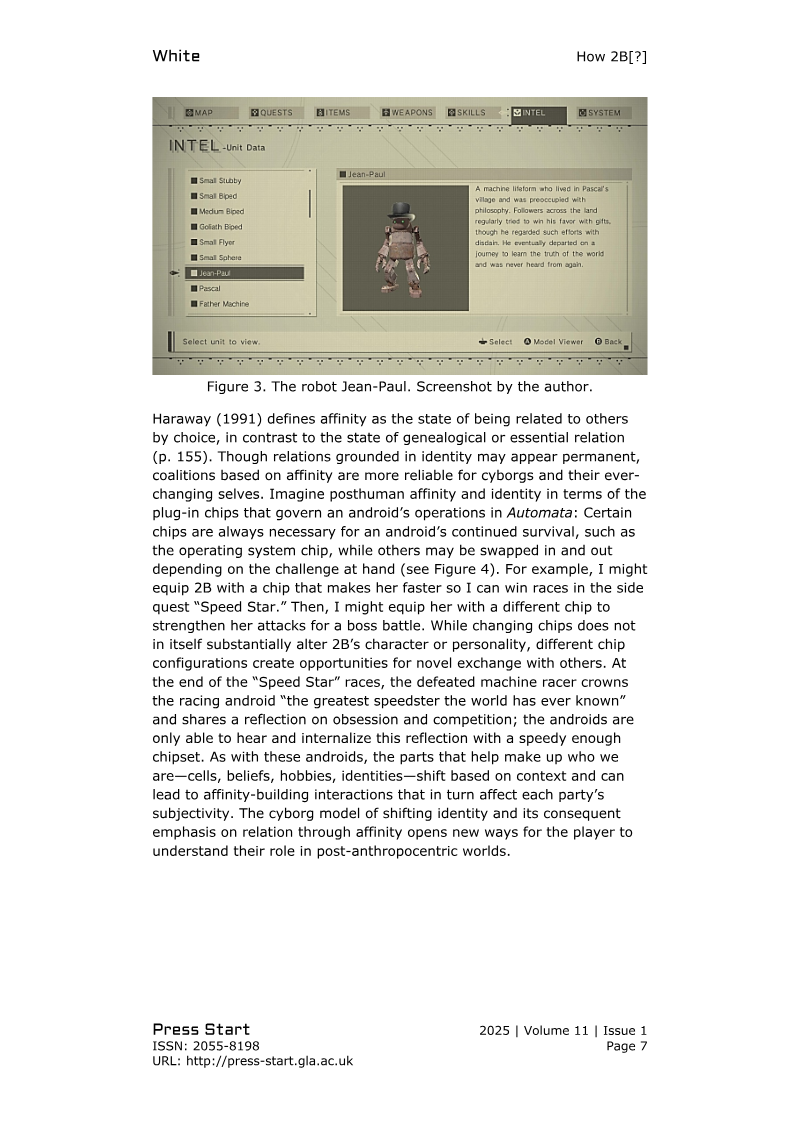
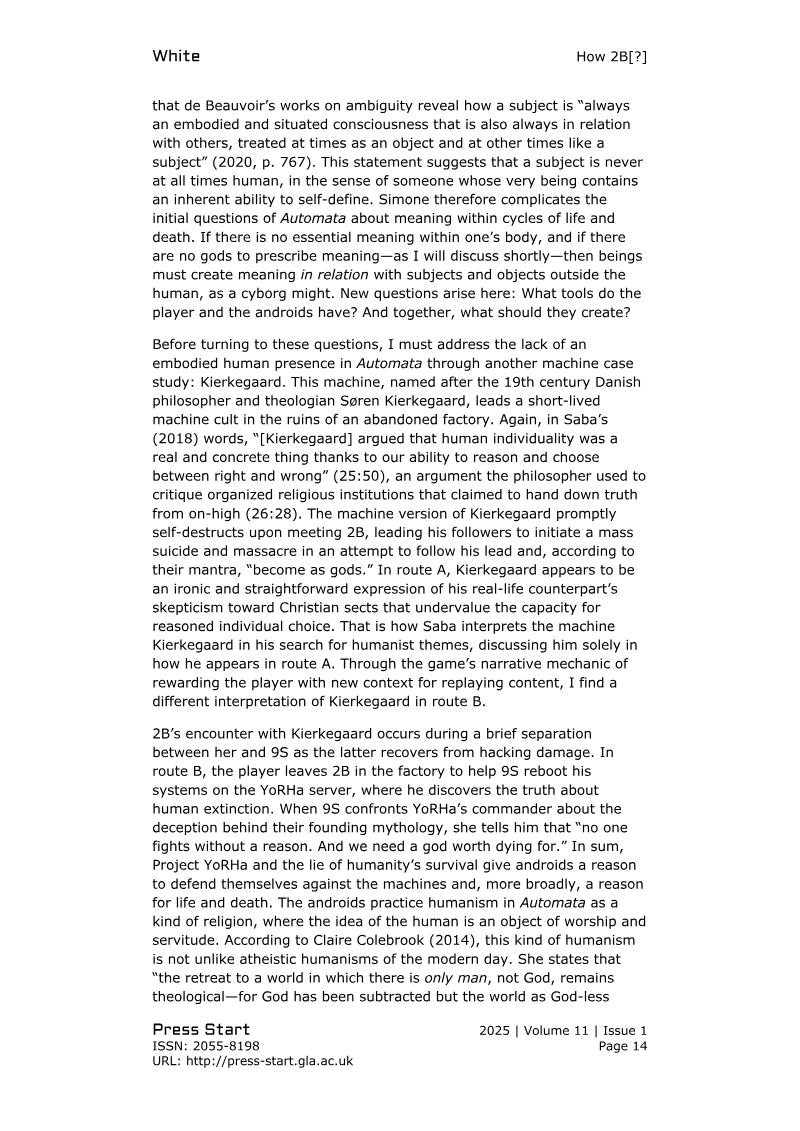
Press Start · 2025
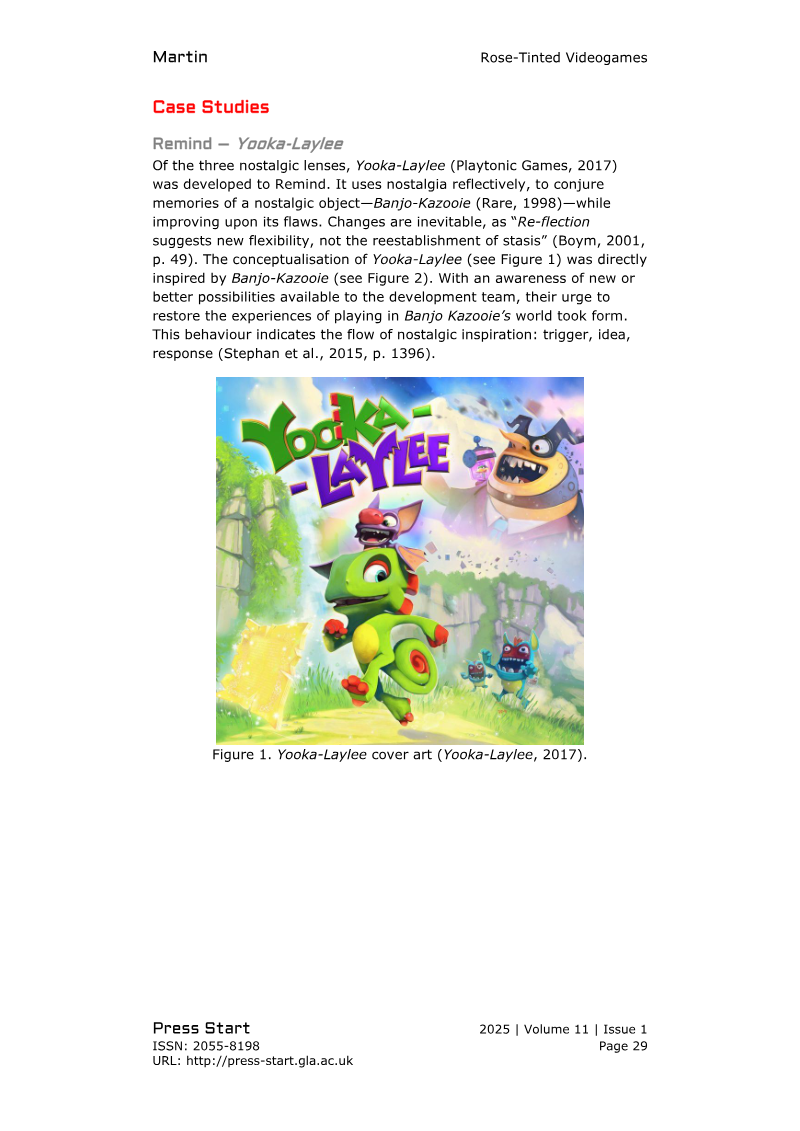
Press Start · 2025
Press Start · 2024
Canadian Game Studies Association · 2025