1 free read left. Create a free account for unlimited reading + AI research.
Create free account
Religion in Games - I: Mechanics, Lore, and Heart - Extra Credits

Key insights
6 takeaways- 01Religion in video games is effectively categorized into three distinct levels: lore, mechanics, and faith.
- 02Developers frequently use religious figures from established mythologies like Zeus, Odin, or Shiva as aesthetic assets rather than exploring the psychological truths they represent.
- 03Relying on religious iconography as mere shorthand for character archetypes misses opportunities to add depth to compressed game narratives.
- 04Games like Crusader Kings II and Civilization V successfully model religion as a functional force that shapes geopolitical conflict, societal development, and cultural worldviews.
- 05While the industry has made significant progress in simulating the practical societal effects of religion, it often underutilizes the symbolic potential of religious mythology as a narrative tool.
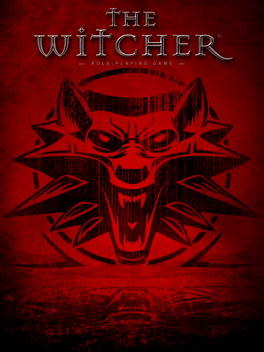
- 06Titles such as The Witcher and Dragon Age utilize religious frameworks to influence individual moral choices, highlighting the tension between selfless altruism and institutional corruption.
Ask AI about this video
Transcript
[Music] all right folks this one has been a long time coming it's one of the First episodes we thought about doing but we kept getting thwarted by the lack of material in the subject so it just kind of sat on the back burner for a while that is until last year when we auctioned off the ability to choose an episode Topic at the child's play charity auction and of course its winner Rob requested religion in games so without question this has been one of the hardest episodes to write in terms of research we've spent this entire year looking for a modern game that really could serve as an Exemplar for religion in games and we just couldn't find one but we didn't come up empty-handed by any means in fact doing this caused us to realize that perhaps we were framing the question wrong it opened our eyes and led us to looking at the topic in a whole new way so let's finally do this thing religion simply isn't a single monolithic idea like sexuality like issues of gender or race like any Grand idea moral philosophical scientific it has many facets and many levels on which
it can be explored the problem with how discussions of religion and games usually take shape and even how we were thinking about discussing the topic originally is in considering religion as one indivisible irreducible concept doing so often leads to our conversations on religion and games becoming scattered we try to sweep up too many disparity ideas into one generalized hole or equally disastrous we each use the term religion in games to talk about completely different specific aspects of the larger concept of religion resulting in a tangled frustrating mess of a conversation so after a year of prep here's how we came to break it down this isn't exhaustive or by any means the only way to view the approaches games take to religion but it's the one we found the most useful games seem to explore religion on three different levels they can explore the mechanics of religion the lore of religion or faith the heart of religion to date we've seen each of these explored within games to varying degrees and with varying degrees of success so rather than try to tackle how games address religion as a whole we're going to look at each of these approaches and considering how religion is addressed in games and what value it provides to us as players first let's talk about how video games use the lore or trappings of
religion as this is by far the most common way that games utilize religious Concepts just ask yourself how many times have you encountered Shiva in a video game or bbub Odin or abidon amatarasu or Zeus it happens so often we don't even really register it anymore but why do we see it so often what benefit does this provide us how do video games use the mythology behind religion in order to improve the experience how do they use it to create more meaningful play unfortunately outside the tangential learning opportunities that such inclusion clearly provides most of the examples we can site seem to only use the lore of religion because it's cool they rarely use more than the surface elements of the religious Mythos opting instead to mostly stick to borrowing names and character designs so why is that done what does using religious figures provide the designer or the player if we're only going to take their most surface aspects it's because these figures have stood the test of time there's something resonant something compelling about them there's something about each of these figures that has attracted millions of people over generations and speaks to us on a very innate human level whether or not we actually believe in them so it's just easier to grab these characters than to
try to create your own and hope they have the same appeal there's also something in us most of us anyway that is intrigued by these ancient Traditions that perks up when a call out to them is made calling a monster Cerberus rather than three-headed dog beasty is to many of us simply more engaging these figures have a certain cache a certain intellectual property value in the same way that Master Chief or solid snake does so we use them the problem is that this approach misses out on so much these figures are resonant because they have extreme symbolic value they exemplify aspects of human nature or represent parts of our psyches so it's a shame that we rarely see games attempt to explore the meaning in this symbolism it's a huge loss because game narrative is so compressed as it is we need every tool available to us to convey meaning and here's one we're simply letting Fall by the wayside on a regular basis even if you don't believe in these things even if you haven't grown up with the tradition that some of these symbols are drawn from The Genius of these myths is that they're simple to convey but provide us with lots to explore take for example the Tower of Babel used so well in zenar there is plenty of meaning for all of us regardless of belief in the story of a man trying to become Godlike
through his technology and his industry or the ark myth and Halo I mean Halo is chalk full of judeo-christian references right down to its name and the name of its main character John 17 these myths this religious lore can provide us with so much more than cool Critters and neat names if we're simply conscientious about it but all right so that's how games seem to utilize the lore of religion now let's talk about how they play with the mechanics of religion and when I talk about the mechanics of religion I'm talking about how religion functions on a practical Real World level what its results are and it's here that we perhaps succeed the best from games like Crusader Kings 2 to civilization 5's gods and Kings Expansion we've explored how religion affects us on a grand scale how it pushes us as societies towards specific attitudes and approaches to daily life how it shapes our cultural worldview and determines what intellectual Avenues we explore how it helps us understand our place in the world as peoples and defines how we see others how it drives us into conflict and brings us together the large social ramifications of religion and the mechanics of how religion spreads are something that I'd say we've done some justice to we've looked at its good and its ill we've
even gotten to ask some tough questions in games about the effects of organized religion and the role of religion in the state we haven't shied away here from an honest exploration and in doing so it's added a great deal to a great number of games but we also do a decent job at exploring the Practical effects of religion on the more immediate level games like The Witcher and Dragon Age discuss how religion can make us the most selfless or be perverted to justify the most heinous ills games allow us to explore how religion can change us as individuals and how it can affect how we respond to the world so here at least when dealing with the Practical side of religion religion divorced from spirituality religion as it affects Society or the choices we make games are on the right path we're using religion both to make our games more engaging and to explore ideas that remain relevant once the machine gets turned off we don't do enough and too often the meaning behind these Explorations gets subsumed in the fact that they serve as game systems to be exploited but here at least we are taking the right steps which leaves us with the hardest question the question of faith and we'll be tackling that one next week see you then
[Music] h [Applause] [Music] [Applause] [Music]
Summary
The integration of religion into video games is a multifaceted endeavor that is best understood by categorizing its application into three distinct levels: lore, mechanics, and faith. Rather than treating religion as a monolithic concept, developers often utilize these specific frameworks to enhance narrative depth and gameplay systems. While the industry has made significant strides in simulating the practical effects of religious belief, it frequently underutilizes the symbolic potential inherent in religious mythology.
The most common application of religion in gaming involves the use of lore and religious iconography. Developers frequently borrow figures from established mythologies—such as Zeus, Odin, or Shiva—to capitalize on their inherent cultural resonance and symbolic weight. While these figures function as effective shorthand for complex archetypes, games often treat them as mere aesthetic assets or "cool" character designs rather than exploring the profound human experiences or psychological truths they represent. By failing to engage with the underlying meaning of these myths, designers miss opportunities to leverage powerful narrative tools that could add significant depth to compressed game stories.
Conversely, games have achieved greater success in exploring the mechanics of religion, particularly regarding its influence on society and individual behavior. Titles like Crusader Kings II and Civilization V effectively model how religious systems shape cultural worldviews, drive geopolitical conflict, and dictate societal development. On a more granular level, games like The Witcher and Dragon Age examine how religious frameworks influence individual moral choices, illustrating both the capacity for selfless altruism and the potential for institutional corruption. These mechanical explorations allow players to engage with religion as a functional, real-world force, providing meaningful insights that persist beyond the gameplay experience.



Comments