Loading the document
1 free read left. Create a free account for unlimited reading + AI research.
Create free accountWhitepaper Worcester Polytechnic Institute
1 free read left. Create a free account for unlimited reading + AI research.
Create free accountWhitepaperWorcester Polytechnic Institute
The relationship between cognitive complexity and user enjoyment in digital gaming reveals that entertainment value is not strictly tied to mastery or performance. By utilizing a controlled experimental design involving a custom kickboxing simulation, researchers examined how varying game pace and rule-based complexity influence player experience. The study, which involved 103 subjects, utilized a 20-30 minute testing protocol to measure engagement, immersion, and satisfaction, providing a framework for using cognitive models to evaluate game design efficacy.
The findings indicate that enjoyment follows an inverted-U relationship with player performance. Contrary to the common assumption that total mastery drives satisfaction, players report peak enjoyment when hovering near the threshold of victory. As performance increases beyond this optimal point, user satisfaction paradoxically declines. While the study manipulated both the rate of attacks and the variety of move sets to test cognitive load, these factors had a surprisingly limited impact on overall post-game satisfaction compared to the influence of the player's success rate.
Methodological challenges encountered during the research, such as memory constraints associated with sprite-based design and data loss during network-based testing, highlight the complexities of quantifying subjective entertainment. Ultimately, the research suggests that game designers should prioritize maintaining a balance that keeps players near the edge of success rather than facilitating effortless mastery. This approach challenges traditional design paradigms by demonstrating that the cognitive friction inherent in near-failure states is a critical component of the entertainment experience.



DiGRA · 2026
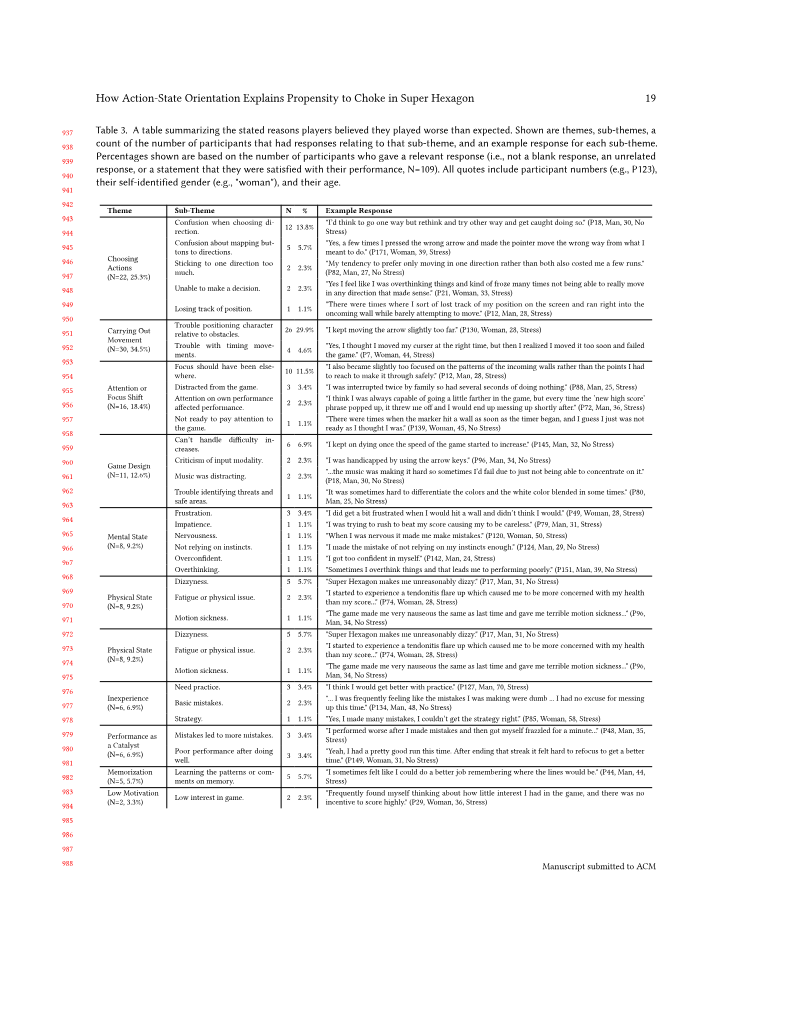
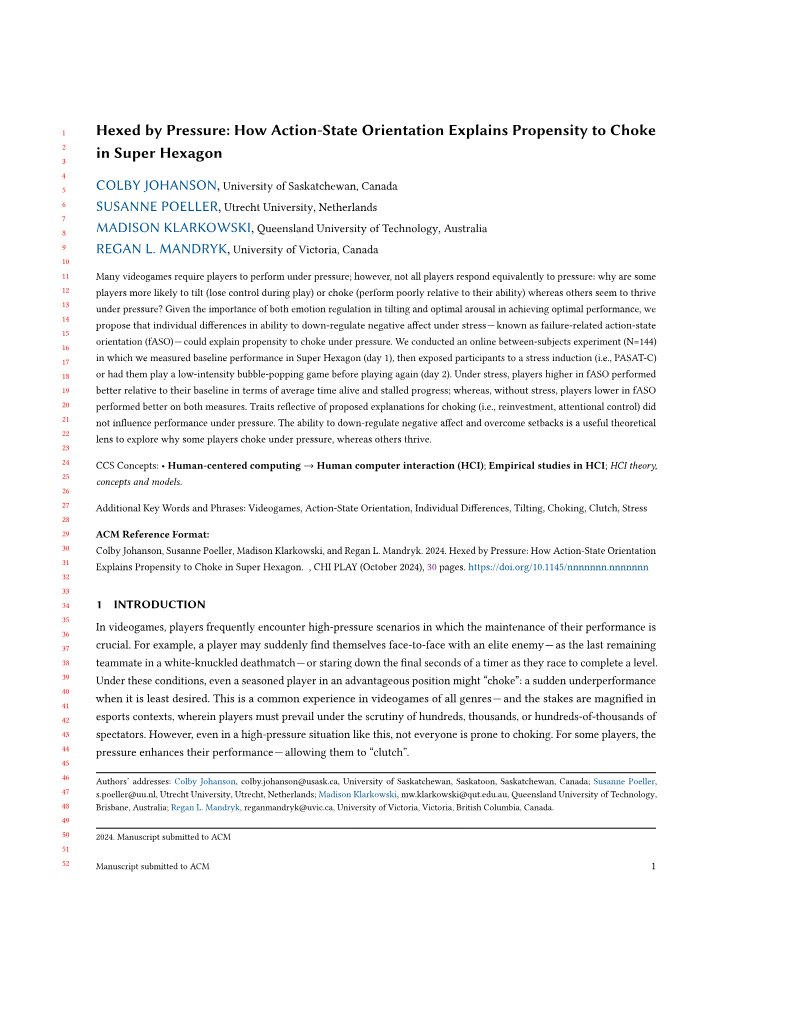
ACM CHI PLAY · 2024
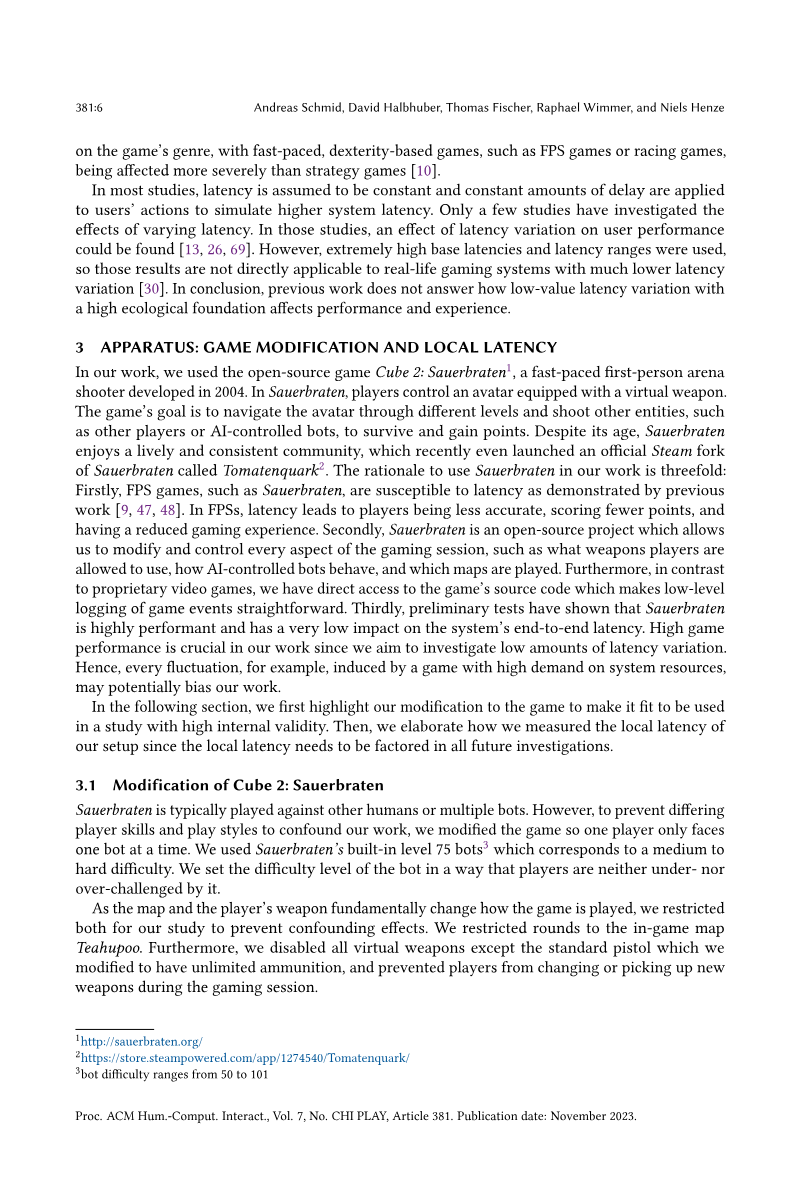
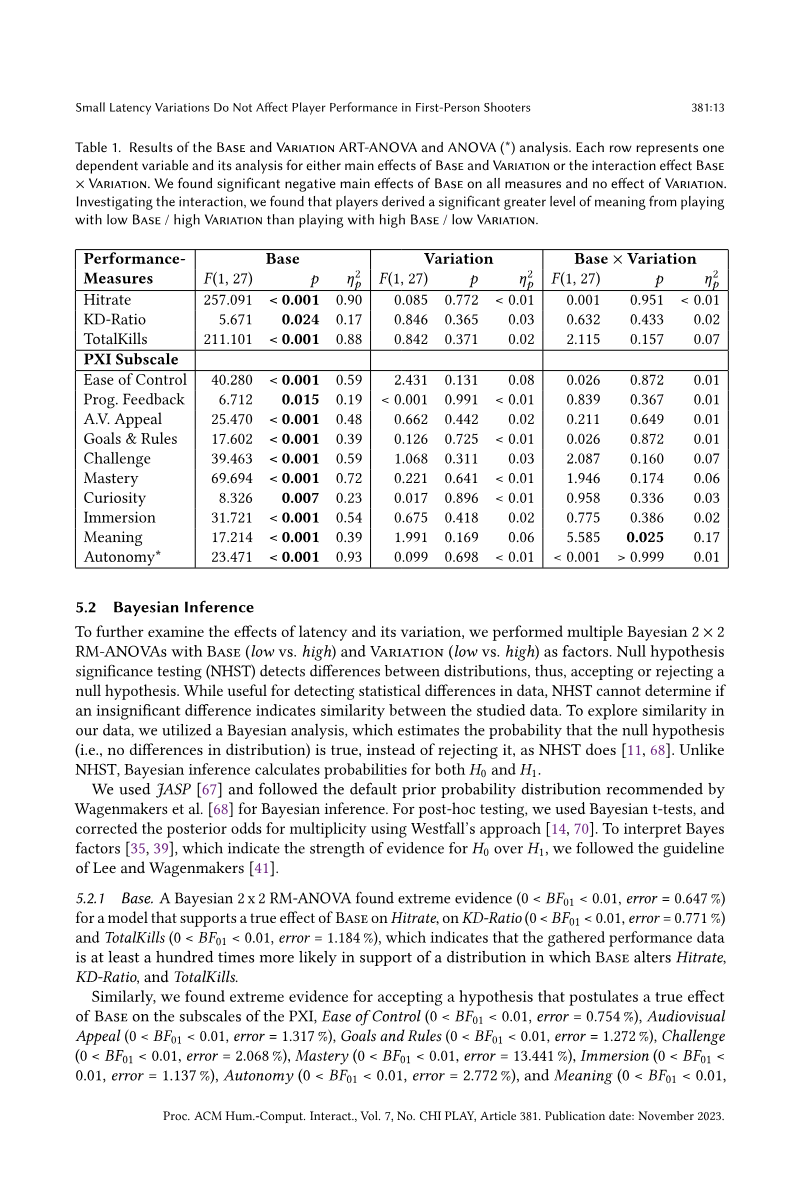
ACM CHI PLAY · 2023
Association for Computing Machinery · 2023
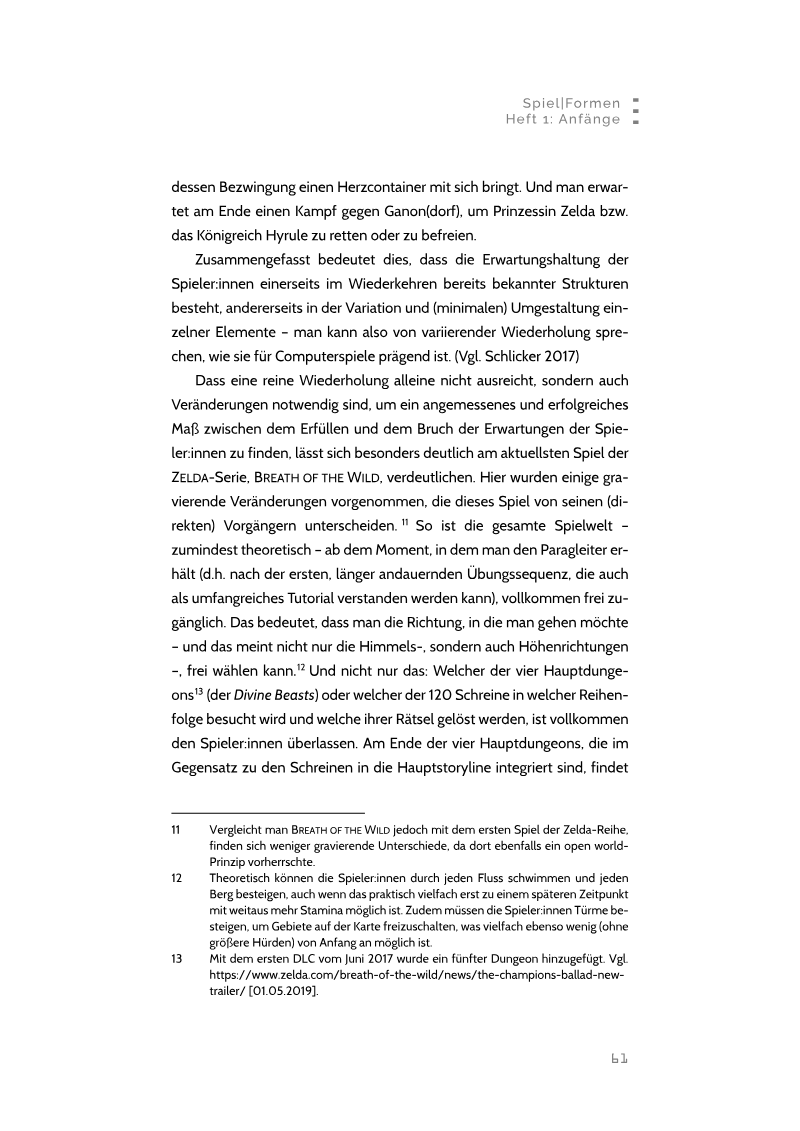
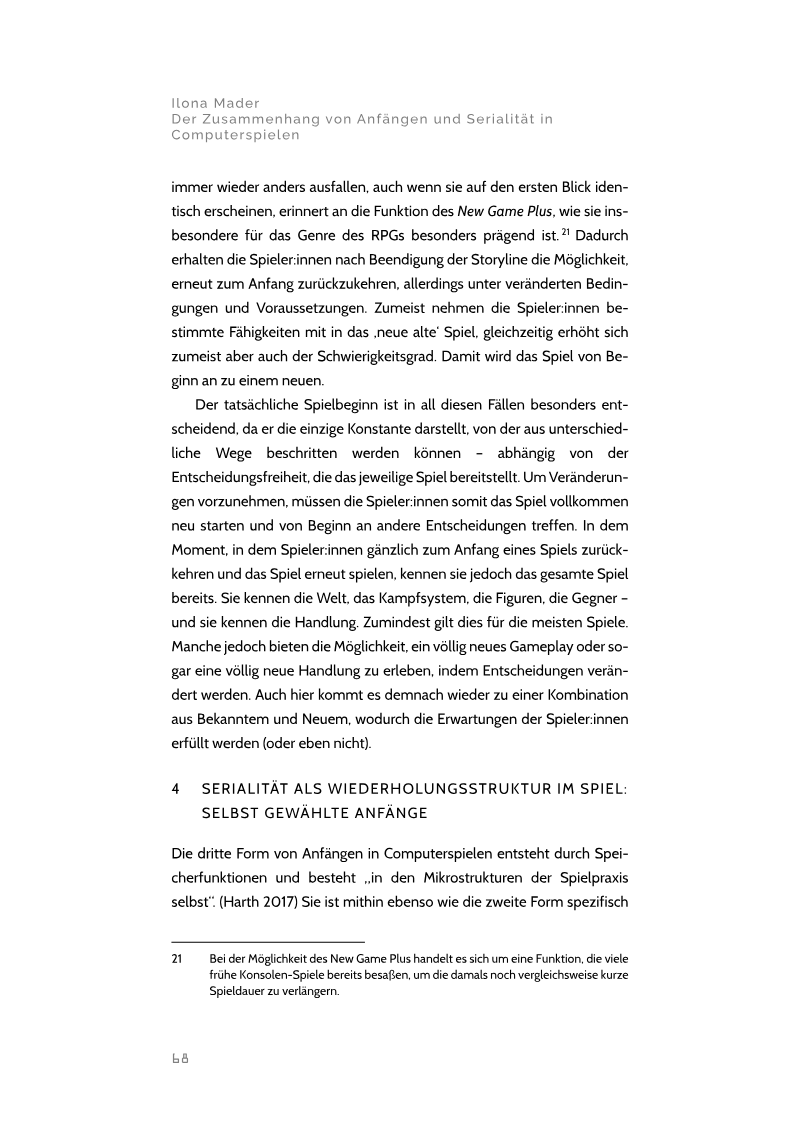
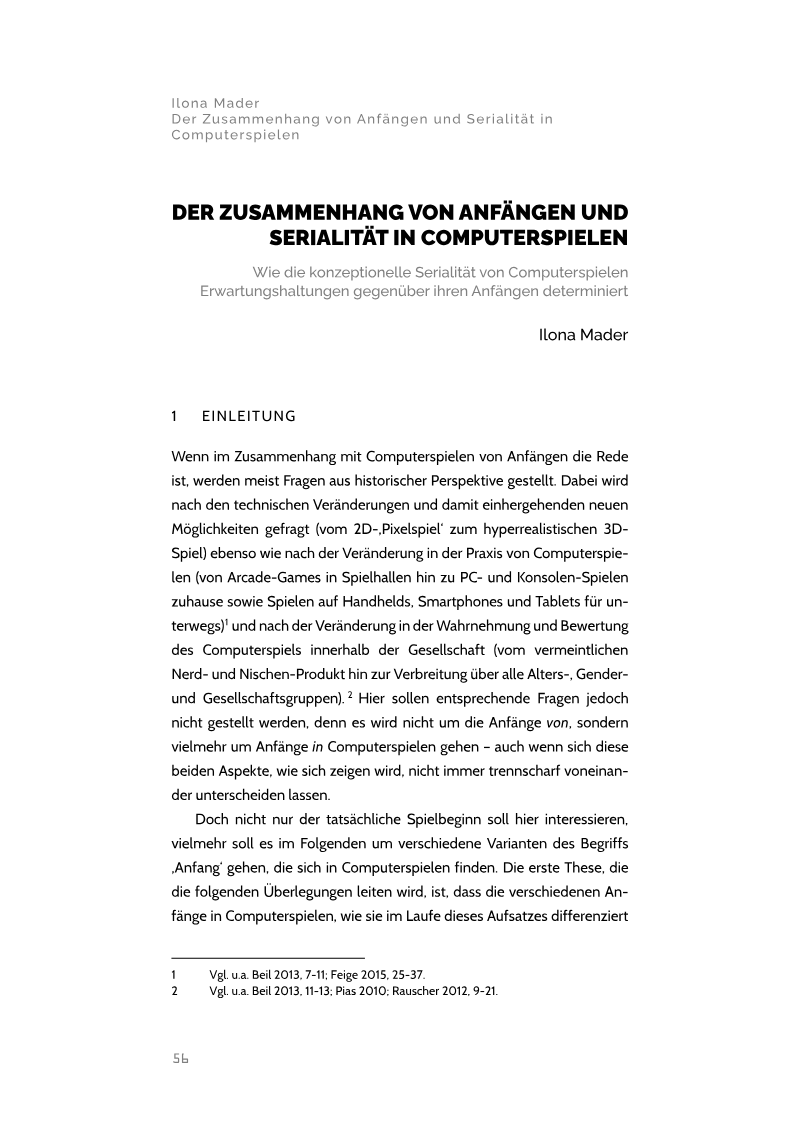
Spiel|Formen · 2021
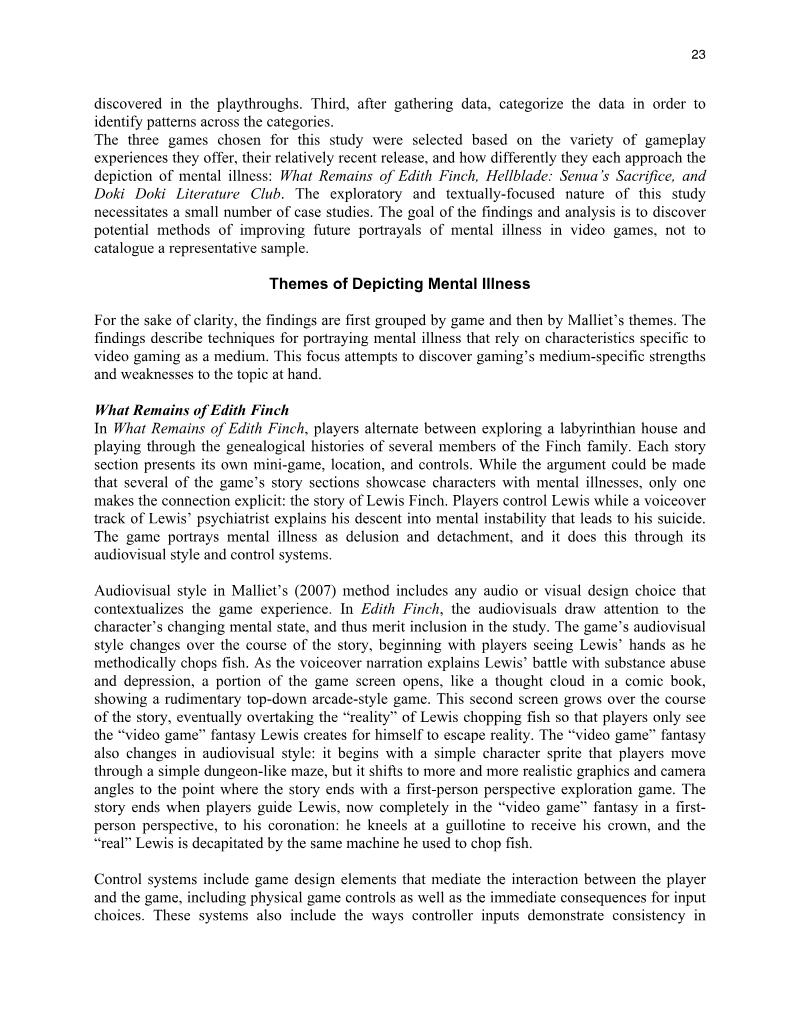
Loading... The Journal of the Canadian Game Studies Association · 2020
RMIT University · 2019
Press Start · 2019
Press Start · 2017
Press Start · 2014


ETC Press · 2011
Canadian Game Studies Association · 2009