Loading the document
1 free read left. Create a free account for unlimited reading + AI research.
Create free accountWhitepaper Press Start
1 free read left. Create a free account for unlimited reading + AI research.
Create free accountWhitepaperPress Start
Binary categories such as 'artgame' and 'walking simulator' are frequently used.
The gaming industry frequently relies on restrictive taxonomic labels such as walking simulator and artgame to categorize digital experiences, yet these classifications often fail to capture the nuance of contemporary interactive media. By examining works like Bill Viola’s The Night Journey and Connor Sherlock’s Marginalia, it becomes clear that these rigid, formalist definitions are insufficient for analyzing games that prioritize atmosphere and ambiguity over traditional mechanics. A more effective approach involves a speleological method, which favors subjective, imprecise analysis over the compulsion to force interactive art into predefined ontological boxes.
These specific titles utilize goal-less, disorienting landscapes to evoke the sublime, intentionally blurring the lines between high-art installations and commercial software. By stripping away conventional objectives, these games facilitate phenomenologically imprecise experiences that resist rationalist categorization. This resistance is not a failure of design but a deliberate challenge to the industry’s tendency to prioritize structural classification. Such works demonstrate that the current academic and critical frameworks are ill-equipped to address the affective power of games that exist at the intersection of digital play and fine art.
Ultimately, the study of these interactive environments reveals a fundamental tension between the industry’s desire for order and the inherent fluidity of artistic expression. Moving beyond rigid genre boundaries requires a shift toward analytical modes that embrace ambiguity and prioritize the player’s subjective encounter with the sublime. By abandoning the pursuit of definitive labels, critics and scholars can better appreciate how these games expand the boundaries of the medium, proving that the most significant digital experiences are often those that refuse to be neatly defined.
Each row is a game or company this document names, each column a document, oldest first. A mark means that document names it. Select a row to see those documents.



Press Start · 2026
Press Start · 2026


Press Start · 2026
Press Start · 2026
Press Start · 2026

Press Start · 2026
Press Start · 2026
Press Start · 2026
Press Start · 2026
Press Start · 2026

Press Start · 2025
Press Start · 2025



DiGRA · 2026
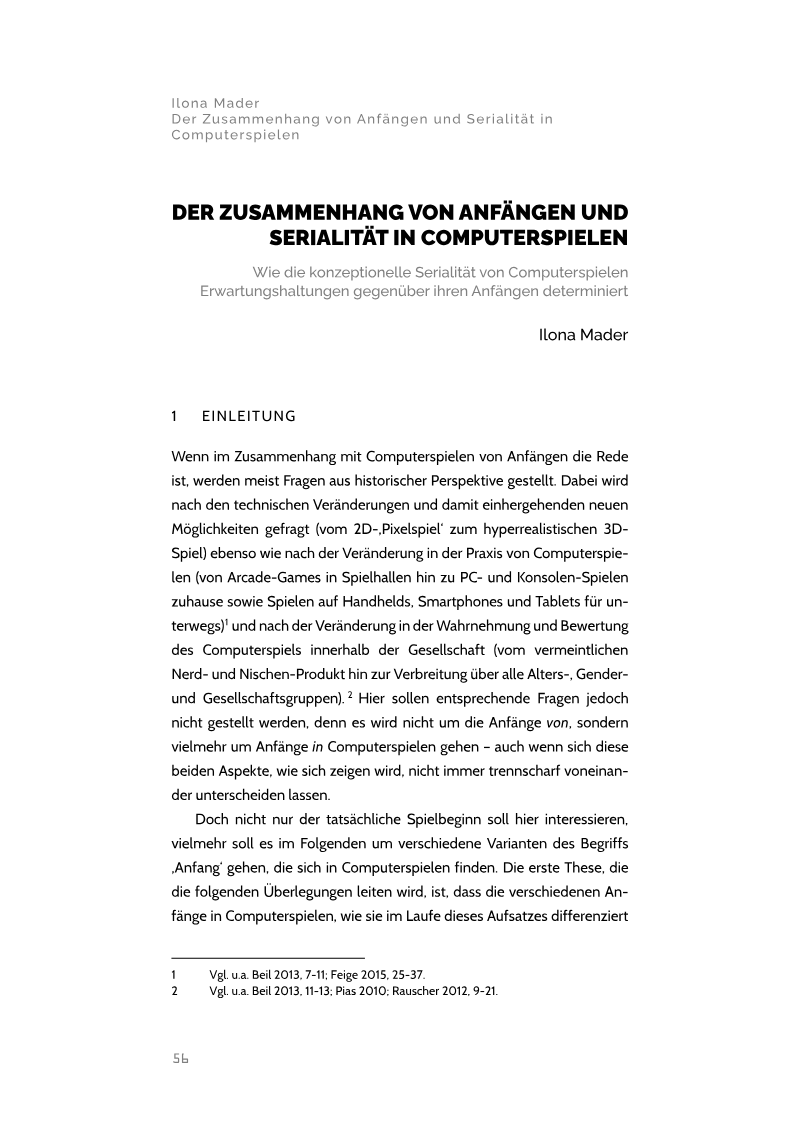
Spiel|Formen · 2021
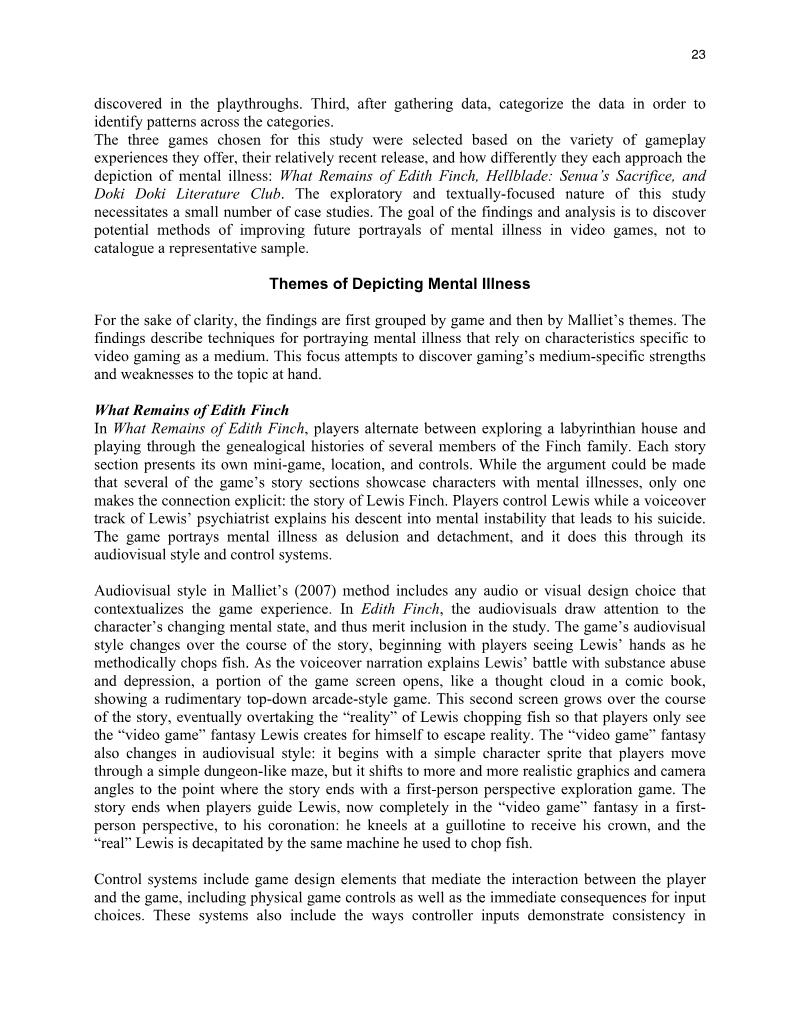
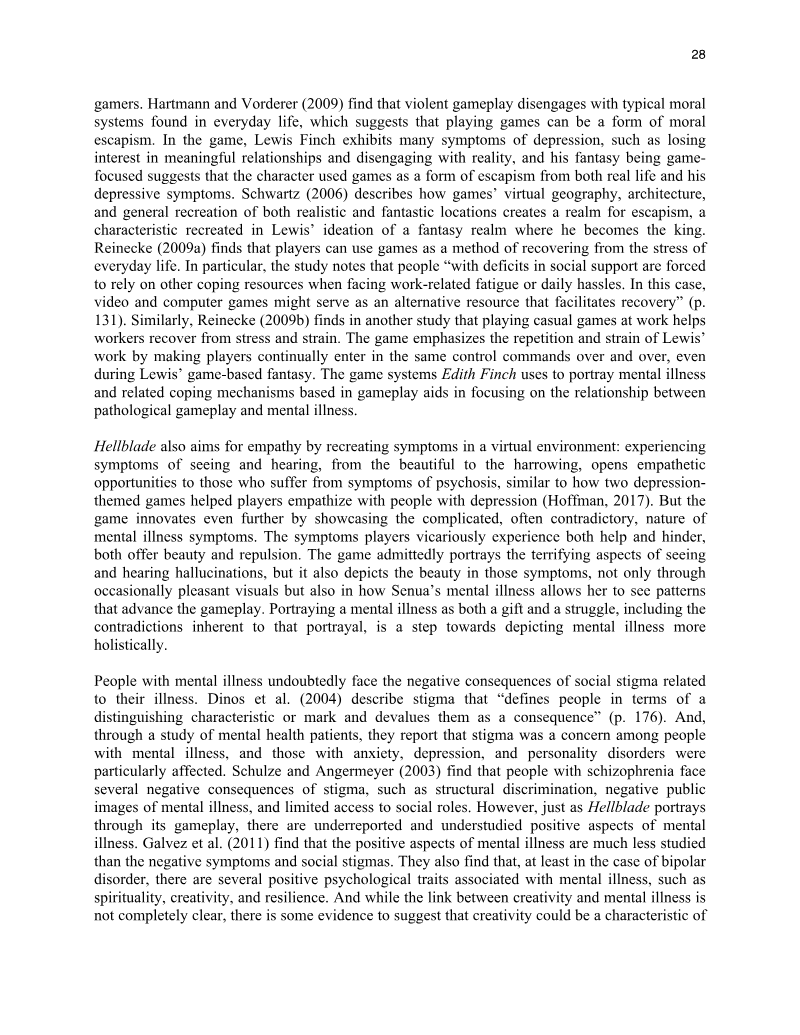
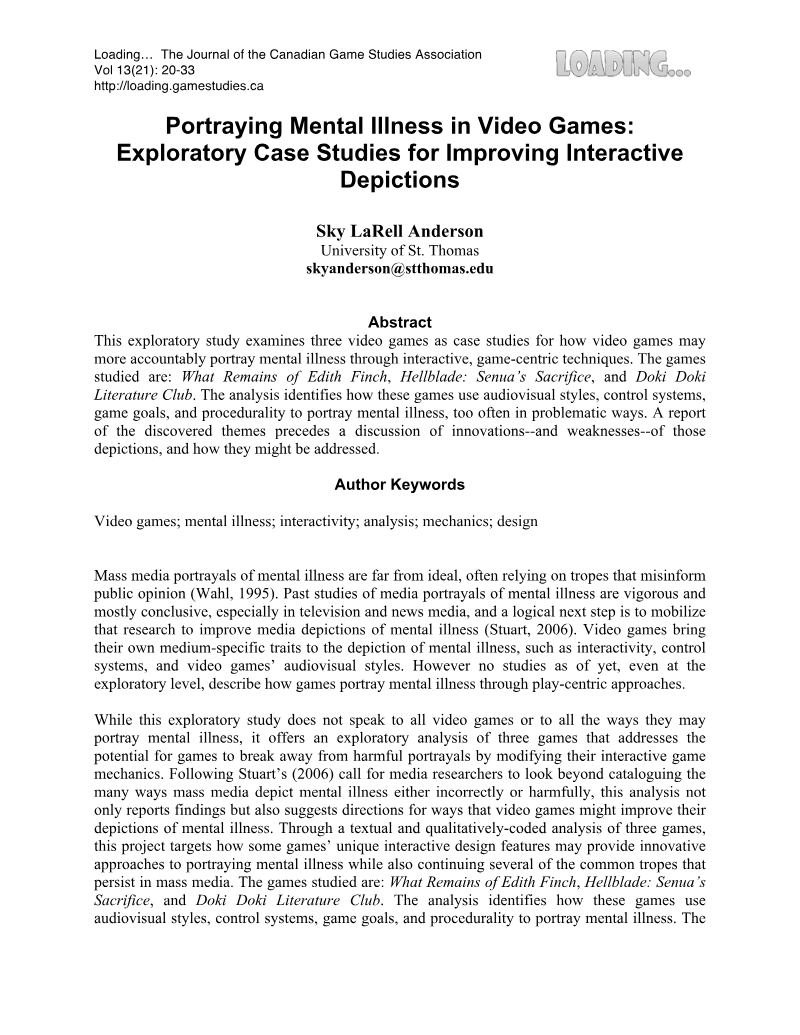
Loading... The Journal of the Canadian Game Studies Association · 2020