Rapport Annuel 2020 de l’ALD
202016 pages~34 min full read
Canada’s video‑game sector continued to function as a high‑growth engine in 2020, supporting roughly 48 000 full‑time‑equivalent positions, of which 27 700 are direct industry jobs, and generating about C$4.5 billion in GDP. The number of development studios expanded by 16 percent to approximately 700, and sales increased despite the disruptions of the COVID‑19 pandemic. A remote‑work guide and a targeted outreach campaign helped maintain employment levels, while an economic‑impact study of 185 respondents confirmed a favourable policy and investment climate for the industry.
Leadership within the sector is exemplified by senior figures such as Tania, a veteran with more than 15 years of experience and a champion of diversity through the EA Women’s Employee Resource Group, and Éric Martel, director of AI and machine‑learning at Eidos‑Montréal, who oversees research for flagship franchises. Their profiles underscore the growing technical sophistication and inclusive culture emerging across Canadian studios.
Strategic initiatives in 2020 focused on talent development and cultural recognition. Partnerships with the Conseil des technologies de l’information et des communications launched the Integrated Work‑Based Learning program to place students in industry roles, while the inaugural Canadian Game Awards moved to a digital format. Support for the Canadian Screen Awards introduced three new video‑game categories, signalling the medium’s expanding cultural relevance despite modest submission volumes. Financially, the association reported a solid position, reinforcing its capacity to sustain growth‑oriented programs and diversity‑focused pipelines throughout the Canadian gaming ecosystem.
ESAC – Entertainment Software Association of Canada · 2025
ESAC – Entertainment Software Association of Canada · 2024
ESAC – Entertainment Software Association of Canada · 2024
ESAC – Entertainment Software Association of Canada · 2024
ESAC – Entertainment Software Association of Canada · 2024
ESAC – Entertainment Software Association of Canada · 2023
ESAC – Entertainment Software Association of Canada · 2022
ESAC – Entertainment Software Association of Canada · 2022
ESAC – Entertainment Software Association of Canada · 2022
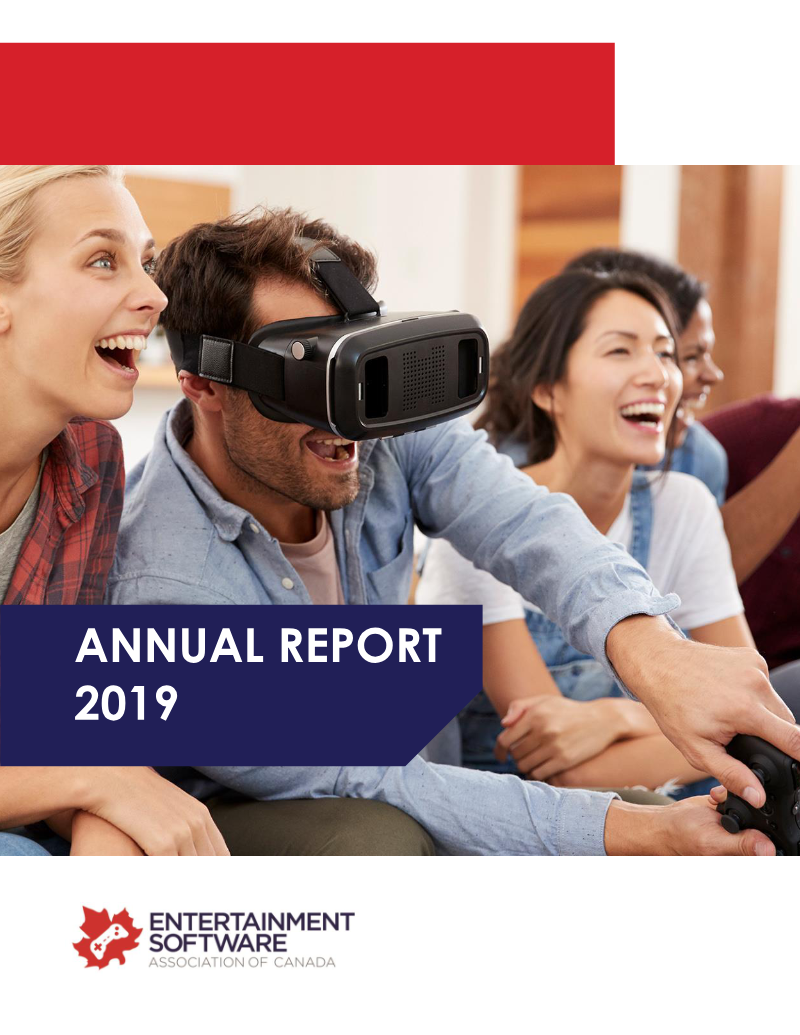
ESAC – Entertainment Software Association of Canada · 2019

ESAC – Entertainment Software Association of Canada · 2019
ESAC – Entertainment Software Association of Canada · 2014
8Bit · 2026
Duamentes Gaming · 2025
CESA – Computer Entertainment Supplier's Association · 2025
Neogames Finland · 2024
Game Developers Conference · 2024
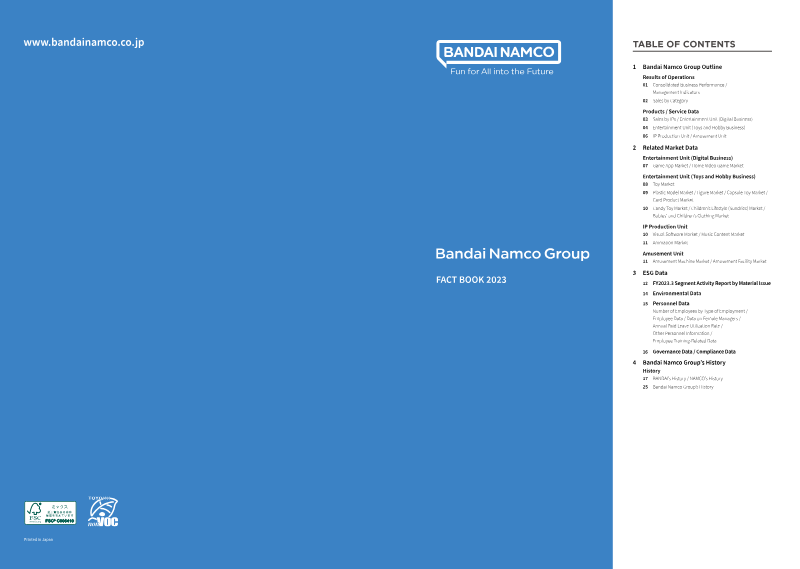
Bandai Namco · 2023
Game Developers Conference · 2023
European Games Developer Federation · 2022
GDC · 2022
European Games Developer Federation · 2022
Dutch Games Association · 2022