LegalPlayWay
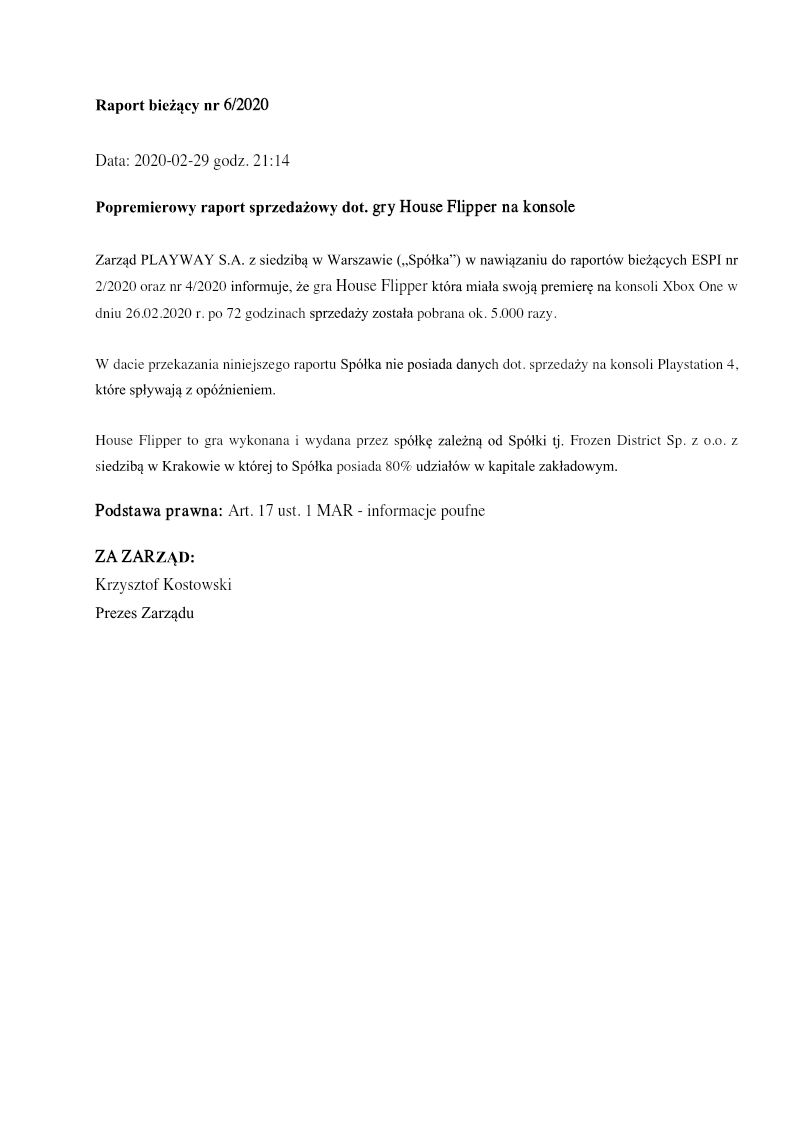
Popremierowy Raport Sprzedażowy Dot. Gry House Flipper Na Konsole
29 Feb 20201 pages~1 min full read
The initial commercial performance of House Flipper on the Xbox One console indicates a steady reception following its release on February 26, 2020. Within the first 72 hours of availability, the title achieved approximately 5,000 downloads on the platform. This sales milestone reflects the early market penetration of the simulation title as it transitioned from its original PC success to the console market. While the game was released simultaneously across major platforms, specific sales figures for the PlayStation 4 version remained unavailable at the time of reporting due to standard delays in data transmission from that specific storefront.
The title was developed and published by Frozen District, a Krakow-based subsidiary in which PlayWay S.A. maintains an 80% majority stake. This performance data serves as a key indicator of the intellectual property's viability in the console segment, following its established track record in the simulation genre. The reporting focuses specifically on the immediate post-launch window in late February 2020, providing a snapshot of digital distribution volume during the critical three-day period following the game's debut on Microsoft’s hardware.
This financial disclosure follows regulatory requirements for listed companies to provide transparent updates on significant commercial events. The data highlights the ongoing strategy of porting successful PC titles to broader hardware ecosystems to maximize revenue streams. By documenting these early download figures, the analysis establishes a baseline for the game's long-term performance and its contribution to the parent company's portfolio of simulation-focused software.
PlayWay · 2026
PlayWay · 2026
PlayWay · 2026
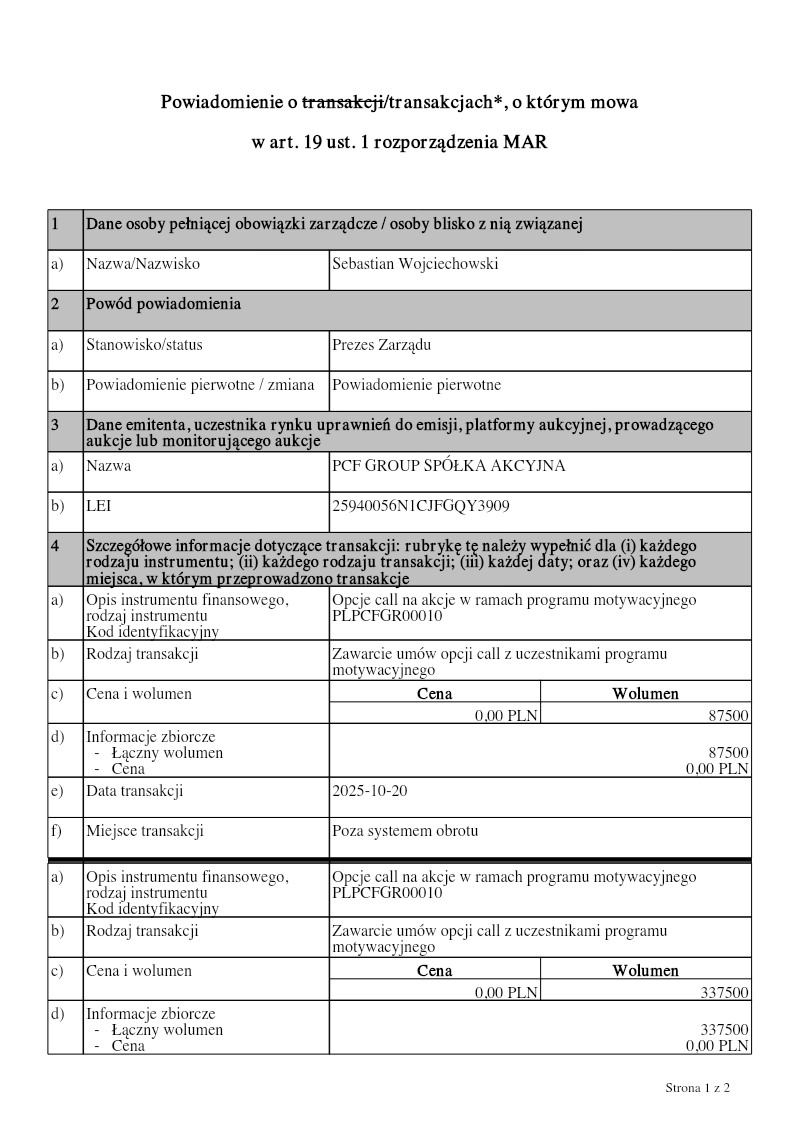
PCF Group · 2025
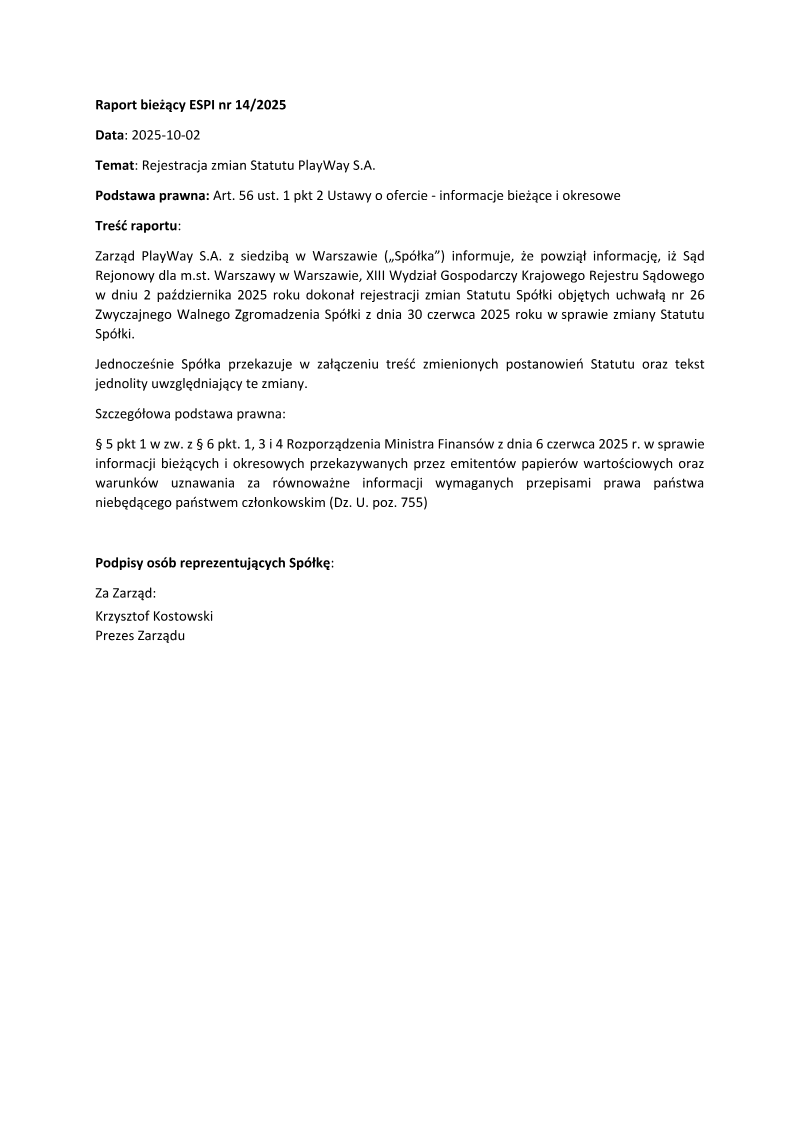
PlayWay · 2025
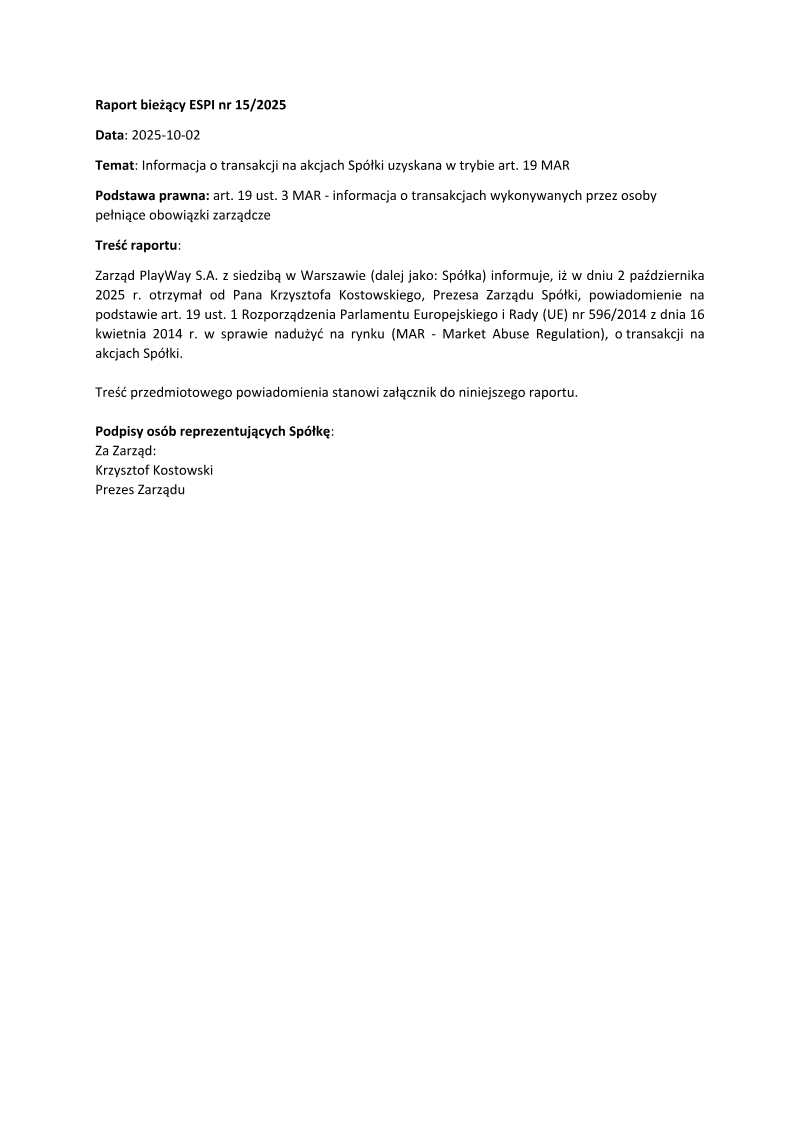
PlayWay · 2025
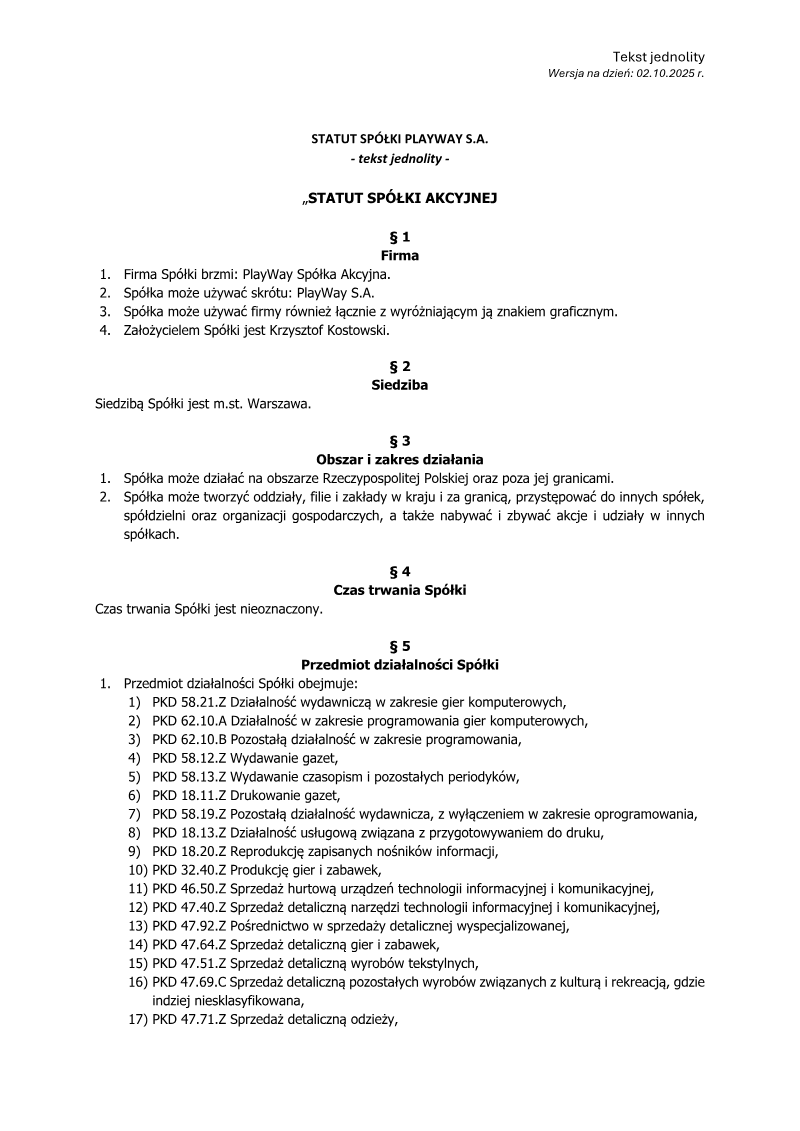
PlayWay · 2025
PlayWay · 2025
PlayWay · 2025

PlayWay · 2025
PlayWay · 2025
PlayWay · 2025
PlayWay · 2025
PlayWay · 2025
PlayWay · 2025
11 bit studios · 2025
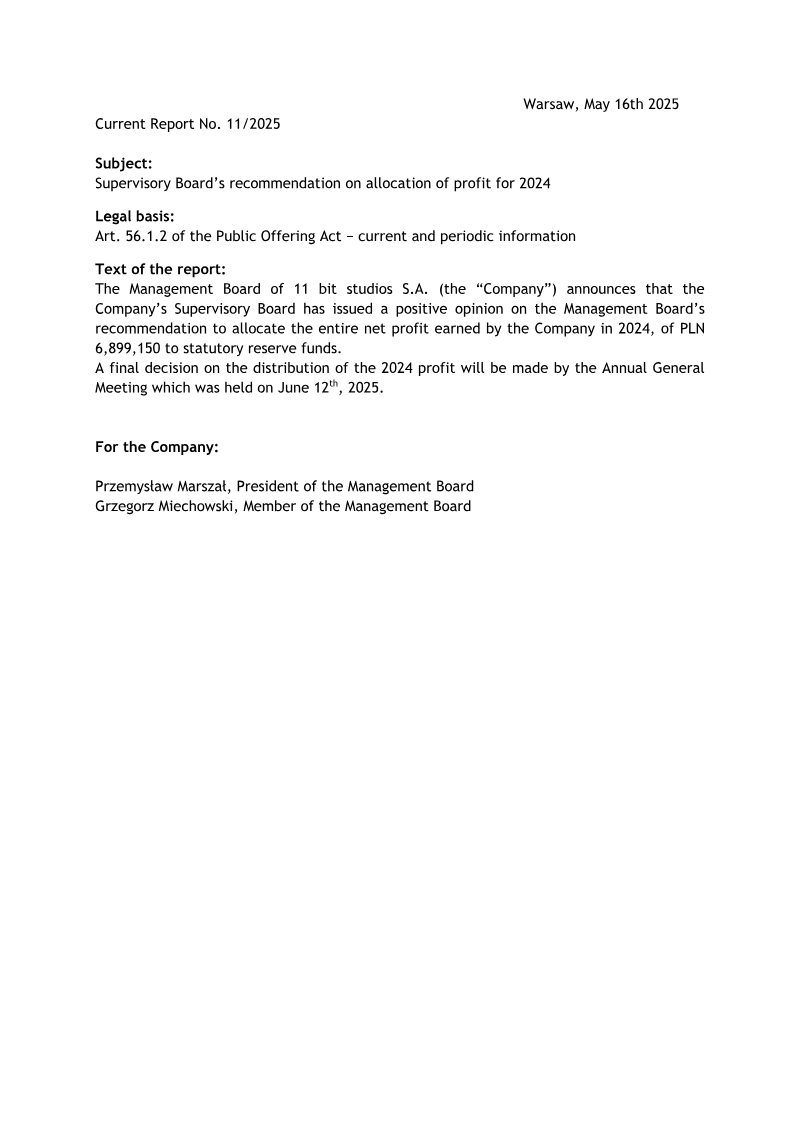
11 bit studios · 2025
PCF Group · 2025
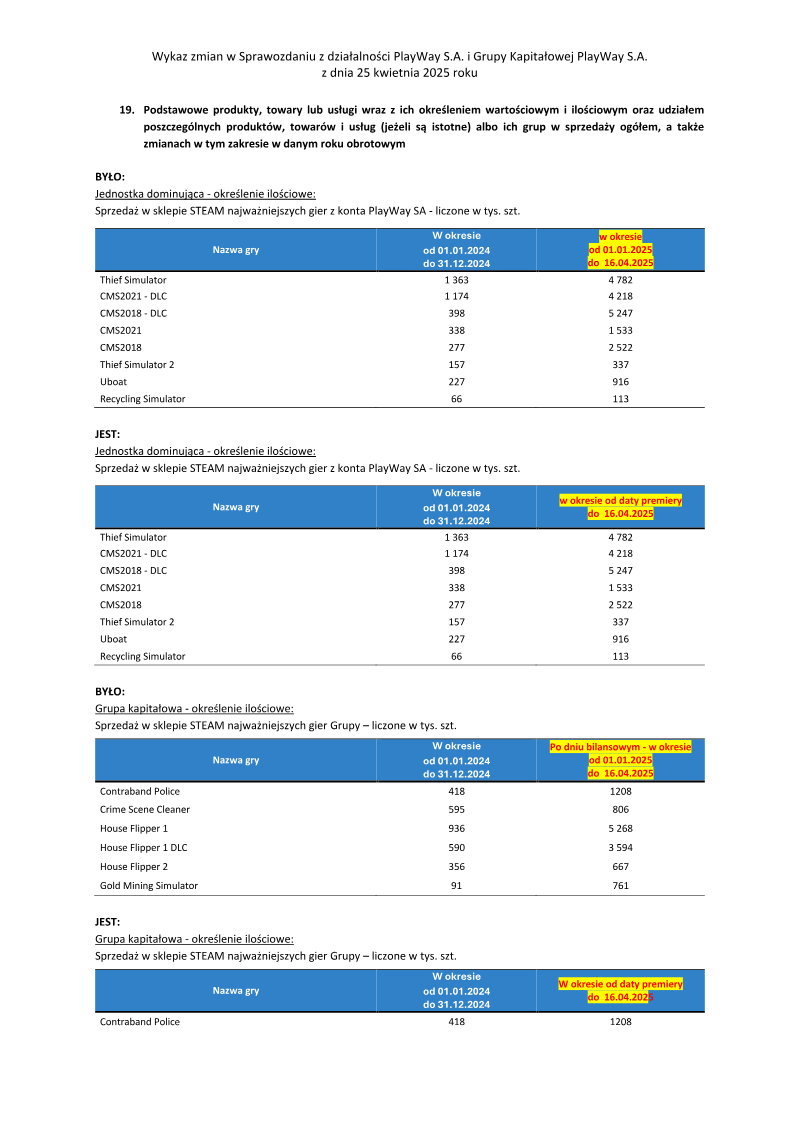
PlayWay · 2025

11 bit studios · 2024
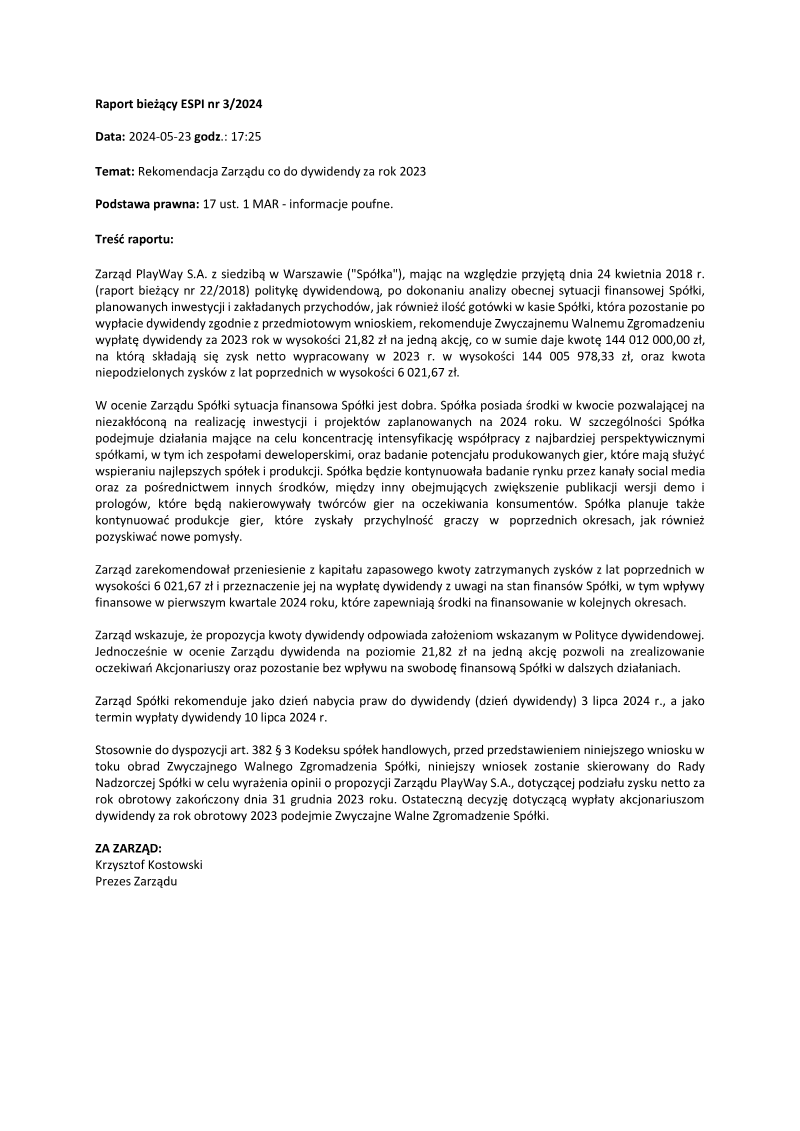
PlayWay · 2024
PCF Group · 2024
PlayWay · 2023
PCF Group · 2023