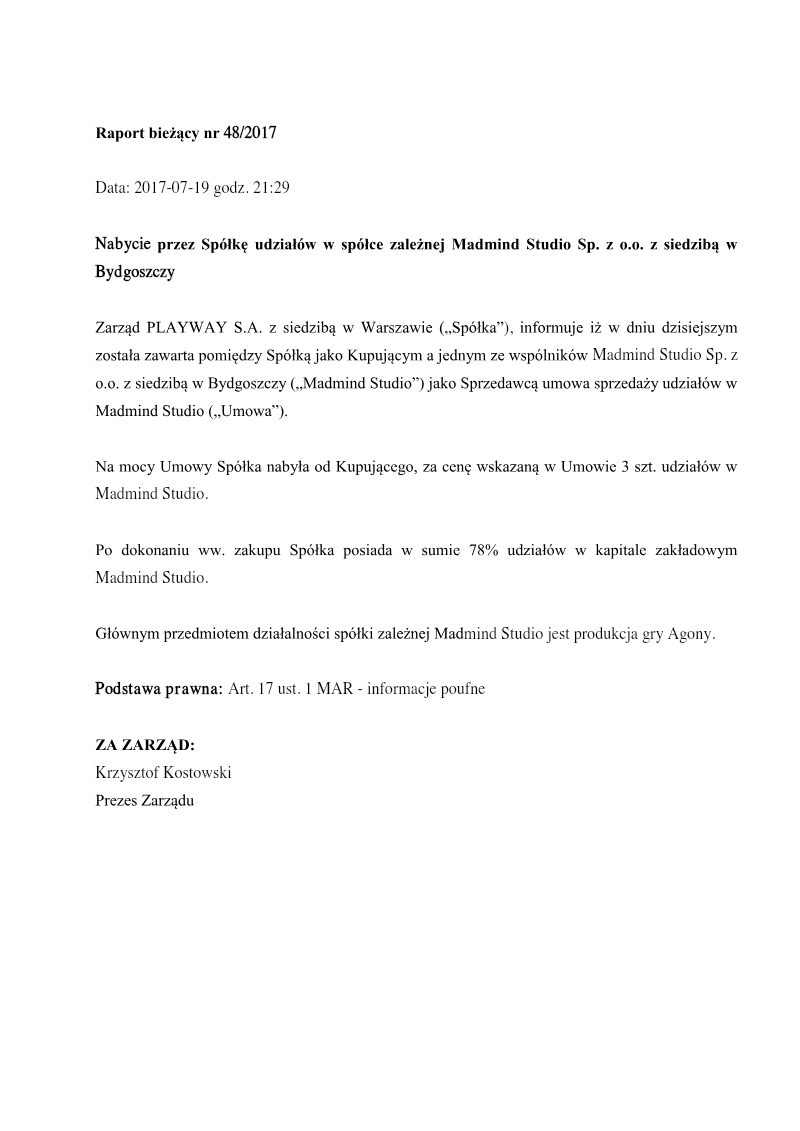
PlayWay S.A. has formally increased its ownership stake in the Bydgoszcz-based developer Madmind Studio through the acquisition of additional shares from an existing partner. This transaction, finalized on July 19, 2017, involved the purchase of three shares, effectively consolidating the parent company’s control over the subsidiary. Following the execution of this agreement, PlayWay S.A. holds a total of 78% of the share capital in Madmind Studio, reinforcing its position as the dominant shareholder.
The primary strategic focus of Madmind Studio at the time of this acquisition is the development and production of the video game Agony. By securing a larger portion of the equity, the parent company aligns its investment portfolio more closely with the progress and potential commercial outcomes of this specific project. The transaction reflects a targeted expansion within the Polish game development sector, specifically focusing on the PC and console segments where Madmind Studio operates.
This corporate action was disclosed in accordance with market abuse regulations regarding inside information, highlighting its significance to the company’s financial structure and asset distribution. The acquisition underscores a broader industry trend of established publishers securing majority stakes in specialized development houses to streamline production pipelines and secure intellectual property rights. The scope of the transaction is limited to the internal equity structure of the two entities involved, marking a definitive shift in the subsidiary's governance and ownership distribution.
PlayWay · 2026
PlayWay · 2026
PlayWay · 2026
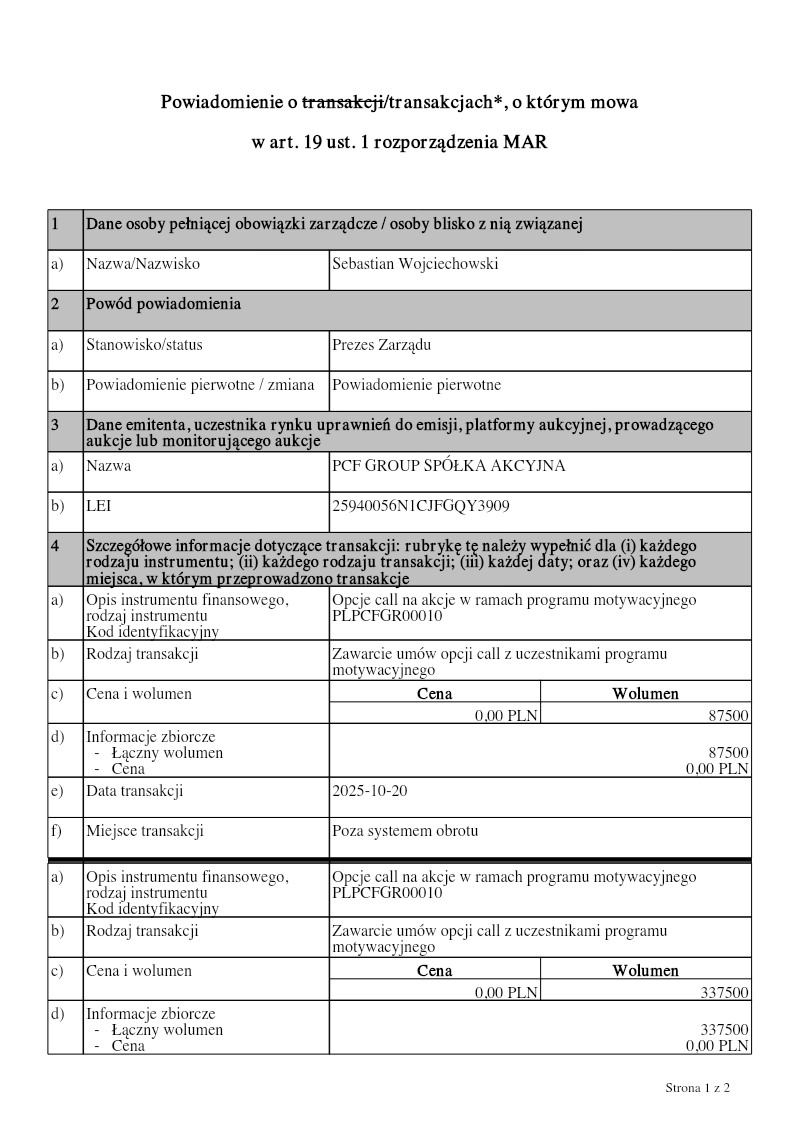
PCF Group · 2025
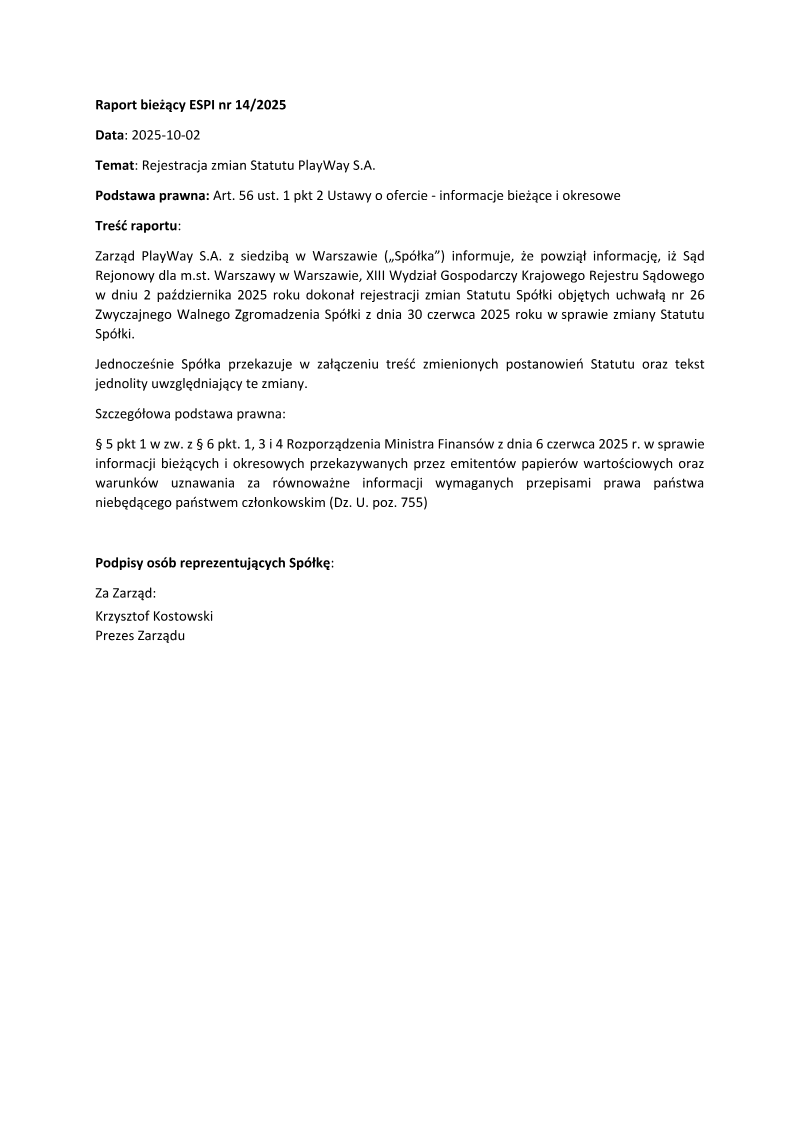
PlayWay · 2025
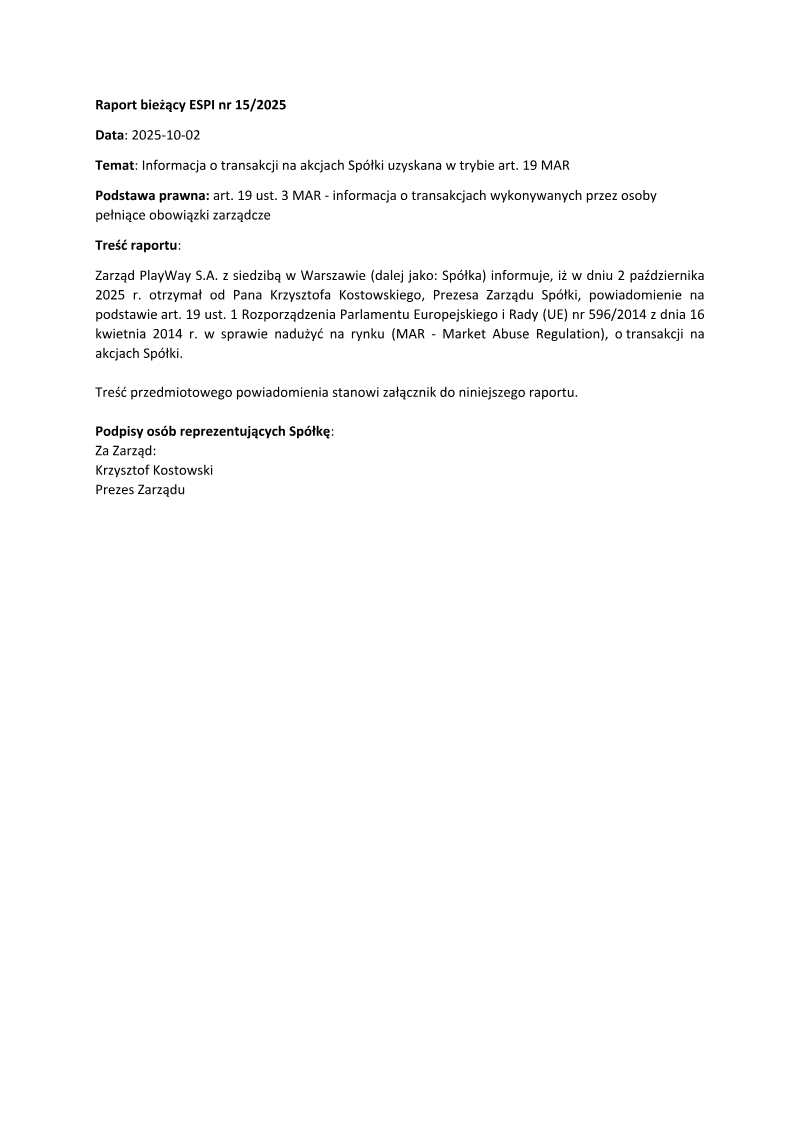
PlayWay · 2025
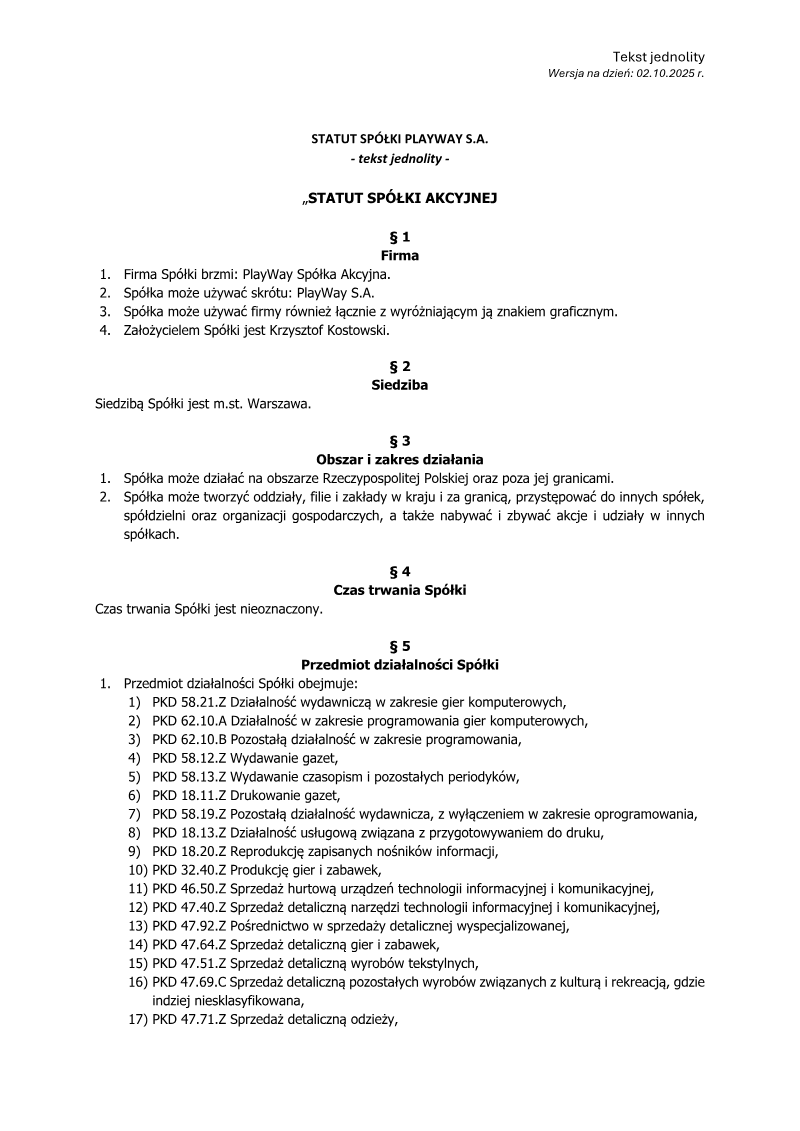
PlayWay · 2025
PlayWay · 2025
PlayWay · 2025
PlayWay · 2025
PlayWay · 2025
PlayWay · 2025
Nacon · 2026
PCF Group · 2025
PCF Group · 2025
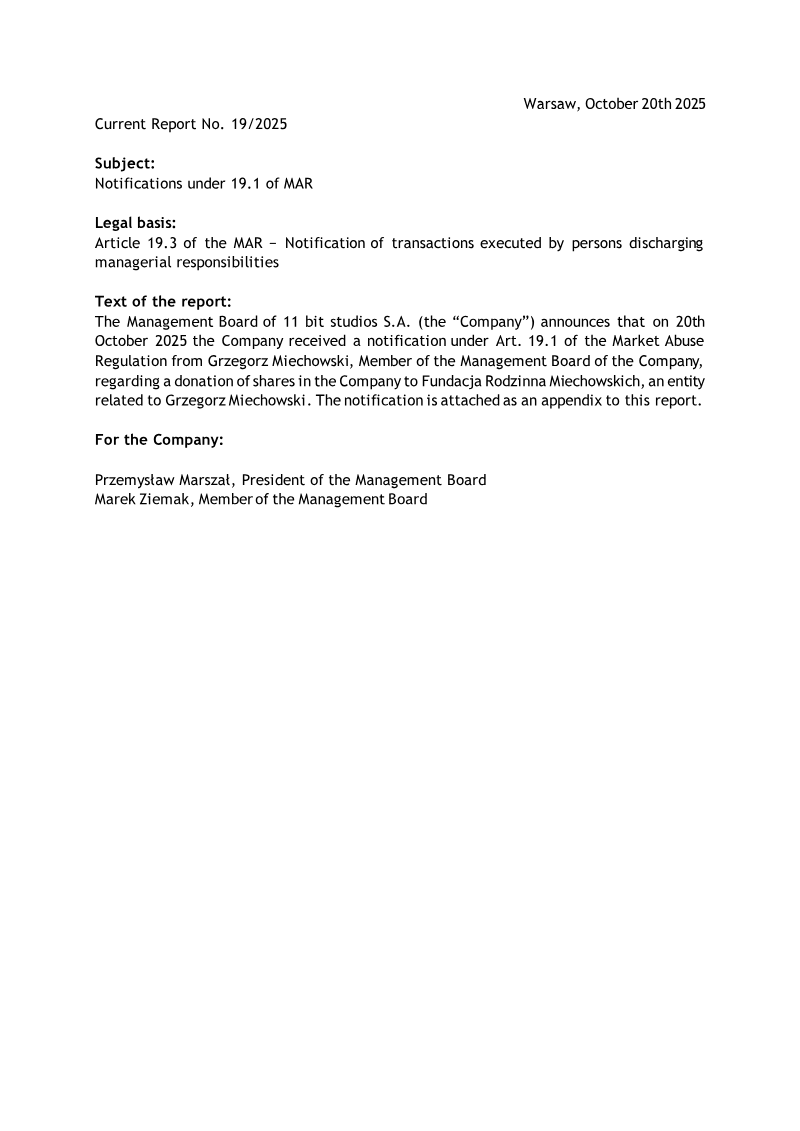
11 bit studios · 2025
PCF Group · 2025
PCF Group · 2025
PCF Group · 2025
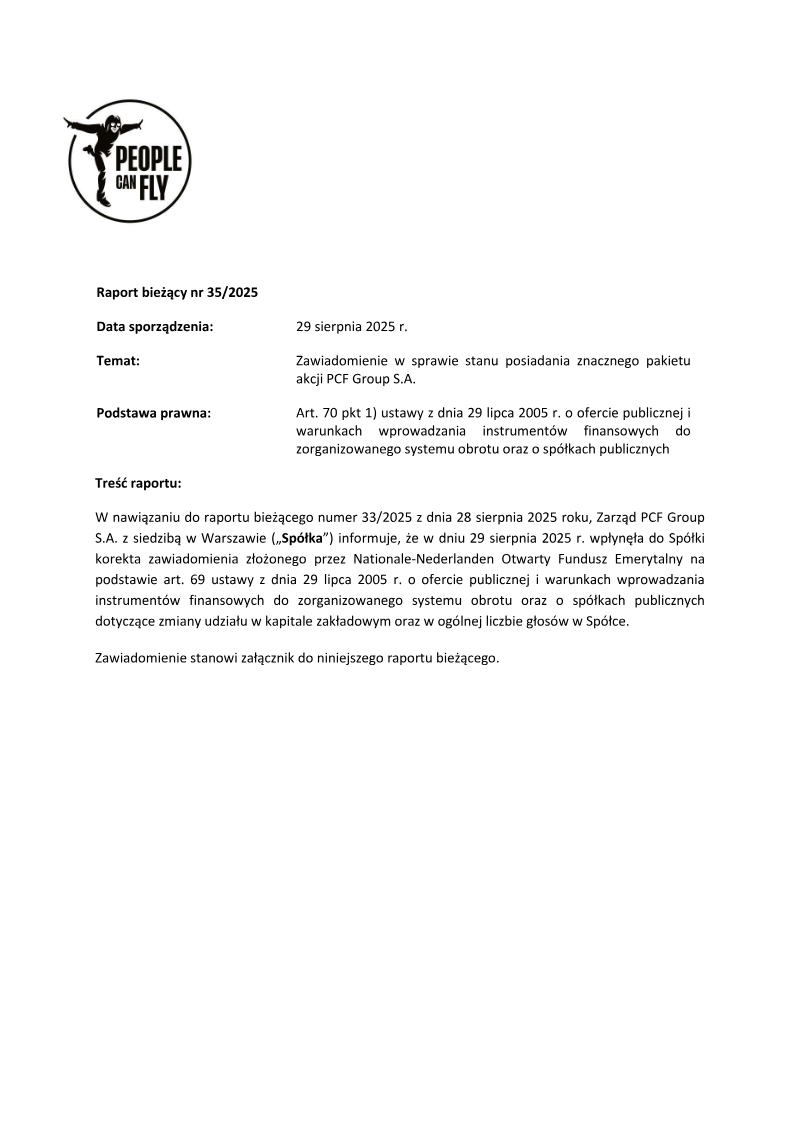
PCF Group · 2025
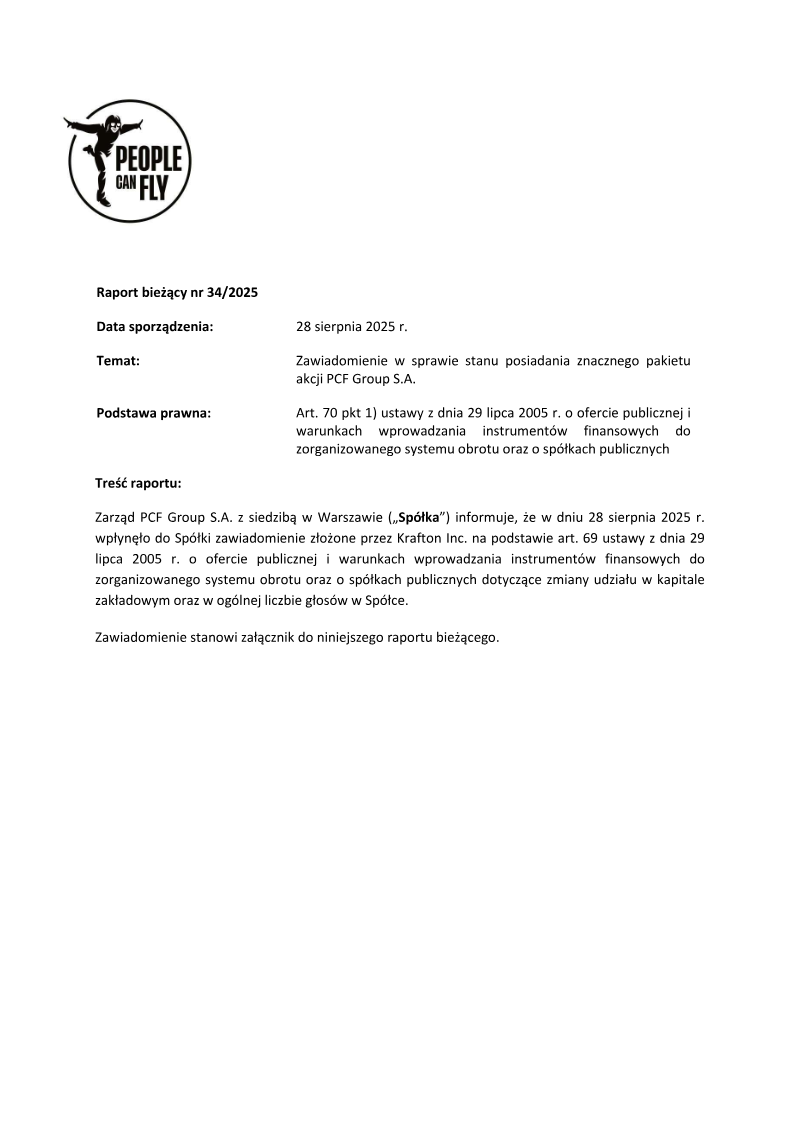
PCF Group · 2025
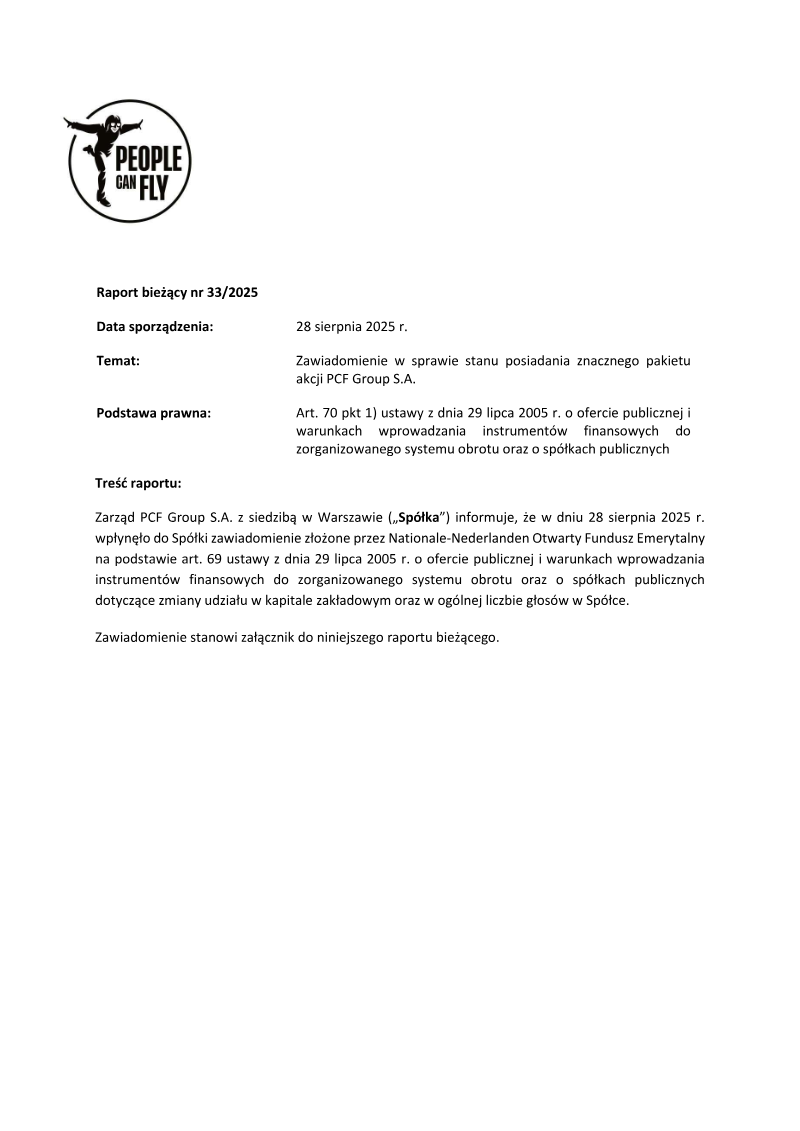
PCF Group · 2025
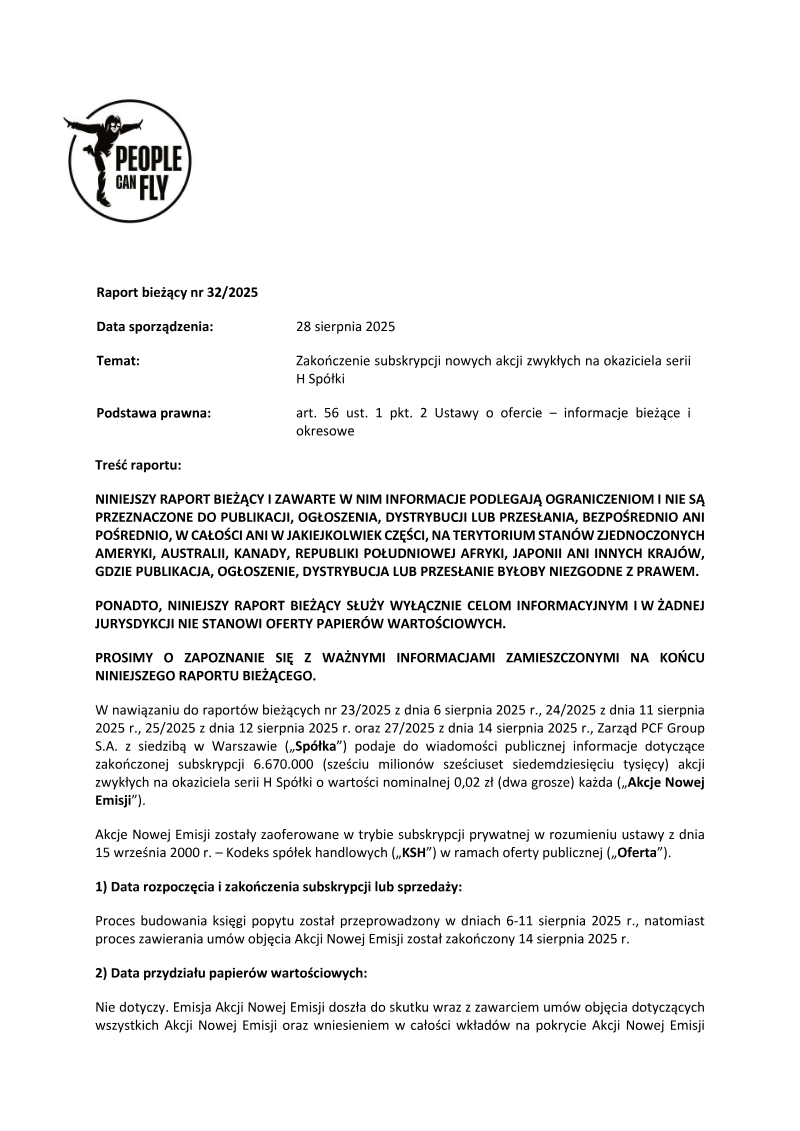
PCF Group · 2025
PCF Group · 2025