1 free read left. Create a free account for unlimited reading + AI research.
Create free accountWhitepaper Press Start
1 free read left. Create a free account for unlimited reading + AI research.
Create free accountWhitepaperPress Start
For the 18–24 demographic in the UK, games offer a more engaging alternative to traditional, static political education.
Video games represent a potent, underutilized medium for reversing the decline in political participation among young adults in the United Kingdom. By leveraging the high engagement levels of the 18–24 demographic, interactive media can transcend the limitations of traditional, static political education. The core thesis posits that immersive simulations provide a unique environment for fostering political literacy and social integration, provided that developers move beyond mere policy modeling to prioritize inclusive, goal-oriented design.
Current simulations, such as the Democracy franchise, demonstrate that games can effectively mirror complex governance challenges. However, these titles often inadvertently alienate disenfranchised users by requiring high levels of pre-existing political knowledge. To bridge this gap, a structured Political Design Framework is essential. This framework emphasizes the necessity of ethical validation and collaborative development between stakeholders to ensure that games serve as accessible entry points for civic engagement rather than exclusionary tools for the already informed.
Significant barriers to this integration remain, including the socioeconomic digital divide, the inherent difficulty of motivating non-politically active users, and a lack of empirical data regarding individual political motivations. Addressing these challenges requires a shift toward prototype development and rigorous research into how game mechanics can translate into real-world democratic action. Future efforts must focus on refining design principles to ensure that political games are not only educational but also capable of fostering sustained, meaningful participation in the democratic process across diverse populations.



Press Start · 2026
Press Start · 2026
Press Start · 2026
Press Start · 2026
Press Start · 2026
Press Start · 2026
Press Start · 2026
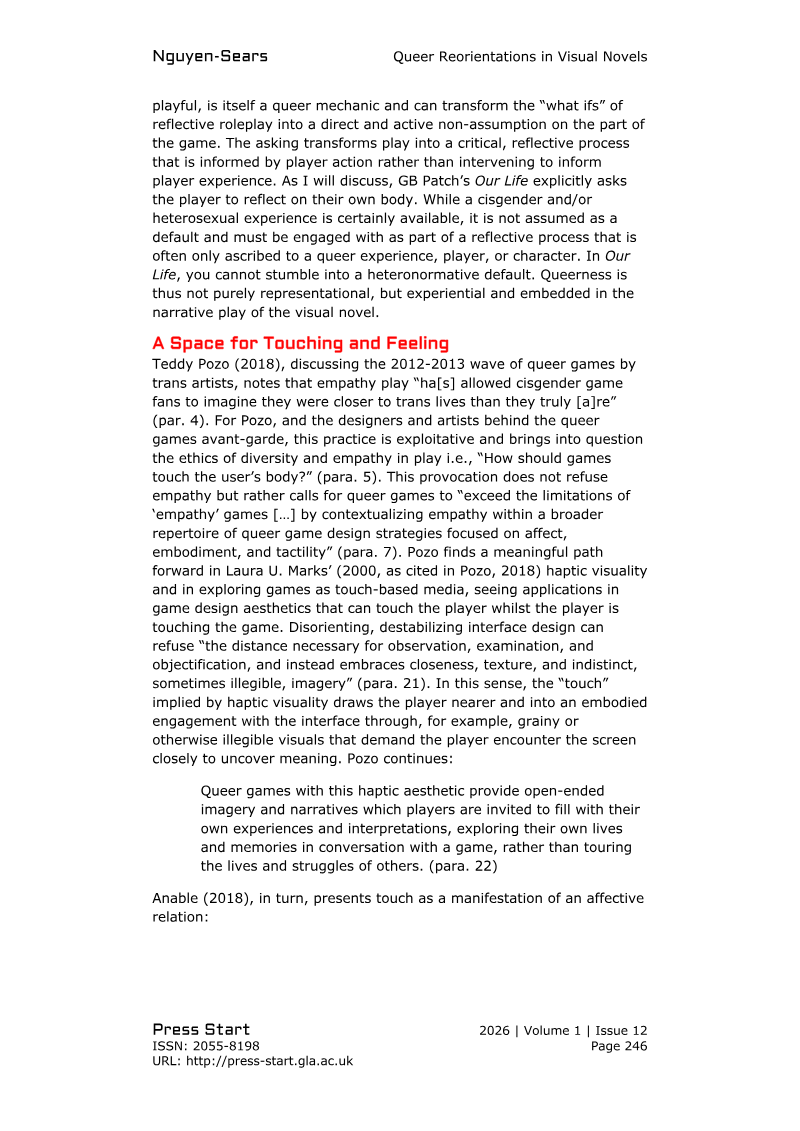
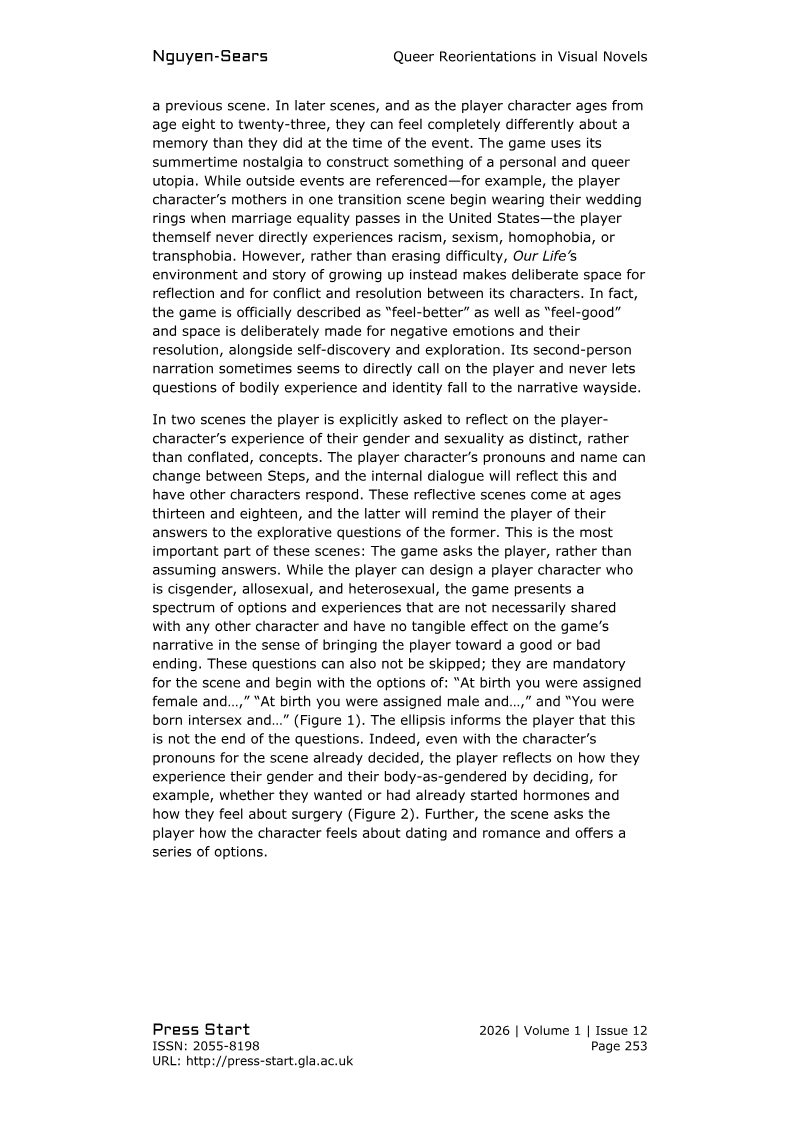
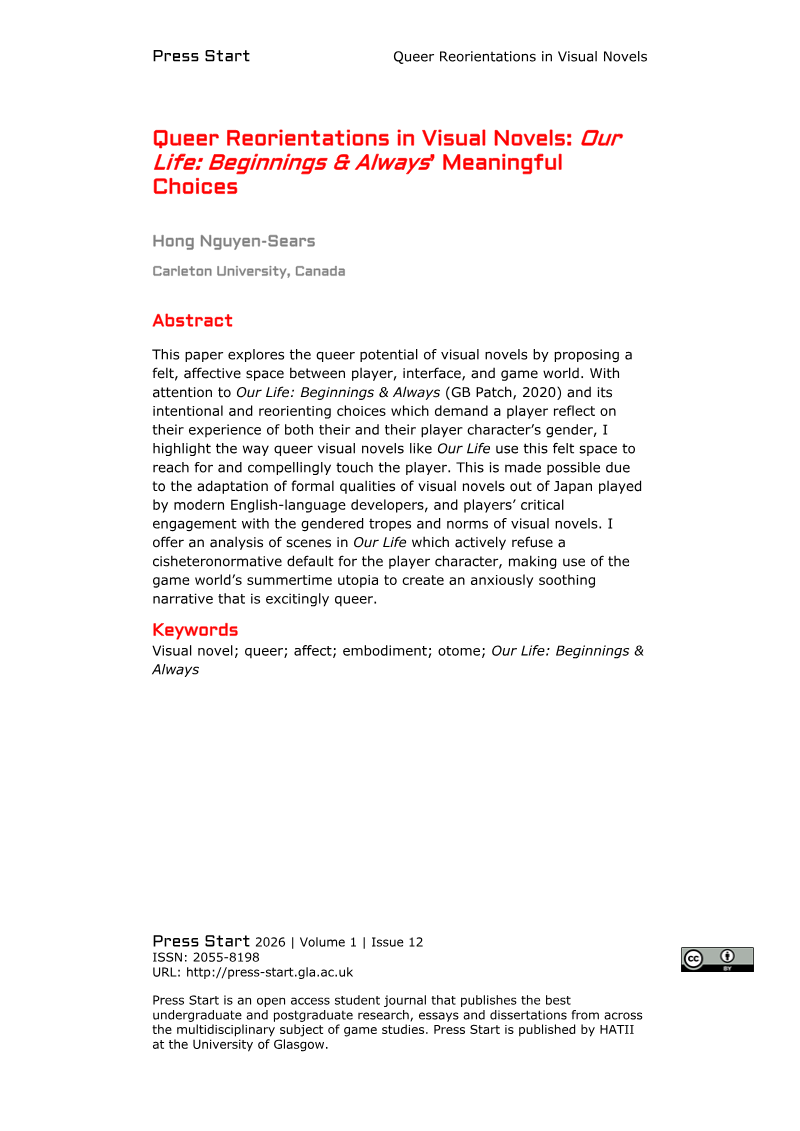
Press Start · 2026
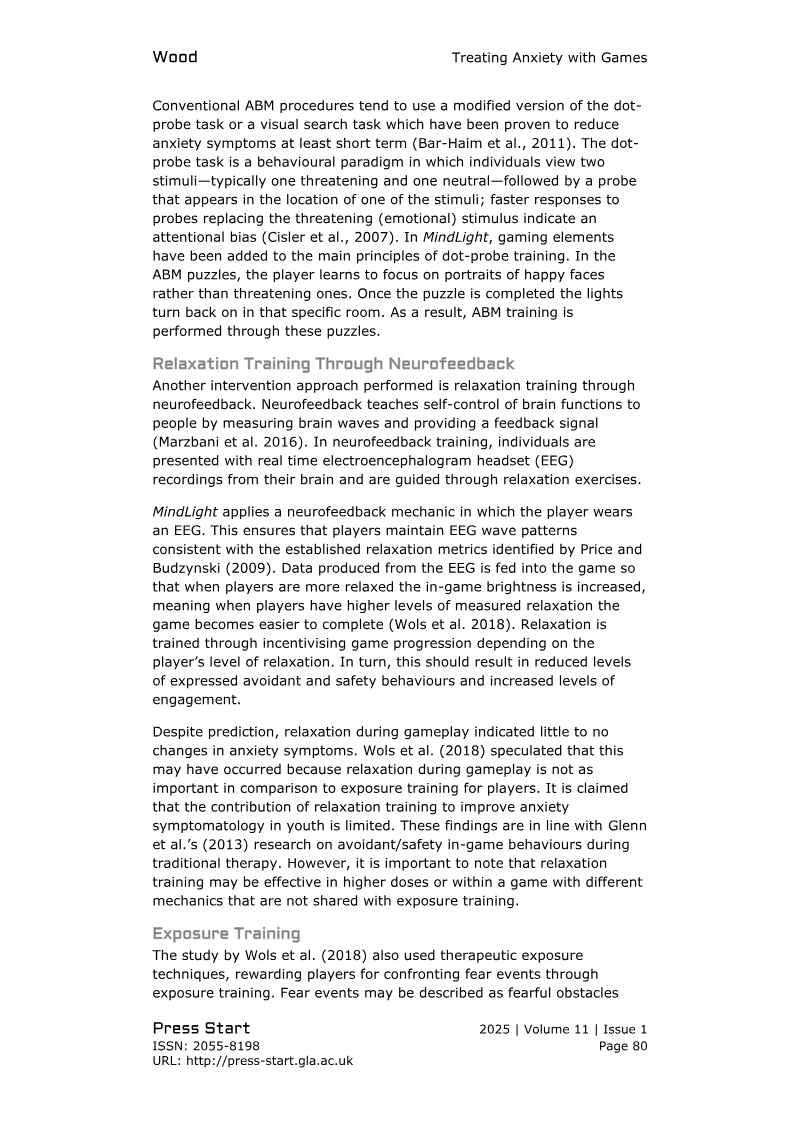
Press Start · 2025
Press Start · 2025
Press Start · 2025
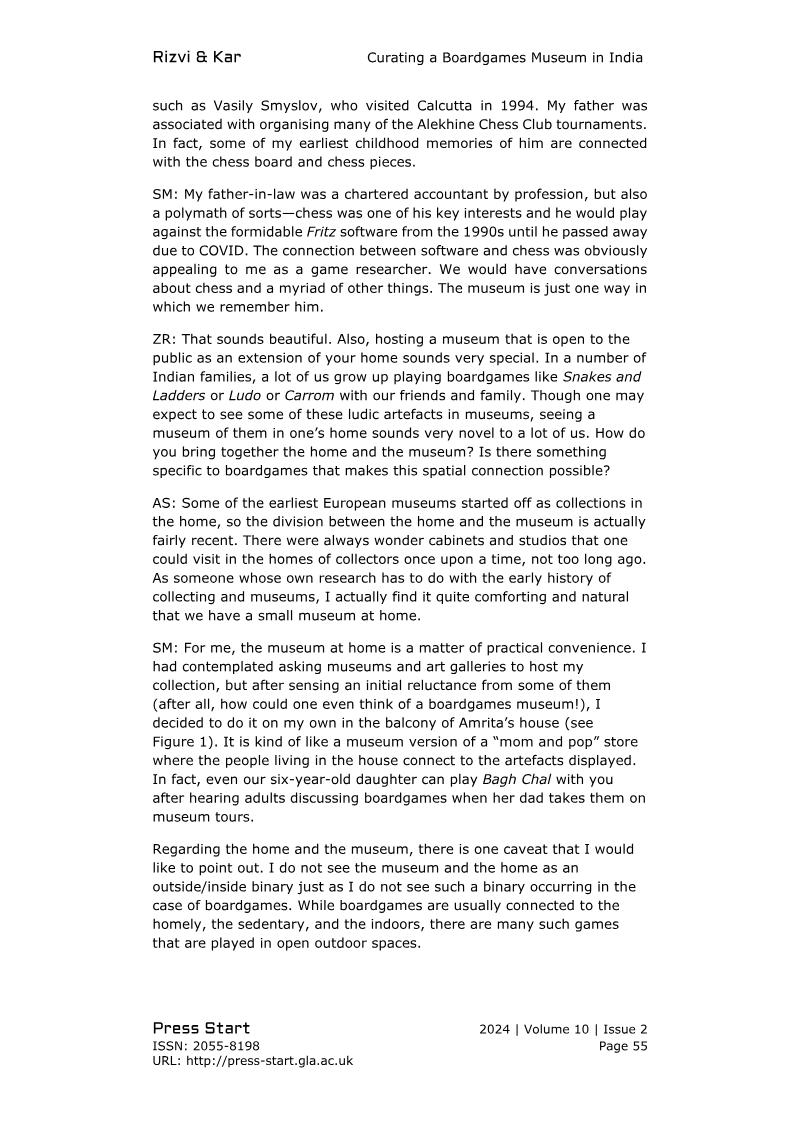
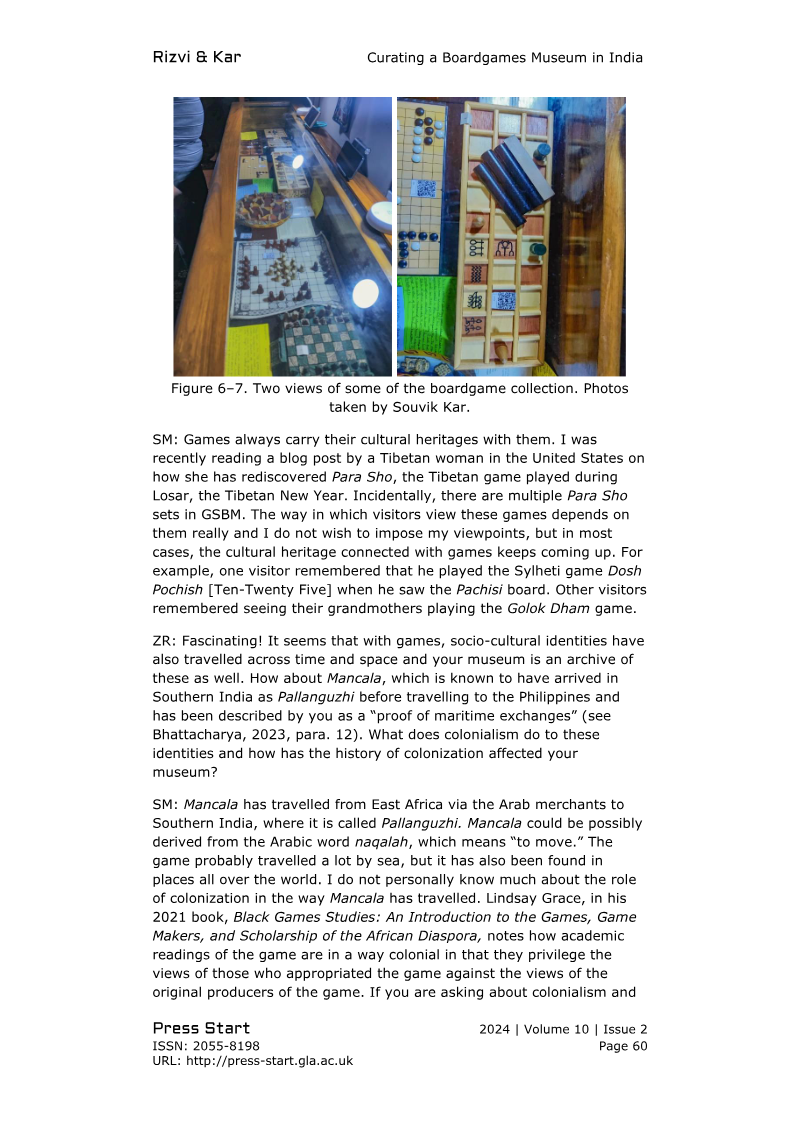

Press Start · 2024
European Conference on Games Based Learning (ECGBL) · 2026