1 free read left. Create a free account for unlimited reading + AI research.
Create free accountArticle Press Start
1 free read left. Create a free account for unlimited reading + AI research.
Create free accountArticlePress Start
Creators pay a 30% to 40% fee on advertising revenue for the legal right to use Nintendo's intellectual property.
See it on page 2The Nintendo Creators Program (NCP) serves as a mechanism for Nintendo to monetize YouTube content featuring its intellectual property while shifting the burden of copyright enforcement from the company to individual creators. By requiring creators to register their videos or channels, Nintendo effectively converts potential copyright infringement into a licensed commercial arrangement. Under this structure, creators receive 60% to 70% of advertising revenue, while Nintendo retains the remainder. Functionally, this acts as a 30% to 40% licensing fee paid by creators for the right to use Nintendo’s copyrighted works, while simultaneously relieving the company of the costs associated with policing YouTube for unauthorized content.
The program imposes significant operational and creative constraints on participants. Registered creators are restricted to using only Nintendo-approved games and specific music libraries, which limits their ability to produce comparative reviews or diverse content. Furthermore, the program mandates a pre-approval process for all videos, raising concerns regarding potential censorship of critical, defamatory, or obscene content. Perhaps most notably, participants must grant Nintendo a perpetual, worldwide, royalty-free license to use their registered content for marketing and promotional purposes, a provision that may compromise a creator’s brand autonomy and creative direction.
While the NCP offers a legal framework for revenue sharing, it remains a point of contention within the gaming community. Critics argue that the program fails to recognize the value that gameplay videos provide in stimulating game sales and market interest. Although the program provides a degree of legal security for creators, it forces a difficult trade-off between commercial stability and creative freedom. Ultimately, the decision to participate requires a careful cost-benefit analysis, as the loss of editorial control and the imposition of restrictive licensing terms may outweigh the financial incentives for many content creators.
Each row is a game or company this document names, each column a document, oldest first. A mark means that document names it. Select a row to see those documents.



Press Start · 2026
Press Start · 2026
Press Start · 2026
Press Start · 2026
Press Start · 2026
Press Start · 2026
Press Start · 2026
Press Start · 2026
Press Start · 2025
Press Start · 2025
Press Start · 2025
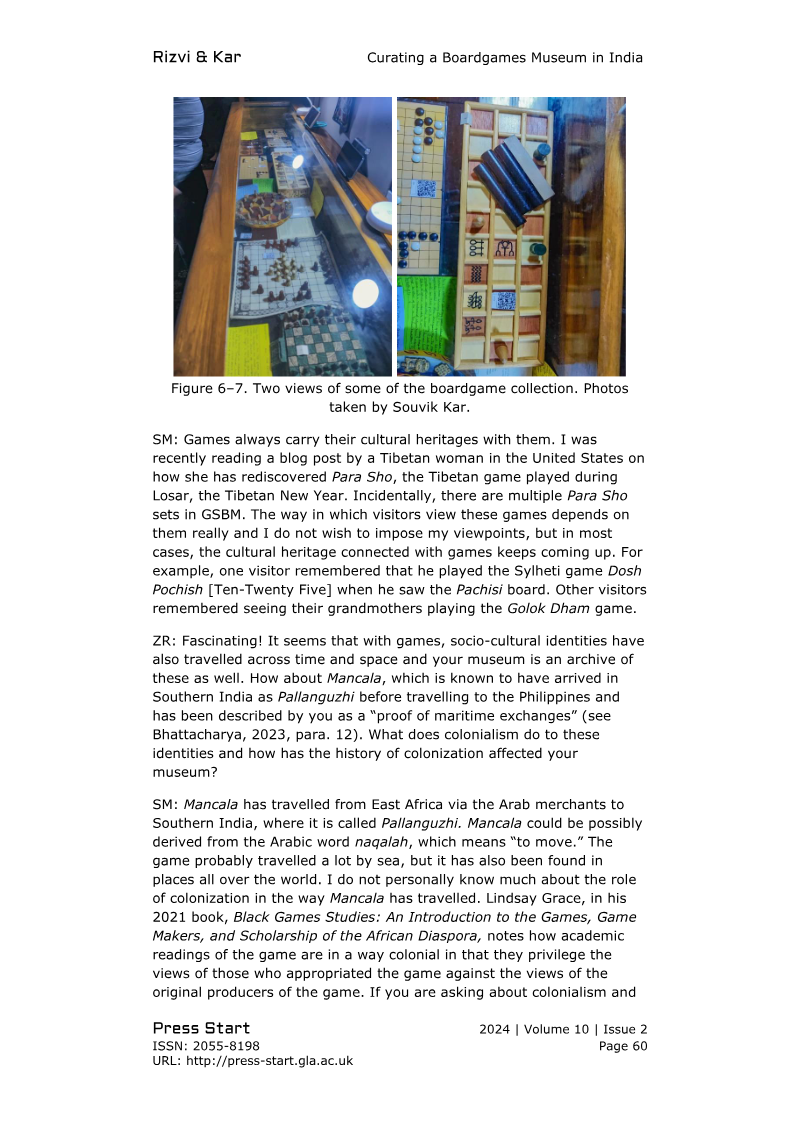
Press Start · 2024
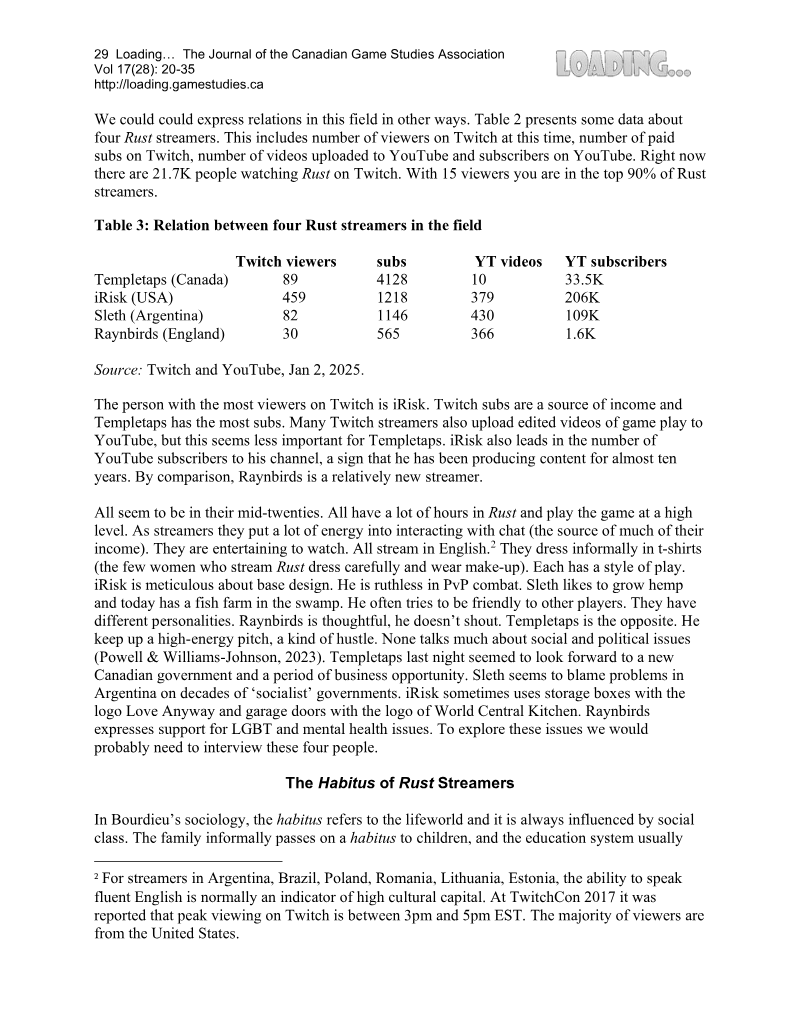
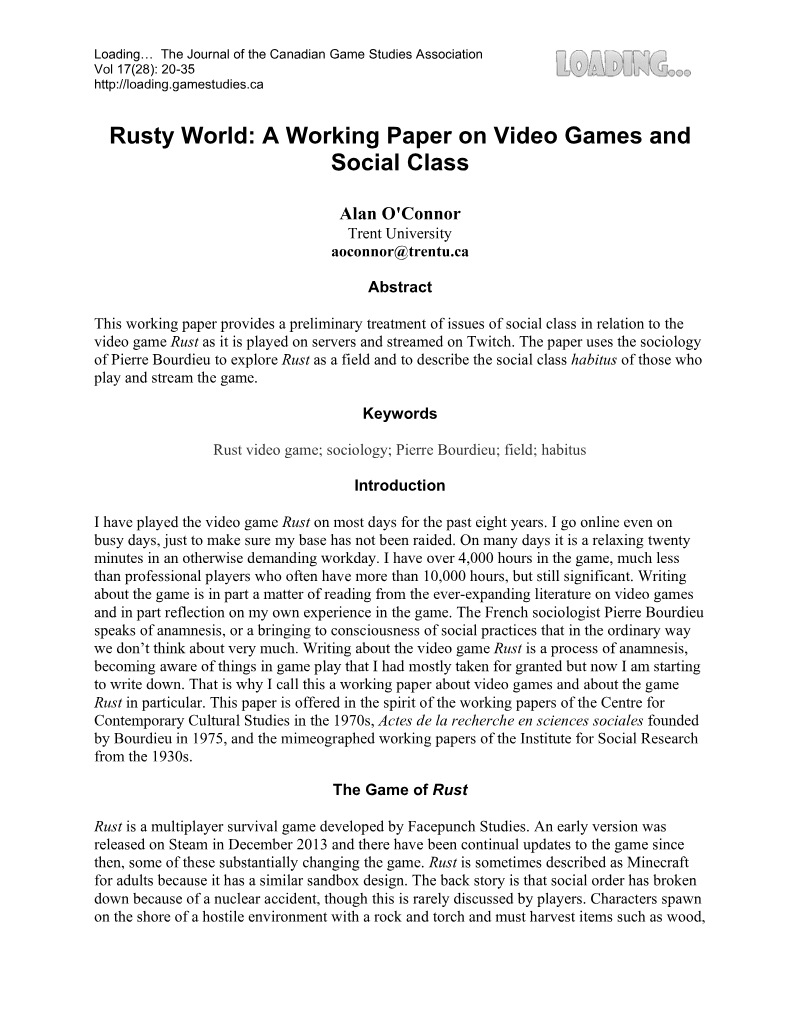
Loading... The Journal of the Canadian Game Studies Association · 2025