Pottering represents a distinct mode of engagement within digital environments, characterized by relaxed, non-competitive, and goal-free interactions. Rather than pursuing traditional win conditions or competitive objectives, players engage in the arranging and rearranging of game elements to foster a meditative experience. This behavior functions as a unique category of interaction that exists alongside, yet remains separate from, conventional gaming and play. By recognizing games as versatile artifacts capable of supporting diverse activities, designers can better understand the multifaceted motivations that drive long-term player retention and satisfaction.
Six core gameplay patterns facilitate this experience: construction, nurturing, the value of effort, calm flow, framed freedom, and tension. These mechanisms balance player agency with structured limitations, allowing for creative expression without the pressure of performance-based metrics. By linking mechanical actions to aesthetic outcomes, these patterns enable a low-stress environment that encourages users to return to the virtual space for reasons unrelated to traditional progression. This design framework effectively bridges the gap between functional game systems and the subjective, often therapeutic, needs of the player.
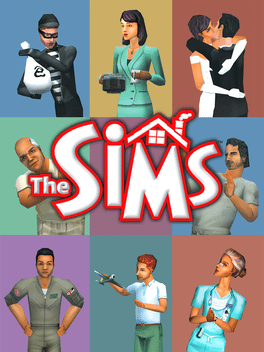
The scope of this analysis encompasses a variety of titles, including Minecraft and The Sims 3, demonstrating that pottering is a cross-genre phenomenon rather than a niche activity. When players express dissatisfaction with a title, it often stems from a fundamental mismatch between their desire for open-ended, meditative engagement and the game’s primary focus on rigid, goal-oriented mechanics. Ultimately, acknowledging pottering as a legitimate and intentional mode of play provides a more nuanced framework for game design, suggesting that the most successful titles are those that provide the structural flexibility to accommodate both competitive gaming and unstructured, creative exploration.