1 free read left. Create a free account for unlimited reading + AI research.
Create free accountFinancial report Microsoft
1 free read left. Create a free account for unlimited reading + AI research.
Create free accountFinancial reportMicrosoft
For the second quarter of fiscal year 2005, ending December 31, 2004, Microsoft demonstrated robust financial performance characterized by strong revenue growth in its Client and Server and Tools segments, alongside a pivotal shift toward profitability for the Home and Entertainment division. This success was largely propelled by the high-profile launch of Halo 2 and improved manufacturing efficiencies for the Xbox console, which effectively offset declines in hardware revenue. While operating income benefited from a significant reduction in stock-based compensation expenses, these gains were partially tempered by increased headcount costs, ongoing research and development investments for next-generation platforms, and substantial legal expenditures, including a $536 million settlement with Novell.
The company’s capital allocation strategy during this period was defined by a massive $32.64 billion special dividend payout, which reduced cash and short-term investments to $34.50 billion. Despite this significant outflow, liquidity remained strong, supporting the continued execution of a $30 billion share repurchase program. Management maintains that existing cash reserves and operational revenue are sufficient to meet future capital requirements, including ongoing dividend commitments and strategic R&D initiatives.
Legal and operational risks remain central to the company’s outlook. Microsoft continues to navigate complex antitrust investigations in Europe and domestic class action litigation, carrying a $1.04 billion liability with potential for an additional $750 million in losses. Beyond litigation, the company faces persistent competitive threats from open-source software, the necessity of maintaining product security, and potential development delays for the Longhorn operating system. To mitigate these exposures, the company employs rigorous financial modeling, including Value-at-Risk assessments, to manage market risks related to interest rates, currency fluctuations, and equity prices as it balances aggressive growth strategies with the demands of a maturing global software market.
Microsoft · 2026
Microsoft · 2026
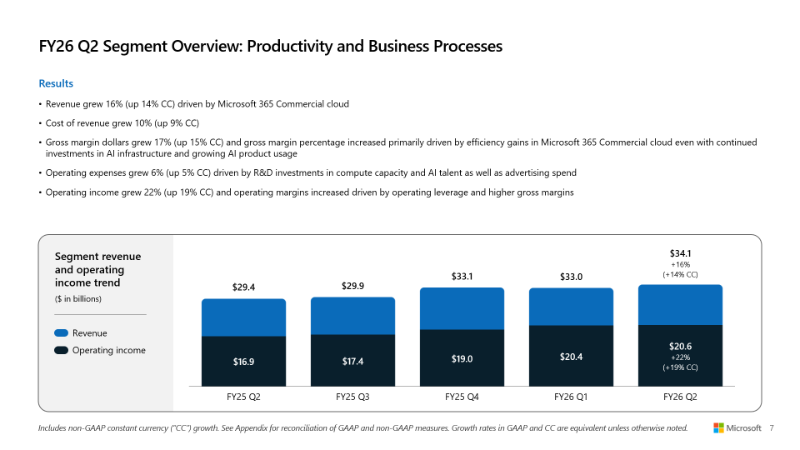
Microsoft · 2026
Microsoft · 2026
Microsoft · 2025
Microsoft · 2025
Microsoft · 2025
Microsoft · 2025

Microsoft · 2025
Microsoft · 2025
Microsoft · 2024
Microsoft · 2024
Embracer Group · 2024