1 free read left. Create a free account for unlimited reading + AI research.
Create free accountFinancial report Microsoft
1 free read left. Create a free account for unlimited reading + AI research.
Create free accountFinancial reportMicrosoft
During fiscal year 2015, Microsoft executed a fundamental strategic pivot toward a mobile-first, cloud-first business model. The company’s primary objective was to transition from a traditional software licensing focus to a unified ecosystem centered on productivity, intelligent cloud platforms, and personal computing via Windows 10. This transformation was supported by a heavy investment in research and development, which consistently accounted for 13% of annual revenue, and a strategic shift toward subscription-based services like Office 365 and Azure.
Financial performance during this period reflected both the success of this transition and the volatility of large-scale corporate restructuring. While Commercial Cloud revenue surged by 106% to $5.8 billion, overall operating income declined by 35% due to $10 billion in impairment, integration, and restructuring charges. The most significant financial impact stemmed from the Phone Hardware business, which necessitated a $7.5 billion goodwill impairment charge and the elimination of approximately 19,000 positions. Despite these challenges, the company maintained a strong liquidity position with $96.5 billion in cash and short-term investments, supported by a robust global infrastructure and a diverse intellectual property portfolio.
Operating on a global scale, Microsoft faced intense competition from vertically integrated technology firms and open-source alternatives. The company navigated a complex risk landscape characterized by geopolitical instability, evolving data privacy regulations, and ongoing antitrust and patent litigation. Management relied on rigorous accounting estimates and internal controls to manage these risks, while utilizing derivative instruments to hedge against market volatility. Ultimately, the fiscal year 2015 results underscored the high execution risks inherent in Microsoft’s long-term strategy, as the company balanced the costs of exiting underperforming hardware segments against the rapid expansion of its cloud-based service offerings.
The games and companies this document names on the inner ring, other documents about them on the outer one. Select a cover to see it up close and open it in a new tab; drag to move, pinch or Ctrl + scroll to zoom.
Microsoft · 2026
Microsoft · 2026
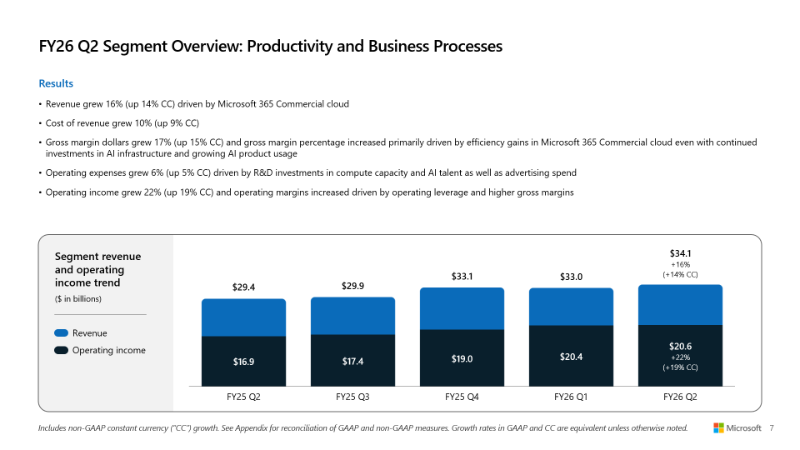
Microsoft · 2026
Microsoft · 2026
Microsoft · 2025
Microsoft · 2025

Microsoft · 2025

Microsoft · 2025

Microsoft · 2025

Microsoft · 2025
Microsoft · 2024

Microsoft · 2024
PCF Group · 2026