Magical Realism: The Art of Creating Everest in Your Living Room with VR (presented by NVIDIA)
3 Mar 201742 min video
Transcript
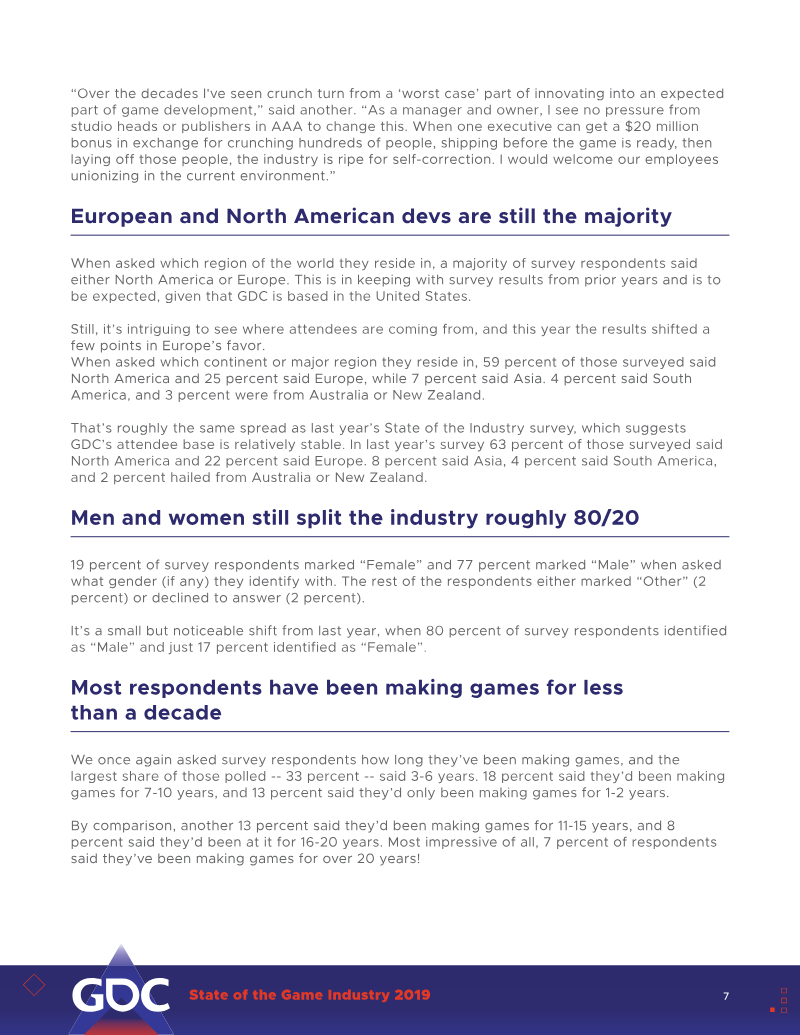
[Music] [Applause] so uh I'll start with just a short introduction uh my name is kartan emilson uh CEO and co-founder at Soul far uh like I said he it's a small Studio based in Iceland um we are three co-founders that uh all of us came uh were working previously at CCB games so we've been like uh our background is really in gaming and uh but we decided to uh to jump ship to do a pure VR uh Studio startup in late 2014 and uh what fascinated us with VR is uh is the concept B basically of putting people in impossible situations and uh that's kind of the theme of the type of products that we're looking at and um but if as this talk is specifically about Everest VR uh there might be a question why we chose Everest specifically and uh like I said one of
the our goals as a company was to to put people in a in difficult situations and a is certainly one that most people will not have the opportunity to to uh experience and uh we also thought as a as Gamers that uh we didn't feel that VR at that point uh had enough uh knowledge about how people react and how people play VR games such that we felt confident in doing a bet on a game on a single game with a maybe two three year budget or something like that so we wanted to try out several different things and the experiential uh uh products is one of those and um after having been working now on Everest for uh for the last half a year or so uh it taught us enormous amount of of things and uh I think all of these things will uh will trickle back into the games because it it's sort of you you need to uh Master a little bit how to uh create emotion in VR and how to
control them and experiential products are good for that but uh why Everest there's another reason for that uh which is uh the name of the other company uh that is involved in Everest called rvx it's uh actually a special effects company based in Iceland as well good friend of ours and um they have been working in a lot of Hollywood movies notably gravity and they had been working on Everest as well and through that they had actually acquired s sort of a knowhow to to create Landscapes using Advanced Techniques so um in this talk I'm just going to go through basically all the steps that we went through to to uh create this product and it's not launched yet but it's not ready but it will be soon uh but first I want to show you very quickly uh what this product looked like one year ago it was basically the the pitch that we were making um so our goal with Everest was to try to recreate the emotions uh that you have at various uh Milestones that
you have in climate aest for us is what that was the most important thing we want didn't want to do a uh climbing simulator at this stage but really just mastering how to create these emotions and there are all kinds emotions involved in in climbing a mountain it's not only vertigo it's also a sense of awe a sense of beauty uh sense of for booing Etc so um what we do do is basically we create first person experiences uh that are like pretty well framed within a given Milestone of climing Everest and uh give you simple things to do but it's not very complex is this must for us this had to be a very accessible product and um we go through some of the major Milestones like I said base camp kumbu ice fall the lot face camp four which is just above the death zone the Hillary Step that's the one that we've been demoing at this show and then finally the summit and um so yeah this was like our
storyboard that we make we started using this uh designing this with interacting design for Vive because we we thought it was cool to try to experiment a little bit what you could do with a room scale tracking uh but then we also have like a a an interaction design that works for Rift and then also just like a sitting experience though obviously it might be less uh immersive so here's a few few of the Milestones that we have uh have the base camp is one is basically like you're witnessing the uh the Puja ceremony where the sheras do offerings to the Mountain Gods at the start of the Season we we wanted this to be a very simple scene but Serene early morning and you sort of like uh take some food and give it to the the the gods or through this altar that they raise and then there's a crow that comes and depending on which way she flies or it flies it's is a good omen for the the Expeditions and then we have more dramatic kind of a situ the kumbo ice
fall is like a tumble tumbling gler that is at the start of the the mountain and here of course there are all kinds of opportunity to to recreate vertigo and also experiment with the type of movement that you can do and uh so you're Crossing crevices on ladders that actually sherp has put up there and then Hillary Step it's uh it's one of the uh more dangerous hurdles on the Everest uh because it's a slightly technical uh part part of the climb and but it's in a death zone and this is where people are really tired and they're running out with oxygen and there's only one file that can go through so uh there are often lots of incidents that happen at this stage and this is just before the summit and uh you might have the had the opportunity to try it here already I was really pleased yesterday uh Dean Hall you know the game designer Daisy he's actually gone to aest he's a friend of ours he has been to Iceland at all but
uh he uh we put him into Hillary Step yesterday and he got goosebumps so uh if somebody has climbed Everest get goosebumps we're happy um yeah this is Summit obviously but I'll skip uh through this and uh go to the part of building a mountain uh Everest is a is a big mountain and uh building it is uh takes a little bit of effort and especially like uh knowing the constraints of VR uh as you probably all know uh where you have to uh put yourself under the constraints of having uh 90 frames a second uh overdraw 140% and uh the M spec of 970 it's quite a challenge to to get uh at least graphical quality to a level that is acceptable but we we really wanted that to to be the case in this case so we we worked a lot on the optimization part of it and throughout I I'll tell you a little bit the tools that we're using we don't have many programmers we actually
have one only one programmer in our team so uh a lot of things we do are optimizations in shading shaders and uh then we use tools from third parties that we integrate into the Unreal Engine but uh let's start first from the source so rvx as I told you is the special effects company that uh uh has been working with the techniques of stereo photogrametry so for those that are not familiar with with that technique it's basically consists of uh if you want to acquire a 3D landscape for example and um you basically take pictures of it from uh numerous directions and as many directions as you as you can and uh with knowing also the position of the cameras and then you take all this data of uh photos basically two dimensional photos uh that have 3D information on how they were taken and uh you put you run that through a uh computer to Crunch uh for a long time and then recreate the
3D mesh that is underlying and also the color Maps um so in this case D this is a creative director at rvx he actually was at Everest and uh took some photos a lot of photos actually and uh this is for example the kumbu ice ball you can see like little dots there is a is a tent actually so give you a little bit of the sense of scale there and uh then they were like uh helicopter rides so one thing with uh with this in for Everest uh you can fly a helicopter up to a certain altitude but after that it loses lift so you cannot actually capture all the summit so in this case we actually had to also do sculpting hand sculpting of some parts of the mountain but otherwise uh it was basically the all Mountain that was there and um
then we use the service of another Icelandic company called designing reality uh so they have like a custom solution to do stereo photogrametry that they build themselves and the software as well uh it's kind of a like a mini super computer in a box 28 cores 128 gigs of RAM six uh GeForce Titan X and SLI bunch of strip SSD and all this database of photos high definition photos that you put in in the end you you get a I think something like 105 gigapixel of Point cloud of data and the the resulting mesh is uh 1.5 trillion polygons which is quite a lot and it uh I think it took about two or 3 month to calculate so this was like all part of pre-production for this and um after that we you need to somehow get hold of that data because the point the the resulting meshes of of course uh uh you need to adjust it a
little bit and uh we split up things up in 126 patches and I explain it to you why both internally it's easier to work with smaller data sets and uh in Maya for example and um so we reduced uh down to 24 million polygons in the end but note also that uh in the experience we need to recreate near field often and uh the near field actually takes more po polygons than the whole range of mountain because you need to have a lot of three threedimensional detail in VR as people can get very close to the surfaces you don't want to break the immersion by by failing on that so uh coming to Unreal we we do all our work in unreal and um here we show you a bit this is like the U the whole range that we have we have this far field as well uh which is in a much less resolution and then you see the little patch in the middle there that's the actual uh
uh aest range uh I don't remember the the size of it I think it's about 3 or 4 kilm on the side there um so there's like four big patches there that uh take care of the farfield um but then the this range itself we split up in this 126 patches and um so there were both the reasons to do that were to be able to work with it in a in a in a a healthy Manner and uh also to be able to do visual culling of uh these meshes so like often when you position yourself somewhere within a scene you don't see much of the uh the range so we can get away with uh losing all of it but we still wanted this to be able to run the whole scene in uh in one scene so here you see a little bit more the the patches there uh I think each patch like this is typically about uh maybe 100,000 to
200,000 polygons and um at this point also uh there's a lot of hand uh tweaking that goes into choosing the right edges and stuff like that because edges are pretty important mountains as you see them a lot in profile so um all these patches are not regular actually it's a it's adapted a little bit to the landscape and uh then like I said there is so the this near field that we need to recreate uh this is like by both snow and uh rocks and uh as I said people go pretty close to objects so you there probably a lot of more polygons in this piece of snow than there is in the mountain behind so um for uh further reducing the mesh and make it runable in unreal we of used to we need to use some loading strategy and uh because the this is like the mesh as it's uh this is not the 1.
trillion polygon mesh but it's it's the one we reduce I guess to 25 million polygons and you can see it's quite dense uh like this little detail there and uh it's a it's not a very intelligent uh tessellation so um for U for creating the Lots uh in unreal we use the tool simply gon that we inte integrated in unreal and U this gives us like a a sequence of of uh LS uh we have five L levels I guess this is the highest L level and you can see successively finer and finer detail and uh so typically uh when you're looking at the mountain you will have uh five different levels of lots playing coming in depending on your view and this has worked very well for us this is uh just for those that want numbers this is kind of
the the L hierarchy for a typical patch that we have um then the next uh problem were the textures and the colum Maps normal Maps occlusion and um if we wanted we wanted to have like a 8K uh resolution on the textures and for and we as I said before we wanted the whole scene to be able to or the whole range to be possible in view so that give us a text a budget of 24 gigs which was uh not the mains speec and uh so uh we had uh some problems resolving that until we we found this solution uh Granite for unreal which is quite remarkable so basically uh what it does it uh it does does both memory compression both on disk and in uh in memory and then it does streaming as well and uh it integrates really nicely into unreal so uh once you have created
this uh you basically create sort of like a a database of textures or a texture at Atlas uh where you put all the texture that you have and granite then sort of optimizes the data structures they do their own compression algorithm that are uh they claim are more suitable for uh a lot of typical scenes in 3D and uh I canot I can attest to that that we've seen some pretty impressive uh compressions and there without seeing any not difference in quality this I can't really show you much picture of it here this is a tool that you use to create the tile set so so in the end you sort of think of just you're you're using an an infinitely big texture doesn't matter how big it is and uh then within unreal you get texture proxy objects that you can use just as it was a normal texture in unreal and everything is done behind the scenes so here I'm showing the the texture Atlas at different levels
and um I don't remember how many levels they have like I think eight or something and uh yeah the the texture uh the texture uh compression that we got for this uh I I don't have the exact measurements because it has been changing a lot since we're still working on the product but I remember distantly one case where we went from an 8 gig to 1 gig in the in the our build in text memory and still using 8 8K texture everywhere and the normal Maps Etc so U we're quite happy with that solution uh I also mentioned here uh true sky from simul even though we we haven't had the the time to integrate it yet or not in the demos at least but uh we think it's a great product so uh and we've done a lot of experiments with it and uh at some point we need to start start looking out uh whether we can U tweak it to uh still fit within our frame budget but uh the nice thing that
it gives you our Vol clouds especially seen from above and uh a very efficient kind of time of day effect so um and by the way that's something I forgot to tell you in the in the stereo photo grometry process uh when you get the colum Maps they they do include the Shadows from the time the pictures were taken so uh part of the work that has to be done is also to paint away the Shadows so we can relit the thing so uh there are some very patient artist painting Shadows of the the whole Mountain um and uh then we do a lot of uh Shader work uh for shading the scenes and uh we the problem is that snow is not very an easy thing to light it's uh it's essentially white and uh and it has a lot of subsurface scattering so um we use a lot of freshel effect for for those that are from familiar with that I can show you here
this is like a this is like a the final frame for a given scene this is a ledge just at the Hiller step this is a column map this is a specular map and this is a subsurface scattering and you combine it all to for this and um and then you need to run this at 90 frames per second and then you have to turn everything off so uh these are all the things we turn off off in the Unreal Engine and we just have this early z pass on and uh so yeah a lot of the a lot of the things are just done through the Shader and uh it looks pretty well though and then for uh more U like interesting effects we also played around with game Wars turbulence and they had like excellent people at Nvidia working with us in integrating that it's part of the integration into the anal engine and uh it's a very simple uh metaphor uh
basically you they have like a grid uh that you can place in your level that has like multiple levels uh multiple cubes and um in that grid they basically solve the uh fluid equations Navia stes fluid equations so they can have like a dynamic simulation of fluids within that grid and um it can also include a certain amount of uh convex Collision volumes in that simulation so like if you want to have like your your flow break on a certain path you can put some certain volumes there and uh once you have that you can basically spawn any GPU particles within that grid and they will follow the velocity field the the turbulent field there and uh and then the nice thing of course is that the GPU particles they also have uh screen screen space uh Collision detection on any objects which is independent of the Collision in the
in the flute simulation so um and we found it works extremely well to uh recreate spin drifts and and such weather effects that are very like uh iconical for for Everest where you know you see them at the edge of the mountains like little vortices swim around and the nice thing about this is that these are all real time and interactive so like when you're in the scene you can actually like put your hands in it and you steer the pots so to speak and the things drift around you it's quite cool unfortunately I couldn't get a video of this because maybe you can sort of imagine how it looks and another technology that we use from um from Nvidia is a multires uh this is uh like a VR specific uh optimization uh the idea there is that because of the pin cussion transformation that is uh necessary for the big lenses that are used in VR uh you actually have less resolution on the pixels on the edge and in addition to that your visual
acity is also reduced on the edge anyway and people tend to be looking always Straight Ahead in VR even though you can move your eyes people usually don't do that so the idea there is that you could you could get away with rendering with less density on the edges and uh if you just fade it then uh the the boundary well with some atting it isn't really noticeable so basically they create they split the scenes or the the screen into like nine different grids and uh with uh less resolution on the edges then they blend it all together and uh this gives uh when we were measuring this this gives us like one or 2 milliseconds per frame which is huge for us it's like it's like 30% or something so uh this gives us the ability to squeeze more things into into the uh the actual scene uh one thing to note though is that uh
this affects post-processing uh effects and they have adapted to a lot of the post-processing effects uh but maybe not all of them but we are not using any postprocessing effects so that was okay for us and I can't notice this like I have a button that turns in on and off and I never know whether it's on or off except I see the frame rate increase a little bit so that's that's great but um so this was the uh the part of actually creating this mountain and uh and uh the the sort of the technical part of it uh but then it comes to actually how to how it feels in VR and uh I think they the the thing that it was uh maybe a little bit surprising is that uh none of all of this great graphical Fidelity helped in any way in or of course it helped but it it it wasn't enough to create an immersion when you actually stood there in this uh
great environment you had no sense of scale you didn't know whether this was like a small hill or a big mountain uh you didn't really feel vertigo Etc so um there are all kinds of things that we need to look at just to uh make this like an immersive experience and this is probably what is the most uh the the biggest learning experience for us so uh of of course there are lots of level design constraints and how you can make your scenes and uh we've been like uh looking both uh at solutions to work with a room scale tracking and also with standing experience and the different input mechanisms this is of course all familiar to to most of you that have been working in the VR field and um the things that we come came down to are pretty standard I guess now uh it wasn't maybe standard like a half a year ago or one year ago but uh basically try to optimize the space and the level such that you can reposition
the the user at certain moments so for example you're crossing a ledge then you're sort of like crossed maybe 2 and A2 M so you don't have more enough tracking space left so the trick is then to uh do a blink and reposition the player in the scene and then suddenly you have more tracking space in front of you because you turned but the problem you can't turn them arbitrarily because you could lose orientation or where you we and uh so this is a little tricky but uh by being smart about it you can sort of like create this sensation the space is much bigger than the room that you were actually able to walk in and uh and then the the other thing that was of course really good news for us we didn't really know it beforehand but uh is to find find out that uh vertical movement does not induce motion sickness and uh because usually if you do uh horizontal movement in VR where
you move in horizontal path and you're not moving physically yourself that's like a very uh immediate motion sickness but if you go up there's none and that's good for a mountain uh product so uh we have a lot of like mechanisms where you're actually climbing ropes and ladders and stuff like that and there is an infinite amount of vertical space in tracking in this case um another thing that we we thought a lot about uh was how to do establishing shots uh because we are we are we are partly telling stories in this product like for each uh sort of like uh scene we want to introduce it a little bit and explain what is happening there so you want to be able to to show uh some shots that sort of establish the scene where you are standard stuff for uh in movie making but is quite difficult to do in VR if you are doing it in full immersion and um but at the same time we wanted to
get that feeling that you have when like you're you're looking down a landscape from high above and it's very Majestic feeling and uh usually that is not a good idea because again it leads to motion sickness when you move like that in in the scene but what we found out by by accident in a way was that if you put a frame to start with and you accustom the the player to just look like at the cut scene really in the frame it's not an actual cut scene we actually put the player in a black box with a window and then we just move the box but it feels like it's a movie playing on the screen and you're just standing there and there you can have all kinds of shot with rotation and everything and that that's okay but at certain moment what we do is that we we uh convert to a linear velocity shots and with just cuts so there's no rotation and we dissolve the frame away and we found out that if you start with
a frame like that and then you dissolve it people still feel anchored somehow in the room and they do get like a sensation of like like you know the floor just went out under under you but they don't get sick or at least very very few people have gotten sick and uh we were quite happy to have that because uh once you're flying like that it gives you like a great sense of a Majesty for the whole thing because otherwise we wouldn't have to put you like in a cockpit for for example helicopter uh which we tried and we really didn't like and other people sometimes put platform under your feet and it's kind of immersion breaking so U we were happy with that solution and that brings me to uh to some things that I like to call their reality cues which are like uh the small little psychological cues or pokes that you can poke your brain with and that sort of help in establishing what some people have called the reality contract which
is what your when your body sort of agrees that what it is experiencing is there and it is real and you need to you need to hit a few check boxes like that and then suddenly that H that happens and um one of them for example is touching things uh it's extremely uh powerful to touch thing and see the world react to it it sort of gives you a sense that that uh it is there and uh we try to integrate as much and it doesn't doesn't need to be much but as much as possible when you touch the scene you you can feel some kind of reaction so you have gloves in the in the uh or mittens in the experience and we we let the the gloves block Collide on on surfaces and gives you a small tactile feedback on it and even though your your physical hand goes through the glove stays there and it feels okay because you you don't want to go farther you just got like a response from world and say okay you're solid I won't I won't
push you and um it's nice also to put things in your field where you need to avoid them because of you naturally tend to avoid things and when you're like physically doing things like that it feels real like you see like a big rock here and you try to avoid it even though you could perfectly put your head through it and get the clipping and everything then most people just never do that um then there's a sense of scale and uh that was the most difficult for Everest because uh Everest you need to have that sense of scale but even in real life is sometimes difficult to get a sense of scale of mountains and um so you have to use familiar objects uh so in this case uh in our case it's mostly people climbers you have to put them somewhere and uh at different ranges so you can see how the landscape is it's changing the establishing shots also help because then you have memories of certain pieces that are you're now looking at closer
and you realize the the scale of things and uh you can also make it with sound obviously and light and uh things that fall for example if you if something Falls you can see it and then you see the scale reducing and you realize how steep a slope is or how big it is then the vertigo was also uh interesting uh there are all kinds of ranges of vertigo apparently and for example the the vertigo that was the the worst for us was when we were just doing early blockouts just using cubes not real models when you have sharp edges that you're walking like on a cube it's absolutely terrifying it's a it's like your brain tells you that you have absolutely no chance well it's just like a sharp edge but as soon as we put like the real model of snow and ice it's like your brain is telling you like yeah I might grab that stone on the way when I'm falling and you know so it's like it says you know it's not that bad so um we
actually had to change a little bit reality in this case to to pull your brain and tell you yes it is and um and other things that are interesting is also the lengths of thing so um for example we have a scene where you you you cross a crevice on ladder and uh if the ladder was very long then the the the St of vertigo was very much increased it was shorter it was reduced and I think it was just the the the brain telling you like if I have to cross this I will feel bad for a long time but if it's short I will only feel bad for like a few seconds and it will be okay so um so that's one way of scaling the vertigal effect actually and then there's this thing that I I find the most uh most uh intriguing is uh it's the way do you you the brain actually at some points when the brain decides that you have reality they it has accepted the reality
contract it starts patching things up for you so you you as a Content developer you don't need to do anything anymore and uh I had a friend that went through uh one of our uh demos and he was describing the experience to me afterwards and he was telling me like he was like looking down on a Ledge and uh he was looking at his boot his yellow boots and I told him we don't have boots in the game these yellow boot doesn't exist and uh the fact is is that uh we actually we cannot put food uh like uh feet on our model because there's no tracking and it will very be very strange if you would have like for example Footprints coming out that are not where your your feets are so we avoid that but um what we did instead is that we uh we took the acceleration of your head and use that to trigger a uh snow crunch effect or sound effect so coming from here so when you move a
little bit you hear like and it sort of follows what you would expect when you're walking and that seemed to be enough to like okay tell you okay I'm standing there I'm on snow I can hear the snow and that's how probably he ended up seeing those boots because uh uh his brain has just decided that this was all real uh another thing is a shadow because you don't have a body in a in this kind of VR experience usually you just have these hands then it's kind of weird you don't have a shadow but we found that Shadows actually help a lot in providing a sense of immersion because uh it sort of like projects you somewhere and it also gives a good sense of scale because your Shadow can extend for a long time but the problem is that you you don't have an avatar so we can't really cast The Shadow but uh We've experimented both we cast Shadow from the gloves and that is helpful and we would also put like very simple
volumes like just a cylinder and even that is enough because your brain is just sees like it's a shadow that moves with me it's sort of like it is me and I don't really care if it's not actually me or looks like a body it's just a shadow and uh it doesn't need to have very sharp edges and such but it makes the things much more physical when you see it and it makes you also feel more physical and then uh there's also things which are you know probably things that are already well familiar from from movie movies and such but uh controlling physiological factors seply uh is very efficient so we do have like heartbeat tracks in the audio that we can sort of like we can like pump them up at some certain places and people tend to empathize with heartbeats so you can sort of like increase people's stress level just with a heartbeat and uh we also have a
breathing track and um and that's the same thing people empathize a lot with breathing like if you have like a shallow breathing sound you start to feel like you're out OFW yourself so that helps us in recreating the ex the the right emotions and feelings depending on the scenes that we have so for example in the Everest you do go above a level where um you will feel the effect of oxygen you know uh deficiency even though you have an oxygen tank and um it's good to be able to recreate that aspect uh using these techniques and uh another thing that we are also experimenting with is uh controlling your movement because also when you're up in a death zone or up a Hillary Step and even to the summit again because of the the altitude you tend to move very slowly in real life so you you don't rush through
things and uh there's nothing in VR that prohibits the user to just run through the whole experience so we we experiment a little bit with uh like if you go too fast to start blacking blacking out and after a while you realize okay if I want to go through this experience I need to go slowly and in that way you're sort of conditioning the the user to a point where he becomes more immersed in the situation and uh I think that's an interesting thing to do as well all these little brain hacks and another thing that we found is that the wind makes you cold a lot of people complain about being cold after the the experience which kind of makes sense to when you have like a snow all around you and wind and particle effects swirling around you and uh we also want to have the breathing when you like uh when you like breathe out of your air and that's also a very in efficient reality queue to tell you that you're there what I'm doing now is breathing out and it is in
this world so U that's kind of a cool thing to add as well and uh that's all the slides I have so uh I was just wondering if we want to go to Q&A that's like a I think [Music] [Applause] [Music] I think there's an open mic there if somebody hi uh just a quick question uh you said that you disabled uh depth of field in your passes now when you're playing I haven't had a chance to try the Everest demo but um without depth of field does your do you find that anybody like you don't
feel it as real as it should be because obviously you have natural depth of field with your your real Vision without it being present in the demo is there like a disconnect there well it depend from from my experience you you as a real person you don't really experience depth of field because usually your eyes are always adapting yeah yeah but like if you're focusing it's more like a movie trick where people use that and to to sort of change the the uh the plane of interest but in our case first first of course the Panorama is often very far away so there is really not So Much Death of field okay and then we do have like some atmospheric fog that sort of like simulates the effect of uh distance and I guess maybe that sort of works in the similar way as a depth of field okay cool thank you [Music] [Music]
hi uh quick question how big's the room got be please sorry how large a room do you need for the experience so we've just been following uh the recommended Min specs that have uh been issued by the the uh device manufacturers uh I think it's like for the uh Vive it's like 2x 2 m nearly and uh for Rift it's slightly smaller it's like 2 * 1.5 for Sanic experience we also tried experimenting with actually scaling the content uh depending on the room to try to make the most of it but it's kind of difficult to do that so like you know if you had a kvass we could actually move shift it a little bit but uh as we use pre if you do the lighting it's it's kind of a it's
not easy to do to have such a dynamic uh scene uh hey uh I'm wondering you talked about having breathing effects when they breathe as well as like a breathing track uh how do you deal with that like not being in sync with their actual breathing so uh there is a microphone that you can use oh so it so it would be it would be in sync with their actual breathing then sorry so it it can be in sync yeah it can be in sync the only problem is that you you want to maybe filter it quite heavily because of course you can't really control what goes into that microphone you know people may be banging their fingers on it like that but U but you you can sort of queue it and yeah like uh I think also head motions can help like uh there are subtle motions that you do with your head when you breathe and so um but it doesn't need to be like you know very enforced it's just like a very whispery kind of particle effect is kind enough to feel that there's air coming out of you somehow cool thank
you just a quick question uh I'm wondering whether you could share uh the total of B Park of the cost that went into production the cost yeah uh I can share you the info that we've um it's about 10 persons for uh 6 month now what about other material if you own an helicopter cheaper sorry if you own a little copter it's a I know that's a there of course the acquisition of the pictures and all that so which is a fixed cost but uh for our internal internal production budgets that's
Auto-generated captions from YouTube — names and numbers may be misheard.
Key insights
Distilling the key insights…
Ask AI about this video
Cite this video
Citation
Generating citation…














Comments