1 free read left. Create a free account for unlimited reading + AI research.
Create free accountArticle Replay. The Polish Journal of Game Studies
1 free read left. Create a free account for unlimited reading + AI research.
Create free accountArticleReplay. The Polish Journal of Game Studies
Distilling the key insights…
The primary purpose of this analysis is to evaluate the theoretical contributions of Ian Bogost as a constructive resolution to the foundational ludology-narratology debate in game studies. By examining Bogost’s concepts of unit operations and procedural rhetoric, the analysis argues that his work effectively bridges the gap between the study of game mechanics and narrative content, offering a more holistic framework for interpreting digital artifacts than the polarized positions that characterized early game studies.
The analysis highlights that the historical conflict between ludologists, who prioritized rule-based systems, and narratologists, who focused on storytelling, often resulted in an incomplete understanding of games. Bogost’s approach, rooted in object-oriented programming paradigms, treats games as systems of discrete, meaningful units. Unit operations allow for a comparative criticism that isolates specific mechanics or narrative elements to analyze how they function within a broader cultural context. Furthermore, the theory of procedural rhetoric posits that games communicate meaning through rule-based processes and simulations rather than traditional linguistic or visual storytelling, effectively turning the act of playing into a form of persuasion.
The scope of this inquiry is academic, focusing on the evolution of game studies theory within the context of media and cultural studies. By emphasizing the formal aspects of game design and the "simulation gap"—the space where a player engages with an author’s programmed rules—the analysis concludes that Bogost’s proceduralism provides a robust methodology for textual analysis. While some critics argue that this approach neglects the subjective experience of the player, the analysis maintains that this detachment is a strength, as it allows researchers to focus on the formal, intentional design of the game as a communicative medium, distinct from the sociological or psychological study of player behavior.
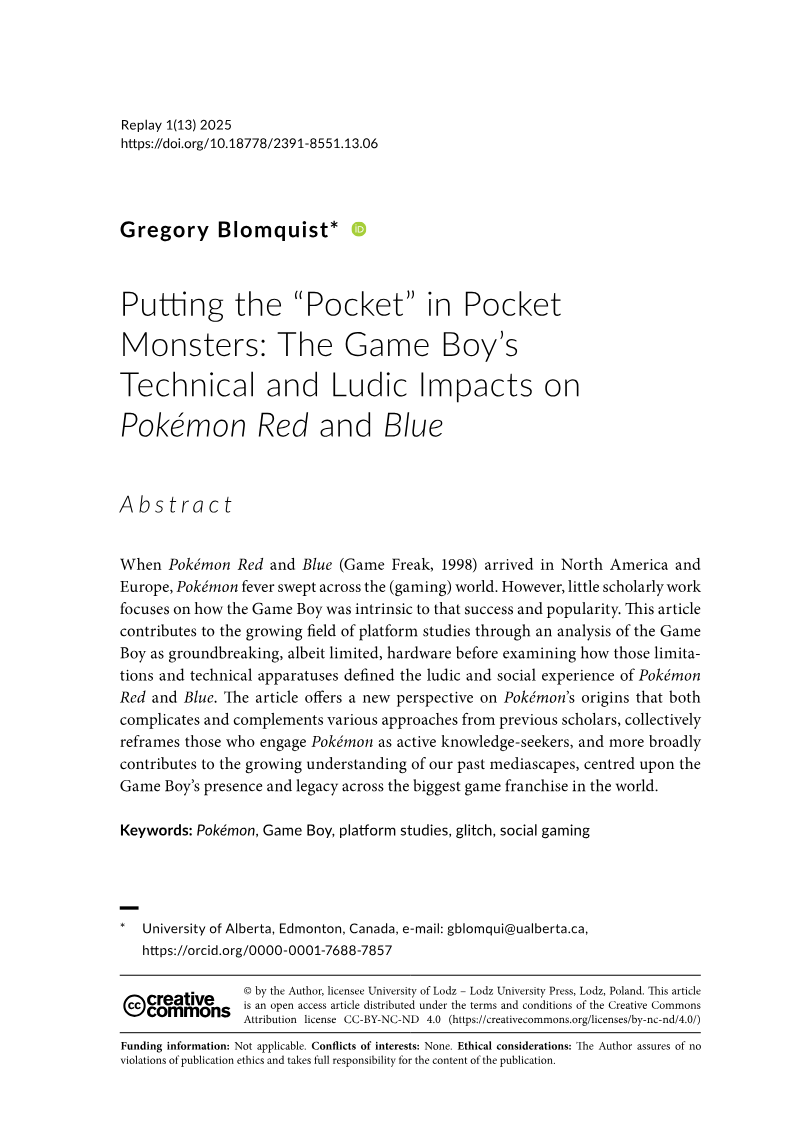
Replay. The Polish Journal of Game Studies · 2026
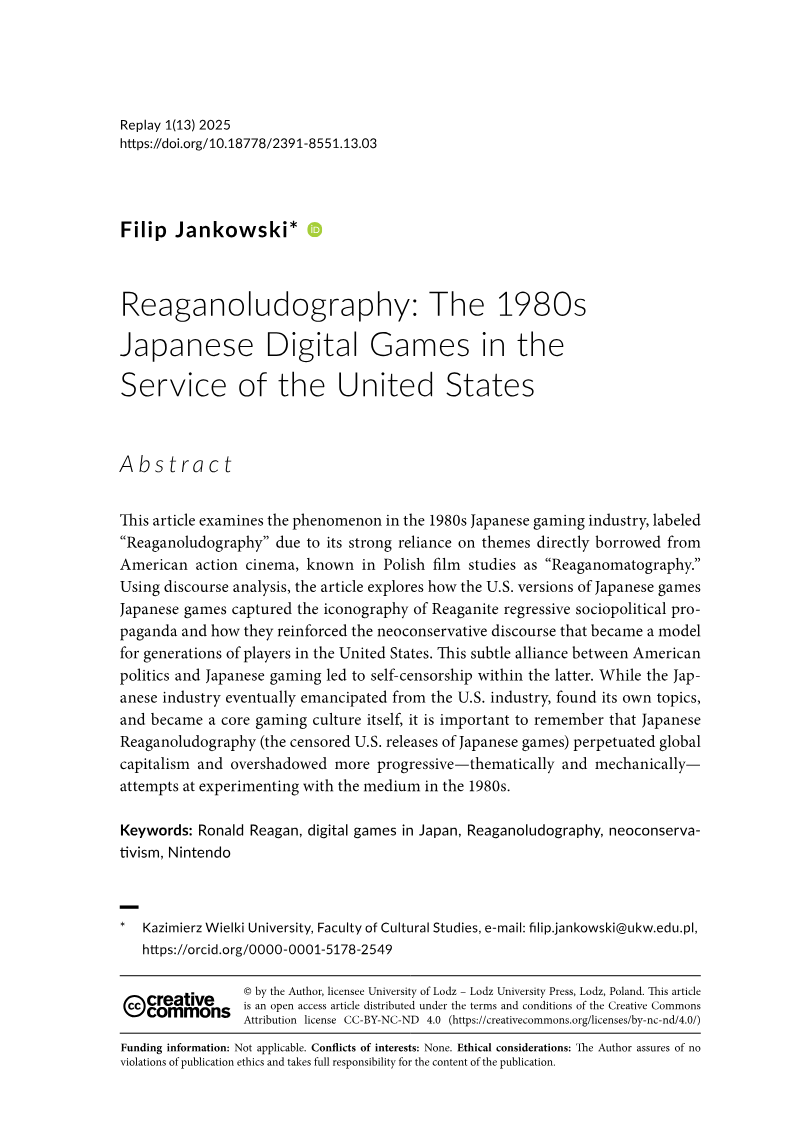
Replay. The Polish Journal of Game Studies · 2026



Replay. The Polish Journal of Game Studies · 2026
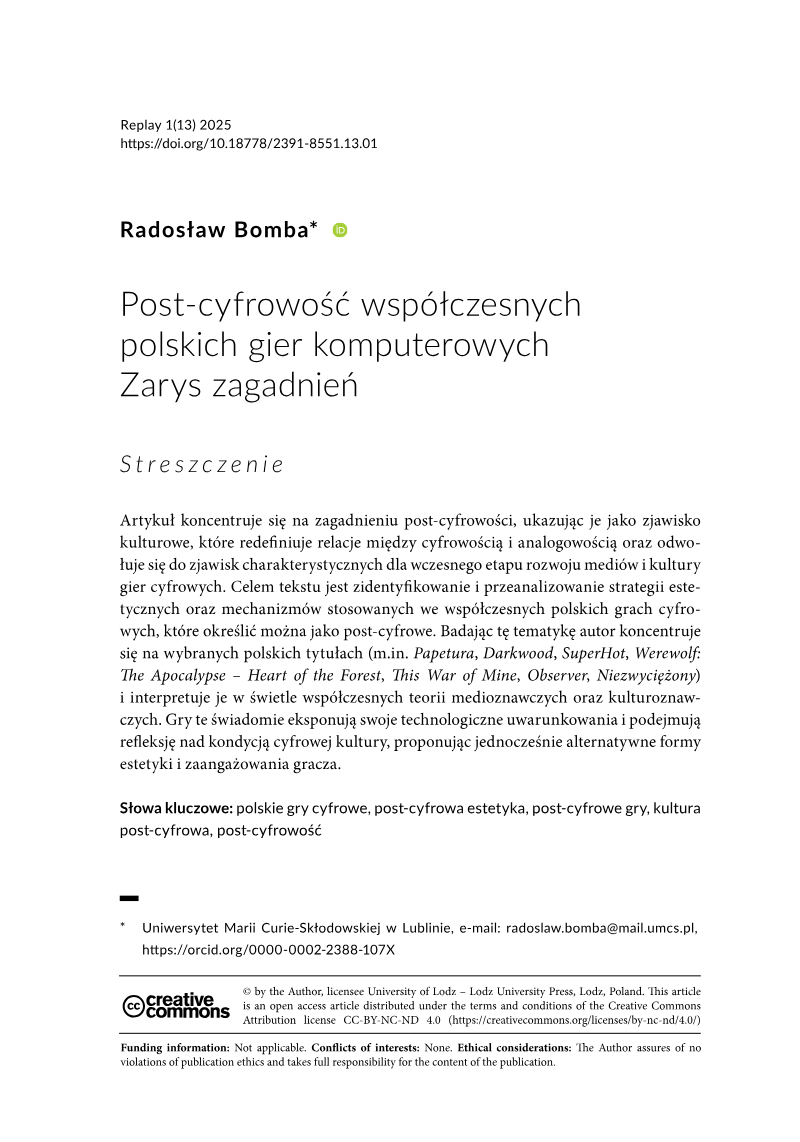
Replay. The Polish Journal of Game Studies · 2026
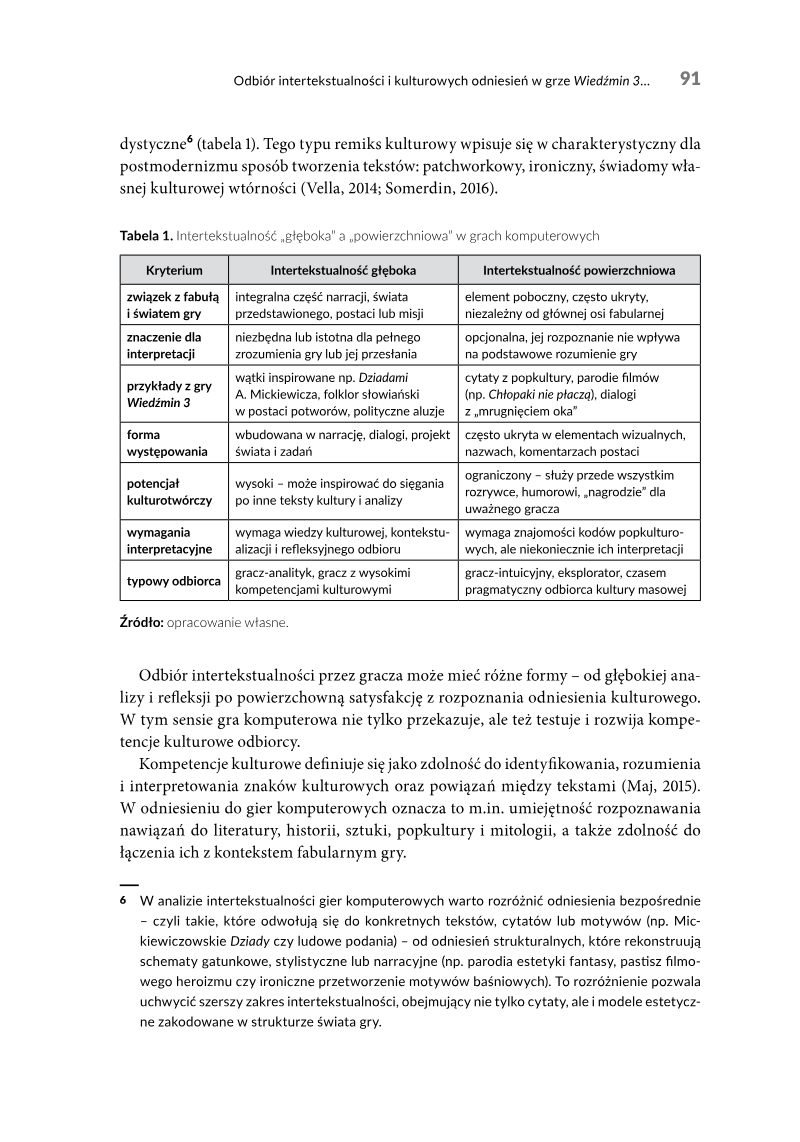
Replay. The Polish Journal of Game Studies · 2026
Replay. The Polish Journal of Game Studies · 2026
Replay. The Polish Journal of Game Studies · 2024
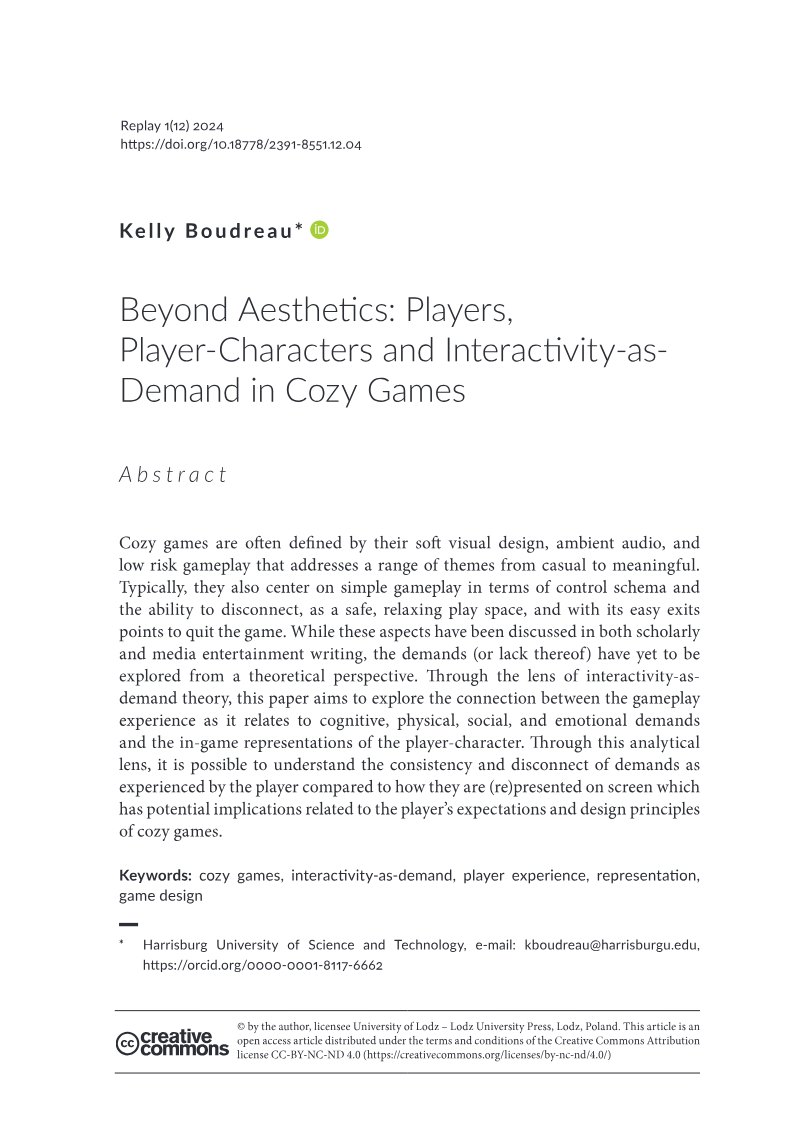
Replay. The Polish Journal of Game Studies · 2024
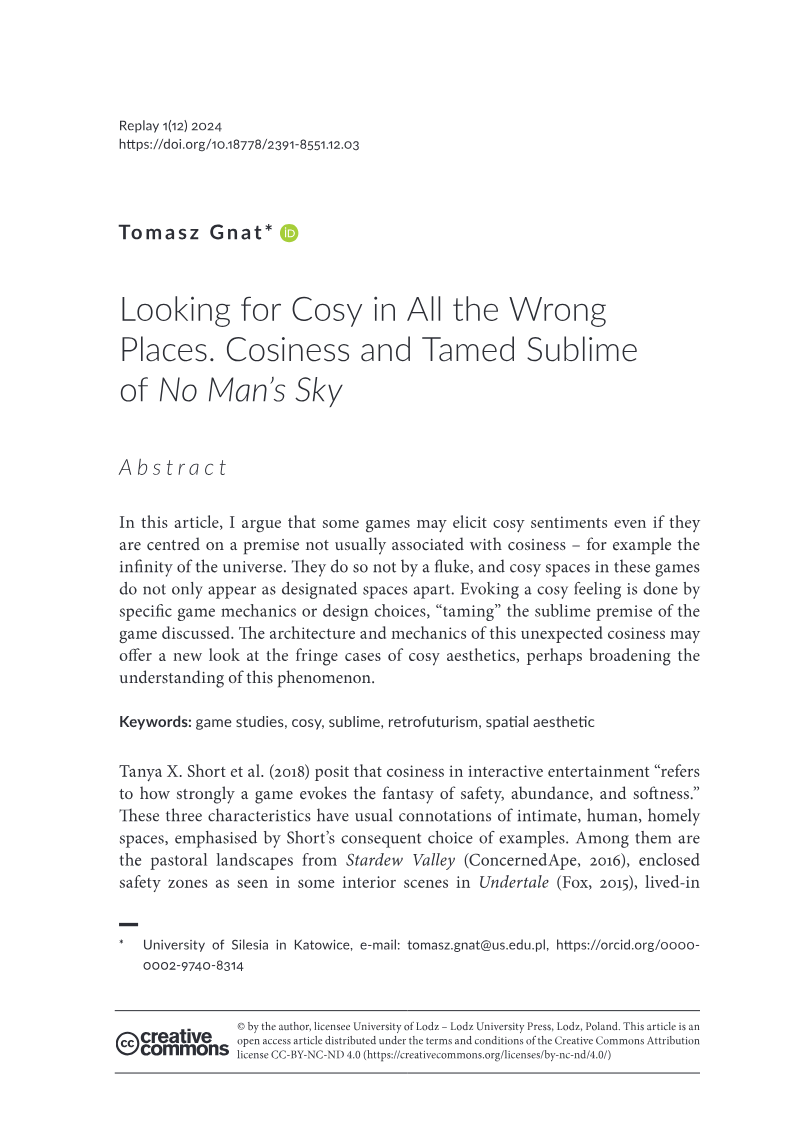
Replay. The Polish Journal of Game Studies · 2024
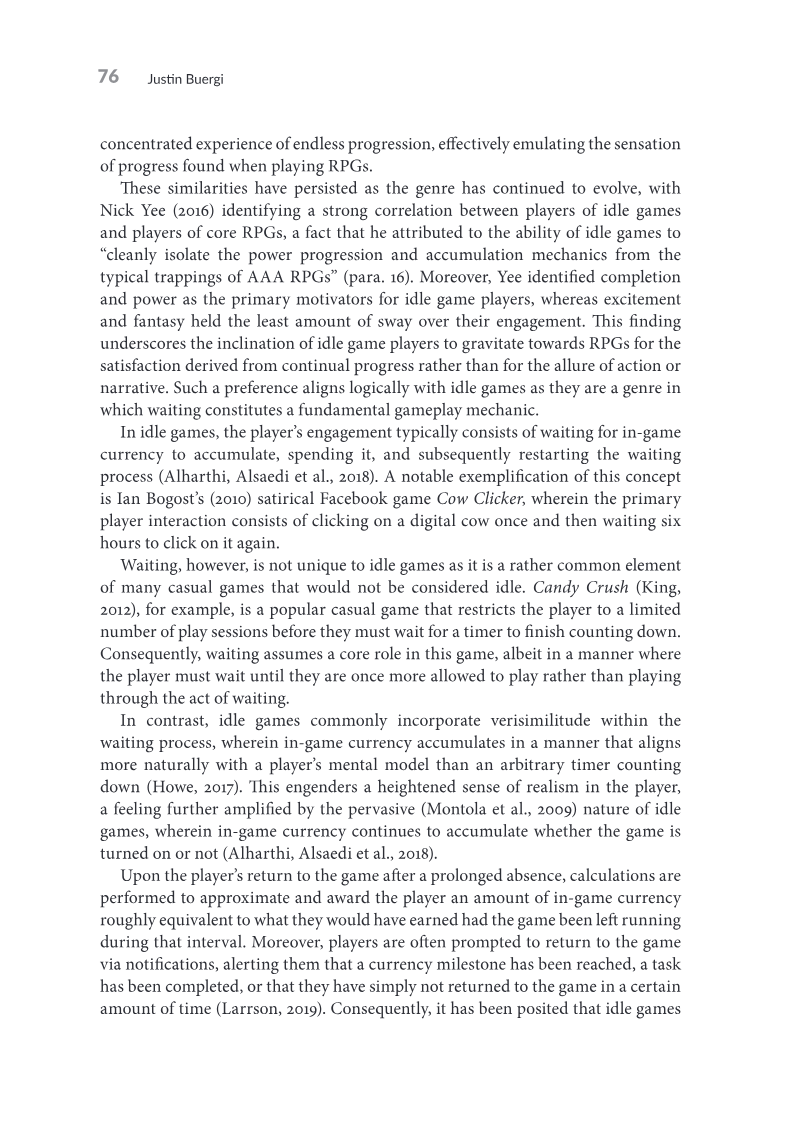
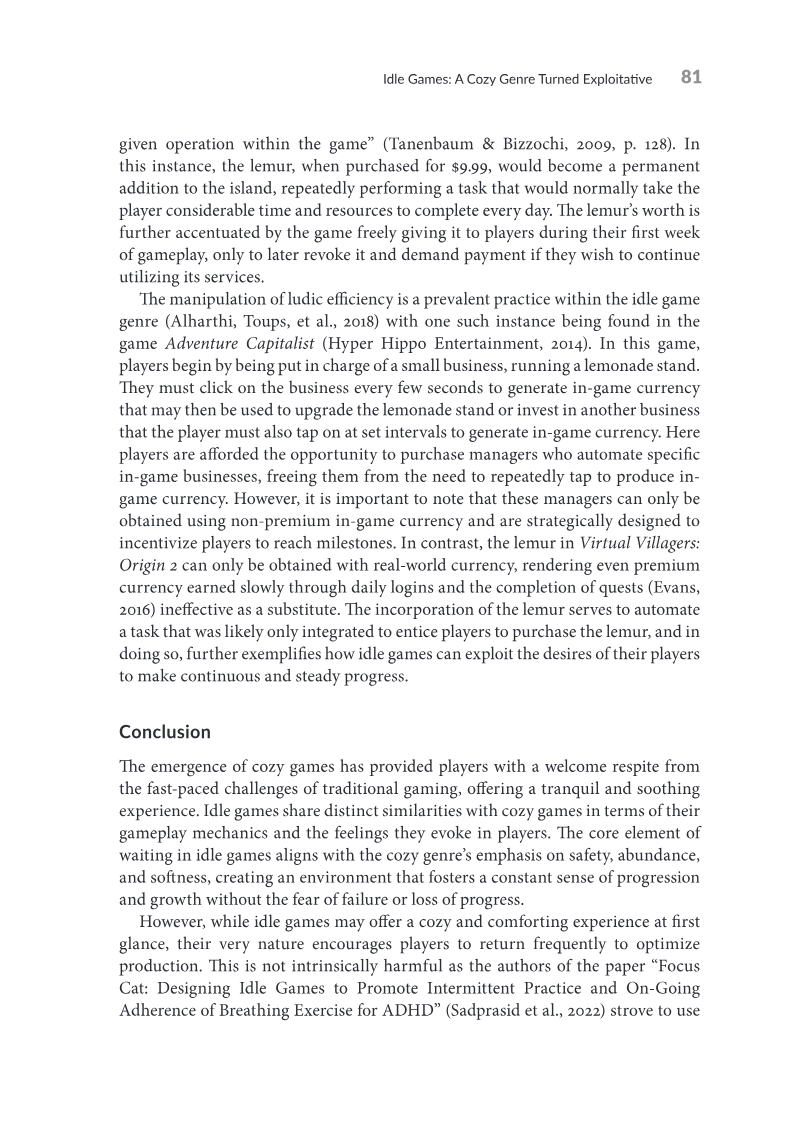
Replay. The Polish Journal of Game Studies · 2024
Replay. The Polish Journal of Game Studies · 2024
Replay. The Polish Journal of Game Studies · 2024
gamevironments · 2026



































