1 free read left. Create a free account for unlimited reading + AI research.
Create free accountArticle Press Start
1 free read left. Create a free account for unlimited reading + AI research.
Create free accountArticlePress Start
Distilling the key insights…
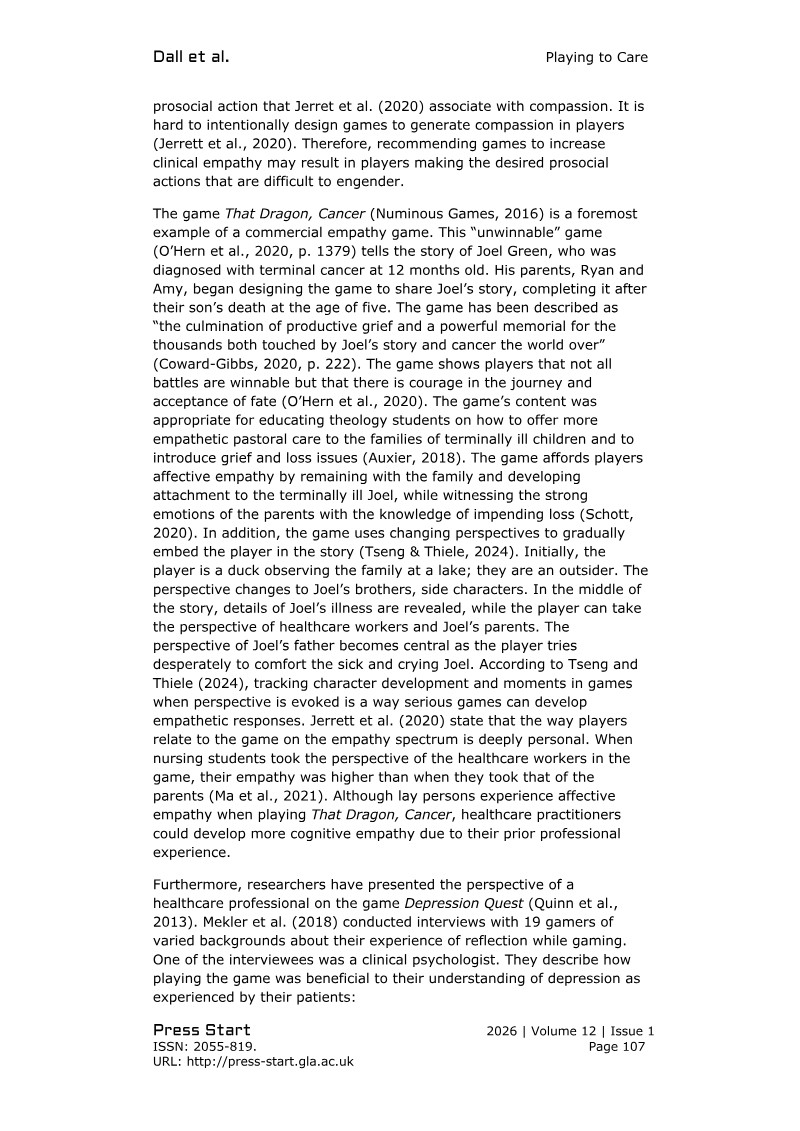
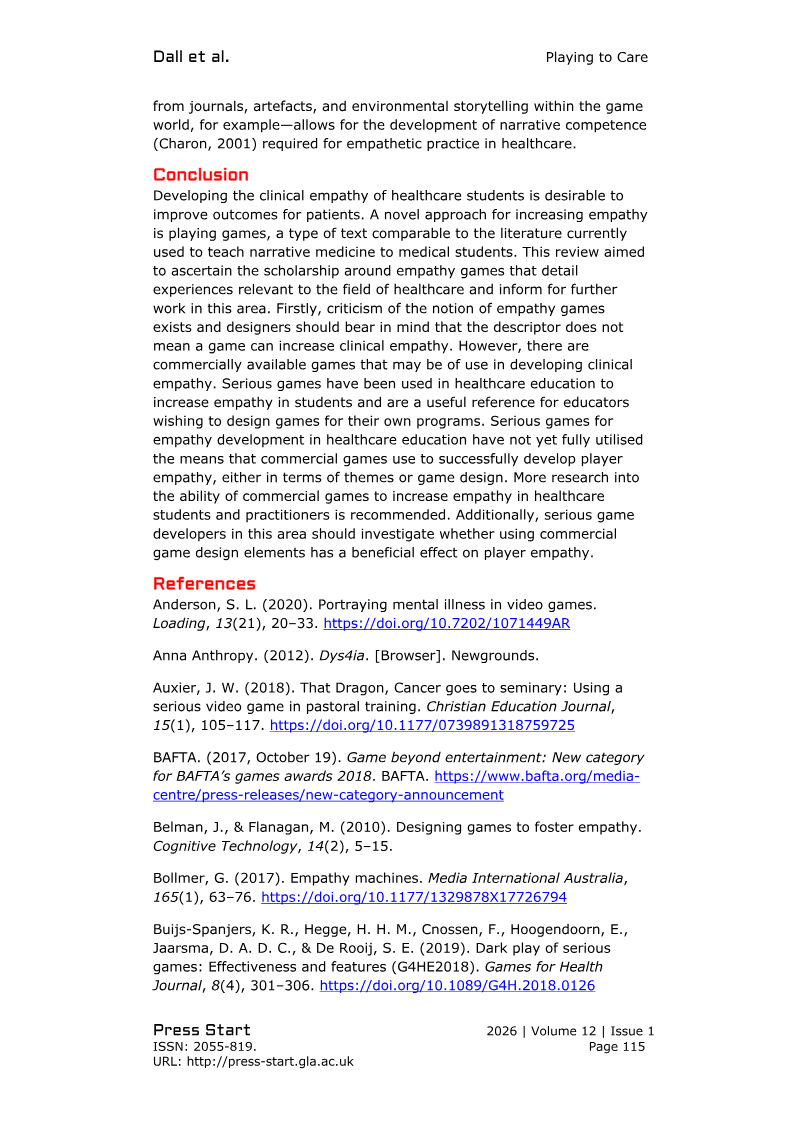
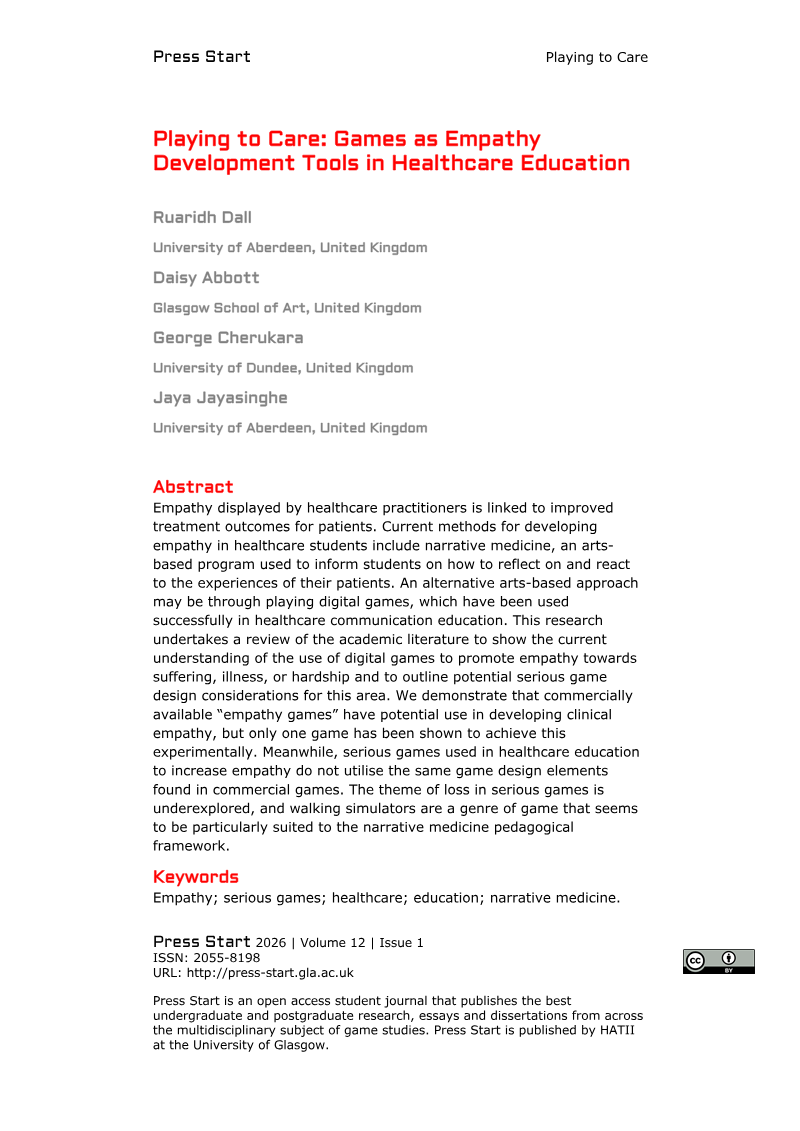
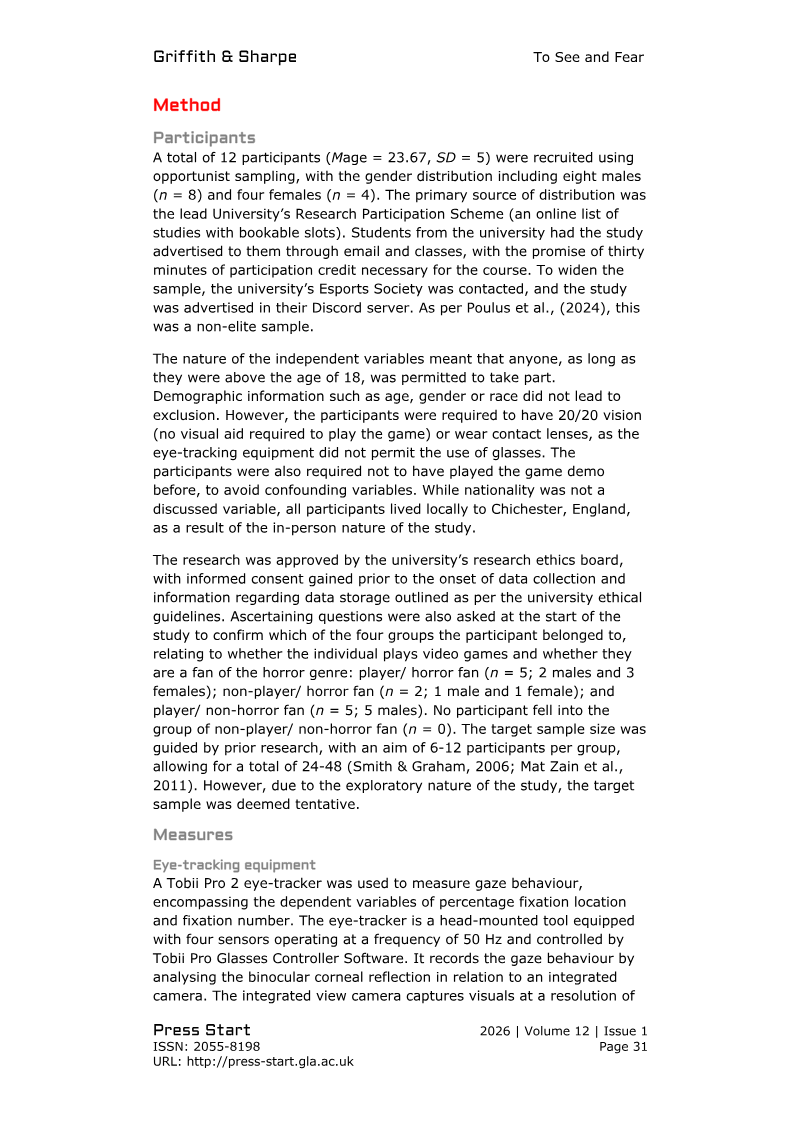
Yume Nikki serves as a profound critique of heteronormative game design by systematically dismantling traditional structures of linear progression, combat, and goal-oriented gameplay. By prioritizing surreal, illegible environments and a lack of clear spatial navigation, the experience forces players into a state of perpetual disorientation. This design choice functions as a form of queer worldmaking, where the absence of productivity and the rejection of conventional narrative closure are reclaimed as valid, non-normative modes of existence within digital spaces.
The core thesis posits that the game facilitates queer play by reframing failure and frustration as essential components of the experience rather than obstacles to be overcome. Through a permalife mechanic that lacks traditional failure states, the game rejects chrononormative timekeeping and the pressure to achieve mainstream definitions of success. Instead, the player is encouraged to engage in aimless wandering, fostering an adversarial relationship with standard expectations of gameplay. This fluidity allows for a subjective, unstructured exploration that prioritizes the internal experience over external objectives.
Ultimately, the game validates queer experiences of sadness and ambiguity, particularly through its refusal to provide a traditional, triumphant ending. By centering on temporal fluidity and the rejection of normative values, the design demonstrates that queer identity in gaming is not limited to character representation but is deeply embedded in the mechanics of play itself. By embracing disorientation as a meaningful state, the game successfully challenges the player to find value in the unconventional, effectively carving out a space for queer existence that exists entirely outside the bounds of traditional industry standards.



Press Start · 2026
Press Start · 2026
Press Start · 2026
Press Start · 2026
Press Start · 2026
Press Start · 2026
Press Start · 2026
Press Start · 2026
Press Start · 2025
Press Start · 2025
Press Start · 2025
Press Start · 2024
Spiel|Formen · 2021