1 free read left. Create a free account for unlimited reading + AI research.
Create free account
How To Be A Great Games Company CEO!
Key insights
6 takeaways- 01Successful gaming CEOs dedicate up to 50% of their time to recruiting and cultivating organizational culture, identifying human capital as the primary driver of long-term success.
- 02Long-term stability and scalability depend on the CEO’s ability to delegate technical tasks and focus on high-level strategic trajectory and financial health.
- 03CEOs must balance operational oversight with visionary leadership by defining clear KPIs and iterating based on data, while strictly avoiding micromanagement of product development.
- 04Leadership effectiveness requires transitioning from an individual contributor with a technical 'superpower'—such as design or monetization expertise—to an architect who builds and manages high-performing executive teams.
- 05Navigating industry volatility requires fostering a culture of rapid iteration and resilient storytelling, shifting the focus from individual ideas to the collective output of cohesive teams.
- 06In a competitive, remote-first landscape, effective leadership relies on humility, the integration of diverse perspectives, and the proactive use of professional mentorship or coaching.
Ask AI about this video
Transcript
what's up everybody a few months ago i spoke to a group of game company ceos and we had a discussion on the role of the ceo at gaming companies and while there were some distinct similarities there were also some pretty big differences in terms of focus allocation of time and even priority of roles and responsibilities today the more finance oriented perspective of the role of the ceo as popularized by warren buffett as a capital allocator has become quite popular but there are also other popular views like the venture capital view in terms of funding hiring finding product market fit and scaling and the operations oriented view more typical at larger companies oriented around people process and technology so how should we think about the role of the ceo and more importantly what makes a great ceo
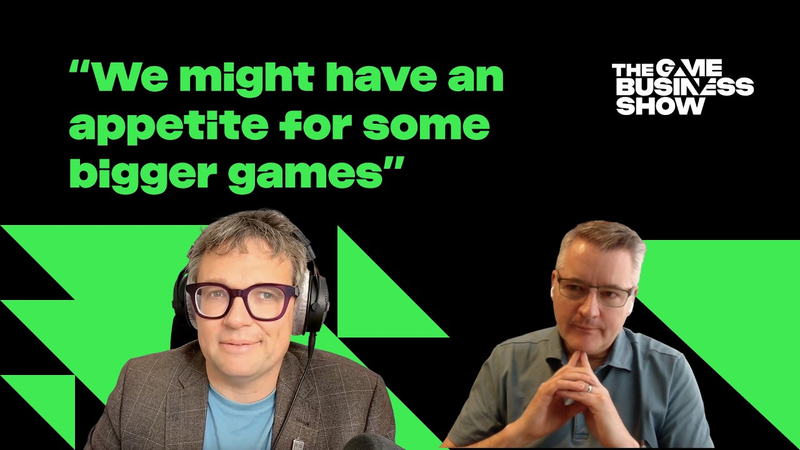
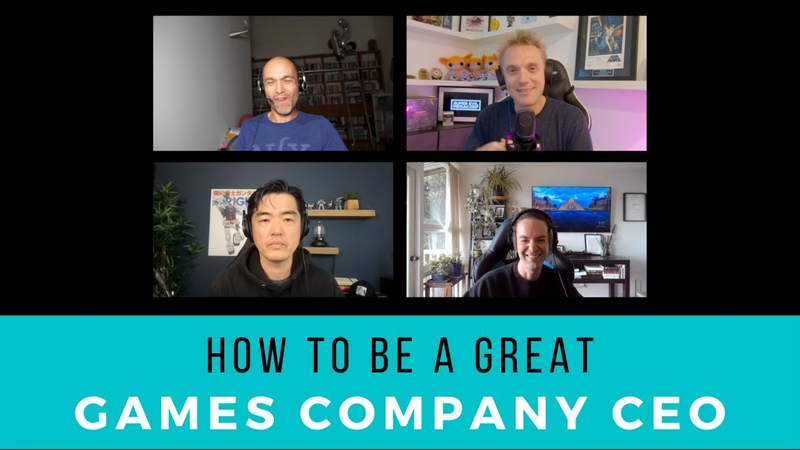
so i wanted to dig into this and because i know a lot of dope people i brought them on to talk about exactly this in our discussion today we have first gigi levy weiss former ceo and investor in some pretty well-known gaming companies like platika and plarium and now general partner at the prestigious venture capital firm nfx second we have brian paganov former vice president of tech media and telecom specializing in video games at deutsche bank and more recently former senior director of corporate development and strategy at glee mobile and finally christian shaker straw former co-founder of glue mobile former ceo and co-founder of playfish acquired by ea co-founder of initial capital seed investor in supercell and currently ceo of the games company with the best name and games super evil mega corp so we have some really relevant but different perspectives today a former
ceo and current venture capitalist corp strat as well as finance and entrepreneur and current ceo prospectus on this issue of what makes a great games company ceo anyway let's get this started starting right now hey guys welcome i thought we could go ahead and start with this first question around the the most basic and fundamental question when it comes to a games company ceo which is really what does the games company ceo do what should be the focus of the ceo and christian since you're first in my window here maybe you could start sure so in general i guess the way that i view the ceo job and having done it for a while i suppose i feel like the single most important determinant of the outcome of game companies tends to be the talent
so finding the absolute best talent in the industry for the job that you're um or the the game or the games that you're building and holding on to your superstars and building a great culture and modeling the culture and making sure everyone's feeling good and everyone's able to do their best work so the mix of talent and culture in my mind from both a recruitment perspective as well as if you like a maintenance internal building perspective is the number one job i think for for a game company ceo at all times i would say that the second job which some investors would argue is the first job is to not run out of cash so you need to constantly play devil's advocate constantly have a plan b plan c plan b however many plans and then at the end there's the blockchain pivot right now that you have to constantly keep in mind depending on you know what it is that you're working on uh but not running out of cash i think is your your your second job and then honestly after that comes everything else in terms of execution discipline and making sure that you're hitting your targets and your investors are happy and all other things but in my mind talent
absolutely at the top both your existing talent as well as that how do i get the absolute best person in the industry to join me uh on this venture right and christian if you were to think about the amount of time that a ceo spends across those three objectives like how would you roughly allocate the the time allocation between those objectives i think it's situational okay um but overall um overall i would make sure that in any given day at least half the day is ultimately spent on some mix of either recruitment your existing talent and listening to their needs and making sure that you have the right people in the right place um and that you're listening to them and that they're working well together that should be probably at least half your day and then probably the the rest then gets divided up between not running out of cash and looking after long-term things external things and all that other stuff right
and maybe brian uh if if you can kind of weigh in and i think it's great that you kind of have a different background from christian and gigi as well in the sense that you you kind of come from with investment banking finance background as well as uh corp dev corp strat background at glue most recently and so from your perspective what do you think yeah so i think uh you know the kind of classic textbook example would be that the main responsibility is driving value to stakeholders um so you know ideally a ceo spends most of their time focusing on what drives the most impact for the company and usually that that kind of like value to stakeholders is deemed as financial but it doesn't always have to be you know the way chris is talking about culture and bringing people along for the ride is really very much like the hard part about the ceo uh role that i think a lot uh struggle with you know but as a company grows and matures that like the universe of stakeholders widens and you have more employees you have a more competitive environment you have a larger set of investors reporting requirements and then you know a bigger environmental and
social footprint which is getting much more um necessary these days to tackle so like yeah the job gets big and increasingly complex and it happens kind of fast in this environment so um the best ceos do a few things exceptionally well i hear that a lot i think i found that to be true in practice and and that kind of forms their style like a product ceo a deal ceo culture ceo or some sort of mix and for the other stuff they do a really good job of delegating and trusting folks that they uh they deem you know appropriate to guide the company along with their general culture and values um you know i guess the other part is that yeah when i worked at db i supported a group of client relationships of hedge funds and asset managers for the head of global markets and that guy eventually became the ceo like a year later so uh we we saw firsthand like they're very good at markets businesses but all of a sudden they're spending time elsewhere with regulators or investors or other business units or politicians um but it's a general rule of thumb like clients have the most impact on investment banking business so
that's where they're going to spend their time and for gaming it's just a lot different i think christian nailed it it's like in my experience with gaming ceos a lot of their time is spent with like their people and the people that are making their products right and gigi as a venture capitalist you you talk to ceos all the time and i'm sure you're evaluating a lot of a lot of teams and ceos specifically so from your perspective what do you think yeah so first of all i think i was a ceo many more years and times than i'm the venture capitalist so i still i don't call myself a venture capitalist the way i see myself as an oppressed entrepreneur that now just fulfills my entrepreneurial desires through other people's labor uh and passion and love and then i join them for the right so i think i'll talk about it more as uh you know as from my perspective as ceo and maybe less as a vc and and and clearly in in a normal situation i would just say that christian got it right and move on but that would be inappropriate to uh to me just saying that christian's right
that's just impossible and so i don't actually think i've ever heard those words come out i know i know can we edit this piece can we just edit that piece and just you know repeat that comment ten times over and then i'll have you know playing so we've done this yeah we've been in various discussions and panels and i don't think i ever said that i was i really wished he wouldn't say people because then you know it would have just said game design or something yes but instead he just did the right thing so i think that christian got it right and but i want to add um like uh my more extended perspective and by the way you asked how much uh so i actually have like um a rule of thumb that uh a startup ceo generally needs to spend around 25 of their time interviewing people um it sounds like crazy but until you have your full team in place and the reality is not just because you need to interview anybody just because at the end of the day you're going to have a much more impact you know in a very competitive labor market you're going to have such a bigger impact on the candidate than anybody
else so you know i would i would interview not just the people that report directly to me or the ones below that but basically today when you're trying to get the best talent you need to you know you need to come to your passion and with your weight as a founder and into almost any discussion uh and so it goes from 25 up to one third of the time when when you're really into it but i i think that i uh i'll take a step backwards and i'll say that i always saw the roles of the ceo as basically a dual role that is really um it's really important because there's two types of things the ceo does one of it is management and the other one is leadership and you basically need to do both of them and i think the management type is where it's fairly simple and the management time in the company the way i see it i basically put it out many years ago into this very simple way for me to look at it which is that you you know you start by defining a strategy then you verify that you have the right team to fulfill that strategy then you set
goals or kpis to make sure that you're measuring everything then you basically let them run with the strategy you know the vector and the people and and you just look from the side and help them and you know assist wherever they need then monitor it and then you go back again to another cycle of verifying that the strategy is right verifying that the team is right uh making sure that the kpis are right and then again letting them work and so on and so on and what i found is that and you know and it used to be like you did this every year when you know when i looked at corporates many many years ago and then it became shorter and shorter and startups basically kind of do it every month like every month you can ask yourself are we in the right direction and do we have the right team and and you know you have the right kpis and then you work for a month but in games companies it's probably like every every version right every version you put out you ask yourself you know are the numbers going in the right direction do i have the right team if they're not and you know what's the problem and then
am i am i measuring the right things then you just go on so that's the managerial thing we can get into it but then there's the whole layer around it which i think is the is the bigger thing which is i call i i define i break it down to people vision and culture and you know and we can talk about each one of these in depth but as a leader you know the ceo's main role is to deal with you know with the people and and you know we can talk about it for hours you make sure you need to make sure that you've got the right division in place um you know and the vision is basically the story of the company and where you want to take it and and that is critical just not just for investors it's critical for employees and for people you want to recruit and that's it and so on and then of course the culture the dna of the company which i think uh in at least a games company is super super unique and i think we you know we we should talk about that a bit later but it's uh it's this unique dna that the game ceo the game company ceo needs to put in place and so for me it's like it's a combination of being a great manager which is almost like being a great project manager of the process
that i mentioned before and then wrapping it with these uh with these with the people culture and vision which i think all three are super super different in game companies than they are in in other startups and so it's this combination that i'm looking for in this combination that i'm trying to help game companies basically achieve got it now one thing that wasn't mentioned i'd agree with that sorry yeah so i can interject super quick one thing that i see that a lot of um especially newer ceos sometimes kind of forget you get in your eagerness to to do everything because there's so many things to be done like there's a game to be made and there's all of these other things that need to get done a lot of the time it's a really useful question to ask this specific task that i'm thinking of doing today am i the only person who can do it or could somebody else do it like the really very quickly in
particular for product oriented ceos typically spend honestly far too much time on product versus taking a step back and spending time on people and actually recruitment and all of the other things that go going to the job so i think a useful question is like i really like gigi's broader framework the user useful question is in that what is it that will also be other people's jobs and i can hold somebody else accountable for and be supportive versus actually jumping in and doing because otherwise your days become easily 15 hour days you keep super busy but you actually don't accomplish nearly as much as if you find more time to take a step back and look at the look at the whole i i think that's that's perfectly right i'd also say that again the way to think about that is to think about how you create scalability in your in your company and basically when you do things even if you're better than the other person that can do that and then you're working on something that is not scalable and sometimes you should right your game is failing the you know the core group is not the core loop is not working you're the person that has the the best
knowledge to do that yeah you drop everything and you help but generally speaking your impact if you bring the next product person or if you bring the next modernization or the next designer your impact of doing that is going to be 10x and doing that job yourself and that's how you need to con constantly think about it how do you put in place people that you can then just instruct and just monitor rather than actually do their job which is going to take all your time and many times game ceos indeed forget that so uh christian in terms of like product oriented ceos that you mentioned uh if we think about arguably one of the greatest ceos of our time or potentially of all time is elon musk and he at least claims that he spends most of his time on the product side and so if you were to think about a great ceo and allocating time between being more product oriented or spending time on some of the the key issues or
focus that you mentioned is that more situational or how would you think about when is it okay or good for a ceo to be spending more time on product for example well so because my point of view is i think ceos come in different flavors i think i'm a huge believer in playing to your strengths so if you're a product oriented person if that is who you are fundamentally in particular early stage in the company like that's where i would be spending most of my time early on while then spending all the rest of my time in terms of figuring out how do i scale this and how do i hire for my own weaknesses the things that i don't want to be spending time on in general and i need to obviously hire even stronger people in that area i need to hire strong people everywhere but in particular in areas that i don't want to spend that much time on myself i need to hire basically co-founder level folks who will be spending more time in in those areas so i think being product oriented in particular early on in a startup is actually a superpower i would say but i do think that it's incredible it
requires a lot of self-awareness that that will ultimately not scale i like that the weight gig you put it it just doesn't scale for you to be doing the the job post like product market fit if you until product market fit or everything is like legal if you like you can however you need to get the product market fit one way or the other but as you ultimately start doing your job in terms of trying to build the most valuable company over time that scalability point is really really important you need to make sure that you ultimately hire the folks who can do the job without you so that you can be there to support but ultimately look after the broader growth of the team the recruitment and everything everything else so um yeah i think play to your strengths make sure that you hire really well in the other areas and then ultimately make sure that the thing scales even in the area that you love right and to your point christian it's not like a ceo is the only person at the company so like it for some of those other critical roles if you can if you have a
co-founder if you have other people as part of the broader executive team that can fulfill some of those roles and maybe maybe you're okay and then then it would be more situational and you play to your strengths yeah i i think if i can jump in i think that at the end of the day i don't think the ceo needs to be necessarily the best in anything uh however i have found that a bunch of things the first thing i've found is that all game company ceos much must be good in data it's almost impossible today to really lead your team if you're not really great in looking and analyzing data uh you don't need to write the queries but you need to basically be able to look and understand what's happening that is almost impossible to be without the second thing is that i think that there are being a ceo without having at least one superpower so one area where you're considered to be you know at least one of the best people in the company or the best uh is super tough and i think that it can't be um depending on the games in the on the game company type we'll talk about in a
second it can't be anything so i don't think that you can be the best person in tech and be great and so the tech super power is not necessarily one that's going to get you to be the leader the great leader of a games company what i've seen is that it's either it can be either game design superpower right so somebody that's really good in game design it could be in some cases somebody who's really really good in monetization for the type of games that are based on monetization so that's basically the extreme of data and crm and and campaign and so on uh i have seen at least one game company where uh the leader was really really good in marketing but that that proved to be not a very strong superpower over time right it doesn't didn't really buy that person there is the the long-term leadership in the company that we would have expected and so i think that if i sum this up i think that you do need a superpower probably and that superpower is best when i when i look at game company ceos and i see literally i don't know tens a month at least then i the ones that are not
with product superpower or data monetization super power are tougher for me to believe in okay and and then of course when i look at the team i see what they're superpowering expect to see this the complimentary superpowers with the rest of the team um but that's that you know that that's one of the two you i usually try to see got it and if we were to think then about maybe even some specific examples like people in the industry whether it's at public companies or otherwise people we should be following or looking to as a good example of a great ceo who are who do you guys think could be an example or someone we should be looking to and maybe starting with you brian yeah sure um you know i think most of my experience in the in the video industry has been like following the public companies uh i think one example that i that i like a lot would be uh kind of a ceo but not really but uh you know phil spencer from uh
from microsoft um you know he's been on stage for for the xbox brand since like 2010 so it's one of those rare instances where the ceo has some credibility with the consumers directly which you don't see very often in 2014 uh satya took over for palmer and at many points allowing the microsoft uh long-term plan they could have you know said goodbye to xbox but satya actually doubled down uh puts put spencer in charge to lead xbox and microsoft studios and you know in the 2018 time frame the fortnight success started to trickle over into the the public space and highlighted how strong the business was from a console perspective um and they started giving more detailed colored about the business to investors uh which went well um and you know it's like it's just good to see over that time frame that that company really continue to embrace gaming uh alongside the rest of the industry uh he's also been very vocal on things like uh cross play and open platforms and things like that very healthy for the industry um and you know
today it's uh you know 20 years later and uh you know a strong growing subscription business and they're selling more xboxes they can make that's a great example another one i know you're a fan of tim sweeney jk but uh uh the main thing that i like about him is is his openness to be uh uncomfortable in new platforms um and uh you know kind of pushing against the grain of the industry that's been going a certain direction for a long time i think that speaks volumes and both of those guys i think would be someone that uh folks would be excited to work for and i think that's kind of that beginnings of a of a great work culture cool yeah um so you know when i think about it i mostly think about the people that i work with closely and so you know if i think about different ceos i'd see different patterns and and on how they work and also clearly very interesting given the fact that many of them came in different co-founders uh uh combination so you know if i look at platika for example robert is the data monetization driven ceo who is very much into the data of
the company as much as any any analyst in the company up till today when the companies you know were 10 billion dollar company and that was always a superpower being on top of the numbers and knowing exactly what's happening in every game at any point um he did not have necessarily the uh the game design superpower but he had a co-founder called uri who was one of the best game designers i've ever met with and basically together they created that great combination of somebody leading product and somebody leading data monetization that got the company to be what it is when i look at a company like plarium which was a more core gaming company and where the maybe the game design was a more complex thing then most of the founders and the ceo were more game people again design people than data people and then they basically added capabilities to their team there were four founders they added capabilities to the to their team to make sure that they supplement everything else but their core passion was game design and they were gamers and they liked the core gaming and they continued doing it and they basically would continue sitting in in game design
meetings you know years into the company being kind of worth hundreds of millions of dollars and then the the in the maybe the most interesting one is is one active where mooli the the founder ceo is the solo ceo solo founder so solos here of course but solar founder and and muli interesting and enough has this unique capability of being both a product guy and a monetization guy and i think that in this particular case without being both of these as a solo founder it would have been impossible um and so i think that and again and i would also want to take a step back and say that i very much see that the right character of the ceo depends a lot on what kind of game company you're setting up and i think that you know you can't put somebody who's monetization driven to build the supercell right ilka is clearly a game design driven person and i don't think that the same company the same dna would even be there if the if the ceo the founder ceo were were monetization driven vice versa i think that putting elka to around
platika would probably not get the company far in terms of optimizing revenues and optimizing you know retention and core loops and so on so it's really interesting to see how there really is in the greatest companies there's a great match between the the dna and the character and the superpower of the ceo to the actual dna of the company needs to succeed right and christian yeah i know those are some really really great points i would i think those are really true for early stage early stage companies in particular i'd call out there a couple of maybe later stage companies where i think to some degree it's it still holds that it needs like the company and the ceo to sort of be compatible that way but also like there are in particular i call out two ceos who i think have done a great job at identifying like the nature of the beast if you like of the company and then really focusing on execution around that like one is like calling out say frank jiboat zynga because i mean he inherited a company that was that was attempting
to build a lot of games and he looked at it and goes okay we're going to implement a very m a driven strategy moving forward and this thing you know has done incredibly well in that regard you know over the past past several years in terms of building ultimately a very diverse um oh sorry um with company with multiple very successful studios and doing these which is which is pretty cool in terms of the impact he's had on that company um or say take nicola lauren of um of riot doing a similar thing where they were basically a one game company uh until he took over and of course with other things in development but nothing quite shipping and then just doing that very disciplined management and execution job from their own words and then becoming a a multi-title developer from there from there onwards so i think a lot of it ultimately i really agree with gigi on the on the matching making sure that the company that you want to build as a ceo like matches your own strengths and that you are deeply deeply into making sure
that the strengths that this company needs that you're building like three years from now five years from now in its mature state match either like ideally they match really the strengths that you have and the kind of future that you want to will into into being but also that your your uh your core team is there because i think especially the early years of any game companies a lot of hand-to-hand combat it's just a relentless seeking of product market fit one way or the other and then scaling that up and it is just infinitely easier to do that when there is a strong fit between what you yourself want to see and want to play or want to work with or you know want to want to see happen um and the product you're at you that you're actually actually making because game making is hard building companies are hard you know if it actually matches your passion and your strength it's a little bit easier right and i know we've talked about specific focus of the ceo we've talked about certain people but if you were to try and generalize maybe
specific qualities that would make a ceo a great ceo do you guys think about any specific qualities that a great ceo should have or is it more situational and again maybe we can start with you brian in terms of your thoughts yeah i think the qualities that i found to be uh the most settling would be like confidence and innovation in the company's strategy and again i think this is mostly in the public public stock lens but you get a different sense whenever you're talking to a ceo of a where well-run company in a certain setting like they they understand the environment they're operating in they understand the pressures they're seeing from competition they understand how to keep their people engaged and selling or making the product and they also know how to handle investors because that's like the part of the part of like the company's scaling that's really critical is after well you get the scaling right and then it's either like the exit you're going to sell to another company you're going to go public they're going public discussion and decision is a very hard and complex one and they have figured
out over time how to separate like the long-term stock narrative vision and like investor expectations away from kind of the minutia of running the business on a three to six month time frame um and being very confident in doing that and taking the lumps when they need to and i think i think you know you see good examples of that in the market that's probably my top one right and what do you think christian i think my top one is like i guess it's a mix of two things i think early on it's sort of a certain form of killer instinct if you like just the go get instinct being able to call a spade a spade being able to kill a game if you need to kill a game being able to close your key hires just go and figure it out like if you need to jump on a plane to go close to higher so be it if you need to troll through 5000 linkedin profiles to find the right person so be it like that sort of mix of just being able to go and get is incredibly important and the resilience that i think comes with that early on i think like in that very quickly after that the minute you
actually have some people and you have a product i think your clarity if you like of communication and your ability to attract great talent your ability to maintain a vision build the good home for that talent and build a place where people feel like they really want to work hard they really want to give their everything for success over time i think is that sort of the for the scaling phase of the company in particular becomes really really important and then i think the more mature you become the more important it becomes to also then be able to be super smart about your financial strategy and be kind of very thoughtful about what are the long-term kind of capabilities and needs for the for the company but that especially early on just the sort of ruthlessness of just being able to get it done one way or the other get it done yeah i really like your notion of what you're calling killer instinct um i i call it based upon the jim harbaugh philosophy i call it cruelty but uh yeah
i think that's great and gigi what do you think yeah so you know i'll agree with everything that was said i think that at the end of the day as i'm speaking about early stage at the end of the day what you really want to be able to create is an amazing team that has an iterative culture that never ceases to iterate until it gets to where it should get and you know just to get this into perspective i think that in a you know in a normal software company you'd probably have called it 25 real experiments that you're doing in a month in a game company you'd have probably you know four to ten times that in a month right and you know including versions and changes and and tests and whatever and so what that requires is is basically creating a culture of iterations and failure fix failure fix failure fix measure improve measure improve measure improve that does not exist at that extreme in
any non-games company at least not at that pace and that and i think that that specific uh capability of a games company that i think is required even if you're a real proper aaa data driven sorry creative driven company you still need to constantly see what's happening whether the customer is doing whether they love it or not and i think that that sits upon basically you know three building blocks one of it is is creating a culture in the company that is really really really all about data and measuring things all the time the second thing is about your ability to constantly tell a compelling story that is convincing even if yesterday's version failed even if the current numbers are not great you know you basically you shift and you tell the next story and you shift and you tell the next story and and every time you need to be really convinced and you need to drive people because for what i found is that you need to basically energize people like two three acts more than you need in a normal company because there's all these many many changes and all
these many many failures and this is not working this vision is not converting better and so on and so on and all of that basically you know you can aggregate it all into building the right culture for a games company which i think is very different than the right culture for most other companies or even more specifically the right culture for your type of game company which which could differ from different game companies and and this is where i've seen great ceo succeed it's never been around a single capability or a single thing it's been around that creating that dna that culture that ability to iterate and never stop until you're getting to where you need to get to got it okay for a next question i kind of have a personal theory that i wanted to kind of test on you guys and see what you guys think but just speaking to different people in in the games industry it seems like if i were to characterize kind of different lenses by which people view the ceo role it seems like there's kind of different
perspectives and so you know one i would call maybe like the typical vc perspective and kind of similar to what we're talking about you know a good good ceo should like raise money hire good people help find product market fit help scale a company then there's more the finance view which is more around and kind of getting increasingly popular here in silicon valley which is the view of the ceo as a capital allocator and kind of the warren buffett sort of you know sort of style and then there's more of the maybe the large company or the typical consulting view like i don't know if you guys have seen like the mckinsey presentations with like people process technology the three bubbles and then like how you optimize against that but wondering if if you guys would agree as far as these different perspectives and then you know what do you guys think as far as how like these different points of view on the role of a ceo if you guys have any thoughts and and maybe starting with you brian as far as and maybe you could
speak to like the finance view in particular yeah yeah i think it's really hard to lump ceos into three categories but i think it's a pretty fair representation uh the ones that we ran into mostly in the public markets and still do is like number three um a lot of mega cab video game companies are kind of operating that model i think it's pretty easy to name a few um the the finance view is like it's tough in this environment to stand out against other investors don't want to keep going joe yeah okay a lot of uh there's a lot of democratization and decent research and equities and and when a company is frequently engaged in m a like the culture becomes harder to define so i think that's what where that kind of runs into some snags but you know the the magic part is whenever you have a typical vc view for an early stage company you know they do all those things correctly and then hand off to that kind of number three for public markets uh but i think increasingly what we're seeing in public markets is more of those number ones there the typical vc view uh enter into public markets before
they really have hit scale um you're probably seeing a bit of that even like over the past few weeks with companies that are like like rivian and things of that that are that are launching this week um you're seeing a lot of uh really good stories launching in the market that don't necessarily have a scale yet right and gigi has i know you consider yourself more of a operator than a venture capitalist but what do you think so i think that there is a big question of whether the so let's start backwards i think the beginning of the company clearly it's your first type right the the person that recruits the talent you know is hands deep in the making uh trying to move the company fast you know raise money all of that that's clearly at the beginning there's no there's nothing else i think that what happens is that some companies end up staying with the same uh lever for success uh even when they're huge so you know you look at a supercell or you look at a you know where you look at i don't know even the moon active right now then the main lever is still
building games and making them successful and so the ceo didn't need to change clearly he needed to learn how to operate at a different scale needed to learn how to create a you know a much more thorough management could manage more studios you know at the beginning you could say that the the ceo at the beginning is like head of hr and the head of uh and head of product design and then as the company grows the ceo is like head of studio uh and like the gm of the studio and then as the company grows they become the head of studios because there's a few and then as the company grows more becomes the ceo and gets ahead of studios to run the studio so clearly that changes but as long as the lever for success for the company didn't change the characteristic of the ceo don't need to change dramatically however for example if you become a public company and your strategy moves from creating new games to mostly buying new games then suddenly the capabilities that got the company the co capabilities that got the company to where it is are not necessarily the same ones that that are needed for for the future
and so at that point you know either you need a different ceo you know potentially that what you could say about zynga right the company became an m a machine you needed a different ceo um you know it's no longer about necessarily building games it's about you know creating this m a machine um and um and so you know the question about the change in the in the ceo's role and the change in zero types depends a lot of whether there's a real change in the levers of success for the company that's the way i look at it okay christian christian actually i'm very little to add to that i really agree with it i think the ceo needs to play to their strengths what they're really good at and try to build the company that way if at some point in time it turns out that the success factors of the market are different and requires a different kind of company to be built then there's a really good question as to whether that ceo should still be the ceo at that moment in time whether it's just better to swap at that moment in time right or or or at the token you know one whatever whatever works gigi's last last point was what uh
makes a lot of sense i mean there's a lot of uh companies out there that would be issue they'd be uh considered new paper or like um single business units that are public that uh are kind of shifting from that number one to the number two like typical vc view more like a finance view how do i be an allocator in this space like what space am i in to begin with and then what do i buy and you know i think that's a different skill set than than the folks that are working on product yeah and to your point gigi i i guess that makes sense in terms of those different perspectives of a ceo that it could align well with the stage of the company and speaking a little bit more on that in terms of like in your experience maybe gigi's specifically seeing a lot of early stage companies start to scale and ceos then try to you know manage different responsibilities or to shift their focus or orientation towards a bigger company uh what have you seen or in you know for anyone else to jump in like what what do you think are the main challenges and
how difficult is it for these ceos to be able to then transition into you know a different kind of a role but also i think it's interesting to note that some of the best companies though have been led by the initial ceos completely and i think that you know the the companies have become huge um and super and highly successful usually have pretty phenomenal people as their ceos and these people are very learning people and they they you know when you you know you talk to zuck in facebook or you talk to some of the other great leaders you know you you can feel how they are constantly you know gaining more information they're kind of extracting knowledge and information and improving and improving and improving and improving and getting better and better and then constantly changing so i think it's clearly the the best companies are led by leaders that that have created the dna of the company and and continue basically evolving over time having said that it is very tough it's tough because uh you know every time that what you need their new super superpowers that you did not have before
every time like i always you know i always warn ceos and every company that when you move to that um kind of you know 40 people company to the 100 people company or first when you move to that you know six seven people to the 30 40 and which is where you stop knowing uh when everybody's going to the toilets and you start just knowing who they are and what's happening in their lives a little bit and then when it moves to the 30 40 to 100 we're struggling to remember everybody's name but you can still but you don't remember the spouses and you don't know their personal stories as well and then it moves from the 100 to 250 and then suddenly you go up the the elevator and somebody asks you so what do you do in the company and you know they just joined two days ago and so your your basic your your power in the company your ability to control everything is changing and all these shifts are are huge tension points for for ceos and so my my strong recommendation is first of all to keep close to you people that have been through that and and in that regard i don't think that i'm talking about like you know professional investors or
something i'm talking about people that actually went through the scaling challenges of a company because this is not something that the general you know generally an investor that said on the sidelines would be able to tell you it needs to be somebody that actually went through the problems felt the pains and managed to overcome them or not or failed in overcoming them the second thing is that i would really recommend that you get yourself if you don't have that in your investor base or in your direct advisor's base somebody that you can really rely on then get somebody external who's an expert in coaching ceos in that scaling process you know many ceos feel that taking coaching is like you know showing weakness exactly the other way around you know when you need when there's when there's a transition that you need to make that you're not capable of doing on your own it's stupid to not take and if you're not sure whether you're capable or not then take get somebody to make sure that you will be able to cable you will be capable of doing it so i really recommend there's a bunch of people that i recommend to my companies at these stages that basically help the ceo scale themselves which it's
not it's not organizational consultant they don't tell you oh you've got to put a co they are helping the ceos scale their own capabilities and so between getting surrounding you with people that have been there and many times by the way you know we would do a round then the round would be fully oversubscribed but we would keep a bit of room for people that actually scaled companies so startup ceos that actually skilled companies because what we found over the years is that many times it's that one conversation with such a person that went through the same thing that you're going through that's going to basically be worth you know a month of pain or something so you know surround yourself with people that have been through that you know don't be afraid or shy to take on coaches or advisors or whatever it takes to get you through that and remember that feeling lost and remember that feeling that you're not sure and remember that feeling that your source of of power your source of
authority in the company's changing is very very natural i've had in one of the companies just you know i'll say one more thing in one of the companies i had a ceo that that came to me and said i feel that everything is now suddenly slipping through the cracks and that i'm like i'm not in control anymore and we said and went with it and then suddenly i realized i told him look you know you just moved from a size size of a company where you knew what everybody's doing and you're moving now to the size of a company where you can't know what everybody's doing you know generally and you can deep dive every now and then but you can't know everything and if you're not going to change your perspective of what does it mean to be a good ceo from the previous perspective which was i know everything that's happening to the perspective of you know i know what teams are doing and i jump in and i it's my role to know if there's a problem and then i can jump in but i would never know what everybody's doing if you don't change that you're just gonna feel miserable and fail all the time and so this is really a mental shift that people need to go to and i'm you know one of the things i'm trying to do is is help my ceos as much as i can through that transition
okay any other thoughts guys that was really well said i think just uh in terms of ceos and great leaders the one thing that i've definitely noticed is that they're open to uh diverse and broad opinions especially whenever the gaming industry is getting more diverse and broad at the same time i think that fits in with what tv was saying yeah i think overall approaching the job with a whole bunch of humility like advice is free most of the time most people in the gaming district are happy to provide their perspectives and you know the job is really hard and can be lonely sometimes and making sure that you sort of you feel comfortable reaching out to loads of folks and asking for advice and help and even even internally making sure that you have like a some sense of a counsel or like folks internally that you have so you can take complicated decisions together and then finding those entirely unrelated external parties so you can run things past really really useful really important really valuable right and maybe just a quick follow-up
question on this topic in terms of like as a company is scaling and whether it's in terms of the role of the ceo whether it's whether the ceo needs to learn or expand capabilities versus adding specific types of support as part of an executive team like christian you mentioned that maybe having a counsel or getting advice from people but like is there a specific way you would recommend it to get more visibility in terms of your weak points as far as like whether how a ceo would need to know what they would need to to develop in as far as capability or who they would need to hire like how should a ceo think about that i think it's tricky i mean i think those things are genuinely hard i do think there are very well kind of constructed methodologies around doing 360s that both give you the internal view but also having really frank conversive
finding a way to have really honest conversations with also your investors and folks who are seeing seeing other things out there i think it's really is really really useful most of the time if your mindset is i want to improve at this job all the time i want to get better at this job all the time you will find ways to improve you will find areas to kind of you keep you will find areas where you can you will try out different things you will experiment you will talk to lots of people you will you will ultimately have kind of insights and epiphanies over time so so long as that's the mindset i think you will end up in a good place um i'm yeah yeah okay i i would say that i think and what i'm going to say now is something that i think i filled with miserably when i was a ceo in the early days and i got better at it over time um and that is the fact that in most cases i feel that the ceos the founders ceos know when things are not going well and
they know when they're not on top of things the problem is that they're afraid to show vulnerability and as they're afraid to show vulnerability what they're basically doing is either avoiding discussing it or just pretending it's not there that creates eventually weakness that creates you know fear of performance that creates inability to get help which is why i think over the years i um what i what i started understanding is that me playing the you know the we're killing it game everything's great we're killing it it's like you know nothing is no problem everything's just on track and and basically not letting myself feel vulnerable and then not letting others see that i'm vulnerable made me a worse ceo now i'm not saying or walking around and constantly saying i have no idea where we're going it's really a horrible time you know it's you know don't work on this i don't even know if it's worth it you know clearly that's not what i'm saying but with the
people that could basically um help you and with the people that could take part of the burden from you or or help you carry it and even with the people that report to you that they know more than you think that when things are not perfect they know more than you think that the numbers are not great they know they know you know if you hire the right people they definitely know that things are not going as well as you wanted them to by saying hey you know everything's okay i'm not sharing you're basically weakening yourself you're weakening the company you're weakening your and you're taking away your ability to get help and so for me one of the biggest insights that i got over the years and i'm trying to help ceos with that right now founders that i invest in and i also think that i got better at it over the years also for myself we also took a huge you know huge load of my shoulders is that it is okay to be vulnerable it is okay to say i don't know it is okay to say things are not going as well as i wanted them well do you say that out
loud when you need when you're out raising money maybe you don't know clearly you're playing the game you need you need to basically balance it but in most times pretending as everything's perfect not asking for help and not willing to be vulnerable is not something that makes you stronger is something that makes you really weaker right yeah plus like a thousand on that particular point really really agree with it all right guys so i thought i could end with one final question and this question is really around you know a lot over the last couple years we've seen a lot of changes in our society and the world and so given these notions of whether it's globalization communication capabilities remote work view of the workplace is potentially supportive of or not supportive of societal values there's a lot of stuff happening in the world today and so when you think about a number of the trends whether it's uh you know tech technology or societal
is there anything in particular when you think about the role of the ceo do you see that changing or like the focus or the responsibility of a ceo given the stuff that's happening would you predict any specific kind of change and maybe starting with you brian that's it's very complex i love the question uh this is like um you know it was very interesting being at a company uh like in a mobile industry especially during the pandemic because you know a lot of things changed i mean the the interest of our customers changed they needed access to new things that we needed to provide to them at the same time uh you know we had 700 plus employees that were very much used to going to work every day and uh liking and enjoying spending time together and then all of a sudden you know everyone's home um and so like it became more important over those those 18 months or whatever for companies really to align with uh what made the company special what they're showing up to work for and like
what the greater good of the company is maybe it is just great great products but at the same time it's like um you're missing out on that social component and that like human component so like what else is there and i think that's led to a lot of uh people thinking about you know trying new things or or being entrepreneurs or uh starting a new business and things like that um and really it's like that that's a huge response for the ceo at the this point in time is to make sure that uh um they're they're building a company and and nurturing company that that's receptive to the changing needs of everybody that's there that all have very very very different backgrounds particularly different backgrounds from what a ceo would be um so i think you know largely a lot of the companies are up to the challenge they're investing money uh in certain areas where they need to they're making key hires in things like um uh you know human resources uh people operations um benefits uh and also yeah thinking more comprehensively about where they're asking their people to show up in a given day because their time is valuable and people are you know
not used to commuting anymore um i think this is gonna be a big big changing point for industry a lot more remote work uh a lot more openness to um uh uh employing folks from from other other countries that may have a big time gap that you were uncomfortable with before but you know i think all this stuff is happening very much in real time i'm sure the other guys have something similar what do you think geeky yes i think that generally um you know without scaring any anybody every everything is tougher these days i think that you know recruiting people is tougher the fight for tech talent it's the worst it's ever been by far like it's never been that bad i think that retention is the toughest you know i don't want to complain about gen z's or complain about you know people that now feel that because of the market uh staying in one company for two years is like way too long but you know retaining people is tougher and basically creating differentiation for your company is suffering so i think that all together interestingly enough
what happened is that kovit and the current situation and the current market trends are just they just mean that the thing that we spoke about before about your ability to find the best talent your ability to retain the best talent your ability to portray a vision and create the right dna in the company have just become so much more important and in a way i think that what i'm seeing is that if in the past and you know i'll be very careful how i say that but if in the past the balance between a good idea good team was always you know more weighted towards a good team but sometimes you could see an okay team with a great idea succeed i think that in today's market that's impossible anymore i think that in today's market because it's so much more difficult around people it's so much more difficult around retention so much more difficult around dna so much more difficult to do the basic things that used to be easier with everybody one office less offers for everybody i think that the outcome is that for me i am so much more focused on best teams
versus best ideas a lot more than before which means that i think that everything we said before just needs to be you know turbocharged right now i'll just say one more thing what i have found in the last uh i think with the change in the venture capital landscape and then you know the power hours is emerging and the tiger and inside and recent sequoia and all the money that's being thrown at companies i think that i have found also that being able to fundraise as be to fundraise well has become a strategic capability that's almost inseparable from the ceo's ability to succeed today so you know you see two companies and one of them has a ceo as a great sales person and you know that company goes out and raises 100 million where the other while the other one with this you know with similar data you can only raise 10 million and that's it because the 100 million just sucks the air out of the room so nobody wants to go for that other company that's that's doing the same thing but only has one tenth of the money and the employees start thinking that maybe they chose the wrong company and the customers are
seeing that 100 million dollar balancing that's probably the market leader and so you know i i don't like that you know as an inves as a founder i don't necessarily like that but i think that fundraising has become a much more strategic capability than before interesting okay christian yeah i agree with all of that i think one way to i think characterized it i think a lot of a lot of studios and game companies have become really open and in some ways enamored with the idea of being fully remote and completely distributed and it's great because you have access to talent all over the world you can scale much more seamlessly there's many things you can it's easier to build a more diverse company that way but i think not enough time and attention i think are being spent today on the trade-offs that come with that strategy in particular for all the stuff he was talking about earlier in terms of making sure that truly the culture of the company is great making sure that
there is the right amount of camaraderie the right trust between people the right sense of shared journey that like how do you have an allegiance to like how do you feel like it's worth sticking with this team and with this company with these people these are my people how do you make it feel like that through like a zoom lens and that's really hard and i think one of the most important things that i mean i found myself spending an awful lot of time but i think this is really like universally true for companies that are committed to being remote first of the way that we we are today and have been frankly even pandemic is that that commitment has to be absolute you have to do whatever it takes to make talent in particular kind of feel empowered feel part of it have fun together do like just in extra invest really hard in this idea of making yourself a firsty an attractive employer from the perspective of people joining but also for anybody once they are joined they need to have like your employee net promoter score needs to be as high as it possibly can be for all
the reasons they get outlined the warfare talent is insane out there right now and at the end of the day through all the ups and downs and sideways turns of the any individual company any individual game or even for the whole industry for that matter talent is kind of forever it's the one common denominator for things which end up being successful so and holding on attracting that talent holding on to that talent i think in this world that we're moving on that is moving toward which is you know remote first more broadly but also that is um in lots of ways just much more you're much more expected to bring your whole self to work and be you know be a group of group of um group of i guess open friends in addition to being kind of co-workers and doing that without a physical space it really is a skill and i think evolving that skill together as a company i think is is more important now than it's ever been got it all right gentlemen well that was all the questions that i had i really want to thank you guys for
really great insights and for your time today and with that for our audience we'll catch you next time thanks everybody thanks guys thank you thank you [Music] [Music] you
Summary
The primary responsibility of a gaming company CEO centers on talent management, with successful leaders dedicating up to half of their time to recruiting and cultivating a robust organizational culture. Beyond human capital, the role demands a strategic balance between operational oversight and visionary leadership. Effective executives define clear key performance indicators and iterate based on data, yet they must resist the urge to micromanage product development. Instead, they should delegate technical tasks to focus on high-level trajectory and long-term financial stability, ensuring the company can scale effectively as it matures.
A defining characteristic of successful leadership is the possession of a core superpower—such as expertise in game design, product development, or monetization—that aligns with the company’s specific DNA. While this technical proficiency is vital for achieving early product-market fit, leaders must eventually transition from individual contributors to architects of executive teams. This evolution requires significant self-awareness and the ability to adapt leadership styles to the company’s current stage, whether navigating the volatility of early-stage development or managing the rigorous expectations of public markets.
Navigating the gaming industry’s inherent instability requires a culture of rapid iteration, data-driven decision-making, and resilient storytelling. As organizations grow, CEOs must shift their focus toward fostering high-performing, cohesive teams rather than relying on individual ideas. In an increasingly competitive, remote-first landscape, success hinges on a leader’s ability to practice humility, seek diverse perspectives, and leverage mentorship or professional coaching. Ultimately, the most effective CEOs are those who prioritize the assembly of talent and the maintenance of a strong, adaptive culture, recognizing that the ability to nurture people is the most critical driver of long-term industry success.