1 free read left. Create a free account for unlimited reading + AI research.
Create free account
How Mobile Gaming Headwinds Affected Take-Two and EA - The Metacast by Naavik

Key insights
7 takeaways- 01Riot Games is shifting its strategic focus toward a more Valorant-centric ecosystem, with plans to launch a new league system that represents the largest esports investment since the Overwatch League five years ago.
- 02Mobile gaming revenue in China experienced a significant decline of over 20% in Q3, contributing to a broader global downturn in the mobile sector.
- 03The merger between Unity and ironSource closed as an all-stock transaction, but the deal's effective value dropped by approximately 50% due to the concurrent decline in Unity's share price.
- 04The gaming industry is undergoing a wave of layoffs and cost-cutting measures at companies such as Dapper Labs, Mythical Games, and Take-Two, driven by the need to correct for over-expansion during the 2020-2021 period of low interest rates and high pandemic-driven demand.
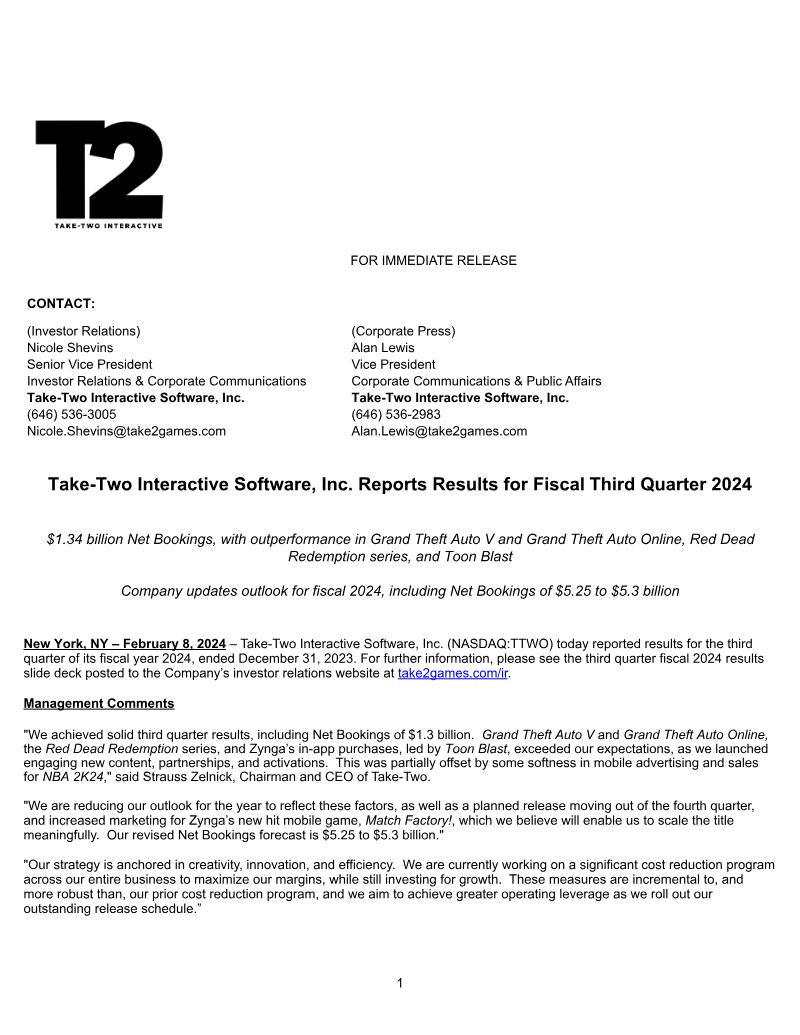
- 05Take-Two Interactive's stock price has fallen to five-year lows, reflecting market skepticism following their acquisition of Zynga and a downward revision of full-year revenue projections by $200 million to $300 million.
- 06Electronic Arts remains financially robust compared to its peers, leveraging strong performance from EA Sports titles like FIFA 23—which saw a 10% unit sales increase—to fund dividends and share repurchases.
- 07Venture capital deployment in gaming remains active due to significant 'dry powder' accumulated over the last 18–24 months, though fundraising has become more intentional with longer timelines and a focus on KPIs rather than rapid, short-cycle capital raises.
Ask AI about this video
Transcript
[Music] if you're listening to this I'm working on a generative AI gaming startup please let me know I'd imagine with the amount of price we've gotten we're gonna see some really cool companies doing some really interesting stuff in that space [Music] hi everyone welcome to the metacast round table by navic this is the one podcast to stay up to date with the latest game business news today I'm joined by Aaron Bush co-founder of navic and Seb Park co-founder of infinite canvas and Venture partner at bigcraft hey everyone hello there we go you know I I had a I had a good joke for this but then I saw Aaron say hello and that's funny enough as it is so I think we're good to go Maria for context I asked for Aaron and so I
have to say an enthusiastic high after the intros and well did it delivered okay 100 delivered all right tell me if you need a little more enthusiasm next time I'll I'll try okay I'll let you know um so we have a number of updates that are going to cover Esports Market updates layoffs before jumping into the discussion topics and today we're going to dig into EA's earnings take two's earnings and also returning to increasing deployment of venture capital into gaming cool um does anyone have jokes to tell before we jump in I I again I think Aaron's hello is funny enough as it is I think we're ready to go you promised the joke said but okay I know but it's one of those things where you just got you know in life I find that quitting while you're ahead is just as valuable as sticking with their times and when you you just can't follow Aaron
up and when you can't follow someone up you just have to tip your hat and then move on to the next thing wow it seems like we're doing an update on FTX yeah so you have the first update so what's next for Esports yeah so Esports isn't a really interesting spot right now overall and for a couple reasons one from macro standpoint right now we just completed the first quote-uncle post covid Esports ecosystem here we had a couple years there where people weren't doing live events in 2020 and 2021 coming into 2022 we had a full-scale worlds for League of Legends we had full Majors for both DOTA and Counter-Strike we're having a really interesting push into Esports going to 2023. what's interesting is that because of the pause in those two years Esports has been rather Frozen for the last like 30 months or so there haven't been as many new games and instead it's been really Legacy Productions pushing their Edge
for the last 24 36 months and so the question is especially as we see changes to add you know SK ad Network which is like a recurring theme whenever I'm on the podcast and then more importantly the usefulness of Esports as a brand play or user acquisition pay or a retention play depending on how you view it what does that future look like what are the next games in the funnel does Esports benefit from this or does it do poorly from a legacy team and ecosystem company side we've already seen the cracks or the chinks in the armor as they say like there are clearly issues with some of the Legacy players in terms of how Dave develop their value prop and how they're moving into the future so we'll see what changes in terms of if there are new games new ecosystems and more importantly just new players in general in the entire space okay is there any game that we should be looking out for yeah I mean so I think for the most part the biggest one is
valoring is set to launch their new league system in from Riot next year it seems to be at least from all intents and purposes the largest push we've seen on the Esports side since OverWatch League which is crazy to think about but that's been about five years like it's been five years since OverWatch League launched six years since they started putting out feelers and so half a decade later we'll see what happens with OverWatch uh oh sorry with valorent and more importantly it seems to indicate from what we're looking in the space a shift away from a potentially League of Legends Focus cast to a much more Valor in Focus Riot games has historically been to me right in that they had one game for a decade now they have multiple games and in particular TFT as well as valorin seem to be taking up more air in the entire ecosystem so we'll see what happens there and see if those got the type of love that we expect them to see the second wave that I always warn people
about which I think is interesting is there's going to be if I have to guess a proliferation of ideas that have failed in the past I'd imagine and I'm always starting to see glimpses of this we'll start seeing people trying to attempt to then again Ben will see people trying to attempt your like play versus your super league you know ideas that have historically failed but people there's been enough time that it might be the case that people think it's worth giving another try and so I keep an eye out for both of those things and form opinions as to whether or not you care about Esports or you don't and then go from there okay really interesting thanks Hub uh next up uh it's my update about Japan's PC gaming market so content games is a Tokyo based game industry consultancy that's focused on the Japanese market and it's led by Dr circan Toto they recently released a market update about Japan's PC games market so the number one gaming platform in the country is mobile is three times larger than consoles in the past decade and often
the PC gaming Market is just considered negligible and Niche but it roughly doubles in 2021 versus the 2018 numbers in both revenue and player count so according to the cantan games report the growth is fueled by a combination of factors and is predicted to continue growing in the following years so for PC game developers this means that if you're not already translating your game into Japanese um doing so could open up a growing Market even more so if your game is published on steam or epic games so a handful of the highest impacting factors that are fueling the PC gaming growth or the overall growth of the Japanese gaming user base due to the corona effects are still ongoing there's a continued lack of availability of PlayStation 5 so gamers are turning to PC to play higher Fidelity games and there's also growing acceptance of foreign and indie games which are more accessible and cheaper on steam or the
epic game store and then very quickly moving on to the next update this one is about China's declining Mobile gaming market so this deep dive was recently published by navic Pro and I'll very quickly share the high level insights and if you find the reporting relevant you can consider becoming an avoc Pro subscriber there's a promo code in the show notes so the data was provided by data Ai and it shows relatively stable Revenue across 2021 and then there's a Plunge in Revenue that begins in the second quarter of 2022 and it intensifies in the third quarter so while the whole Market is experiencing a shrink in Revenue in the second and third quarter China appears to be more impacted by it and this is due to tightening gaming restrictions China's current economic situation and just the standard Mobile gaming headwinds that we've been seeing so overall I think this is a lesson to show how unfriendly and risky operating in China's gaming Market could be and we'll keep an eye on what happens in the next quarters
Aaron Yeah well yeah I guess first of all just on the China stuff that was crazy I don't know if you saw the numbers like obviously mobile around the world has fallen you know like a handful of percentages but like the mobile China Revenue was down like 20 something percent in Q3 and so that that was that was just like another tier of like oh my God what is happening um but yeah yeah not the not the friendliest place in the world for controlling your own destiny but uh but yeah the update that that I just wanted to share was that on Monday it was announced that unity in uh iron source that merger closed so they are officially won business now and as a reminder when when that deal was announced four months ago it was an all stock transaction that valued iron Source at 4.4 billion dollars at that share price but since then uh Unity stock price has fallen roughly in half so therefore the deal value roughly did as well and the the market cap of the
combined company is now out about nine billion dollars I believe and if that deal didn't close unity's um Standalone market cap would be around six and a half seven billion which alone is still way way down from its highs of over 50 billion in late 2021 so in my mind you know on one hand it's remarkable that a company as you know Mission critical to the world of digital creation and games is valued so small but obviously it is this way for a reason growth has been unprofitable a lot of money was inefficiently used in m a and obviously there have been some execution flaws too such as unity's advertising algorithm getting messed up and then having to to rebuild that from from scratch over this past year and I don't remember if I was on the podcast when the deal was announced but my my take was essentially that even though I
totally understand and respect why Unity wants to improve its app-based monetization capabilities and they should uh this deal on both sides is coming from a position of weakness not strength and I still think that is still the case now that they're together so um obviously it'll it'll take some time to integrate the operations and Leadership of these two companies but it's pretty obvious to me also that you know like many companies these days they'll probably need to take some steps to to reorient Terrain in expenses to you know better discuss profitability and just being a higher quality um more controlled company and if management can clean up operations while still emphasizing r d but without being as crazy with M A deals probably uh you know that could eventually be some opportunity here and this doesn't have to be as small of a business as it is right now I think it's just a question
of whether existing leadership are the right people to pull it off but we'll see we'll see how it goes over the next few quarters okay um we're also going to update Embrace a group closing former Square Enix Montreal so it was rebranded to onoma I think that's how you pronounce it after the studio was acquired in May um they announced that they're closing the enormous studio and Publishing QA team to focus their ambitious on AAA games with Crystal Dynamics and Montreal which was also acquired as part of the Square Enix deal it came at an awkward timing the closure announcement because it was not even one month after the Rebrand had been announced and a new game had been announced it will roughly impact around 200 people some of them may transition to Eros Montreal but not all and yes quite you know it's seeing so many layoffs happening across the industry you know meta announced today we're recording on Wednesday that they're letting go I think around 13 of their Workforce and
met is only one example is happening across the board see how our hearts go out to everyone who's going through this and we hope that you're going to land on your feet so I'm just going back to the embracer group I think the Rebrand was essentially in motion since the acquisition because it had the name Square Enix in the brand um hence the awkward timing I was already going to be announced anyway considering the whole process that they went through and how polished it looks um I think the closures alongside Eros Montreal who's reportedly reducing the scope of one of their in-development projects and canceling a project entirely is just part of the overall cost cutting that Aaron also mentioned to focus focus on their highest value opportunities and additionally like we just see companies butting down their hatches and focusing their strategic Investments and I think yeah this is just another company doing that all right well yeah let's talk about uh the next update and I it was going to be
specifically about the layoffs at you know Dapper labs and mythical games um and mythical also saw some executive churn too but these are just two examples out of many companies cutting back so I figured it would actually be more interesting and helpful to cover cover that more holistically and like why exactly is this happening and to start you really just need like to remember how warped 2020 and 2021 were right obviously during lockdowns people spent more time inside playing games but on top of that governments both made money abundant via Printing and they lowered the world's cost of capital um through crazy low interest rates and all that combined led to a few things one um strong growth in excess money led to asset prices going up a lot and at that time because of low interest rates on debt as well as the the easier ability to raise Capital through selling shares
companies were aggressively pursuing growth at that lower cost because it was easier to um and you know times times were growing um but you know as with all things nothing in economics is a free lunch and that excess is a big part of what led to inflation and to fight inflation governments need to raise rates which breaks the economy to some extent and that's what we've been experiencing in the past couple quarters and when that happens not only do Equity values fall because bonds and treasury bills become more attractive relatively but the cost of capital on companies uh to grow increases because raising money through debt and Equity becomes more expensive at the same time um plus you know it just typically triggers a fallen economic demand and when that happens on top of demand already falling because people are
spending less time playing games and issues with idfa Etc it leads to the conclusion that the excess growth that we saw um was actually not the new normal but just to pull forward of demand that would have to return ultimately to its longer term trend line and companies that aggressively invested for growth based on previous expectations now have to pull on the Reigns re-forecast that growth lower and essentially re-budget for that lower growth which leads to cost cutting and layoffs and that's why we see that everywhere right now so you know yes Dapper and mythical are conducting layoffs but so are the biggest and best companies in the world right like stripe and Shopify and now meta and even alphabet and apple have put hiring freezes in place in certain parts of the businesses at least so you know ultimately like it always does this too shall pass I think that's the the
bottom line it doesn't feel good and there's probably more to go as recession as a recession picks up most likely but um and probably even like more so in the web 3 space which is just taking a bit longer to play out than many people would like but ultimately um pulling in the reins is healthy for businesses um resetting and putting themselves in more conservative positions is healthy and in a year or so you know when this has passed we'll probably be talking about growth again so anyways yeah it sucks to see the layoffs everywhere but this isn't new it's part of the business cycle that it happens you know every few years all the time but yeah still not fun to see about every decade or so I mean the the other thing that is an undercurrent here that we still don't know is people assume that gaming on the whole would be counter cyclical and it's proving out especially in these categories around Mobile gaming mid core as well as
um uh midcore and even midcore plus games it just isn't against user behavior and spending Behavior seems to be incredibly cyclical and in the assumption that it wasn't going to be cyclical drove a lot of the downside protection of a lot of these places at the same time to Aaron's point this is well we're not seeing like there as this may sound insensitive but like there's a huge difference between a like 50 Workforce reduction and a 20 reward for Workforce reduction it doesn't change that how much it sucks for the individual people but from a company standpoint a 20 work for reduction is like in line with what companies are recommended to do irrespective of their core performance in a down cycle just to make sure to anticipate what's happening when we start seeing full-on closures or full-on 50 plus percent reductions refocusing layoffs Etc that's when I think it gets particularly concerning to everyone involved right like what and the other compounding thing especially with
regards to both Dapper mythical but even places like take two with their recent layoffs of play Dots is the impact of the m a cycle when you do a bunch of m a the anticipation is that there's going to be a round of layoffs sometime in the subsequent 6 to 12 to 18 months and so in some ways it's compounded by the fact there was so much M A in 2021 that we're now seeing the the cost savings quote unquote that need to occur in order to justify for example a Zynga acquisition um well we're definitely going to dive into that I know I know to be a discussion topic I was curious Aaron why do you think that this assumption about the growth that was then going to keep on going um instead of going back to normal levels why do you think that how that assumption was made across the board I mean I think it was just pretty extraordinary circumstances everywhere on the internet when everybody is at home and everybody is
um you know working from home playing from home like it just led to like a pretty extraordinary surge across um e-commerce across gaming across you know enterprise software across a bunch of different places all at once while at the same time the narrative was like oh this is just the way that the world is going to be now like I think there was some understanding that yeah you know as people stay at home people are just playing games more than they otherwise would but at the same time like it was pulling forward the number of Gamers and you know the number of people using zoom and you know the the number of people you know on e-commerce and all of that and so I think a lot of teams companies around the world just invested were like hey this is an opportunity like we like if this turns out to be really a trend like we have to invest for our growth to maintain competitive advantages and scale and all you know just all the things that come from that
um but it turned out that that was just the wrong bet to make um but I can't really fault all of the businesses for taking their shot um because I mean how are we how is anyone really supposed to know what exactly was going to happen we were in a situation that wasn't even predictable in the first place uh yeah and by the way wrong is I think uh with all the respect there and like a little bit too strong of a phrase like given the information that they had at that moment it seemed like a weighted bet and you just have to eat crow when you make like it's it's this is one of my big societal peeves like you accrue value in two macro economic environments pure monopolies or pure uncertainty right and so whenever we make a weighted bet as a company you're betting that hey if this works out I will accrue more value in a perfect information situation and so in a lot of ways uh it's it's weird because I think societally especially in the west we give people credit for making those weighted bets and succeeding as though they foresaw
the future and we don't talk enough about the fact that it might have been a fine bet regardless of it not working out and so it's a really interesting spot because it's it's something that I think in our more recent last 10-year history people just don't remember when these weighted bets failed but they fail all the time and it's I think one of the more interesting Parts about startups because if it wasn't the case that these things failed there would be no value in having a startup or no value in creating companies because the bigger players would have all the perfect information and then they'd win all the time so in some ways it's actually as weird as I say it's a little bit like the under Bush burning in a forest bed and allows for new trees to grow there's a lot of that happening here too yeah and it wasn't all bad too just from the standpoint of like even if a bunch of companies over over bet like overplayed their hand a little bit it still led to a lot of um like big fundraising that led to a bunch of companies having stronger Financial positions to withstand whatever comes next would be more flexible so um yeah I mean I think what you said as well said I still stand by like it still
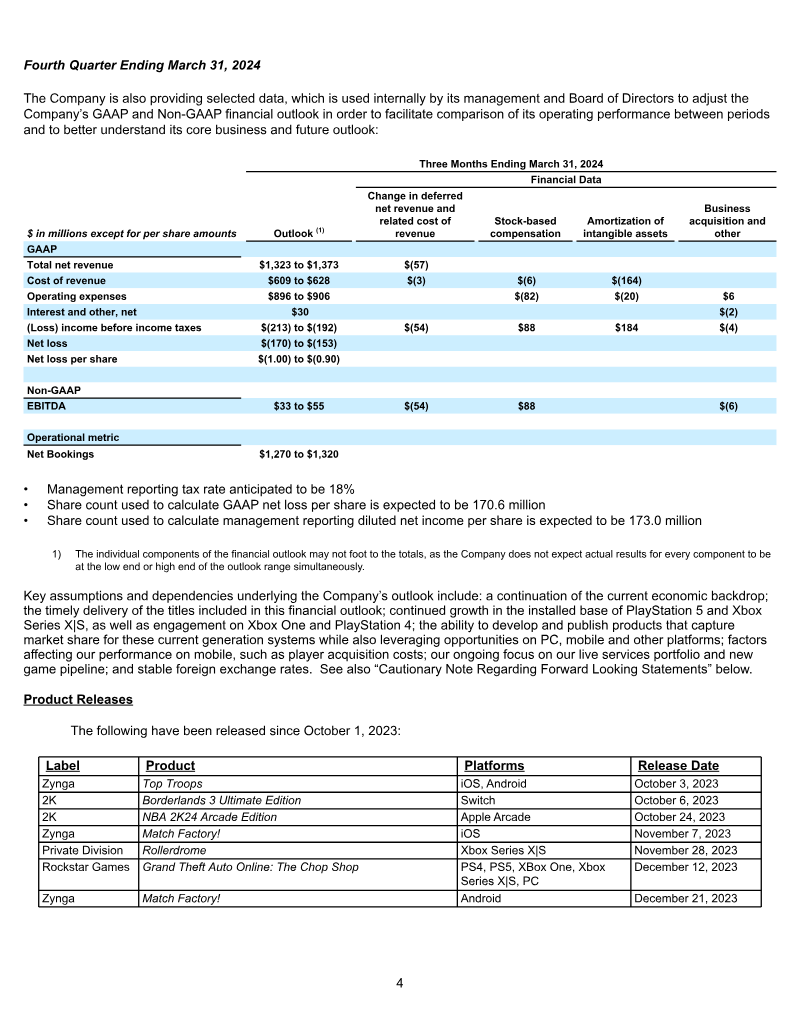
was wrong like even though like like it still didn't work out but it's it's justifiable I think of like why the decisions were made at the time makes sense and on that no I think we can do a nice a nice segue into the take two earnings if you want to kick us off Byron okay yeah let me pull up my notes um yeah let's talk about the latest take two earnings so um I'll just get right to the point the the market did not like what it saw and the stock price of take two is now back to where it was five years ago even lower than where it takes you was prezunga pre-pandemic so obviously however people are perceiving take two right now is as a challenging time for the business and if you're just looking at the revenue numbers you probably don't see why because they're up a lot driven by merging with Zynga but what but what really sounded the alarm was that
management lowered its Revenue outlook for the year basically saying that like its performance as a whole is not going to live up to the expectations that um they had set and that's also I don't think the first you know the first you know warning sign that that we've seen from you know this combined Zynga Take 2 business and um you know a couple pieces of reducing the revenue Outlook have to do with currency exchange rates and shifting small things in the pipeline and those are fine they happen not something to be concerned about but really the other piece is mobile and this is not new from anything we've really been talking about over the past few months um but this is the the second quarter in which take which Zynga has now been part of take two I think and um even though the team seems to be making progress from an or organizational perspective right like starting to oversee the full take to mobile portfolio starting to
pinpoint opportunities for expansion or streamlining Etc you know the results have still been pretty pretty tough and they don't break mobile out so we can't see exactly what's going on but mobile is now the largest part of take two's business and it looks like IAP sales are down for the year and that combination in and of itself is not a a great place to be and so it's just becoming obvious that not only did take to overpay for Zynga in stock but it's bringing a headache that will probably take a year maybe longer to like to work through and get to the other side on and to to add a bit more pain on top of that GTA 5 sales also look to be slowing down and obviously it's crazy how long GTA 5 sales have been so high like that's
really like the the better part of the story and the more interesting part and uh and they and take two does a great job of managing GTA online and retaining players there but but you know that has been their most lucrative franchise and so if it actually is slowing down quarter after quarter at the same time as mobile that's a tough place to be and so I get why the stock is beaten down um not everything is bad I'll say that NBA 2K is doing well I think it's units sold from last year um are roughly the same um but it's selling price and digital sales are higher on this year's version and the company you know if if you've been studying this company for a few years you'll see that they just steadily grow out the pipeline and they have a good growth engine in their console PC uh pipeline which of course right now is topped with GTA 6 which had all of the you know that the hack of the inside
information from there kind of made noise last month but really bottom line is that that's still it's probably going to be you know an enormous launch as it always is with Rockstar so if I'm looking long term I still have a lot of faith in this company they have a great profitable growth engine on the console PC side especially of GTA 6 as well and eventually mobile will return to growth so I think this is a dark cloud that we can ultimately see through but it's just a bummer of how much value was destroyed by overpaying for Zynga and how long it'll take to work through some of the pain there and a lot of that was self-inflicted through that deal um so that's my take at least but I'm curious maybe to start if you both agree with me on the Zynga points uh did it destroy as much value as maybe I'm making it seem like is it going to be as big of a of a headwind over the next year as I think or is it better than I'm
letting on there are three parts of the take two analysis that are really interesting Aaron I I think the first one is is actually stuff that I doubt people on this call really care about but a lot of like balance sheet math which is pretty interesting yeah I think what's important to know is hey you know take two prior to the zinc acquisition did have some really interesting mobile games on their portfolio right yeah Dragon City they have two dots they had I think they have like the WWE game right there's some interesting stuff inside of the ecosystem and so if the question is hey on a 12 month four looking basis do we think that this is having an impact on the overall stock price I mean I think the answer is almost unequivocally yes right like we're seeing a we're they're missed they missed I think that Revenue productions for the full year by about a couple hundred million to 300 million dollars right like that seems like in line with the Boost that you would have expected from changes to the to the network and
whatnot there's also belief in q1 whether it was correct or incorrect I'm still not quite sure as to whether or not gaming was somehow insulated from the changes to the SK ad Network right that in fact that because Gamers were more willing to share user data with each other that that would be a massive Boon to the data application of mobile gaming as it turns out it seems more likely that effectively the reduction of or the increase of CAC relative to LTV the midcore game genre has caused a lot of these systems to just not be profitable right there are very much a volume based game development and we haven't seen that so really I would imagine the the entire scope in which Zynga will be uh you know evaluated for is less what we see today in the next year or two and more so hey do the Istanbul Studios that Zynga owned like Peak games are they making some really cool games that do really well in this new era we uh you mentioned this
actually at the big craft Summit Aaron I thought that was a really good point something that like hey like game developers do adjust They do change the types of games they make relative to the incentives they have and it's probably a little bit too soon to to see what the Outlook is the the one thing I would also point out Justin takes two that though super cool was did you see that their ad revenues seven next like I thought that was really random they were year over year they went from like 25 million to 175 million I didn't even know ad Revenue was that large of a business and frankly it wasn't last year my understanding is from Rolex performance with their more hyper casual um aramon games yeah that's I think that's super interesting and and maybe a part of the business that you know in addition to the fact that their overall game revenues were up like I think it's interesting to see I'd also love to see some analysis on and and I'm sure you might see this on navic Pro on the Delta
right the Deltas are like hey like try to spin back down work backwards what Zynga looked like versus take two we might find out some really interesting stuff and and I'm certainly gonna look out for that for sure yeah the original goal of acquiring Zynga was to increase their mobile net bookings but I also think it was to bring an advantage in terms of cash flow and having a production pipeline where they can prototype faster they can release more games and that brings them more predictability because the lead time to develop AAA console titles it's I don't know eight years around eight years six eight years it did pay a premium for Zynga I think that it was around 12.7 billion which was around 5 billion more than Microsoft's acquisition of Bethesda I think I guess how much of a premium they paid to now be facing the headwinds in the mobile um economic Market I think one concern I have about take two strategy in terms of how to leverage zynga's expertise is
that they seem to be pushing in a direction of exploring mobile games for their key IPS and it sounds like they're going to pursue a strategy of polished almost AAA games on mobile that we're starting to see but is that zynga's strength and there was a in the earnings call there was an analyst who showed some concerns about the Polish levels of take two so like with a machine like Zynga where they can prototype they can release a lot of games I feel like that's their strength that you should be leaning into and not try to utilize them to create these AAA that AAA titles that also have a long lead time that's my main concern with how they're going to work in the next few years with xingo yeah I think they'll do it all at least you know study it all I think um I doubt they're sprinting towards that but now that they they have you know a leadership team of mobile experts you know Frank Chabot above all who who did
a good job leading zynga's business and I I hope he he sticks around he doesn't stick around that would be another another red flag but I think it's you know they're going to continue leaning into what Zynga does best first and foremost but if they accelerate their exploration kind of around the edges of um like what would it look like to take Bioshock to mobile and maybe not even Zynga makes it but it's you know some type of co-development deal with you know 10 cent or whatever there still could be some interesting um pieces to unlock there I just wonder how long it takes to to work through um kind of the doldrums of what the mobile market is right now like I think that's the the biggest question mark like is it going to take you know six months a year two year years like like what's the what's the waiting period And I don't think anyone really knows and the reason why no one knows is because in the same way that uh you know these
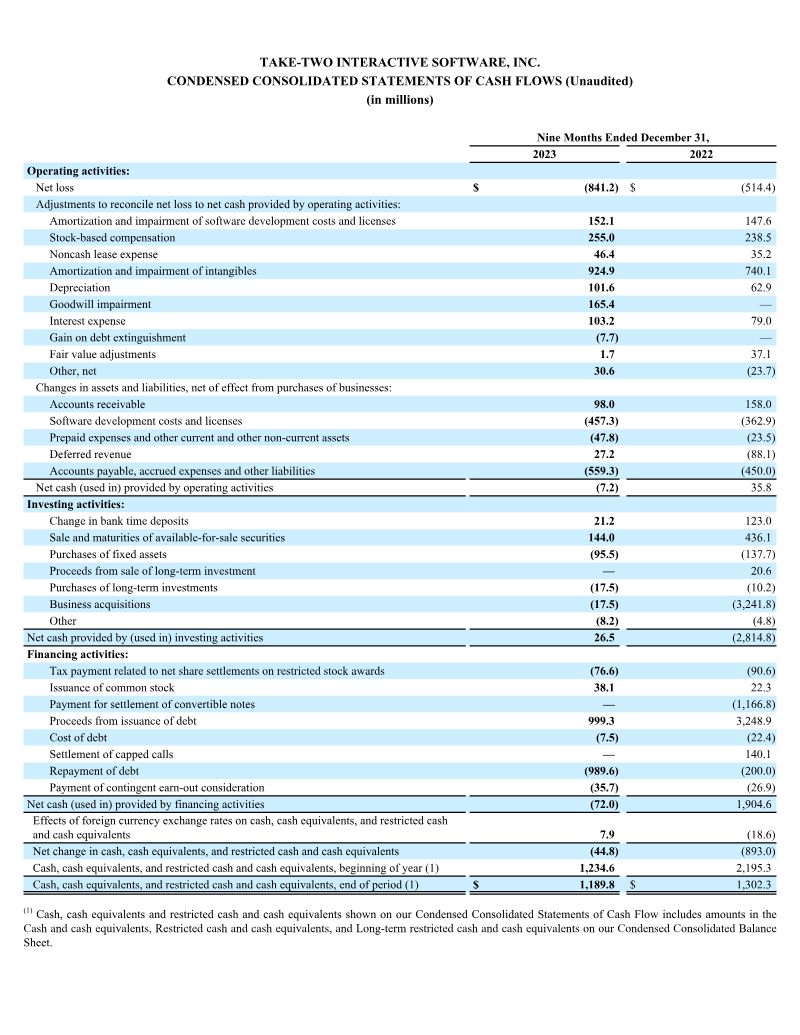
platforms were able to just make big changes you know largely out of nowhere they can do that again and just like we don't know in a year like like what will the rules be on Apple like what will the SK ad Network be like what like what will this ecosystem ultimately become will developers find new ways to adapt it's just so hard to like look forward um well enough I do think like it is pretty obvious that there will come a point where like obviously the decline will stop at some point and there will be like a reset and we'll we'll go from there but um I think that's a big question to ask but but yeah I mean Steph you also mentioned just like balance sheet stuff I think it is worth saying that um before the acquisition of Zynga happen takes you had three billion dollars in cash and no debt and since then their cash has been cut in half and now they have over 3 billion in debt and and so the balance sheet basically flipped and you know just from like a shareholder creation standpoint you know if you feel good about your future
business even though you have headwinds now is probably the time to be taking actions like repurchasing stock and doing things like that and they I guess they could some but really they're sort of handicapped by how much weaker their balance sheet is because of this deal now so that doesn't really have anything to do with games it's just more like Financial engineering and corporate management but still still another another headwind that they they can't really capitalize on it's fun because if you believe and this is probably way too financially nerdy for most people on this uh but like if you believe that inflation is increasing massively right and that in fact you're better off as a company position to be doing expansion as opposed to under like activists pressure from folks try and get stock repurchased or dividending out like you actually sort of want dead on your balance sheet because debt servicing may actually be lower of an interest rate than like corporate debt in particular might be lower of an interest rate than inflation at any moment in time and so you're actually in
fact printing overall company value now granted like again none of this is investment advice but like that is I think one of the more interesting things I also and I thought you pointed out a really great point which is uh I I oscillate and over my career on the value of key man or women but the key man provision right like in particular and it seems to be really valuable right there is value in acquiring people who like really really good Executives and we just saw you know I'm we saw this on the news this is Wednesday I think came out yesterday that Steve Satan you know is leaving ftx's as their head of games to become the head of games um have wept three games for scopely that's a huge key man move right like that's a huge keyman move that obviously wasn't precipitated by the binance stuff because those things take weeks to negotiate and it wasn't like he just like I thought it was really funny that people were like oh wow this guy like figured it out on Monday and got a like an SVP job somewhere else in 24 hours like it doesn't move that quickly
usually but that I think is super interesting and I think that's part of a law of this analysis is on a more micro level who are the senior producers who are the VP of products who are these interesting um men and women around the world who have demonstrated the ability to drive teams and make really cool stuff in Bear markets before and I think that's going to be a really interesting a watch and something I gotta be honest with you I'm probably going to go off this podcast and do more research into because I think it's really cool yeah yeah I go ahead Maria you're gonna say something I was gonna say I think we'll dive into that actually when we look at EA's earnings shall we segue into that or does anyone have any final thoughts on yeah I had a final thought about you mentioned the the stock value and my understanding is that part of the nervousness of the market is due to reducing the net guidance for the next quarter which is meant to be the festive season and to me this just demonstrates how take two is struggling with their pipeline of new games on console and PC
because if we look at their heart their hits their key IPS they're still like this the next games are still two three years away and they're already declining in terms of PC and console Revenue do you have any thoughts on that Aaron well when I was a an investment analyst you know trying to Value companies like take two it's hard because of how lumpy the businesses are and so you sort of like you have to kind of take a different perspective and how you kind of like Bunch ears together into like trying to get like a more like standard non-cyclical view of the business due to like launch cycles and I I think when you look at the underlying trend of like the pipeline of this business it's moving in a good direction it's always been lumpy but it's they've always done a good job of like reinvesting to build it out while making like their core IPS um more lucrative along the way I mean
with GTA being the best example but even something like Borderlands you know it's always releases the next one releases every few years but basically every time they have released the next version um not only has it done better but they've been able to like really succeed with like the digital expansions and the recurring revenues that come from it and as I look at you know the underlying growth engine of their console PC business the long-term trend line I think is still ultimately about the same you know caveat you know to Mega asterisk on whether you know GTA 6 you know performs at a similar level of GTA 5 um which you know that's that's a whole other discussion topic onto itself that I'm sure we'll have one day um but that's just more how I view the business I don't know if I even really fully answered your question Maria I kind of got lost with my own head there but but um but yeah as I guess just like that sort of is the trend line so as I
think about this like a stock or a value it's like it's less about like is the next year going to have a lack of releases and it's more about is that trend line that long-term like growth engine can it still snowball over the next decade I guess no I think it's it's a good learning to take away I'm used to analyzing mobile uh Game Dev performance where the pipeline isn't lumpy like you're saying there's faster capacity so it's very interesting to understand how you analyze more of the long term like companies that have that long lead way into developing new titles yeah it's it's really fun there's a fun story for people who are interested to look up which is uh blizzard had historically a horrible time with timing their lumpy release schedule right and I think the the biggest example of this was uh Diablo one I think was released like January 5th like it was like they were trying to get it on time for the holiday season and it just missed I mean obviously an amazing game but can you
imagine if they were a publicly traded company then and they're like yeah like we just we just straight up missed on our one of our biggest IP game launches by a month I always find that to be so cool because we uh it is one of the like harder things when you're a public Trading Company that you're like beholden to these things or as Diablo for example great game uh people give them so much crap now for launching January 5th like because like that's even just like that you clearly missed the holiday schedule it's not even like there's no ifs and buts about it it's like not even in the middle of summer so I dig into EA Maria yeah yeah let's do it all right so in comparison to take to EA had a relatively tame quarter um and I'll just cover General like numbers I mean net bookings for the quarter they slightly dipped over the last year mainly because of the timing of Formula One again lumpiness affects everyone um but if we look at the results over the past 12 months net bookings are up
slightly mainly driven by live services and then you know cash flows are a little bit down but still for this quarter but also when looking bigger picture are still very strong and unlike take two which we just talked about they uh you know take two which has less Financial flexibility EA which has more which has had more excess cash has been able to spend it on things like dividends and share repurchases so EA is just a very strong business right now uh that like that's really the bottom line but if we look at more of the details EA Sports is the clear standout right now FIFA 23 is selling 10 more units than last year and it's a World Cup year which should build very well for how this year's version performs Madden is doing really well too and of course uh FIFA's about to shift to EA Sports FC um in the next year or so I think which loses the FIFA branding but also will be
higher margin for EA because they don't have to pay those licensing fees and we'll learn more about the details there but this is just such an incredible franchise that you know things will be fine um EA also announced three upcoming Marvel games which is another big IP win uh for them probably somewhat inspired by the success they had with Star Wars Jedi fall in order a couple years ago and we heard other tidbits about Sims 5 such as the renewed emphasis on ugc which should also be successful for them and take that franchise likely to new heights and overwolf is the company behind that and that's you know doubly exciting for them and a huge win for that company um so on the console PC front things are just solid it's just solid and what's interesting to me is that EA Mobile essentially gets no mention anywhere right now and clearly mobile probably isn't the
brightest spot to highlight for all of the reasons we've already discussed and even great games like Apex Legends mobile probably have not performed as well as the team would have hoped but I always find it really interesting that the EA's CEO Andrew Wilson he never talks about mobile and whenever questions about mobile pop up he always hands them over to the CEO Lara Miele I hope I didn't butcher that name um and I don't know much of the inner workings of EA Mobile but from what we've studied such as the mega underperformance of the glue acquisition and the seemingly constant shifting around of structure and talent in EA Mobile it seems like you know still after many years they have yet to find their stride so I'm curious what you all think and maybe since we talked about mobile but take two we can also start by touching on
um that with EA I'm just really curious what your impressions of EA Mobile are these days and are they right to not really talk about it like does it even really matter for for EA right now uh I read the whole earnings call because I'm I saw that I had mentioned that there was no mention of mobile games and you're exactly right I'm sure you know to be at that kind of level and position in the game industry and leading such a a solid uh company like EA you are competent so I'm not calling their competency into question I think for me not seeing key leadership addressing Mobile in the earnings call I think to me it just raises questions about their investment like well how do they see mobile playing a role in the future of EA because they talk a lot about FIFA and PC and console but there is a not mention of the Strategic value of mobile games and even when there was
a question about mobile games um the answers that they were confident in their position to have an impact Beyond some of the challenges that are experiencing in a post-act world but if you actually go and look at the results of their mobile portfolio they're not good they're they are struggling um similar to the struggles that we're talking about with take two mobile portfolio and additionally when speaking about Apex Legends it seems like they were alluring that the results of Apex mobile were good but if I I went to look at the data and it's in Decline both downloads and revenue is struggling to find its market share so I I think all overall I just feel there's this disconnect between the the team that is leading the future of EA with the how they evaluate the performance of the portfolio and how it's going to play into their strategy I have fewer opinions about EA in general uh in part because they're so Sports driven and they're clearly doing a lot of Ip
development it's it does seem a bit two-sided right on one hand people are saying hey like everyone else who's acquired mobile Studios and mobile Publishers have made huge mistakes on the flip side then people come back and say oh but yeah it doesn't talk about mobile enough right and it's like the answer is probably somewhere in the middle it's like a very strange and interesting spot because they've low to everyone's Point has taken a far more structured approach in the last year as a result of probably making mistakes or missteps in previous years prior yeah it's just interesting to me how most of these big Publishers have not done a great job of building out their mobile businesses and you know part of that is understandable it's just not what they're they do it's not what they're what their core teams have been good at but even the Acquisitions like we talked about take two and Zynga and how that has not how that's been value destructive but even ea uh we we did this research and not
like Pro recently too they've made like seven or eight mobile Acquisitions the first one was like jammed at in 2005 which you know that didn't work and that set off you know uh you know a trend of like all up until glue which was a two billion dollar deal a couple years ago and that also really didn't work and so it seems to me like the CEO just like the top of leadership like is not really a mobile guy and probably has seen that everything they've done hasn't really worked um both internally and externally and probably like as a result has been more critical of reinvesting appropriately and really providing the support that mobile teams feel like they need whether it's you know in hiring or in funding or in you know like I know it took them a while to like really even make EA Mobile its own division um in terms of like org structure and it seems like it just because it hasn't been their priority at the highest level
and like the top leadership has not been you know as excited or effective at mobile that it's that has trickled all the way down and has just been a source of a headache um maybe not uh you know like the only reason I'm sure they've had other reasons to and some of it's macro as well but yeah it seems like a top-down and bottom-up problem happening at the same time and what's and I guess how I see like the business as a whole is like clearly even when they don't talk about mobile this is a business that still generates you know over a billion dollars in cash flow every year and still has like killer IP growing franchises ability to win over new licensing deals with Incredible Brands so they're fine um they can do totally fine and well without killing it in Mobile but man it would be nice if they could figure out how to to unlock you know more growth potential there because that would just be icing on the cake and like really Drive
nice out performance I think yeah if we if we compare um Toe to Toe take two's approach to mobile with EA's approach to mobile like we were talking about the K leadership and driving this if we look at take two they acquired essentially zynga's leadership they're trusting them they're collaborating and they're allowing them to drive that mobile strategy if we look at EA for example glue's leadership left after the acquisition happened I don't know a VA how strong mobile leadership to tie all of the acquisition Acquisitions together and understands the portfolio even when they talk about mobile they'll they talk about um EAS IPS but you know what about golf Clash what about Disney sorceress Arena they have such a strong portfolio of games in Mobile that have performed well yes they are separate um yes they're not the EA IPS but if someone were to cherish them and help all of the companies come together I think they had they have a lot of growth
opportunities in Mobile but unless that happens and everyone's almost just I don't know not under the same leadership growing in the same direction sharing technology and best practices I think they're going to struggle strategically to take advantage of their Acquisitions gotcha well Seb I want to hear about your topic yeah yeah sure I the topic is of somewhat interest but it's it's far more in the weeds which seems to be the theme of of this podcast is just getting into the weeds of things but we're starting to see a small return to increasing deployments in Venture Capital right now especially in the gaming sector in particular Market activity around Adventure space seems to be increasing to be fair and completely honest this is fairly anecdotal right like a lot of these deals because they're private equities done with in private you just won't hear about it on some some amount of lag but you know just from my seat at bitcraft but I was just looking around the space there seems to be a lot more movement in
people raising Capital both in Q3 Q4 of this year as well as try and get themselves situated to raise capital on q1 next year there there's a variety of interesting theories and hypotheses as to why this is the case one is the dry powder idea which is you know people like spending and deploying money like it makes them feel as though they're finding good bets um that's a fun one where it's like hey there's a lot of dry powder from just the sheer amount of venture capital that was raised by the funds over the last couple years 18 24 months so you have to deploy and their pressure to deploy some people have deployment cycles that are like only two years or three years and they're going that way the most generous view of it is that hey when you find a good team it doesn't matter it doesn't matter because really uh the best type of venture portfolio construction is often the one that is looking for bets that will become billion dollar companies in gaming and so it really doesn't matter if you find that company at 2 on 10 or 2 on 20 depending on the year if they're a good company and a good group of Founders
hell yeah you should invest in them um a point of order on that is that if you look at a female founder raising uh throughput over the year to year 2022 despite being a bad technically Venture cycle has been the highest number of Kappa deployed to women um I think ever it seems to be the case and so that's pretty cool on that side the third one which I think is interesting and sort of worth the discussion is if this is of a form of DCA uh if this is a form of just trying to balance one's portfolio by investing in lower and lower pricing all the way down and not trying to time the market but rather investing into different cohorts of game companies I I think all three of those things are particularly interesting and the answer is we don't know but certainly if you're raising money right now if you're trying to raise money in April it was insanely hard and if you're trying to raise money in November it's less hard than it was in April gotcha yeah that's really
interesting um and maybe you touched on this a little bit but how how have like the prices of deals fluctuated over this time like as deals deal volume went down and it is back up again has price followed or is it or is price is still still down a bit yeah actually you know it's the the the most rational argument is that because prices have dropped sufficiently um demand for these deals has gone up and so that's why you're seeing funding but yeah no uh it's uh it sounds tremendously depending on segment year over year uh in in crypto web 3 gaming for example I think it's down like maybe 75 percent um and some of this like in terms of series uh seed series a valuations in your typical uh traditional gaming midcore gaming that's also down sometimes in the ballpark of like 50 percent uh I think it really depends one thing that's probably worth mentioning is that people who are amazing Founders
or people who have really strong track records or people who have like really strong metrics they're less affected by the like price change although they are still also affected just as a function of like there are fewer people uh who are pricing them at the same time the the hot deals will still be hot and then still have upper price pressure as a result at deployment wise are you seeing else are you seeing a recovery in web 3 gaming is what through aiming lagging it's I mean the thing is is that like the framing of recovery is strange given there's only like one data point for a web three gaming or like two data points in the last four years from F3 gaming there was like a tranche of games that were deployed around the like axi infinity times and then the second tranche was last year or this year right and so relative to the Peaks certainly down but it's not as Frozen as it was six months ago I think that's really interesting now granted I think the other thing that's happened and I think this is advice I give to all founders is
there's a lot more intentionality in terms of fundraising we're seeing fewer people uh go into market and raise around in six days right like it's far more hey building a relationships sending out what your kpis are letting people know hey I'm making so and so game I think that I'm going to be able to turn something around in six months or 12 months or 18 months and go from there what's also really cool and I think this is going to be really fun to watch is that as a result we're going to see a lot of both failure as well as success probably in the next 12 months as companies typically in the seed round gear their deployment to be about an 18-month leeway in order to get their product to a point where they feel comfortable raising more money and so I'd imagine especially for those people who didn't raise above their means or were too valuation sensitive or didn't sell enough the company or variety of other reasons we're going to start seeing people be like hey that's awesome that you had this great idea for making keychains I hope that's not any of our
companies I mean I'm sure it's an interesting idea but like let's say you're making like a keychain Simulator game uh as your core game well if you're a strong enough team and you have a really core audience that you're going after and there's like a chance for to have a venture potential you are probably able to raise a seed round last year like no questions asked now it's going now basically it's time to figure out hey was there an audience are you capable of shipping products is there some interesting kpis you're hitting what's your D1 D7 D30 retention numbers look like what is your do you have a sense of CAC versus LTV are you going after specific genres what's your ex acquisition play so I think that's gonna be really fun to watch especially as we have seen we you know we've seen a lot of announcements around people who have seen traction we haven't seen as many announcements around people who haven't so we'll see what happens last question from me I'm curious you know as the funding is coming back are you seeing a difference in the type of companies that are getting that funding like if mobile is what idfa is
struggling is it less of that or with web3 struggling is it less of that like I'm just curious what you're seeing lesson More of come through yeah I mean we're still seeing a lot of everything I think is the honest answer uh it the the best way to describe I would say like there's a difference between how fun she did portfolio construction and how startups should think like you if you are a Founder you should know that you failed if you're a great founder you fail 90 of the time if you're an okay founder you fail like 95 of time if you're horrible founder you fail 100 of time right and so figuring out where your Edge is is really interesting it's been really cool because it's not just folks from uh your riots and blizzards who have more experience in the PC and console space for starting companies in the last year we've seen a lot of people also leave places like scopely places like tilting boy in places with uh like your your um your embracer groups like places that have like experience in other genres of gaming and they're crushing it in their Direction and so what I'd imagine to see
is a lot more aggregation of Ip I mean obviously like uh second dinner is probably the best example of mobile First Development that's done particularly well in the last like six months right along with Survivor i o so we're interested the the thing that I would say that is like the largest driver of venture is actually vintage it's like sort of the like worst kept secret Adventure which is that one year you start your fund is by far the biggest influence on whether or not you're successful with the funder yeah and so what's really fun about that is as we close the 2022 vintage and start to 2023 vintage you're going to see a lot of similarities in part because uh there's no such thing as a unique idea like that's something that I think I've talked about here before where where the outcome of all of our inputs and so if you're getting the same same inputs with super interesting stuff on the crypto side your ideation even if your mobile first or console first gamer is going to be more crypto generative and you're gonna see a lot of interesting people
creating interesting stuff there once that influence changes we can see different vintages for 2023 where my expectation and I don't have evidence about this but certainly want to hear people come out and tell me about it I expect to see far more generative AI if you're listening to this I'm working on a generative AI gaming startup please let me know I'd imagine with the amount of press we've gotten we're gonna see some really cool companies doing some really interesting stuff in that space I also Imagine we're going to see a lot more on uh brand based pushes right people who are thinking about user acquisition not on the CAC versus LTV perspective but on some Community generation or some other type of uh like this neat trick that gets you over the edge right uh we don't give enough credit I think for looking back to people for example at pocket gems with their episodes where they like figured out this like one neat trick in their user acquisition algorithm that allowed them to create this like massive hit it's it's a really fun time to be in gaming because as things fail or as
things no longer work there are almost certainly people at companies right now maybe even ones who've been laid off or like wait there's been this idea iPad that I think gives me this like unfair advantage that allows me to compete and so I'm super excited for what the 2023 vintage looks like because 2022 was very heavily crypto more so than I think any other yo I've seen well I'm always my moon having you on the show um yeah Aaron so your ability to see the Outlook of the Morgan your financial analysis strategic analysis always amazing to learn from you so yeah thanks for joining today and if you want to keep up with all of these insights you can subscribe to the free navic digest newsletter you can join it join the Discord navic Discord and confine us there to continue the conversation thanks for tuning in and we'll see you again next week bye everyone [Music]
thank you
Summary
The global gaming industry is currently undergoing a significant structural correction, transitioning from the unsustainable growth of the pandemic era toward a period defined by fiscal discipline and profitability. This shift is evidenced by widespread workforce reductions, the stabilization of esports, and a notable decline in mobile gaming revenue within the Chinese market. As interest rates rise and the cost of capital increases, companies are abandoning the assumption that pandemic-era surges represented a permanent new baseline, opting instead to re-forecast growth and curtail aggressive, speculative investments.
Take-Two Interactive and Electronic Arts serve as primary case studies for these industry-wide challenges, particularly regarding mobile strategy. Take-Two faces intense scrutiny following its $12.7 billion acquisition of Zynga, as the company struggles to integrate mobile expertise with its core console franchises amidst rising user acquisition costs. Conversely, Electronic Arts maintains a robust financial position through its high-margin sports titles, yet it continues to grapple with inconsistent mobile performance and a lack of clear leadership focus in that segment. While both firms attempt to leverage their intellectual property for mobile expansion, they face significant headwinds in reconciling traditional development models with the rapid, data-driven requirements of the mobile ecosystem.
Despite these challenges, the broader investment landscape is showing signs of a cautious recovery. Venture capital activity is beginning to rebound, though investors are now prioritizing founders with proven track records and sustainable monetization strategies over the speculative valuations seen in previous years. Looking ahead, the industry is pivoting away from the web3 focus of 2022 toward the integration of generative artificial intelligence and community-centric acquisition strategies. This period of market correction is expected to foster a new generation of startups, as developers move toward more efficient, proprietary methods to navigate a maturing and increasingly competitive global market.