ArticleMobile Dev Memo
How Can ChatGPT Reach $100BN in Advertising Revenue?
9 Apr 20261 pages~7 min full read
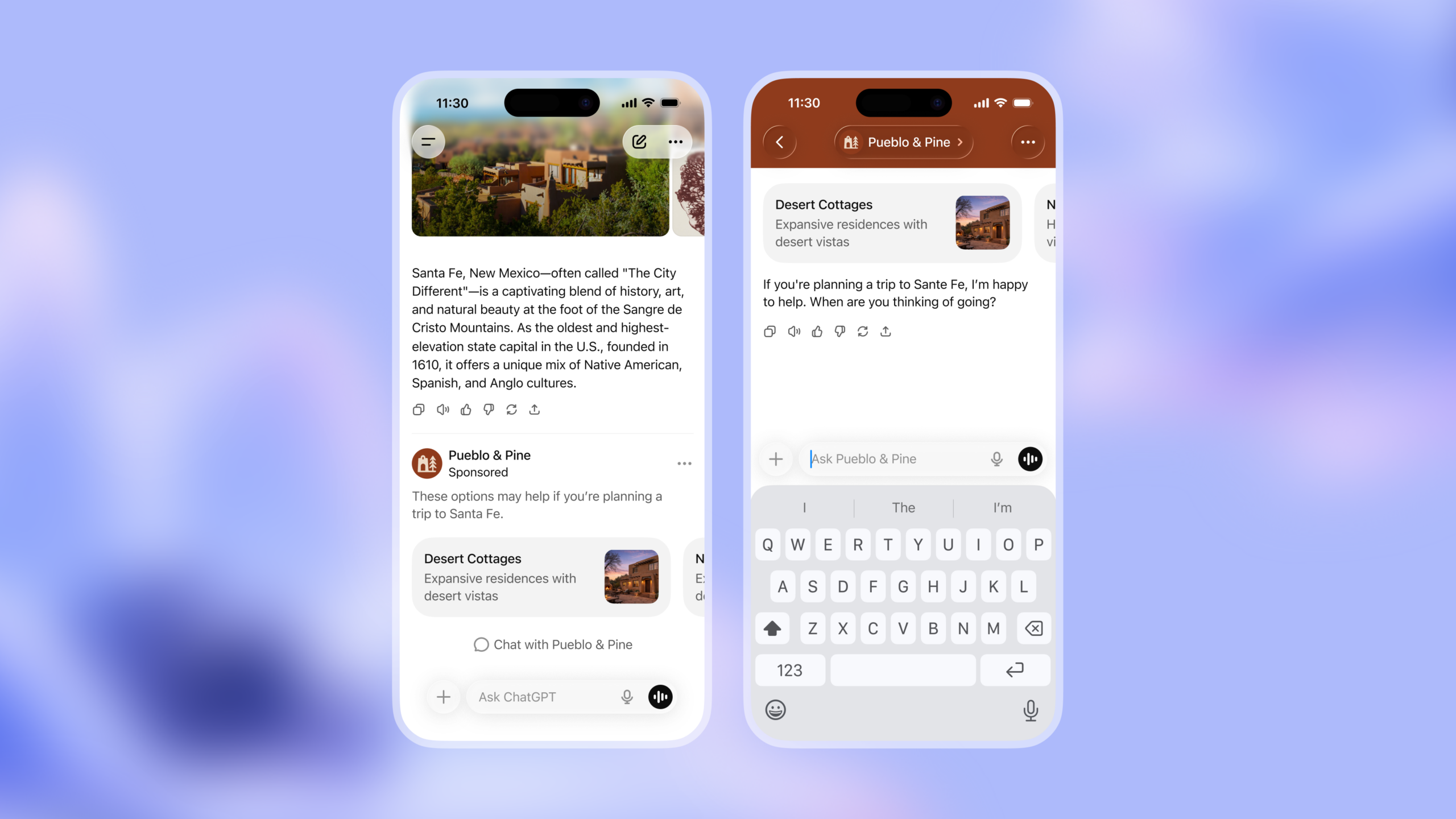
OpenAI has set an ambitious target to reach $100 billion in annual advertising revenue by 2030. This goal is predicated on significant growth in both Weekly Active Users (WAU) and Average Revenue Per User (ARPU). Internal projections suggest a target of 2.75 billion WAU—up from the current 920 million—and a blended global ARPU of $60, representing a substantial increase from the current $3.50. Achieving these figures requires a transition from the company’s current, primitive cost-per-impression (CPM) model to a sophisticated, objective-based conversion pricing strategy similar to those employed by established digital advertising leaders.
The analysis highlights that while user growth is a factor, the primary lever for reaching this revenue milestone is the aggressive expansion of ARPU. Because advertising revenue is heavily influenced by geographic variance, success depends on optimizing monetization across different regions, with North America currently providing the highest ARPU potential. To reach the $100 billion target, OpenAI must effectively balance increased ad loads with user retention, as excessive ad density risks degrading the user experience and limiting the growth of the active user base.
The methodology involves reverse-engineering the necessary WAU and ARPU distributions by applying regional weighting frameworks derived from industry benchmarks, such as Meta’s historical performance. The findings suggest that while the $100 billion goal is formidable, it is theoretically achievable if OpenAI can rapidly develop a highly functional optimization engine and effective ad units. The company’s ability to execute this transition within the next few years remains a critical variable, as the current advertising infrastructure lacks the measurement and targeting capabilities required to sustain such high-scale revenue growth.

Mobile Dev Memo · 2026

Mobile Dev Memo · 2026

Mobile Dev Memo · 2026

Mobile Dev Memo · 2026

Mobile Dev Memo · 2026

Mobile Dev Memo · 2026

Mobile Dev Memo · 2026

Mobile Dev Memo · 2026

Mobile Dev Memo · 2026
Mobile Dev Memo · 2026

Mobile Dev Memo · 2026

Mobile Dev Memo · 2026
Gamesight · 2026

Sensor Tower · 2026
SocialPeta · 2026

Raptive · 2026

InvestGame · 2026

SocialPeta · 2026

SocialPeta · 2025

Sensor Tower · 2025

Sensor Tower · 2025

Game Developers Conference · 2025

Sensor Tower · 2025

Boston Consulting Group · 2025