Loading the document
1 free read left. Create a free account for unlimited reading + AI research.
Create free accountWhitepaper DiGRA
1 free read left. Create a free account for unlimited reading + AI research.
Create free accountWhitepaperDiGRA
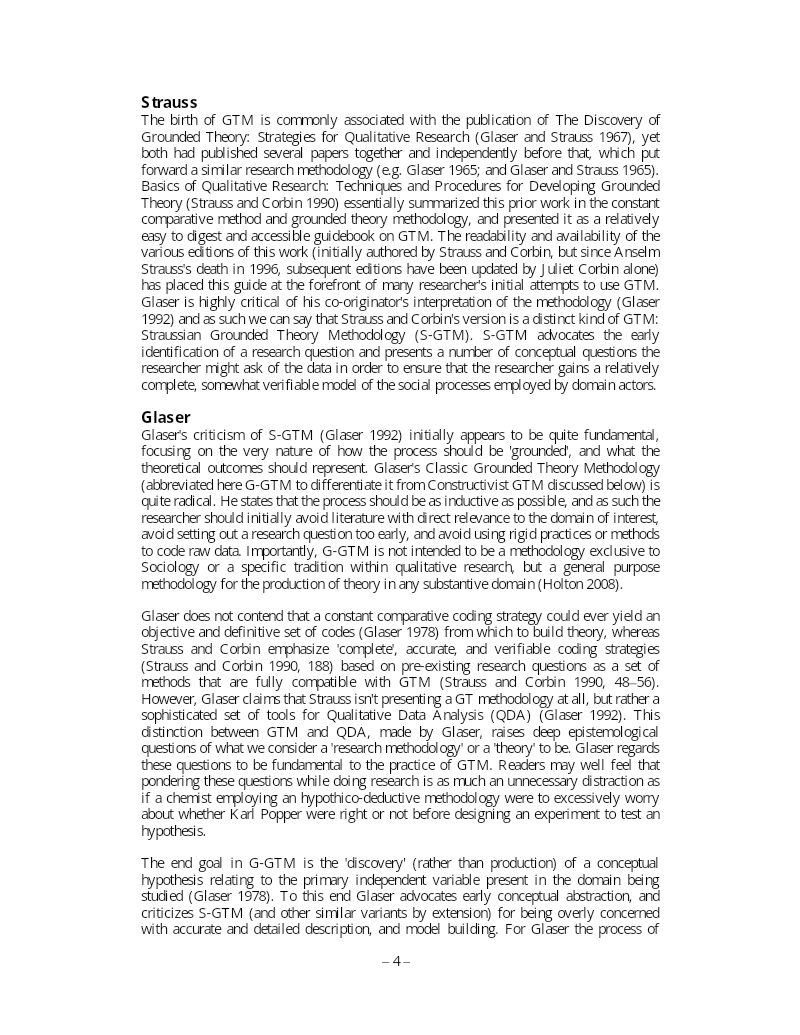
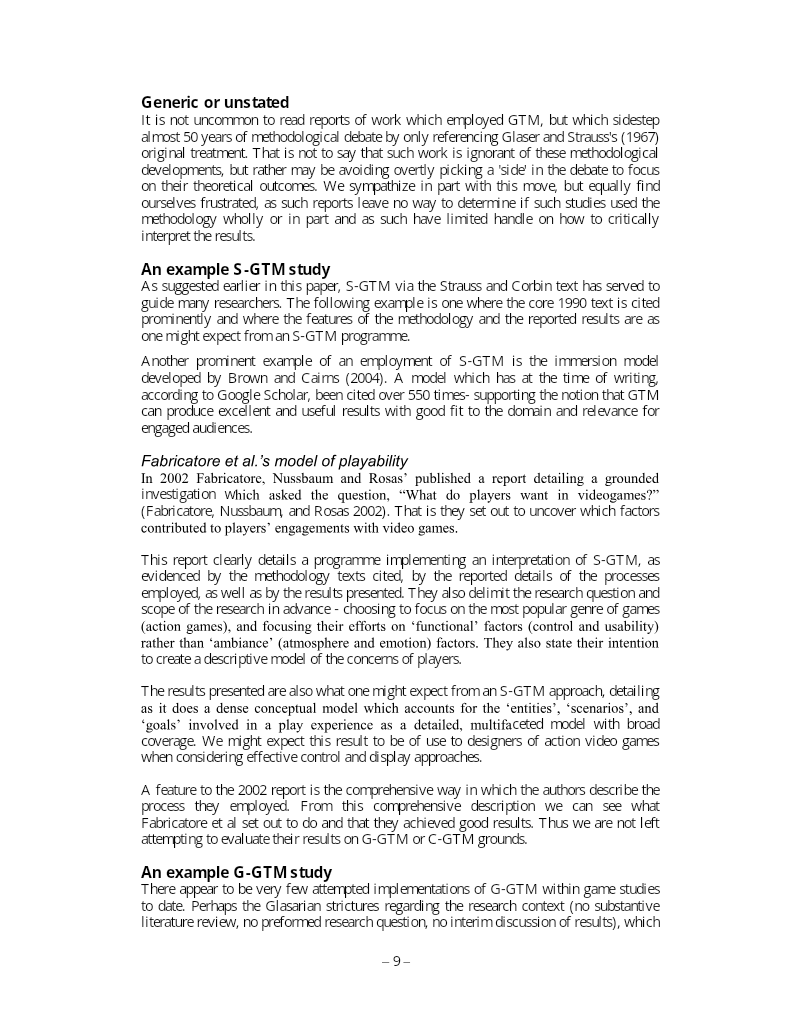
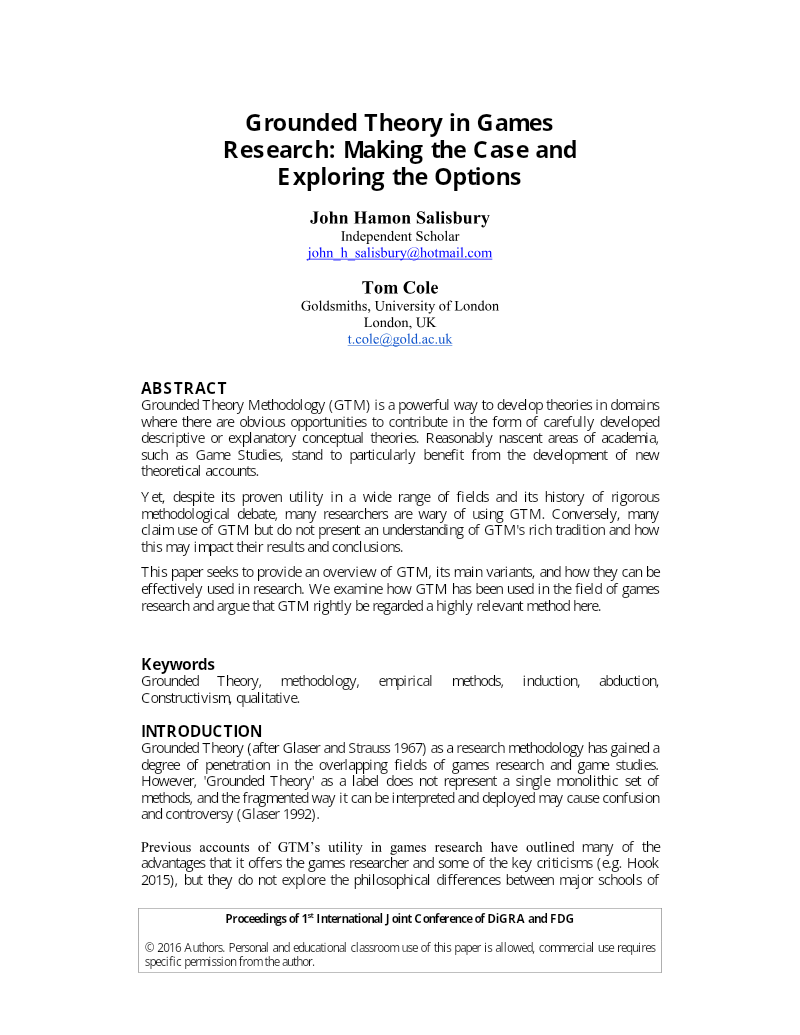
The whitepaper presents GTM as valuable for developing theory in games research. It is not a single method, and its variants differ philosophically.
Core claim. GTM is a family of variants whose philosophical differences substantially shape research outcomes.
The document advocates for the increased and proper utilization of Grounded Theory Methodology (GTM) within the nascent field of Game Studies. Its central thesis posits that GTM, despite its current underutilization and frequent misinterpretation, offers a robust framework for theory development in areas lacking established theoretical foundations. The paper aims to demystify GTM by detailing its three primary variants—Glaserian (G-GTM), Straussian (S-GTM), and Constructivist (C-GTM)—and outlining their distinct philosophical bases, methodological practices, and theoretical outcomes.
Key findings emphasize that GTM is not a singular method but a family of approaches, each with specific aims. G-GTM seeks a core hypothesis, S-GTM develops models of interacting variables, and C-GTM focuses on conceptual descriptions enriched by participant narratives. Core components common to all variants include theoretical sampling, iterative coding, memoing, saturation, and the simultaneous collection and analysis of data. Examples of GTM application in games research illustrate these differences, such as an S-GTM model of playability and a C-GTM study on videogames and athlete identity.
The scope of the discussion is academic and methodological, focusing on the application of qualitative research methods within Game Studies. It does not cover specific geographic regions, time periods, or industry segments, but rather the theoretical and practical considerations for researchers employing GTM. A crucial conclusion is the imperative for researchers to explicitly state which GTM variant they employ and how they interpret its principles. This transparency is deemed essential for ensuring the rigor, evaluability, and accurate assessment of GTM-based research by reviewers and the broader academic community, ultimately fostering the methodology's growth and acceptance within the field.

DiGRA · 2026

DiGRA · 2026



DiGRA · 2026



DiGRA · 2026



DiGRA · 2026



DiGRA · 2026



DiGRA · 2026



DiGRA · 2026



DiGRA · 2026

DiGRA · 2026



DiGRA · 2026



DiGRA · 2026
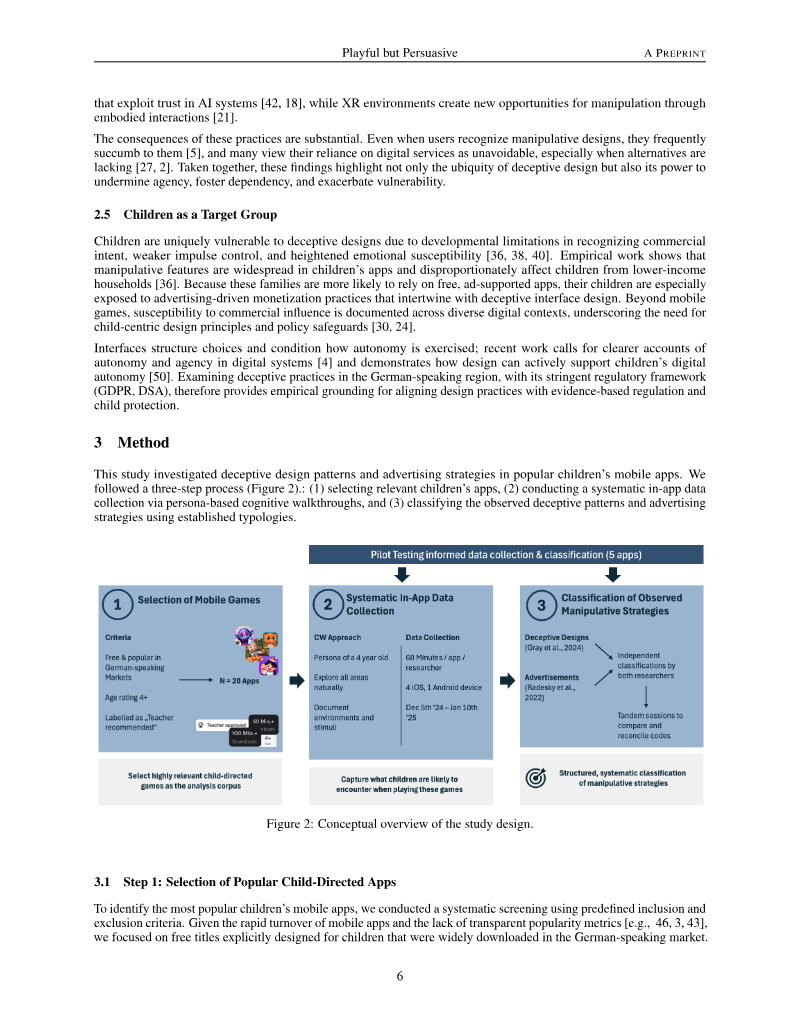

Technische Universität Darmstadt · 2026
Utrecht University · 2026
Dalhousie University · 2026
Comments