1 free read left. Create a free account for unlimited reading + AI research.
Create free accountFinancial report GREE
1 free read left. Create a free account for unlimited reading + AI research.
Create free accountFinancial reportGREE
Distilling the key insights…
Fiscal 2016 marked a period of strategic transition for GREE as the company navigated a challenging market environment characterized by declining revenues and intense industry competition. Consolidated net sales fell to 69,878 million yen, representing a 24.4 percent decrease, while operating income dropped by 29.6 percent to 14,239 million yen. Despite these top-line pressures, the company achieved a significant financial recovery, reporting a profit attributable to owners of the parent of 8,402 million yen, a notable improvement over the previous year’s losses. This stability was supported by a robust equity ratio of 91.2 percent and a disciplined approach to managing operating expenses and impairment losses.
The company’s long-term growth strategy centers on three primary pillars: a concentrated release blitz of new native games, the expansion of its game operations business, and diversification into emerging sectors such as virtual reality, advertising, and home-related platforms. By leveraging these areas, management aims to move beyond traditional mobile gaming revenue streams. This strategic pivot is reinforced by a commitment to shareholder returns, evidenced by a 22.3 percent dividend payout ratio, and a governance framework that emphasizes board independence, rigorous internal controls, and direct oversight of risk management.
Operational risks remain a central concern for the organization, particularly regarding rapid technological shifts, global expansion hurdles, and potential regulatory or intellectual property disputes. To mitigate these threats, the company maintains 24/7 content monitoring, strict user safety protocols, and comprehensive legal oversight. While these internal controls are designed to protect brand reputation and system integrity, the company acknowledges that external market volatility, potential M&A integration challenges, and the dilution of shareholder value through stock option exercises remain persistent factors that could influence future performance.
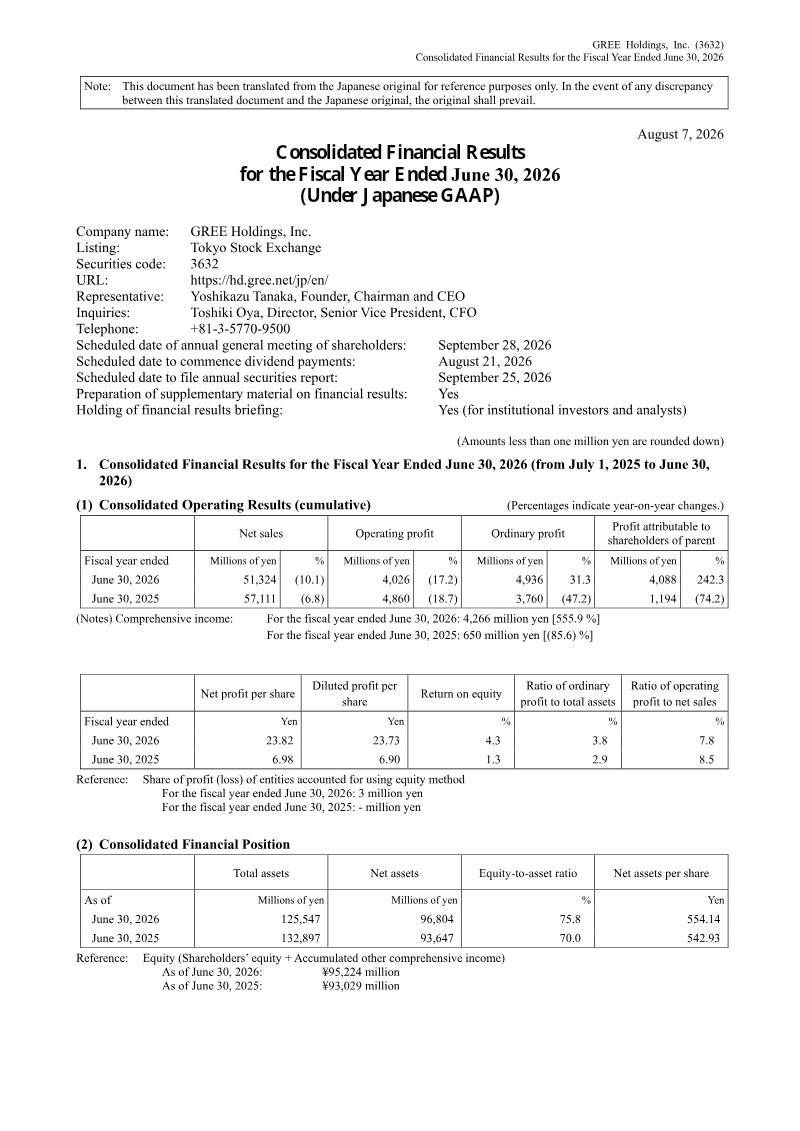
GREE · 2026
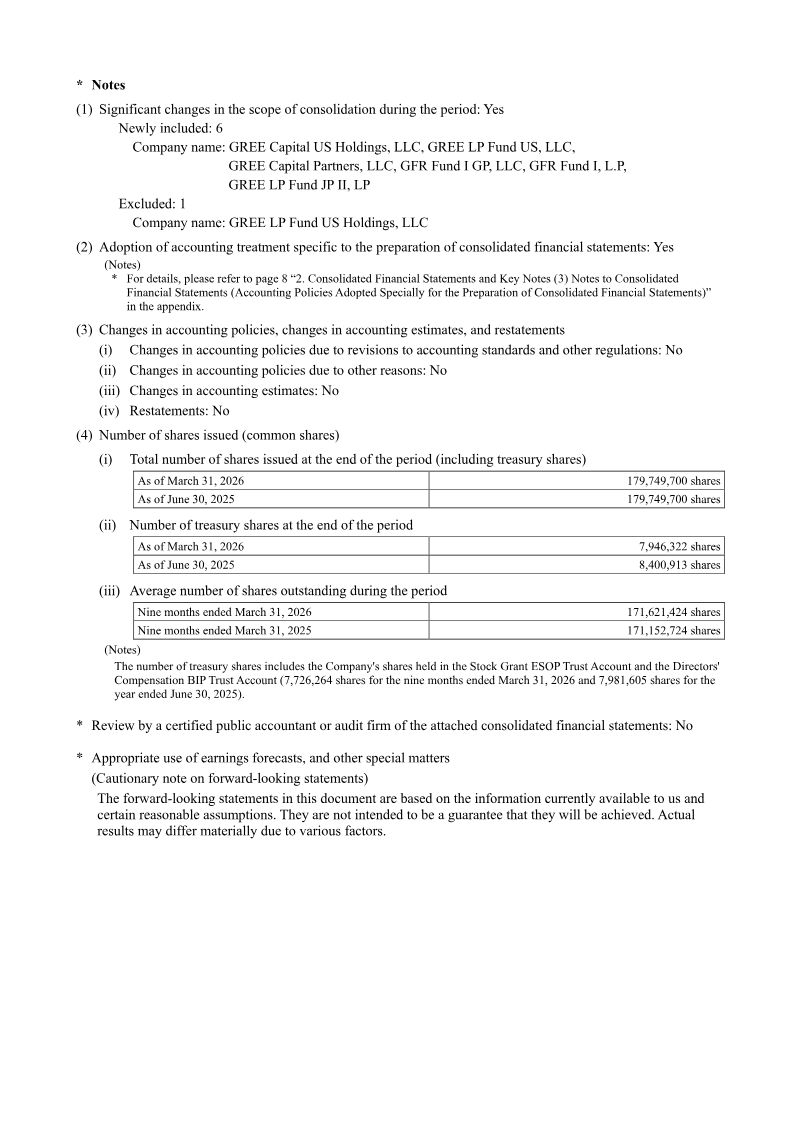
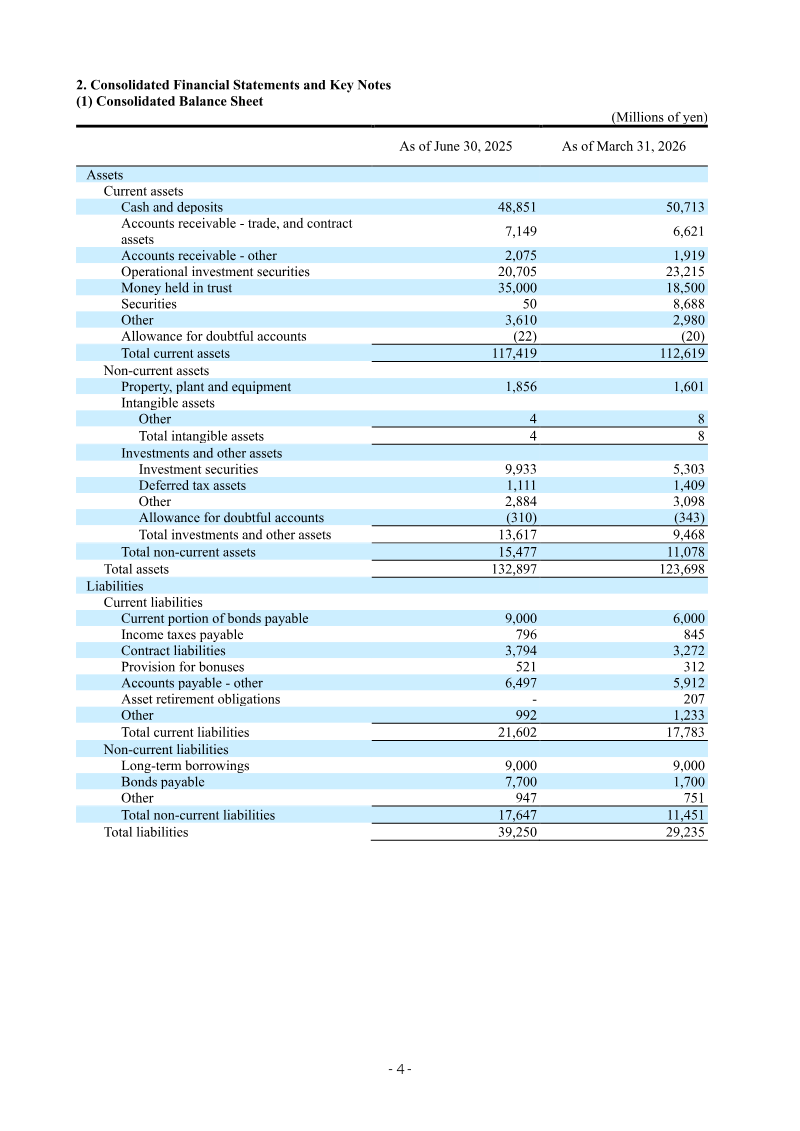
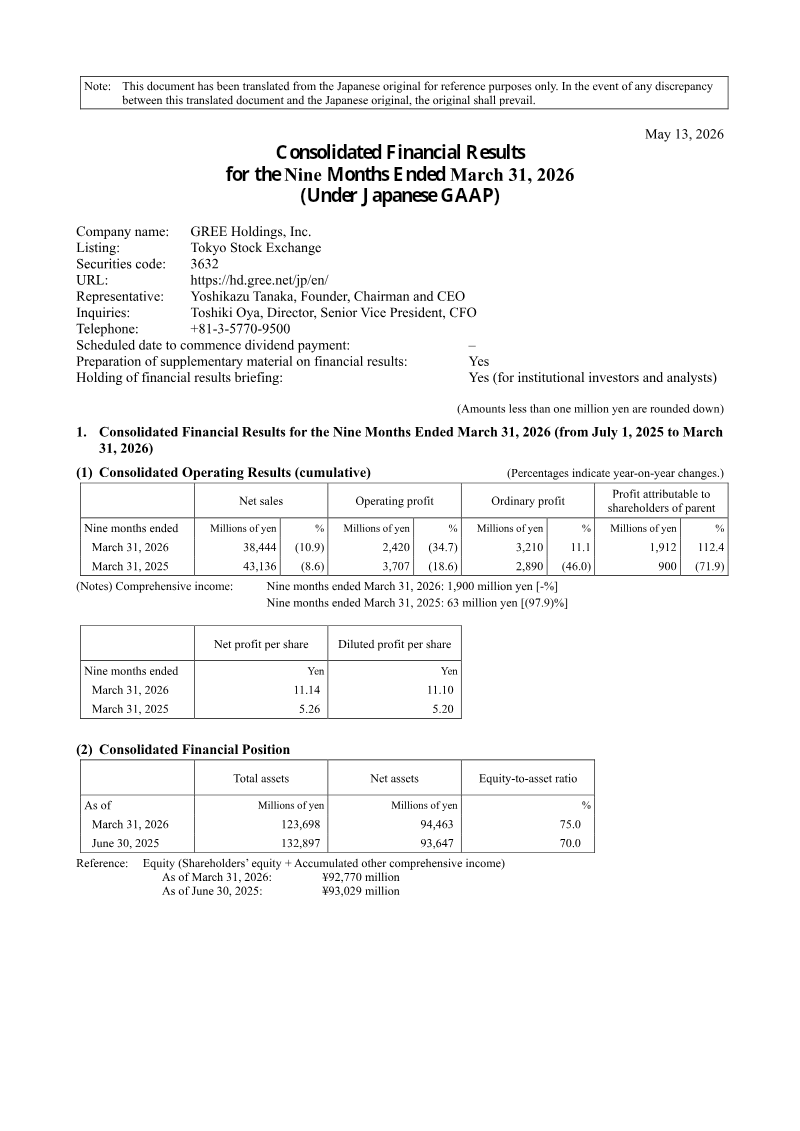
GREE · 2026
GREE · 2026


GREE · 2026


GREE · 2026
GREE · 2026
GREE · 2025


GREE · 2025


GREE · 2025


GREE · 2025
GREE · 2025


GREE · 2025
Aiming · 2018