1 free read left. Create a free account for unlimited reading + AI research.
Create free account
GduX.me 2020 | Day 1 Cont'd
Key insights
7 takeaways- 01While 3D production tools like ZBrush, Maya, and Marvelous Designer lower technical barriers, foundational artistic knowledge remains the primary driver of high-quality results.
- 02Independent personal projects are vital for career diversification and brand building, enabling artists to transition into specialized roles such as teaching or contracting.
- 03Sustainable development requires studios to prioritize rigorous production planning and disciplined cycles over chasing industry trends.
- 04Systemic industry crunch is a result of poor management, unrealistic scheduling, and flawed project scoping rather than individual employee drive.
- 05Formalizing operations through entities like LLCs provides necessary liability protection and professional stability for independent developers.
- 06Securing intellectual property through trademarks, copyrights, and patents is essential for protecting creative assets and maintaining long-term ownership.
- 07Artists must treat legal processes as collaborative tools by using formal contracts that explicitly define work-for-hire terms and revision limits to ensure fair compensation.
Ask AI about this video
Transcript
awesome yeah for some reason the streams stopped while we were fiddling things around but i think we're back on now as people are joining us but i am recording this so um hopefully hopefully we get a lot of this in okay okay we can cut all the other stuff out beforehand yeah yeah i know right um so as we're talking through this and for people who are tuning in and we don't have to go through a whole overview of what's happening right now you know one of the biggest aspects of you kind of taking a content and reimagining it it uh i think it takes a lot of the planning i feel like a lot of personal projects at least for me it gets very difficult right to go in there and and just take the first steps right so at least having something starting with some kind of fan art right uh inspiration to draw from uh to kind of carry through
and and and and kind of reference right it really helps especially as a 3d artist i think concept guys have a lot better time doing this but like as a concept 3d artist you're doing a lot of 3d content to kind of get the wheels turning to kind of get the wheels going right so um you were kind of mentioning 3d concepting and and that is one of your focus point for doing this type of project uh were you always doing that before or is this something a new type of process that you you really wanted to nail this time around um actually yeah like it's 3d concepting is always that was actually my um my first uh like introduction to zbrush um when i first started using zbrush at the time i actually wanted to be a concept artist i was in school for it um where i was in school for concept artists i actually uh i went to the art institute they didn't have a concept art program
um so all the people at that school that wanted to be concept artists they would just get together after school is over and find a classroom and just start drawing start sketching start you know sharing tips and tricks with each other watching videos and doing whatever they could to level up they actually called the concept club um and i was kind of like on i was kind of like on riding the fence at that time because i was um an animation major and i was really getting into modeling um i really liked uh using 3ds max and modeling hard surface stuff and then finally i took a zbrush class this was like towards the end of my time there was like a year three um and i really just loved it i picked up immediately i remember i really loved sculpting with clay before that and i just loved how fast you could iterate and prototype things in zbrush um you know you're not married to topology and stuff like that so i would just kind of absorb that and so that was kind of my uh first kind of step into it and so um after school i started just um just
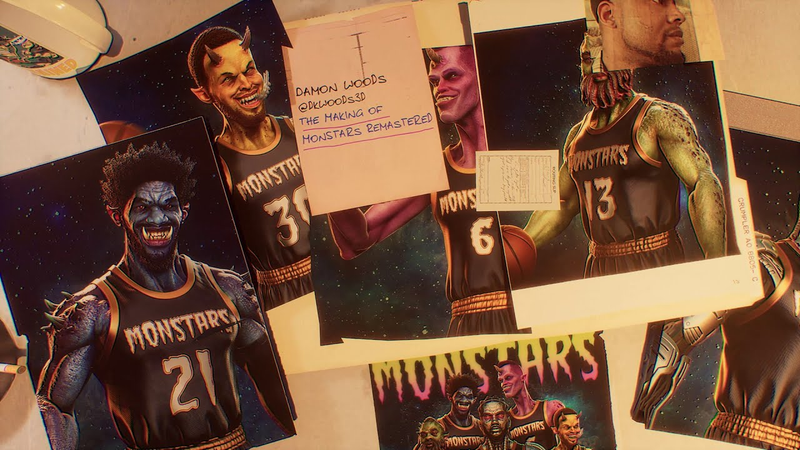
playing around trying to pretty much doing things what i'm doing right now just um doing different fan art doing stuff that i want to see myself i did a bebop um design back in the day that was really fun that was all 3d scope 3d it um i did like a pirate woman um kind of the same way um you know and then and then kind of just uh going off of that like uh learning different tips and tricks along the line um kind of picking up little uh things here and there talking other uh friends of mine that were doing the same thing and so this is always just to be kind of a fun kind of exercise for me and actually to this day actually at work now um i do pretty much all my concepting in 3d or at least i integrate 3d into it to you know take care of anatomical things and not do like paint overs so zbrush is great for that that's what makes it such a great program yeah definitely uh so zbrush seems to be your main tool set that
you use from beginning to end do you use any other programs at least for the modeling process while you're concepting to to final yeah i jump back and forth between uh zbrush and maya or three uh 3ds max from here to uh here and there for like uh cleaning up pieces um i use z modeler and zbrush but i've always been since i kind of learned from on the onset to modeling 3d suites like max and maya i'm still more comfortable there so usually what i'll do is i'll panel loop stuff out but if i need to do any kind of a heavy modeling on it then i'll take it to maya i'll clean it up do some things to it and bring it back in onto zbrush and kind of work from there um this piece for instance uh this more i want to play uh more of like some hard surface techniques i'm trying to pick up some some techniques from vicali um from guys like that um on how they kind of prototype things and so that was like the the challenge
with this was that um kind of bashing some things together um but there's a lot of things like for instance marvel's designer was used for the jersey um because sometimes i'll sculpt things in like the waistband for instance like the compression of this is definitely hand sculpted but some of the other things i just find it a lot easier just to knock it out real quick using a marvelous designer um i think you can get like some really quick results um if it's if it's really complicated then maybe it'll be a combination of that and like some some modeling and zbrush so those are my big three right now for 3d suites do you feel anything changing in the future landscape to your techniques where you feel you feel like something's missing uh because it feels like you have the pipeline down we looked at you know the future tech of of game engines being able to pump out more and more polygons and and textures and being able to like characters even better now but do you feel something
along your production pipeline where you at least been hearing things that will that cease that seems to to really increase your your workflow or or just really help you with any shortcuts that you're struggling with right now yeah absolutely um i mean the landscape's always changing uh with uh with when it comes to the tools when i first learned 3d there was no substance painter or substance designer so there's a lot more hand painted techniques you know um and then since then now you know more of those procedural sweets have come in and really just sped up the workflow immensely um there would be a there's gonna be a day someday when uvs are gonna be a thing in the past there's gonna be a day someday when hair cards are kind of antiquated um and then it'll make your life easier and what that does is it just opens the door more towards um artists to really get a foothold in you don't have to be such a technical guru anymore to get in i think that's a barrier that a lot i've seen a lot of
talented artists that kind of dip their toe in 3d that i know could have excelled you know you would see them like tinker around like some dynamesh for an hour and they bust out some amazing stuff but the you know then when it came time to re-topple it or uv it you know their eyes were and they you know go run back to you know 2d where it's safe you know and i feel like a lot of uh and i already kind of see it we actually just hired a character artist and she started off as a 2d artist and she was she has amazing talent and she picks up 3d so fast because all a lot of those barriers have been um kind of knocked down and she can just you know concept and iterate and then we can worry about the technical stuff later there's a lot of tools that can um really streamline that stuff especially with texturing and lighting when i was in school we still had to light everything in uh mental ray and i don't know if you ever use mental ray that's not user friendly it's not greyed out out of the box there's a lot of tinkering you have to do with the settings and it can get really daunting but now we have things like he shot and marmoset tool bag that just makes it so
much easier and you can see all these amazing artists coming out now that can just really knock out some great pieces some great looked up pieces without having to worry about you know setting their gamma and you know getting all that stuff set up right they can just really just make uh some get some really nice results so absolutely that actually leads to to a very interesting question so with all the tool sets and i'm i feel like i'm becoming the the old man talking about the heydays of photoshop how we used to do things differently right with all these uh tools getting better um i i wanted to hear your opinion about like with all these other tools making life so much simpler do you feel like a lot of new artists coming into the field are losing a bit of something foundational skills that we've kind of built up uh through the old ways that they're they're missing or is it all just all benefits i think so um there's definitely an argument for that um you can make that argument for
really any industry i mean since we're talking about basketball players i guess i'll make a basketball analogy yeah where you know you'll see um all the old-time players you know like bob cousy and stuff talk about all these kids today that all they want to do is dunk and do fancy dribble moves and stuff like that and they they ignore all the fundamentals um well there was some truth to that um till this day the best basketball players are still the ones that have all that athletic stuff and they know all the fundamentals you know if you look at any great like truly transcendent uh talent um they don't just get by on national talent alone it's only gonna take you so far you still need to learn the fundamentals but i think um once again when you know when those old school players were playing they were smoking cigarettes in the locker room and eating you know red meat every day because they thought that that was the best thing to eat you know like nutrition wasn't where it is today athletic sciences it wasn't where it is today um and so the today's generation kind of uh benefits from that and it's the same thing with you know going back to uh 3d art it's
the same thing like the natural talent is still going to be a benefit and if you could put that together with the fundamentals and use all the tools that are available today then you're ahead of the curve because a lot of um kind of flip it around a lot of the old school people like me like i was a late adopter relatively late adopt adapter to uh the newer tools like substances substance designer and marvelous designer because i spent so much time learning how to sculpt drapery and folds and understanding the different types of folds you know compression and gravity folds and things like that i had to spend so much time learning all those uh photoshop techniques learning how to hand paint all that stuff and uh when i picked up when i finally picked up those tools it was actually a benefit because i was able to apply that fundamental knowledge and i was able to do things like for instance like in substance painter you can't just you know throw a smart material on something and call it a day you're going to see it's going to look very procedural still there's you know there's only so much uh you know a smart material can do you're still going to have to come in as
an artist and understand okay well wear and tear is not going to be equal across this whole surface it's going to be more worn out on the knees or on the you know palm of the hand or things like that on a glove and you still have to you know bring that kind of fundamental knowledge to it so it's it's really a combination and for those people who have the talent and also put in the work and kind of keep up with the tech then i think they're leading the pack you can see it across the board yeah i mean absolutely i i think um it's very much the same type of argument between uh 2d and and 3d artists and the ones that can do both are insanely talented and you can see through their expression uh how how there's a different this is there's a different type of flavor i i feel whenever i see like a master of everything kind of approaching a particular project so very much the same way i think
the old guards are always going to have a an issue how how much things are easier now quote unquote right but i i think for the anyone that has have the longest legs in the industry are the types that that embraces new tech that embraces new ways that completely opens up a different way of thinking uh to evolve as an artist uh to evolve as a developer to evolve as a businessman anything of that sort uh anytime that you close off in a technology driven industry only spells trouble in my opinion right you're still out there talking about how crt tvs are are used to be the way of things you know no one's going to take you seriously you're definitely showing your age a bit yeah exactly and it's you know it's um the other thing that comes with the new tools is that the bar rises you have to rise with that
bar where you know a certain character used to take you know a month to finish now if the new tools along uh you know they've come along the expectation is to finish that same character in maybe two or three weeks and so you have to kind of keep up with that and stay um up to date with all the tools there's just no resting you know in this industry it's too competitive there's too many people out there churning out i mean i teach at norman i can tell you right now that next class is coming and they're they're pretty good they're like they know their stuff they grew up with these tools and so there's no barrier there and they're also being taught the fundamentals and stuff too because no one's great at that they still have you know traditional sculpting classes and drawing classes and these types of schools are popping up everywhere you know cgma all these different schools so um the competition is pretty crazy out there so that alone is why you have to stay on top of it there's no you know resting and um you know the true pros you know the people who really uh are excelling
in this industry in the first place are the ones who love to do it um what they love you know have a love in their personal projects or you know they they bring it into the studio too which is important um there's always going to be that that kind of drive there and you just need to make sure that you kind of keep that fire going keep the uh keep the pilot light lit on that and continue to kind of grow and progress and challenge yourself that's kind of my outlook on it when i look at these personal projects it is definitely marketable it's a good marketing opportunity too for yourself and that's really important actually as an artist because you want to you know you want to have your name out there because once again it's so competitive um there's a lot of you know killers out there and like they're you know they're really good at marketing themselves so you that's another thing that you need to um kind of evolve and grow with that's kind of like where i'm i'm trying to improve on this year too um in the past i wasn't really great at marketing myself i was just kind of like my nose to the grindstone and trying to churn stuff out trying to
you know reach a certain level of my career um and and just work on projects that were appealing to me but there is a like kind of a a meeting point between those two worlds that you can live in where you can make something that people love to look at and then it can blossom into things that you weren't even aware like you know like you can start you know busting all these pieces and sooner or later people want to buy those people want to buy prints from you people want to you know uh come you know watch your streams and so there's an opportunity to kind of share that and then share that knowledge with the with a bigger audience so yeah marketing this stuff is definitely a big part of it too um a lot of people grew up with space jam so i knew that would be a big one i'm actually working on a new series uh i if we have time i have to show you guys real quick uh something i'm working on like a sneak peek no one's seen this before yet but um i'm trying to get 3d printing so i'm i've been kind of messing around with uh different stuff so i'm doing like my series on like a realistic mario so like this is like a whip right now
ripped so yeah big rip mario so like it's like the smash bro smash brothers version that's that's before uh coveted mario right that's uh yeah that's funny protein yeah all that protein yeah these guys awesome bling on there dude so that's what i'm being on yeah there we go this is what i'm working on right now and uh um i'm gonna do it like a more realistic yoshi and put him on his back and uh you know try to get some 3d prints out of this and see where it goes so this is my first attempt at something from the beginning planning it out as a 3d print yeah um i still plans on printing some of my older stuff but this one i just want to streamline for that um and uh hopefully you know i can kind of like start developing new hobby and then maybe that hobby can turn into something else in the future but now just that's a way of keeping it fresh for me
so that i don't um kind of get bogged down in the same flow um every time yeah so explain to me while you're getting into this world i'm sure you have a lot more character art friends than i do right so 3d printing has become like quite synonymous with character developers uh character artists in the game industry it just seems to be like a natural extension of your skill set you know i'm already sculpting it now why don't i print it so i can hold things um from at least your beginning understanding of that industry i mean how uh what what is that world like like is there like a i know that you're you're kind of approaching this as a hobbyist but i mean is there a potential uptake in that in in building a business venture or any extension beyond just just making cool cool art pieces absolutely and you know if you look at some of the other uh really successful 3d artists out there who are um kind of branching out and uh kind of
monetizing themselves they all started from just being uh a fan and a student of of character art and art in general and they kind of blossomed out from that um usually very organically you know like um you they start off just you know really enjoying making art and then they would build a fan base sooner or later and then you start getting requests from like man like can i can i print that out i would love to have that as a print and it's like well like maybe what's this 3d printing stuff maybe i should look into that and you start you know you kind of go down that rabbit hole and then you discover prints for yourself and then you start busting these out and before you know it you know different collectible companies are hitting you up for contract work or or maybe you know speaking of contract work maybe you're you're a contractor and um after a while you build a a clientele to the point where you decide to maybe branch out and create your own contracting business where you uh you know just you're an outsourced company all of that kind of organically comes from you know you know starting at that grassroots place and kind of building it organically um
and uh building up a clientele and a fan base uh from there and uh that's kind of like where i'm i'm trying to uh go to that's like the kind of the next step in things is you know i'm still kind of a student of the you're always a student of the craft but at the same time i think teaching to that next group is really important so i tried to you know set aside time to teach um at the same time uh grow like other businesses um as far as like uh outsourcing and just really helping out like studios um where they need it because i think that's really important yeah i mean that's um i think that's one of the biggest benefits of uh [Music] of being an instructor and and being a part of uh the new crop of developers uh at the same time you're you're in the forefront of uh giving back to the community which is huge i want to thank you for that and um and and you learn a lot by teaching right you you kind of better
your your knowledge base your foundation at the same time you know a part of you is like scouting the talent right you're like all right how many how many years i got left before these guys take my job right because they're coming in cheaper and more more more willing right i mean there's a lot of things stacked with them right i mean if they come with the skill set of course of course it's a huge huge plus uh that's not to downplay you know experienced veterans right i mean there's a place there's a reason why aaa studios or what they call quad a studios now want to hire senior professionals because there's a certain i would say patience right there's a certain quality an approach a certain general aspect of game development that requires a senior professionals to kind of take hold and and be leads right because come on right just hand the key kid to the i mean hand the kid to the keys to the car and just expect him to be
suddenly driving these multi-million dollar projects it's that's one thing and that's fun yeah absolutely and that's uh you know um when you you know kind of put your years in and you pay your dues that's ultimately like everyone's different obviously everyone has their different ambitions um i've always seen it as yeah like um i don't plan to be a production artist forever as much as i love it um it can wear on you especially the way the industry is going right now crunch is becoming more and more just an accepted cultural thing in the game industry but there's other avenues and i think as artists sometimes we kind of accept the way things are where you know there's other avenues you can go to kind of you know build for yourself you know um outsourcing is obviously going to become more prevalent in these years especially you know the way things are going um as an artist i'm just talking about as an individual artist you know working from home working remotely and then also
just keeping in mind smaller studios that don't uh require as much crunch obviously the larger studios they're gonna you know it it kind of is what it is right now hopefully there's reform coming but i went bank on it because like you know this the quality bar is at a place right now where you can't go backwards you can only go forward and it just takes a lot of hours it takes a lot of iteration and it takes a lot of people who just love that lifestyle and there there are those people out there and i used to be one of those people i still am i still really love um just grinding on something until the late hours but there's also a part of me that um is like well i've got a kid on the way you know i want to spend some some time with my family i think um and so you know just kind of exploring those other avenues that maybe uh don't go down that same path i would say uh changing the pace uh of a game developer started when a kid is on the way i think
that's the traditional story is like oh i can't keep doing this the way i've been doing this for so long it's a wake-up call right it's a maturity i think and it's very healthy to kind of think that way because sooner or later you know we're gonna get pretty old get slower right right and while we're young we need to kind of take these risks and explore uh naturally uh and it's one of the reasons why gdex was built is to kind of get people thinking about what the next five years look like and not just about yeah i mean i'm i can stay up to 3am uh every day seven days a week all the time right it's like no man at a certain point you don't want to do that anymore right i say that but like i look at you i was like man this guy must be still standing up pretty late to make these crazy projects yeah because it's a lot of work i am yeah like these these things are different i'm one of those guys that's the that's the the catch because
i want those guys that like my best ideas come at like two three in the morning oh wow so it's training usually what i uh yeah it's it really is so like at the same time like you know i'm kind of fighting with myself on that um but it's really just about setting your hours you know you can still do you can still work both in it just depends on you know how you are you're a morning person or you're a lay person i'm just more of a night person so like you know spending time with the family during the day and then like took them all in by you know 10 o'clock that's when i start getting going and then from 10 to 10 to midnight or 10 i usually say i'm gonna conk out at one o'clock um this is me like i'm not telling you all you guys you need to do this some some of you guys it might be the opposite maybe you want to wake up earlier in the morning and start grinding on this that might be an option you know get up at five in the morning and then you know do your stuff like like your rocky training for a fight you know just you know get up with the sun and then do it get all your grinding out of the way and then go drop your kids off at school and then get on with your day um but there are slots that you can definitely fit that in without killing yourself
it's really just about time management and uh just prioritizing um i've got a bunch of i've got just as many games on my hard drive i haven't played then projects on my hard drive haven't finished it yet and at certain point i was like i'd rather finish those projects on my hard drive than those games on my hard drive those games are going to be there you know they'll be there when i retire if it takes that long but i kind of have that itch that i need to scratch when it comes to making art and so it's been there and i can definitely see my you know my mood change when i haven't it's kind of like uh about athletes going back to the athlete analogies again sorry but um you know like if you talk to athletes and stuff some of them like they just can't if they haven't if they've gone two days without working out they it's like a noticeable change in their demeanor um and i'm kind of like that with art you know it just kind of keeps me centered so that's i just make time for it i definitely you're definitely speaking my language you mentioned athlete i like to uh consider myself as an athlete
but i do i do go aggro man especially being quarantined like not going to the gym and doing my regular workout yeah i i totally feel you man if you have a certain habit and basically it's the way you breathe and um if you just venture off of that you do it's something that clicks right uh i mean not click so it ticks you off a bit just a simple thing right because you're just off your rhythm and uh if anything this time is really testing our rhythm and um right i think there was a certain period for me and it sounds like you haven't hit that switch yet where yeah i was like spending all night doing stuff and then i forgot exactly when where i just suddenly became a morning person where my best thoughts were like i can wake up at 5 00 a.m and just rock out for the next six seven hours um and work on that but like at 9 00 pm nothing is coming through nothing matters anymore no matter how important the deadline i'm just turned off
and need to uh retire so i again definitely hear you on that one yeah different artists man uh same approach i think same idea yeah right same approach you know you got that like when you're when you're truly driven by something then there's always going to be that thing like in the back your head that just always like poking you when you're not doing that thing you know it's just like you just you need to get it out it's almost like hunger you know you have to eat every day or those who you get start getting hungry is the same thing with anything you're passionate about um and if you're an artist out there listening to this and you don't have that little thing poking you in the back of your head don't feel like that that means you're not cut out for it or anything maybe you're just not inspired maybe um it's time to just kind of reflect and think about the stuff that i'm working on this personal process i'm working on are they really something that i'm interested in or am i doing this because i think this is going to get the most clicks you know you know am i am i doing a sci-fi character because i think sci-fi characters is what people want to see when you really want to do medieval
stuff or cartoony stuff um really just doing like an inward look and decide you know and see like what is you that you really enjoy working on because half those stuff the things on my hard drive that haven't finished because i started on it and i realized it just it wasn't where i want to be at that point i might go back to later when i'm in a different mind space but like i i really just give myself a project that i know that is going to challenge me and also it's going to keep my attention whether it's at five o'clock in the morning or at two o'clock at night wherever it uh you know uh wherever i'm working on it so that's kind of my advice i get that a lot from students that question uh so yeah sometimes it just you know you gotta look around around a little bit to find that inspiration yeah and inspiration is definitely one of those things that kind of help kick start your your your mojo for every personal project and personal projects if anything i know there's a lot of talks with indie developers especially throughout the day you know making a game is a huge different undertaking right and i feel like a lot of people just forget the steps in between is like
well can you just make something right now uh and then deliver it within a week can you do that and most i would say that can't do that won't be able to work with the team and and deliver that game right i mean that's just the reality uh like how how can you take a huge step if you can't take the small steps all right right and it's baby steps exactly and i think a lot of the projects if anything uh i feel like the people who are now that everyone's working from home right um everyone's kind of forced to to kind of think this way but i i've noticed like a transition for people who who just love working in the office right i was like oh man i can't take this anymore i need to go back to the office i can't concentrate well to me it tells a lot about like well you probably never really did any workout like artistically outside of your
nine-to-five right you're not used to this right to this lifestyle so everyone such as yourself is probably loving this is like yeah man i can be at home finally god give me more of this right it's just a different um it's it's you know and the the the opposite because i've seen the opposite too because yeah like for instance my team my character team like it's like a 50 50 split half of them uh wish that they were back in the office because they just um you know like especially it depends on your your your setup at home too like unfortunate like uh you know i have like a lot of space to work with at home and um i don't have like noisy roommates that are you know you know making a racket or whatever or you know like or just whatever your home life might be maybe it's not conducive to being creative so some of those people might want to get back in the office just to get um in that space um but wherever you are just it just me it just it's important to understand how to lock in and really just uh get down to it because yeah me
personally i i just came up always working alone late at night i've done this since high school or earlier since i was a kid in grade school really like i have a project and you know it's an art project and i go way overboard with it and do all this crazy stuff and i'd be up until way late working on it so i've always been that person um some other people they get their they got their best work during at school in class like and as soon as the bell rang whatever they kind of just checked out and uh but they still made amazing work in that time so i guess it just depends on the person too um so that's a factor all right i mean we've had uh we started this with some technical difficulties but i'm i'm glad that we kind of ironed things through and kind of got back into the groove of things we are at the end of that hour and i want to spend this time to personally thank you for joining us and becoming part of g ducks history and it's always a joy to kind of see where you're at with your personal projects i i consider you as one of the best
character artists that i know especially not just through your techniques but the the the content and the the joy that you bring into your projects i mean it's just self-evident and it's always a pleasure to kind of see how lazy i am compared to your work ethic man but uh i want to spend this time to hand over the mic to you to kind of give a shout out give attention to for the people watching the live or the recording uh where they can find your work and connect with you yeah absolutely thanks for having me by the way by the way man it's uh really great being on this uh witchy man uh appreciate you um what i'm working on now is um just stay tuned on my instagram uh uh dk woods 3d um you can also find me on art station under damon woods i'm going to be busting out a bunch more of these you guys got a sneak peek at the mario there's more to come there's a bunch more announcements i can't wait to show you guys so just uh stay tuned all right damon i want to thank you for your time
and wish you the best dude always connecting always checking up with you hey appreciate you man appreciate it see ya all right all right everybody we are near the end here and i'm gonna take a little a little two minute break before i introduce our next presenter as well as our next clip so before i do that i want you guys to sit in your seat relax and enjoy some nice nice music
so crunch culture has been synonymous with their industries as early as uh peer pressure was invented even though we are facing less of that issue now when people are working from home it has always been a hot topic every year especially when a major game is coming out so some studios have been even admitting to really not knowing how to ship an ambitious game
without working more hours so what really is going on i gathered my regular crew of ray graham who is detective director at unity and richard q the game director of kooky and had a round table discussion about this sensitive issue so i am going to switch cd project red and and the whole um cyberpunk cyberpunk delay has i think sprung forth more and more discussion about this again because uh somebody that was on that team said oh yeah we're gonna still be crunching to get the game done by i think it's like what is it september october yeah uh and so everybody i think that kind of spurred everybody and you talk about it again do you feel like overall i i think like the overall um
survey uh there was like a state of the industry that everyone's kind of doing uh gamma sutra has been doing one i know agda kind of been sharing their news and overall at least the last couple years what i saw was there's been uh actually a decrease in overall crunchiness so there's been an effect in the last two years where developers have been at least conscious of their rights as game developers and maybe because of the a lot of the expose articles that's been kind of turning a light onto the game industry as a whole has been making an impact is this an assessment that you agree richard well how do you feel about it um well actually since you gave us a hint and said that you read the karma sutra state of the industry i just sped reddit um i think that uh so for the people who
haven't read it yet like what are the reasons you believe caused you to work those maximum number of hours a week basically more than 40 hours self pressure i personally wasn't working hard and i felt i needed slash wanted to i think like a lot of the video game industry uh still runs and it will probably always run on the idea that this is an art form you want to express yourself you want to get your best uh stuff out there in front of players um when you think about a game like cyberpunk with a ton of hype around it and um it's a large uh you know box priced game like you have people who really want to make sure that they get their stuff out there and it's the best that it can be uh whenever i read about articles of crunch like being bad like uh the last one i remember was uh with um rob the grand theft auto rockstar uh and yeah that's another like big ass game that takes a lot of effort and energy and you really only get like one big shot
to make that uh super awesome first impression and to um like meet everyone's expectations around your game uh so i definitely uh can relate to that uh i think like that's a main reason why like 40 hours plus uh is still always going to be around so yeah i mean yeah wait wait wait saying ray i'm saying part of it like yeah so some people would like to believe that it's just i want to get my best stuff out and i need to work harder to get my best stuff out right but like when you're on a team like that even when even when i saw the same um the state of the industry survey where it's like oh it's self-pressured i want to do it right a lot of times it may feel like that or you may tell yourself that but but you know at the same time it's you want to make sure that you're pulling your weight on the team and everybody else is there late there's nobody to tell you to go home
there's also somebody telling you that oh or somebody's setting the schedule up in such a way where in order for you to get your best stuff out you have to crunch right rather than setting it up in such a way where you can have a time to polish and have a regular work-life balance and still produce high quality stuff right um like i people always use like yeah we always want to cram more stuff in and make it great right but that's where the management the people running the teams need to be like nah nah this is good enough all right or put time in to get that polish in right so that people don't have to kill themselves yeah yeah i mean to add to that like i totally agree like um so i think it's on both sides like the people are willing to put in the hours like i i don't know how many um i don't have any stats off off the top of my head but like how many of the people who are crunching like what age are they like is this their first game i mean you can look at the people themselves but ultimately it does come down to how the team is managed how
the schedule is set up like is there time to polish is there time uh to accurately estimate how long any major task is going to take uh since i shifted to like indie stuff and i'm working with my family i need to make sure that it's like really tightly scoped to keep that work-life balance going and has given me a lot of empathy towards understanding precisely how much time is needed for a feature to get done and i don't think that in larger uh corporations like that much attention can be given across the entire project so i'm not saying it's anyone's fault but it's definitely like how like people want to give their best effort but also just like you know do they have enough time to do it and are they overcast yeah i i think at least my measure by default with the crunching is that uh anything more than five people it becomes a choice uh because essentially when you're working with the large team there's a lot of gates in place to kind
of prevent problems uh with delay of game or quality stuff not getting in right to me uh it becomes more about peer pressure and bad planning than actually trying to push this game that is so close to being the best right it's not it's not about a ledge and so uh my my understanding with that in my you know there was a certain point in my career where i just said no right just like straight up neo just looking at them and said no and a lot of that is because of experience but just not wanting to be taken advantage of and fall into the peer pressure of things and so um i just see the long game of crunching so with crunching i think essentially i agree with i think we all all agree right um with smaller teams because there's so many so many factors that so many variables
at hand that you're juggling with many disciplines at once and you're essentially maybe working on this game for the first time as a group that it's hard to account for all things and with larger teams until we fix that problem where a five-year game is actually being made the last two years or last year i'm not crunching the first three years of this five-year development no i mean it's it's most of these games that get delayed like we were talking about uh cyberpunk right that game is essentially just being locked down the last two years of development there was a lot of high um uh high ranking officers kind of leaving at right pretty much right after the first trailer announcement was made right a lot of high departures being made shortly after that because the game was nothing but like an idea
right it wasn't fully fleshed out and there were problems already happening so you guys can speak on this right you guys have been leads of major games most people kind of stick to the end just to get that credit but for you to leave before the game is out and uh allegedly it's getting a bunch of hype right it usually means because of production problems that you just don't believe in or agree with the creative control of what's happening with the projects not because it's super tight uh at least in most of the cases correct yeah like uh game like cyber oh sorry no i don't know if you were oh yeah yeah all right so i was gonna say it was like uh yeah i think like um uh games like that uh which have a lot of hype to it i mean so much of like what uh you have to do when you like manage a product like that is like hype it up and
you need to get people excited about it you need to get people to um get invested into it like way way way back then like pre-sales matter but now it's a much different like sort of market that doesn't matter as much but you still want to stand out you know the industry is only getting larger and larger and there's still more money that goes into these games people are spending more like the um just the the spending patterns of like consumers is like always just like increased over time um for a game like uh i i haven't like done like a full analysis on this but i think like if you were to like make a check box of like things on a product that would contribute to crunch i think stuff like you know like uh how long has it been in development uh you know how is it a new ip like how much like um content is being promised and stuff i mean i think there's a correlation that you can draw i mean it's not like you know these uh companies are actually thinking about like how their product is similar to other big
products and how should they scope their stuff differently um so i think like a lot of these like jam ups that you see uh with big delays like for cyberpunk and even like final fantasy vii remake these things like just uh are just part of the game industry and like you never know like sometimes it's like maybe sometimes it's not the development team's fault maybe they've gotta work wait for things like like gold masters or regulations or other geopolitical stuff like who knows like um there's definitely reasons for these delays and sometimes it's due to poor planning and i would like to say that most of the time it's not because of that but you never really know
to cap off the day i can't think of anyone better than our last presenter jessica sherbyman oh man i think i'm totally saying you're wrong your name wrong she is a lawyer of her own law firm and she will be discussing gaming and intellectual property protecting your work and your brand we have been spending the whole day today learning about how to come up with great ideas and marketing them but how do you protect them many developers know the technical skills behind development but marketing is still a big mystery so why does it matter what steps do you take what examples can become outdated what makes it seem even more imposing what if it's really just about perspective like many creative skills this is a simple and clear guide that can get you started on the right path so jessica i believe at this point we will try to hear you can you try saying something can you hear me
yes all right perfect oh okay okay and you can see me yes we can see you perfect good and you can see the presentation yes awesome we can so uh we are good to go and uh the show floor is yours awesome well good afternoon i think to those of you on the west coast and good evening to anybody here on my coast which is the east coast um thank you brandon so much for the introduction and i hope everyone gets something out of this so we're going to chat a bit about intellectual property or game dev in general for indies who are producing content and i'll touch a little bit on if you're on the side of maybe engaging others whether it's for your own development project or if
you're having um some help with any projects that you are working on so thank you again to brandon and the game dev team and uh yeah let's get to it so briefly we will touch on business entities and formations uh sometimes they're well oftentimes there's a great reason to work through a business entity so we'll spend just a few minutes talking about that some some helpful tips a little bit about contracts and some pretty important points both in terms of managing your relationships with studios and production teams that might be hiring you to create content and work to be incorporated into uh games and other software that they're working on and also from the side if you are getting extra help on your team to create some of this
and then in depth about the ip so we'll talk just a little bit about protecting your business with trademarks or i'm sorry yes and protecting your brand and protecting your creation so a little bit about patents and copyrights also and just super briefly about trademan law we are a boutique firm based in miami florida we focus on business and intellectual property we work with entrepreneurs and a lot of creatives including independent game developers production studios graphic studios and others so and also a little bit of non-profits which we will touch on very very briefly so having a business whether even if you are an independent worker an independent creator sometimes it is beneficial for you to operate through a business entity whether it's an llc or a corporation
or in some cases a non-profit though we'll talk about the connection with non-profits in a different in a different respect so having a business it gives you a little bit of liability so in the event that something goes wrong with a project you have worked on or a big event like a conference you have put on or some other really anything that you're doing in your work if you have a business and something goes wrong that creates a barrier and a degree of separation between your individual assets your personal assets and anything that might be owned by the business and yep so um also the business expense that is a huge amazing thing that comes with a lot of benefit on the tax side for businesses
i will get into that um a little bit more briefly so yep all right so the business expense if you are doing anything like traveling for your meetings or meeting with clients or going to events where maybe your projects are being presented and things like that then um having a business is a great way to be able to write off some of those expenses at the end of the year when you're filing your taxes if you have a home office that you're working out of if you are buying supplies um tools equipment all of that can start to be written off from as business expenses and if you have an llc there's an added benefit of that being a pass through to your personal expenses um so it's
kind of a way to save some money at common types of business entities the llc it's kind of the simplest most basic form of business entity easy to set up easy to maintain gives you the protections from liability that i just mentioned and also some of the the tax benefits for profit corporations if you are a design studio if you are a larger company that might be or if you're a startup game house or game studio you might be considering working with investors so a couple of years ago one of our first clients actually was a game development shop and they basically were looking to take on investors and we put together an entire deal for their investors and for basically for the upside for people that were investing in this startup
in order for it to have the resources it need to hire the team hire their developers hire their software folks really to put together the whole team to create this game now i believe they're about four years into development they have launched their game they're seeing revenue their investors are really thrilled because they're starting to see a return and there was also this awesome aspect of their business that they started um where basically a small percentage of their profits were going to um another non-profit organization that had a mission for environmentalism and animal welfare which tied into the theme of their game um so nonprofits are it's unlikely that as an indie or as a gaming studio that you would incorporate as a non-profit but sometimes there are really great partnerships that can be formed between
those so it was just worth mentioning i kind of already went through some of this stuff llc it can be you or a whole team you'll want something called an operating agreement if you are an llc if you're a corporation it would be bylaws and for both of these usually the formation documents are pretty simple you can usually do them online but if ever anybody has questions by all means let us know we'll be happy to help the non-profit i think we can skip it for now forming a business for time we'll skip this it's pretty pretty easy pretty standardized each state has kind of made it easy to do online so importantly now that you're in business three intellectual property i'll refer to it as ip three ip concepts that are going to be pretty important for you you can protect your company with contracts
k is kind of a shorthand for contract you can protect your brand with trademarks and you can protect your creations with copyrights and also patents if you are working on um some novel unique new technology or software that's being included into your work that might be eligible for a patent to talk a little bit about contracts so contract it's a legal agreement between you and another party whether you are an independent developer or creator working with a game studio or if you are a game studio working with contractors or employees and also again if you're an indie and you are working with maybe you're outsourcing some of your work contracts are super super important and also very important a lot of my clients whether they are the graphic designers or
um storyboard creators um or the marketing folks they send proposals for projects to studios that they're working with please remember that your proposal is not your contract if you are being hired to create something or if you are hiring someone to create something you really want to have like a service agreement you might call it an independent contractor agreement you might call it a software development agreement you might call it any type of agreement but make sure you have one because it's really going to set all of the expectations in advance uh are what's the project timeline how do you deal with extensions what's the payment schedule if you are someone who is creating for someone else are you taking a percentage up front are you taking chunks at milestones um these are all important things that you should have laid out often it gets discussed in the proposal but you also want to make sure that you have it in an actual agreement
same thing with invoices and payment how is it made and things like that one thing that comes up a lot is revisions a lot of times my independent clients they're so excited for big projects especially when it comes from a big studio house that they say yeah you know it's x dollars is the fee to create this project and one thing that one thing that they never anticipate is the number of revisions that they end up being asked to make and sometimes the number of revisions or the types of revisions are so far beyond the scope that the creator had in mind that really at the end of the day they kind of end up losing money so make sure that you talk about those things and that your agreements lay it out and ownership this will come up a little bit more but you definitely want to
outline who owns what in your agreement we're going to talk about work for hire in just a few minutes work for hire there we go it's going to be coming up soon so ip stuff trademarks copyrights patents what's the difference between some of this stuff so you're going to protect your brand with a trademark even if you are an independent developer you might have a company you might have a reputation that is worthy of protecting and a trademark is the way to do that so as you become known for the quality of your work and the services you provide like game dev unchanged it's unchanged not unchanged game dev unchained is developing a reputation and the best way to protect that is with something like a trademark you can do a trademark on a federal level with the uspto that's the patent and trademark office or on a state level
state level is usually easier and quicker but the federal level especially in the world of gaming and online games there's you know and and twitch and discord all of this we really are not a localized industry anymore we are national we are global and having a federal trademark will protect your reputation within all 50 states and the u.s you can also apply for trademarks internationally when you are getting to that level definitely call me for a conversation about that because that's that's pretty exciting and thankfully in recent years the world intellectual property organization has really simplified the way that companies and individuals in separate countries and different countries can get protection of their trademarks and their brands globally
just a little bit more about the specifics with the uspto for time i'll i'll skip it mostly mentioned i'm happy to share the slides afterwards if anybody's interested so you protect your copyright or you protect your creation with a copyright so graphics that you are creating um the imagery in the game or in the software the characters sometimes the storyline all of these things are copyrightable oftentimes so if you're being hired by a studio to create something they're going to expect that they are buying the copyright from you really a copyright is a birthright so when you create something when you sketch something when you draw something when you take it to the computer and make it digital by virtue of creating that thing you have a copyright in that creation it does not
need to be registered there are definitely huge benefits in obtaining registration through the copyright office the most important one being that if anybody ever infringes your creation there are statutory damages that's a fancy legal phrase to mean that by virtue of having a registration if anyone infringes you are able to pursue a certain amount of money that you wouldn't necessarily be able to obtain if you didn't have the registration and in some cases the minimum of those statutory damages is a hundred and fifty thousand dollars per incident so and when you compare that to the cost of filing a copyright of all legal things copyrights are probably the most reasonably priced i think the filing fee for most copyrights is like 35 uh and it doesn't take and and the
website is actually very user friendly but even if you decide to hire someone like an attorney to do that it's you know it's it's very reasonable so when it costs you let's say a couple hundred dollars to obtain a copyright and you that entitles you potentially to a minimum of 150 000 if anyone should ever rip you off it really kind of becomes an easy cost benefit analysis so i mentioned that in the event that someone is hiring you they are expecting that they are buying the copyrights from you there is some caveat to that if you are employed by the company or whether you are hired as a contractor for the company or for the studio and the same thing on the reverse if you are an employee and and for some of you who work independently i know for a lot of my clients they also have day jobs and they're employed in their
day jobs and they moonlight doing extra design work and things at nighttime which for some is totally cool if you have an employment agreement or if you are a company offering an employment agreement in most states that employment relationship immediately creates the company's right to the ownership and not copyright this is not the case if you are an independent contractor or if you are hiring someone on a contract basis if you are dealing in the realm of independent contractor this is where in contracts we trust it is imperative to have a written agreement that includes very specific work for higher language and i put that in quotes because those words have to be used exactly they're kind of like magic legal words that basically says i am hiring you to create this work so that i own it
because i know that when you create something by virtue of the creation you own the copyright but what i am paying you for is that copyright so if you are hiring someone as an independent contractor very important to have that language or if you are a contractor something to look out for because if your expectation is for whatever reason that you're not actually selling the copyright to your work you want to make sure that you are on the lookout for that language in your contract but most of the time indies just to let you know if someone is hiring you to create something their expectation is that they are going to own the work that you receive i have had a few incidents where some of my designers have come to me and they've said i created this thing and the person is saying that they own it but i you know i made it i own the thing
uh the design the characters the the storyboard the graphics all of that and i have to have sometimes the uncomfortable conversation with my clients that will know in fact this person expected that the that they were hiring you they were paying you so that they can own that thing because when they don't own it they are restricted in the way that they can use it um so this is it's a nuanced thing it comes up sometimes but so just to let you all know if someone is hiring you they probably expect they own the copyright and they can kind of do what they want with it if you have other expectations make sure that you chat about it in advance so this is just a fun quote business is the is the business art is the step that comes after art so being good in business is the most fascinating kind of art making money is art and working as art and good business is
the best art so this is kind of to say that you all are you all are in the business of creating art uh hopefully some of these things um help you to be good at the at the business side of your art and before i wrap it up actually i kind of went through this a little fast um i'm gonna talk to you about patents so and i know in today's world especially we have a bunch of our clients are working in the virtual space in the augmented reality space and a lot of folks are coming up with really new interesting technology and or developing code for games that is novel so that's where your patents come in if you are developing something so this doesn't apply too much to artistic creation but if you are working
on a project that incorporates a new type of technology that's where your patents come in so patents are the more expensive type of ip that you can pursue but often times worth it and there is a kind of a baby step patent that a lot of my clients like to go after especially in the early stages and that's called the provisional patents as opposed to something like a design patent so with a provisional patent you can kind of place the flag in the ground if you're working on a new technology or a novel software or code that's getting incorporated and it essentially buys you about a year of time to really develop that product or that software that you're using um and then another thing all of this stuff can be licensed so if you
are independently creating things some of my clients create just for the sake of creation which is one of the most beautiful things that artists do so they have ideas that they're working on they are also you can do this with your branding as well and they have these assets and then instead of selling them off and and sometimes clients don't necessarily have the bandwidth to put out the game or put out the new technology themselves there they just had the idea and they wanted to create with the idea and some of my clients actually licensed this stuff i have had uh one of my clients developed a a software that combined with virtual reality he wasn't very interested in the business component of it
but we secured the intellectual property and then with that we've been able to license it to others a number of my clients have done this with new software that they've developed um to be used in different gaming platforms and things like that and kind of going back to agreements licensing agreements can be a great way to own ip that you have created have a revenue stream from it but also let others use it and kind of roll the ball so just to kind of sum up you might want to consider a business entity even if you are an independent designer creator um software developer for gaming you might want to do all of this through a business if you are working with businesses a lot of folks rely on their proposals they feel that contracts are too legally
and makes them feel a little funny about their relationships but a lot of complications can be avoided by having contracts and those again can lay out the expectations with payment schedules and also who owns the ip that's being created and how they can use it and then also the the three ways that you can secure your ip so maybe a trademark to protect your company and brand and reputation uh copyright to officially register and secure in order to be able to enforce the creations that you're making in the event that someone is ripping it off or using it even outside of the scope of how they are permitted to use it in their agreements and then also if you are working on novel tech novel software that is being incorporated into systems
patents are a good way so that's kind of a really fast overview of some big legal topics i am always happy to answer questions here and also separately i know that i ran through this a bit quickly i think that's a little bit of of nerves talking to such a sophisticated industry but i'm happy to answer questions now or afterwards so yeah that's it brandon i know i'm just a few minutes early no worries i want to thank you for coming on and then teaching instance and schooling us the world of business i mean we spent the whole day kind of being creative and and encouraging people to kind of step out into the world and and branch out from their regular you know nine to five duties uh business was something that um i had to learn pretty fast just all of a sudden it was never really in my mind
even entering the industry a possibility and it wasn't until finally when when i had to make that that change where i'm finally all attentive and and and suddenly paying attention to these things so um i want to go straight to some questions here from from the viewers uh this is a question from shadow monarch one uh he's asking or she's asking what are revisions within a contract oh sure so hi shadow and thanks for the question i i love questions i do so much better with question and answer than lecturing so that also goes to my nerves and and speaking to y'all for 30 minutes with no conversation thanks for the question so when i talk about revisions in your contract so it's not revisions in your contract so i'll i can talk to you about amending contracts uh it's more about revising the work
product that you're being hired to create so i wish i knew what kind of work you do shadow but so for example i have i'm trying to think of a recent one that i dealt with for a client who was actually hired to create the graphics for a game and she had the storyboard from her client she knew the game play for the client and it was her task to create the digital universe for this game and she put together this storyboard you know this is what it looks like this is what the characters look like this is kind of how they move how they interact and her client which was a studio they had a number of revisions that they requested so um kind of the way that some of the characters interacted some of the background graphics some some of them were minor revisions like
color tweaks and size tweaks and and perspective but other components of it they actually requested for a change in a character development and that that part of it was outside the scope of what she considered to be what she had been hired for because it wasn't that they were asking for her to change the way that she had designed something it was actually that the studio had changed the storyline for that character and so she had and thankfully she had a contract at the time and we did lay out what the studio's expectations were everything was very detailed and she was able to point to that and say look you know this is the storyline that you gave me for the character we agreed on these types of revisions in terms of perspective and graphics and things like that
but change in story is outside the scope of what you had hired me for and so thankfully she was able to point to that and in her case the studio said you know what we get it that was kind of our bad and you know that we made this significant change and we had in her contract um quotes for substantive revisions like that and so thankfully in her case she was able to explain it to them and then get paid at her hourly rate to make those changes as opposed to some clients that have come to me with similar scenarios but they didn't have contracts and then we kind of had to negotiate a bit of an awkward conversation with their clients and kind of make some sacrifices in order to please the studio or the the dev shop that they were working with in order to maintain the relationship and also
make sure that those clients weren't spending you know twice as much time on a project that they had already estimated and priced out fantastic uh this is a follow-up another question from don su so uh he's trying to figure out if i can if he can show a company or client work publicly so this is a very common issue with developers who have a lot of nda work and when their contract is done you know it's not public yet i mean the what's the safest way to kind of show so does that mean i think that what they mean by that what don means by that is whether it can be included like in his portfolio or in his personal marketing for work that he has done you you think that's what he's asking right brandon right basically
they're they're looking for a new job but they have a lot of end like nda work that they can't publicly show yeah yeah definitely and i think i kind of skimmed over that in an earlier slide so i'm glad that that question was asked so the answer which is a very lawyerly answer is it depends i very rarely i hate saying that because it's like such a stereotypical lawyer answer but it really does depend on what the nda says i'm so glad don that you asked that question because a lot of times if you are receiving a contract from a studio or a company that is hiring you a lot of my clients feel so excited to be securing sometimes really big projects but they're nervous to ask for any revisions to the contract um or any basically to negotiate the contract but like
90 percent of the time the contracts are negotiable so when you see something like a non-disclosure or a non-compete read it see what it says if it says categorically that you cannot share the work that you do ever that's usually not the case but sometimes contracts are not created by attorneys they're you know maybe downloaded from online or something like that or sometimes they're drafted by really aggressive attorneys i tend to be a collaborative attorney and all of our contracts are really drafted to be about creating a relationship not about one side like getting the best over the other so in that what we usually do our approach is usually to create um a flexible nda so we might ask um a contractor to
not publish anything until the game gets published and usually there's a process for notifying people when that happens and most of the time we totally allow clients to incorporate work that they have done in their portfolios or to market it in their social media or on their websites things like that so if you have a so if your non-disclosure says not to talk about anything while it's all in development that's kind of fair on the other hand if it says that you can't ever share the work that you're doing as part of your own portfolio and personal marketing i would say that's probably something that can be discussed i would be surprised if that was necessarily the person's intention to restrict you from ever be able being able to incorporate that into your portfolio
okay this question is from our moderator so this is uh so if this if he was hired to art direct x amount of videos and and direct other freelancers and the client takes the project by giving it to i'm probably gonna have to read this a couple of times giving this to their internal producer when he is 80 done saying that he did not finish the x amount of videos thus they did not owe him any payment even though the content is completed without the last 20 what should he do or what should he have done or can do okay so you might have to run that by me again um so person was hired to create a certain number of videos and they delivered not the entire not all of the videos but enough videos for whatever purpose it was being hired for
yes so basically he finished 80 of the work but they took the remaining 20 and ended up avoiding payment oh yeah so kind of like you didn't do everything so we don't owe you anything exactly argument yes yeah um generally not cool i think um though i will say that right now i'm actually dealing with that scenario on the other side where a client hired my client hired someone to create um a software so in this case this isn't relating to to games or to gaming but it is software it's analogous so it was it's an app and the dev shop claims that they
did everything they were supposed to do my client is saying that they didn't and the work products that they received had was so incomplete and had so many bugs that they weren't able to use any of it so this is something that i'm i'm actively trying to sort out between these people um and a lot of times again that will come down to what the contract says and also what the relationship is between the company and i i have seen this on both sides which makes it a bit of a difficult question to answer specifically because circumstances can be so different in the event that you have created work product and you have delivered work product and that work product is being used i think that that is the key so even if it might be considered
incomplete on either side of it if that work product is being used i think there is definitely room for figuring out it might not be 100 of the payment because it wasn't 100 of the work but certainly if your work is being used you are entitled to be compensated for your time and your effort and the value that the other side received from your work even if it wasn't a hundred percent on the other hand if you have let's say created 80 of what needed to be created and you delivered that product and then that product was unusable and the client is saying this is only 80 and we're we're not able to use it there's a difference between not being able to use it and not and not using it because able to use it
i think that that's more important you're able to if you choose not to that's your choice you still have to compensate the person but in the event that they cannot um that i think is is a bigger conversation to sort out because in that case it could be arguable that the work that you were hired to deliver was in fact incomplete even though you delivered a majority of the work if it's unusable and therefore incomplete it might be you might be in breach of the agreement that you are hired to perform so that's a that's a really interesting and complicated question to answer which i would be thrilled to have more information and and to discuss more um so i hope that helps a little bit at least to help you put into perspective kind of where you're at
um in that situation yeah i think that totally makes sense i mean if any of the contents being used uh or you choose not to i think it also always goes back to the original contract what was promised and if it was delivered so this is a question from nightwolf when using copyright royalty free assets models music code should the sources be included within the credits or should they be contacted or just do not bother contacting and use at free will depending on popularity ranging from little known indie with a smaller subscriber mailing list to millions of fans like netflix okay so copyright using copyright royalty free meaning like from open source from like creative commons type work right i think i think openly okay work that's been sanctioned copyright
free do you still need to give the credits so and for those situations oftentimes i know like for creative commons and and other folks who give open source um content everyone still likes to receive credit and attribution um depending on where you're getting that content from they might have some guidelines on use so you might not need to if it's open source you you most often don't need to ask permission that's why it's there then the public domain it's fair use its free use you can use it um and a lot of times even that sort of stuff doesn't require attribution or credit i know that some i'm trying to think i was just dealing with this i feel like just earlier today or yesterday actually
where a client was using graphics from an open source but the open source it was community open source so it was community con community contributed content so many fees and people could use the content freely openly no need to request permission but they still ask just for creative credit um so you know check what the guidelines are from the source that you're receiving it um i always tend to err on the side of caution and also because i work with so many creatives i always tell them like you're creative how what would you want in that situation and a lot of times you know people like credit even if they're not getting any money from it uh that's totally fine so just just check what the guidelines are often those sources have some guidelines but generally if it's open source
request is not required okay um so where we're at and uh if i don't see any more questions coming in i kind of asked i want to ask one last one and this is from me uh so working with a lot of creatives obviously uh what are the the common mistakes that you keep seeing us creatives uh approaching you with and what would be an easy yeah kind of avoid all that yeah so the proposal not being a contract that's a huge one especially right now because of covid and so many things have just kind of imploded and exploded and things just changed so drastically so quickly it's really brought this to light a whole lot for
our clients um most of our clients well now they have contracts because they have to you know they talk to me on a regular basis but a lot of times before they came to us and and in general i i work a lot in the visual arts space and most creatives are that's what that quote is all about most creatives are focused on their craft and they're not oftentimes thinking about the business component of it um and this might seem like super businessy or loyally of me to say but there's no shame in having business savviness and also being a creator and this is a conversation so i am i'm part of a local organization down here called creative for creatives and the the biggest thing that we've been talking about recently is contracts everybody is asking me about contracts because
they've been hired for work that they didn't have contracts for and now projects have had to be postponed or canceled or rescheduled and people are saying you know well can we get our deposit back because this is postponed or you know our event our showcase isn't happening and um you know people are being hired to create like the graphic for it or the the experience of it one of my clients is um an experienced creator for um for showcase events and and and people a lot of conversation right now is happening around you know deadlines being postponed and things like that and and what happens and and really covet or know covet i think covet is just kind of bringing all this to light for a lot of people but really having a contract and as best as i can for my
creative clients i try to keep them as simplified as possible so they're not intimidating but the whole point is that you are setting out on on on a venture with a team and you're developing a relationship whether it's a short-term one for a single project or hopefully a long-term one for many projects into the future and just having those conversations in the beginning about what are the expectations how do we deal with changes and with some challenges i know that can be tough but talking about it and preparing for it and then documenting that just to make sure that as things come up um you have something to look to to say you know what we talked about this and and this is what we thought would be a good resolution so contracts really um are really really very important and they don't have to be you know 20 page legally scary documents
they can be just a couple pages i i completely agree with you i think um i think in many aspects it just helps both parties come to agreement before any work gets started and uh it's it's it's a daunting conversation where a lot of it is miscommunication uh especially when you're in the middle of the project or near the end of the project uh it becomes uh i don't think there's a that much ill-will when it comes to at the end of things i think it literally just comes down to people not understanding or not putting down on paper what exactly was supposed to be promised and delivered and like you said you can just you know just do the homework before like anybody yeah and and and it really doesn't have to be a daunting conversation so um i personally like i'm i'm such a
lover of people and art and creation and relationships and you know i have so many conversations and so many of my clients actually ask me to take the lead and having those conversations with them or for them and really when you approach it from the perspective of this is a really exciting thing that we're doing together and you know let's just make sure that you know we're on the same page and and we both know what we're wanting and expecting and meeting it can really the conversation can really be had um you know with language of collaboration and teamwork and not like you know it doesn't have to be intimidating it doesn't have to be you know different size of a contract it can be a team coming together and just you know like documenting
what what they're going for so um so yeah i know that for a lot of people again especially my creatives my creative clients it when they think about it on their own it can seem like such an intimidating thing and i'm so glad that they come to me with these questions and that we can talk about it because then they most of the time come to realize like wow you're you're right it's not about them it's definitely not about versus me it's about us coming together to do something fun so it doesn't have to be daunting i definitely agree i think having someone like you to kind of help with the process is uh is money well spent uh you know i i think you know as as we go into this this figuring this out and especially small businesses and creatives kind of branching out uh getting the help is very necessary uh doing the research as you can but i think getting professional help to
kind of make sure that you're all set up correctly uh can go a long way so i want to thank you jessica uh for joining us for your first day at g ducks and capping us off and again oh my pleasure very important issue and uh as always i'm so glad yeah before i even uh turn off the broadcast for today i'm gonna go over and switch back to you where i hang over the mic where you can shout out give attention to where people can find you uh on social media your website all this stuff uh i'm there's actually a lot more questions that people are kind of pouring in at every aspect when it comes to business law so i think if anything they can extend the conversation within our discord or or message you directly yeah totally i'm i'm so glad that there are so many questions as the attorney even though i have such a creative heart um i am an attorney at the end of the
day and so when i come to an environment like this i always feel like the stuffy attorney which is why i never wear a suit i think so i'm i'm so thrilled that people are are so interested and have questions and and for all of you i'm always happy to have a conversation about things i like to tell people that you know conversations friendly chats are always free so schrademan law is the law firm i know that that last name is is a handful s-h-r-a-y-b-m-a-n the website is trademanlaw.com this phone number on the screen if you all if it's still there three zero five two zero four eighteen thirty five and then on facebook we have a shreyman law page on linkedin we have a trademan law page and on instagram also at trademan law so you know pretty straightforward so you can find us anywhere and you just have to remember how to spell the name so yeah call us email us um
i love chatting with creative so thanks everybody for being interested in this and brandon thanks for for having me involved it was a lot of fun well thank you so much for coming on and uh we'll talk to you soon i definitely have my own questions and follow up just to clean up the books a bit so thank you cool love it yeah sounds good sounds good have a great evening you too bye all right did we do we make it let's queue up the music all right let me open up the window a bit i think by now you can hear how things are um so this ends the broadcast for day one all right day one out of three and when i started out with some jitters now i'm just dead tired
i always forget i do this every six months how hungry i get it's definitely more difficult with being quarantined i couldn't just order a burger to the motel i pretty much stayed in coop's side this uh this room giving you the best game dev conference of the year hopefully you guys agree right uh i think our presenters presented really well uh a range of topics that i myself are have been taking notes uh and in between bringing you unchained reports kind of the summary of what i've been up to the last six months talking about how developers are coping and working from home so tomorrow day two will begin uh be sure to go to gdux.me to kind of see that slew of presenters it's gonna be more more awesomeness and we're gonna talk about the future you know when it comes to technology within the industry and how
we're going to improve and be better not just of ourselves best versions of ourselves but also how to elevate your work and your your opportunities uh to a different level so 10 a.m pacific time tomorrow morning i'll see you and be sure to tell your friend if you have enjoyed the broadcast today uh i would love to love to continue doing this so at any point
Summary
Modern 3D character art production relies on a sophisticated pipeline integrating tools like ZBrush, Maya, and Marvelous Designer. While these technologies lower technical barriers, foundational artistic knowledge remains the primary driver of high-quality, non-procedural results. To remain competitive, professionals must commit to continuous learning while balancing demanding production schedules with personal projects. These independent endeavors serve as vital outlets for creative passion, brand building, and career diversification, allowing artists to transition into specialized roles such as teaching or independent contracting.
The industry faces a persistent tension between creative ambition and sustainable labor practices. Although crunch is often framed as a byproduct of personal drive, it is fundamentally a symptom of systemic issues, including poor management, unrealistic scheduling, and flawed project scoping. While awareness of these challenges is growing, meaningful progress requires studios to adopt more rigorous production planning and disciplined development cycles. By shifting focus away from chasing trends and toward sustainable workflows, developers can better protect their long-term health and output quality.
To navigate the complexities of the modern game industry, developers must adopt a business-oriented mindset. Formalizing operations through entities like LLCs provides necessary liability protection, while robust legal documentation serves as the bedrock of professional stability. Clear, written contracts—incorporating specific work-for-hire language and defined revision limits—are essential for preventing disputes and ensuring fair compensation. Furthermore, securing intellectual property through trademarks, copyrights, and patents is critical for protecting creative assets. Rather than viewing legal processes as adversarial, creators should embrace them as collaborative tools that define expectations, secure ownership rights, and foster long-term professional relationships.

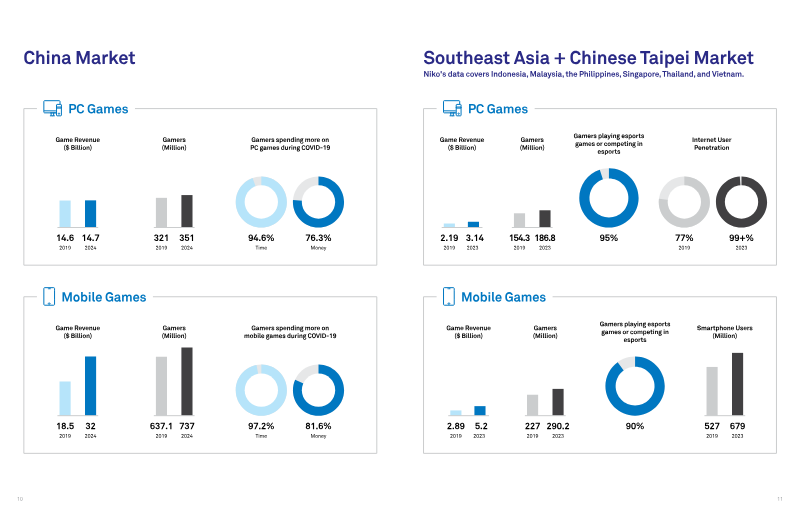
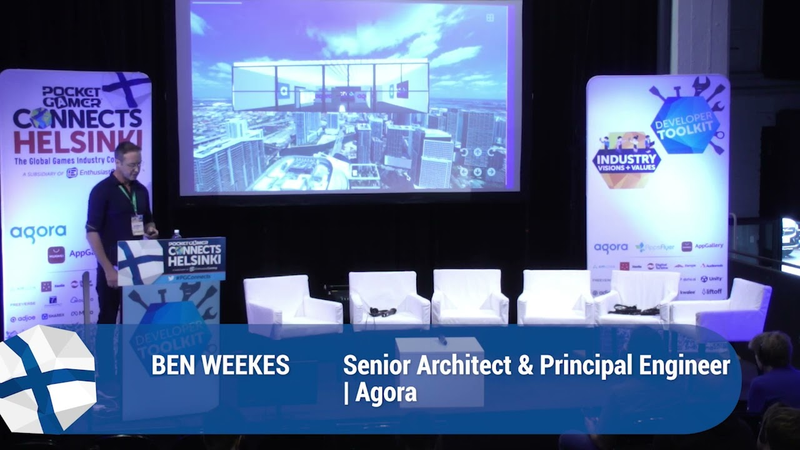
Comments