1 free read left. Create a free account for unlimited reading + AI research.
Create free account
GduX.me 2019 Part Deux | Day 1
Key insights
6 takeaways- 01Commercial success in the current independent market depends on prioritizing high-quality, 'buzz-worthy' product design over external marketing efforts to drive organic interest.
- 02Developers must target younger, budget-conscious consumers who prioritize games that offer long-term community engagement and sustained value.
- 03Career longevity in the unstable game industry requires transitioning from an individualistic creative mindset to a collaborative, team-based approach.
- 04To prevent burnout and maintain professional viability, artists should cross-pollinate their commercial work with outside interests and maintain a robust network of professional relationships.
- 05Studios must clearly distinguish between licensing and marketing partnerships to ensure that brand collaborations remain mutually beneficial and operationally disciplined.
- 06Strategic growth can be accelerated through intellectual property partnerships, provided studios utilize professional CRM tools, concise pitch decks, and rigorous contractual definitions for deliverables and timelines.
Ask AI about this video
Transcript
and how it started out and then a middle-aged woman a teenager and a middle-aged woman and like you hear the voice growing up right and eventually she's an old woman talking about the end of her life and this little like one minute long trailer and so I pitched to I can't remember what's called voices calm or was is one two three voice actors and I got inundated with responses people giving me free examples of them reading my script right mm-hmm and I'd listen to a bunch of them and some of them are kind of amazing for what they were so I go you know somebody just did this for free no to to me you know but then as I listened to them ah oh this doesn't sound right I just can't like I'm not good enough as a director of actors pull this off and as I listen to some of them over and over I'd be like well maybe this is good I listen to it too many times now I can't even tell yeah yeah yeah and so yeah I think that it's it's really like we were not those people you come across a very uh we're
not Pixar like Pixar yeah workshops the heck out of their stuff they take it back to the drawing board over and over they have this like weather that I can't remember the name of the story trust or the brain trust right and everybody who's working on a film inside Pixar has to bring it before the brain trust and they pick it apart all the whole narrative elements any part that feels a little slower it doesn't make sense or it doesn't feel mostly motivated or you know and and they go back to the drawing board sometimes with projects that they're years into right like the good dinosaur like they just kept reworking that thing and it never really but they knew that wasn't quite right right yeah you worked it we worked we worked and they just couldn't get it right yeah but those are the best storytellers in the world and we don't have those people yeah industry they're working at Pixar tonight yeah we don't have access to that people are directing the voice actors for a Pixar film um you know they got Holly Hunter who aren't good enough to be in movies or else neon in movies right yeah is better and yeah and so you
know we're kind of we're on the bottom rung as far as this stuff goes we are not on the bottom rung as far as like amazing emergent systems go though we blow those movies out of the water in that department right so a game like Noah is firing on all cylinders there's nothing wrong there's nothing that makes you cringe a little bit or makes you feel like you know that's a little that could've been done better it's like this is it like this is like a game it is like the it's the stuff it's though it's it's it's it's it's the way it should be right and so when we're trying to do that other stuff though very often we stumble into this territory where it's like you know you know but like you're coming across a point that I think a lot of artists or an indie developer simply ignore right we're making an entertaining product at the end of it and that needs to factor in as far as the game design because I think people have a natural inclination is like
here's a fistful of money go make the game you've always wanted to make and we just go heads down and make that game but without really addressing the marketing changes and atmosphere of like realistically can it sustain itself as a product but also is it worth the damn that anybody else cares and that's where art kind of limits itself for the sake of art it's like no you're still making a thing that people want to buy so you got to factor that in as part of it I think that's that's really important I think people tend to discount that or they tend to say like oh I wish it wasn't this way why do we have to worry about what's gonna sell but I think for me as a creator someone who's been trying to make you know aesthetically complex and artistically relevant supposedly artistically relevant work for my entire career I think that that kind of grounding is really important we're not just operating a bubble I'm not making gallery art you know for some
curator or something that no one's are gonna look at and no one cares about I'm like making my bed because I'm making a commercial product like I have to it has to be good yeah I can't I can't fool myself into thinking that my bad stuff is good right and and go a whole career making stuff that India at the end of the day doesn't no one really likes and doesn't really you know it's like there's certain like the rubber is hitting the road here because I'm supporting my family doing this mm-hmm and it also motivates me to keep going it also motivates me to keep making games motivates me to innovate it motivates me to innovate in ways that are actually interesting to people as supposed to innovating and this sort of vacuum or something right and so I know a lot of people who are supported by like professorships or who are supported by you know they go out to seek grants as because they're like working a sort of gallery artists or new media artists or something and some of them are making games that literally 30 or 40 people ever play and then they don't even exist
like they're not online anywhere because they're a part of an installation or something it's like yeah it's like what I don't know I don't want I think I think you know making commercially viable art which is what you know independent rock bands and stuff are doing as well know it's what people were making movies and TV you're doing as well those things that I don't think that ends up being a barrier to making great work in fact I think it's probably where the greatest work is actually being done right mm-hmm you know I think that you know like Martin Scorsese in the 70s 80s 70s and 80s and 90s was making way greater works of moving images then I can't even name some of these people but the like the the gallery installation video artists right right you know yeah they show like a video of some guy falling into a pool over and over or whatever right and you go and stand in front of it for like 30 seconds and you kind of get your fill of it and you can feel a little bored then
you move on right it's like you know no one's gonna pay for that except for a collector and the collectors gonna pay enough for it that it doesn't matter that no one else will willing to pay for it no one would pay $5 for it if it was made in for bulk consumption all these people just had to go see I mean if you were interested in film back in that era and I'm not even sure what year this came out but who had to go see Goodfellas and you had to go see casino right it's just like not if you're a film person that movie isn't those movies are incredibly relevant to you and they sold tickets right but they were really complex yeah groundbreaking artistic achievements everything else right so it's like I think it's I think it's possible and even important to be packing those things in and when the the you know if the audience is really not interested in the short narrative kind of thing or you make a short narrative
thing and maybe they're interested in some but not others and then you know at the end really you have to acknowledge maybe the thing I made wasn't that good maybe that's the answer like that's always my first inclination I always try to avoid blaming other factors I mean wasn't right I didn't have the right Preston like you know the president understand it blah blah it's like know what I made probably wasn't good that's probably the most obvious piece of evidence obvious Mazal thing right yeah so when you know first step doubt yourself I see so many people when something flops giving 101 reasons why flock really was it a great game and so I've had things that didn't do as well as I thought they would or whatever and it was always because they weren't good enough right mm-hmm so I mean people have a way to find people even if you don't get press coverage and you've met people don't you know it was like if something's really really good it's hard to keep it a secret right
the quality products all have long legs I mean it just shows over and again that at some point someone will discover the the the genius of it one will be wanting to tell someone and that's essentially what you were talking about the beginning of the the episode you're just saying that you know word-of-mouth is still King and kind of harking back with all these avenues now for any developer is that we have so many choices now that we we kind of long for curation but not really those those days are again you're a gatekeeper that decides whether or not certain games can make it which is not exactly the best democratic way of like the best product being out there in front of people but at least now we have so few resources as indie developers that the India the way it affects us is mostly because we're more on our own than ever before but if you can survive this type of thing you can survive any change in the
audience consumption right as long as you know the market yourself and make a quality product and be able to put it out in front of people that no matter wherever we start streaming games or whatever platform that changes it shouldn't affect the success of your game you just don't it's also I think there's something interesting going on here where there's also this sort of pressure to innovate in a way right because innovation helps you stand out and gives people something to talk about and so if your game doesn't really innovate that much then there's much less to talk about much less kind of buzz that can build up around it much less foreheads laughing when people hear about your game and like or see it on YouTube or whatever and so I think that that is probably a positive thing right you know where if you make just another roguelike platformer people are gonna make another roguelike platformer what are we gonna say about it right maybe
it's even a really good one but it's not that doesn't do anything new we're like if you make a roguelike platformer where every pixel is simulated a simulated material it's really interactive like what I've never seen a screen you know a gift that looks like that right hmmmm no levels on fire like what you know which is no idea right and so I think and you know for one hour in life you know all my games have been innovative in some way or another and oftentimes that has served me very well in terms of you know marketing or catching on with people right like the Castle Doctrine was a game where every player builds a security system and then you go out and try and break through the security systems of other players like that little elevator pitch is like what oh my gosh like everyone says instantly wow that's crazy that sounds cool I mean and when I came up with the idea I frantically ran to Google to make sure there were no multiplayer burglary games and there was like wow I can't believe I'm the first one to thought of this this seems so like obvious and then you know after the castle action came out
all these people came up to me other friends and game developers like I was working exactly the same thing we never got to work though so we never released it me to it or whatever like it was just this idea that was just waiting to happen right mmm and when it when someone hears about it it seems so interesting and obvious you know like an obviously interesting thing to try playing that everyone is like oh I want to try that right one hour in life as well it's like oh very simple i core idea multiplayer online survival game where when you join the game you're born as a helpless baby to another player who's chosen randomly as your mother mhm and you know instantly when people hear that even people who don't play games their gears start turning right that huh what what's gonna happen then what she doesn't take care of you what does she mean to you what if she does this to you you know and like yeah that's what the game is about exactly isn't that interesting and oh yeah so you know that kind of event then if we compare that to you know to pick on Overland again it's like oh really it's a post-apocalyptic game in this beautiful little 2d diorama diorama
scenes but it's kind of a turn-based strategy game where are you now the resources and control decide your garage units are and decide when to spend resources and so on and it's procedurally generated and kind of roguelike and but you know there's not a there's not a conceptual hook right I just described it to you the best way that I can I can't really say anything else I can sum it up in some way that's like a lightning bolt in your mind they get your gears turning icon I've kind of played games like that maybe I've never played one that looked as cool as this one looks and does look really amazing usually maybe I've never played one with dogs you know or you know there's a couple of little cool things about it that like there's dogs in it or ooh this you know you gotta you're gonna have to abandon some of your people and you can't keep everyone alive who that's kind of like Fire Emblem you know but there's not there's not a there's not a punch in the pot on the heart of a head right yeah yeah and you know no man's sky also exactly the same thing right
mm-hmm you know this infinite simulated procedurally generated universe where every planet is different and you can go wherever you want right that's my elevator pitch for the game and everyone's head just explodes when they hear that right yeah so I think that that in order to stand out among the 40 games that come out that seem everyday Nordica people talk about your game in order to make your game worthy of making youtube videos about and all the other things like being that innovative is important and I think that's really healthy yeah that pushes us and challenges us they're not just status quo you know I think another example is FTL versus into the breach which was the next game into the breach was a big success kind of riding on the coattails of FTL but I think everyone I think even if you go now there's more people playing FTL and into the breach at this moment there's girls like and here's Alda something and you talked to the guys at the company they're like yeah you know this game was
really successful not as big as FTL but even that's a simple it's like you know into the breaches just not you know FTL is like like nothing else there never been anything quite like that before and it was really like oh wait there's this like crew and you're on a spaceship and you're running around from room to room of the spaceship and you know and deciding what to do and part of the space ships on fire you know it's like something like so knew about it right and into the breach was just more like oh it's a turn-based kind of isometric static strategy game so yeah I think that it just doesn't you know it just doesn't capture and like grab people in the same way right right and I think you're actually uh maybe discovering the reason why a lot of these games don't work which is slow it always starts with the elevator pitch and then like extrapolating that and making people wanting to know more and be curious about what you're gonna say next about the game so like getting them hooked initially is very important and getting them to ask questions and kind of shoot
off ideas and get them excited is the the seed to making it buzz worthy and right as in any industry right we are this is where the old ways kind of would have helped or could be helping smaller developers is that the the combination of the gatekeeper of getting financial people to put money behind your game is getting through that initial pitch making it sound like people who don't give a damn to finally give a damn there is something to that process that is largely missing because now that we have so much access to kind of have an idea for our game out there and self-published you know we're not needing those gatekeepers there to kind of express ourselves freely but also we are missing that element of testing testing the idea against yeah I mean that's an excellent professional so in the old days what would happen is you'd kind of make your
game and then steam would shoot it down it wasn't good enough because it wasn't innovative enough because it wasn't interesting enough and you would just kind of go back with your tail between your legs and blame steam for a while your game didn't sell now you're like oh sure a hundred bucks I'll put it on Steam like it's like you know so and also if you needed to get a publisher behind you even earlier earlier days right I mean there was there was an indie industry of box games mm-hmm I don't really know I mean people were buying like aquaria I think was being sold on the website on its own website and it wasn't on I think it was before steam existed but or like ish right I mean it was something that eventually made it into boxes on retail shelves somewhere um so you know you have to you know get a company behind what you're doing with your money and so yet you are kind of being vetted there and now people are just you're right they're left to their own devices and then they're you know they're all expecting
these amazing results from you know something that you know most people tell them this isn't this isn't that amazing yeah now our in terms of elevator pitches that's an interesting thing because it's like okay maybe some some games are amenable to that right like one hour or life you can sum it up in one sentence in a way because people interested Castle Doctrine as well Loida as well right but there's other games that are very good and maybe very innovative but innovative and I serve a more diffuse way right and so then how do you pitch that right like how do you pitch what remains of Edith Finch this is really innovative but in this you can't really it's not innovative in a one-liner like you know you know it's a narrative game with all these different kind of completely different narrative gameplay things mechanics they're stitched together you know in a wacky house and the other one is the Stanley parable right it's like
you know it kind of has to be experienced to really understand what's interesting about it and so that game is sort of unpickable in a way right no but a game that games that are as good as those two games are sell themselves through word-of-mouth during the brief interval anyway right mm-hmm so you know I don't know have you ever see I'm assuming you played the Stanley parable right yeah yeah I Plato did you ever play the Stanley parable demo no most people haven't yeah it's really I highly recommend it it's free of course but when you go to play it's okay what's the Stanley parable demo how do you make a demo for this game that it's so singular and just has to be experienced to even be understood at all right how do you pitch it to potential customers the Stanley parable demo is a completely separate game that has nothing to do with the Stanley parable so it's the best game demo ever it's actually maybe is maybe it's better than the Stanley parable oh wow I highly recommend it
that's all right anyway so that is like an example of like it's so singular that you can't even make a demo of it you can't really explain it to people even if you showed a trailer or shot you know it's like it just has to be experience right because it's it's it's about the gag right this is like the gag is what you're experiencing that's you know unmoor I know it's not really I don't want to simplify that way but you know the aesthetic space that it places you in is the whole point right you know well that would be the marketing pitched and it's like it's just something you gotta experience like yeah I wouldn't talking about the game yeah it's like you got to do it everyone's talking about it yeah III like to would want to move the conversation you kind of touched this a bit how the the old ways that do things kind of staying with that dream where we relied so much on the press junket to kind of promote to have that day one sale to kind of determine the fate of our games right how that is changing and I think I've read an article about you kind of highlighting how streaming and and
playing your game or other avenues for people to experience your game before purchasing is doing a lot better for people to actually decide on buying your game can you expand a bit a bit because I didn't realize it until I actually read through it and listening to you that yeah it's pretty much true I mean I read it just for the fun of it about like how this game is but it doesn't really entice me the like by now or even if the guy strongly recommends me to buy is like yeah yeah whatever it's not as strong as a recommendation as before and I guess where are they catering to obviously their website is still an ecosystem for their readers where they stay within right it seems more like a Twitter thing people don't click on links or anything you're asking like who so if people who buy games don't read
these articles which they obviously don't mm-hmm because the articles have no impact on sales it's serious mm-hmm I mean another quick example it's like and this is should be obvious to everybody but like I've had my games covered on National Public Radio three times now and including one hour one life right mm-hmm so on the day when it goes live nationally this was on the show wait wait I know a show to the best of our knowledge right so I'm on a ten minute segment where I'm being interviewed about my game which I think so I did one about passage of course that wasn't even being sold I did another one about core German yet which was available for people to deposit money into at the time and I did another one about one our own life so when the day that goes live nationwide do not generally see even a spike in web traffic mm-hmm on your games website right because people who listen to NPR obviously generally don't play video games or go out our website to find out more about video games they're fascinated by the idea it was
still around it yeah yeah they're fast I buy the story of his developer and his interesting idea and whatever but they are not gonna go buy a game similarly I was in you know the in-flight magazine Hemisphere I think it's called on United Airlines or I can't remember which airlines on for it well you're in the in-flight magazine you're there in the seat back pocket knowing the whole month so it was this big you know profile about me and my family and about diamond trust of London and everything and I've had so many people come up to me within the next year or two saying I recognize you from somewhere when I meet them for the first time or something I think I saw you in some bang yeah then because pretty much everybody's board on the flight may already a magazine it's an awful magazine you know in terms of like oh these articles are so short and they ask such dumb questions in the interviews and you know you know but everybody who ever flew that month you know saw this thing and and and got a taste and read my profile right now none of them play video games none of them
went out and bought diamonds rest of London or whatever was being talked about in the article but they all saw it absorbed it right and so I think that that's obvious right so then we get over to the gaming press which used to be the place that people went when they wanted to figure out what game to play they used to go and read these reviews they used to go and be you know watching rock paper shotgun or Kotaku or whatever to talk about what you know what interesting games are coming out I mean you know Kotaku covered one of my old indie games back in the day like gravitation or something mmm it would just be this like deluge of traffic coming to try the game mm-hmm or when they covered some of my games that were for sale back in the day I would be this like deluge of people buying the game that day that's not the case anymore so what's going on there I think that the reality is that the gaming press has actually been kind of gutted financially mmm that the audience is kind of dried up that they're kind of in a lot of them
are operating skeleton crews you know people barely getting paid you you write to some guy who covers games and you're like you know you want to cover this and he's got to go beg for funding from somebody mmm do you know write it so you'd be able to write about it right and then he'll come back and say my editor doesn't have that and you know he's not willing to pay me to write about this right now because they just don't have like the advertising dollars on there like they used to be everything's kind of the whole landscape has changed it's still there I mean a lot of the websites are gone right mm-hmm what the wasn't there one called one up yeah yeah there's a couple of there's a couple more like that that are completely gone and then a lot of the other ones are kind of run by like a fan community or like you know I don't know it kind of feels like Destructoid a lot of those articles are written for free maybe yeah yeah yeah and so you know where these things used to be like these hubs of the gaming world of hubs of game communities I think that there's sort of
there's still the appearance of it operating the way it used to but I think the numbers are way way lower in terms of readership in terms of engagement in terms of what authors are being paid most of the the better writers and games have left game writing right I mean almost all the people I know who used to write about games and we're really good writers now do something else they're all you know doing PR consulting or working on game development themselves or whatever right so like what's left of these kind of people who are kind of enthusiasts and maybe they're barely scraping by I don't need some some of them will tell me if I asked them personally oh yeah our website was still doing great really there's like two comments on every article like it's true it's true yeah I think that that's just yeah and and and I think and nobody likes to talk about this but I I may be tarred and feathered for sayings but I think it has something to do with gamergate as well um I think that there was a kind of in in a lot of ways I think at least a good portion of
the gaming populace felt like these websites kind of got caught with their pants down in terms of and and this is 100 you know and I have experienced this myself right because they were covering things not because they were good but because they were friends with the people or they had a previous relationship with these people from previous games and they did that for me all the time right oh you you covered passage you covered gravitation well here's my new game and they'd instantly write back and instantly cover it right yeah um I mean it's like pre gamergate like I went to Kotaku just show cordial in Yuet which is a pretty obscure idea write this like grid of numbers it looks not like a bingo card where you're for real money against another person and out guessing them I went to the New York City offices of Kotaku and showed Stephen to tillow the game I showed it to him for like 20 30 minutes right we played a couple games against each other um I don't even think it had finished artwork in it I think it was just a plain grid of numbers he wrote this like must have been like a twenty page I was
like the longest movie who are clothes ever seen right scrolling and scrolling and scrolling all these screenshots all this discussion of the details of the strategy and everything right hmm like that kind of article won't be written today right and he did that in part because he had been following my career and he knew my stuff you know I was like you know I had my foot in the door I could I could email him and go into the offices and show them this thing yeah um and and I think that people kind of got wise to that and realized that people were either people inside the game industry journalists journalists industry were either covering their friends games or games of people they were fans of right without merit right more they were covering games that had some kind of political agenda that they were on boring and so I think that people just kind of like like yeah this is and I see it too also whenever my games recovered my games often have some kind of little edge to them or something there'll always be a political comment in the coverage mmm right like the choice of not allowing men to have babies in this game as a controversial
one it's science definitely ruffle some feathers sure are using more problematic to defend so anyway I saw that happen a bunch of times where it was clear that the people covering the games had some kind of political agenda or were trying to paint me in some kind of make it a political light right mm-hm and so that was all pre gamergate right so I witnessed this firsthand and I was the beneficiary of it you know guilty as charged yes I used to email my friends and not friends I mean I didn't know them from outside of journalism but I'd email people that had interviewed me and become friendly with me coverage right right and so they don't do that anymore by the way for the most part when I email them you know them for years they don't write back mm-hmm not allowed so I don't know too busy or they don't care about indie games I mean a lot of them don't cover independent games anymore it's right they used to yeah I mean you know trying to get
people to cover one hour in life which was this you know easily coverable game because it's so weird yeah to talk about was my own teeth I back to them over and over and over again and they finally come back and say no not at this time you know it's like okay this is definitely the most press worthy and interesting game I've ever worked on right mmm it's also my most successful by like you know factor for unusually right so like you know people are there's one guy who's made like three youtube videos a week for 18 months oh wow this channel is nothing but you know 3,000 view you know or more every you know he has a pretty big audience and he you pretty much covers nothing but one our own life you know so clearly there's stuff to talk about there the stuff worthy of you know but like still like you know polygons has never covered it Kotaku has never covered it I think PC gamer marginally covered in Rock Paper Shotgun covered it but it's like okay polygons not gonna cover when I don't like okay so it sounds to me man like
the future is not exactly that it's a different type of coverage is evolving right now it's the we're used to be about press junkets of people writing articles and now we're aiming it more towards streamers and people and it's actually more research to be done towards people who are doing this and streaming your game to ask them like what exactly are caught the type of content that you like to stream like what resonates with your audience and and thinking along those lines to make it more of a longtail for your game it seems it's just like that the ship is towards those people more than people ready to talk about their which is that I have seen giant streamers cover one hour in life right somebody email me on the weekend like dude lyrica streaming one hour in life this moment holy crap and you go and look and you're like yeah there's 30,000 people yeah
and there's in that case and remember specifically there was like no jump in very known spice yeah no spikes that they other people like when C's covered the game one time or just played it on a stream there was this pretty big spike that day and then we played it the next day and there wasn't the spike didn't continue right um like when Dre gas first covered the game on his YouTube channel there was a huge bump in sales as he continued to cover it you know that it didn't continue right so it's like there's there's this idea that first of all certain people buy games and certain other ones don't and people who tend to watch twitch streams for the most part I definitely was seeing way bigger spikes in the beginning when some big youtuber would cover the game then when some big twitch streamer recovered the game because it's like people who are watching twitch are not there to figure out what game to buy there are just killing time killing time wanna hurt feelings yeah yeah they're there as
a form of relaxation and entertainment and right also really want to be part of this little community right and this big community of people who are chatting on the sidebar and they want to get recognized by the celebrity that they become enamored with who and ran streamer right yeah that's the product yeah it seems to shout-out to them or whatever yeah they want to hear lyrics funny jokes whatever you say about you know vaginas or whatever in what our own life yeah yeah they want to be there for that and they're there because of the personality more than the game and they're not shopping and they're not like looking for but people who are in YouTube are more like hmm I'm trying to figure out what game to play let's watch a let's play of it a little bit until you saturate each streamer or youtubers audience and you get all the people in that audience who are in the market for buying your game potentially and then it trails off right in terms of the impact of each new video right so it's like
each of these youtubers has a different audience and the audiences don't necessarily overlap and in each audience there's some subset of people who are the types of people who actually buy your game and once if your game has been shown to those people it's kind of over right you keep going back to the same streamer and be like hey you want to cover my game again and even if they do it doesn't really necessarily do anything right right so that's interesting the other interesting thing is kind of related to this is that despite all this crazy coverage that you get in all these different places where the yeah obviously hundreds of thousands of people if not millions I think the top video for when our life has you know some some youtuber made has over a million views right so millions of people seen something about one our life when I was at Penny Arcade Expo having my booth this is just a couple of weeks ago mm-hmm the vast majority people came to the booth had never even heard of the game right now which was weird right I'm at a game fan conference where Expo where everybody there is like a die-hard
game player who's walking around trying to play their favorite games and sends a lot of their time thinking about games and reading about games and watching streams about games and everything and despite all the coverage of mine our life has gotten you know way more kind of coverage and attention and you know day to day if I'm walking around and I talked to some kid who plays games I mentioned that I make games like in my neighborhood or something no big what game and I'll describe it like I saw that on YouTube so you know there is some you know penetration into these other kind of realms exists item just my fans or something they probably don't own the game but all these people came up to the booth in there I've never heard of this game mm-hmm explain it to me and I'll explain it to them you know give them the elevator pitch about being born as helpless baby or whatever in mom so you know Chris Hecker has this old adage that he always tells independent developers which is you know no one nobody knows about you gave whatever
nobodies know nobody knows about your game right nobody's heard of it so always like know that there's just as however many people you think have heard about your game and been exposed to it there's this huge hundred times they don't care they don't care not that they don't care they just haven't even had a chance to yeah right right right and so that is true and so I think that with each of these new streamers and new youtubers and kind of there's a different segment of the audience that hasn't because people who watch cease or not they don't watch people watch these don't watch lyric and the people who watch lyric don't watch Drake a so the people hundred meanness yeah cutie pie is his own cadre of people and each of these people has like a following right um so yeah I don't know I think that there's also yeah something to be said that how much which people in those groups are actually in the market for buying games in which you're just score of killing time or just entertaining themselves by watching games so what another another interesting thing is
that it's in the middle of my second month a this huge spike so was going around going along like $2,000 a day or something second month right and then all of a sudden one day it was like $8,000 in one day and that would be normal mm-hmm what is this I was looking at the graphs I try to figure it out and I paused over oh wait about that's Christmas Day that's the day when all these kids who have no credit cards yeah get their steam gift cards and their stockings right and they've been hearing for the past month because the game came out in November about this game and they'd been waiting to buy it right yeah so you know it's weird you wouldn't think Christmas Day is like a day when people buy stuff I won't be buying stuff at all right but they're buying a video case yeah that's another thing to think about right it's like men there is this as we get older we tend to forget this but you know people my age don't buy games anymore yeah so I'm not like I I'm not making I'm not really I mean yes I'm people my age you appreciate the game
I'm making and kind of talk about and think about it but most of them even if they buy it because they want to support it or they just want to try it they play it for a couple of hours I'm a who I had my great experience of what our life thank you Jason and I've done Hey yeah so you know the people who are really playing games are like my son a 16 year old son and people younger than him right and there's so many barriers in in their way in terms of actually getting a game right like to them you know these emails for people who can't get the game working for one reason or another occasionally right mmm and they're so heartbroken mm-hmm either from sometimes it's fun the person's mother I've been trying to get my son gone with those ten for the past hour and he's in tears you know how long he's so disappointed or you know I saved up my mic my birthday money for months and I find mm-hmm this is the one game I can afford to buy so it's it's hard to kind of you had that perspective from our point of view as like for me is like an adult with like three kids and I'm a
spouse and I'm supporting a family like I never really have to think twice if I want to buy a game right right I have the budget as part of my business expenses for research purposes and so on it's just like I don't buy that many games but I never like mmmm I can't afford that I gotta save up for it yeah so a lot of these people are looking for the biggest bang for their buck because they can only buy one game for the next several months mm-hmm right and so they're kicking the tires of every game they're watching all these YouTube videos trying to figure out which is gonna be the best investment because they're not just gonna go spend 20 bucks to try something they're basically spending 20 bucks to join a player community right and to become not somebody who has tried one hour in life but somebody who plays one hour in life they're looking for the next discord to sink into and the next to be part of and then next thing that's gonna kind of be their game for a while right like what are you currently playing yeah it's kind of like asking somebody what you know what are you reading these days or something it's like what are you what
are you currently playing oh I've been playing some Nautica for and you talk to people yeah they've been playing some Nautica you know for the past month that's their game currently right or they're currently into this game one hour only for the currently playing factorio or they're currently you know sinking in the noida or whatever they're doing right and so that is kind of the way people are thinking about games now and this next generation we've forgotten what it's like I mean I remember saving my pennies I mean everything's totally different right so we can't compare but like you know when I knew Super Mario 3 was coming out and I had my gosh it must have been $50 saved up you know and I couldn't find a store that actually had in stock because it was selling out everywhere right and I was like calling Toys R Us every day to see if it came in yet and finally came in one day and my mom couldn't take me there that day even though I had the money you know it's like I was calling my friend's mom to see if she could take me to Toys R Us that day because I've got one copy of Super Mario 3 you know but but that would you know that was like something that was like an event right and so remembering putting ourselves back in that mindset of like the majority of our audience like a game purchase is this event right and so if
you think about it that way then and I think maybe what had happened with you know the gone home successes in the narrative the short narrative game successes like five years ago was that there was still an audience of people who had disposable income and we're still playing games and I think like a lot of those people have gotten older and don't anymore and we have distractions now so okay I got real-life problems than to sit around play then we're left with the people who have always been playing games and those types of people are not at all interested in plunking down $15 on something to be over in two hours right mm-hmm well Jason we are at that one hour mark and do we need to definitely follow up with a part two on this because this is a topic that is the the whole seed of this podcast is about it's just understanding the market and being able to go out there and promote great quality products and be successful
at it and I wanted to thank you for your time in this part of the podcast where I hand the mic over to you to self-promote give attention to shout out to anybody out there and it is all yours I'm gonna shut up now yeah so I you know I've got a lot of games on my website but the one I'm currently working on it's one hour in life and you can find that on Steam or on my own website you just do a search for one hour one life about right actually right after I get off the mic here I'm gonna go put out the update for the week I've been updating a weekly for the past 18 months so yeah you can get on board with the latest update and that's all I'm gonna pitch I guess that's that's kind of my life right now that's awesome man thanks again Jason it was a pleasure talking to you and I'm serious I'm gonna follow up with you with other stuff it was truly enlightening I learned a lot and I want to thank you again the other thing I'll mention is there's the the the talk I
gave at GDC which is back in March if you nineteen it's called 2014 versus two thousand or two thousand something versus two dad something is before and after the India apocalypse mm-hmm if you look up like Jason or at GDC talk on YouTube you can watch the whole thing I miss all sorts of graphs and analysis and in-depth stuff so that that you know it's kind of a an adjunct of our appendix to this talk to this this podcast will definitely gonna link that into the video description as well as the audio podcast for people to find that talk that's how I found you and I found it very interesting as well and people really do need to dig into this and take control of their own success so thank you again and that ends today's podcasting here [Music]
hey you gonna work out the Mike's a bit I think you ever money again then it was a pre-recorded interview that we had with Jason about the ending apocalypse and I feel like that was a very relevant topic that everybody's been wondering lately especially if you have a game or project that you're about to launch and you are looking in the landscape if you grew up the same time era that I have during the ps2 era the traditional route of going to press and kind of putting your game in front of those people aha slowly has been done it's it's a little tough for selled most people if you just think back looking at press junkets or any go to a news article site that you go to really doesn't lead to sales as much as we used to when was the last review that you looked at that compelled you to go ahead and purchase that particular game exactly
so the indie apocalypse of anything is the encompass of changing tides of a different way of thinking of how to put your project out there how to leverage streamers streaming as well as how to commute and create a community around your product before launch to fully embrace that product so at some point Jason probably the next Redux will give us a live lecture more on that topic but for now we have them in recording spirit but again thank you everybody for joining us we are sponsored let's go ahead and do that real quick we do have our next speaker ready to go Kim and Chan but before we get him on let me kind of go through this and let you know how it was possible to bring this conference here to you today so we are sponsored by perforce and unity what is that tag at the bottom let's take that off BAM so perforce is again a version
control software so if you have a project big or small that you would like to have a file history of you would want to use perforce so you want to work with the team with this software to bring and be updated and without losing any of your hard earned work through file versioning history you want to go the peripheral comm download that software you can go and work with a team of five for free and start utilizing and understanding why everybody in the industry is using perforce if you are independent developer or you're working at your place to do you want to think about unity unity is the leading graphics engine for everybody out there that is free to use easy to use and is the just means quality I mean honestly there's their top brass for a reason and if you're working with in mobile too independent to Triple A you want to go you need to come and get
on the wagon man everyone's on it right now and of course I want to kind of briefly talk about our partner for this conference so let me throw that up for you guys real quick on my mouse [Music] oh you love that music right that's part of the life thing so uh you guys want to go to any game business we are partnered with them so this is a five days independent games week where we are providing three days of live conferencing from speakers all over the world to give you the best topics and best insight of what's going on and how to win as a game developer the last two days Thursdays and Fridays is contributed to indie game business go over to the to gtalk semi actually GD u
X dot ma to get 50% out discount to this conference where you can connect with publishers and anybody looking to get financing for their projects and do it in the comforts of your home on your seat and ready to go so if you want the 50% discount which is available on GDU xme click on the logo that we're partnered with here and you can go ahead and use that discount if you want to go straight to it go to any game business comm use the code game dev unchained to allow you to have that access for Thursday and Friday so that pretty much covers everything so before without further ado the next topic and I will need to kind of reference this real quick is we were talking about any oculus but this topic is particularly talking about surviving
the artists apocalypse so going through the industry and what the podcast is about it's something that has been pretty prevalent so I'm gonna go ahead and introduce our next speaker Kinmen Jan is good hey Kim min yes I do hear you okay yes so I'm gonna switch over to you and let okay you introduce yourself to yourself to our audience here too so a kidman and you've been on the podcast several times as well as well as our guys go online show can you give a little bit background before we get started who you are where you at weird what do you want me to start I mean so I've been basically working as an artist in the entertainment field for 15 16 years maybe 17 I don't know a long time at
this point losing track of exactly how many years but oh yeah and in a number of industries I've worked in film I work in games animation did dabble in theme parks comics some development toys and yeah kind of covered a wide spectrum of industries as an artist so does that is that what you're looking for do you want but you want me to die down in more specifics or now that's supply sentiment so yeah I mean you definitely been in industry for a long time and I wanted to appreciate the different types of industries that you've been in and I think you're one of the few friends and colleagues that we you know I've had that pretty much touch I think every types of medium and expressions of art in other industries that utilizes your
particular skill right can you expand that on that bit where we're talking he's being a little modest he's been in the industry over like what 20 years now been around yeah yeah but yeah like my first my first I guess major gig was this film okay I worked directly with George Lucas for three years and then moved on to say a few things eventually getting the October 1 and yes I worked in a number of film projects and then transitioned into comics was able to work with the Givens on the project and yeah number over their development so good stuff so I'm sure over the years to being around students around colleagues and around Pete we're just generally interested in getting into these different types of industries that's right
guess the most common question that it always goes to is like how much I mean what does it really take to to get into these industries to get started first I think if you're starting out in the industry like you're trying to get in as an artist I feel like it's important to know first which industry you want to get into and be a very good consumer of that product in terms of like just knowing what the landscape is knowing what the what you're gonna be working for so that's like if if any pre-qualified errs that's definitely one that has to be there beyond that you have to show that you can perform for those for those industries so let's say it's a game right you have to show that you can do you can develop artwork for the property that you're going to be
working for and so there's three there were like elegantly presented would like to be qualities that that kind of stuck with me was being fast having great work like high quality work or being just a friendly guy and so if you can capture what that means for each and the shipping fast being quality or being friendly have two of those and for the most part you'll be that's they don't get you that link up in terms of like getting in I think over the years I've developed like I feel like there's one more factor there and that's a adaptability so on top of being fast on top of being really good on top of being super friendly and
being easy to work with are you adaptable because these industries like the games industry a film industry all these things are shifting all the time technology technologies like getting introduced so how if you're trying to get in first are you good enough and then can you adapt your style or your something about you to me to be able to fit the needs of a shipping industry that's what I would say about that Brendan yeah sorry I was on meet us being in the industry for a while now and the things that at least the pattern that I see for a veteran such as yourself and being an industry myself
for that amount of time is the power to endure it sustained I think I think it was more if we get to get paid for the craft it's a lot it's an easier conversation because then it would be just like you know it's good work or not right but I think what makes it heavy is either the people or the other stuff when things don't go well like when the office or the the company or the the project or something all these other factors beyond just me and my craft did I deliver it right so my question is uh what keeps you going man like yeah yeah you're I think we go by the traditional gain dev lifecycle which is I think you've heard of this about this like
five years right five years is like the burnout rate for most industry developers yeah so you lived four times the lifecycle of a game developer if we were to factor that in so do you mind kind of going through like let's scrap this question into something very interesting the 5 10 15 20 year mark did you notice like each of those five years being much and monumentally different challenges there were definitely different challenges one was like I heard some of your older toxins like you talking about artis atrophy and that definitely happened and then life happened and then and then different phases right so it's more like in the beginning it's more like I've learned everything in school and I've
kind of maxed that out everything into it learned I've basically used that took my full pan full potential and I don't know where to go so then I didn't kind of expand out of that and then over the years it was more like my role like like as a concept artist had kind of expanded like and just exhausted all my resources everything I learned in concept art over the first couple years like I kind of I felt like I got to a point where I couldn't grow from there and it was like it was hurdle she kind of overcome so there are definitely sticking points like over the years and when you're talking about like life stuff happens it's just like I think with age that comes with it right your your circumstance changes or the friends and family plays a big role it - that it was
there any someone to get too personal any specifics besides that you would like to share about like whoa this is something I did not anticipate like I mean related to work right so I mean there are a couple of times when projects just for whatever reason they just get shut down now and you're not able to no matter what you do as an artist or your role too to be able to be excellent in that field just decisions get made up top and you or not you're all of a sudden that'll work right things like that and so what when you do how can you this is where adaptability comes in because you have to kind of be able to think on your feet figure out like okay wolf what everything I was doing was for this specific project or for this particular piece or subject
matter right and then now that that's it stripped away from you you have to kind of go back to the landscape and figure out like okay what else is out there and how can I hear all my work towards something new right things like that happen that's happen sometime so right and so how do you keep your art fresh and relatable with with the new techniques that you said there's this like momentum that you get from school where your instructors or mentors kind of lay it out for you and and say these are the things that you need to improve in and like you said you've reached to a point where you felt really good and comfortable about those things that you need to improve and you start adventuring kind of different industries of basically how to apply those in different ways yeah how do you keep yourself going and reinvent yourself so
that you're not going stale yes so I think one thing I mean a lot of reflection time obviously between those like he goes in waves sometimes you're really busy but other times where you have a lot of time to reflect so I feel like as an artist I've always been a good learner of I took principles or craft so for me that was what I stuck to when things in a wall I would find something else to about the industry that maybe I was weak on and try to learn something about it so dive into to the style or dive into different when I was consuming I'll try to consume different things and try to try to explore what what else is in landscape what are people responding to what what kind of weather
interventions or other events like he codes you to try and learn something that I haven't learned already you know so in dive in to try anything in that in that respect and it kind of got me through sometimes it's all together like completely different like I picked up cooking I like to cook so I started cooking for a while yeah you know on the side and then things that would pick up from cooking now and actually bring back in the daughter work and apply it in a higher level so he says it's a yeah it's different for everyone yeah you get your to expand that on let's expand that a bit what how do you take something so different like cooking and actually bring it back to the Cintiq okay so and you can break
down art into principles right like ya value you out color right you have shapes and like things that you can do with inner light or if there's different types of quality of the line that you can apply to any drawing or any painting right so learning how to itemize those valuable pieces of our and put them together I don't think of it I like quick ingredients right so if if you so you have your recipe like let's say like we're looking at Munich Unni right now so let's say you know can you have a certain recipe of elegance in art right it's like it's like wine heavy right it's more about there's not so much like heavy form shadow lighting it's much more about the design of character so that has to be strong so it has to be strong and so there's these there's these items
so you can kind of list right and so from a cooking standpoint that would be your base like soup right or like you have your the main ingredients that you want to put in a soup and then how do you make it your own these different flavors right like what are you trying like like yes like couple days ago I added star berries to tomato paste right actually to actually punch up the flavor so you can do the same things when they are like what are some like little things that you haven't tried that you could spice up for like like if you're playing around with line work if you're doing something very light heavy how can you add this other layer to it that is that maybe not maybe no one has thought of like to kind of add into the mix so then that can be content it could be something that you're trying in terms of how you how you put down a stroke it
could be your line weight it can be all these things and like you just have to like really dive deep and like be creative in that sense so that's your courses of course so uh I mean that's you clearly are showing I'm just showing some of your work man some I haven't even seen yet so dope edge line you're obviously qualified you're obviously really excellent at what you do and we talked about a bit how you kind of played around with jumping different industries kind of keep those challenges up for yourself so you're not bored because it sounds like to like that that can easily happen and the way you're talking about how food can go back into your 2d artwork is definitely something
at least highlights how much of a better artist you are because I don't know I do not think like that at all I don't go back look at my ramen that I'm cooking that day and I'd be like how do I make my better better 3d I don't know that's just that's my what that's my way of dealing with things you know it's I don't think everyone has the same path for sure but when you explain it to me it makes a lot of sense it's like your brain is kind of configured in a way that you can piece things together and then it just clicks and so when you do bring it back in to your tablet or Cintiq or drawing board you you start to see these patterns that your brain just gets practiced from all this other art form that you're kind of experimenting and I know to me it makes total sense because it it gives you the break that you need because I think a lot of artists are so hunched over all the time and oh yeah without a five-year mark
right your use they're so comfortable doing a thing right like you've gotten to a routine of making a high quality piece and you have a certain method of doing that and you do the same thing and that's how you get it done right but you're so used to that doing that same thing over and over and over it's like nothing's new it's kind of boring right so so that that's like how I kind of learned how to take it to another level maybe mm-hmm and have you talked to other artists or developers but that shares the same amount of years for advice like what kind of what are the best and worst advice that you've gotten from these people when we're kind of approaching pass a five-year mark the 10-year mark now let's say as for an example and you're like just looking for
like wow it's I made it through or past the graveyard of developers I would say 60% 60% of developers who felt the burn didn't come back from the grave right but now I'm in a little like 40 or 25 percent of the people who survived that but I'm also feeling that of like you know and I also feel this way like around the seven ten year mark you especially in the game industry you've reached the salary cap of what you can earn in your position and it's like alright money's not the motivated anymore yeah I mean I've been lead I've been in these different positions but it's just it's just a it's just a title really at this point right yeah yeah with a different level of type of a that comes with it yeah yeah the challenges that really yeah yeah right so that's it's a marathon
right and so how do you there's there's different ways of countering it I guess and it's I really think it's case-by-case everyone's got a different story to tell and different struggles to go through so some are like yeah okay I kind of feel like it also starts with what you were passionate about in the beginning so like I have a friend who we connected on art because we were both really passionate about art and and training in that respect and so we would struggle through over the years we kind of struggled together about different things that we were you know you just have you know spawn that way you know you'd have like conversation long conversations about art and what it what it means to be an artist and this feels like what other like yeah like what what else is going on how people are approaching it and
then why am I so frustrated doing what I do and how can i benefit like how can I give value so lots of conversations are on that but other people like I've talked to you like they they really just they're not so they don't need that interaction as much like they they work on their own right and so what they would do is just when they're feeling it they would they take like a six-month sabbatical and like just travel travel Europe for like six months and not do anything and then they come back all refreshen and like good to go so it's different Bergland have you tried to have you gone I have done a little yeah I've done a little bit of traveling and it does help for sure you get so you getting so much exposure to things you would never think
about here's like for us it's in those days right so but yeah like you know traveling to Barcelona was awesome and traveling to these different places in Europe were really eye-opening like you get different taste of culture and kind of some insights of how people lived over there and it's very different you know and also what they what you learn about what people aspire towards and you know visiting museums like get to see a glimpse of what they are inspired by so it opens your mind that way for sure I was able to see for like I was I guess this is kind of related to my path was I got to see people like dolly or Picasso and and to see their journey like in
over a lifetime you know and I think that was really helpful for me because like I got to see how much love how much more love they put into their work and so say someone that's working for a game you know has a just a nine-to-five right it's a there's a huge level difference than how much passion and how much more dedication they put into their work like it sounds like so and let me know let me know if I'm going if you want to move on to another topic but no X panacea I got to see Gaudi right for instance in Barcelona and like he's an architect just as like you know he did that a significant media I just spent like he spent like ten - at least
ten to twenty years I'm like one building or in the in his finals like masterpiece like things are gonna Familia keep spent like forty years of his life living at the place working on this one building or one tower of one building and they're still working on it to finish it and so like looking at the details like you look at you can you can find pictures online obviously it's beautiful but it may you can see like gotta give give those look like how it feels but when you go to the details like and you actually talk some people about how was made like and the choices of material and why he liked every decision he made was like considered and then so like in he he built his house and like in one of the windows even like man down to the the
window handle or like they look like what you used to like open the window no all right I think we slowly just lost them for a second everybody just hang on it's just like it's so intricate like yeah it's like so beautifully done like really eye-opening yeah we just lost you for like two seconds but I think we got a good a model of that don't worry I think I guess my question is is like I think cost of artists this is a little better than most other types of artists where we get inspiration and motivation by actually visiting these sites I think it's very easy to kind of just google search a lot of this and just it's not just it's not the same type feeling it's not the type of same type of inspiration just hearing a story
where an artist was spending 20 years on a particular piece it's yeah it's not something it does anymore yeah yeah it's like well I mean just going there and learning these things like you kind of get a glimpse into a lot of their philosophies and why they would make these decisions as well and so I feel like maybe not down to the Nitty Gritty but just understanding their their philosophy about that behind why they would do something coming back to the artwork I kind of apply some of that thinking like why you know yeah I understand why you would do something and as opposed to just getting a you know getting an assignment and doing it and so that definitely gave you an another booth past the 10 year mark is
it something that you feel like is gonna sustain an artist just continuously getting serration by physically visiting these masters I guess the question is like does that ever do you feel like that that that well I guess the only answer no I don't think that's the only answer well so what other advice do you have with that again it's case by case yeah I really think like everyone's doing two different things so yeah probably too many avenues to explore there well what other avenues do you feel like other artists usually because the the the ability to go visit a landmark or a beautiful just just remnants of a master's work can feel out of reach for some yeah I
highly recommend and I'm probably the least travel person you'll ever met but it's not like it's not like I don't want to obviously I would want would love to how else would that be reachable if they don't have that access to kind of boost themselves out of that rut and the easiest thing would be to go to a gathering where people of different disciplines or different cultures meet and then asking questions about their experience and if if there if there's a topic that you agree on or relate to and asking questions about that and then and then you'll probably find that they have some different experiences and different things that they they haven't learned over the years so I think just being open to that is is extremely valuable
so these meetups that you're talking about list it yeah like GDC or like yeah or what also III hear like you know games we're talking about games so yeah I came to both those conferences like you know there's all sorts of talks like like this one or okay they you just you just posted before about different topics well yeah I think like meetup calm I explored a little bit I should more but it's really a matter like how much time I have these days but yeah if I had more time that would definitely go to meetup.com and like explore some of those foreign interests and for me have certain on like there's different resources like Airbnb has experiences you can try and local newspaper you know pages I guess you know help
again I was in a yellow face for a long time not not just for the phone book just a yellow page and no one uses stationery as much a part of that is I mean before even going through that I think that it does need to be some kind of reflection in terms of what is it that you feel like you want to grow in or is there something that you feel frustrated about that you could maybe address because if you don't have that in mind that and you and you go to these places like you there's there's no intention there there's no like there's no real like you don't know what you're looking for so you're probably not going to learn as much if you don't have that prep work I guess well this is a interesting point right here actually so I think when we start going into the industry at least I
had a hard time kind of taking feedback which was my like arrogant young young blood type of like I whatever right but then it took a while for me like well you know this is a group type of a project and he knows way better than I do or she knows way better than I do and it's this kind of group effort because we are gonna put it out there to millions or thousands or whatever who's gonna see this so it's always good to get a fine am unit right without sacrificing the expression but then now later in my career is like while this guy I'm back to like this guy doesn't know what he's talking about I know do you find yourself in a similar type of journey now that you know you have 20 years plus years in your belt and as we've seen with your artwork it's like what is it a critique about yeah they like it or you don't and it must be tough kind of take directions at this
point in career I mean how I mean draining - so how did you dealing with that I can see that yeah well I feel like they've grown - I mean I feel like you know when I work with someone and haven't seen them for a couple years and then work with them again most of the time they're in a different place - so I kind of kind of engage and approach it that way like they were in a new situation what is it that I've learned that I could provide and are they doing a good job and where are they doing a good job if they're if there's something that I'm maybe qualities that they had that were maybe I consider annoying then how can I count like maybe what can I bring to the table that would counter that or would add to the value of the product regardless I
don't know if you agree with that but that's kind of my approach I mean that's a very political way of going about it shame but it is definitely one of those things that I think way I think it's also our experiences right because my like I think productions a little bit more you probably see a lot more that kind of stuff happening and my experiences have been more on the blue sky area and more like on the like about like upfront development so I guess there hasn't been that much as much of those dynamics and if they are they're there they're either above or below like meaning like things happen on the business side I'm sure there's all sorts of battles that happen over there and outside of you know like they begin to point where its develop a bulk of it so that's a
week we do our job in not just like develop project and after that a handoff to production so and I'm sure when you're in the trenches like that a lot more stuff might happen but like for concept and development it's more it's much more just like crank out the work and then get the thing get the ball rolling on in terms of how the defining project or defining the with the project or what not so I think that it minimizes maybe some of those dynamics and the concept Bart usually does the kickoff of any project or engagement I mean so uh can you kind of speak on the experiences where especially with your your roles changing you've been art director you've been lead you've been a senior artist you've been all over how that kind of
ties in at the end I mean have you found yourself at the tail end of things where you're kind of just making sure that the original visions being delivered correctly in all disciplines I guess that's the art director role right just like you know III paint it this way and you guys didn't do a ride how you do it my so my art director experience admittedly is limited I wasn't managing big teams or anything so I didn't have to deal with heavy people dynamics and all the personalities that are involved so I think in terms of following direction it was Aaron delivering direction it was much smoother in that sense like basically things needed to get done form like almost like a start-up level and so I would just kind of try and cover my bases that way so the stress is more
like what have we have we developed a finished product and it has a vision being carried out enough to where it can handle all those aspects of the product so I think that's where the challenge is for maybe a startup develop but something like on a bigger project I guess that your responsibilities more slightly more limited or if they are not big then you have a lot of responsibility in terms like managing people and so that's like there's a whole other set of challenges there so well on the subject of challenges and the survivability of a an artist I think a big components to that that never really gets talked about as much or at least shared from a mentor to a student or anybody within
the industry is the people aspect it's just I always tell this to my my business partner my friend or anybody that is willing to listen out there that people are variables that's they have such a huge impact on your career on your personal projects you can plan it out as best you can but if people come with their problems it just really tosses everything on a loop so how has your dynamic change from the beginning your career at the five-year mark the 10-year mark like have you found it getting easier or are you still going back at the end of the day and be like oh this mf'er stuff happens less and less I think because
the more you work on projects the more you find the people that you like working with and they like working with you so they rehire you to work on things and then so as long as you're doing good work and you're friendly or you're connecting with people that match your personality areas then the more that you work like the less that you'll see those kind of things happen so and it because the challenge becomes more about project itself rather than you know this or this this guy like you what they didn't get along with early on right those those kind of things are I think things that you work out in the first five years and then you'll connect the you'll connect to the people that you really connect with and those just you know if you stick with them like
they'll kind keep going to the next however at all so that's what I found mm-hmm it really does become a game upon itself working with people forming alliances subconsciously or consciously within a workplace and I've seen this a guess in bigger studios and less so in smaller studios but because a lot of times when you go into smaller studios you are there mostly because you know someone right especially late in your career right making that strategic move it's because hey I know someone that's there might be a fun thing you never really go out there imply oh do I want to work on the next Call of Duty or do I want to work on this obscure title that no one ever heard of with people I never worked with look whose resume I have cameo fine hey there's something you know they're definitely values - that - like I've definitely worked on projects
that were maybe consider more obscure or like no one no one else would ever work on that but but there was something about it that I was drawn to that ice that I felt like okay this could be really cool for like for me learning something new and that's I think that's where I think kind of my strength is was learning something about something that I I would have more patience for that maybe someone else might not have you found this pretty soul among your competitiveness or competitors within a workplace just having the patience kind of see things through yeah I can't say I can't say it's better or worse it's just that's just kind of just being expect about of myself and moving forward that
way and then seeing where things go what are the biggest biggest difference between a ten year artists versus a 15 what was the biggest thing that you all change on a personal level where you're like yeah I'm visiting these museums I'm visiting around the world I kicks I reek invigorated my passion for art and learning but I'm hitting the 15-yard mark or 20-year mark now and I'm you know it's looks like do I it's it's always a reset button because uh because three to five years is usually when we look for new jobs I don't know too many people that are staying within the same job for five ten years if they do that's great but somehow they they've settled yeah and not really anything may be changing I can't speak for everyone you
know because I don't know how they think or what they're going through but my experience was five ten or seven to ten years in I think I was a little bit more competitive and it took me another six or seven years to get over that competitiveness and that's that's a really hard thing to do so and then being able to be more focused on team that's actually pretty hard challenge you know you can say it and it's like there's things that you they do to promote that but to actually install that into your working method as they like let's say freelance artist or someone who is who was more on the
outside and less on working with development like with on production that kind of æneas teamwork is actually not the easiest thing to learn you know in those situations so I feel like that was a big hurdle for me so I definitely to that I think within our close circles the concept team is kind of similar to well I mean the environment teams usually the biggest team but within the environment we're not hanging out with like 20 30 plus people it's usually within our clicks which is four to five within our arm reach and yeah it took me a while to stop being competitive I think the first formative years is like a learning experience of course you're trying to establish yourself on a junior level so there is just like a competition there and then when you get into mid-level the senior you're kind of looking around to see who's the fastest he's the best he's the best quality right yeah and job security becomes real
thing because now you have family and mouths to feed so it's more like all right how do i you know shine myself a better light that this person next to me and then years after it's like oh my god we're all gonna get laid off anyways who cares yeah and yeah and they younger generation right and yet basically you know these guys are gonna kick down on the job because this you've given refresher cheaper person can can do everything that the older guy can do so yeah it's like that's where adaptability really comes into play it's like how can you survive in that with those kind of dynamics so I have a question here from minigame Bazaar partner for this three-day conference the question is what recommended shoot it up sorry I'm gibbering right now what recommendations do you have for younger people who want
to learn more about the art side of the industry 8 to 12 years old in particular and this is actually I want to tell you on to that well yeah the a lot of electives now in at least in the United States have been kind of been taken out I think there's still basics of drawing within the classroom but art in particular has been taken a hit so how do you recommend the young uns get into this where they can at least help themselves pay well I would say I mean years old I feel like that's something that would be a good thing to show interest with your parents and say you know hey I want to pursue this and they might have a better idea of how it's you connecting the right people but on top of that you know there's different things you can research there's a lot of free tutorials online in terms of how to
draw you can look into schools like trade schools that that are specific to maybe an area of focus if it is concept then there's definitely concept art school so you can go to and research about that but if it's just drawing there's also know there's drawing schools specifically for that too so it just depends like where where you want to grow so that's definitely a conversation that with the parents and you know I think it would be a good bonding experience and it would be a good way to you know kind of get them on the same page of where you want to go and as you know like that's where teamwork can can be installed to use though now I definitely time yeah you join if you agree yeah I totally disagree or so right so as a parent
myself I at least having some perspective in this industry I think there's two types of drawings and maybe you have a better a broader view on this where you know if there's not much of a future of kids sitting there drawing Donald Duck all day right sure that getting the practice and getting the search but like I would want to tailor that towards more commercial type of art so I mean oh the other thing I would add that yeah 8 to 12 you should be drawing every day if we do have all the free time in the world so draw as much as you can and draw the things that you really love to draw so start with your dad yeah if you're aged 12 years old and you're listening to this and you're serious about it you should have you should already have a few things that you already love to draw so I would suggest drawing just you know for me
let's spider-man for me oh is Garfield I was like all over the map like drawing cartoons like watching looney tunes and just diving into the artwork and like copying stuff for a while you know before I learned that hey there's an actual education and actually go to school for this stuff like up until like I didn't even know that was school for art but I I loved comics and I loved cartoons and and I love video games so I drew whatever I could whenever inspired me to draw I would just draw that so let me add well let me tag into that right so if you were to go back knowing what you know now knowing the career path and how fruitful it could be you going back to that 12 year old kid mansion and be like hey I see
that you're growing a lot of spider-man but here is a more clear path to optimize your time what would you say to that 12 year old - like instead of wandering around drawing all sorts of things what's a better path for me I wouldn't told myself anything because I was too stubborn as a kid I was - I was too stubborn there wasn't anyone else so yeah I can't say much about that much more about that she's very sad my kid yeah or like a pearl I was gonna no matter what I was gonna draw whatever always gonna draw right right so well if but if I mean if I were what if I knew that I was more receptive to listening I guess and I would have to talk myself on me hmm I'd say open open yourself up to
different ways of learning you know there's there's a lot of wisdom in you know like growing up I actually didn't like disney drawings but you know like later on like I learned how valuable Disney drawings were and like how important those methods of drawing became to and like were such a court were my foundation and yeah I guess like being open to different methods and also having the discipline to stick to a method that maybe you don't agree with the beginning yeah and look at the like kind of have the ability to look at the results and if you like the results study that method and be willing to
adapt to that method it like four-four time you know until you can get to that lovely to consider that thing that you loved about it and then you can move on so my last question here and this is kind of like coring into 20 year mark here I imagine at this point you're kind of taking a look around and recent years is a little better but this we're starting approach like we used to be the young one in the studio now we're the older ones yeah there's not and there's not that money much older people that sticks around and it's this constant thing that I always see when I'm working with in the studio right like what I mean that's something that
just never get really tired you either swing with it you don't and you hang with the hang with the crowd as much as you can but at some point you're like man where did all the older people go I mean like have you given this much thought because I look around as shoes like it's not like I gave them a send-off or a goodbye I mean there weren't even near the retirement age or anything it's just that they're gone or working at smaller places or just hanging on for dear life it's just something that HR doesn't really help us yeah some people I have no idea like other people like I know a good chunk of them became leads or became like mourn like director management positions or moved on to you know take care of the
kids or somebody that like there's too busy to interact right so I don't know where you're going about that question but that's you know wow just I'm saying we're old yeah yeah and then it's a young type of industry as far as I can tell and right and I feel like a lot of the least senior love our leads are kind of exiting games or at least working at Facebook or oculus or working at Google something a little more stable where it's less competitive not saying they're settling but in a way it's uh that's that seems to be where the market is heading at least people who are maturing or has a family they're looking less about the risk I mean they're looking more at the risk and taking less of it yeah yeah I see from my perspective I see that games are
transitioning warranted Mercer developments so like AR ER is becoming like a bigger thing in games it's like I feel like there's like a really high bar Oh quality and games so if you're trying to get in like good luck it's really hard at this point but at the same time I feel like those guys are like super high bar and you know lead positions so they're cranking out great work and so the games industry it adds a whole thing it's consistent right it's it's so you have your audience you have like the solid products that are coming out so it's so strong industry to be in but yeah definitely like it it is transitioning out that there's more opportunities you know streaming is
becoming a thing ARS becoming a RZR something like more relevant slowly and so I feel like people are jumping into these new avenues it's exciting it's pretty exciting right yeah definitely man there's definitely a lot of avenues I'm glad and not to kind of just I'm celebrating the fact that developers are finding places that they can stay feel secure at and not having to worry about the product end product being the the future of their employment like it's great to have a company like Facebook or Google whose main revenue stream is not games because games again is so unpredictable yeah where our business model and I think we talked about this a bit with yashka at the beginning of this today's conference where the the business model needs to adapt it change
where we're not waiting on two three days I mean two three years after the product is shipped to to see if it's yeah something worth pursuing right it's a pretty unless you're like a naughty dog or like something huge like ask me the name for themselves it's pretty hard to survive in that type of them yeah definitely well Kim Min Chan I am so happy for you to kind of guide us through the apocalypse of an artist's it is a real thing that I felt for a long time I think I was with the they're after the five year mark where the burnout rate was very real hit the 10-year mark I was very different in my own experience where I didn't even bother playing the game that I worked on you know that was a really different type of is like yeah it's out yeah well I mean that that's
the thing about you know working on a project or a subject matter for so long it's like it's so done to it gently so even I guess bringing it back to the art right so in the in the beginning you're learning about how Anatomy right how to draw a figure boy and then you do that enough you draw thousands of figures right and you get get so point where it's kind of second nature you don't think about anymore so you know where it gets really fun like you have to find new things about a better fun so for me it was like diving in comics and learning about posing or like different things from a writing standpoint that you could do with they there and so it might be like drawing a figure that's
you know well it actually the first couple years is more about like drawing figures and really expressive poses like action you know pressure impact like fighting or you know really extreme like motions or moves or or just fantastical things and then I feel like it involved to someone drinking coffee coffee or like could be really interesting and how do you draw that like like I don't know evolves but you have to you have to find something about it that that feels you rather than just making it a second nature thing and doing the same thing over and over so for games I can see if you're doing something like Call of Duty over and over you're so familiar with that so I get better you don't want to
draw another military guy like in a desert what are some ways you can make it interesting I don't know after so many years of life it might be hard to get hard to surround yourself run you'll probably have to try it travel or do something like yeah yeah I mean I guess I have one last question before I send you off just to kind of ask for your thoughts about this in your own personal journey we're both artists of course I'm in the 3d year in TD world and just you bringing up tall deity and well I mean I did feel that I did feel that at a certain point and but for me too I took a step back it was uh it was less about the subject but more about my overall
hope yeah it was more like you know do I want to be one of 300 you know this is a project that probably would survive without me or exist without me and I was at a point where I was like I need to work on something because I got opinions I got ideas to you know that needs to be expressed and if I don't go out and try it this this idea this product in my mind won't exist like I hit at least that was my ten year mark where I felt like I I didn't want to be a part of a big project anymore just completely it wasn't burnout is just I didn't see an impact as much as I thought I would oh yeah or he didn't place importance on impact as pictures that - yeah it was just like you know I kind of I started this with like and how do you tailor the kids to make money out of this passion
of their words that drawing Donald Duck's into commercial art because that's the viable option right there to turn it into a career right but then after doing commercial art for so long it's like oh my god it's just I'm not downplaying that there is a lot of things you can learn by creating commercial art but yeah the definition of it's a team face always exciting it's always exciting yeah it's always exciting right definitely like I could see you like you're focused on a subject for so many years even though the projects themselves are exciting in that field it's like you just were to feel great yeah yep yep so this is something you know I definitely see when you're talking definitely resonates with me it's the subject matter is great but there's that the people quality to it where it's like too many people and then
the idea to express myself gets lost right because it's always it's that classic example of a too many or too many hands on the final product right where it gets kind of a malformed from its original creation right yeah it's a bunch of people touching your clay model what made it exciting and I see that a lot with team effort in smaller teams it becomes I feel it's more pure in in terms of exhibition sure but there is definitely a lesson there with bigger games where their whole marketing department and stuff that I think needs to be still factored in in smaller projects because you can't just sit there and do your best art but no one buys it right you're not gonna do that forever so there's a balance there that I'm slowly learning from all my big commercial jobs but at the same time it's uh ah it's
disheartening to kind of go through that path with so many people right it's yeah I feel like and working in big environments versus working in small environments there are different challenges there's different advantages and disadvantages so welcome any chance on that foot we'll definitely got a deal part two of this for sure thanks for kind of joining in and being part of this gee Dex this is also part of the time where if you want to throw some people your way where can they check you out either an art station let them know yeah I mean I have an art station account and I've an Instagram our station both we can search for a construct Cary NC EPT I don't post as much as I'd like to I'm just so busy but I if I were to update those would be
the place of stuffing so perfect man well thanks a lot man for joining me and definitely gonna follow up for in follow Kym and chin on art station you've seen his artwork some art this guy is so prolific dude I thought I seen everything that you put out but nice currently holy crap this guy has a lot of girth gets done everything but it's always exciting to see your growth man we got to keep it touched yeah we're sure well thank you a lot yeah thanks for having me of course pleasure well thank you excited to hear the other talks of course well that is the perfect segue and I'm gonna start to meet you soon okay see ya
like so yeah that's it everybody that's uh we have one more talk with Jay pal that's coming up he is the head of any game business and he is the last two days of this independent game week and if again let's kind of go through the sponsors and partnerships here to kind of remind you what's up if you are liking the content I advise you to go to ug do X dot AME and drop a donation by our merch help out and support because any of that donation 80% of that goes back to all our speakers for giving their hour their time to give you insight and interesting topics to consider as you are making your journey through the game industry and so this conference which is G ducks 2019 do that's French for to probably I'm hearing J laugh you guys get here
I've probably say get wrong but let me kind of go through but let me go through our conferences here lying around with a button we are in the last hour and it's an exciting hour for those stay tuned as I go through this so this conference is being delivered to you by perforce and unity so first up perforce if you are into version control who is it if you are liking to make game projects and keeping it in check as well as keeping it afloat you need perforce every big studio that I've been through and every small studios I've been through have used perforce in every way so if you are a small team five or less you can go the pro first calm and actually use it for free they are a huge supporter for independent developer and I you know don't don't walk around with thumb drives transferring files get in on the program
and go to proof was calm if you are a small or big developer you definitely have heard and should use unity this is the leading software or game engines man for mobile to small projects to big projects everyone's using unity to get the best graphical fidelity and ideas out there to your future audience and buyers so go to Unicom who is a huge support of gme that is bringing you these three day conferences of talks and game industry veterans to your front door of online that makes sense and of course before I introduce our next speaker I definitely want to talk about indie game business conference this is online conference that it's happening right after G ducks on Thursday on Friday this week that is
gonna be connecting you to publishers or anybody that is looking to finance their project or get their word out you want to be a part of this conference to connect and to go to any game business comm using the code word game deadline chain or if you don't like typing just go to G do X dot and mean click on the logo on there which will link you to the 50% discount and buy your tickets now for Thursday and Friday right so I'll hear Jay fussing back there any that means he's anxious to come on to the show so I'm gonna add him right now he is added Jay do you hear me bro there we go Raj so I'm gonna switch to your camera yeah I figured that much you look at that nice LinkedIn picture that you're emailed everybody of me in a suit and then we go mob and it's being a
hoodie put my hat so no it was I was actually having fun listening to the last week especially when y'all started giving into the hole what do you do after five years I'm like people stay in this more than five years I've been doing it that long but that's just because I don't have enough sense to do anything else so it's uh it's always interesting to me to hear everybody else's take on everything mm-hmm so how's everything been going I'm good man I'm happier now that you're here so your clothing off our first day of gee Dex let me take away this I keep doing this like flashy transition here so again this is the last speaker for today for anybody that is continuously loving the content come back tomorrow don't just log off and forget us forever so I'm gonna go ahead I see your slides flashing a bit let's see what's going on over there as you figure it out oh now
you got the black screen so as you are figuring that out I'm gonna buy this was working like five minutes ago crazy all right of course so this is what I do man I'm always dancing yeah no worries like so jeiza doing his disappearance act he's gonna join us right back so if you guys have questions for me what I'm eating for my diet what my workout routine is this is a time to ask as Jay is kind of figuring his way out or in fingers way in ah let's see I think he's believing he's about to be at it right here all right I think he started to go so again if you're joining us from Twitter Facebook or YouTube feel free to ask those questions within those channels I
will get it in front of Jay by the end of his presentation and this one in particular is very interesting it's on IP licensing for game soul before I ruin any of the content I'm gonna hand it over to Jay let's see your Jay I'm not hearing you let me make sure one one second as I'm clicking around you there yes do you hear me I got ya now I hear ya alright perfect so I'm gonna transition to your screen and J uh go ahead alright so yeah we're going to talk about IP licensing and I'm like fast forwarding through slides already trying to get to full screen the the reality of the industry now is that you just absolutely need to have whatever
step up on the other company that you can get to get your game notice we've got like thousands of games getting launched every single year you know even more so on mobile but even just seeing console stuff your ability to stand out and draw users is just it's harder and harder every single year and so we talk to a lot of developers you know and I've been doing this for 20 years and what we always hear is discoverability you know what what's the biggest issue you have aside from funding what's everybody gets funding the next step is discoverability how do we you know get noticed so just real quick about me I came into the industry in the late 90s I have you know for better or worse than doing this for 20 years now I spent the first part of that as an agent you know I worked as a publisher of Orcs as the development M to the developer and for the last ten years run my own consulting firm and so we do everything from biz dev to high
level marketing to licensing for a very wide variety of studios you know not in studios but companies around the world developers publishers conferences service providers a lot of different companies over the years I've worked with Star Trek Garfield Disney you can you can read this stuff I've done a lot of licensing deals will suffice it at that so there is a lot and want to go through and I'm on the East Coast and it's like near dinnertime here so I'm gonna make sure we do this this promptly we're going to go through preparation and positioning identifying qualifying these partners you know preparing your materials you know what do you need to have ready when you start going out the deal structure in terms which is the you know the meat the potatoes of all of this where everybody needs to know exactly what you know these are put in these contracts and what they don't and then how you maintain that relationship because that's where we see more licensing deals
go sideways between developers and IPS or publishers and IPS or you know all three together however it's in there is you have to realize a lot of times we as a game industry don't speak the same language as the licensing engine industry and so being able to maintain that relationship is super super important so when you're getting the preparation side the first thing that you're always going to be is a CRM a CRM stands for was it customer resource management basically it's a gigantic database the one you've always heard of is Salesforce but there are dozens of these things that are far more applicable to small studios so they're Sugar CRM there is nutshell that's what we use HubSpot has their own CRM now just go
online and Google CRM for small business and you'll have a list of maybe pull me on the pop up just find the one that is most applicable to you you want to have a minimum space for a thousand contacts and that sounds really really big but you'll quickly fill it up our databases got 30,000 contexts in it I believe now you want to have a minimum of five users you want the ability to schedule tasks and events and that's mainly to help remind all of us to follow up with people the ability to enter notes on accounts in context that's your basic requirements that you want you know before anything and everything else so when you're going and picking that CRM one keep in mind everyone in your company doesn't be the you know as long as the people who are out there talking to the licensing companies and doing the biz dev side of everything as long as they have access
to it you're good you know it's not something that your lead artist yearly programmer I'm nothing you don't give them access to it but I wouldn't pay from back system um you're you've got to figure out once you've got that you're going to start dumping contacts in it basically but before you do that as part of that preparation you need to understand what your goals are are you looking to create a game based around an IP from the start you just absolutely have to have it or have to have something like it and you want to go from there or is it something that you've got to gain to alpha or beta stage and you realize it's missing a little something and so you want to add an IP to it you know to try to boost that visibility or the third scenario which we see a lot of is you've actually had a successful game on the market but
now you want to go and create a new version we used to call them Rhys cans and I hate that phrase because a true reskin is just going in there and basically restating the characters in the background with the story and all that stuff those games don't work don't try to do that you know you have to understand that even if you are adapting an existing game to a new IP to release a new version you have to go back in and do work on the design and level you know level selection or wherever yeah I've got to get back into the the bulk of that game to make it authentic to that license otherwise everyone is just gonna see what it see it for what it is and you're just slapping an IP on it you're not really doing anything new so understand what your goals are when you're going out and talking to the licenses and the IP folks you want to understand what their goals are as well you know are they looking for something to be involved with from the early stages and really you know boost the
engagement level of their users and their fans or are they look for something that they can just slap you know their name on and make a bunch of money or are they looking at it as a marketing drop you know something to raise not only engagement from their fans but awareness and the brand of general because there's different variations of all of that they each have their pros and their cons but you need to be aware of what their goals are as well so you know then you want to go and start you know assessing value here and that's where you know it pays to be very critical of yourself to understand you know what your strengths are you know if you're coming in with no track record as a team and you maybe you've got some leads that don't you know new projects in the past shift but this is something completely new you need to understand
that there's not a lot of value that you're intrinsically offering that IP the value that you're gonna offer that license or is money that's just the reality of if you're in a situation and I'll use you know rocket League for example you know they had a very successful game completely unbranded you know their own original IP and then when it got successful they started bringing things in like Batman and back to the future and a lot of these other licensing plays that you see in there their value to a license or was completely different you know they had a lot of market share and eyeballs that they could bring to something and you know that's what they were that's what they were focused on and so you need to understand and be on again you've got to be honest for yourself where do you fall into that category and then you know factored that into everything so the
next stage is determining risk and there's not ever going to be that perfect title that perfect deal you're always going to have red flags but what I tell folks is when those red flags start to look like a golf course and they're everywhere that's when you need to start being very very careful you know you have to understand the risk not only from the IP side but also from your side you know weed craft from devolver earlier this year is a good example great game but simply because it dealt with marijuana you know the growing and the selling they lost out on a lot of I must say they lost out they missed some traditional media but actually distinct that it raised helped them in the end but you know if you're
making a gory fighting game for example there's a lot of kid-friendly brands that aren't going to be interested in working with you there is a very good reason all the Avenger all the Avenger movies and the Marvel movies except for Deadpool are rated pg-13 you know they want these exciting action pieces but they have to keep it okay for for kids to come see as well and so understanding where your game falls in potential risk for an IP holder is very important on the flipside understanding the risks that come with that IP holder you need to be very well aware of so for example right now Kickstarter Kickstarter's having all this you know negative press around there anti-union stance and did they or did they not fire people who were trying to build a union whether you can about that at all or
you're on one side of that argument or the other makes no difference what you need to realize as a developer is Kickstarter is going to lose some of its install base some of the people that are going to be contributing to it simply because of the situation not necessarily because they're in favor or against but just because of its not gonna have anything to do with you but you're gonna lose opportunities in there the same goes true for any IP out there SeaWorld is a big example you know I'm old I'm in my forties when I was growing up everybody want to go to SeaWorld you go to Disneyworld you were to SeaWorld while you were down there or the greatest thing ever now after the whole blackfish thing and a lot of you know consumer awareness and you know stance on how they treated the animals or you know what have you in there not exactly a good brand to be associated with they're slowly closing down much slowly going out of business and so back in the late 90s opposed th
you had a big old you know tycoon game SeaWorld tycoon you couldn't do that now you could do it but you're not going to get nearly the exposure and the benefit that you would get out of doing something more traditional or a completely different kind of theme park attraction you have to understand and be ready for because sometimes it's tough going to come out of the blue but you need to be ready for and be aware of any problems that that IP may reflect back on your game so beyond that we've got marketing versus licensing and that is key because that's two separate ways that you can come into the company you can either start by calling their marketing team or you can start by calling their licensing team licensing is going to want you to give them money in some way shape or form it may not be money up front but it might
be money on the back end they're not interested in paying you to do anything they want you to pay them to use that IP marketing is the other side of that coin though you can go to the marketing side and if they have a marketing budget that includes interactive you know content or partnerships we just had Halloween and there's a bag of Sour Patch Kids upstairs that has crash bandicoot racing on it food is a great new Alice a new but relatively new market for games because it's so easy to do things like QR codes or you know cards you can drop in the side of a cereal box that have an access code that you can go download something the marketing team at a company is going to be interested in paying you to do something the licensing team is going to be interested in you paying them to do something nine times out of ten if you're building a long term relationship with one of these companies you're going to start out on a licensing time and
this learn and move over to the marketing side they're gonna be occasions when that it's completely flipped on its head but generally that's gonna start out the more value that you show as a studio with your game and your track record can the people involved the more you're gonna be able to target the marketing side otherwise it's the license exam and they you know underpin if you want to have your own IP or there's a lot of different launch like everything else in this industry well people ask me a question it's like well it depends that should be like the tagline of our company it depends so you've got an idea of what you need you know you've got your CRM setup you've got you know you understand the risks involved do you're ready to start looking and identifying who to work with and which IPS are going to be good for you and you need to do this don't ever ever get like laser focus on something
and I've had clients do this they have a certain celebrity or brand in mind and they just absolutely get tunnel vision on it they don't look at anything else it's just like I have to have that particular IP and that's dangerous simply because there's a lot of options out there some are going to be better for you than even the one that you're thinking some are going to be worse but you have to go out and do your research to find out you can't just say I'm making a basketball game I have to have Stefan curry you know it's one of those look at the bigger picture so the first thing I always recommend is join Lima Lima is the licensing International Marketing Association I may have just absolutely made that up but it is the licensing group that oversees and it's the big network of licensing agents and
IPS on stuff globally the beauty about joining Lima and there's a cost to it but I don't know the number they don't have it on the website anymore you have to like send them an email to figure it out if you're going into doing licensing it's absolutely worth it because the minute you join you get access to their database and it's a digital database of everybody who is in the organization so you know you know we're talking about Garfield before if you want to go in and you're like I've got this game it'll be great for Garfield you can just type Garfield in their website and it'll pop you up the company is actually called Paul's pa pa WS but Paul's a pop up with their contact information who's their licensing agent here's their email address sometimes even got their cell phone numbers in it you know it's absolutely key to being able to keep your options open when you're you know looking for an IP so once you've joined
Lima and you have this big access you need to start doing you know your research into which one is going to be the best so we use something as a baseline called you know the social footprint and it's literally you add up their Twitter followers to Facebook followers Instagram if applicable if they can tell you how many people that have on an email newsletter if that helps to it's basically how many people they have access to if we said we're gonna release this news on social media how much no one's gonna hit so that social footprint is key you need to make sure that the IP is appropriate for your audience this is stuff we got back to on the preparation side make sure it's appropriate for what you want to do once you start having conversations with them you know and it starts out you know a simple email introduction or you can
call call someone now I'll give you a lot a 50-50 chance of starting a good relationship like that because some people don't like it anymore I'm old school and it's still weird for me not to let just cold call somebody but I do it very rarely myself understand what their goals are have that conversation with them you know are there new things that they're going to release that they want to promote you know you know the main thing you want to figure out is do they really want to be a partner with you in this game or do they just want your money and both of those types of companies exist we got a phone call last year from a company and they represented several 80's and 90's action with the eyepiece big eyepiece I mean one of those that you instantly know the movies and you know you know who's involved with them but you know we said because what are you looking for and they said you know quarter-million dollars I'm
like okay so are you going to be doing anything to help promote the game social media you know outreach to your fans and they're like no no no we're not going to do anything the IP speaks for itself and this is what it's worth and it was a very short conversation because I was done talking at that point um you that's not the type of partner you want to get involved with because they literally don't care about your name and all they want is that payment up front and then they're happy now I guarantee you if you do that deal and you make a crappy game they're gonna be all over you and you know absolutely can't believe you did this to their IP but they're not interested in helping you promote it and that's what you need is an indie day of nine times out of ten it's almost less about the IP the more about how you can you know use that fan network and the engagement they have you know with the
people passionate about that IP to help the discoverability of your game and they're not going to do anything they're not going to be a good partner for you and you know librarian said if you have questions at any point just toss them into twitch I'm just going to chair through this thing all right all right so when it comes to preparing your materials for outreach you know and this may happen before you start doing a lot of that research it may start you know afterwards it just depends in you know how you go by doing the research if you just looked up everything online but not recent is coming after you were calling them I don't eat before it but anyway so we're going to go through and these are all on separate slides so what they as license doors are looking for you know what to put in your deck don't call never mind call them and then
you create your system so what do they want you know and we sat down and before we did this lecture I went and called several friends of mine in the industry and I'm not going to be naming them outright because I can't do that but I can't tell you that all the stats are going to see in the next few slides are very recent and very real so licenses are going to want see a quality studio or Keene and you know if you're insomniac and you know you're not owned by somebody will pretend that they're not it's a no-brainer they can immediately see the work that you did oh you did the new spider-man game you know they can go back and say yes you're a team we want to work with based on your track record but a lot of times we don't have that ability so what you want to to show even if it's a brand new team is that you've got the leads in place your lead producer your lead engineer your lead artist your lead designer you know
the folks that are you know overseeing everything in the game they are a you know good fit they have a good track record in the industry they are somebody that this IP holder will trust you know with their license then they're going to look for a past track record of you know the games that are done either by your team or you know by the company in general if you've done a lot of strategy simulation games you're not going to get as warm of a response from somebody who's basically looking to do a mobile endless runner make sure that the work that you can show as your past efforts is something that is applicable to that IP and so if you want to make that very clear in your documentation you know it's like look we can make an excellent racing game because here are the other racing games that we've done so you know that needs
to be in there you want to show that you have the ability to take that game to market and what we mean is you know basically don't go in there and pitch them that you're going to do a free-to-play unless runner if you don't have you know the money set aside to do user acquisitions or you haven't done user acquisitions before you know when you can go in and say you know we're going to bring this game to PC a console and here are the other PC and console games that we've done in the past or you know if you are pitching for a free-to-play game and you can say here are the other free-to-play games that we've actually completed in the past and we brought these to market and you know here are the KPIs that go around with them then you know that's your better case scenario so you know one of the things one of my friends pointed out you don't have to show that vertical slice if you have a track record ten years ago that wasn't the case you know they wanted to see you know what the game
looked like before they did anything now because games have become so you know embedded in society basically and virtually everyone is a game or even though they don't want to admit it you have executives of these companies that have a little more experience in the industry and they can say ok you know I understand what you're saying you're gonna take a Mario Kart game and you're gonna put our IP and characters in it and they get it this will still always depend on how forward-thinking that IP holder is as a general rule the older the industry and I'm thinking books and movies in particular the harder time you'll have with this there are you know folks in those industries who are forward-thinking I've worked for them I have good friends in both of them but at
the same time you will still run into those executives that have been you know doing movies at this movie studio for 50 years and they didn't need games 30 years ago they don't need a mouth that mentality still very much exists if you go to the licensing show in Vegas or they do one in London you will then not everyone but you will go to meetings and walk up the stands and introduce what you do and get this like glazed look in their face because they're not exactly sure how that fits into what they're doing that's changed a lot in the last five or 10 years but it's still not completely pervasive and I mean we don't even see this at all publishers sometimes I mean you get publisher executives you get licensing executives who are gamers and so you have to absolutely boil it down to the lowest common denominator but your opportunity is much better you know nowadays that you can show something to someone and it
doesn't necessarily have to be already briefs can to what their IP is they're gonna get it you can explain it without having to show them a whole bunch of of gameplay so when you're building that deck what do you put in it you need to have you know typically I don't like to send out decks that are more than 10 to 15 pages 10 to 15 slots when you get past that you start getting a whole lot of you know glazed-over effect from executives they're like oh god there's like 15 more slides of this thing I don't want to keep clicking but you know you want to keep everything as as possible so you know a game description you know outline genre just like this game but this difference you know the backstory how it's going to apply to you know what their IP is but keep it brief the short name description is where you break it down into one sentence my my example is always you
know Rainbow six for so many years because that was like the first one that I saw that really got it but now that IP is like so evolved I'm not really sure how that's new anymore but back in the day you know when we first sat down on the cell Rainbow six coming at a wrist alarm we're like okay it's a shooter so what no like it's a shooter but and then they tab over and they show you that you know strategy side are where you figure out where you're gonna break into windows and doors and everything just like oh my god there's a whole tactical element to it it's that you know you want to be able to say my name is doom but with tactics or my game is Mario Kart but with ships instead of you know cars take whatever is known put a twist on it and that's where you end up outlined your key game features and I'm gonna say the unique selling points as well even
though you won't that are two different slots because this key it's absolutely essential to know what's a key game feature and what's a unique selling point so look at fortnight game feature it's a battle royale you know you can pick your skins you can pick your weapons you've dropped on an island you fight to the center the last person alive wins those are the features the unique selling point is oh yeah and you can build your own structures know and understand the difference between a feature and a unique selling point having multiplayer is not a unique selling point being able to change and customize your character is not a unique selling point now if you have complete 3d morphing technology and can you know grow horns out of somebody's head that are completely different than the you know more than just like clicking the next tab and saying oh I like horns too on this character that could be a unique
selling point but unique selling points are just that they're unique and I know in this industry it's extremely hard to say we have something that's completely unique but if you think about it and if your game is set up well it's been thought out from the get-go you're gonna have one or you're gonna have one that this is a feature that very few games bring in your best-case scenario is this is a feature that you're familiar with from another genre but we've applied it to this genre so you know think about that you want your features in there you want your unique selling points break down the platforms you a PC console multiple this is where you put in your your pricing model as well because you know free-to-play versus premium is a big deal for licenses because a free to play game is going to get their IP in front of more people a premium game is going to get it engaged with more you know so you want to make sure that you've got not only the platforms that
you're targeting but your financial model on that slot as well when's your release date then have to be specific you know you can either say like later half of 2020 nobody at this level is looking for you know the fact that you're going to release it on September 12th the overview of the studio you know and if the studio's new say you're new we are a brand new studio comprised of veterans from boom the next slot team buyers but you know outline on the studio slide how big your team is how many projects that produced if the studio has a track record and the location of the company and the location location can still be big you do have companies especially out in LA or up in New York that want to work you know very closely with somebody but it's not nearly as important as it used to be and at the same time not having a set office
not having everybody in one general location used to be like the Deathstroke for you know licensing deals and a lot of publishing deals to honestly but these days everyone is very accustomed to okay look we have a disperse team you know not everybody is in the same place and they're fine with that but just outline the general location or at least the location of their primary point of contact so then your team buyers and again you don't necessarily have to have everybody in there I would recommend not having everybody in there to be honest because then it's just gonna add slides on slides and slides if you didn't know us to click through what people care about are the executive team and your team leads that's all you gotta worry about everybody else is wonderful we want you to be part of the team but in the initial deck don't put them in there because it's just more stuff for that person to click through a list of past
titles from the studio obviously focus on the ones that were very successful but also focus on the ones even if they weren't as successful but we're more applicable to what you're doing for this particular project so if your studio has been around for five or ten years and lately you've been doing a lot of you know first-person shooters hardcore titles but you have a track record two or three years ago I'm doing kids platformer games put that in there missing it even though you haven't been doing it recently it at least shows you still understand how and what's important screenshots concept render sketches you know it depends on what stage everything's at but you want to have some of them in there you know showing different settings don't put you know five different slides that all show different concept art for different characters you want a variety of things in their backgrounds characters
different colors you know what's the user interface look like the more variety you can put in there it's possible but don't again don't stack 20 of these things in there finally your company logo and the list of awards or other industry recognition and if you don't have it that's founds like they like I said the whole point of this is licensing has changed a lot you don't have to be ten years fifteen years into a studio to be able to go out and get these things so right now we're going to get into the fun stuff you know here's what deal structures look like terms that sort of stuff these are the major terms that you're going to see you know in an agreement what's the minimum guarantee advance versus flat fee so a couple of things to keep in mind a minimum guaranteed doesn't necessarily
mean it's all do before the game ships it means you're guaranteeing them over the course of one year or two years but this is how much money they're gonna see but you don't necessarily have to give that up day one in advance is going to be just that we're going to give you an advance on the royalties that we intend to generate for you through our games and that an advance is generally due obviously before the game starts mg's and advances are usually associated with some sort of back-end loyalty a flat fee deal isn't and a flat fee deal can be very good for you or it can it can be bad and I'm not like an election hall so I can't ask you to raise your hands but the issue with The Witcher if you followed that earlier when CD Projekt first license those books from the author he didn't think anything of
it games weren't that big a deal and they worked on a flat fee deal and of course CD Projekt wasn't nearly as big as they are now and they didn't have that success yet that they were about to show but then you know eight years later the dude tries to turn around and Sue them because they've made millions off of those books and he's not seeing any of it when he's not seeing any of it because he agreed to a flat fee deal I mean that's just that's the reality sometimes you know it's gonna work out for you sometimes it won't if you're going and you're doing something and a social casino games is the primary example here you know one game where you've got a whole lot of IPs in it your best to start doing flat fee deals because it makes royalty reporting a nightmare and if you've got something that's going to be you truly anticipate it's going to be a long term you know revenue provider for you a fluffy deal
is better it's going to save you money the downside of it is you absolutely have to know what your revenue projections are before you can do that or you may grossly over pay for something and never see that money back again so anyway these are gonna range from you know literally nothing up to maybe a quarter million a year you know anything beyond quarter million a year you best be doing Star Wars or something along those lines because that's a lot of money to get you know tapped in there um royalties so royalties can vary dramatically for an IP though you shouldn't be paying more than 20% it's going to go up or down depending on the IP itself how savvy the agent is with the industry you know the particular situation that you're in you know minimum guarantees and advances always affect oil teas because the
reality is the more money you give them upfront the less-than won't on the back end but you can get very you know good IPS for as low as 7% but go ahead and factor in your head it could go 20% just you know to be safe if it goes beyond 20% you either have an extenuating circumstance where you have absolutely no leverage and all on you know the negotiation or it's not a good deal bottom line your term two years plus or minus going beyond two years you need to make sure that it's something that you want to be involved with for that long because especially you look at some point TV or you know nowadays with all the streaming networks you don't know how long that shows gonna be around maybe we see shows canceled at midseason so and we'll talk more about TV shows a little bit but most of these IP deals are gonna be for
one year and then they'll have continuation clauses in the contract two years is about as far as I would push it unless you've worked with the studio or this IPE a lot in the past and you're super comfortable with them so there's a section of the contract it's called grant of licensing will grant of license and it basically boils down to don't pay what you don't need all of these numbers that we're talking about with the royalties and the minimum guarantees get drastically affected by this clause likeness rights are anything that includes a celebrity's face or their voice music rights are obviously you know the music so you can literally go out and do a a kiss game and never use the music from you know the band and you'll actually save a little bit of money in there because you don't have to go and you know get those rights separately again with a lot of these
social casino games you see a lot of the licensing is done without the license rights because let's say if you're doing a Top Gun you know any kind of game you can show what Top Gun is was just their logo a picture of an f-14 you know a lot of these things in there the iconography basically that lets you know it's a Top Gun game or if it's a simulator you can still get away with doing it without having Tom Cruise and Anthony Edwards and Val Kilmer's faces the Oliver because the minute you do that your rates go up your advance goes up your royalties go up the amount times go take get things approved goes up if you don't need that celebrities face or voice don't pay for it but one
territory again only what you need if you if there's no difference in giving you no cost difference you're getting the whole world versus you know North America and Europe for example then yet go ahead get the whole world but you will have cases where you know celebrities are extremely popular in other countries so the classic example for all of us old people is David Hasselhoff here in the US David Hasselhoff is known as the guy behind Knight Rider and the guy on Baywatch I'm really showing my age when I say he was the guy on Knight Rider but the that same David Hasselhoff is a completely different thing in Germany he's a huge music star and so if you're doing a game on Baywatch you need to be careful unless you pay for the German rights because the German grant of licenses on David Hasselhoff's likeness is going to
go through the roof in Germany versus what it is over here so you know be wary of that you know don't go and pay extra for territories that you may not need I mean your game may not even be a fit for some territories so don't go you know spending money and paying for for what you don't need at the end of the day approvals the missus just beyond important because this can absolutely destroy your game truthfully as a developer you should always have a clause in the contract that sets strict timelines for approvals with the publisher you know we're going to send you this bill you're gonna have a week to review it and then you need to send us detailed feedback and we're gonna have a week to fix it all right even in that case scenario you're talking a minimum two possibly three weeks before your milestone is submitted and when it's approved and then if you have another 30-day approval payment from the publisher you basically submit a
milestone on day one you don't get paid with a sixty the same is true for IP approvals I mean they're not paying you like the publishers paying your milestone but you need to have very very strict timelines in there for their approvals because you're gonna have to go through far more hoops and and you know get green-lighted from more people with an IP then you necessarily are with a publisher you know if the studio if you're doing a movie game and the studio has to like go through and look at it on their side then they have to send it to Tom Cruise's agent for him to something to look at you're talking about fluctuating your production schedule by months not weeks so you need to be very very clear on how long it's going to take to get an approval what their response is going to be how resubmissions go all of that sort
of stuff and your producer needs to be keenly aware of that as well so they can you know focus that in figure that in for their you know production schedule payments and reporting quarterly if possible it just makes life easier you know if you only have to send for royalty reports a year not 12 more and more because of digital distribution we're seeing monthly you know payment reporting we're all here reporting that's just the reality of it if you can get it done quarterly do it but just be aware you may need to do it monthly trademarks and branding yeah make sure you know what you can and can't use we've done a lot of work with National Geographic I know the folks over at the Smithsonian we'll talk about them how I managed to piss off this month somebody yeah the Smithsonian one day I paid me a lot of these brands you know that logo
is extremely important you know that yellow border for National Geographic is sacred the Sunburst from the Smithsonian is sacred you need to understand exactly what you can use and what you can't use and understand the terminology under which you can use them but also you need to make sure that they're using your logo as well so if they're promoting this game somewhere they need to say you know this is a game based on national Geographics whatever it may be and it was developed by your company yeah here we're here we're talking about what I didn't listen to Sonia so you had to be very careful about announcements even in the day of social especially in the world of social media now make sure that whatever you say has approval use their PR team strategically as well and that you want to make sure and this is
like one of the very easy gives from a lot of these you know IP they're gonna be more than happy to mention the game or social media because that's a very low impact you know job for them where it gets expensive as if you want them to start doing commercials and you know where they have to get a whole lot of people involved you know the reality is a lot of our discoverability in games comes from social media so it's a huge bonus to go in and get their social media team engaged and you want to make sure you do it on your side be careful so what I did to piss off the Smithsonian I sent a newsletter out because the studio that I was working with was going to sorry about that was going to be working with them to create a game potentially and but I used the word partnered which was the big mistake
it's one thing to say hey look we're going to you know start working on finding some teams to do some games with the Smithsonian it's another thing completely to say we are partnered with the Smithsonian to do new games and that's what results in a very angry phone call to me from the head of licensing at the Smithsonian and we worked it out and I explained what I did why I did it you know she explained why that was really bad that I apologized a lot but if you aren't very careful with what you say when you say and how you say it you can do serious damage to your relationship with that company so just be able to say son get everything approved say hey look we're gonna do the social media post is that cool and then do it after they say it's cool don't go before him so their commitments and this needs to be very comprehensive because like I said there are a lot of times in the
industry where we as the game side of the world don't speak the same language as you know license holders and IP companies so you want to be absolutely very comprehensive you don't want a lot on them that says you know who I P Holder promises to do social media way too vague you want I P Holder is going to do for Facebook posts that we - Instagram post six tweets that just made those numbers up my head don't use them as any kind of factual anything but that's what you want to say this is exactly how much you're going to do weekly monthly whatever you want to cover that you know through all the stages of cooperation that you're going to be doing it you know this is where you say you're going to put our logo in there wherever your logo is present all of this stuff but the key is be very very very specific on what you expect because otherwise you can't go back to
them and say well you didn't help us promote the gate over there like when we tweet about it at four times so I don't know what you wanted you just need to be clear from the get-go so whatever comment all right insurance and this is something that a lot of companies don't realize they don't expect you'll see it referred to from the license holders as you know insurance it stands for errors and omissions it basically means if you draw Mickey's ears red and somebody Sue's you for it that's the insurance that covers it but I worked with Nickelodeon years ago we got a big document of all the things that we could not make Dora do which just wanted us to make Dora do them because it was hilarious but anyway you can't do that if we had done stuff like that we would have been sued and that would have been bad but it's being sued from the this doesn't protect you from
being sued by the partner it protects you from them being sued by somebody else so you're always going to be you know insurance errors and emissions for at least a million dollars there are companies that are starting to look at to 510 million dollars but generally if you get that contract back and they say you know insurance you go oh whatever I got in for a million dollars nine times out of ten they won't making going way up it you know increase it there we go okay because at least you thought about it at least you have it oh and then I change the font so termination make sure your deal can't be canceled for any reason because that's a very good way to just get left out to dry you know there needs to be clauses in here that say it can only be canceled for calls which means you screwed something up or they screwed something up and then you get a sell-off period sell-off periods were
more applicable back in the days of Bosch product because you would literally have product out there in the market that you couldn't you couldn't edit it change it you know it had to be you know sold basically but now it gives you a chance to you know if you have a month or two of sell-off in there it lets you continue to get revenue from that for a month or two so you can get whatever is next lined up but the main thing is make sure they can't cancel that deal you know quote-unquote for any reasons so tips roadmap of the deal and then we're going to get into ending the relationship and Brandon if I'm getting along here or tell me because I don't even know what time we started and I'm just rambling on so just on the general level new and unmov'd unproven movies or IP can be acquired cheaper this is called gambling you don't know that that's
going to be a huge success the reality is neither does the movie studio television studio Tony student toy company whoever no one knows it's gonna be a huge success so you can generally get it cheaper because everybody's just kind of hoping for the best an advance on a movie is going to like we said earlier it depends on how forward-thinking those you know studios are old school companies are going to want more money up front more forward-thinking studios you know they're more interested in the back end because they understand more about how games work nowadays another thing to keep in mind is you know older titles that still have a lot of popularity that cult classic type thing or even games mean movies that are just still popular you look at lego dimensions and granted they were targeting a bunch of a parent
you know us as parents or buy stuff from their kids but you know good licenses from Back to the Future Goonies and the original Ghostbusters you know things that kids today may not necessarily recognize but parents as the people who are paying for these things you know do realize so always look at back catalogue as well as current stuff the bag hell log can be a little cheaper and a little easier to predict but that movie studio is always going to be interested in giving you to you know do stuff for the latest movie if you're approached or you're talking to a studio that you know is two or three months from releasing a movie and they don't have a game set up for it that's a giant red flag through these studios know now that they need to get games in one way shape or another set up for their major launches if they don't try to find out why because that's generally not a good idea you can get
lower rates for emerging tech you know voice assistant games you can go out and get absolutely triple a top property I mean top tier IP now for very little on voice assistant games because no one really knows how it's going to work no one knows how much money they're gonna make on it and especially the more forward-thinking studios are gonna be more likely to go yeah you know what you don't need an advance on this give us a royalty because they want to see how it works too you know if it's that simple so um if you look at TV series make sure it has at least multiple seasons and you want to make sure that they've got a commitment for another one or two I've had this happen a lot you know IP licensing companies come to us they're like hey we really want you to do a game based on this series I'm like did they get cancelled last year I'm like well yeah but it still does a lot of fans yeah but there's no new content you know and so in today's world of lie mops and
you know ongoing content post launch all the stuff you need to make sure that there's a good you know long tail of content you can pull from if you're talking about something like supernatural that yes it's been canceled but it also had like 15 seasons of content you got a little more you know leeway there but you know shows that didn't make it more than two years and got canceled be very very very careful you know and then finally get creative we're a creative industry there are people that think of weight coolers to do with games that I do I'm not gonna say this is what you need to do use your head think outside of the box use QR codes on you know food products and tall ways to unlock things they are is finally actually being recognized by the greater community thanks to Pokemon it's been around for 10 years but you know now it's popular but you know you use those creative assets you've gotten your
studio to really think outside the box the more you can do that and the more you can show that IP holder that you're thinking ahead you've got this idea that this is really going to pay off the better off it's going to be you know in terms of you getting a deal and getting a deal that is good basically so the research phase this is the typical roadmaps give you an idea of how long these things take and I've had this entire road map take two weeks I've had it take six months so there's no real rhyme or reason to it generally a safe assumption is three months from the point in which you start reaching out to the IP holder in terms of getting everything negotiated get everything side get your research time get a deal on the table and start moving forward figure three months it can be less it can't be more so research phase
this is where you're using that CRM or spreadsheet if you just do it that way to track and qualify folks then you've got your outreach phase where you're going and you know you're talking to different studios and different IPS and do this do not get like I said don't get tunnel vision you know start talking to folks and you know getting to understand what they want and what they need and a good feel for the IP basically then you're going to be outlining your deal terms then you're going to be creating an LOI don't make it LOL awaaz a letter of intent it's basically the deal you do before you do the contract it outlines the major points in the agreement it's typically going to be the ones we just covered one page is usually enough two pages at most if you haven't lor that is more than two pages you basically doing a contract and the contract stays you
know that can take two weeks to literally six months you know it's not necessarily because people are going back and forth on deal terms the more likely reason is attorneys and you know approvals internally you know it's there's so many the bigger the IP the bigger the company the more people after signed off on and it takes time and so you know like I said I've got these things done in a matter of weeks before but yeah we we had won a deal that took six months and it wasn't somebody like Marvel that we were trying to do it with you know it was a mid tier entertainment company and it's six months so you know then you got your laugh phase you know what it's starting to launch it when it launches you've got to if you've got multiple IPS you need to be constantly looking for new people you gotta you know manage the one that you got if you're KP on start coming in and your user base is enjoying something
far more than you thought they were going to do you need to be able to pivot but you know this is the point where the communication is key between your team their team PR you know marketing on both sides to make sure everybody is on the same path and you know everybody is lined up you know with the same objectives here I've been reporting you know and that's that's basically the gist of it you know when you're sending royalty reports and all that sort of stuff this is the best I can give you all maintaining relationship plan ahead hope for the best prepare for the worst and be honest you know that's the you know the biggest thing if you're seeing a hurdle come up let them know don't spring surprises on you know IP owners they don't understand all the time what it means when you know the game didn't launch in q3 because Nintendo didn't approve it
that's not something they're used to you know you have to have a very honest very open line of communication you know you know with these things and be ready to explain things you know so we had a client one time and we were doing a city builder type title and we sent the concept art over and they just exploded you know this is a complete trash you have to do it all over again I mean just absolutely we were like what is going on here and so when we had the conversation were like what don't you like about this well the colors are completely not our clients colors it's like well this is concept art this is not final product if we need to change the colors that's fairly simple if you're talking about you know you have issues with the architecture or the you know somatic elements in the art that's something different and we need to change the codes we can change the colors but you need to be able to have that conversation and set those expectations
of you know we're going to send you concept art this is what you should be expecting it is not final art it is not a playable demo it is not anything oh then concepts are you really have to keep in mind that the person that you're dealing with on the other side of this deal may not be as well-versed in our industry and how we do things as you are so don't assume knowledge you know don't talk down to them either but you know have that conversation get a good feeling of how much experience they have on games and then make sure you're managing expectations and you're being honest you know throughout the whole thing so yes we can go into lessons learn Brandon if you're still there we can do questions that's the deck you know the next one is just resources we have for developers so I'll leave that
up there in the meantime but questions yes and thank you for them and that is a department that I feel most game developers need to learn about as we are kind of I think a passion project and it's something that I actually share a lot with developers out there where when we do have the financing or the time the guts to go out there and kind of venture on your own [Music] the one thing that developers I feel like they fall in to a lot is that now that they have the budget they just go out there and do the dream project and just pretty much pray until it comes out right but like this subject in particular are the types of avenues I feel like developers should look into to kind of learn business and be able to find sustainability and earned the right
in and everything to kind of venture off on their own so this is very eye-opening I'm gonna review this myself slide by slide because I think a lot of people got a lot of it through watching your presentation there is a question here I would like to ask this is on behalf of HDI Andrew from our twitch community and anybody that is watching we are pulling questions primarily from twitch but I will be looking at Facebook Twitter wherever you are feel free to ask those questions directly to Jay here while we have them this question is would also love to hear your thoughts on approval clauses we always try to have that if approval is not withheld in a certain amount of time the build is considered approved yes if you can get that that is amazing chances are nine times out of again especially when you're dealing with
licenses they're not going to agree to that because it just opens them up to all kinds of issues on their side but typically you're gonna want to have the stuff in there that basically says we're going to send it to you it so it's truthfully a lot like a publisher approval clause we're going to send it to you you have seven days or five business days to either approve it or other prove it if you are not approving it then you have to give us detailed you know instructions in writing on why it is not approved and in writing means email not necessarily a letter that they said actually this registered or whatever but and then you have X amount of time to fix it and you know resubmit the time to fix it and resubmit isn't necessarily as pertinent because you're not dealing with a publisher well I'm like I'll say that because actually it could be very pertinent if it's like a movie launch or a tentpole event or something like that but anyway yes I love that the approval
is you know if it's not withheld it's automatically you know cleared as approved unfortunately you're gonna have a harder time getting that clause with an IP older than you are with the publisher did I lose you we're still there yes I keep forgetting already myself sometimes another question this is from blank slate 0 to 2 7 is about what about making part merchandise base on the game say 3d printed collectibles similar to Funko's you still need a licensing agreement there especially a lot of t-shirt companies to do this online their philosophy is basically if we sell it for one day they don't have time versus a cease-and-desist uh-huh and so that's
why you'll see a lot of and I own several of these t-shirts because they are really cool but if you're doing any sort of merchandise based on a game that is the level of Licensing that most licensing agents and you know most lesson executives these IP holders are going to be familiar with but that's absolutely a scenario where you have to go and get permission and you know if you're doing it make sure of the we did touch on this and the lecture but there are classes of toys and things you have to make sure that you get if you weren't exclusive or either/or nuts because exactly what classes of toys that you're talking about and so you mentioned Funko and that's a good example because hold on looking over here and all my phone cuz I'm not the person that leaves them in the boss I take them out and put them on the show so if you notice in your Funko
selection all of your Marvel characters Star Wars characters and possibly Disney in general but I know those too because I'm looking at them right now those are bobble heads they're the only room bobble heads that Funko puts out the reason is a Funko pop is technically classified as an action figure and Hasbro or whoever is owns the exclusive rights to do Star Wars you know action figures so all of the Star Wars Funko pops have to be bubble it's random licensing factoid knowledge of the day that's a good random one uh I'm forward so I have a personal what not a personal question a question for myself so we have so how many so uh there's a there's
a part of the department that is dedicated to looking for developers for I pay licensing right and I imagine being a reputable it's a lot easier you use the example like insomniac it's an easier approach how many of these deals from these developers are kind of you know how many are out there for developers who are constantly looking for IP lensing to as a stable source of income for them it sounds like a great idea it sounds it's totally reasonable especially we're trying to get your own project off the ground to get a lot of the practice through something you'll it more safe like using an existing IP that everyone already loves but it isn't in your world it sounds very traditional but me coming from knowing games I mean not in games okay in mom yeah in my world it is because I've been doing it
for twenty years right but the reality is and this is part of the reason that you know we did this lecture there's a there's a stigma a lot of people especially develop for especially smaller developers assume that if they want to go out and get an IP to help with their game it's going to cost them hundreds of thousands of dollars and yes that was true in the 90s in the early 2000s it's not true anymore you know you can get you know very good IP that's going to significantly boost you know the visibility of your game and your studio and it's very very affordable so you know there's not as much as you would think you know because a lot of companies this is like the slide earlier the where I said don't call them wait no wait call them that's why you know you don't want to just randomly call people because in this day and age people don't take random phone
calls but the reality is I'm secured a lot of IP over the years because I've picked up the phone or send an email however you do it and ask you don't know until you ask and and the worst that somebody can say is no so years and years ago when I was the company that I started before I did the pounder we were a production studio there wasn't a term for it back then but you know we worked with National Geographic and Nickelodeon a Disney and Cartoon Network to create games based on their IPs they would come to us but we would actually have an outside studio doing the development we did the design and the production you know and the BD and the business side of it in-house but we had a partner studio that was actually doing the development of it and we trained slowly transition that into you know doing some of our own IP and one of the first games that we did and yet to remember this is back in the heyday of the hypnotic game the premium in magic game it's not the free-to-play
ones and so I sat down and I'm like okay look if we do an original hidden-object game it's not going to get any traction big-fish was literally releasing a different hidden object game every day of the week and I said we got to have an IP and so you know we look at who plays hit knob jet games it's women 35 and older primarily so it's like okay so what else do women 35 and older do when they read okay so who are they reading and I literally got a list of a lot of the you know most popular authors for you know middle-aged older women and then I started calling them and saying you know and here's the thing I didn't call the publishing company you want to start when you're going talking to these companies you want to start as low on the totem pole as you can and so we started if you can't start with cash your author which is the best place to start then you want to go to their agent
and you can find their agent just by doing a google search but you know we ended up doing our first game based on a New York Times bestselling author and we actually had a publisher looks at me with hate and they've been doing this for love it how in the hell did you get just a three person studio get a New York Times best selling author and I went we called them you know it was just hey do you want to do a game and we had probably 10 or 15 agents go no whatever we don't do that but we found one where you know the agent was like I love playing he had dungeon games yes I think she'll love this and therewith we did it you if you want to bring an IP in on your game you can't be intimidated by you know the fact that it may cost a lakh or they may not like you or they may not like your game I mean Kentucky Fried Chicken just put on a dating simulator for Colonel Sanders and it received ridiculous media
coverage because it wasn't just we're doing something the same with everything else they really went off the you know side of the boat in terms of creativity on that you know you've got to be able to just give them a call chop them an email and say hey look we're making this game we think your IP be a good fit for what you think and then go from there the worst they can say is no then you go to the next on the list so I have another question from blank slate 0 2 to 7 what about using homage is from movies or other games home azuz oh my gosh I always mess up on the word Oh wash oh my I think that H is silent so the way your French words Brandon you know like D okay good dude I never took French so I don't know you could be run on that the UM you've got to be really really careful there you're
gonna get more litigious Studios in less litigious studios you start the closer you get to it the more you're playing with fire you know there are laws this is where you need to talk to an IP attorney not not the guy who does the business deals there are laws that protect public views satirical use especially of public figures like you can make a game about politicians and use we have very closed if not you know their faces and they can't do anything now our current president will sue you because he's use everybody for everything but that's beside the point you know there's no case against it because politicians and public figures like that are fair game basically but a Hollywood celebrity is not a public figure so it's okay to do attribute or
namaz as long as you keep it within bounds and it's a very very gray area there's no specific guidelines I would just simply talk to an IP attorney and the IP attorney is going to always caution you on the side of you know getting sued but you know learn to the best of your abilities what those guidelines are but you know the more you start the minute you take like any kind of official looking likeness or logo like that that at that point you've gone before but you know just get a good understanding of how far you can realistically go with a lawyer before you do it your that is dangerous territory well thank you Jay this is a very interesting topics and
I've certainly learned a lot from it and we have like active twitch audience that have been loving your particular presentation and I want to thank you for kind of closing day one on a huge momentum in today too so this is I'm gonna flash your resource page again for people who want to find Jay and get in contact with you and want to that's all that we have for developer basically and there's our website obviously forget a disk or server we do the podcast where we do talks like this once or twice a week it's like indie and I are in town that publish your list not necessarily anything to do with licensing but if you are a developer and you want our list of 500 plus publishers you go right there and put in your email address and it'll email to you and you know yeah I put it in there but then and then of course our
networking event that we're doing with you all on Thursday and Friday but the easiest way I mean my email address is down there at the bottom if you're on our discord just hit me up if you've got questions that's probably the easiest way to get an answer for me because I'll see it much more often than I do email but yeah happy to help I love that you all do this so glad we could be involved of course man thank you so much for joining me in a later part of today and I think we're gonna have a roundtable tomorrow as well so if you want to keep hearing Jays voice tune in tomorrow at the end of the day we're gonna talk various topics about the industry at least me and you I think we have pending developers outside of two of us but who cares me and you alone will have a enchanting conversation about what the hell is going on right now
perfect yes go eat on behalf of all of us and thank you for joining us again my pleasure man have a good night all right have a good one all right everybody thank you for surviving with us for G Ducks day oh my god dot M e day one again this is the first of three days like Regis tomorrow on our live stream starting at 10:00 a.m. Pacific time to look at way awesome lectures that you want to tune into we're gonna talk about right at the top ahead you see these graphics back here we're gonna have : flugel you know he's been kind of doing all their comic art for us about his journey he's been at one point a little fun factoid my lead at one point in my career and has been a great influence and mentor to my studies and in my
career path to be honest and he's gonna be joining us for an hour as well as Jonathan Holmes from quick soul to talk about how photogrammetry you need to get on board or else you're gonna be left behind and we're gonna end the day again as I've talked to you guys just right now with the ranting of a discussion with a group and a panel of professional game developers to talk about the last six months of news on this is something that I'm looking forward to to kind of discuss openly all our opinions about what's happening so that is it I want to thank you guys and our sponsor let's throw this one more time before I end the day BAM / force.com if you are into version control and if you don't know what that is you should go to perforce calm when you are working with in a project big or small you want to be able to keep notes and versions of those within a cloud platform so that you
don't lose any of your work you want to go the perforce comm give that a try if your small team be not afraid you are allowed to have five users at least and get started completely free perforce provides you that and again if you are in in a studio right now you've used perforce before you can handle up to 300 plus team size and then unity a calm our proud sponsor is the leading platform engine for highest graphic fidelity small teams big teams are using unity around the world right now to fully realize the game and projects to put it out there in the world so go ahead and go to unity calm and give them a like because they'll surely appreciate it and that let's do a close-up right here concludes today's day one looking
forward to you guys coming back from day two I'm gonna be refresh I'm gonna eat and come back stronger than ever and I want to thank you guys for hanging on with me throughout the day and hopefully you've gotten a little smarter a little bit more secure about how to navigate through this crazy industry of ours and so with that being said I am out of here see you guys
Summary
The modern independent game development landscape demands a shift from purely artistic expression toward the creation of commercially viable, high-quality products. With the decline of traditional gaming journalism as a primary driver of sales, developers must now rely on organic interest, influencer-led promotion, and the development of "buzz-worthy" experiences. Success in this crowded market requires a deep understanding of younger, budget-conscious audiences who view game purchases as long-term investments in community and sustained engagement. Developers are encouraged to prioritize product quality and unique conceptual hooks over external marketing efforts, as the ability to find an audience is increasingly tied to the inherent appeal of the game itself.
For industry professionals, career longevity depends on adaptability, continuous learning, and the ability to navigate the inherent instability of the sector. Artists must balance the demands of large-scale commercial projects with personal creative goals, often by cross-pollinating their work with outside interests to avoid burnout. Building a sustainable career requires transitioning from an individualistic mindset to a collaborative, team-based approach, while maintaining a network of professional relationships and managing the human variables of workplace dynamics.
Strategic growth is further supported by the effective use of intellectual property partnerships. Developers can enhance discoverability by proactively identifying and securing licensing deals, provided they approach these relationships with professional rigor. This involves utilizing CRM tools for outreach, crafting concise and credible pitch decks, and negotiating precise contractual terms—such as approval timelines and clear deliverable definitions—to mitigate risk. By distinguishing between licensing and marketing partnerships and focusing on mutually beneficial goals, studios can leverage established brands to reach broader audiences while maintaining the operational discipline necessary to bring a project to market successfully.

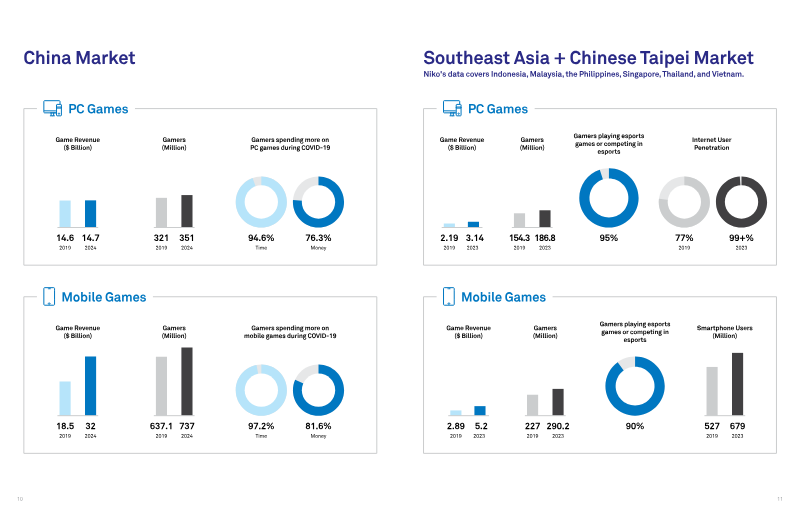
Comments