Mid-sized titles are increasingly adopting AAA-style monetization, such as battle passes and premium shops, to offset rising server costs and shortened sales cycles.
Temtem successfully maintained a $45 price point without discounts, leveraging a high-engagement model where core players invest 20 to 100+ hours of gameplay.
The introduction of a cosmetic-only battle pass in Temtem triggered a shift to 'Mixed' recent reviews on Steam, highlighting the friction between indie-adjacent pricing and aggressive monetization.
Regulatory constraints in China, evidenced by only 73 government-approved game licenses in September 2022, are driving industry giants like Tencent and NetEase to prioritize Western studio acquisitions.
Western developers are advised to prioritize localization for the Chinese market while exercising caution regarding official licensing due to ongoing regulatory and grey market complexities.
This analysis explores the evolving landscape of video game monetization and international market dynamics, focusing on the "tightrope walk" developers must perform to balance revenue needs with player expectations. Centered on the 2022 launch of the creature-collector MMO Temtem, the study examines how mid-sized PC and console titles are increasingly adopting aggressive pricing and live-service mechanics, such as battle passes and premium cosmetic shops, to offset the high costs of server infrastructure and a crowded market.
The findings highlight a significant shift in Steam's ecosystem, where Temtem successfully maintained a $45 price point without discounts despite community backlash over its monetization. Data indicates that the game’s core audience frequently plays for 20 to 100+ hours, providing a value proposition that justifies higher entry costs. However, the introduction of a cosmetic-only battle pass led to "Mixed" recent reviews, illustrating the friction that occurs when indie-adjacent titles adopt AAA monetization strategies. The analysis suggests that as the "long tail" of sales for new releases shortens, developers of deep, high-engagement games may be forced to seek these additional revenue streams.
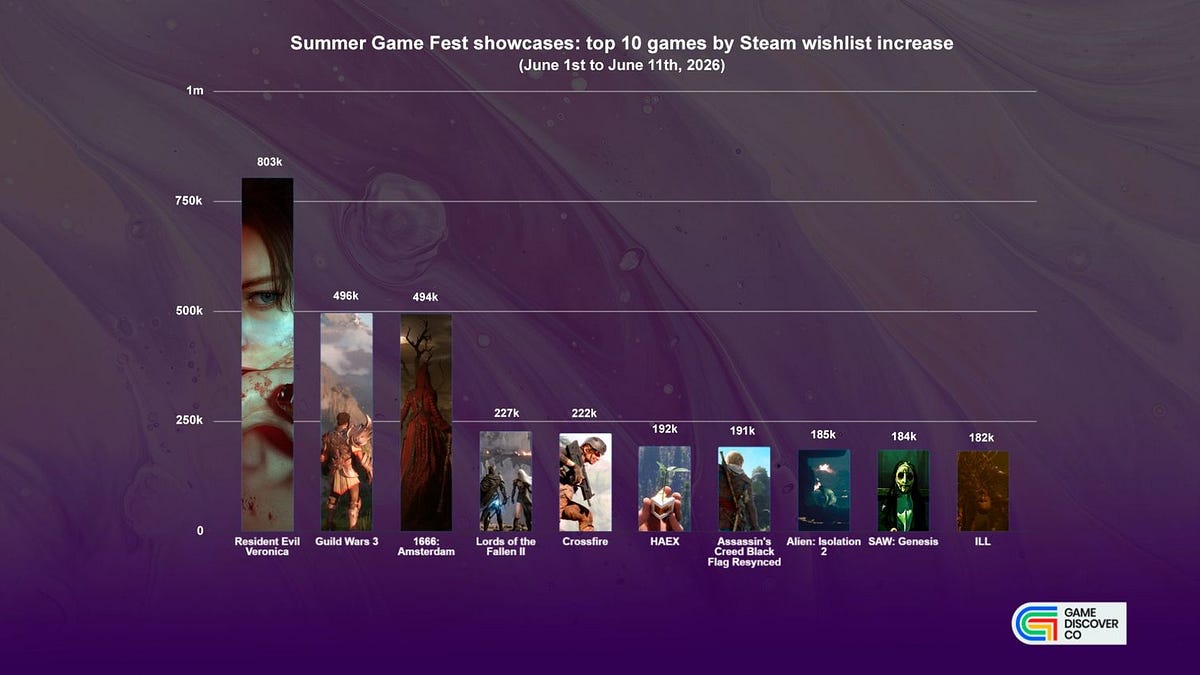
The scope also extends to the Chinese gaming market, detailing the regulatory hurdles and "grey market" complexities facing international developers. Key data points include the limited number of game approvals granted by the Chinese government—only 73 in September 2022—and the resulting pivot by giants like Tencent and NetEase toward Western studio acquisitions. The methodology relies on industry data from Steam Scout, market observations from China-based consultants, and survey results regarding Steam wishlist trends. Ultimately, the analysis advises Western developers to prioritize localization for the Chinese market while remaining cautious about official licensing, and to carefully manage community sentiment when implementing modern monetization features.