GREE concluded fiscal year 2015 with net sales of ¥92.5 billion and an operating income of ¥20.2 billion, though the bottom line was impacted by a net loss of ¥10.3 billion. This deficit primarily resulted from a ¥14.2 billion goodwill impairment charge related to the North American subsidiary, Funzio. While domestic native games such as Shometsu Toshi demonstrated growth, overall coin consumption fell 11% quarter-over-quarter to 27.9 billion, driven by weakening performance in overseas markets and the legacy web game segment. Despite these challenges, the company fortified its liquidity, ending the period with ¥76.4 billion in net cash and issuing a memorial dividend to mark its tenth anniversary.
The strategic transition from web-based games to native mobile applications reached completion during this period, yielding a 30% improvement in retention for core titles. To address underperformance in international markets, the company acquired the developer Twiitch to enhance mid-core capabilities in North America. Operational efficiency remained a priority, as evidenced by a 16% reduction in fixed costs and the maintenance of profitability across both web games and emerging business ventures like Renoco and Lespas. Total assets and net assets saw a year-over-year decrease, yet the financial foundation remained stable through a significant reduction in interest-bearing debt.
Looking toward fiscal year 2016, the objective is to achieve sustainable growth by launching 15 new native titles and rebuilding North American operations. Management aims to further reduce fixed costs by 10% through streamlined operations and lower selling, general, and administrative expenses. Beyond gaming, the strategy involves diversifying into home services and health platforms to stabilize revenue streams. By balancing aggressive native game development with rigorous cost management and expansion into new business sectors, the company intends to pivot back toward long-term profitability and market relevance.
GREE · 2026
GREE · 2026
GREE · 2026
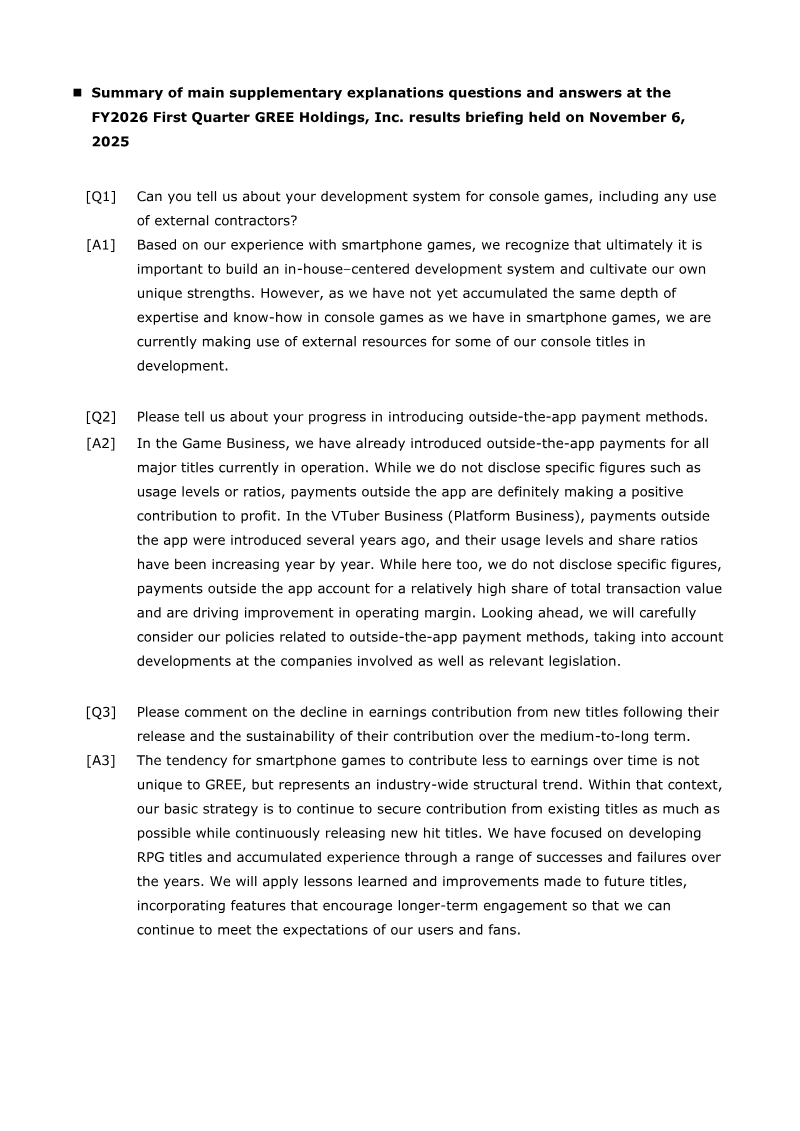
GREE · 2025
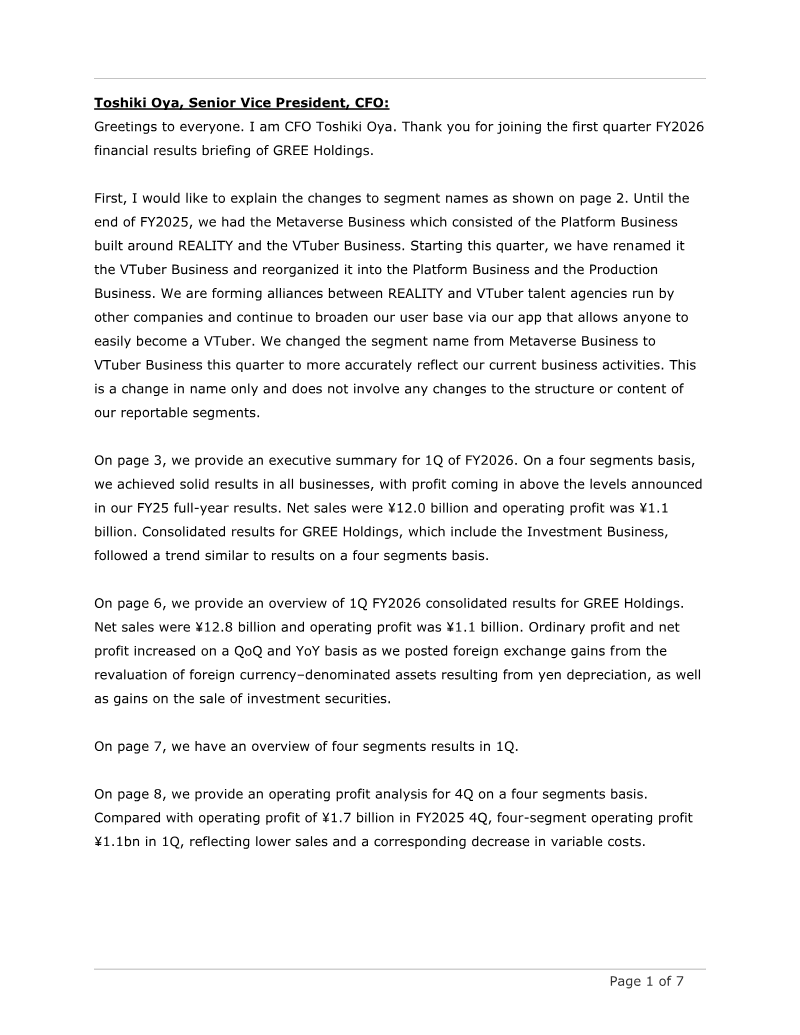
GREE · 2025
GREE · 2025
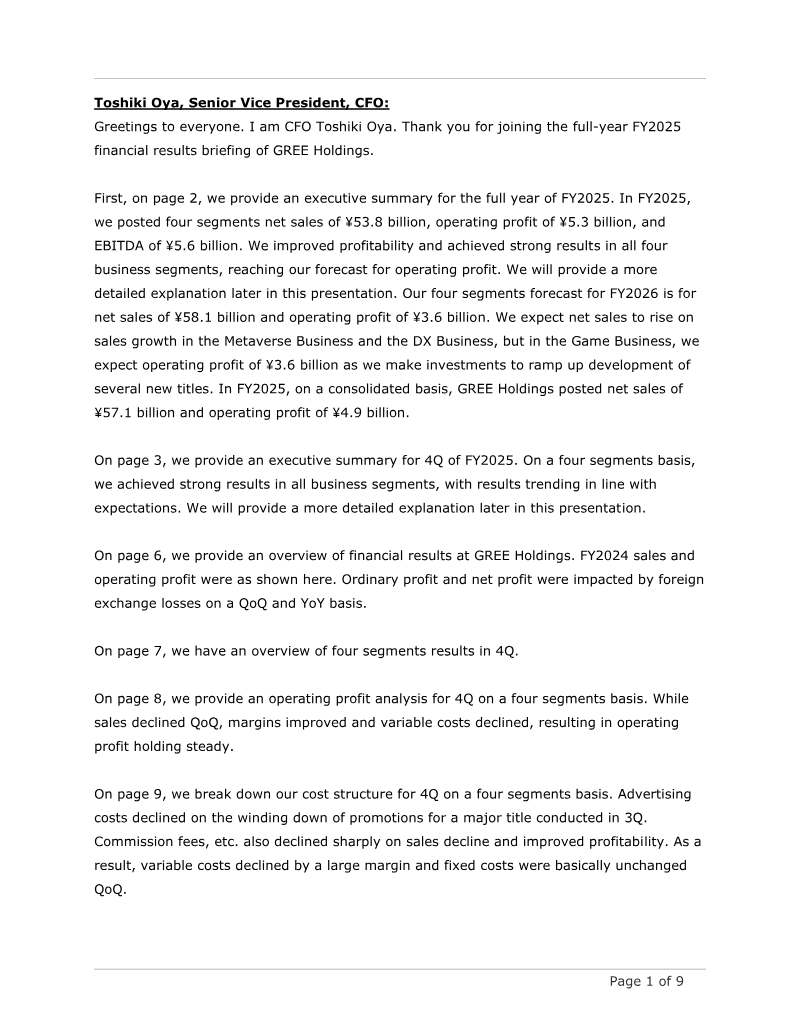
GREE · 2025
GREE · 2025
GREE · 2025
GREE · 2025
GREE · 2025
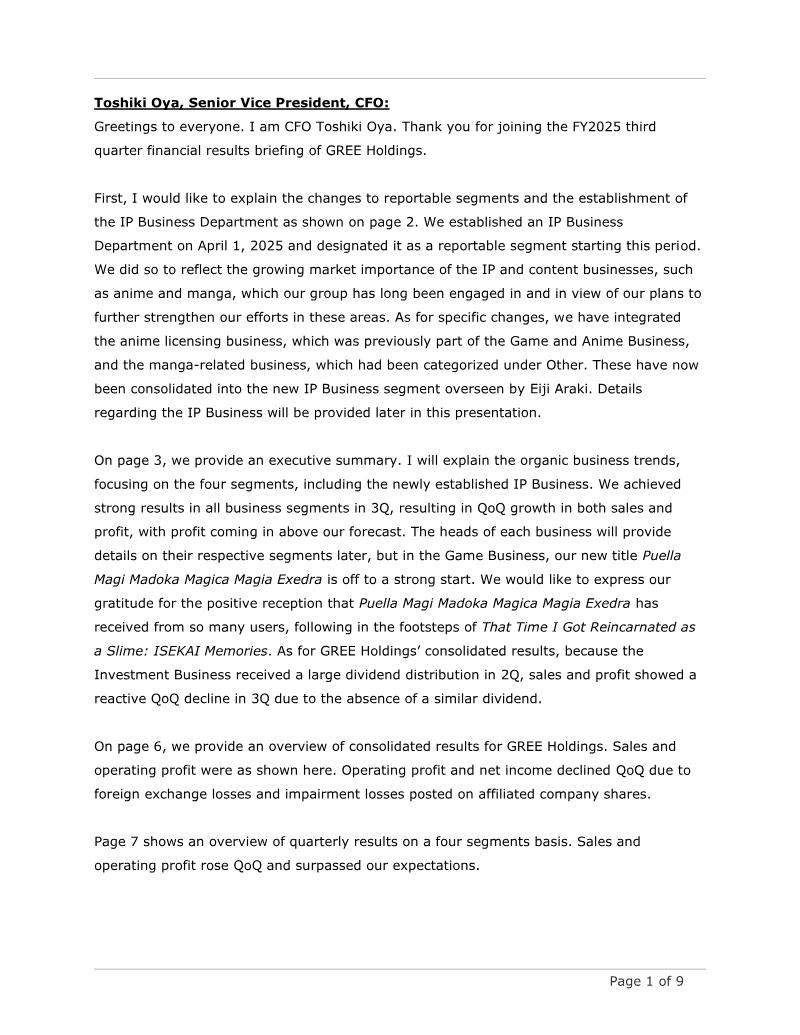
GREE · 2025
Capcom · 2026
Capcom Co. · 2026
Capcom · 2026
Sony Group Corporation · 2026
Square Enix · 2026
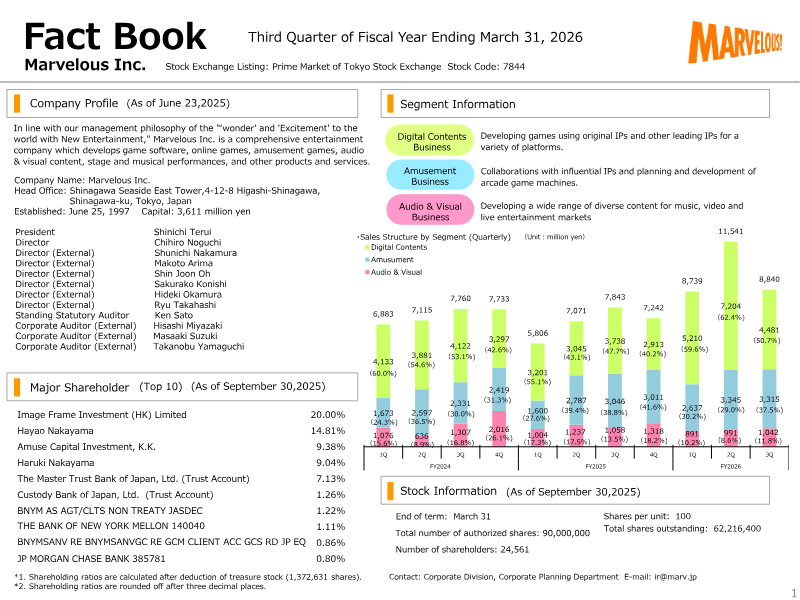
Marvelous · 2026
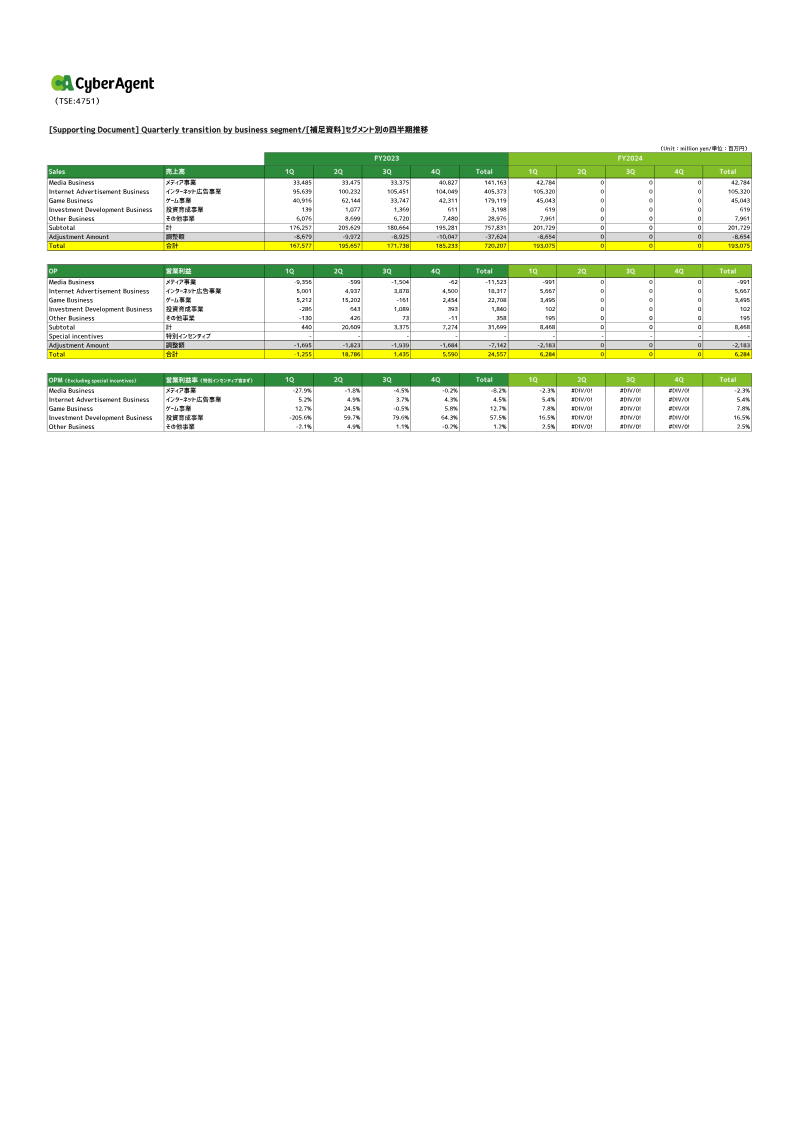
CyberAgent · 2026
Square Enix · 2026
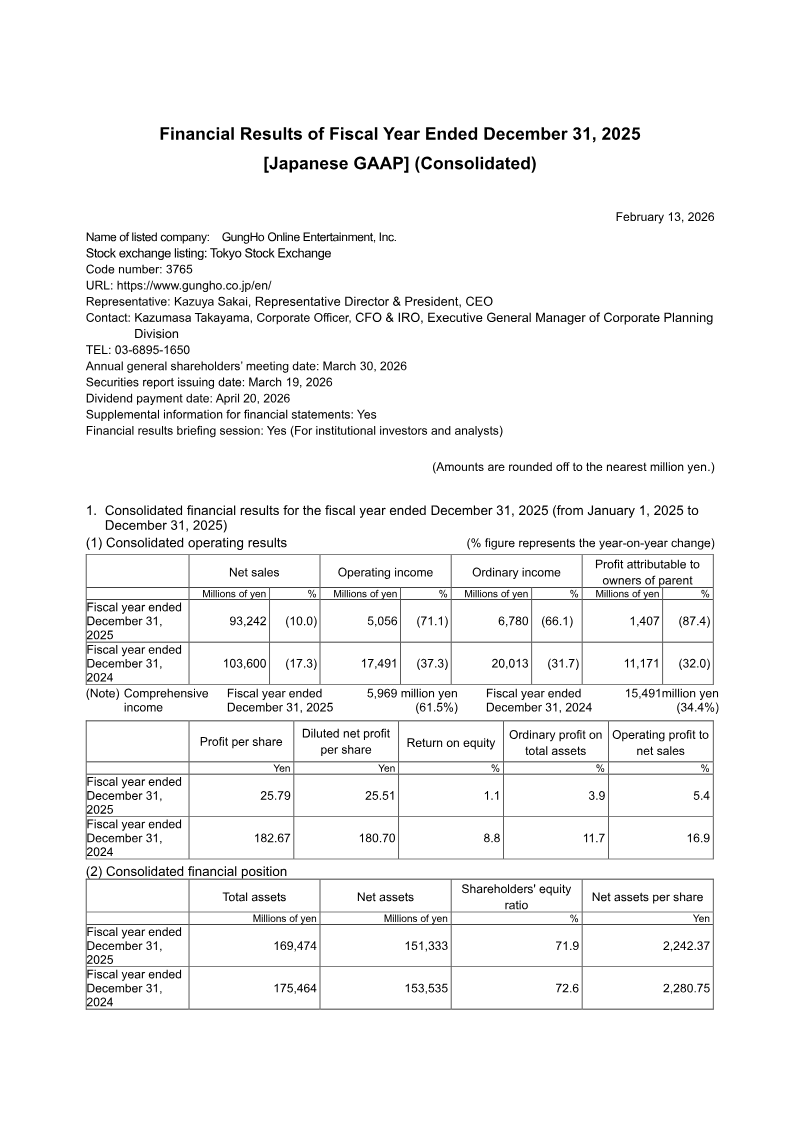
GungHo Online Entertainment · 2026
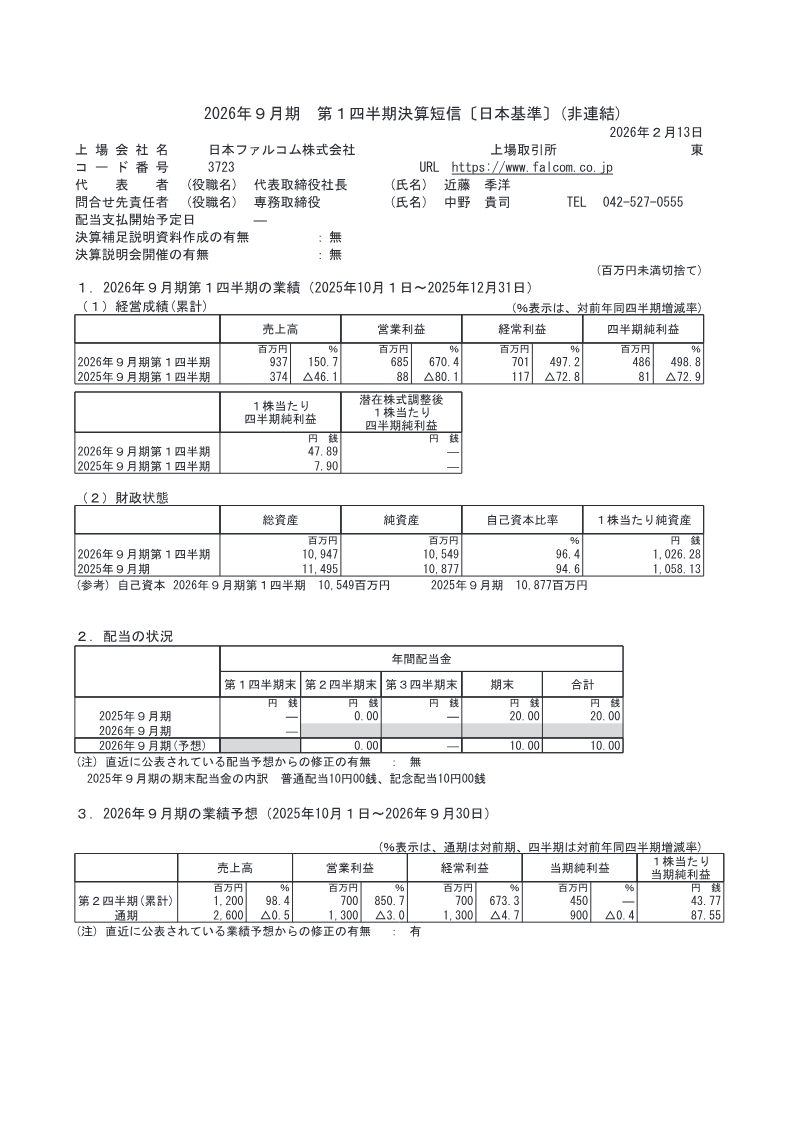
Nihon Falcom Corporation · 2026
Sega Sammy Holdings · 2026
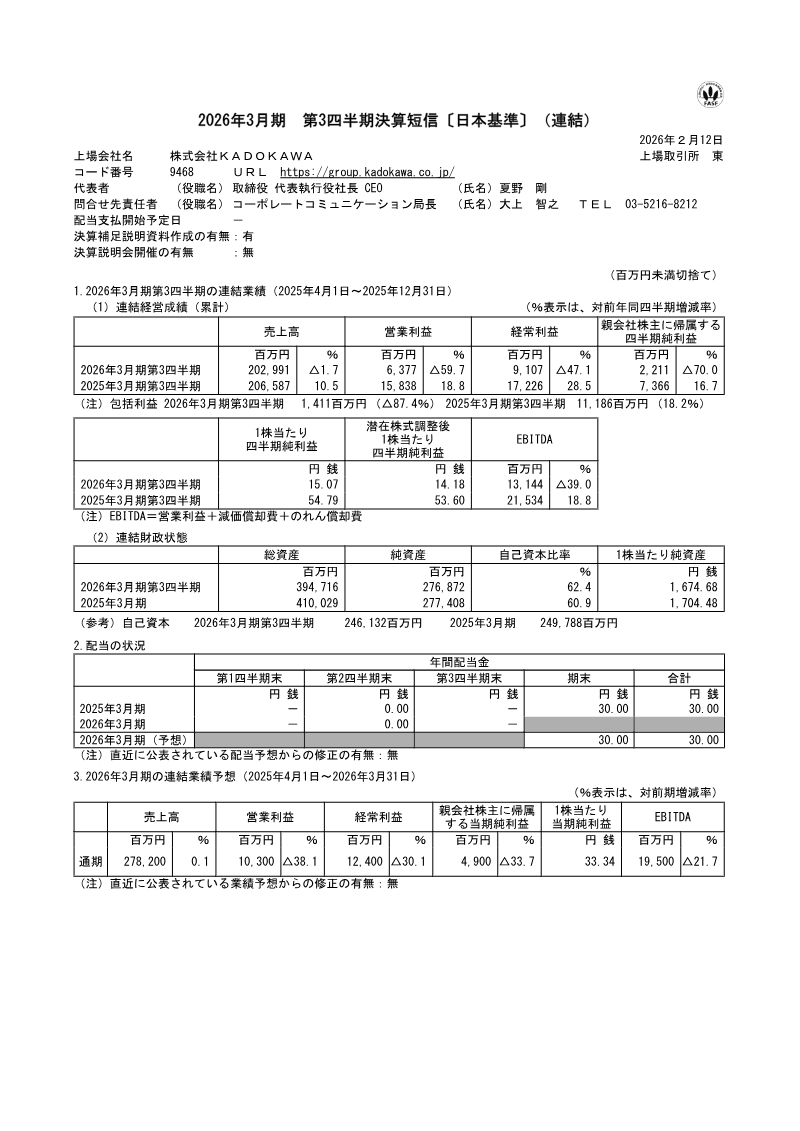
Kadokawa Corporation · 2026