Fiscal year 2014 marked a period of structural transition for GREE, characterized by a decline in net sales to ¥125.6 billion and operating income to ¥35.0 billion. These financial contractions were primarily driven by the rapid obsolescence of the feature phone market and a temporary shortage of breakout smartphone hits. In response, the organization aggressively streamlined its operations, reducing fixed costs by 31% and ending the year with a strengthened cash position of ¥65.5 billion. This fiscal discipline provided the necessary liquidity to fund a comprehensive strategic shift toward native mobile application development.
The core of this transformation involves a decisive pivot to native games for fiscal year 2015, with plans to triple native game operations and expand the Japanese studio headcount to 1,000 employees. While the legacy web game business is being optimized for stable cash flow, the primary growth engine is now centered on high-performance titles like Shometsu Toshi and the Wright Flyer Studios label. This internal restructuring is complemented by an international strategy that achieved quarterly profitability in 2014 through success in the hardcore and mid-core genres. Key drivers included the expansion of titles like Knights & Dragons and strategic cross-border collaborations, such as developing a Naruto mobile title for the Chinese market.
Looking forward, the strategy prioritizes high-ARPU titles and global publishing efficiency. By doubling production lines and appointing new leadership to oversee international operations, the focus has shifted toward scaling native hits across both iOS and Android platforms. With a global workforce of nearly 1,900 employees and a user base of 53.7 million in Japan, the objective for the coming year is to leverage localized overseas releases and third-party IP to reverse the recent sales decline and establish a sustainable lead in the competitive smartphone gaming landscape.
GREE · 2026
GREE · 2026
GREE · 2026
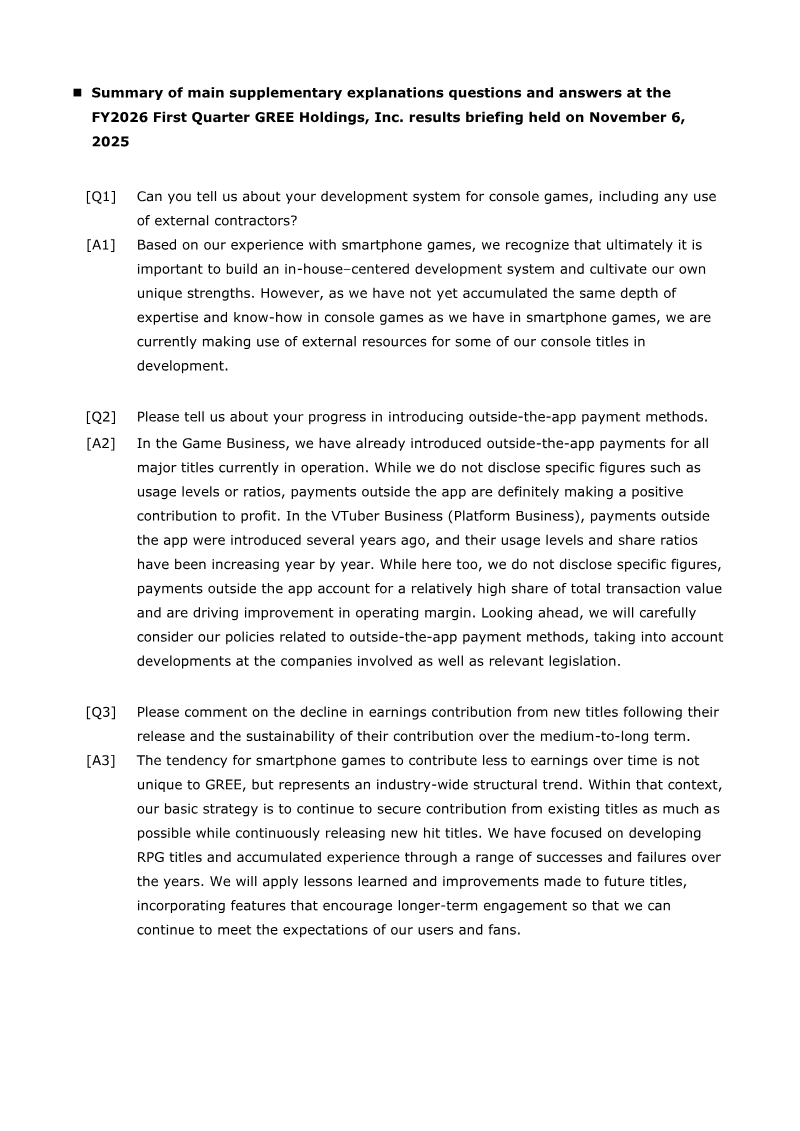
GREE · 2025
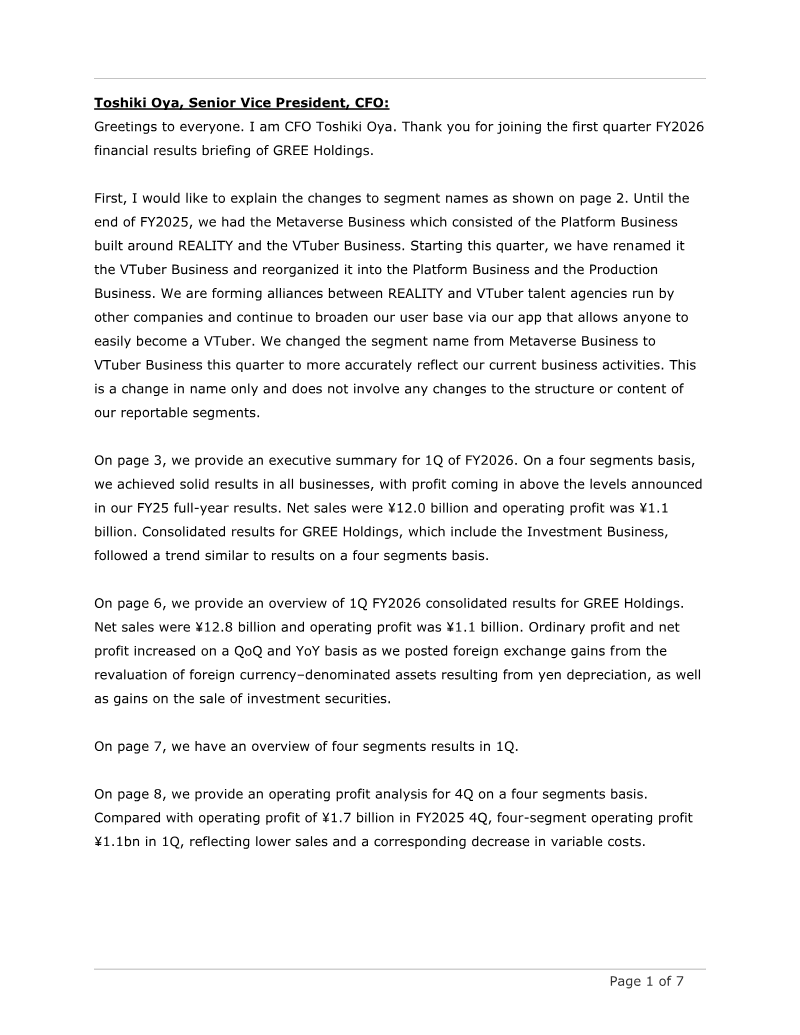
GREE · 2025
GREE · 2025
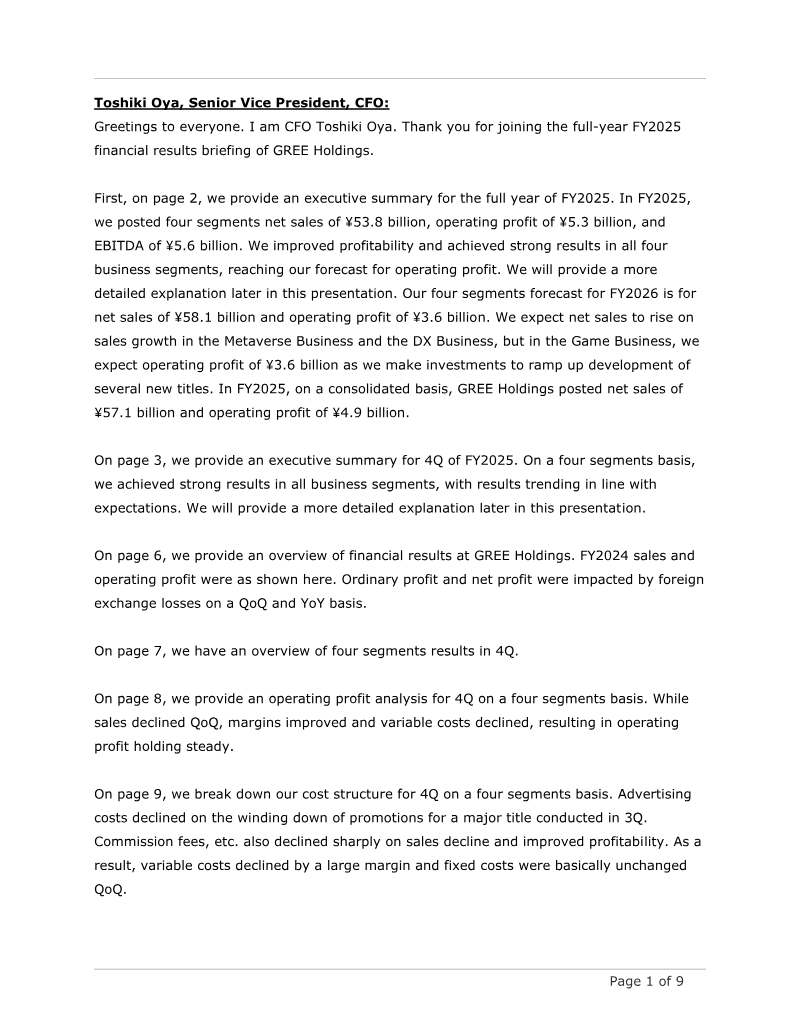
GREE · 2025
GREE · 2025
GREE · 2025
GREE · 2025
GREE · 2025
GREE · 2025
Sony Group Corporation · 2026
Bandai Namco · 2026
InvestGame · 2025
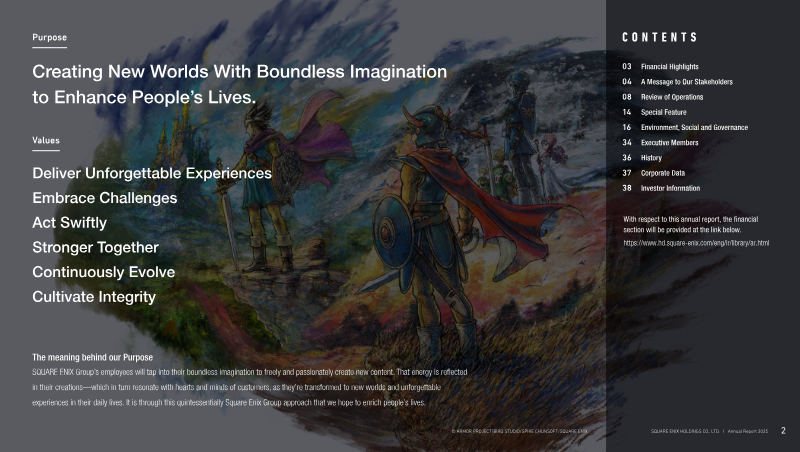
Square Enix · 2025
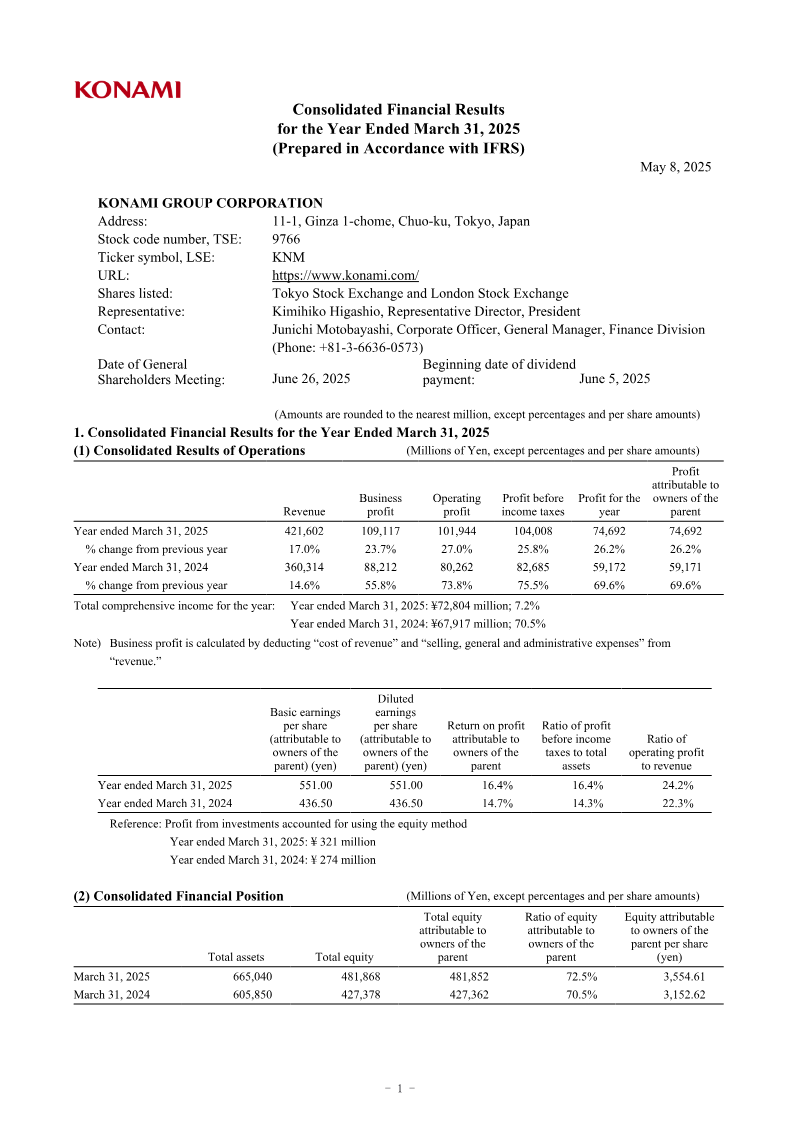
Konami · 2025
Nintendo · 2024
Bandai Namco · 2022
Bandai Namco · 2021
GREE · 2017
Bandai Namco · 2017
GREE Inc. · 2016
Bandai Namco · 2014