GREE’s financial performance for the second quarter of fiscal year 2015 reflects a company in the midst of a significant structural transition, characterized by a pivot toward native mobile applications and a diversification of its business portfolio. While net sales reached ¥24.1 billion and operating income of ¥4.7 billion exceeded initial forecasts, the period was marked by a substantial net loss of ¥7.7 billion. This deficit was driven primarily by an ¥18.4 billion extraordinary loss resulting from goodwill impairment charges related to the acquisitions of OpenFeint and Pokelabo. Despite these write-downs, the organization maintains a stable full-year operating income forecast of ¥20.0 billion, supported by a robust net cash position of ¥67.60 billion and a reduction in interest-bearing debt.
The strategic focus has shifted decisively toward native smartphone games to offset the gradual decline of legacy web-based titles. This transition is evidenced by a development pipeline of 17 new titles and a dedicated headcount of 550 developers. Successes such as Shometsu Toshi, which reached the Top 30 grossing charts, and revenue growth in the United States market demonstrate the viability of this native-first approach. Furthermore, the company is actively diversifying into non-gaming sectors to secure long-term growth, notably through the launch of the AdColony video advertising platform and the acquisition of the home renovation service Renoco.
Operational data indicates that while total coin consumption is trending downward globally, the revenue mix is increasingly reliant on third-party titles, which now account for 38% of the ecosystem. To sustain this evolution, the company is investing in human capital through partnerships like MakeSchool to bolster its mobile app development expertise. By stabilizing its web game base and aggressively expanding its native game and advertising footprints, the organization aims to navigate the shifting mobile landscape while returning value to shareholders through a commemorative 10th-anniversary dividend.
GREE · 2026
GREE · 2026
GREE · 2026
GREE · 2025
GREE · 2025
GREE · 2025
GREE · 2025
GREE · 2025
GREE · 2025
GREE · 2025
GREE · 2025
GREE · 2025
Capcom · 2026
Capcom Co. · 2026
Capcom · 2026
Sony Group Corporation · 2026
Square Enix · 2026
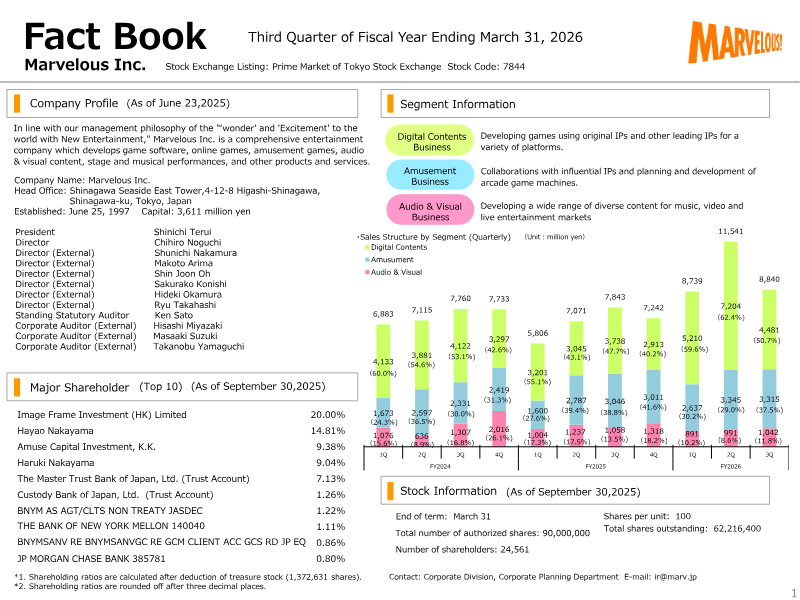
Marvelous · 2026
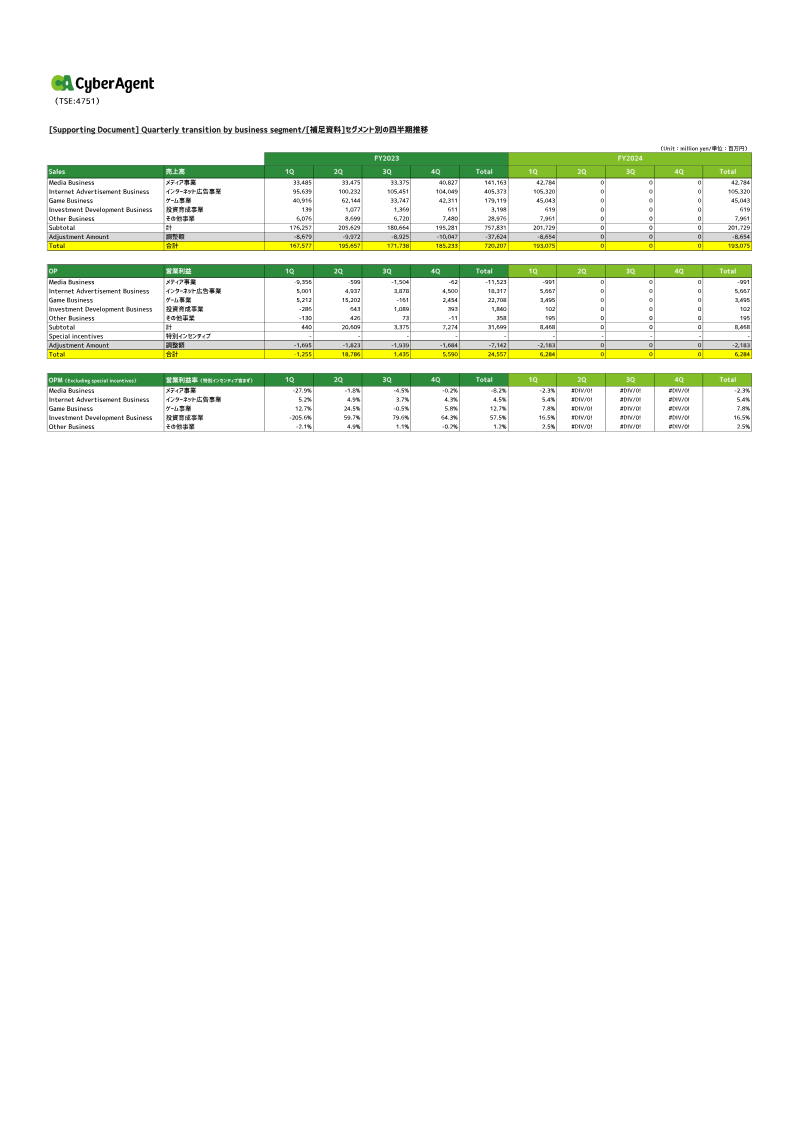
CyberAgent · 2026
Square Enix · 2026
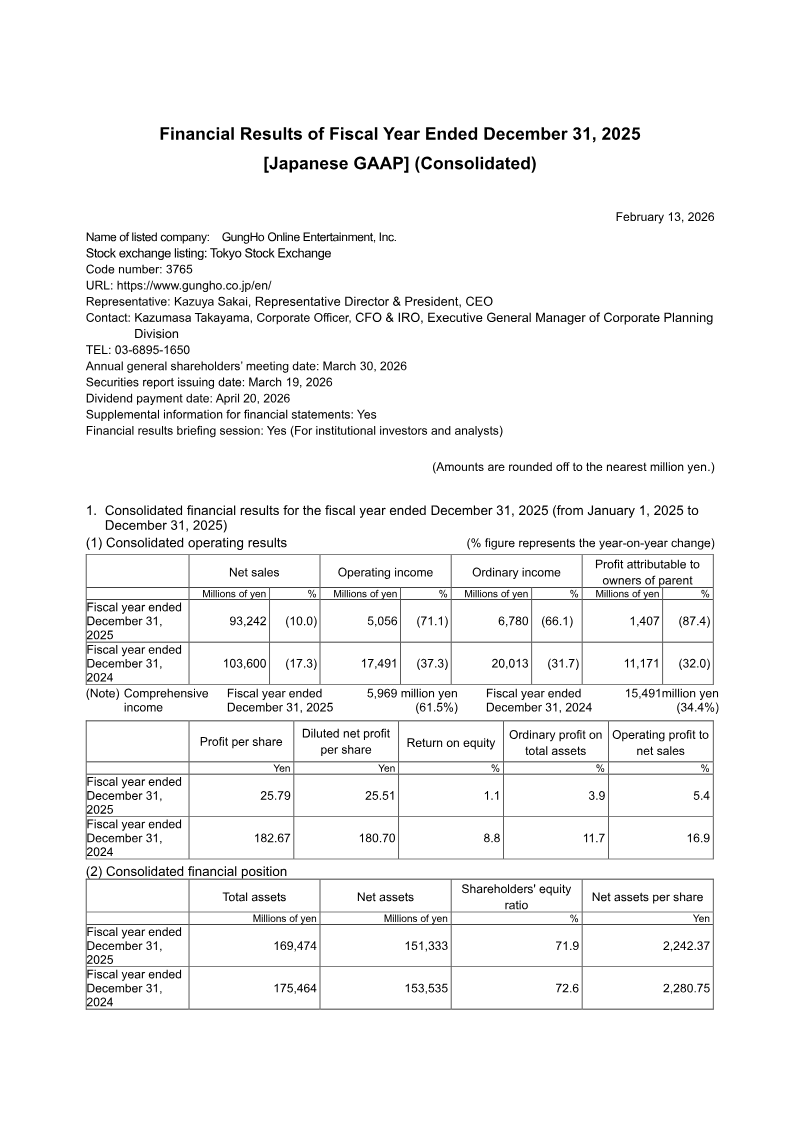
GungHo Online Entertainment · 2026
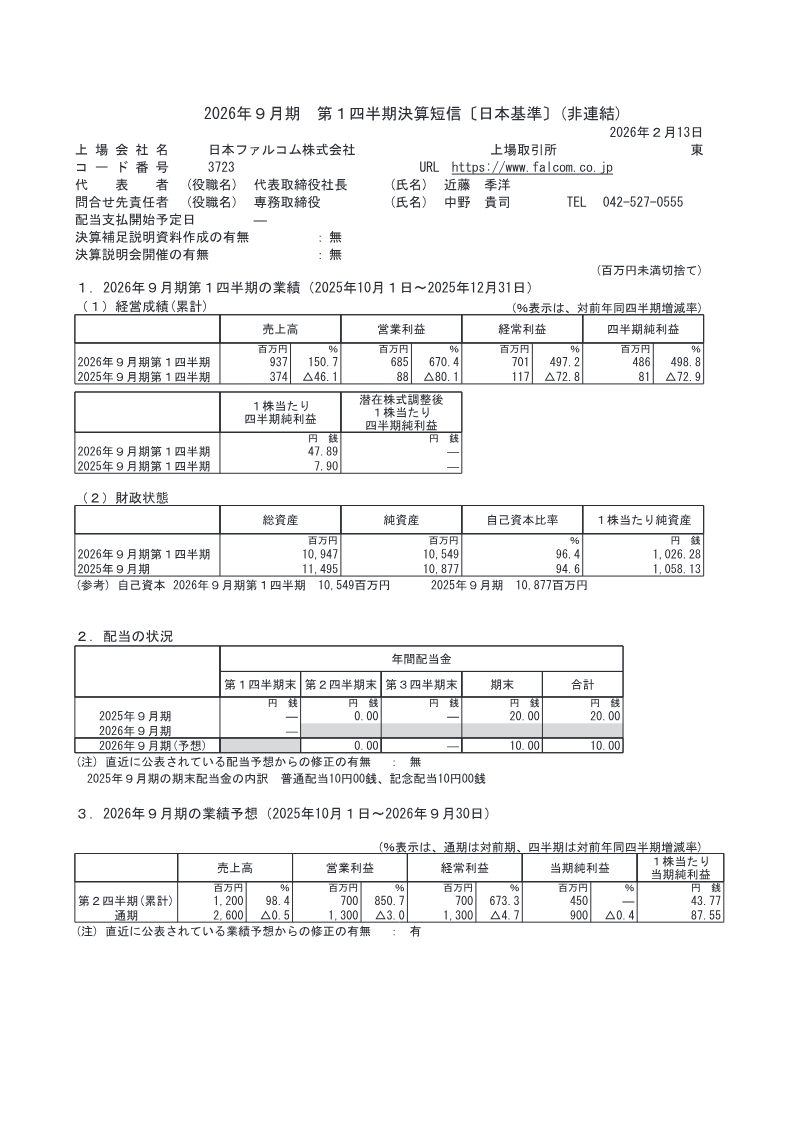
Nihon Falcom Corporation · 2026
Sega Sammy Holdings · 2026
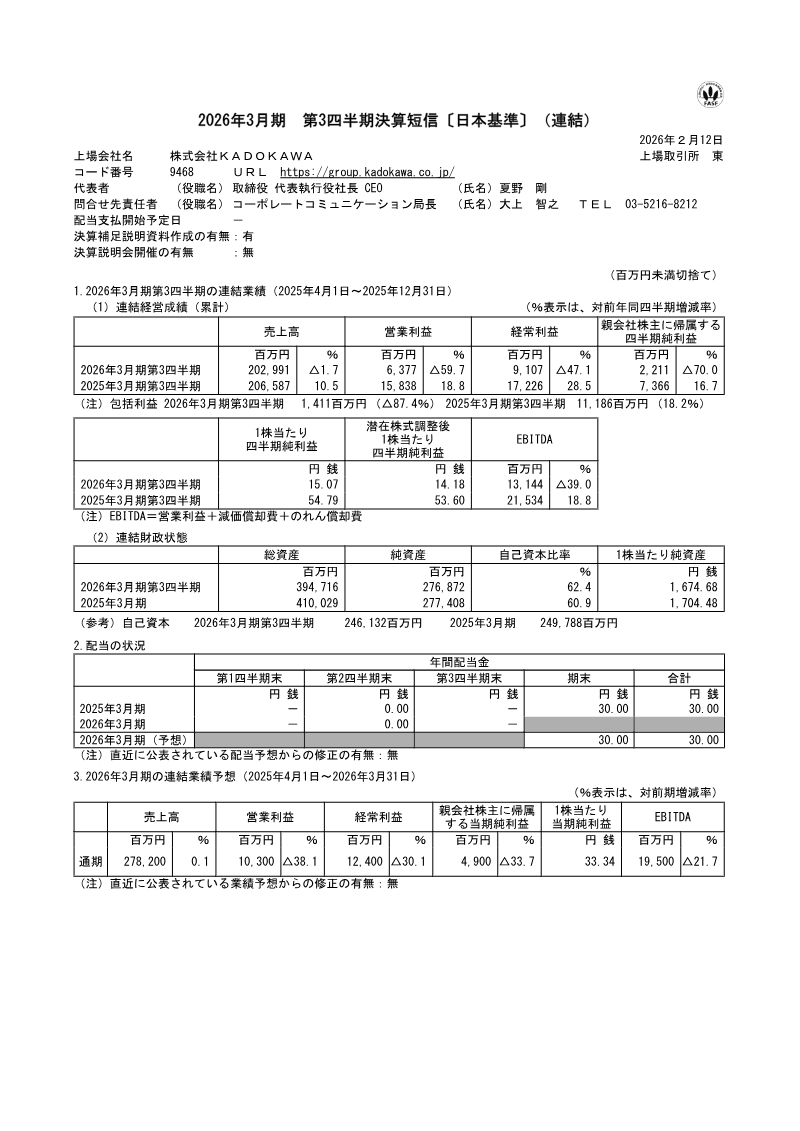
Kadokawa Corporation · 2026