1 free read left. Create a free account for unlimited reading + AI research.
Create free accountWhitepaper Press Start
1 free read left. Create a free account for unlimited reading + AI research.
Create free accountWhitepaperPress Start
Distilling the key insights…
The relationship between competitive team-based gaming and prosocial behavior is more nuanced than traditional narratives suggest. Contrary to the assumption that extended engagement in player-versus-player environments inherently fosters antisocial conduct, there is no significant direct or indirect correlation between the total time spent gaming and the frequency of prosocial actions. Instead, the primary driver of cooperative behavior within these digital spaces is a player’s expectation of in-group reciprocity. When individuals anticipate that their teammates will act in a mutually beneficial manner, they are statistically more likely to engage in prosocial behaviors themselves, regardless of the competitive nature of the game.
This analysis, based on a survey of 727 competitive gamers, reveals a critical bridge between virtual and physical social conduct. While gaming duration does not dictate a player’s moral disposition, a strong positive correlation exists between prosocial behavior exhibited in-game and prosocial tendencies in offline settings. This suggests that the social dynamics cultivated within team-based gaming environments are not isolated phenomena but rather reflections of broader behavioral patterns that transcend the digital interface. The findings challenge the long-standing stigma that competitive gaming environments are inherently detrimental to social development.
By examining the interplay between task interdependence and reciprocity, the research clarifies that the internal logic of team-based play relies heavily on the perceived reliability of peers. These insights indicate that the gaming environment serves as a functional space for social interaction where the expectation of cooperation—rather than the mere act of playing—shapes behavior. Ultimately, the evidence supports the conclusion that positive social effects developed within competitive gaming communities can carry over into real-world interactions, highlighting the potential for digital platforms to serve as meaningful venues for prosocial engagement.



Press Start · 2026
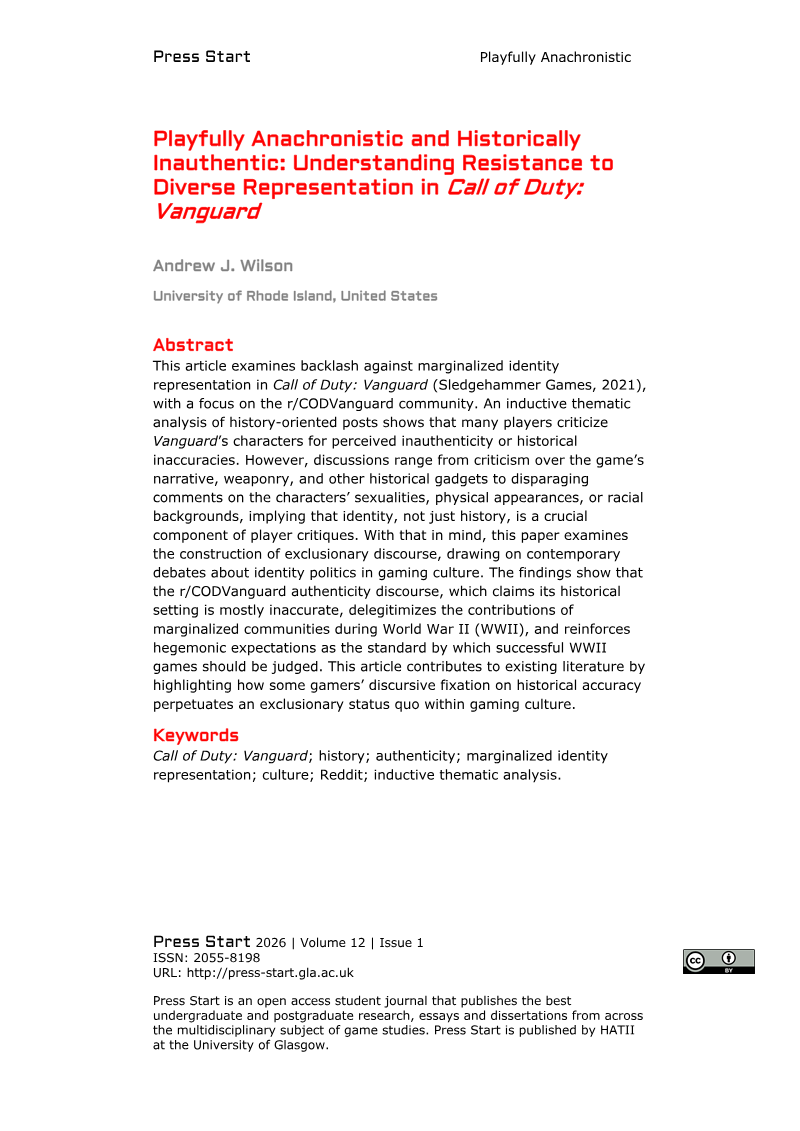
Press Start · 2026
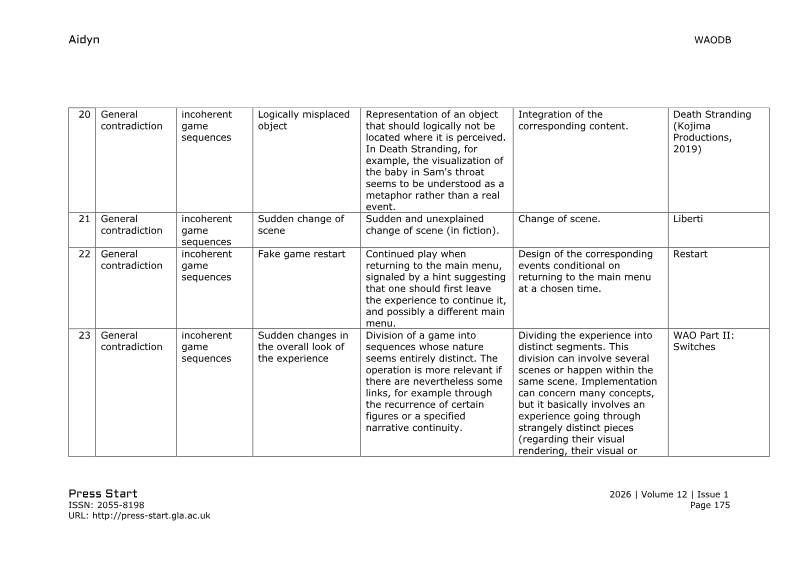
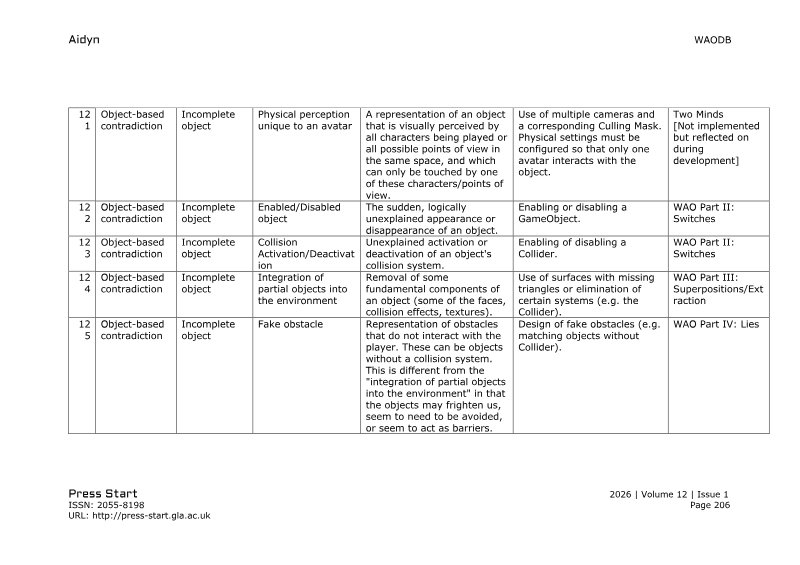
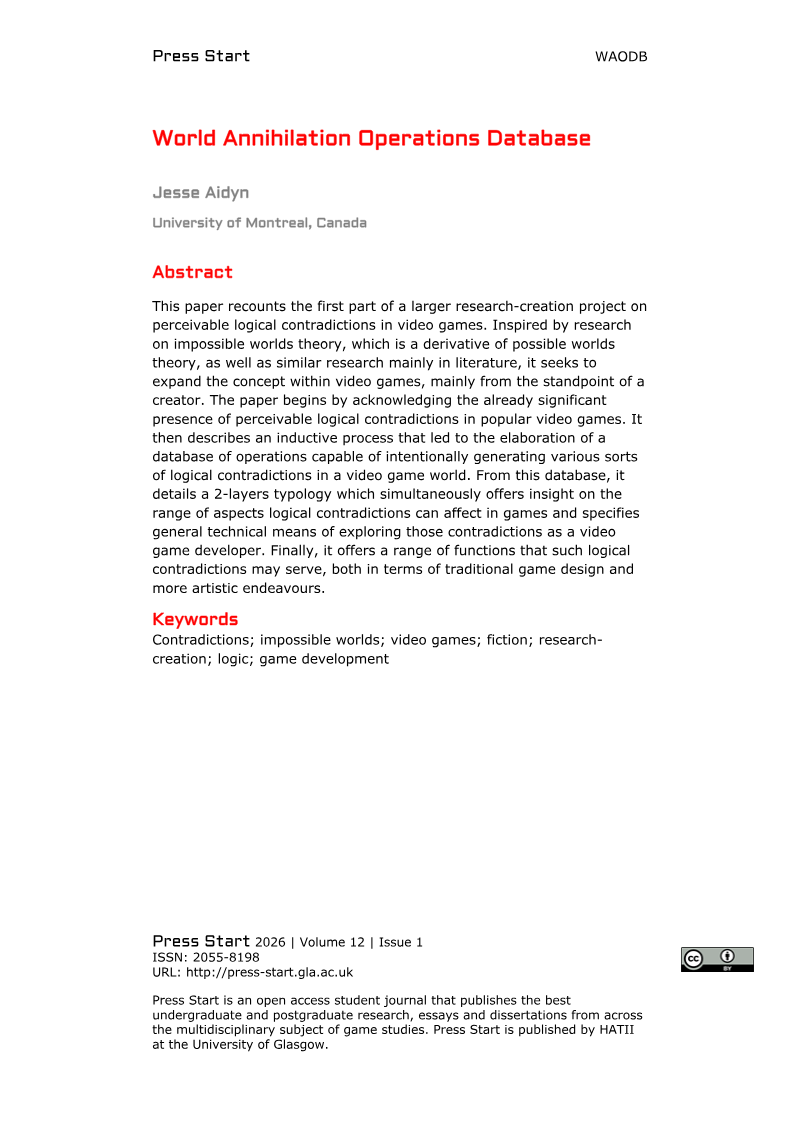
Press Start · 2026
Press Start · 2026
Press Start · 2026
Press Start · 2026
Press Start · 2026
Press Start · 2026
Press Start · 2025
Press Start · 2025
Press Start · 2025
Press Start · 2024
Kinephanos · 2026