Financialmixi
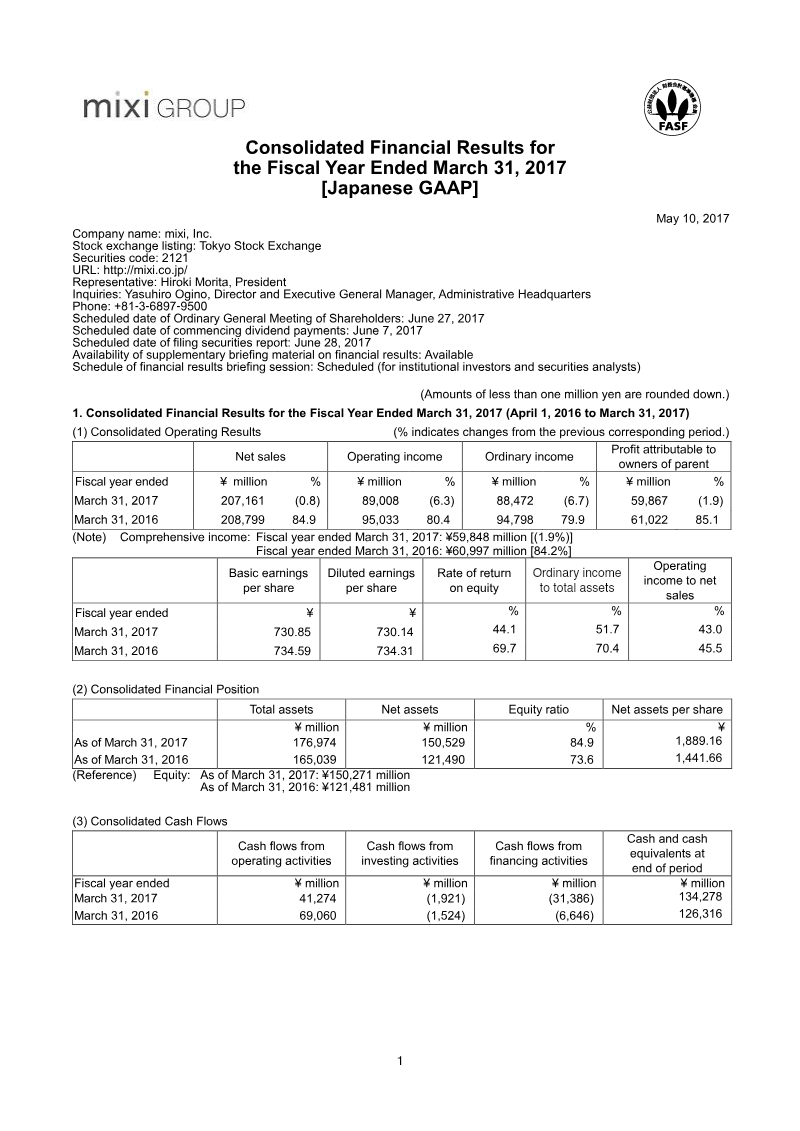
Consolidated Financial Results for the Fiscal Year Ended March 31, 2017
1 May 201722 pages~39 min full read
Mixi, Inc. concluded the fiscal year ending March 31, 2017, with a stable but slightly contracting financial performance, reporting net sales of ¥207.1 billion and a profit of ¥59.8 billion. These figures represent marginal year-over-year declines of 0.8% and 1.9%, respectively. Despite this cooling growth, the organization significantly bolstered its balance sheet, increasing its equity ratio to 84.9% and maintaining a robust cash position of ¥134.2 billion. This financial stability was achieved alongside strategic portfolio adjustments, including the acquisition of Compath Me Inc. and the divestiture of non-core assets such as MUSE & Co., Ltd. and mixi research, Inc.
The Entertainment Business remains the primary engine of the company, generating 93% of total revenue and contributing ¥89 billion in segment profit. To sustain this dominance, the organization increased advertising expenditures to ¥20.8 billion. Meanwhile, the Media Platform segment continues to manage significant goodwill assets totaling over ¥8.6 billion. Management has prioritized shareholder returns and capital efficiency through aggressive equity management, retiring 2.4 million treasury shares during the period and authorizing further buybacks of up to ¥10 billion for the following year.
The outlook for the fiscal year ending March 2018 suggests a period of transition and anticipated decline. Projections indicate a 3.5% decrease in net sales and a more substantial 19.8% drop in profit. This forecast reflects a cautious stance as the company navigates a maturing entertainment market and integrates its recent structural changes. While the current financial foundation remains exceptionally strong, the projected downturn highlights the challenges of maintaining the high-growth trajectory established in previous cycles.
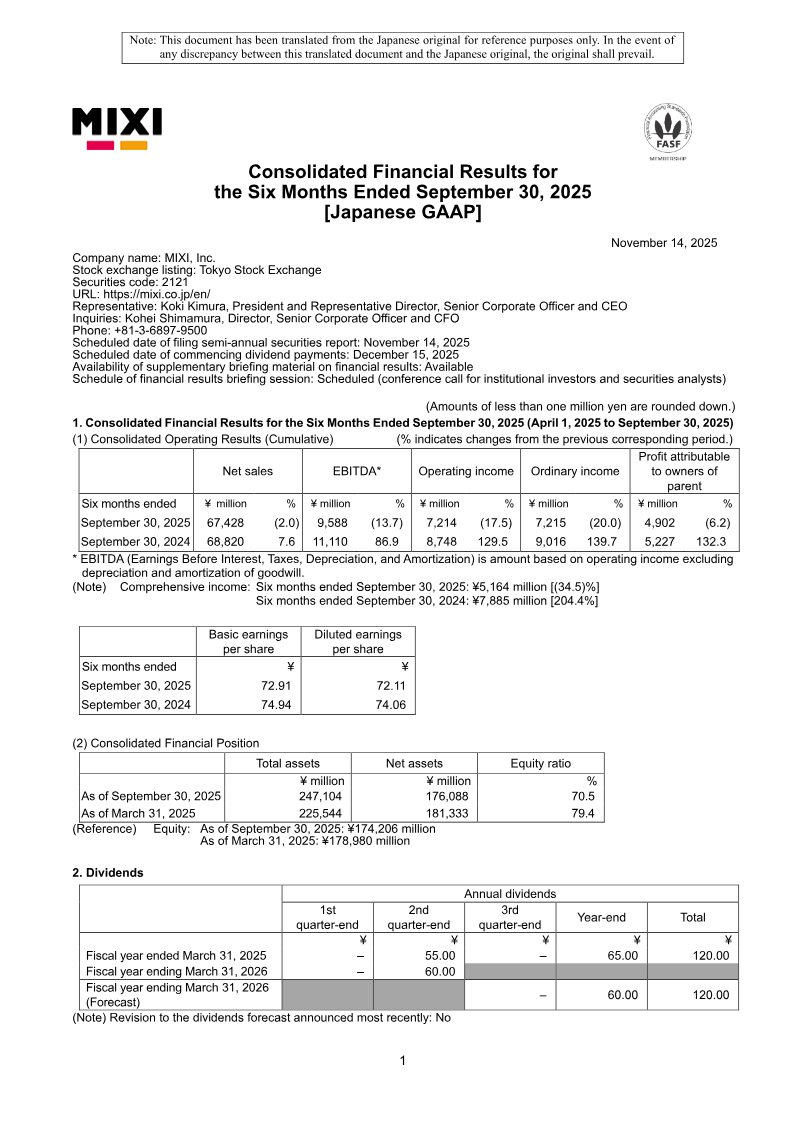
MIXI, Inc. · 2025
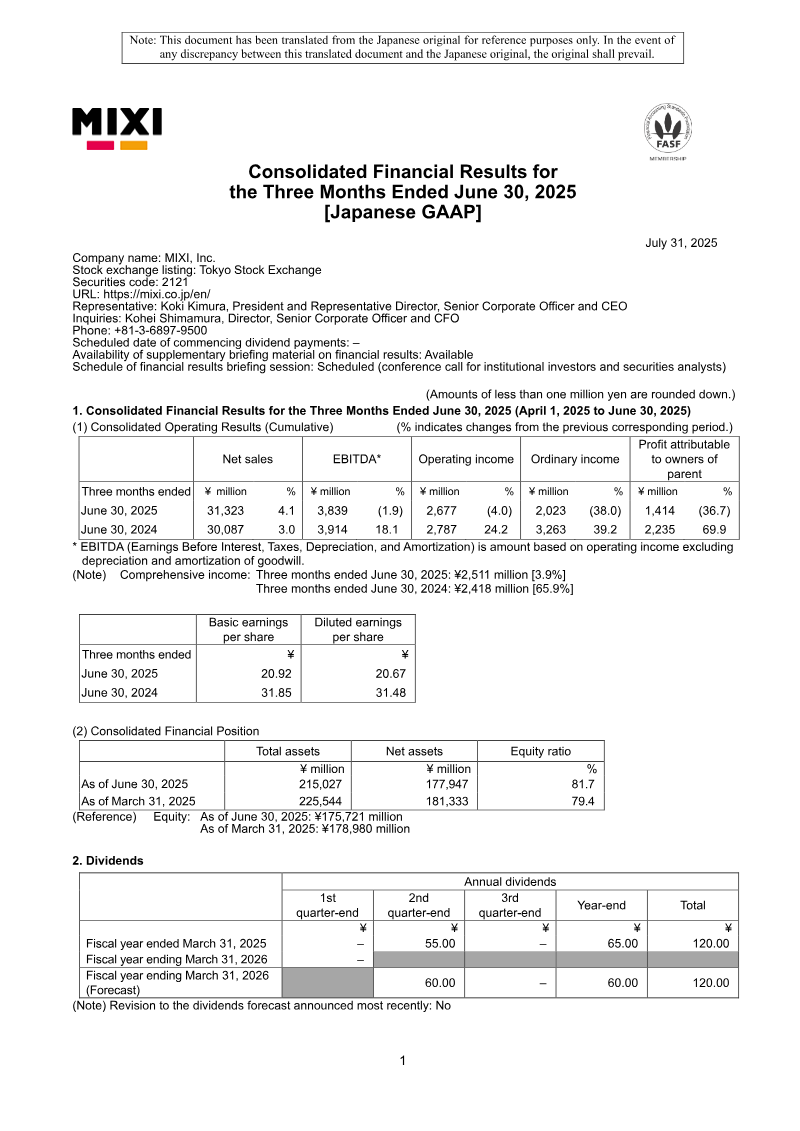
MIXI, Inc. · 2025
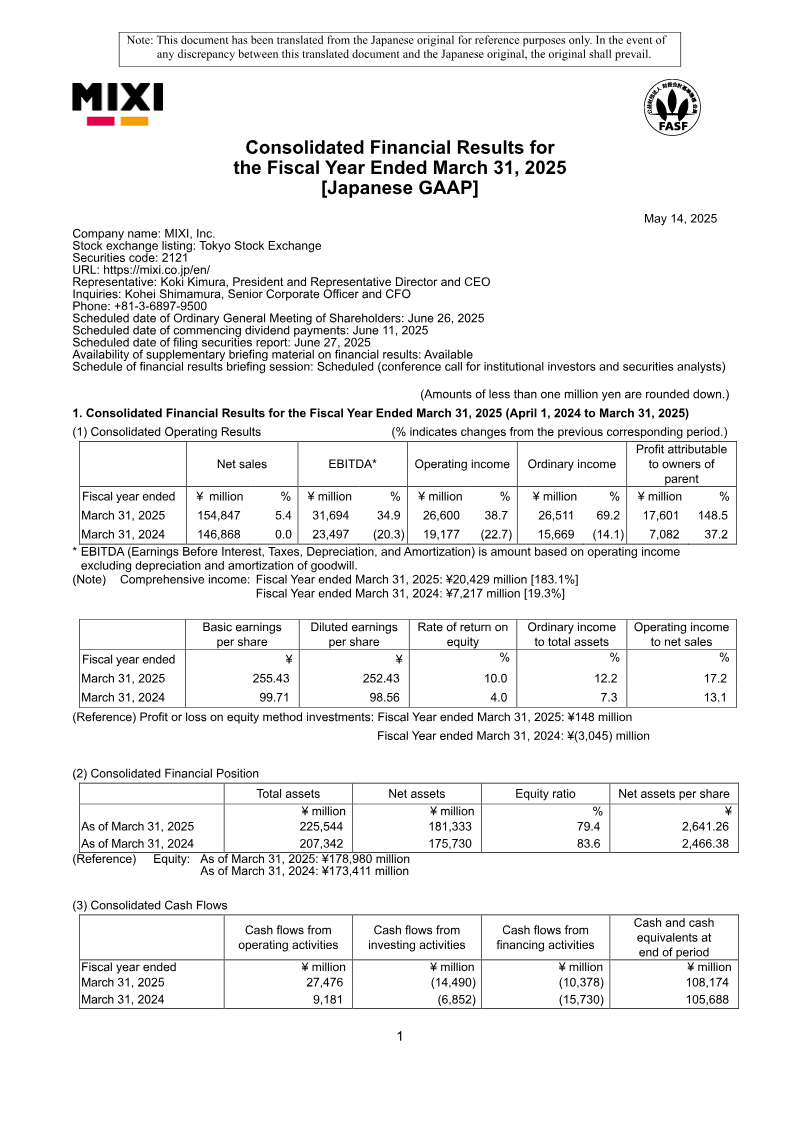
MIXI, Inc. · 2025
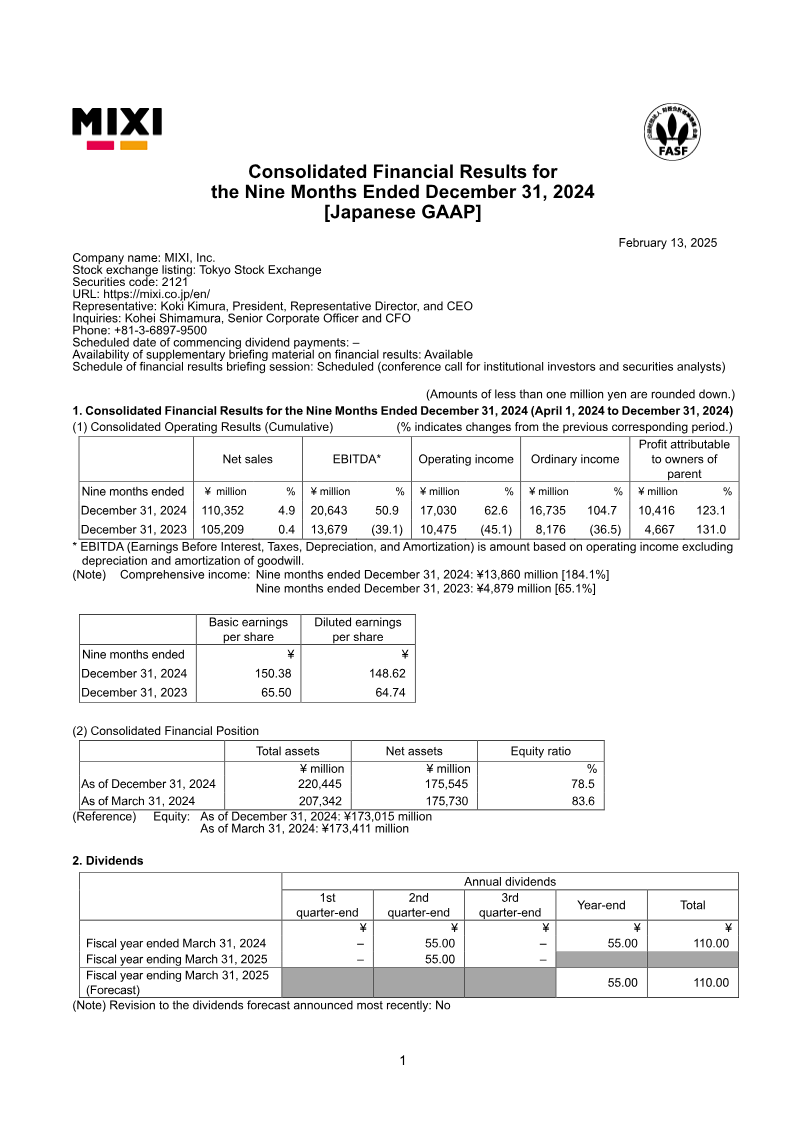
MIXI, Inc. · 2025
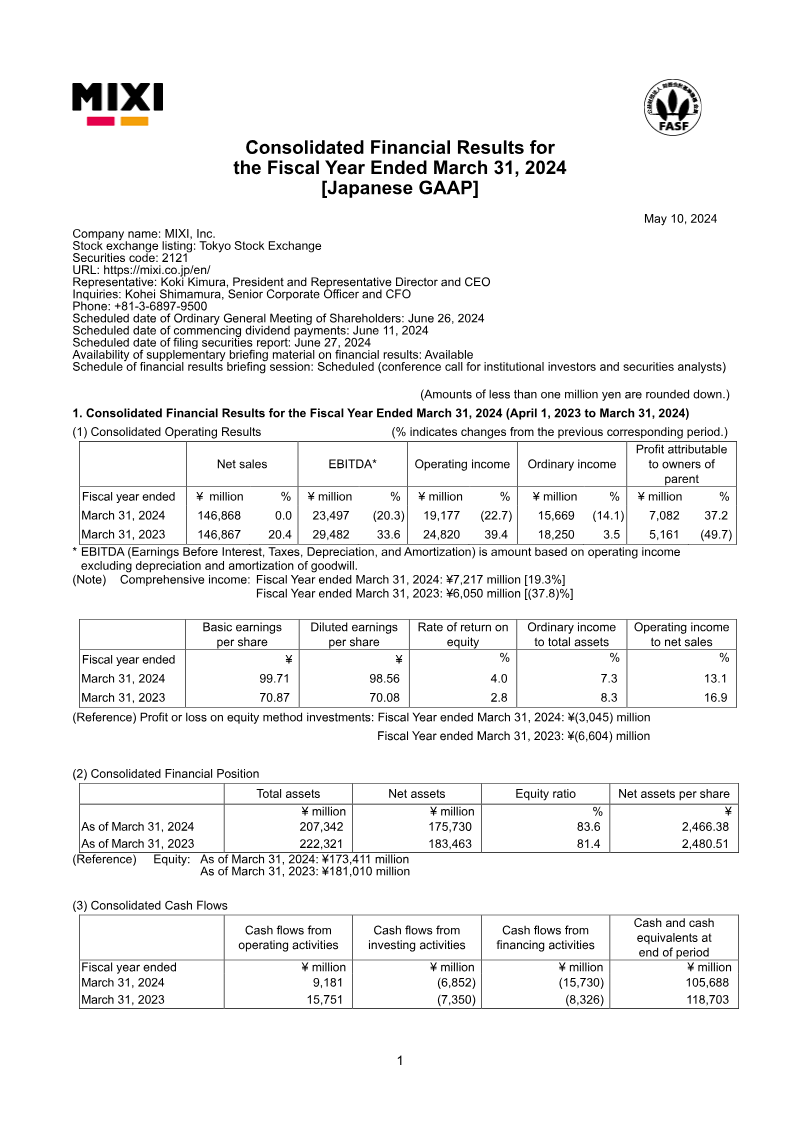
MIXI, Inc. · 2024
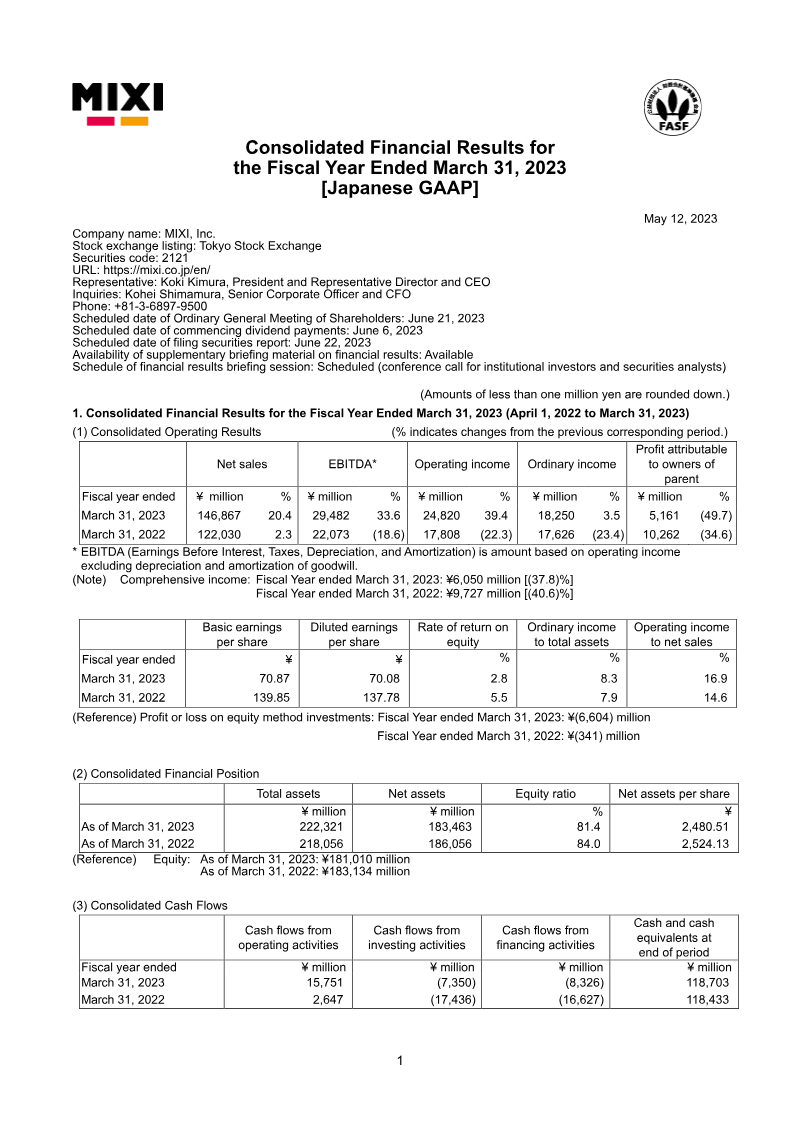
MIXI, Inc. · 2023
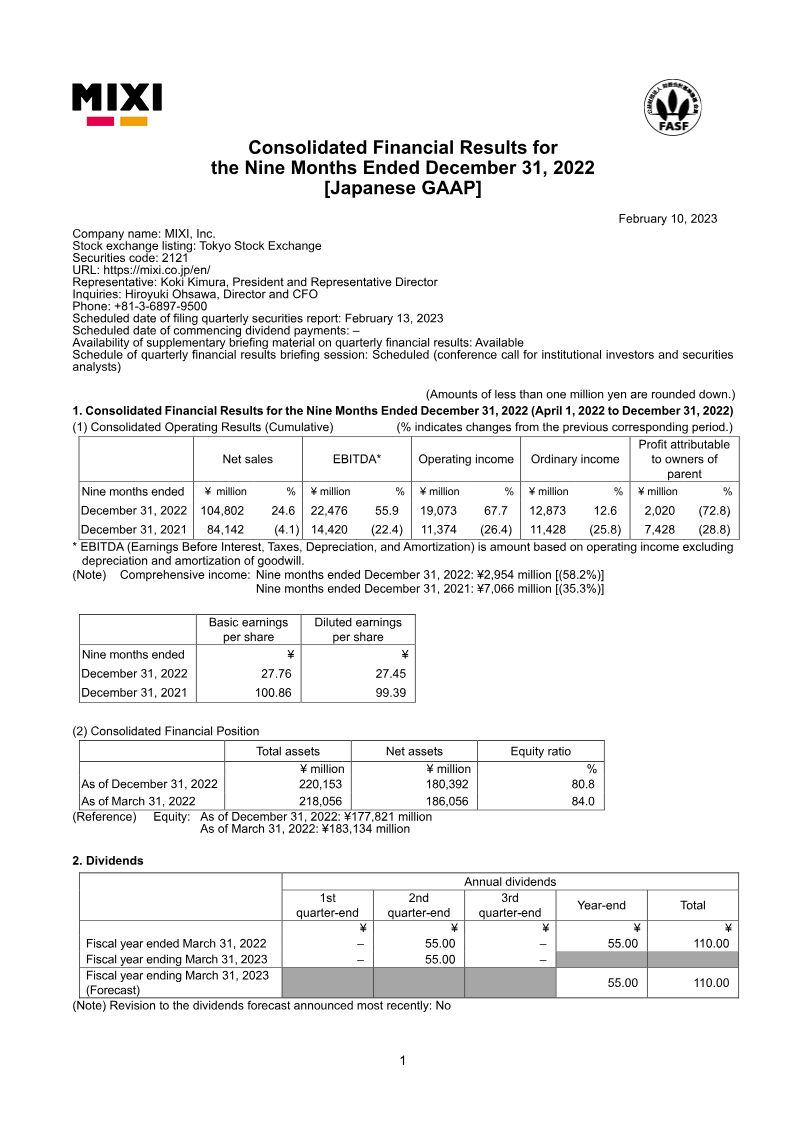
MIXI, Inc. · 2023
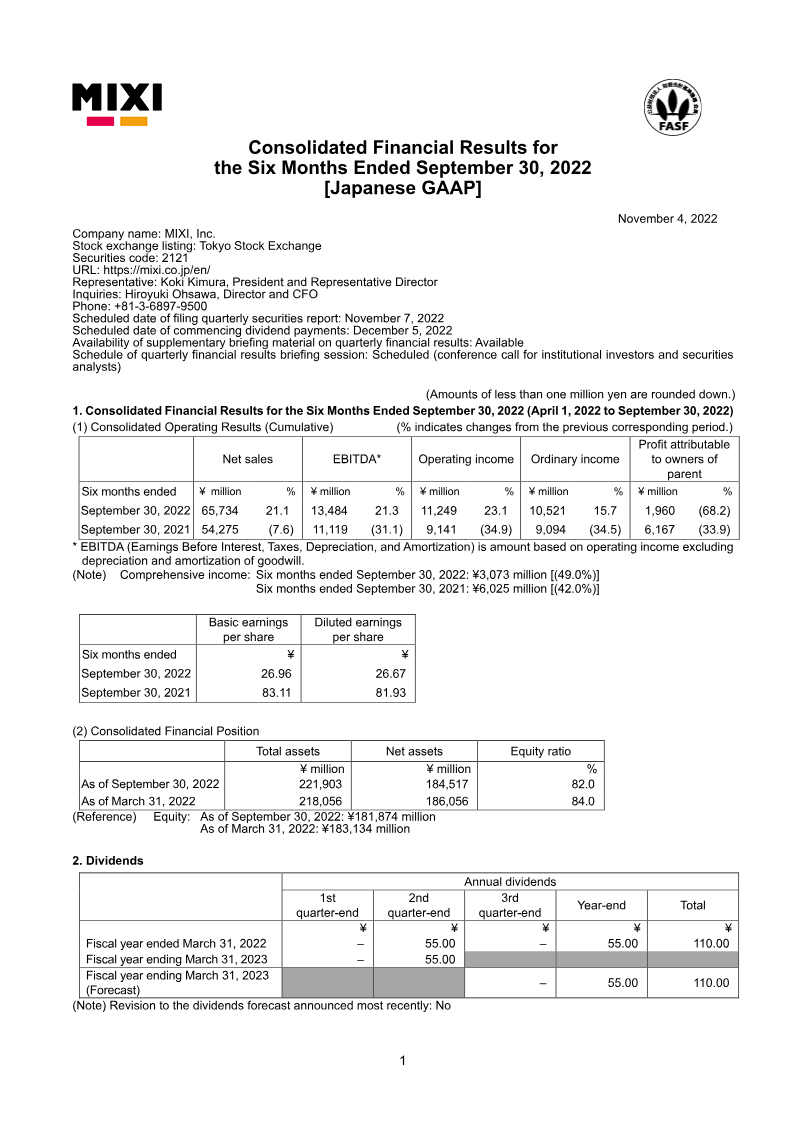
MIXI, Inc. · 2022
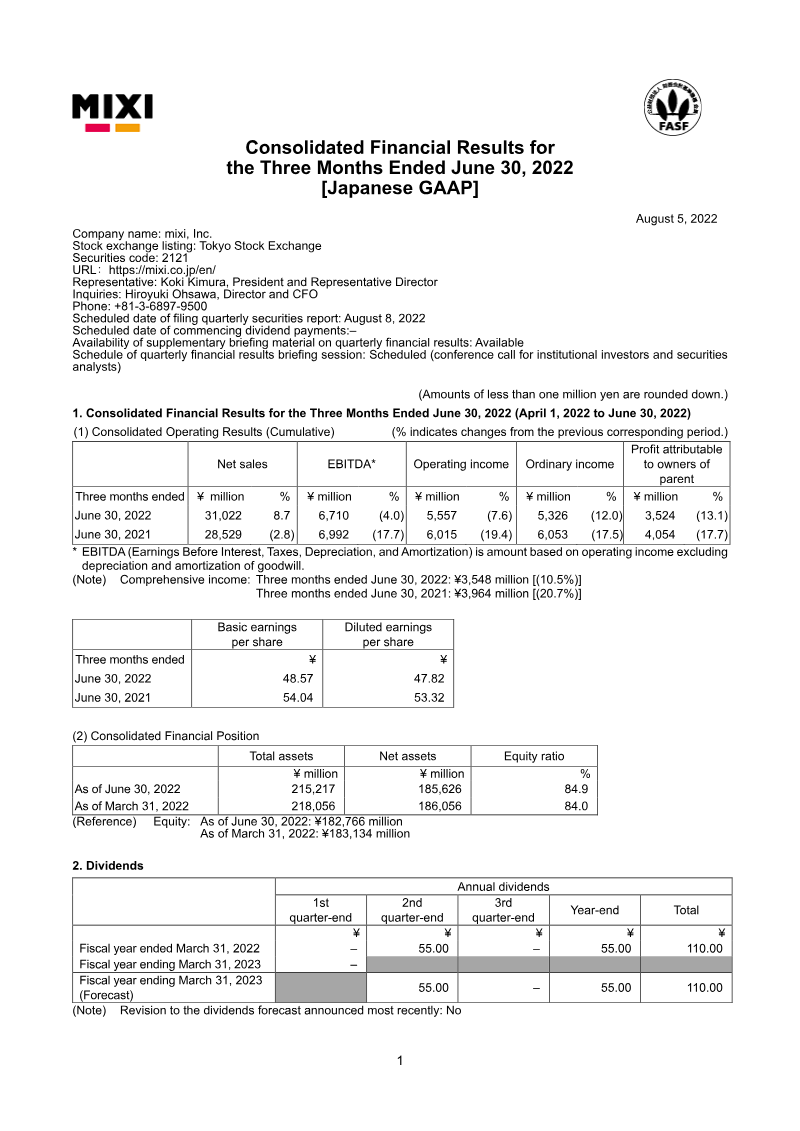
mixi · 2022
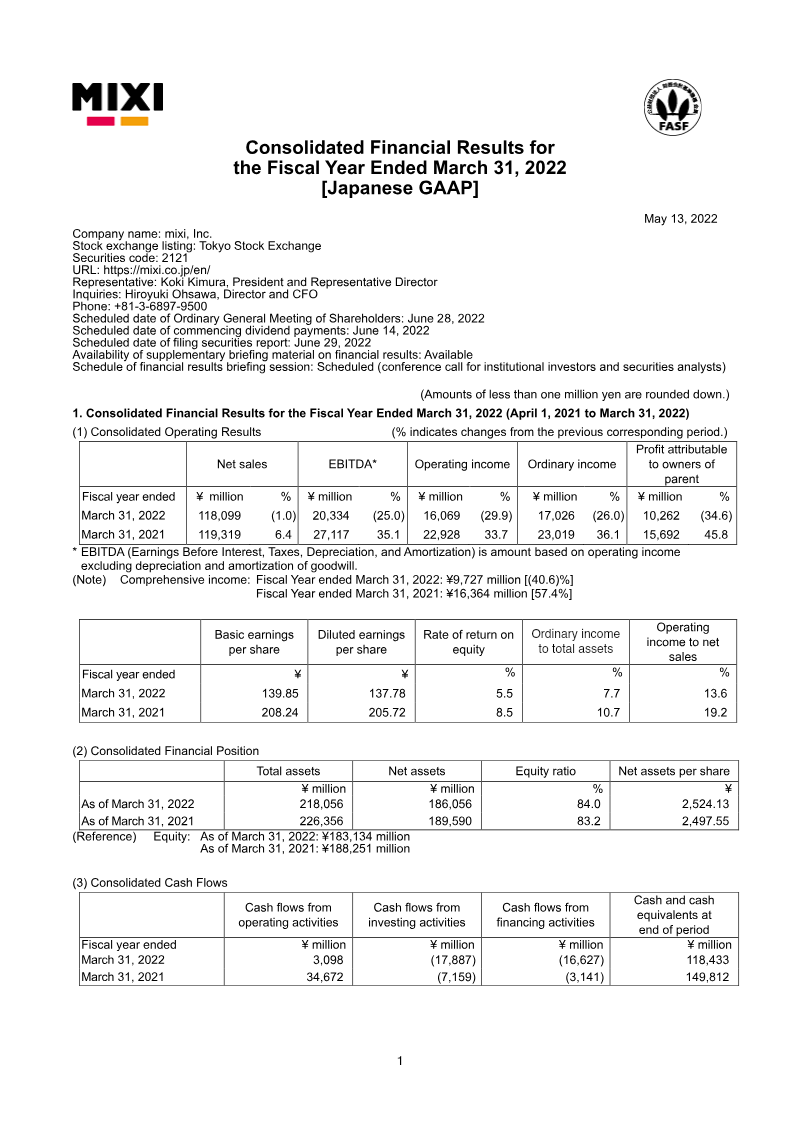
mixi · 2022
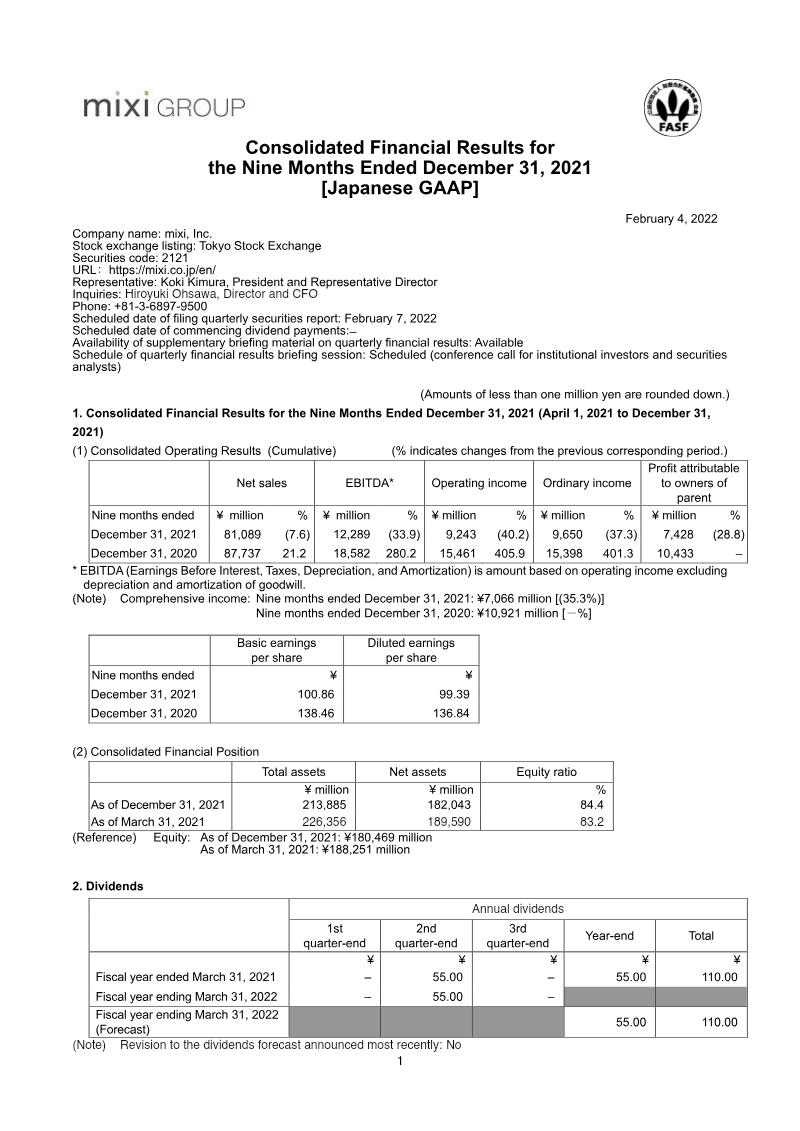
mixi · 2022
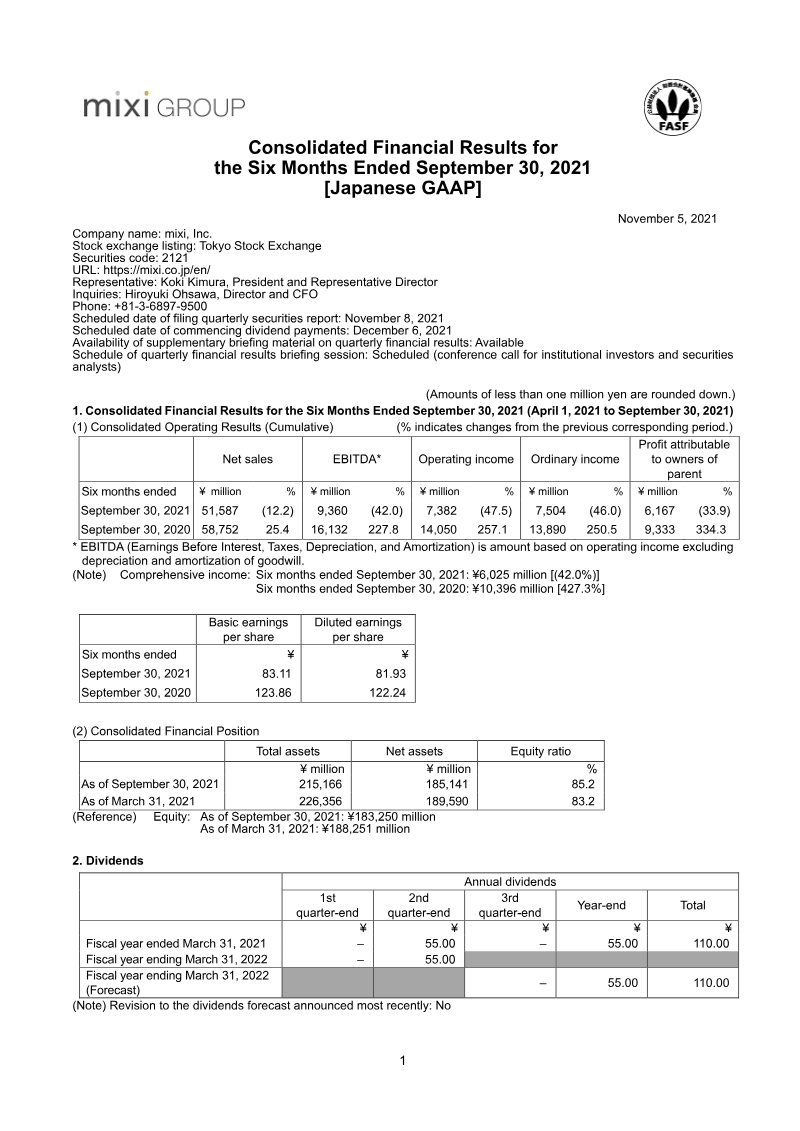
mixi · 2021
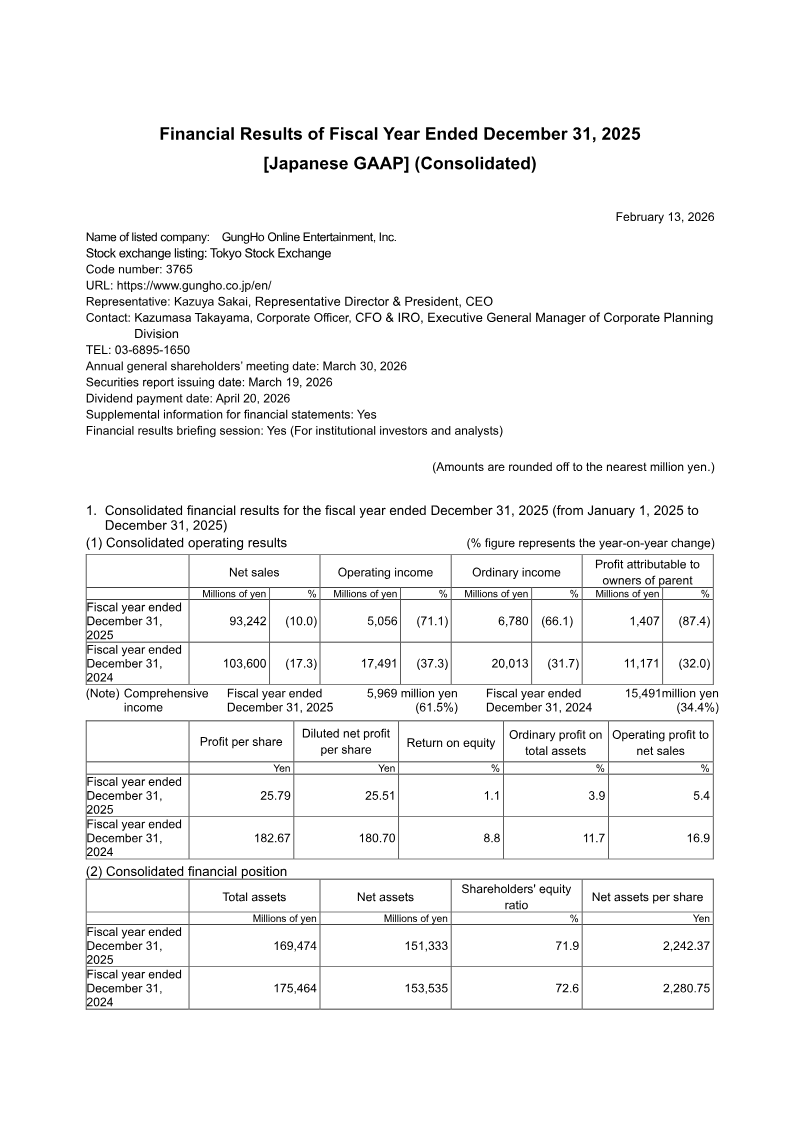
GungHo Online Entertainment · 2026
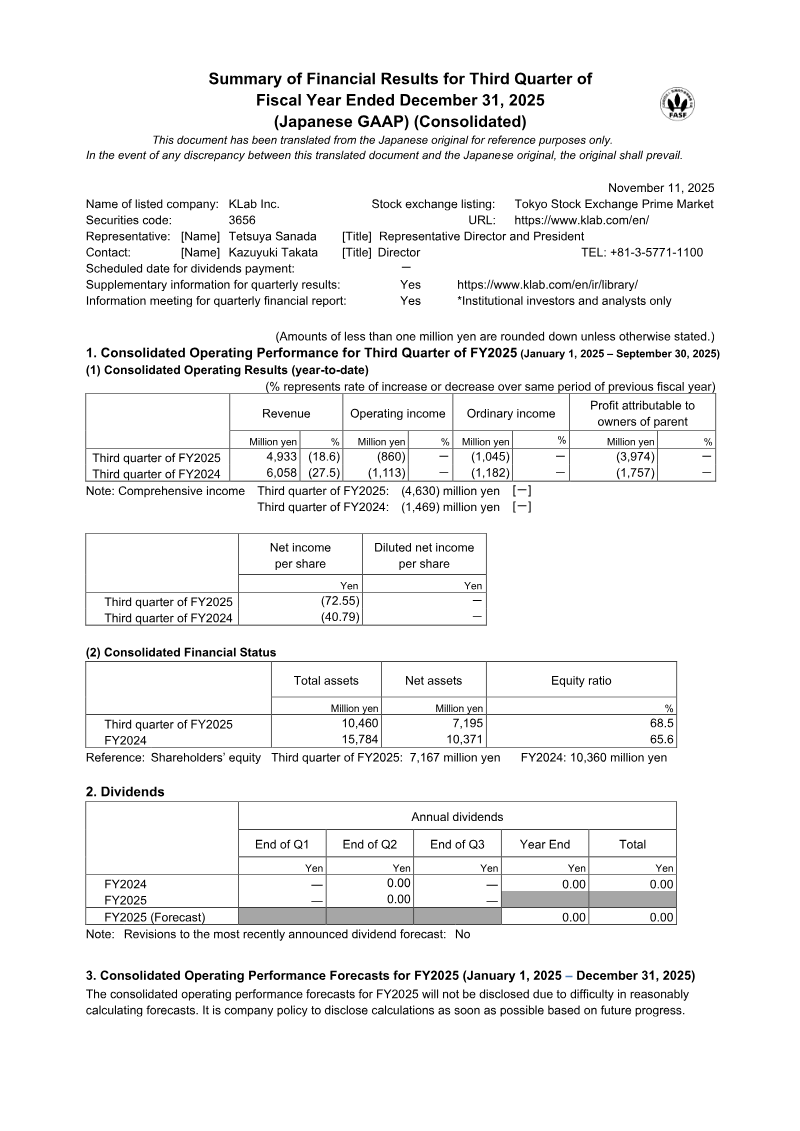
KLab · 2025
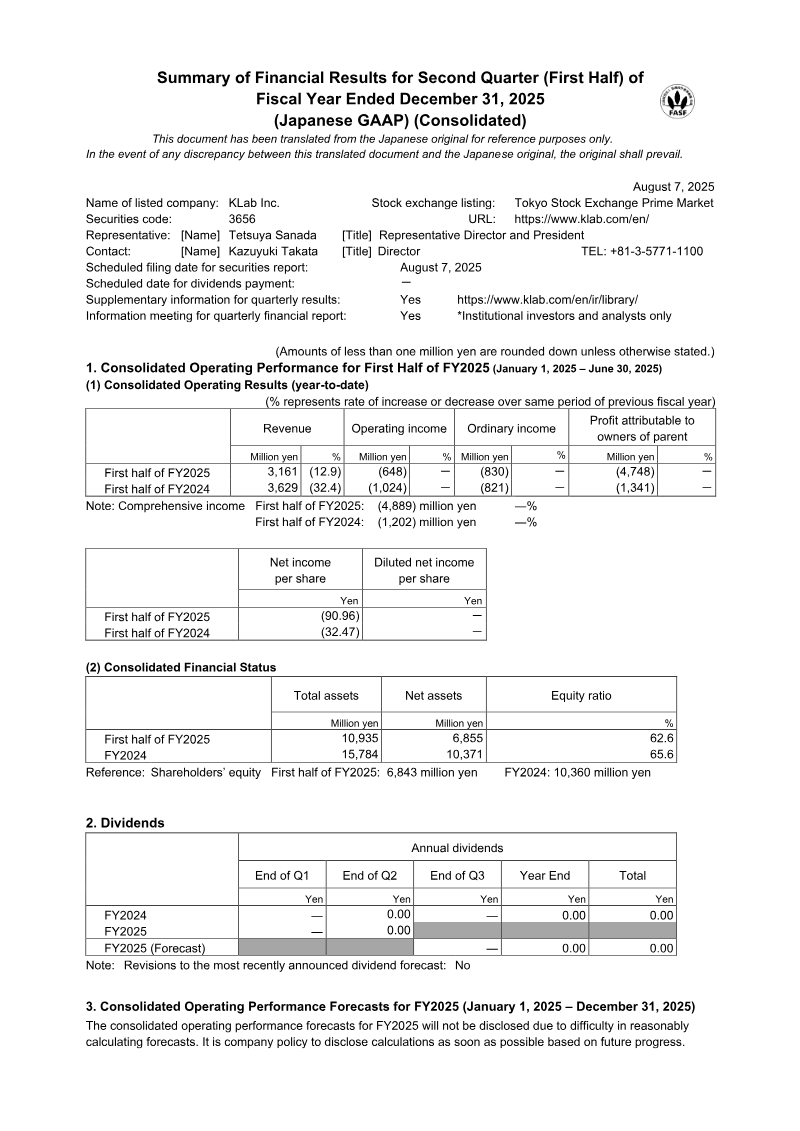
KLab · 2025
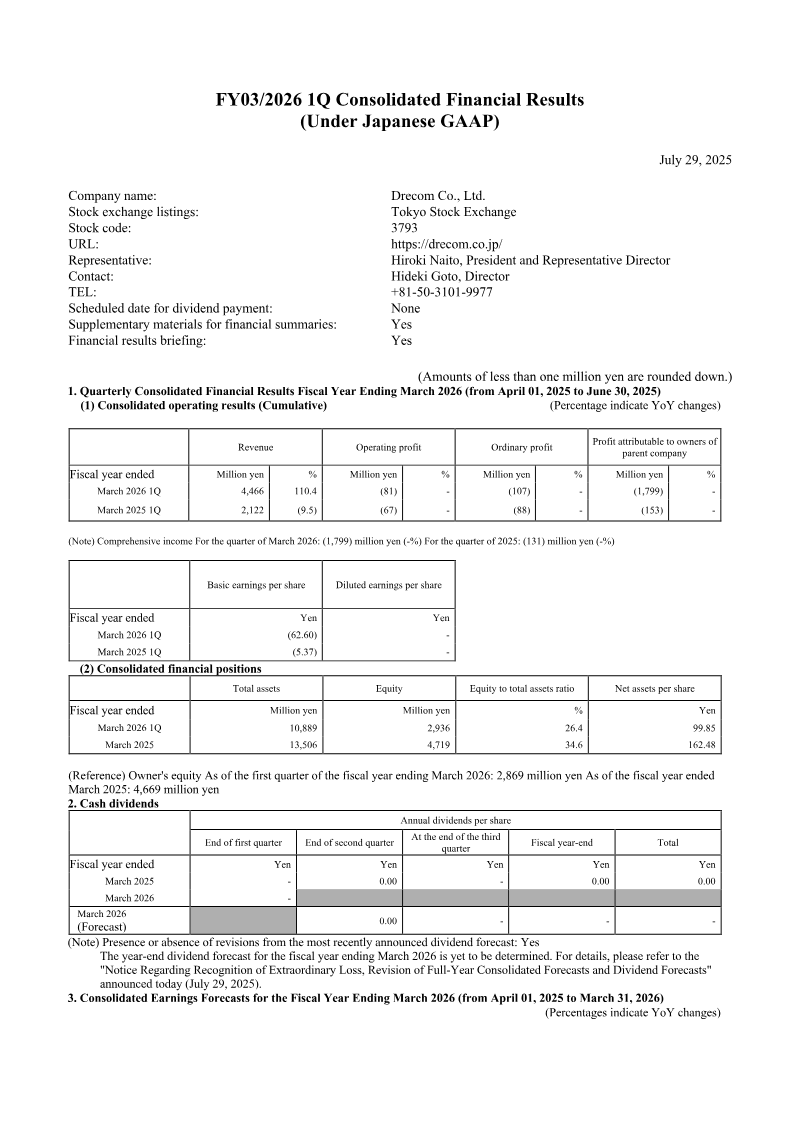
Drecom Co. · 2025
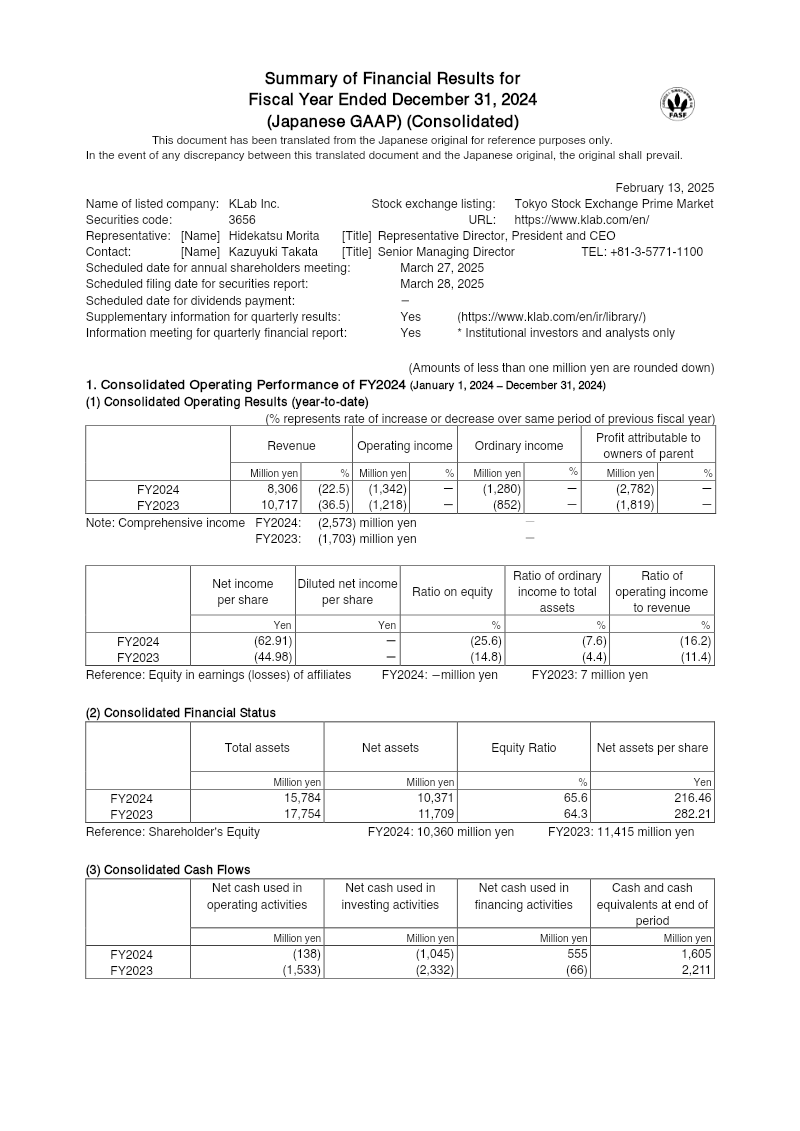
KLab · 2025
GREE · 2025
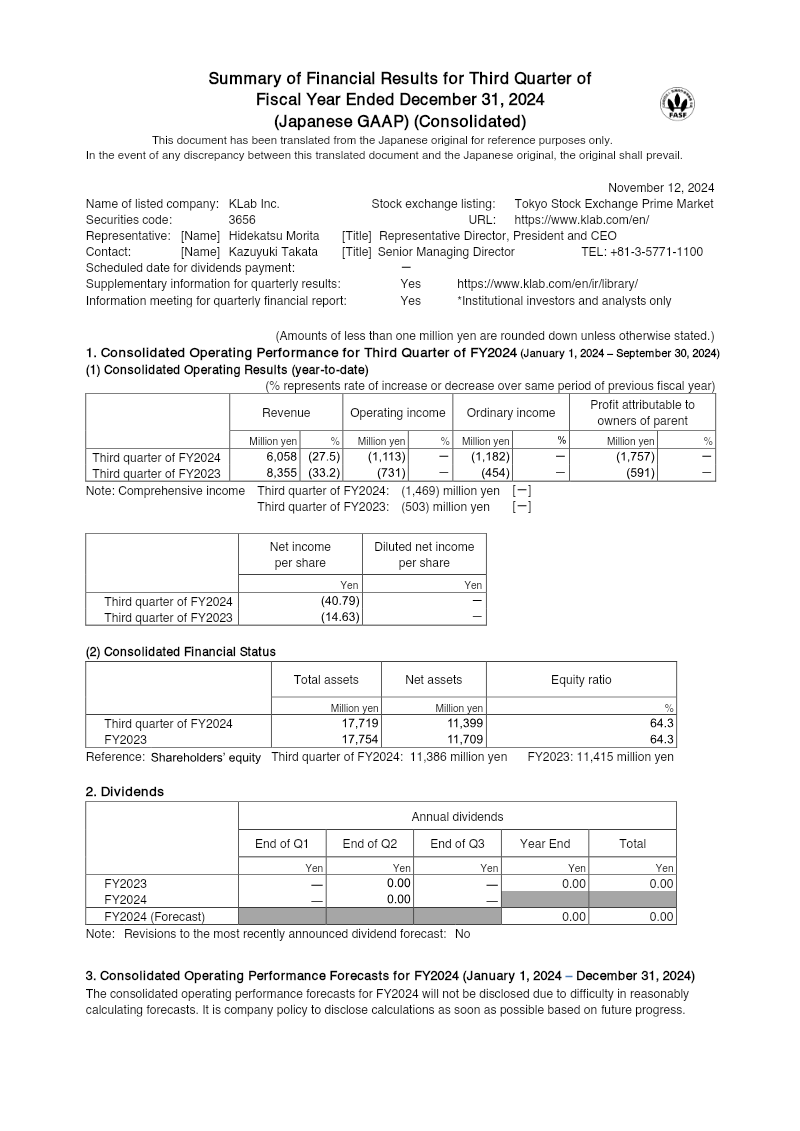
KLab · 2024
GREE · 2024
KLab · 2024
KLab · 2024
GREE · 2024
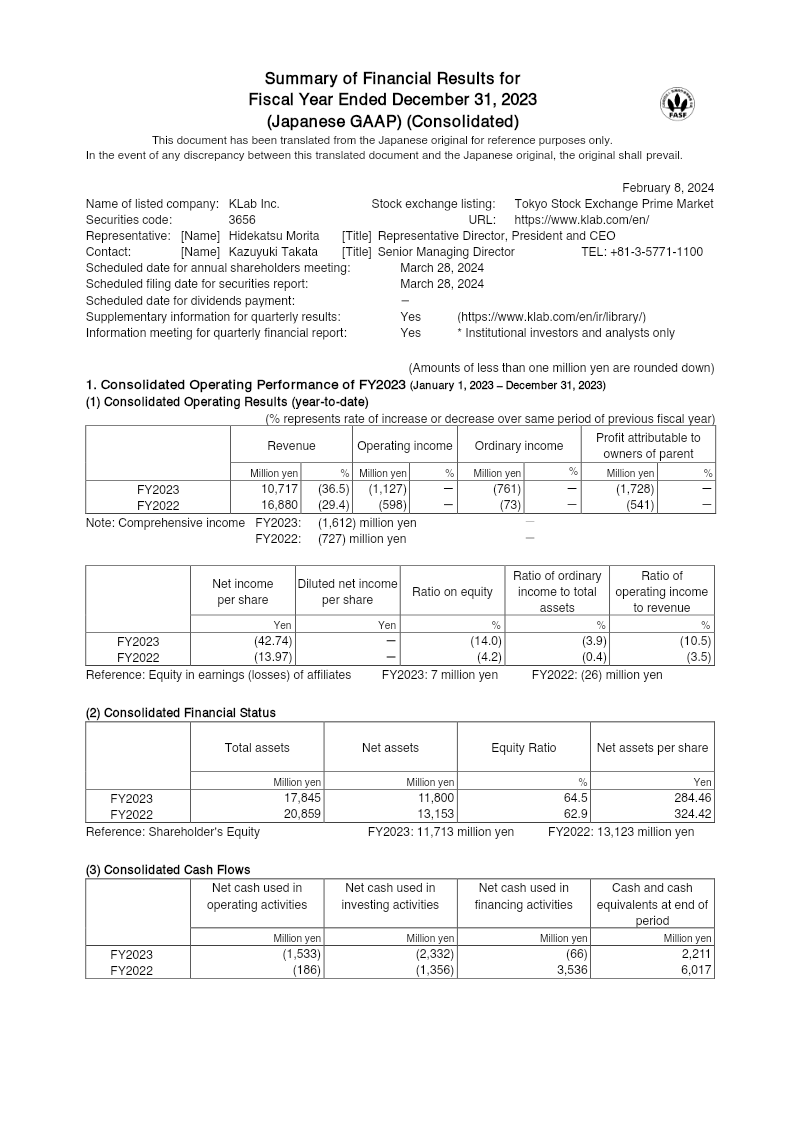
KLab · 2024