Financialmixi
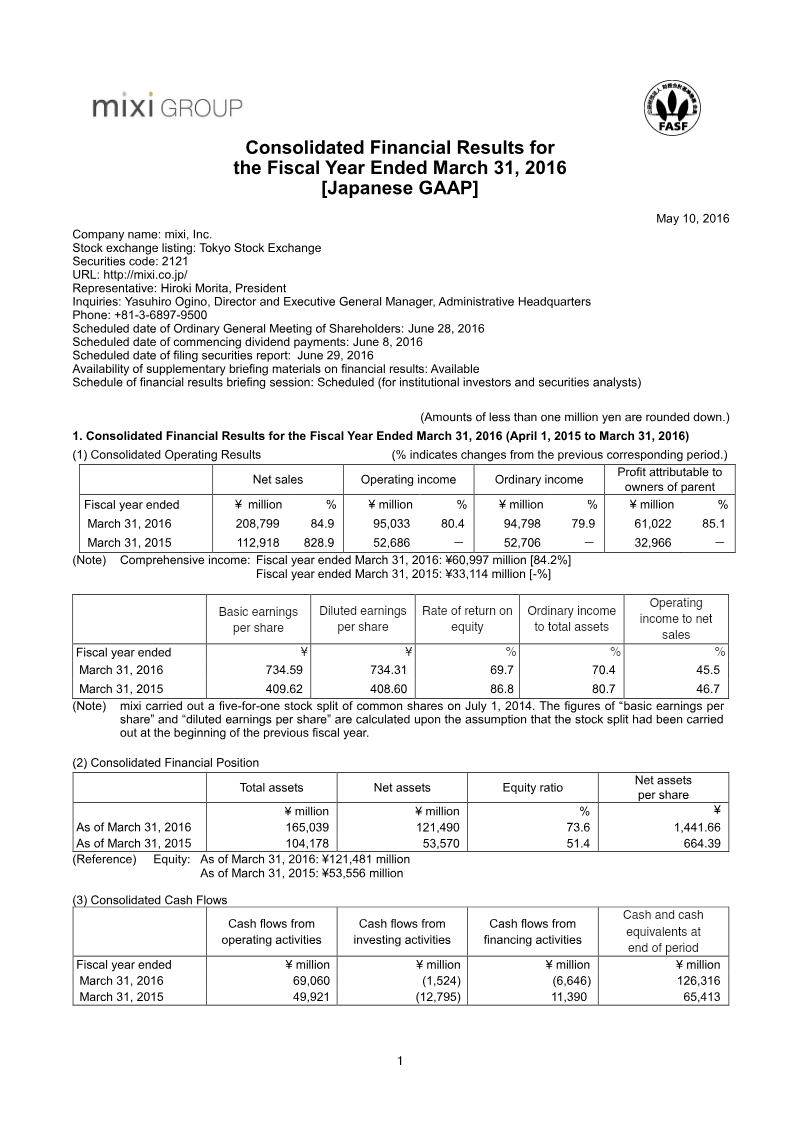
Consolidated Financial Results for the Fiscal Year Ended March 31, 2016
1 May 201646 pages~84 min full read
Mixi, Inc. achieved exceptional financial growth during the fiscal year ended March 31, 2016, driven primarily by the expansion of its entertainment and smartphone-based commerce segments. Net sales surged 84.9% to ¥208,799 million, while profit attributable to owners rose 85.1% to ¥61,022 million. This performance significantly bolstered the company’s balance sheet, nearly doubling cash and cash equivalents to ¥126,316 million and increasing the equity ratio from 51.4% to 73.6%. While the Entertainment Business provided the vast majority of the ¥95,033 million in operating income, the company also integrated key acquisitions, including TicketCamp operator Hunza, Inc. and MUSE & Co., Ltd., to diversify its ecosystem.
The period was characterized by substantial operational scaling and capital restructuring. Settlement fees nearly doubled to over ¥60 billion, and advertising expenses rose to ¥15.8 billion, reflecting the intensified costs of supporting a high-growth digital portfolio. Following the previous year’s acquisition of Hunza, Inc. for ¥11,573 million, the company established an eight-year amortization period for its goodwill while opting for a full one-time amortization of MUSE & Co.’s remaining goodwill. To optimize capital efficiency, a five-for-one stock split was executed alongside an overseas share offering and a ¥10 billion share repurchase program.
Despite the record-breaking results of 2016, the outlook for the fiscal year ending March 31, 2017, remains conservative. Projections suggest a modest 4.4% increase in net sales and an anticipated 11.5% decline in net profit. Geographically, operations remain heavily concentrated in the Japanese market, which accounts for over 90% of total sales and assets. The adoption of revised Japanese accounting standards for business combinations further aligned financial reporting with modern regulatory frameworks without impacting the immediate bottom line.
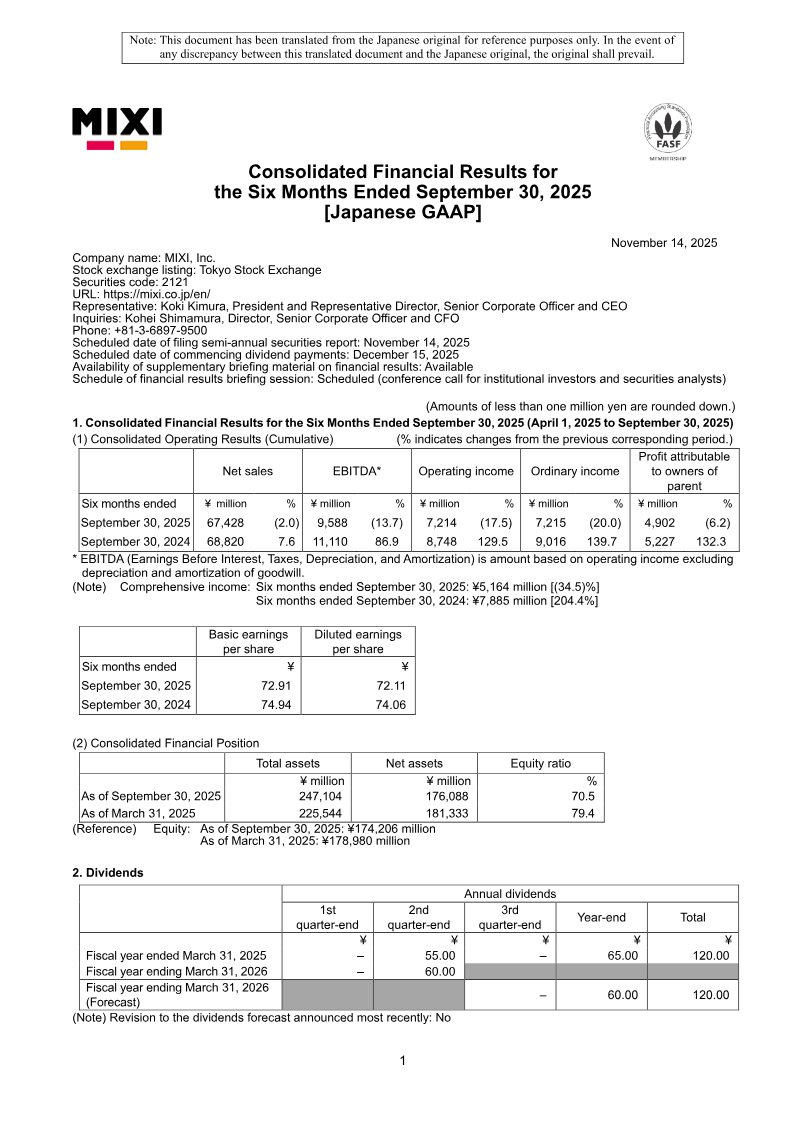
MIXI, Inc. · 2025
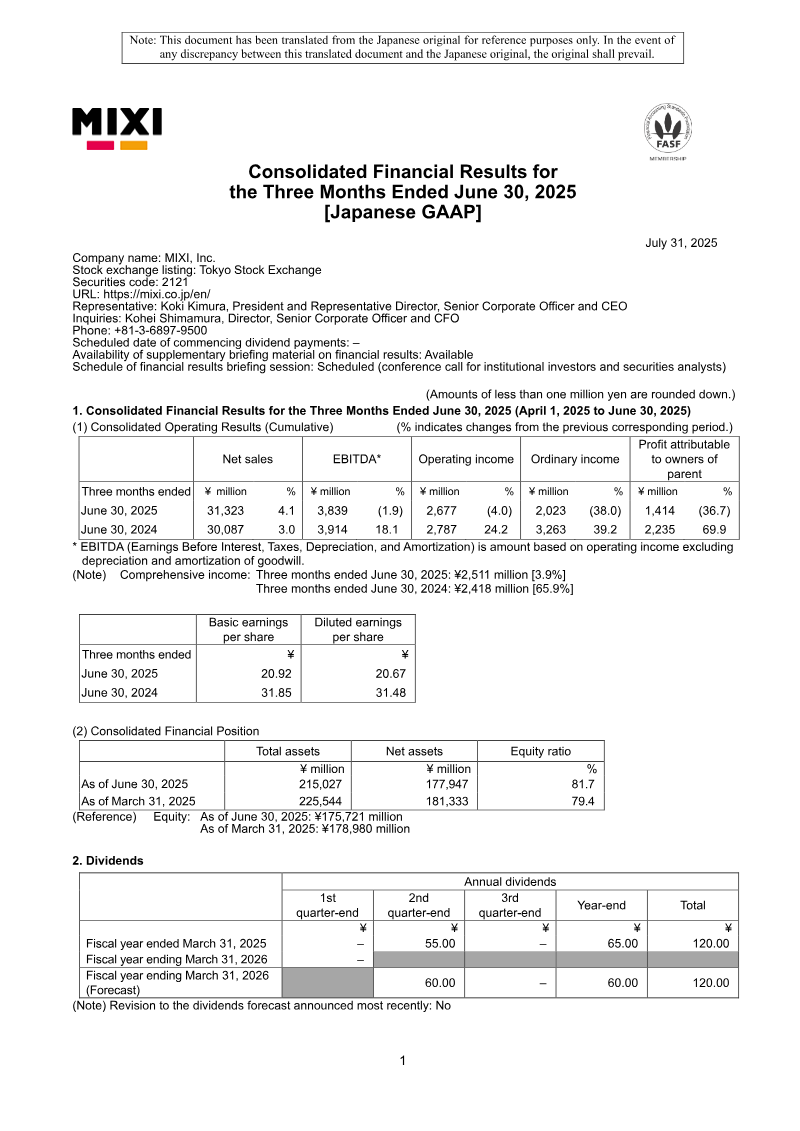
MIXI, Inc. · 2025
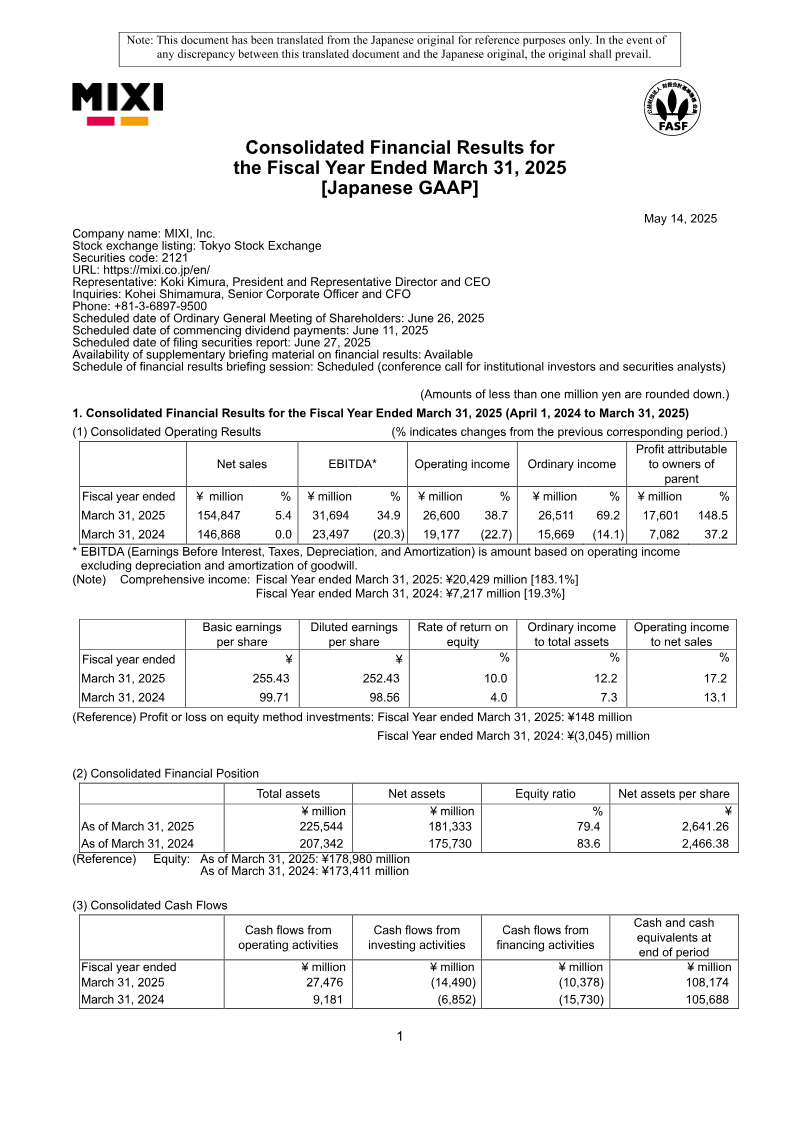
MIXI, Inc. · 2025
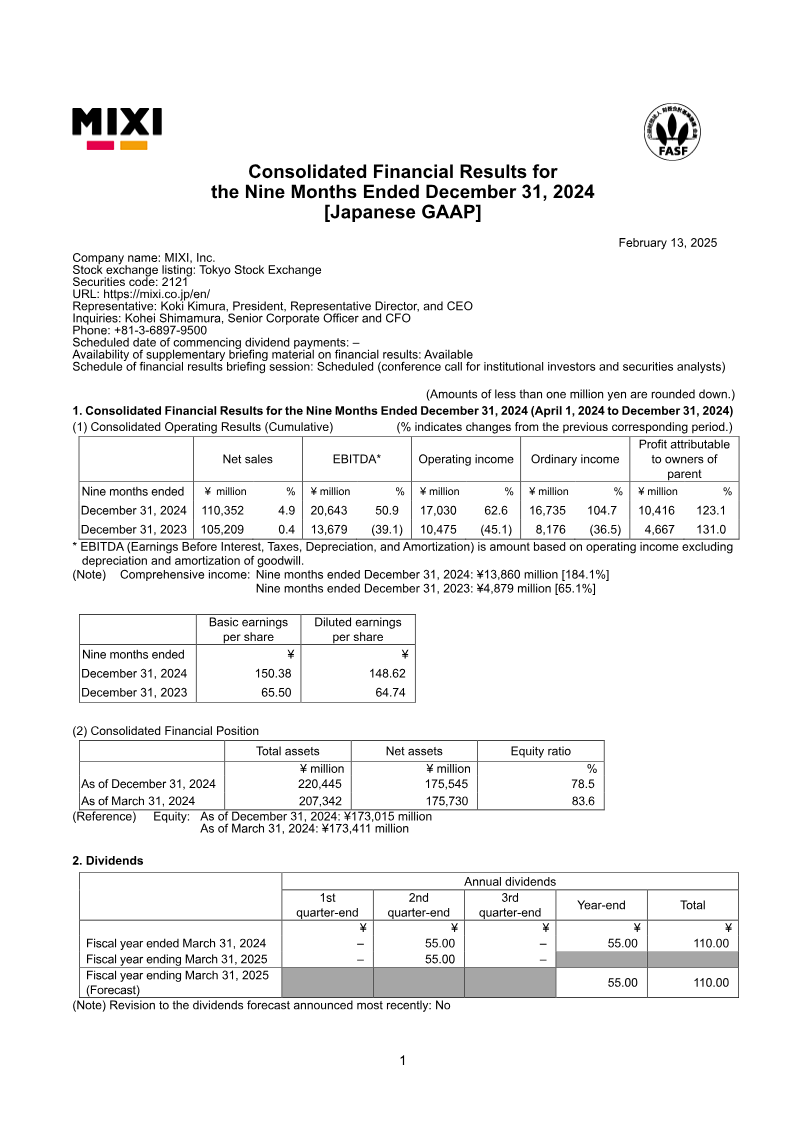
MIXI, Inc. · 2025
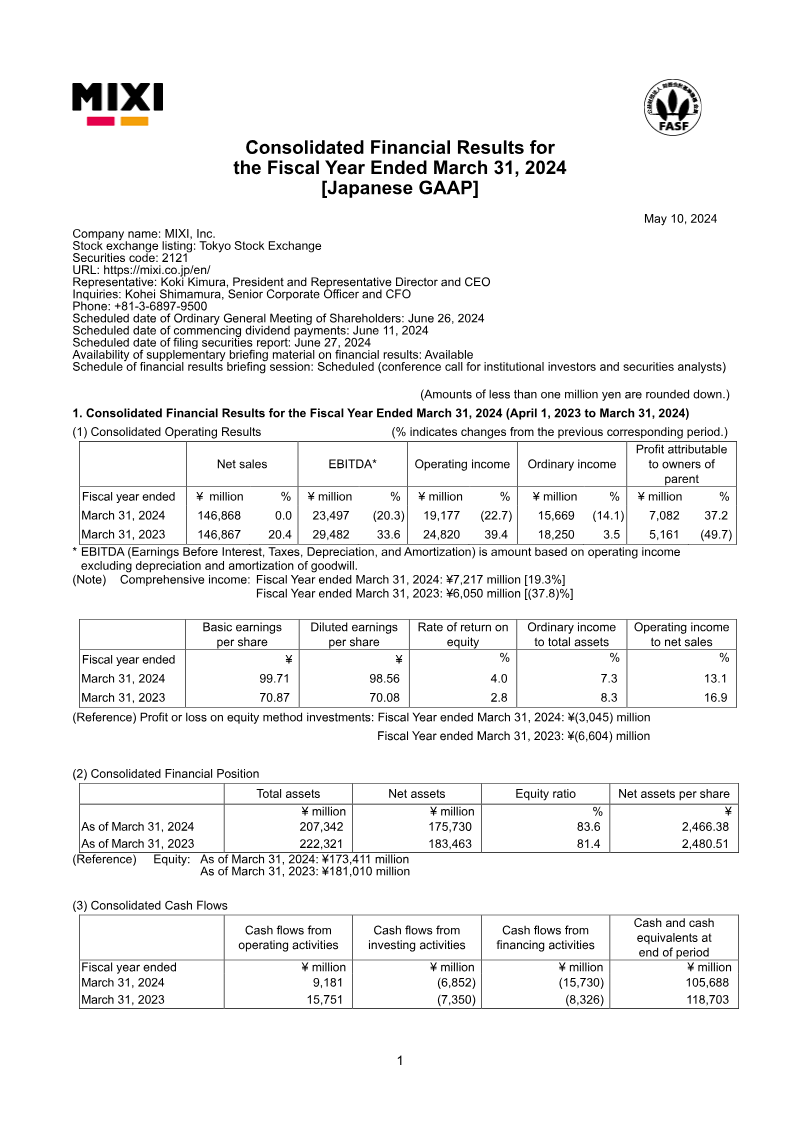
MIXI, Inc. · 2024
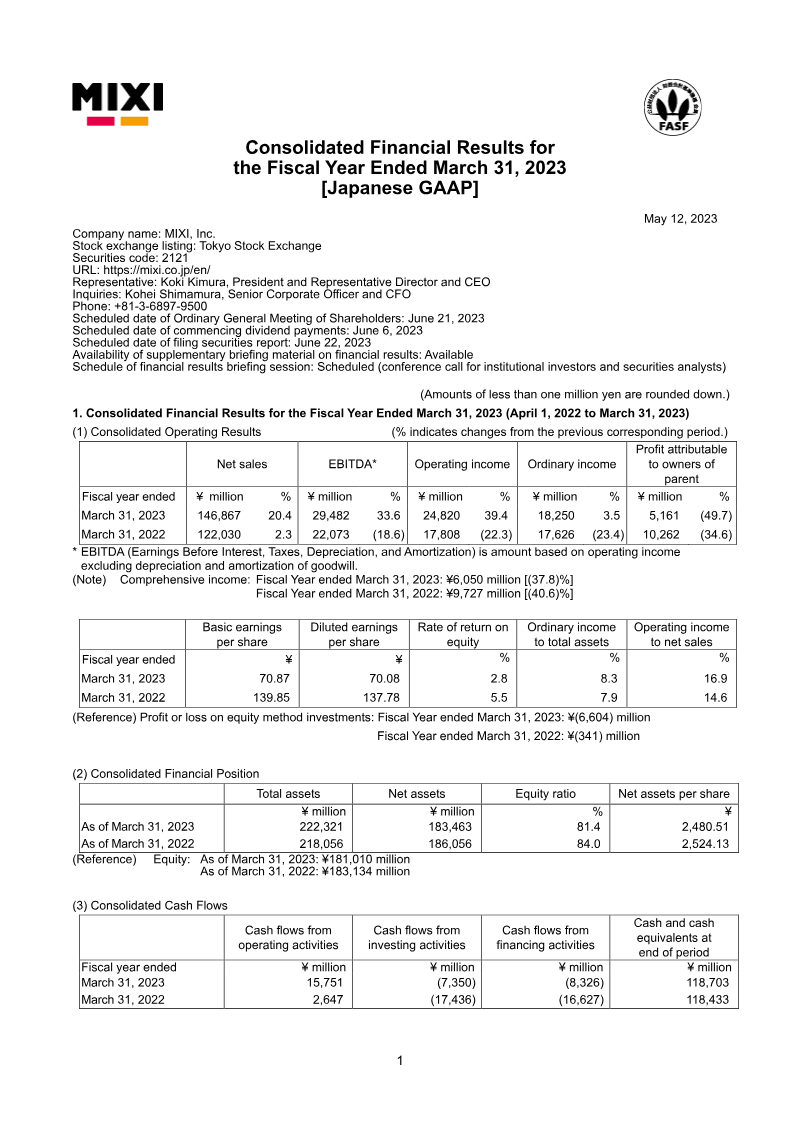
MIXI, Inc. · 2023
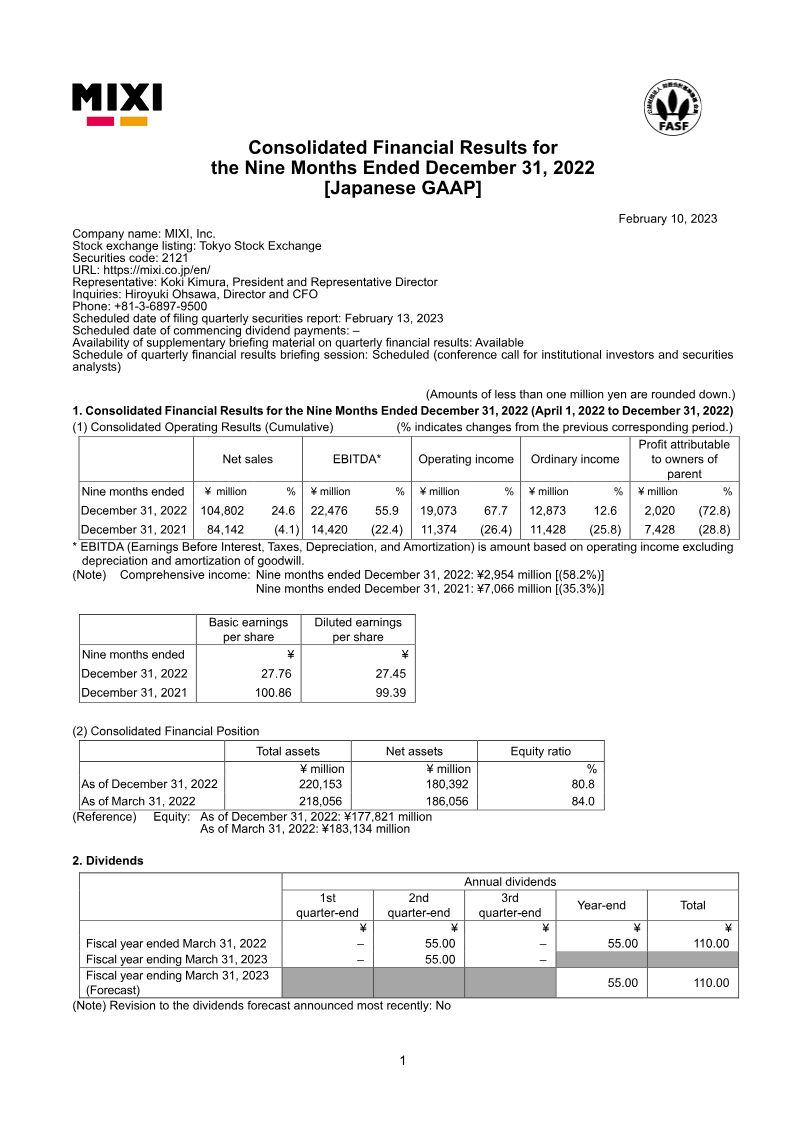
MIXI, Inc. · 2023
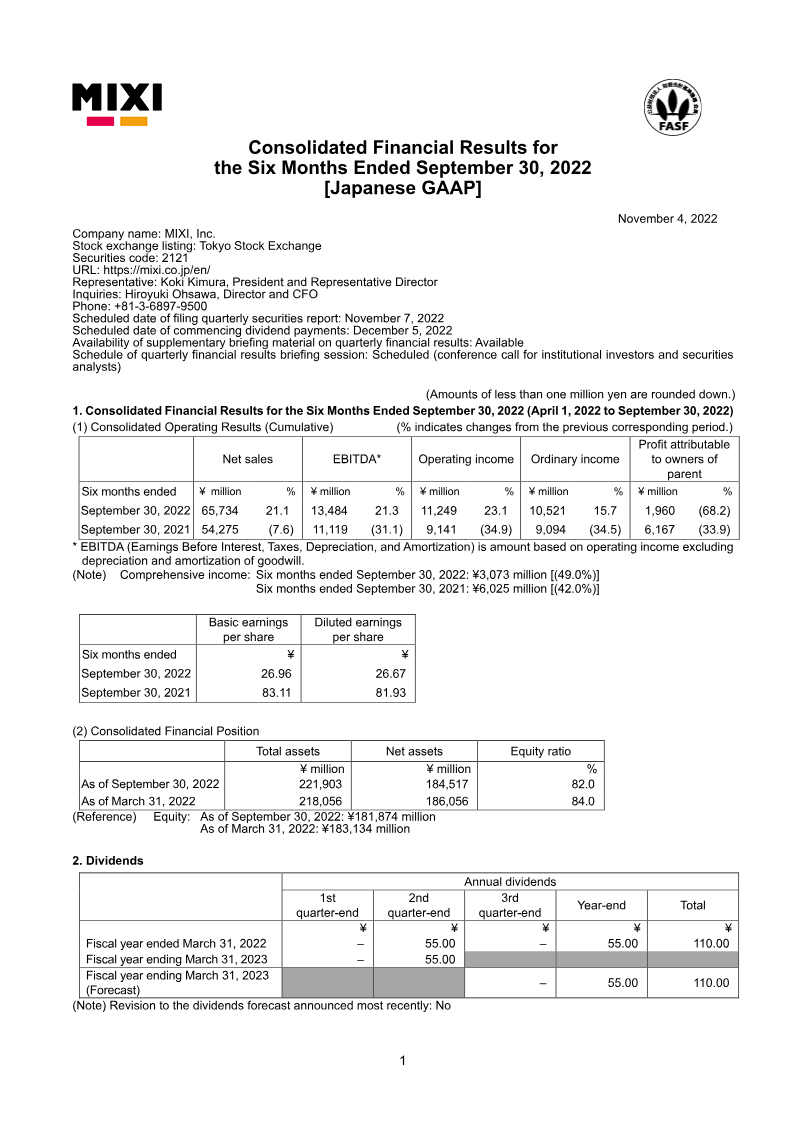
MIXI, Inc. · 2022
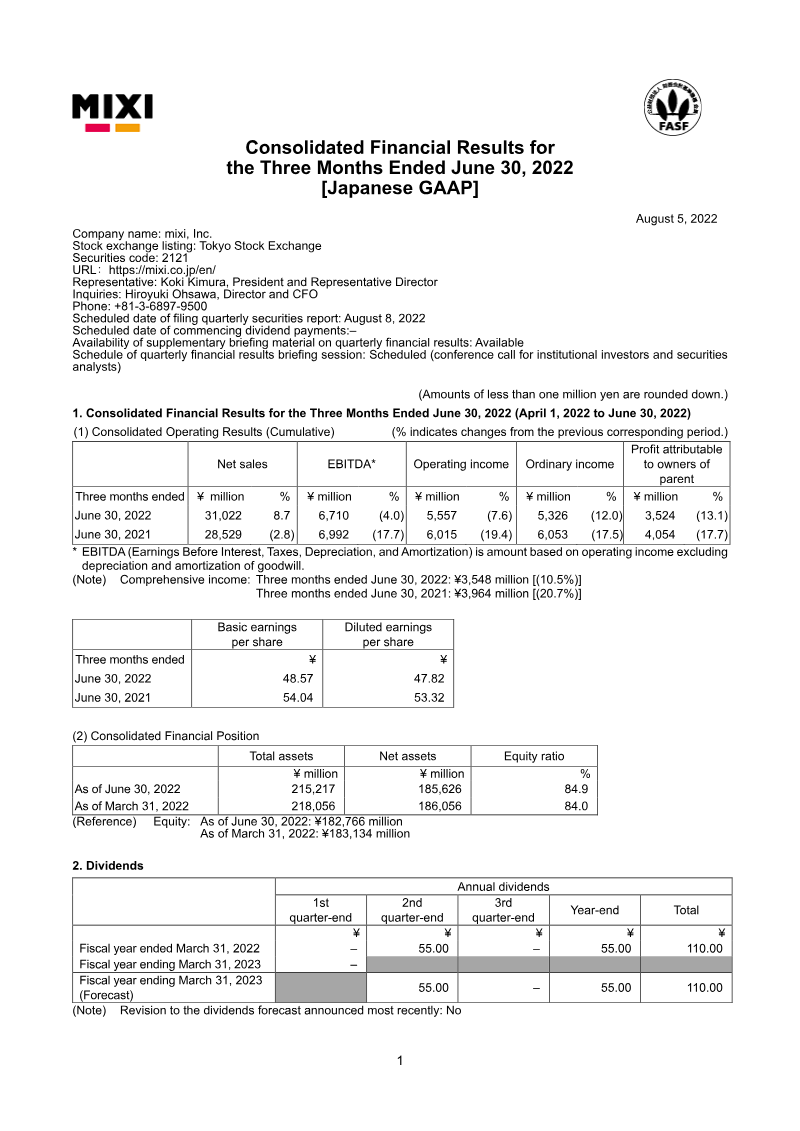
mixi · 2022
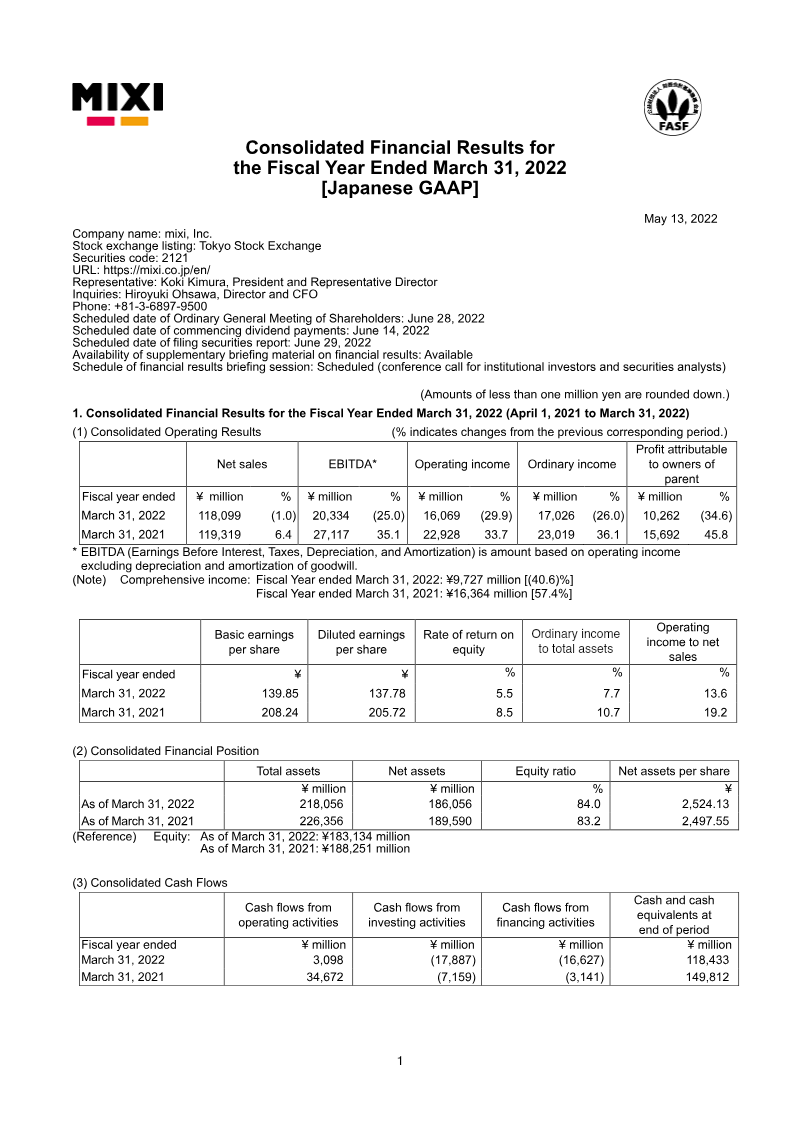
mixi · 2022
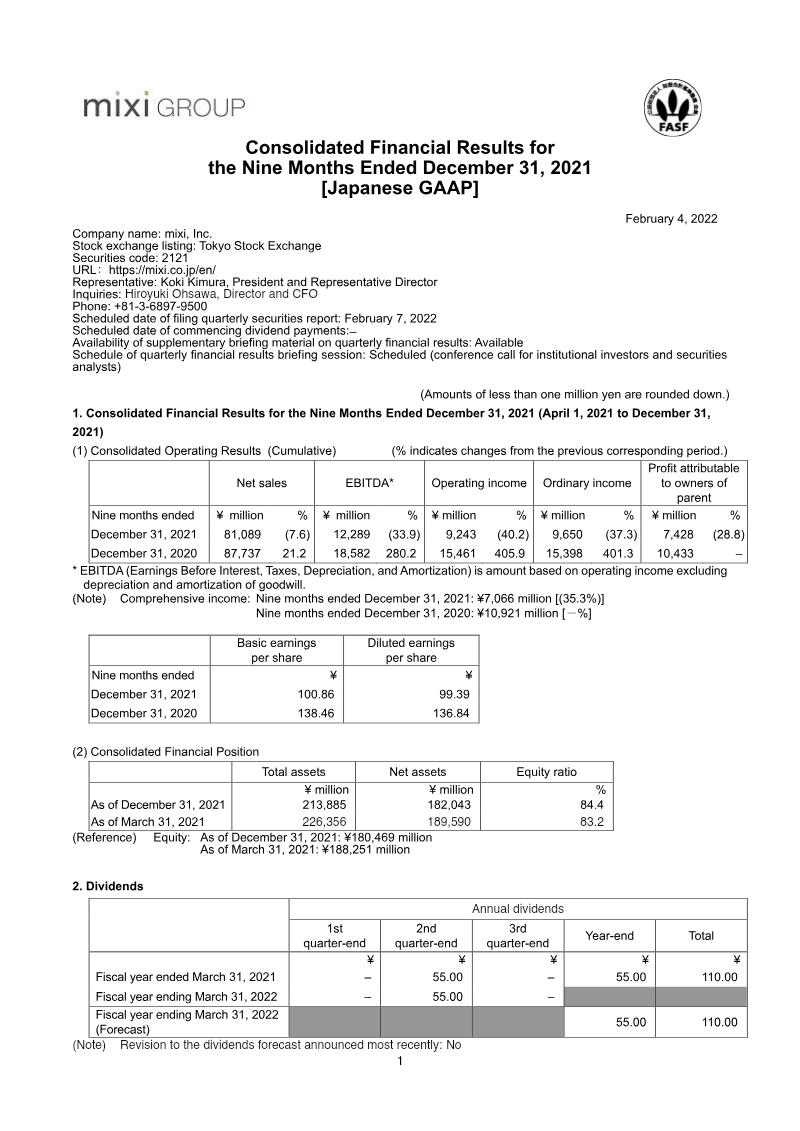
mixi · 2022
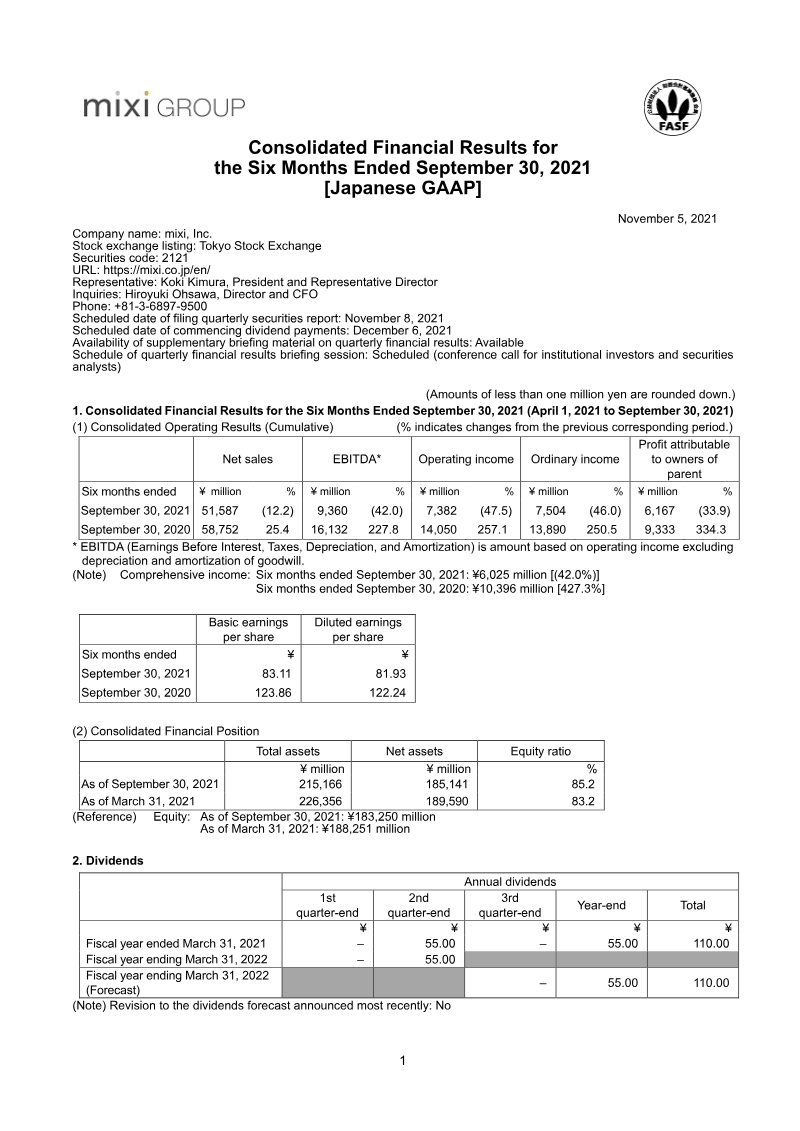
mixi · 2021
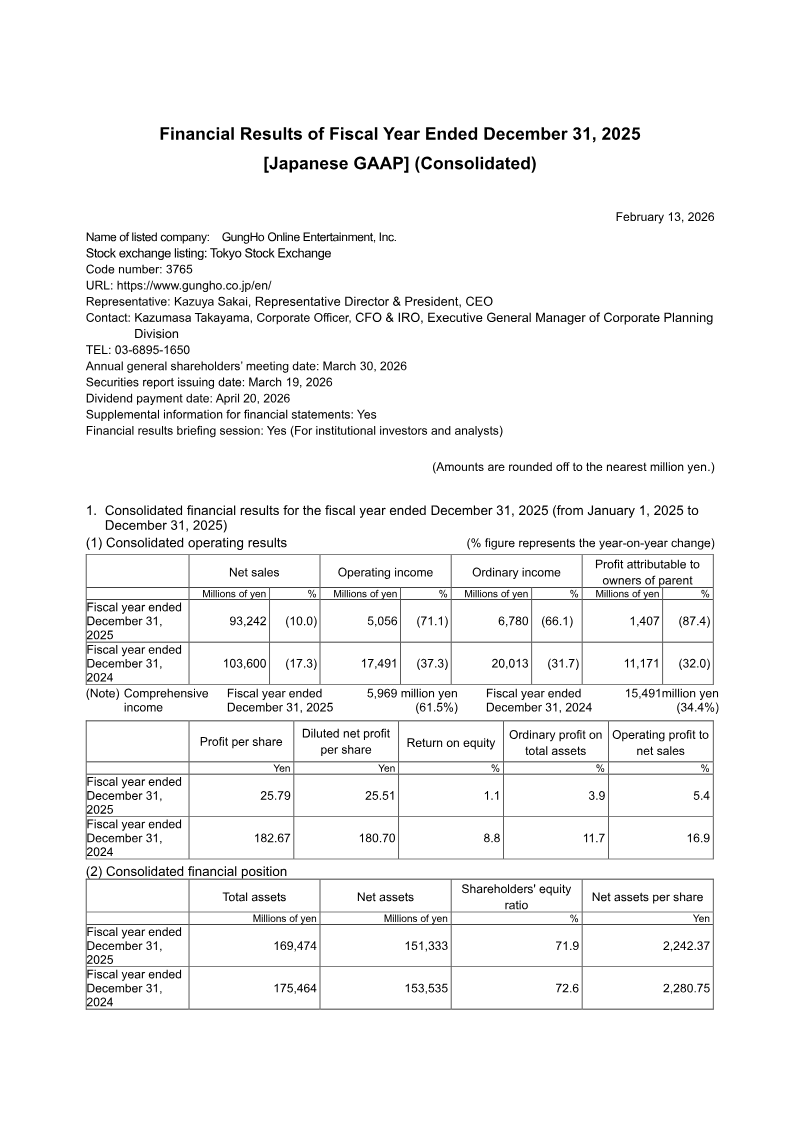
GungHo Online Entertainment · 2026
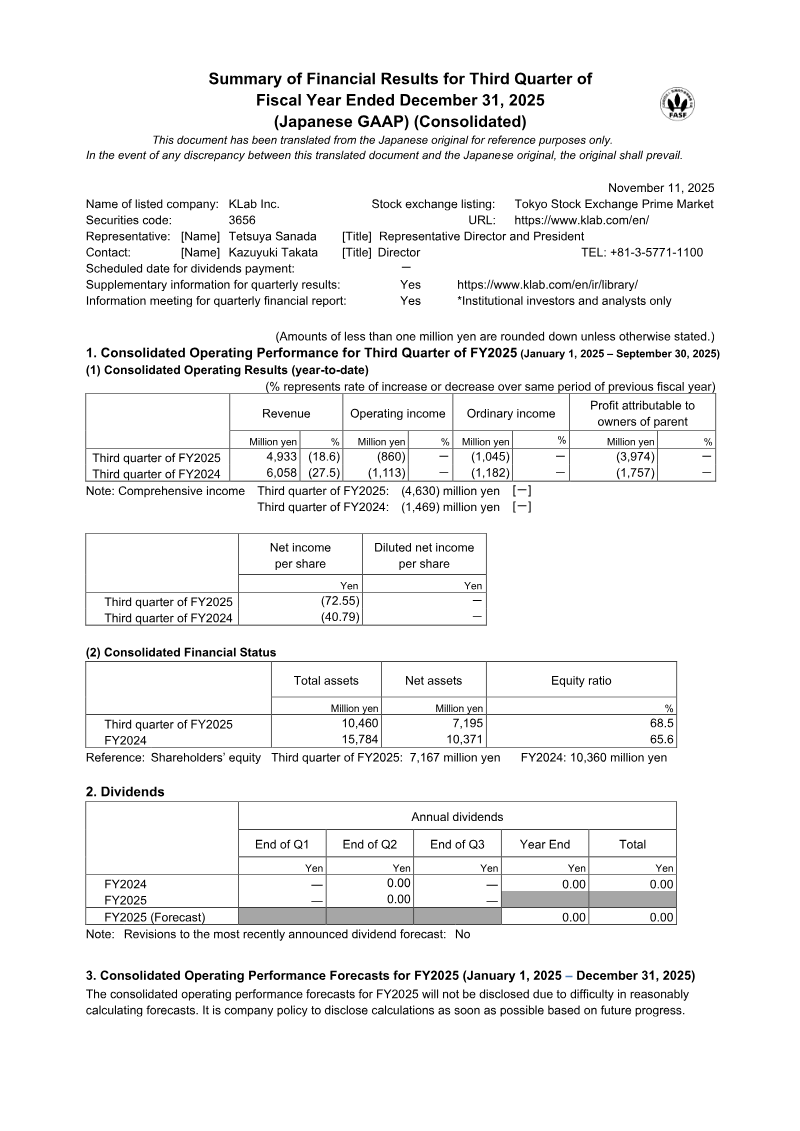
KLab · 2025
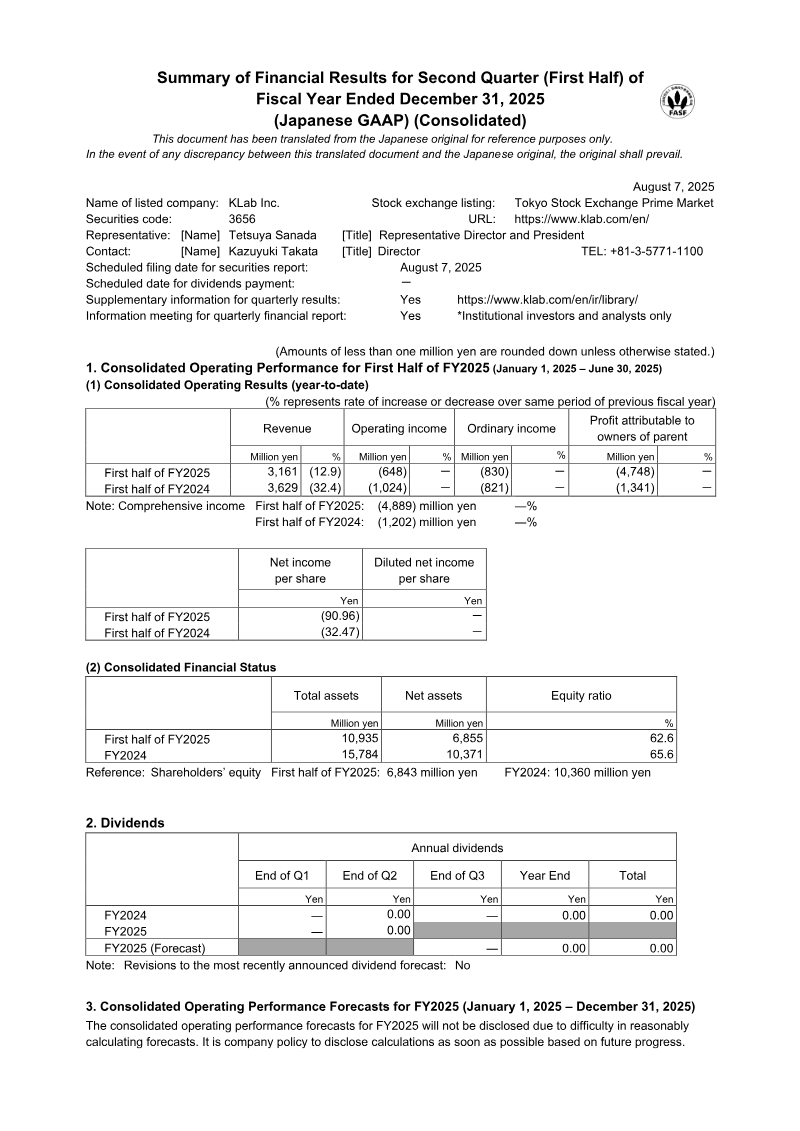
KLab · 2025
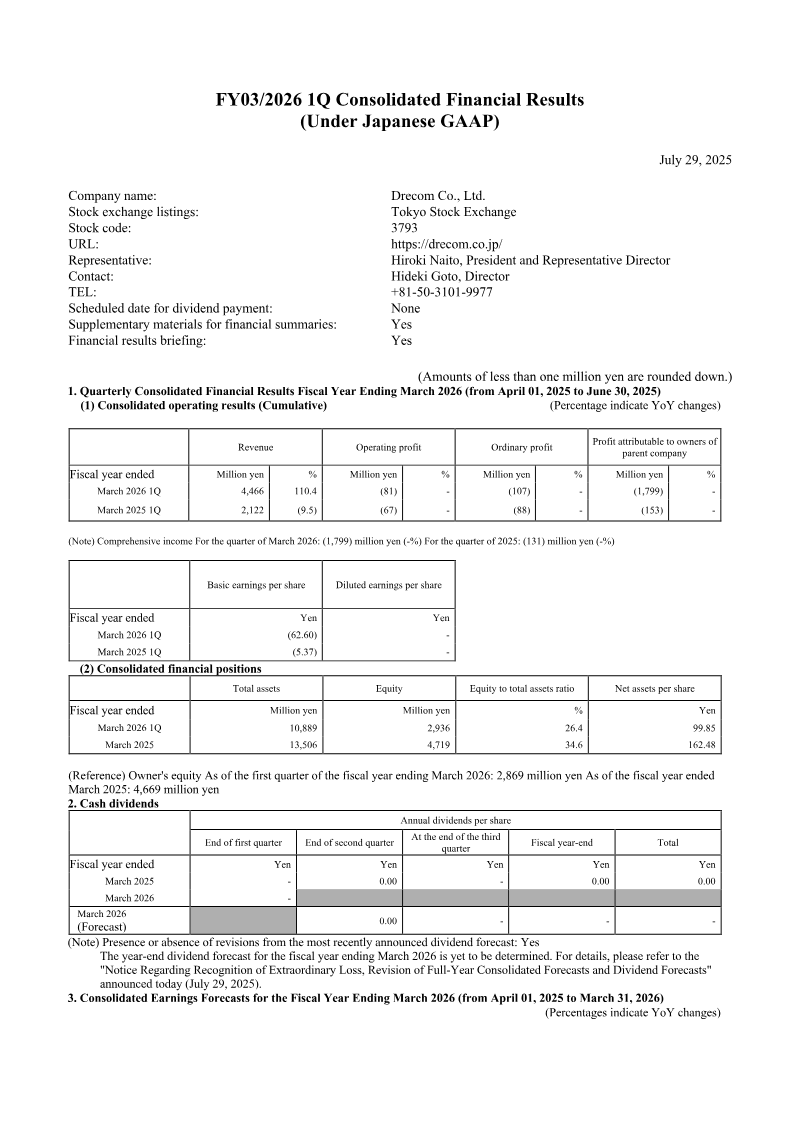
Drecom Co. · 2025
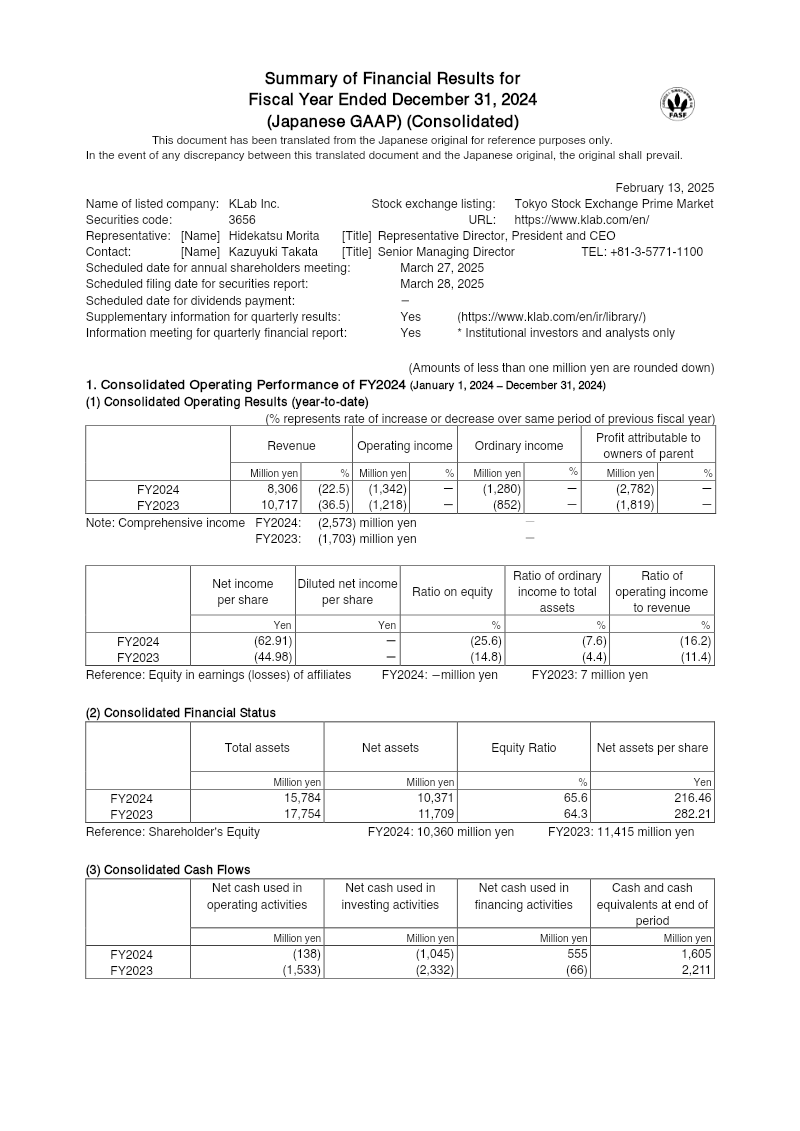
KLab · 2025
GREE · 2025
GREE · 2024
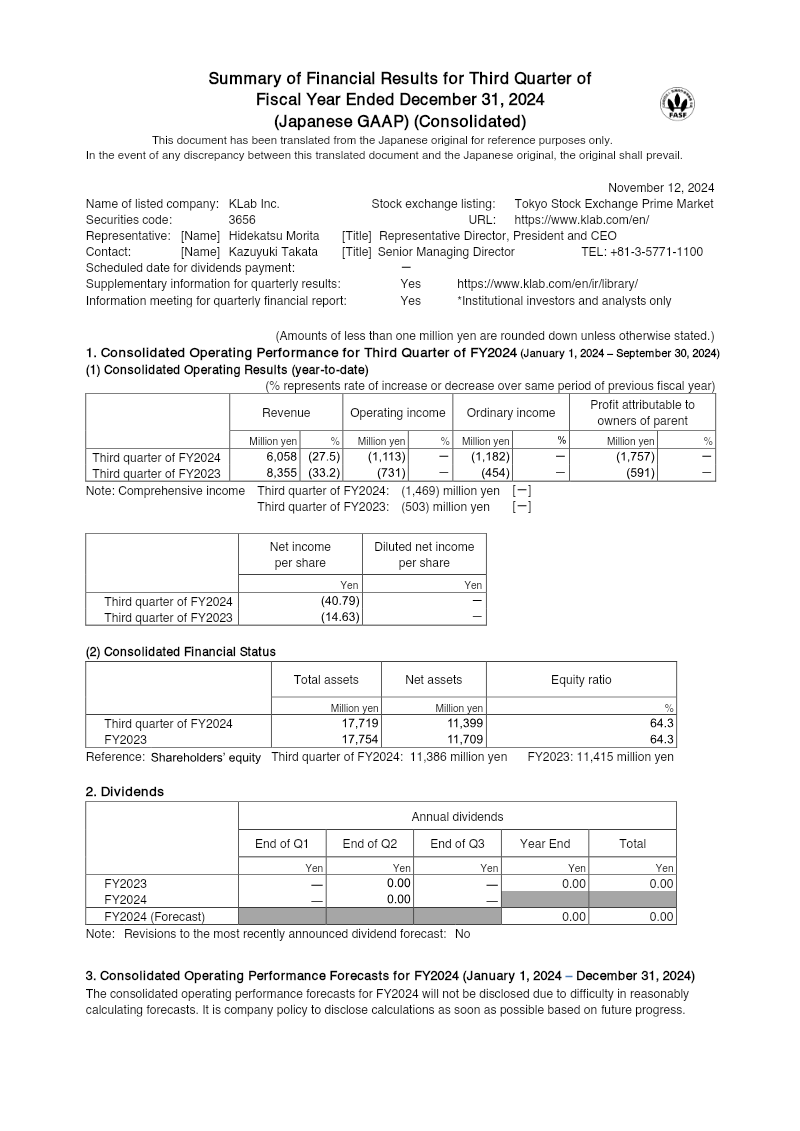
KLab · 2024
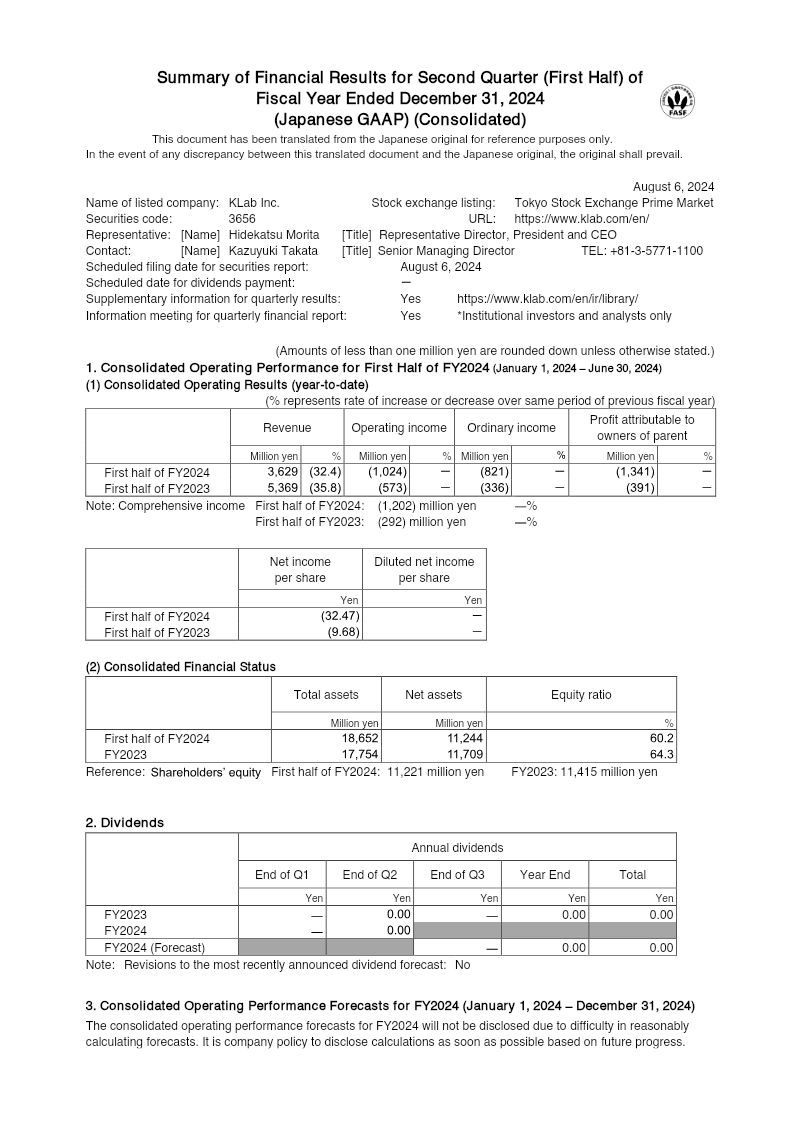
KLab · 2024
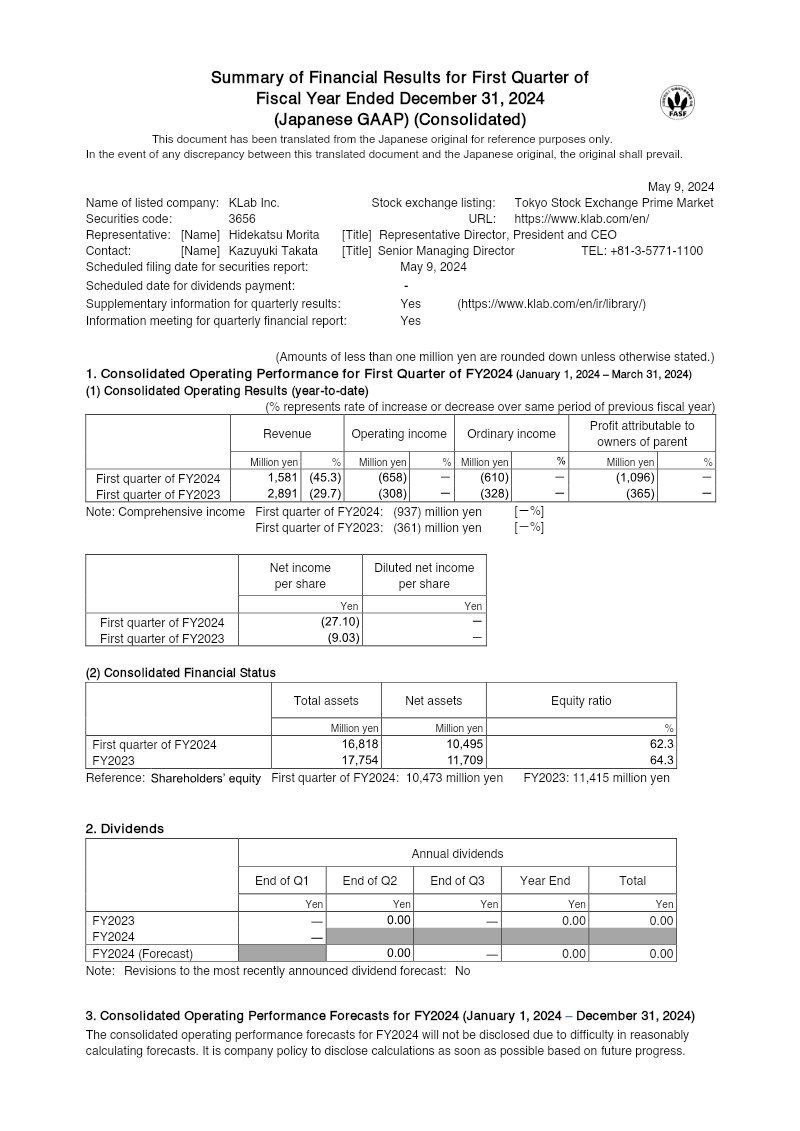
KLab · 2024
GREE · 2024
KLab · 2024