More from European Journal of Cardiovascular Nursing
View all
More on Game Studies
View all
Whitepaper
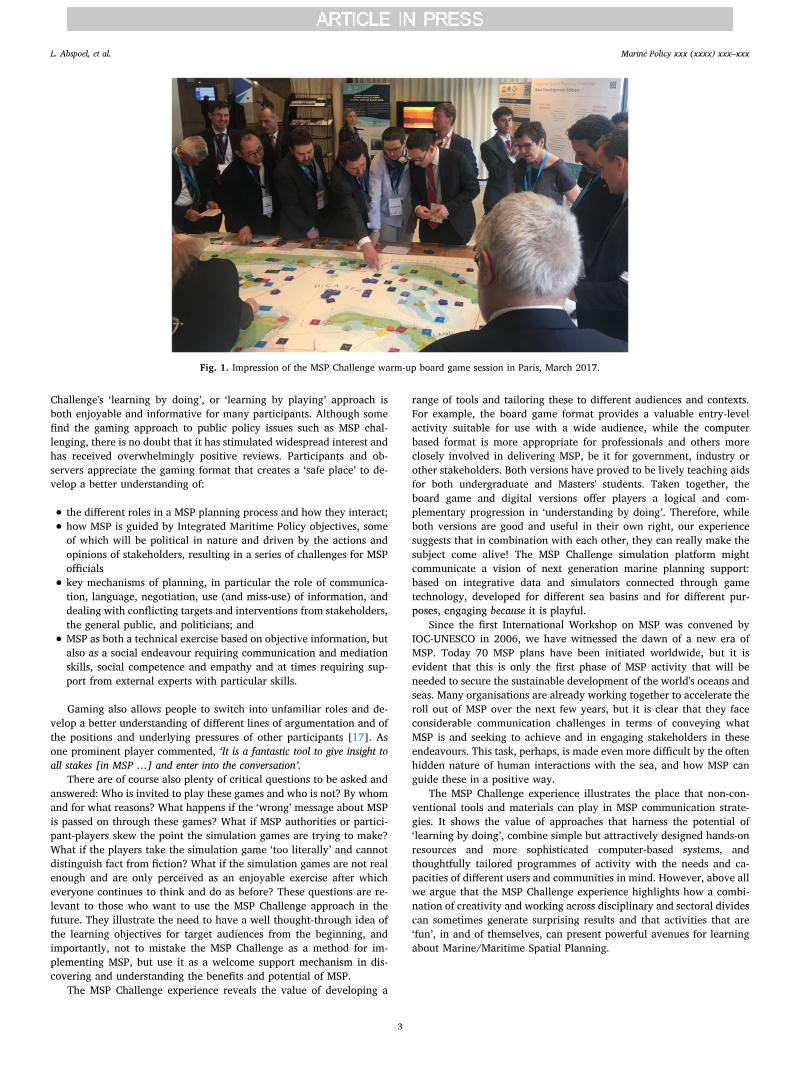
Communicating Maritime Spatial Planning: The MSP Challenge Approach
Elsevier · 2021
Whitepaper
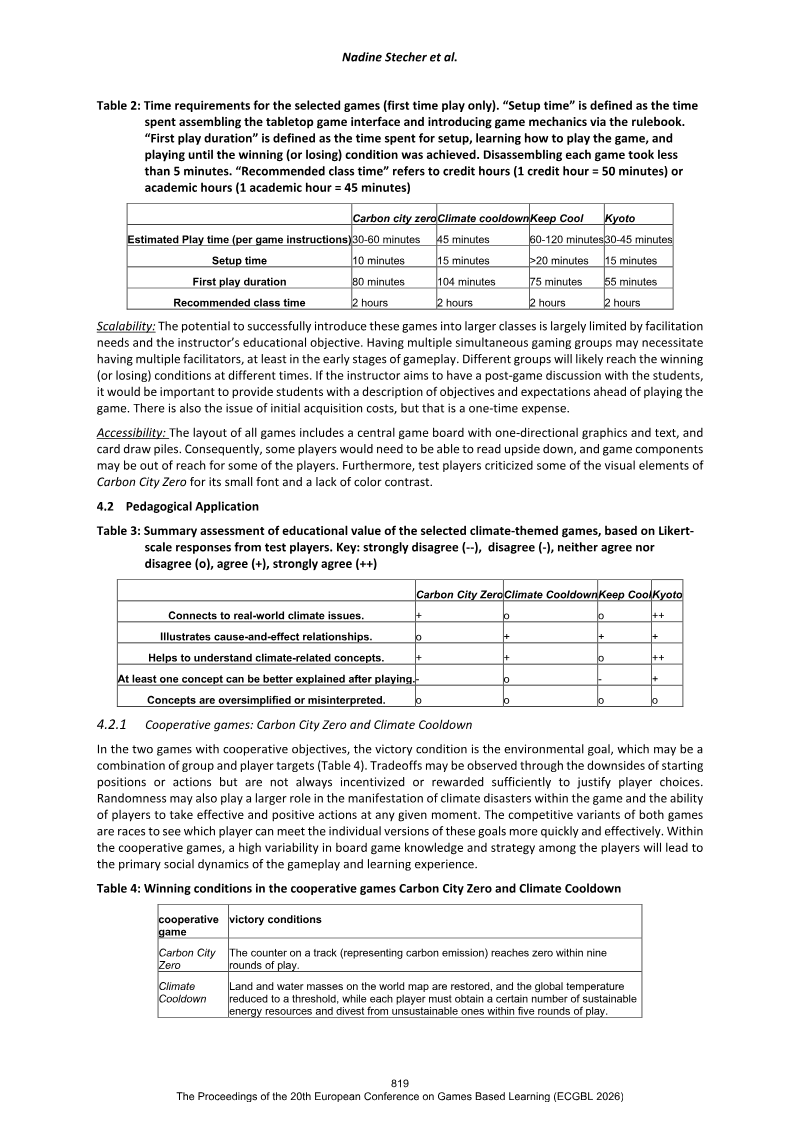
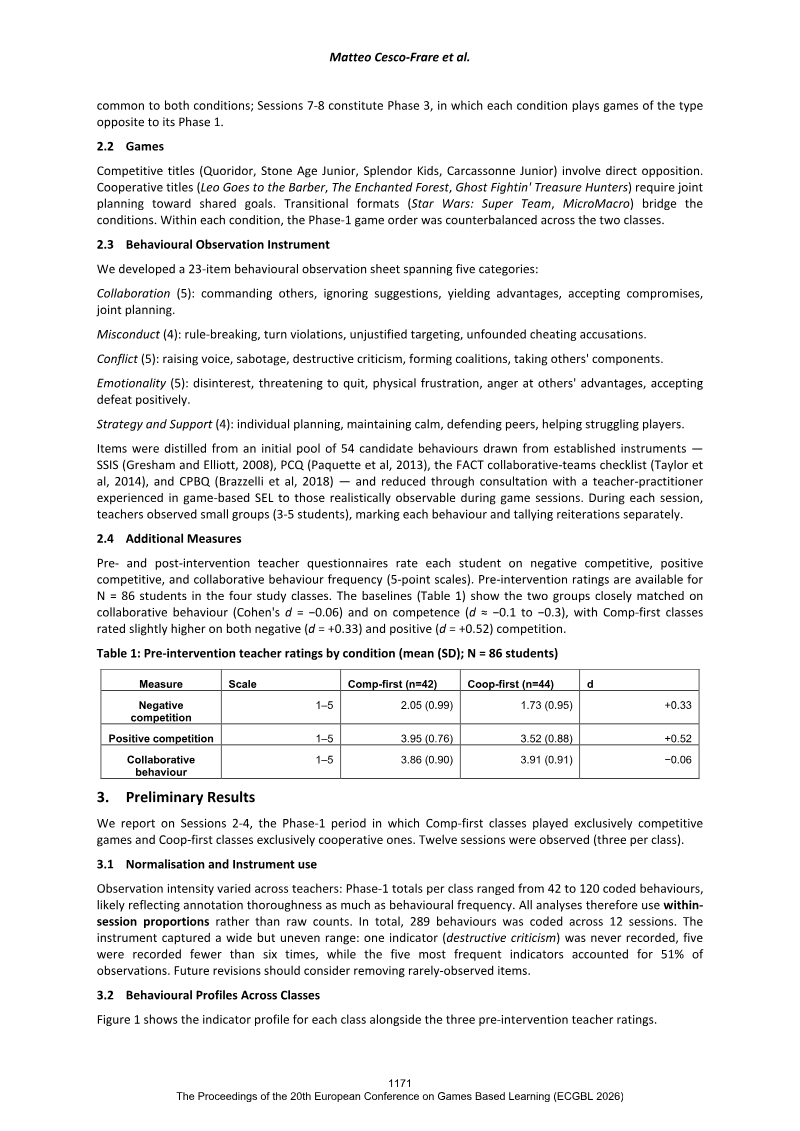
Playing the Climate Future: Evaluating Climate-adaptation Games for Higher Education
European Conference on Games Based Learning (ECGBL) · 2026
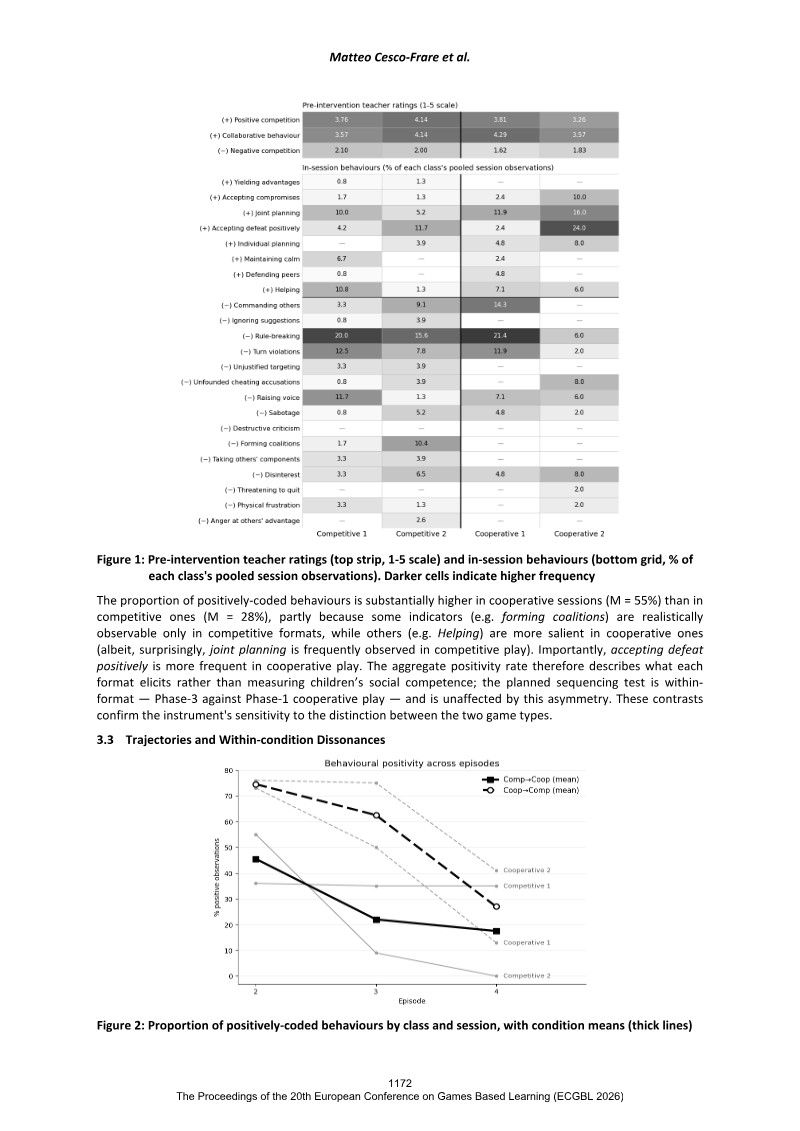
Whitepaper
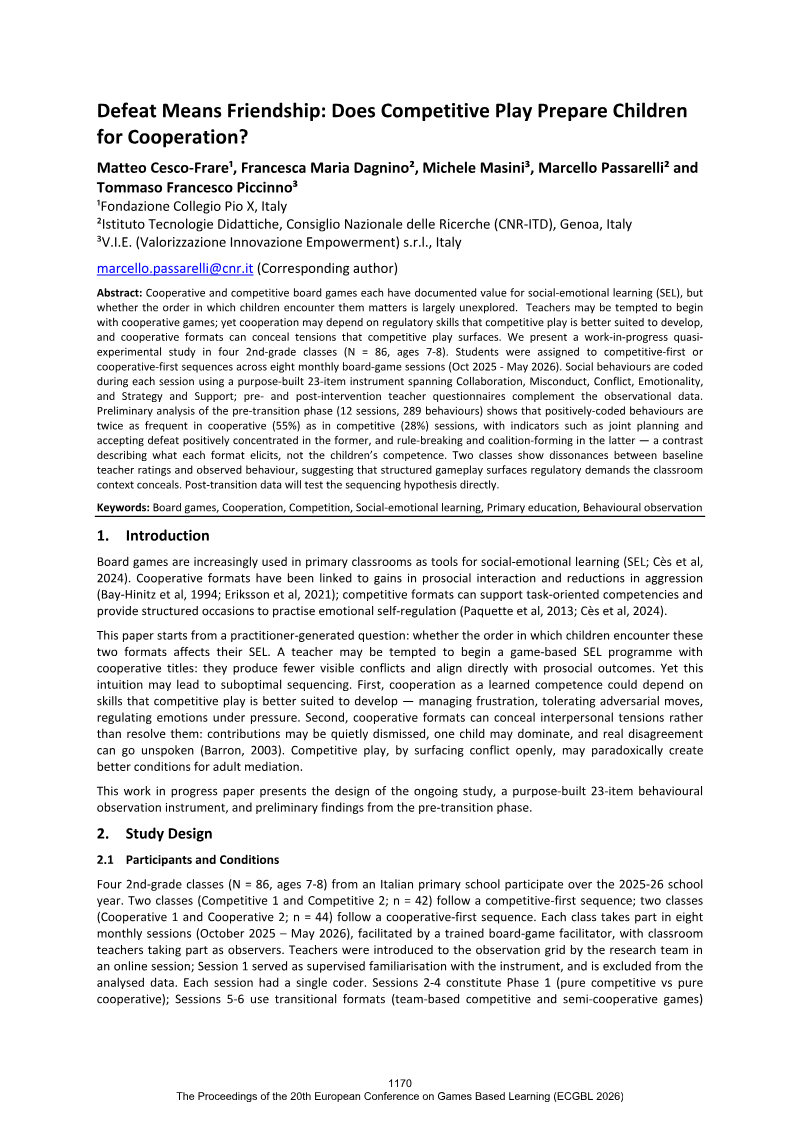
Defeat Means Friendship: Does Competitive Play Prepare Children for Cooperation?
European Conference on Games Based Learning (ECGBL) · 2026



Whitepaper
Challenges of Simulations and Serious Games Embedded in Emergency Preparedness Platforms
European Conference on Games Based Learning (ECGBL) · 2026
Whitepaper
Potential of Digital Game-Based Learning in Vocational Mathematics Education
Serious Games Society · 2026



Whitepaper
Disco Elysium: Existential Reflection within Crisis
University of Copenhagen · 2026
Whitepaper
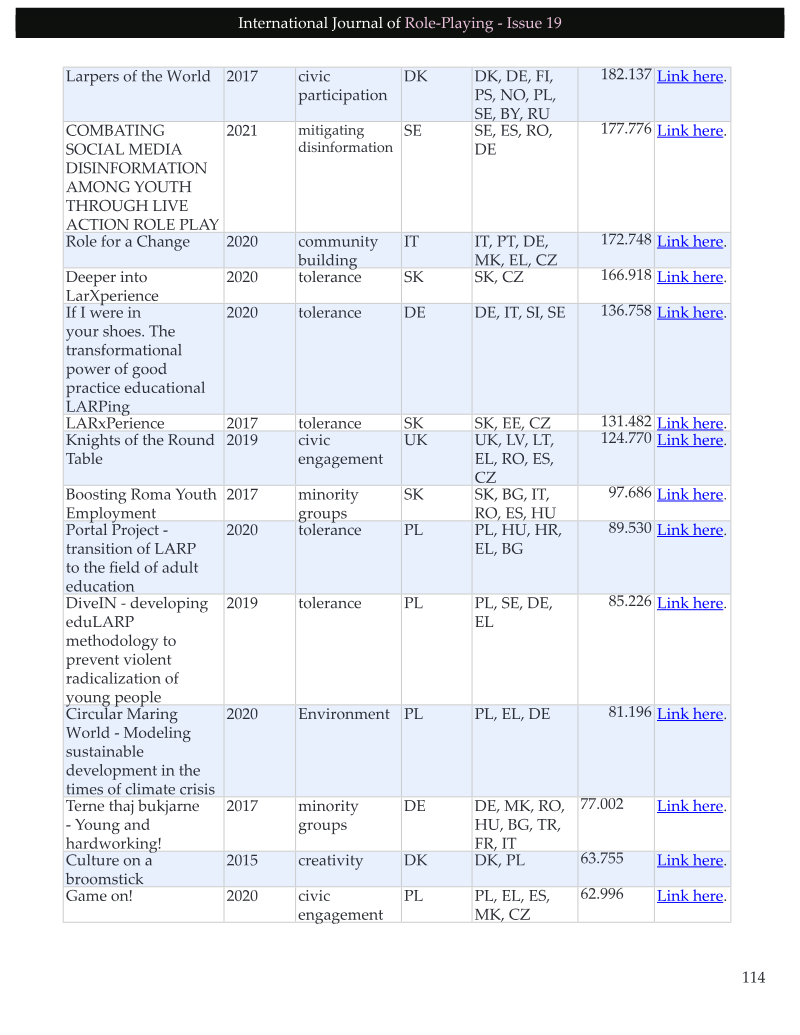
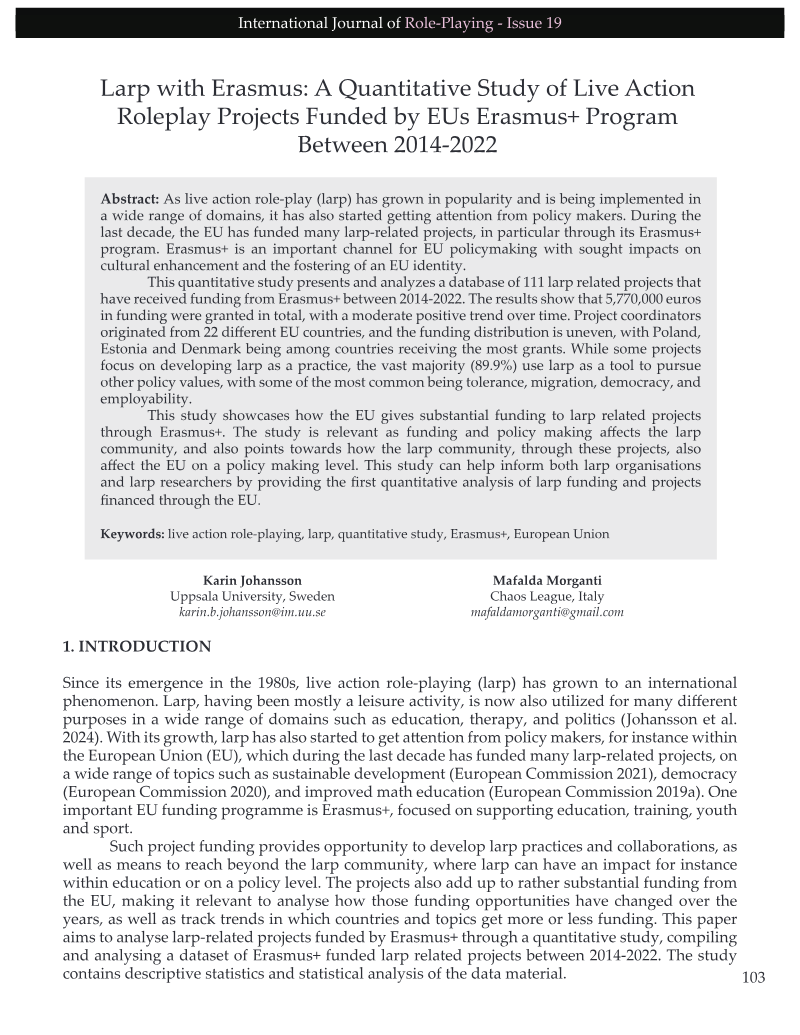
Larp with Erasmus: A Quantitative Study of Live Action Roleplay Projects 2014-2022
International Journal of Role-Playing · 2026
Whitepaper
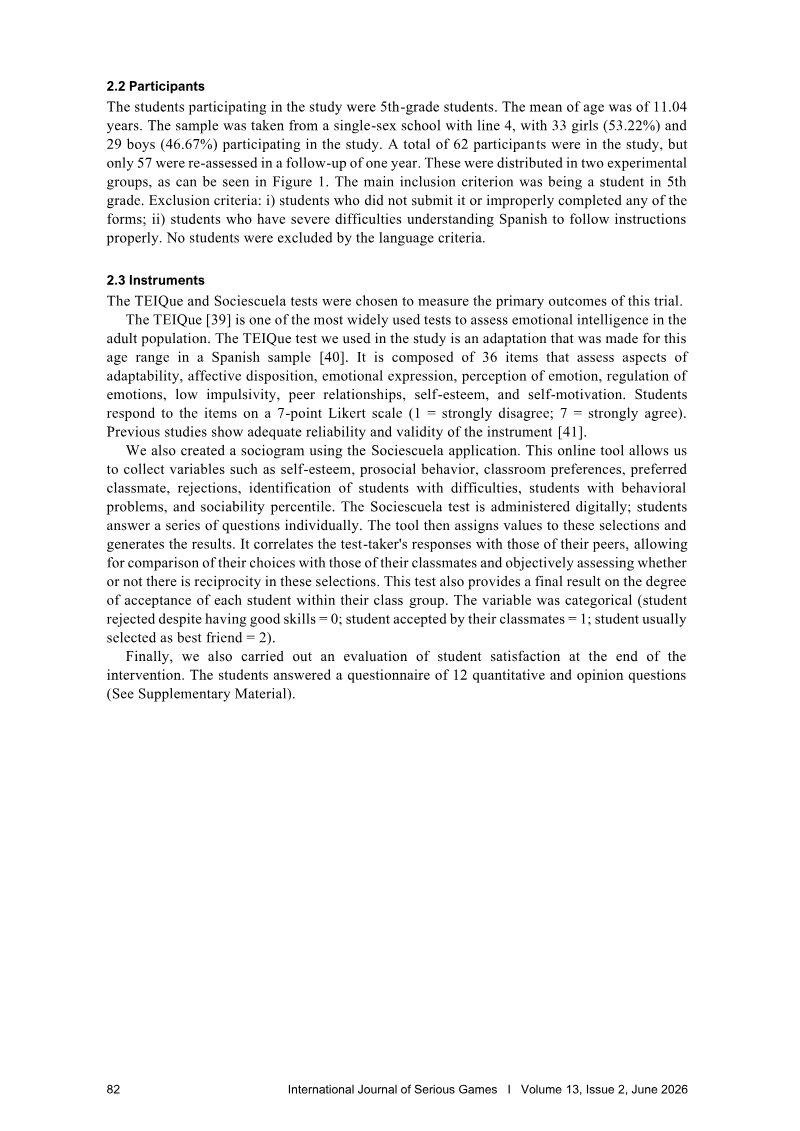
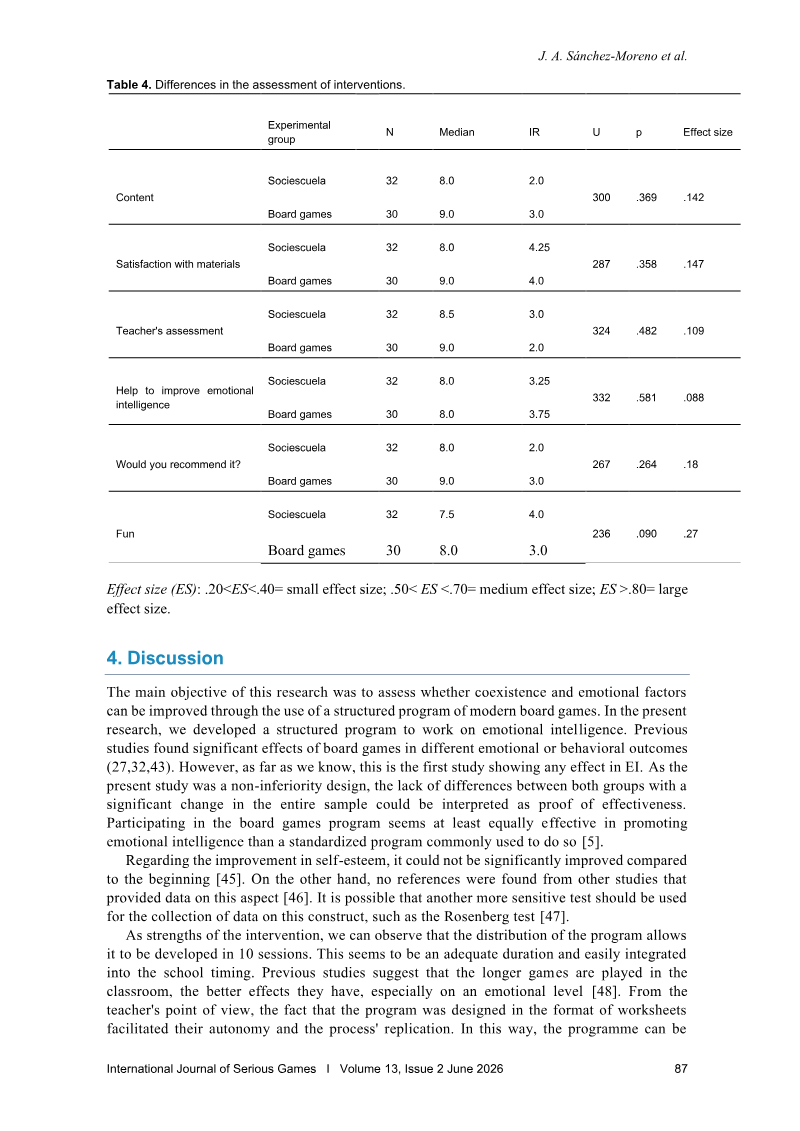
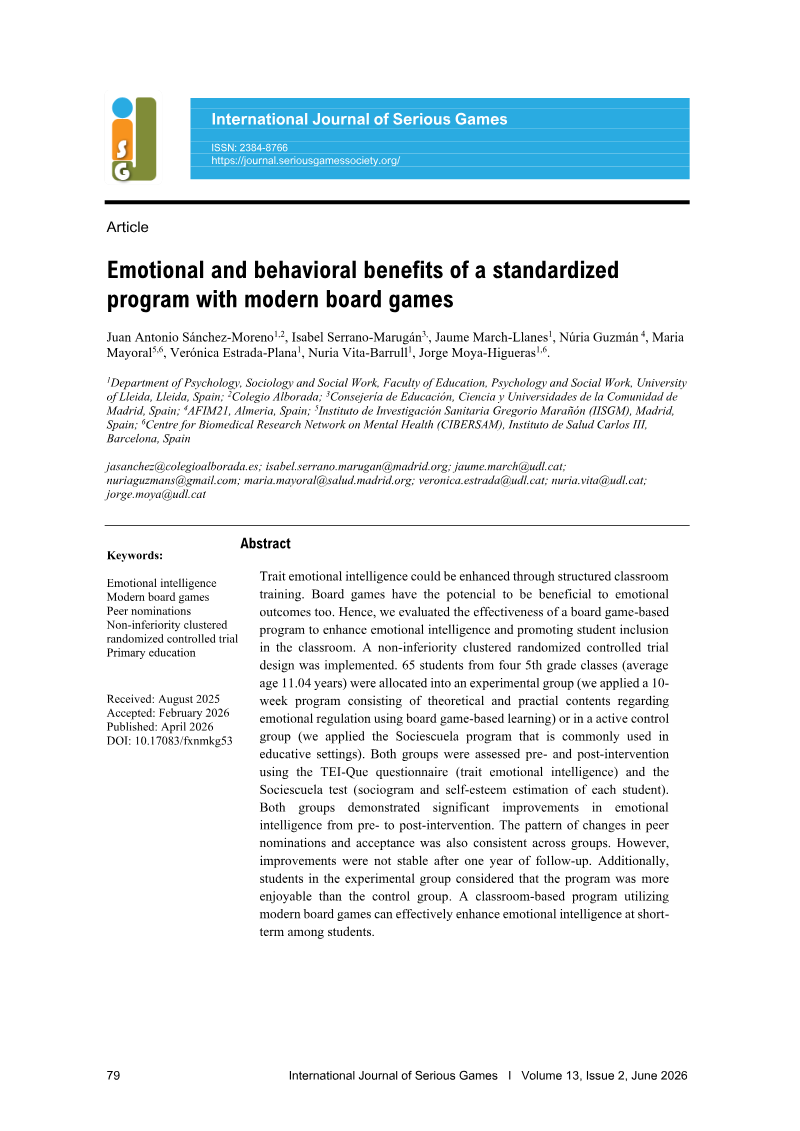
Emotional and Behavioral Benefits of a Standardized Program with Modern Board Games
Serious Games Society · 2026
Whitepaper
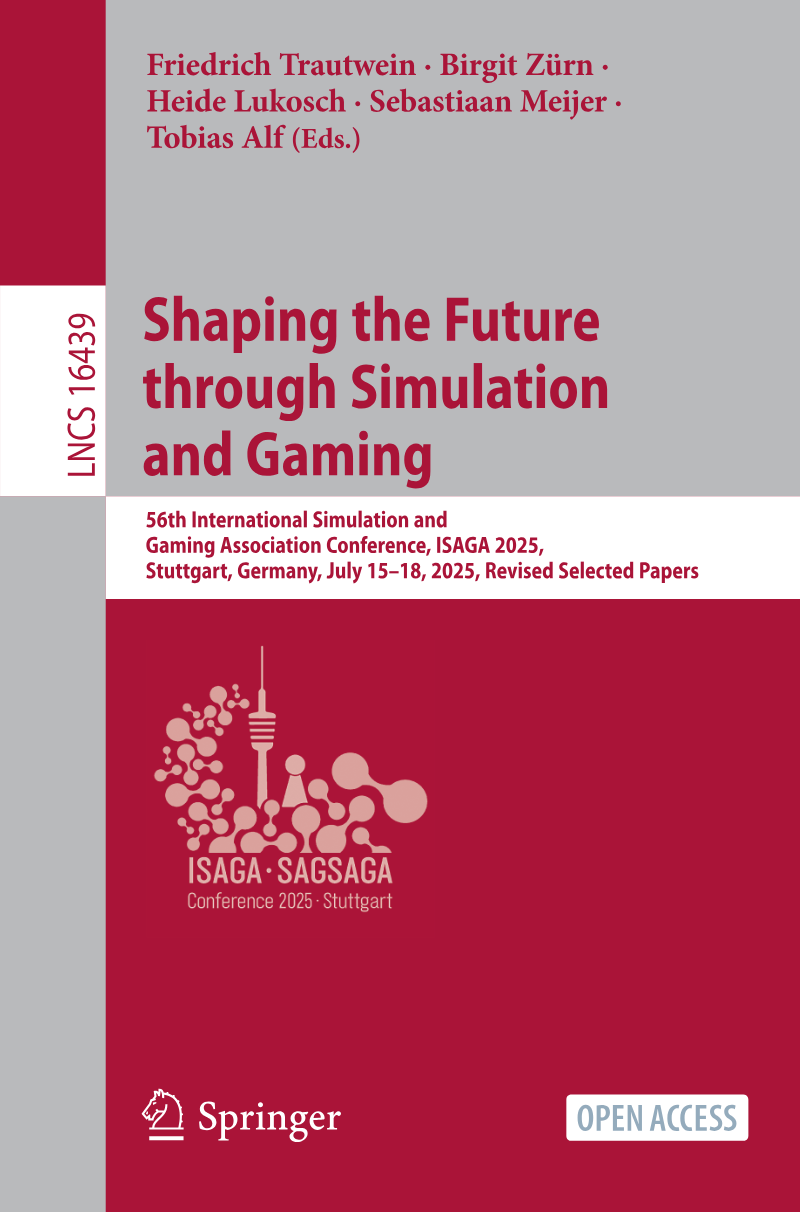
Shaping the Future through Simulation and Gaming: 56th International Simulation and Gaming Association Conference
Springer · 2026
Whitepaper
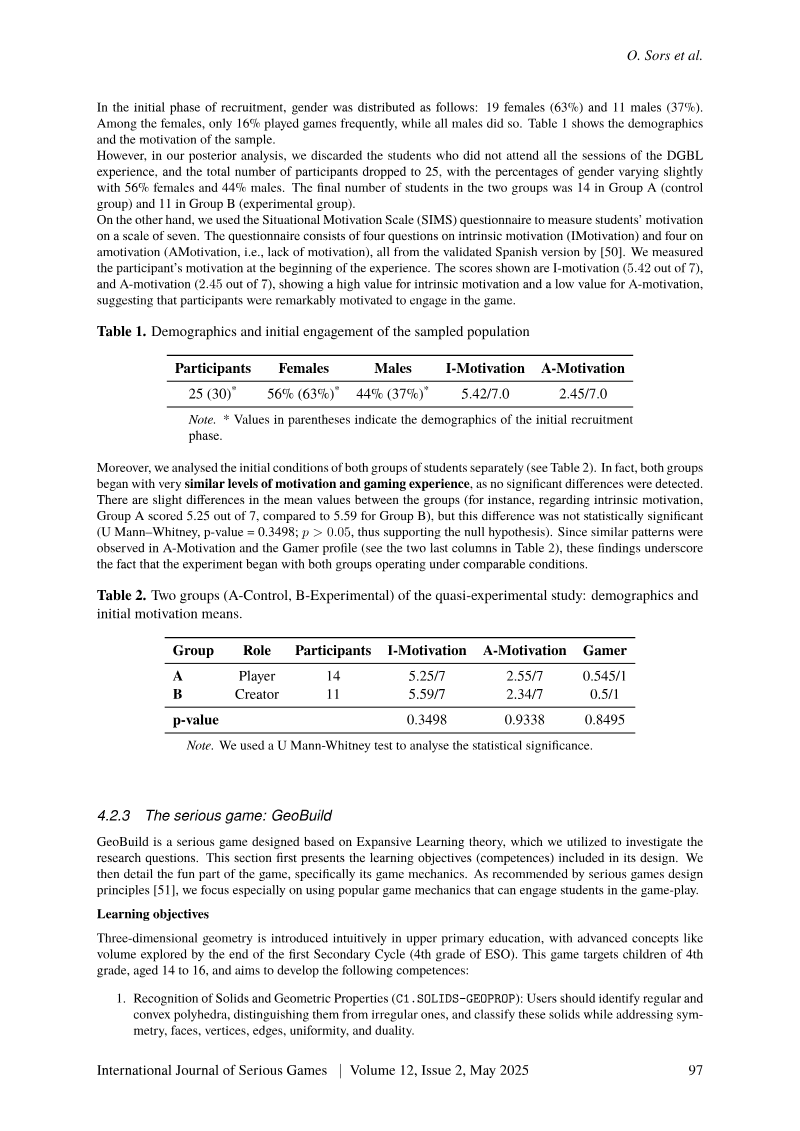
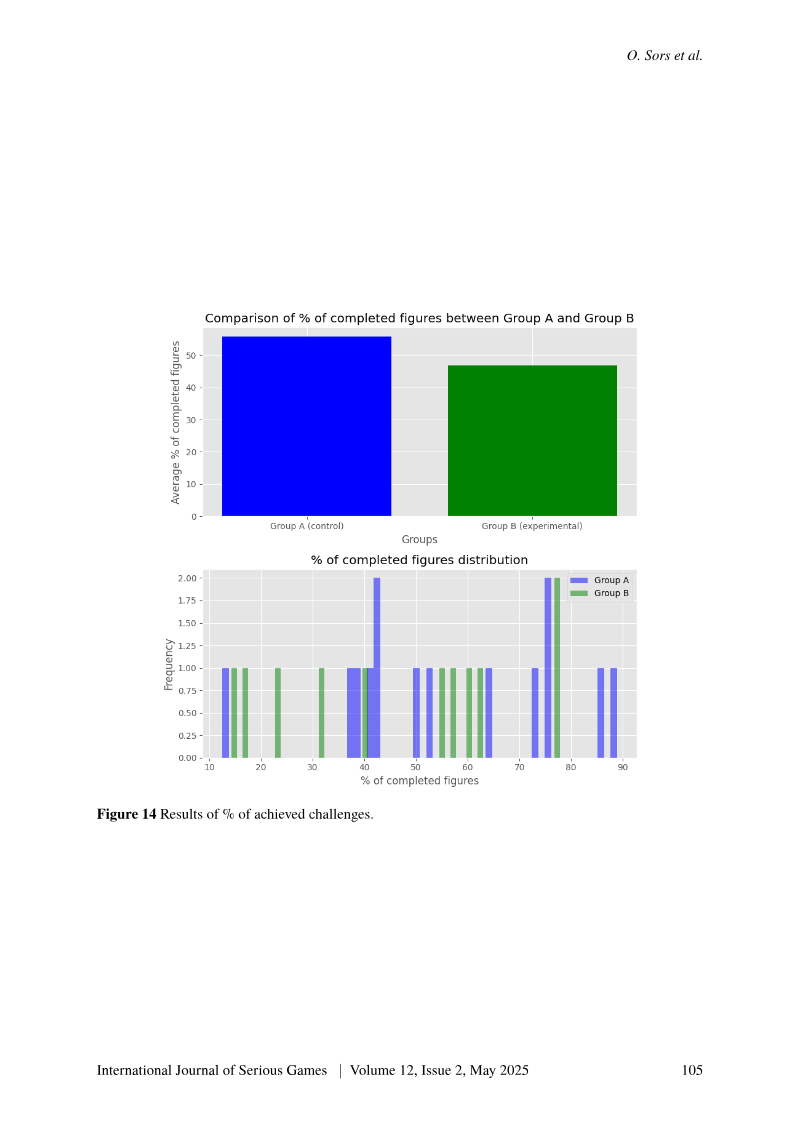
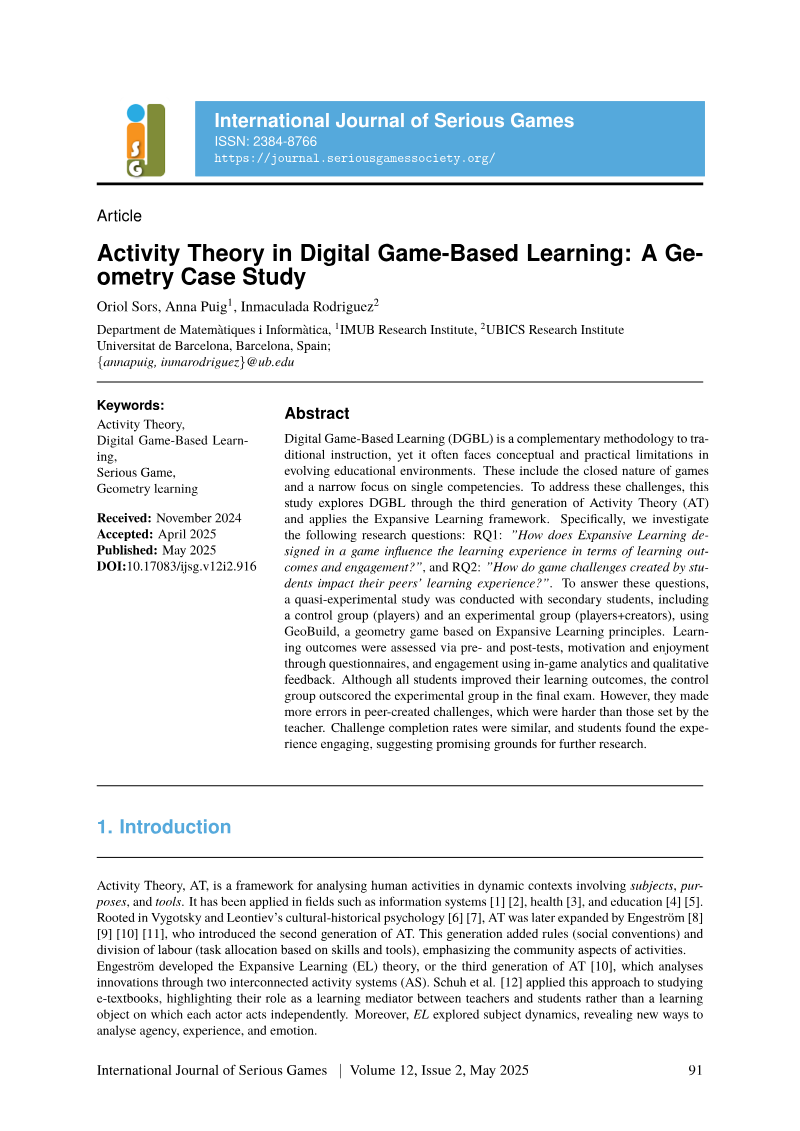
Activity Theory in Digital Game-Based Learning: A Geometry Case Study
Serious Games Society · 2025
Whitepaper
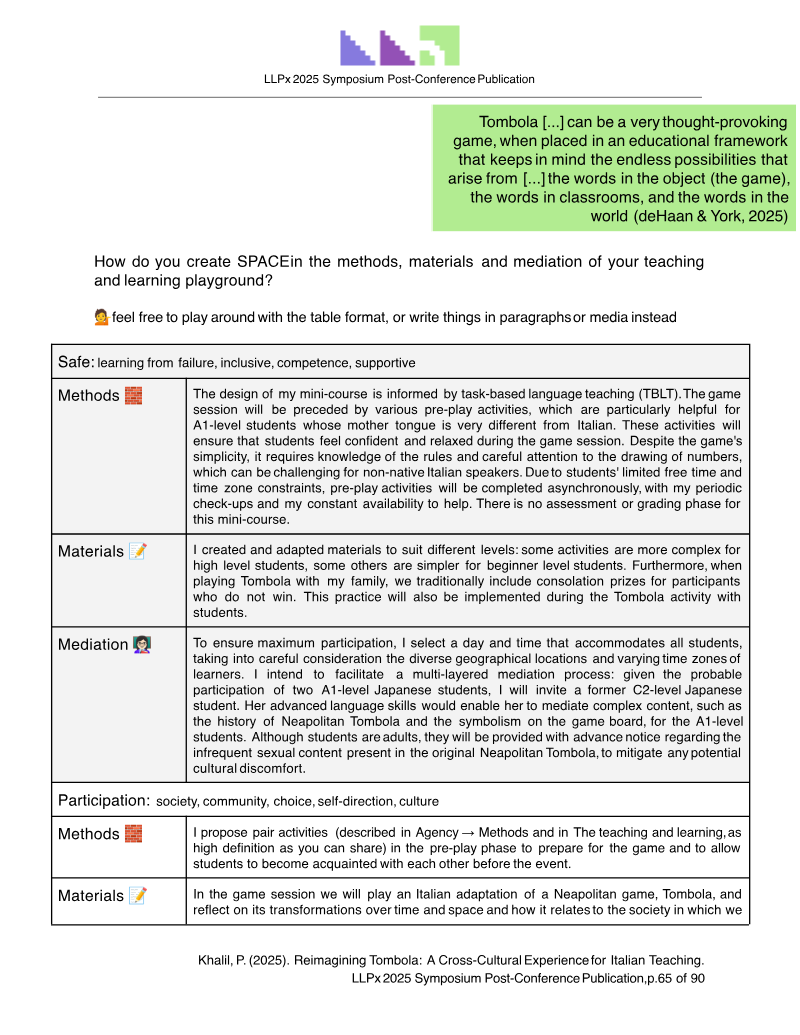
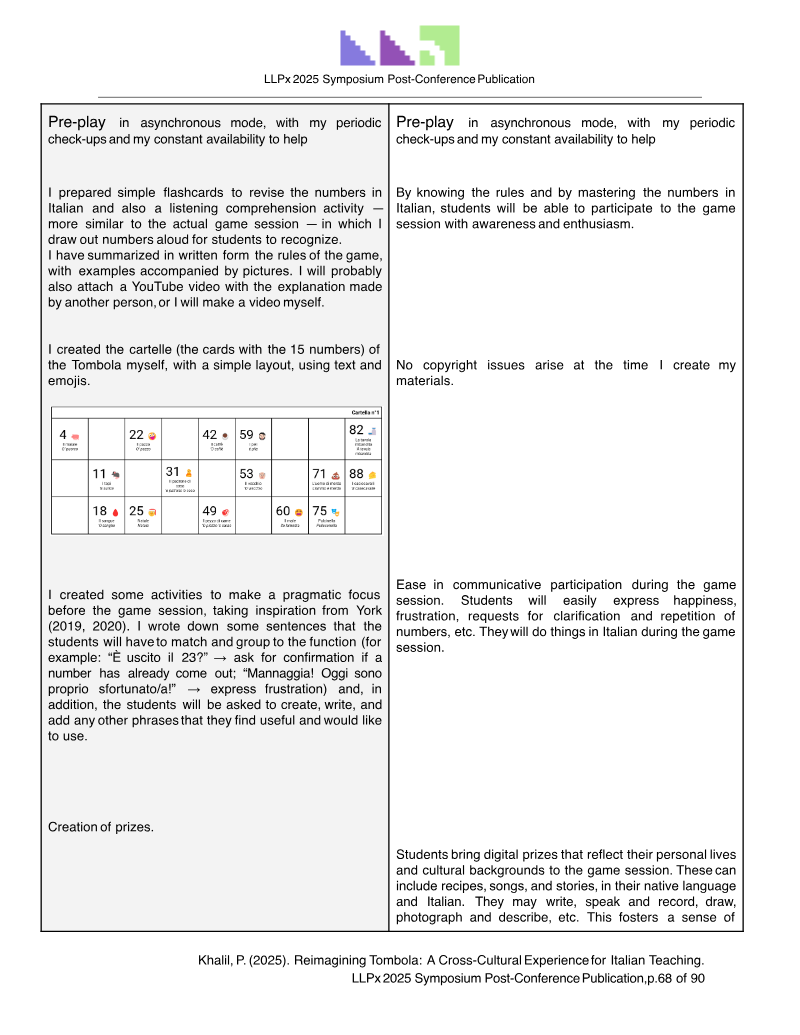
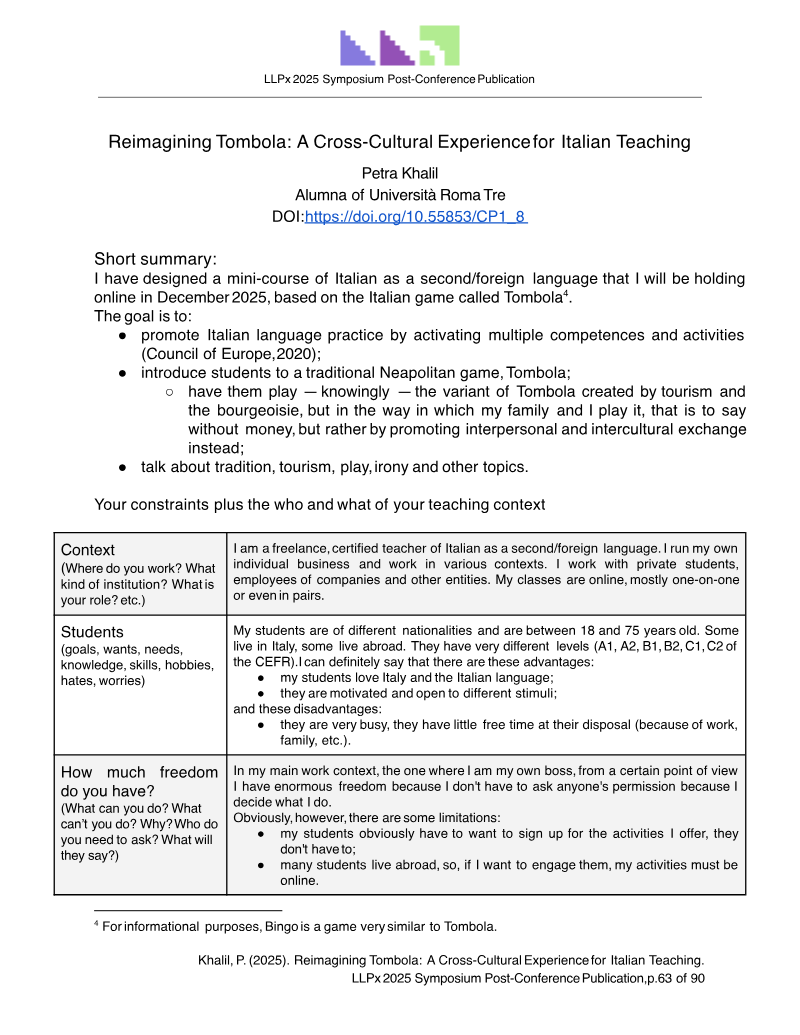
Reimagining Tombola: A Cross-Cultural Experience for Italian Teaching
Ludic Language Pedagogy · 2025
Whitepaper
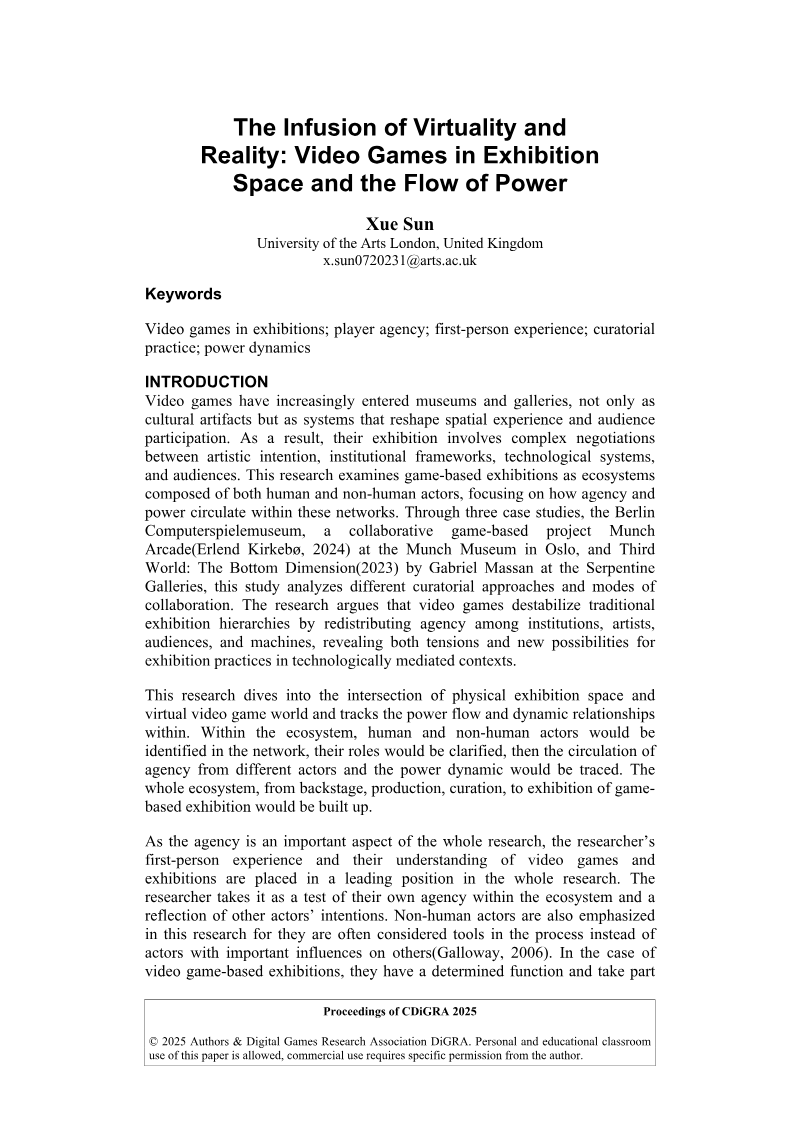
The Infusion of Virtuality and Reality: Video Games in Exhibition Space and the Flow of Power
DiGRA · 2025