More from European Journal of Cardiovascular Nursing
View all
More on Serious Games
View all
Whitepaper
Persuasive Design of a Mobile Energy Conservation Game with Direct Feedback and Social Cues
DiGRA · 2009
Whitepaper
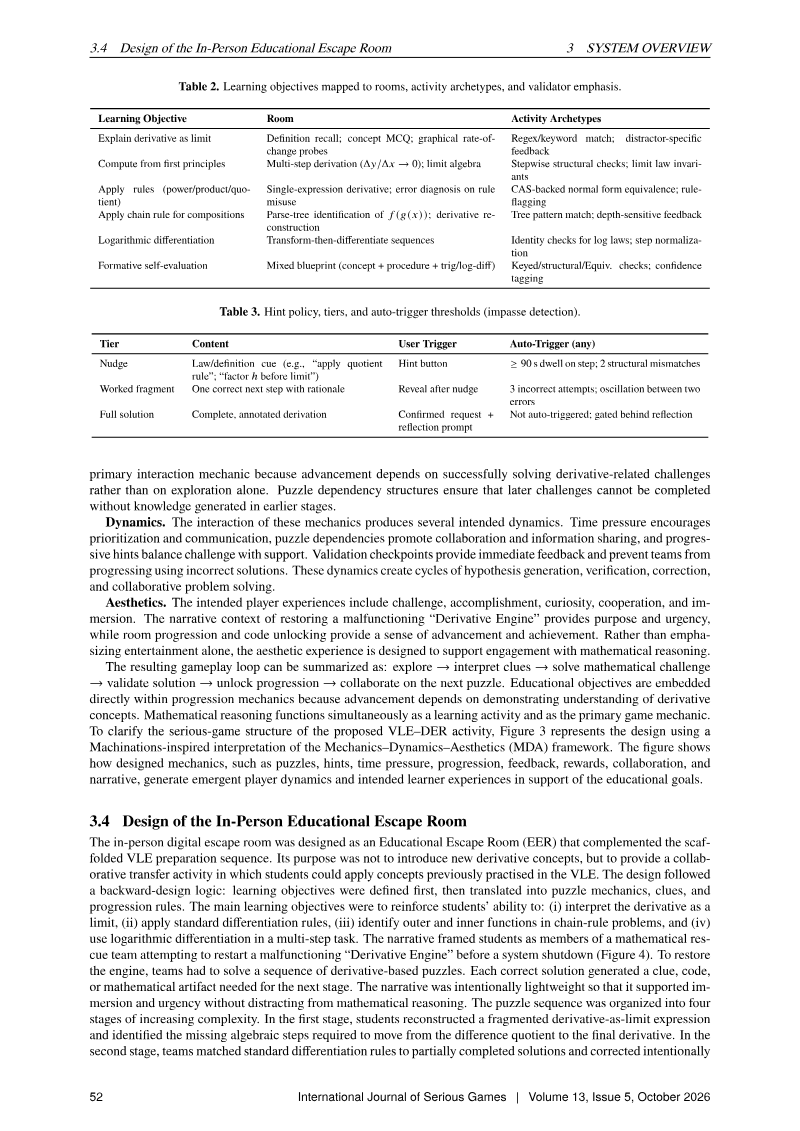
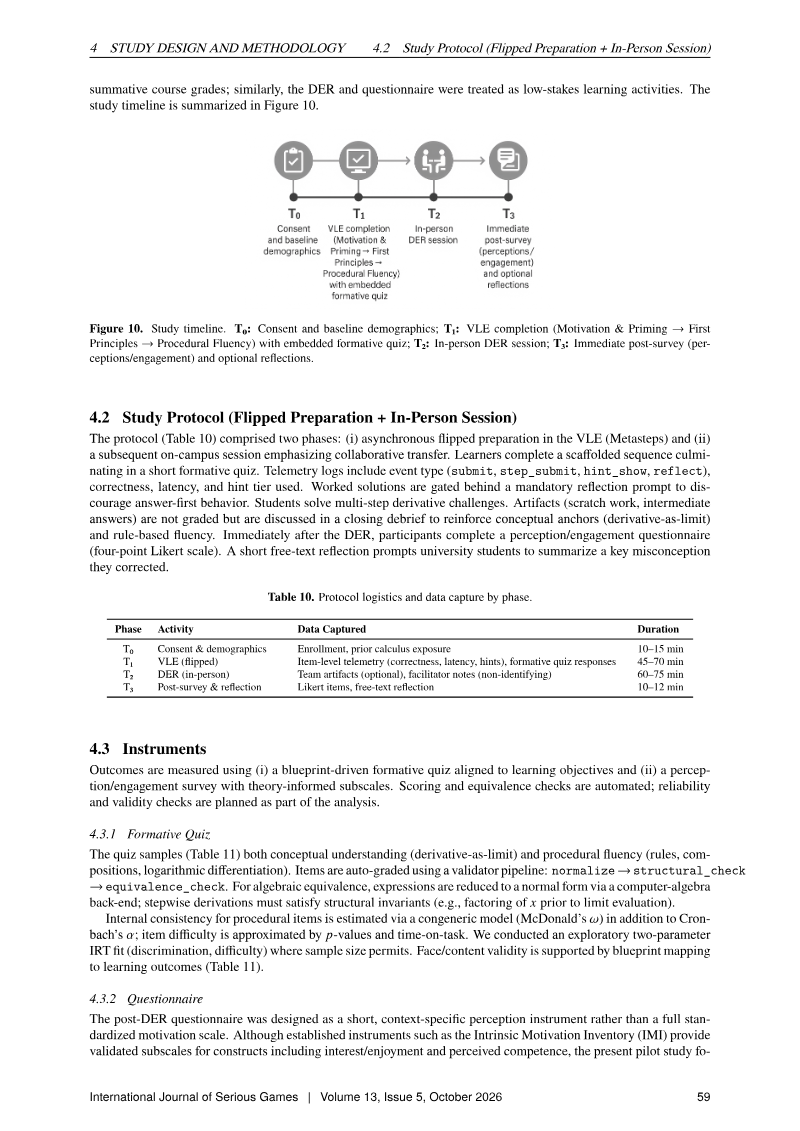
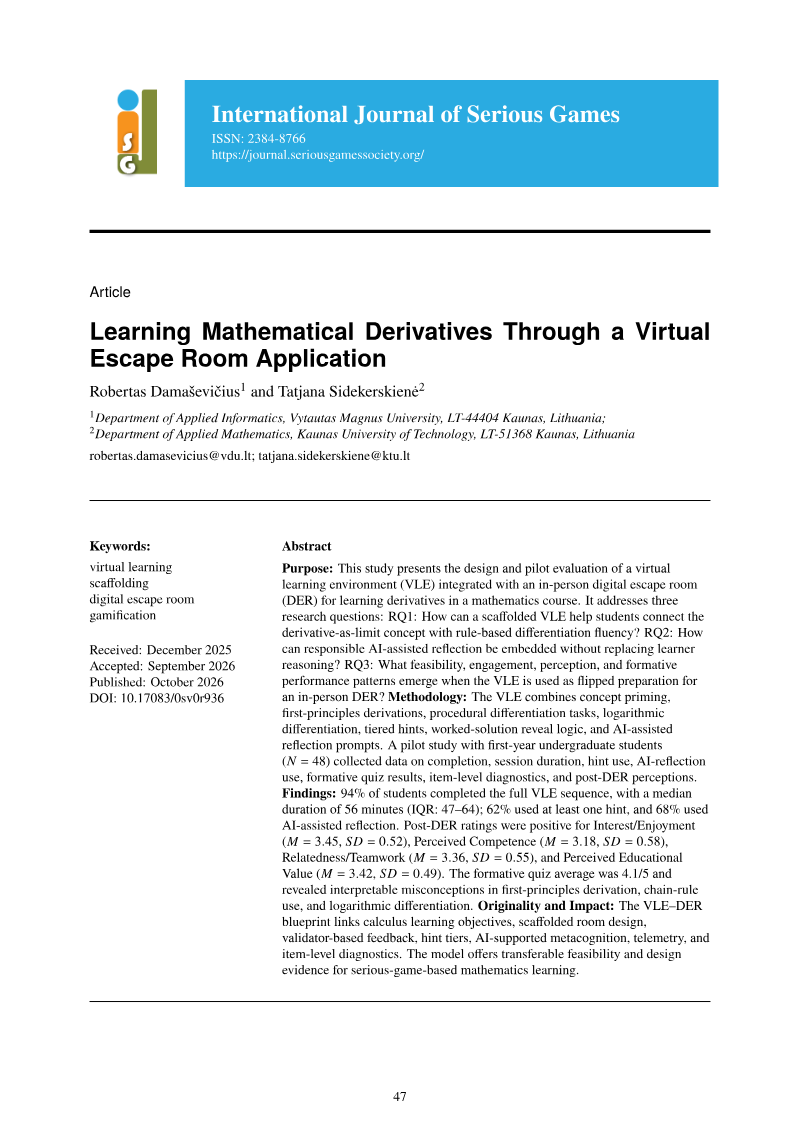
Learning Mathematical Derivatives Through a Virtual Escape Room Application
International Journal of Serious Games · 2026
Whitepaper
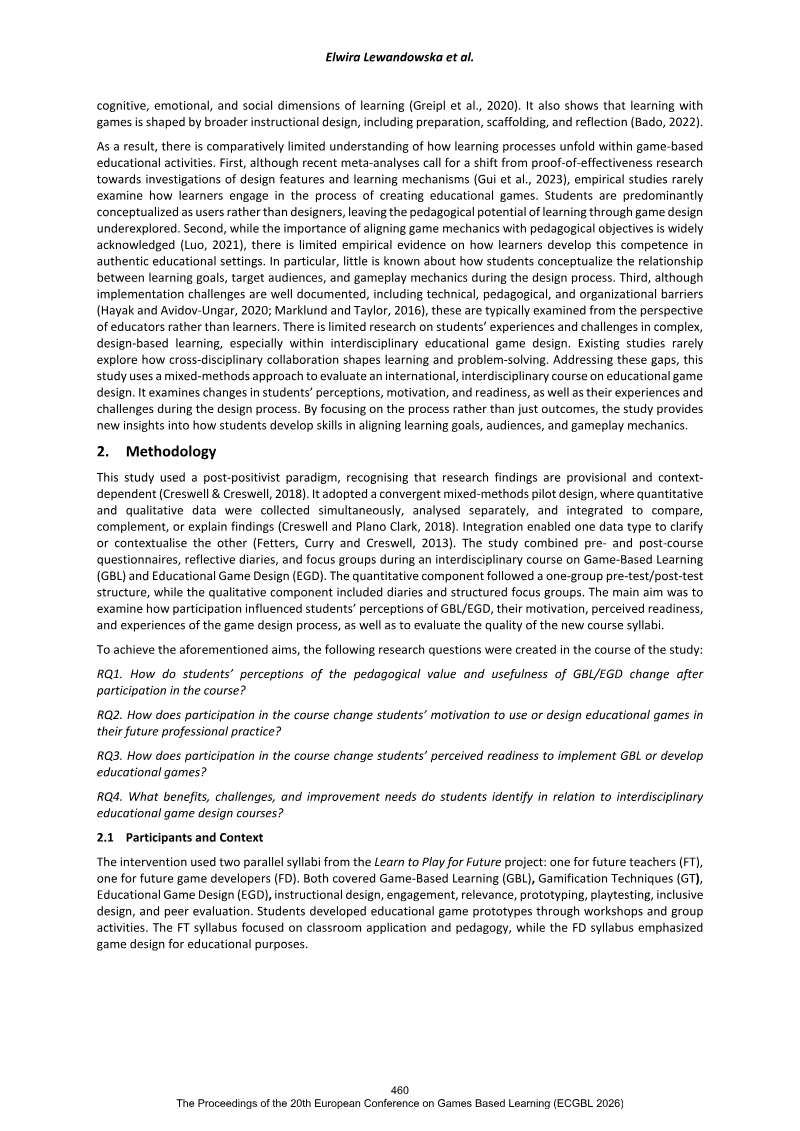
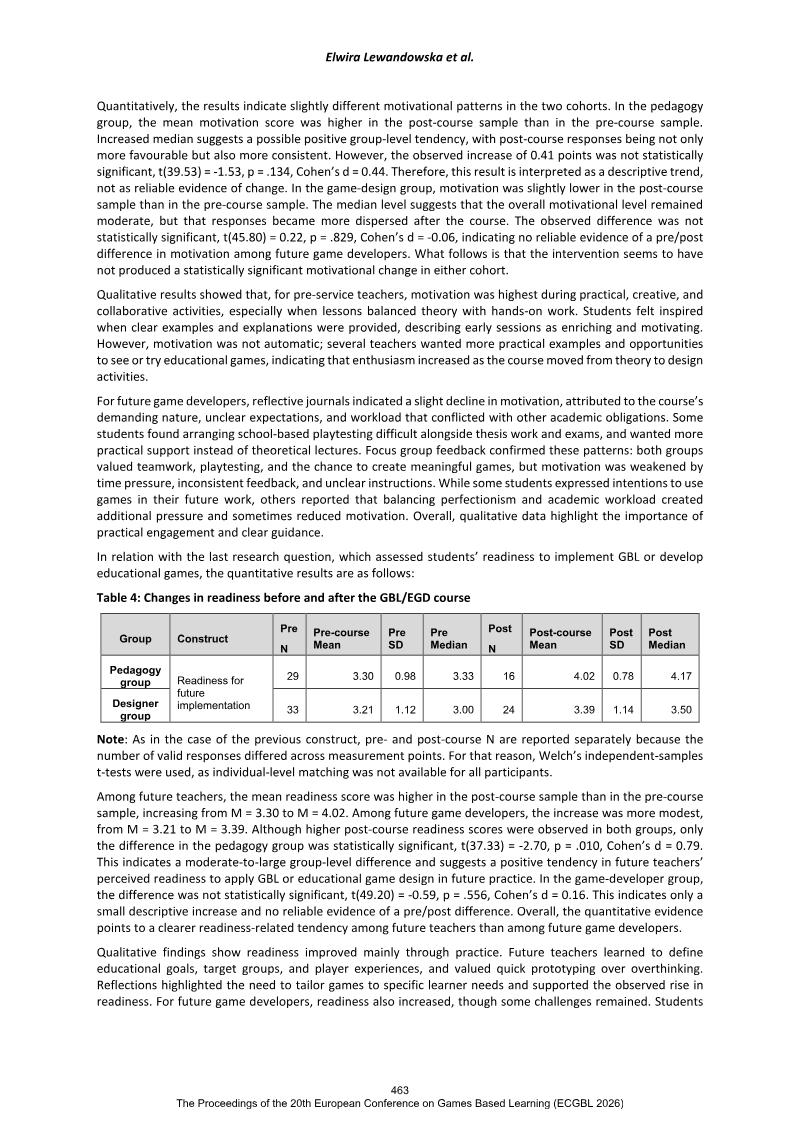
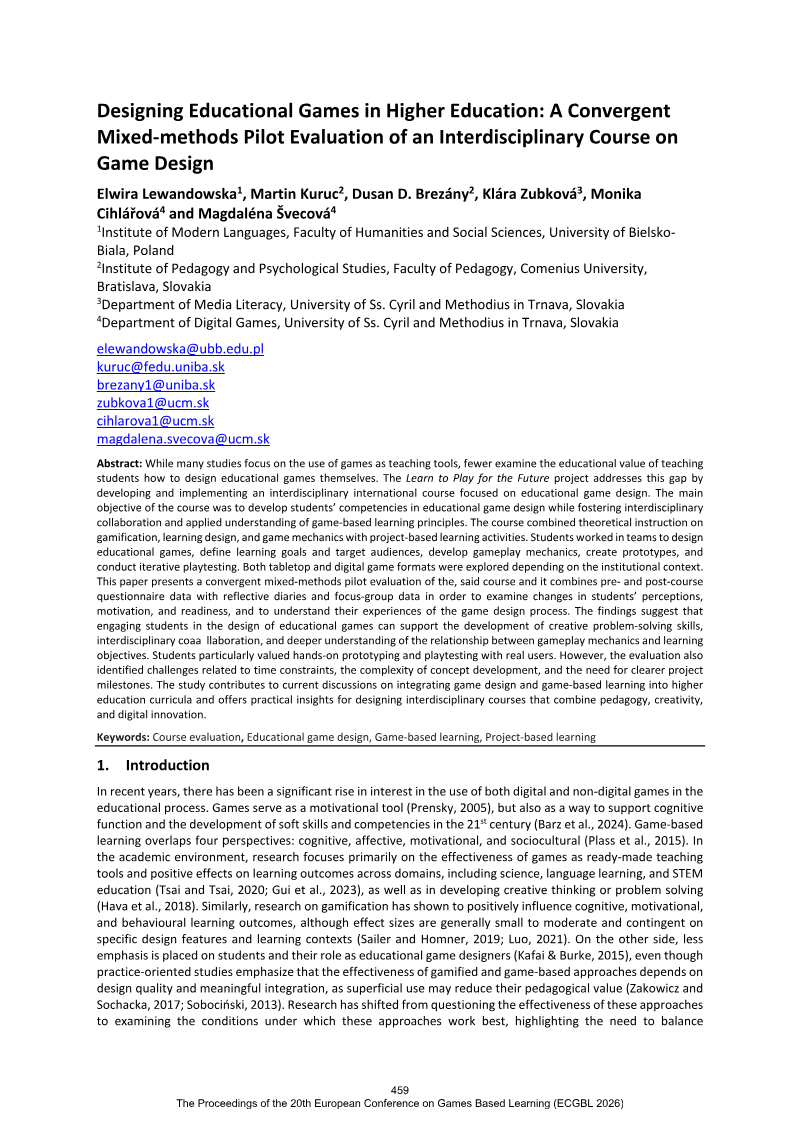
Designing Educational Games in Higher Education: A Convergent Mixed-methods Pilot Evaluation
European Conference on Games Based Learning (ECGBL) · 2026



Whitepaper
Challenges of Simulations and Serious Games Embedded in Emergency Preparedness Platforms
European Conference on Games Based Learning (ECGBL) · 2026
Whitepaper
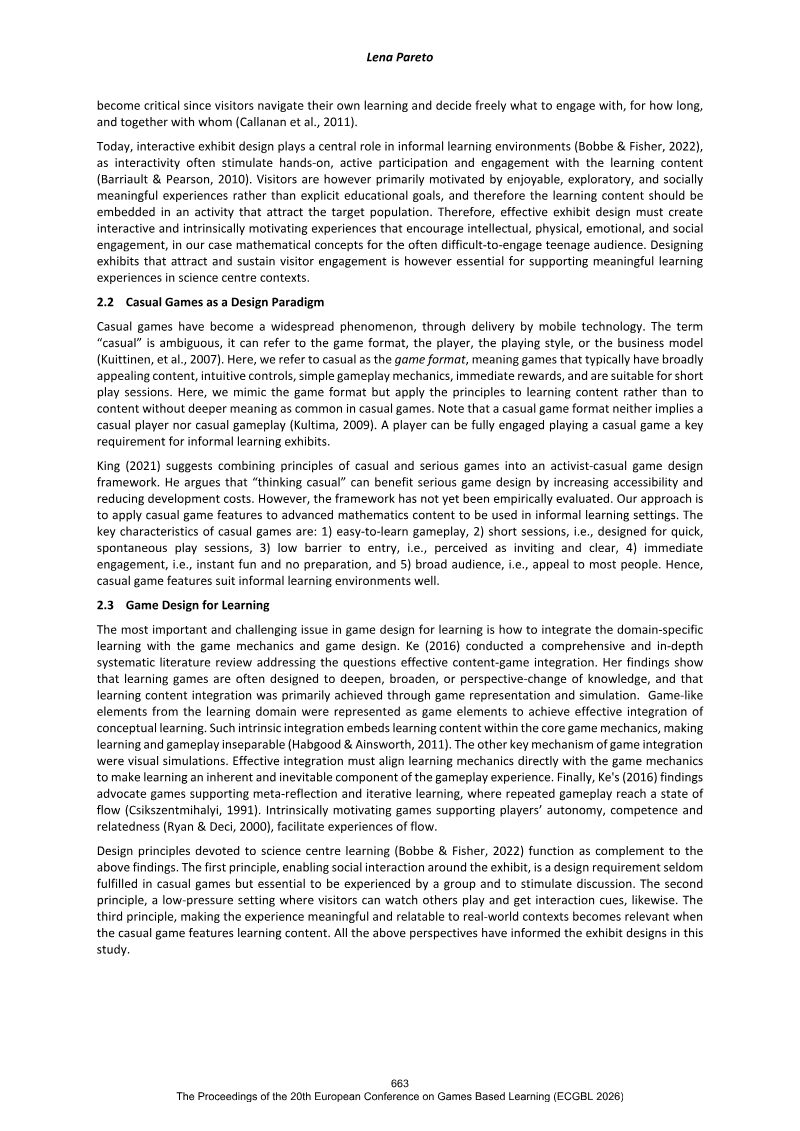
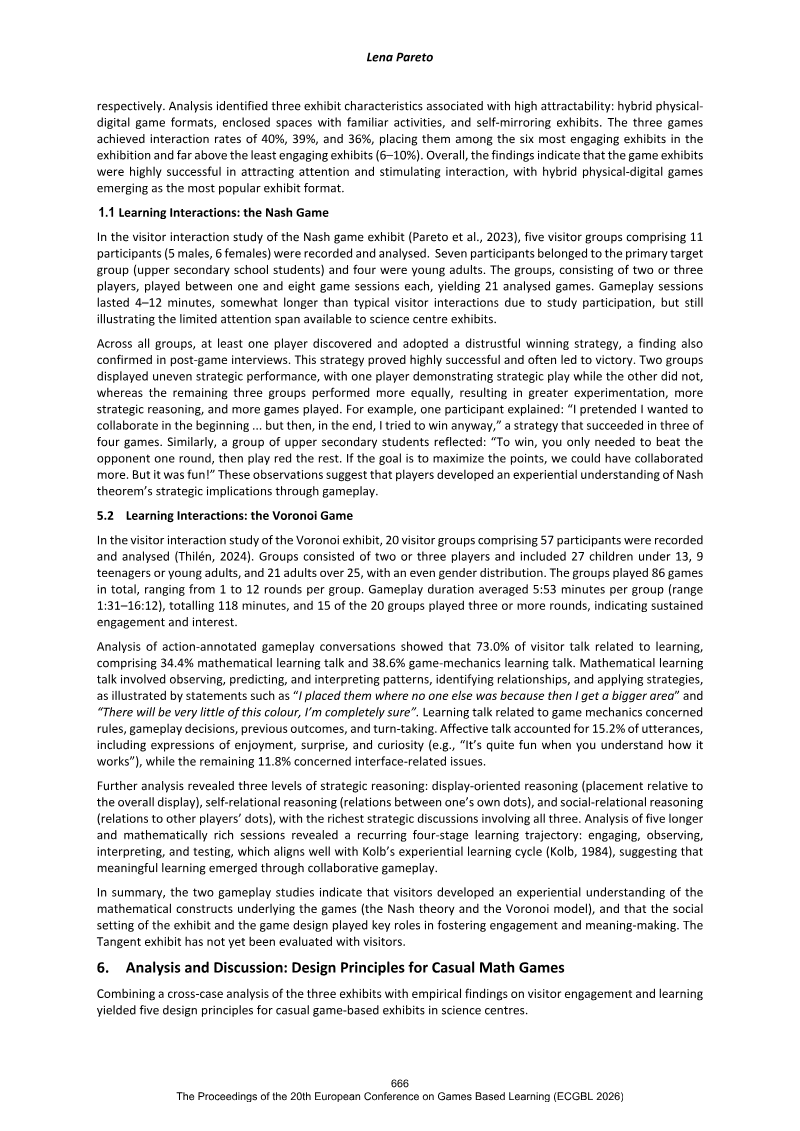
Exhibiting Advanced Mathematics with Casual Games in Science Centres
European Conference on Games Based Learning (ECGBL) · 2026
Whitepaper
Tempus Alatum: Playing Through the Branches of the Timeline
European Conference on Games Based Learning (ECGBL) · 2026
Whitepaper
The ACE of Hearts Serious Game for Young People With Adverse Childhood Experiences
JMIR Serious Games · 2026
Whitepaper
Modelling Dilemmas in Access to Specialised Healthcare Services in Sweden Using a Serious Game
Serious Games Society · 2026
Whitepaper
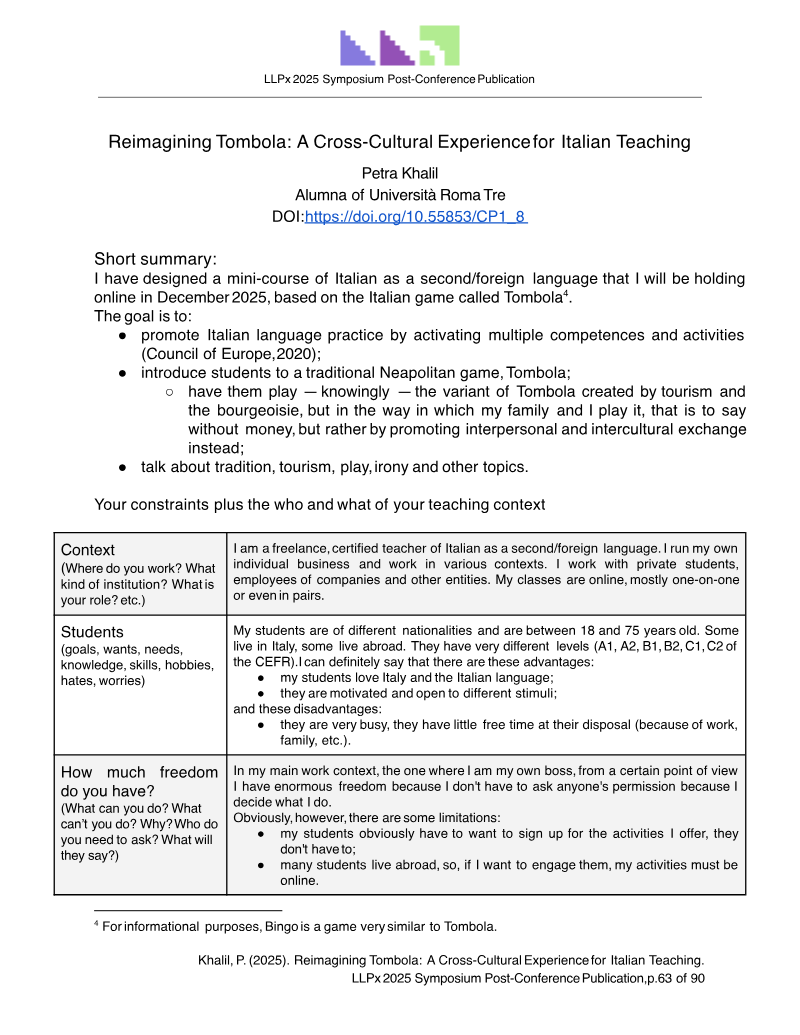
Reimagining Tombola: A Cross-Cultural Experience for Italian Teaching
Ludic Language Pedagogy · 2025
Whitepaper
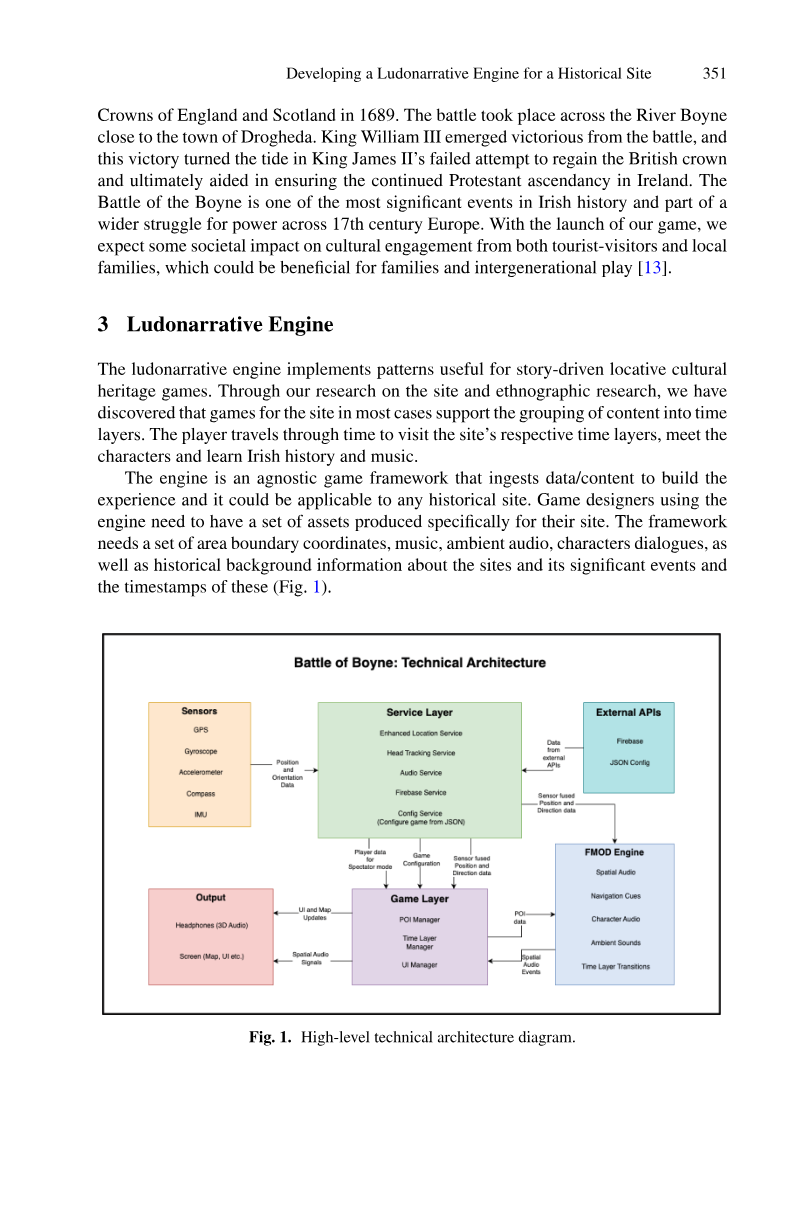
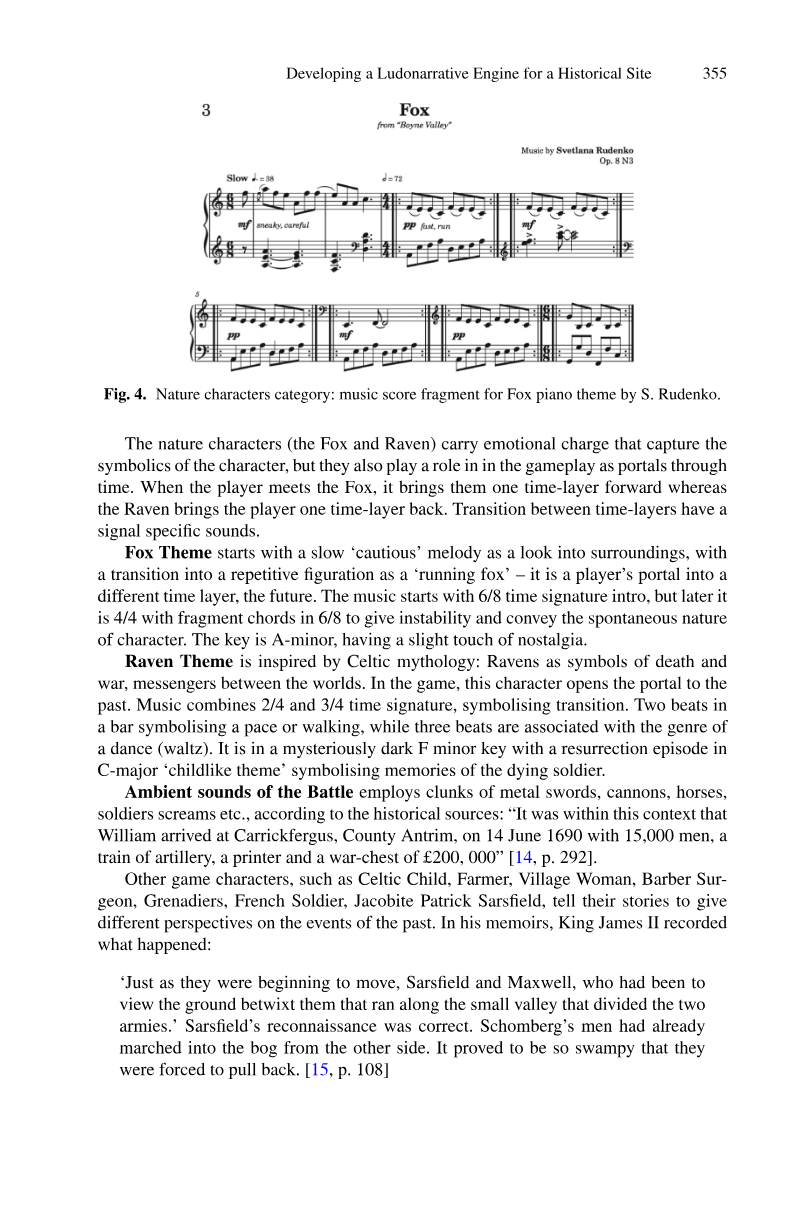
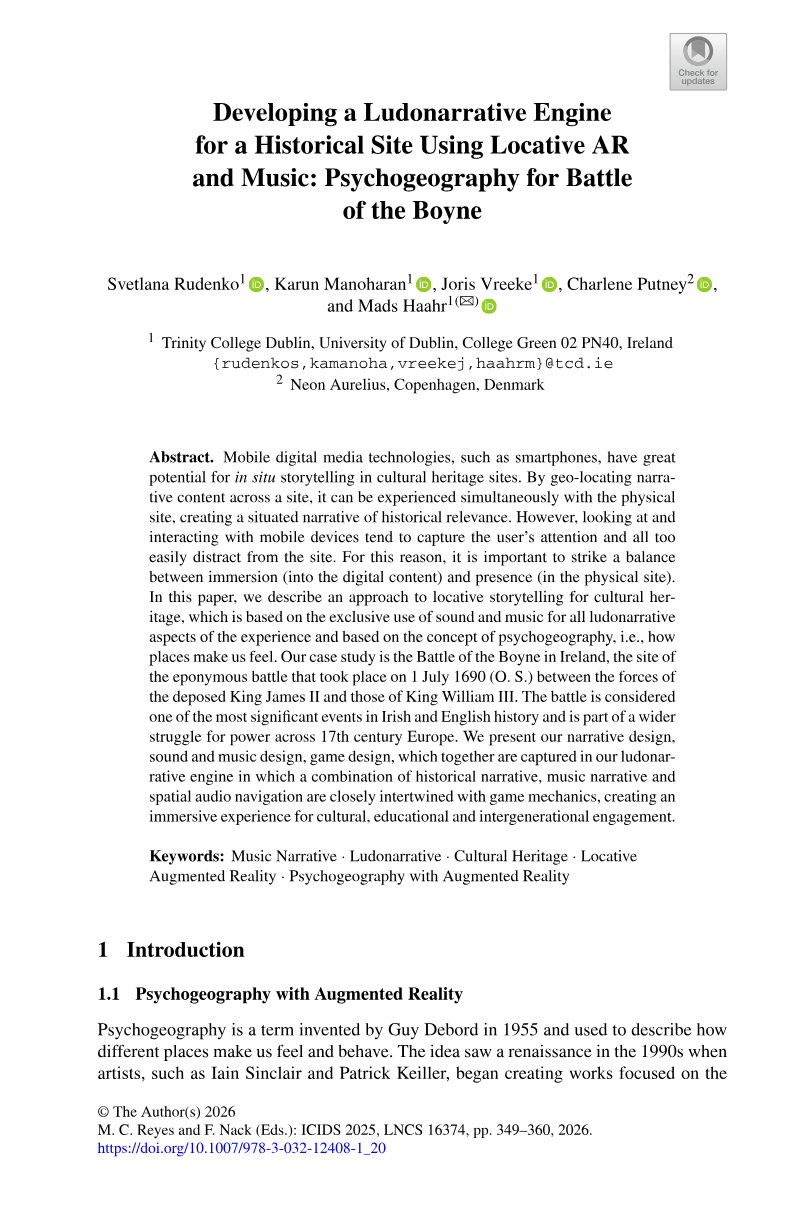
Developing a Ludonarrative Engine for a Historical Site Using Locative AR and Music
Trinity College Dublin · 2025
Whitepaper
Music Consciousness with Mixed Reality: Case Study on Learning Associative Imagery in Classical Music
Haunted Planet Studios · 2025
Whitepaper
RollAbility: Aligning Game-Based Wheelchair Skills Training with Clinical Protocols
KU Leuven · 2025