
FinancialElectronic Arts
Electronic Arts 10-Q — Q3 FY2023 (November 2023)
7 Nov 20231 pages~190 min full read
Electronic Arts’ third‑quarter fiscal 2023 filing presents a mixed financial picture, with net revenue modestly up to $1.914 billion from $1.904 billion a year earlier, while gross profit rose to $1.458 billion from $1.442 billion. Operating expenses increased, largely due to higher research and development ($602 million versus $565 million) and marketing costs ($280 million versus $233 million), resulting in operating income of $377 million compared with $427 million previously. Net income climbed to $399 million, driven by a stronger earnings‑per‑share figure of $1.47 versus $1.08 in 2022.
Cash‑flow dynamics show a turnaround in operating cash, which moved from a $190 million deficit to $471 million, supported by net income of $801 million and stock‑based compensation. Investing cash was negative ($107 million) mainly due to capital expenditures, while financing activities were strongly negative ($833 million), largely from $650 million in common‑stock repurchases. Cash and cash equivalents fell to $1,946 million from $2,424 million year‑ago, reflecting a net outflow of $478 million.
Revenue generation remains concentrated in digital sales and live‑service models, with net bookings up 4 % year‑over‑year to $1.82 billion, buoyed by releases such as EA SPORTS FC 24 and Madden NFL 24. Management emphasizes careful revenue‑recognition practices around performance obligations, variable consideration, and estimated offering periods to capture the timing of service delivery accurately.
Risk disclosures highlight exposure to foreign‑currency and interest‑rate volatility, dependence on third‑party platforms and licensing agreements, talent retention challenges, cyber‑security threats, and potential regulatory changes. Hedging strategies mitigate some currency risk but cannot eliminate adverse market movements; a 10–20 % unfavorable shift could erode forward‑contract gains by up to $415 million. Overall, the company maintains a $500 million revolving credit facility with no outstanding balance and continues discretionary share‑repurchase activity, underscoring a focus on capital allocation while navigating competitive pressures and operational risks across global markets.
Electronic Arts · 2026
Electronic Arts · 2026

Electronic Arts · 2026
Electronic Arts · 2025
Electronic Arts · 2025

Electronic Arts · 2025
Electronic Arts · 2025

Electronic Arts · 2025

Electronic Arts · 2024
Electronic Arts · 2024
Electronic Arts · 2024

Electronic Arts · 2024
Square Enix · 2026
Take-Two Interactive · 2026
Aream & Co · 2025
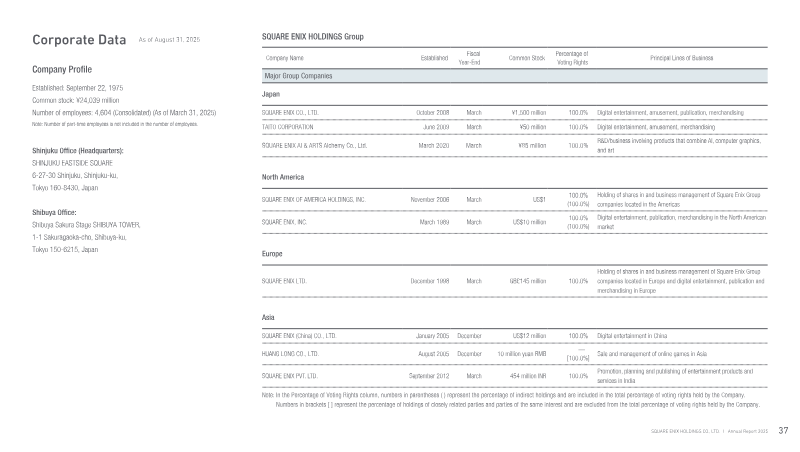
Square Enix · 2025

G5 Entertainment AB · 2025
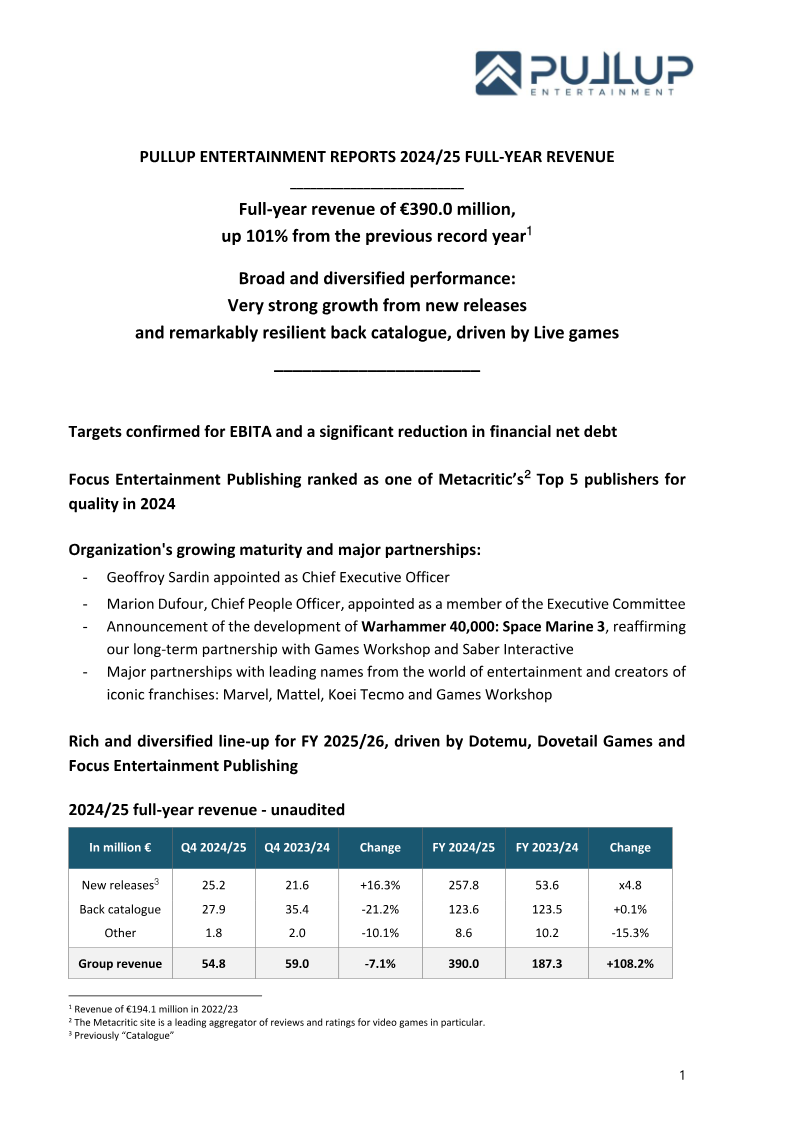
Pullup Entertainment · 2025
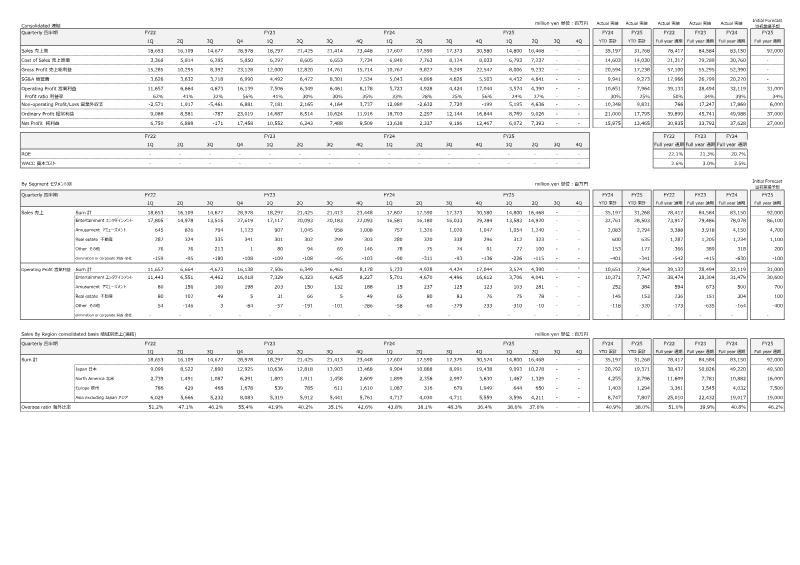
Koei Tecmo · 2025
Paradox Interactive · 2025
Thunderful · 2025
InvestGame · 2024

Koei Tecmo · 2024

Electronic Arts · 2024