The gaming industry’s merger‑and‑acquisition environment in 2024 evolved from primarily financial arbitrage toward transactions driven by clear strategic objectives. Activity levels remained above the pre‑COVID baseline, reflecting sustained confidence among investors and operators. A pronounced concentration on work‑for‑hire studios emerged, as larger entities sought to secure development capacity and intellectual‑property pipelines without the overhead of full‑scale studio ownership. The $2.8 billion acquisition of Keywords exemplifies this trend, illustrating how capital is being allocated to firms that can deliver immediate production capabilities and augment existing portfolios.
Geographically, the analysis spans all major gaming markets, encompassing North America, Europe, Asia‑Pacific and emerging regions, and it covers the full fiscal year of 2024 together with the fourth‑quarter snapshot. The scope includes console, PC, mobile, and cloud‑based segments, capturing a comprehensive view of deal flow across the sector’s diverse subsections. Findings indicate that strategic alignment—such as expanding genre expertise, entering new platforms, or consolidating talent—has become the primary catalyst for high‑value transactions, while pure financial speculation has receded.
Overall, the data suggest that the industry is consolidating around a model that prioritizes operational synergies and long‑term growth potential. This shift is likely to shape future investment patterns, with an emphasis on acquiring development capacity that can be rapidly deployed to meet evolving consumer demand and competitive pressures.

InvestGame · 2026
InvestGame · 2026

InvestGame · 2026
InvestGame · 2026
InvestGame · 2026

InvestGame · 2026

InvestGame · 2026
InvestGame · 2026

InvestGame · 2026

InvestGame · 2025
InvestGame · 2025
InvestGame · 2025
Thunderful · 2025
Koei Tecmo · 2024

Drake Star Partners · 2024
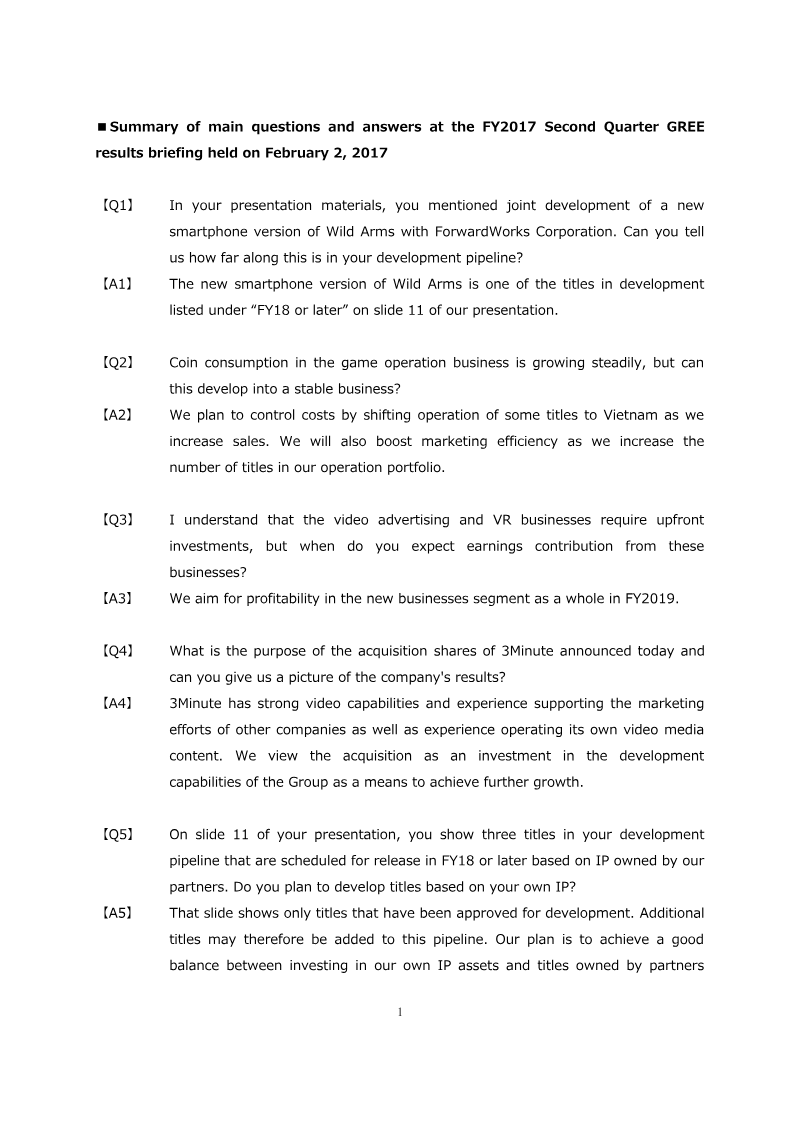
GREE · 2017

GREE · 2011

Koei Tecmo · 2010

Aream & Co · 2026
Drake Star Partners · 2026
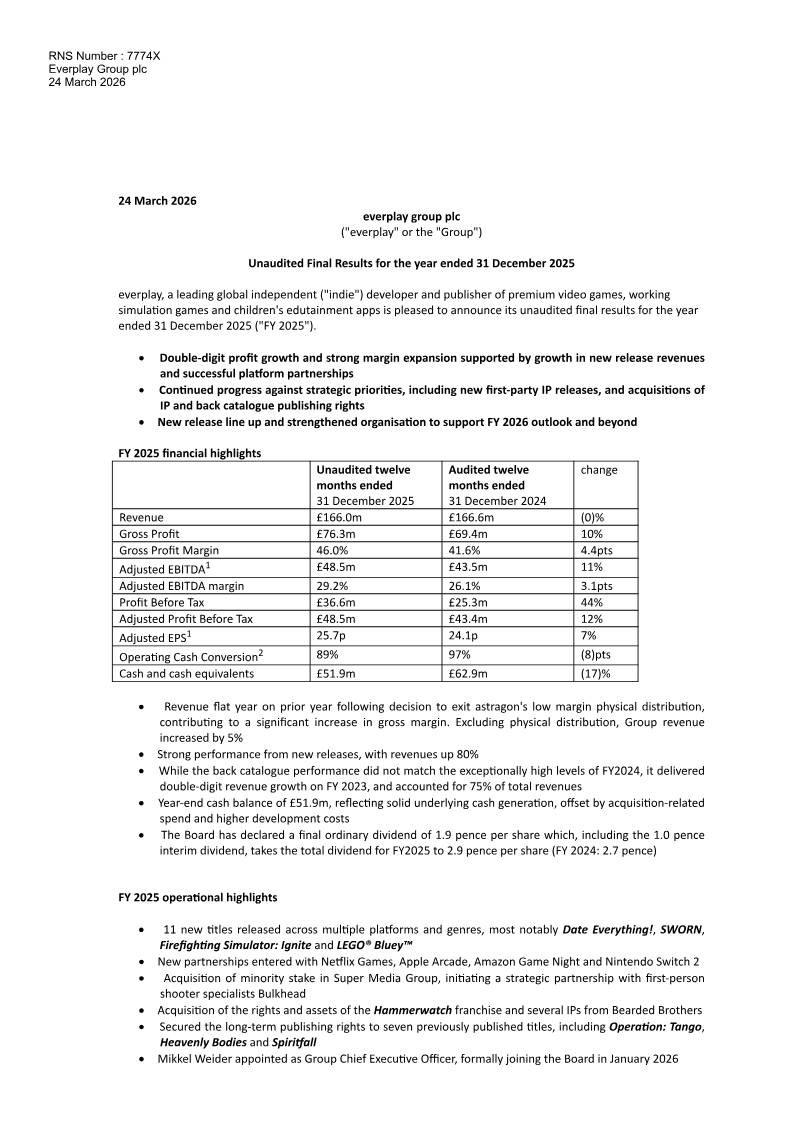
Everplay Group · 2026

Square Enix · 2026
Modern Times Group · 2026
Take-Two Interactive · 2026