More from ACM CHI PLAY
View all
Whitepaper
Understanding Adolescent Emotional Experiences During Gameplay: Insights from Participatory Design Workshops
University College London · 2026
Whitepaper
“I Would Not Be This Version of Myself Today”: Elaborating on the Effects of Eudaimonic Gaming Experiences
ACM CHI PLAY · 2025
Whitepaper
Looking through the Lens: Contextualizing and Operationalizing Design Recommendations
ACM CHI PLAY · 2025
Whitepaper
A Qualitative Exploration of How Children and Parents Experience and Structure Disengagement from Games
ACM CHI PLAY · 2025

Whitepaper
Playing Through Tough Times: Exploring the Relationship between Game Aspects and Coping Strategies
ACM CHI PLAY · 2024
Whitepaper
What a Stupid Way to Do Business: Older Adults' Perceptions of Deceptive Patterns
ACM CHI PLAY · 2024
Whitepaper
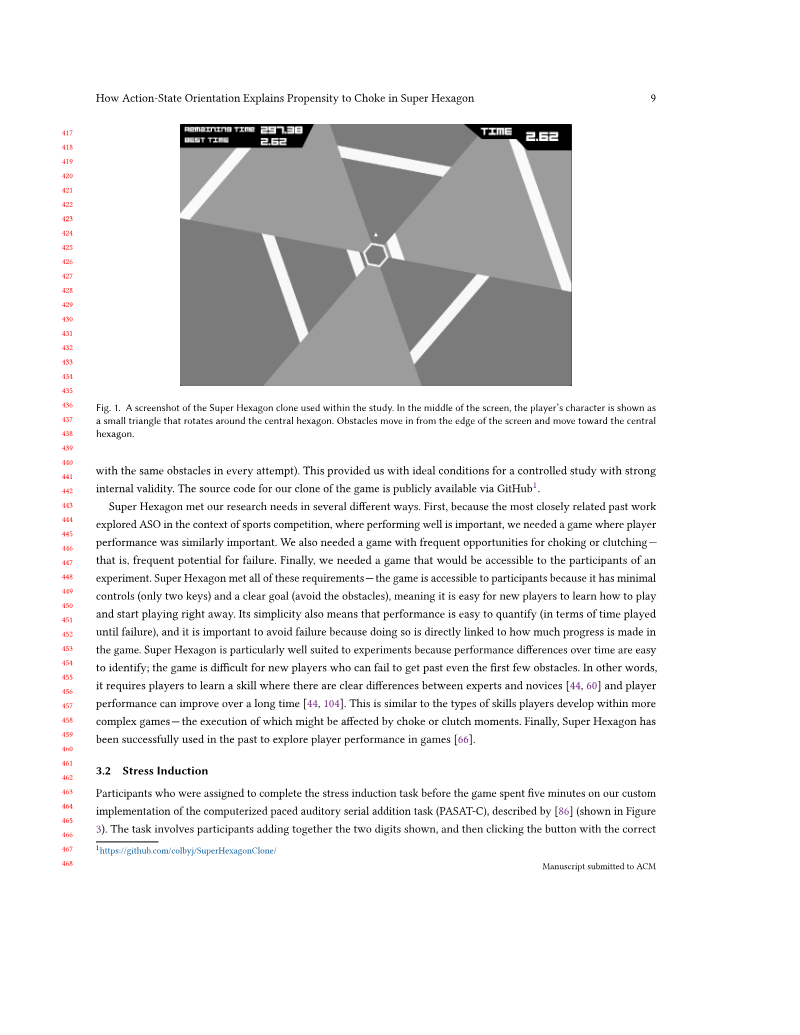
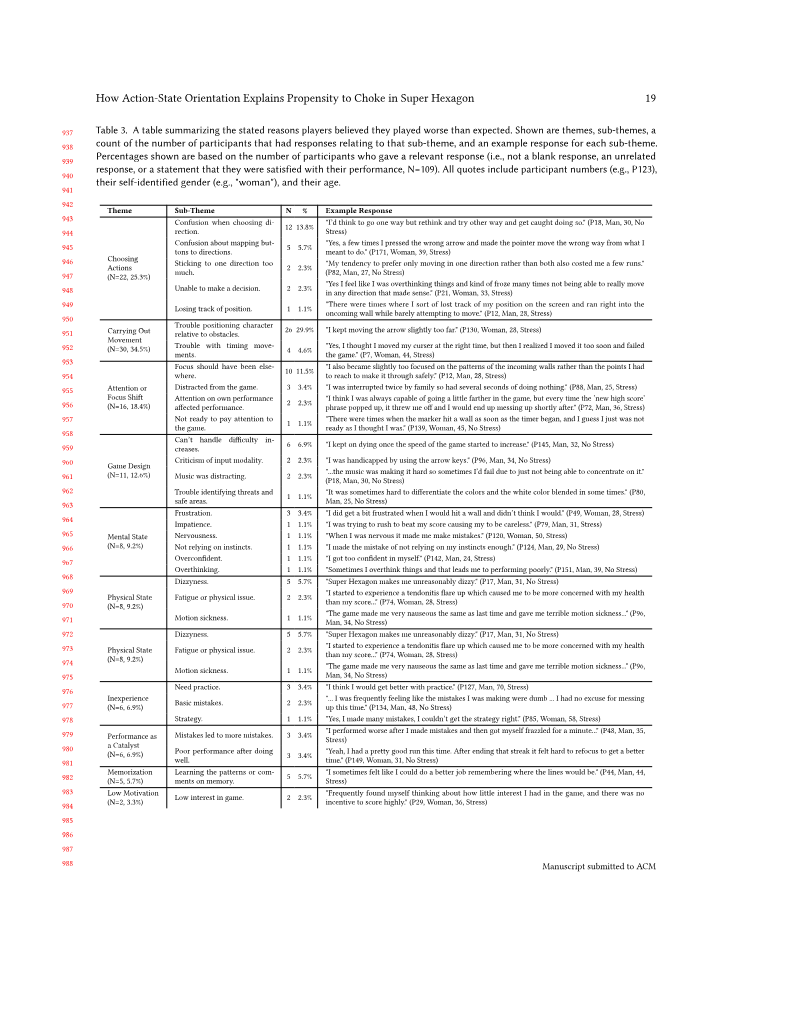
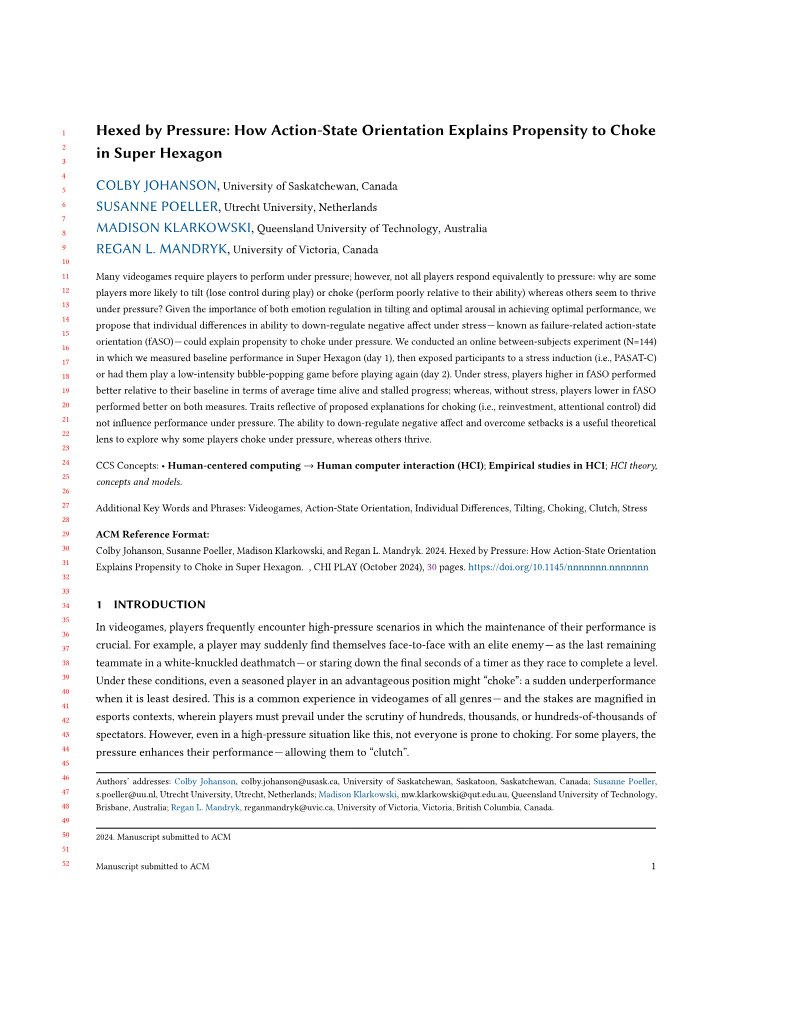
Hexed by Pressure: How Action-State Orientation Explains Propensity to Choke in Super Hexagon
ACM CHI PLAY · 2024
Whitepaper
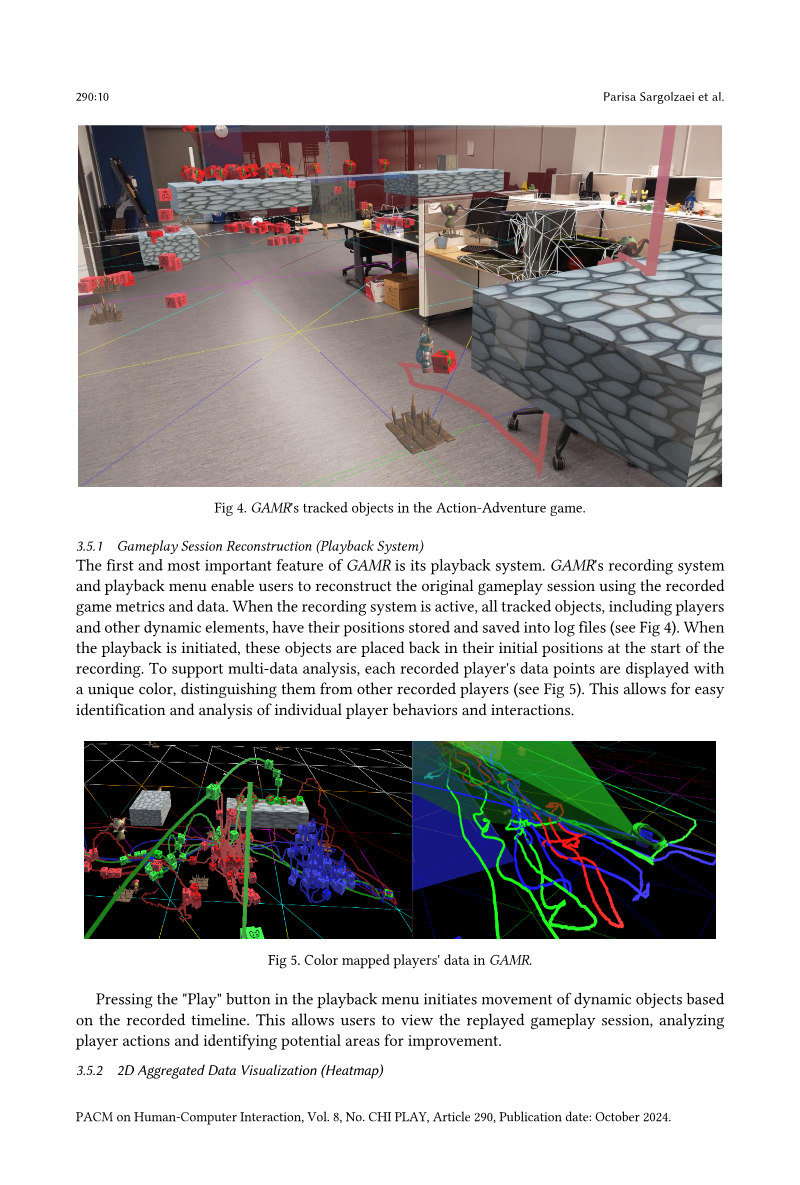
Advancing Mixed Reality Game Development: An Evaluation of a Visual Game Analytics Tool in Action-Adventure and FPS Genres
ACM CHI PLAY · 2024
Whitepaper
News Ninja: Gamified Annotation of Linguistic Bias in Online News
ACM CHI PLAY · 2024
Whitepaper
From Imagination to Innovation: Using Participatory Design Fiction to Envision the Future of Accessible Gaming Wearables
ACM CHI PLAY · 2024
Whitepaper
Juicy Audio: Audio Designers' Conceptualization of the Term in Video Games
ACM CHI PLAY · 2024
Whitepaper
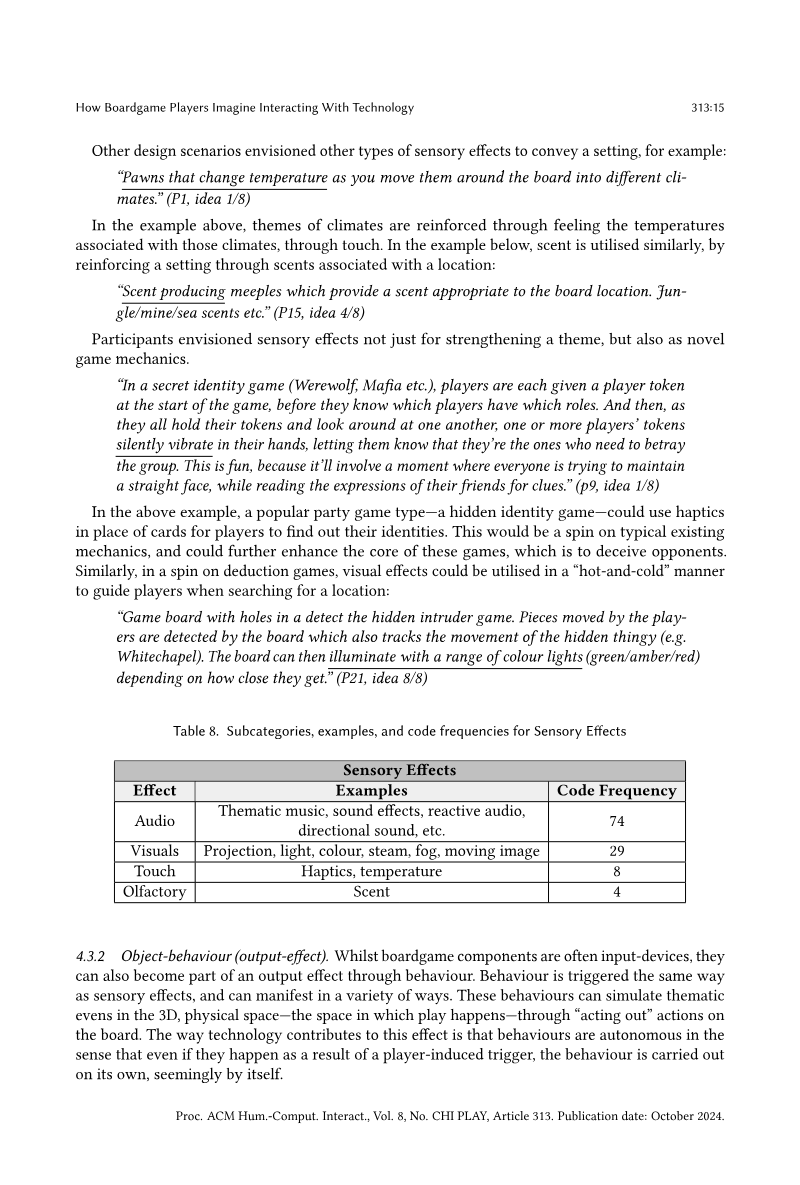
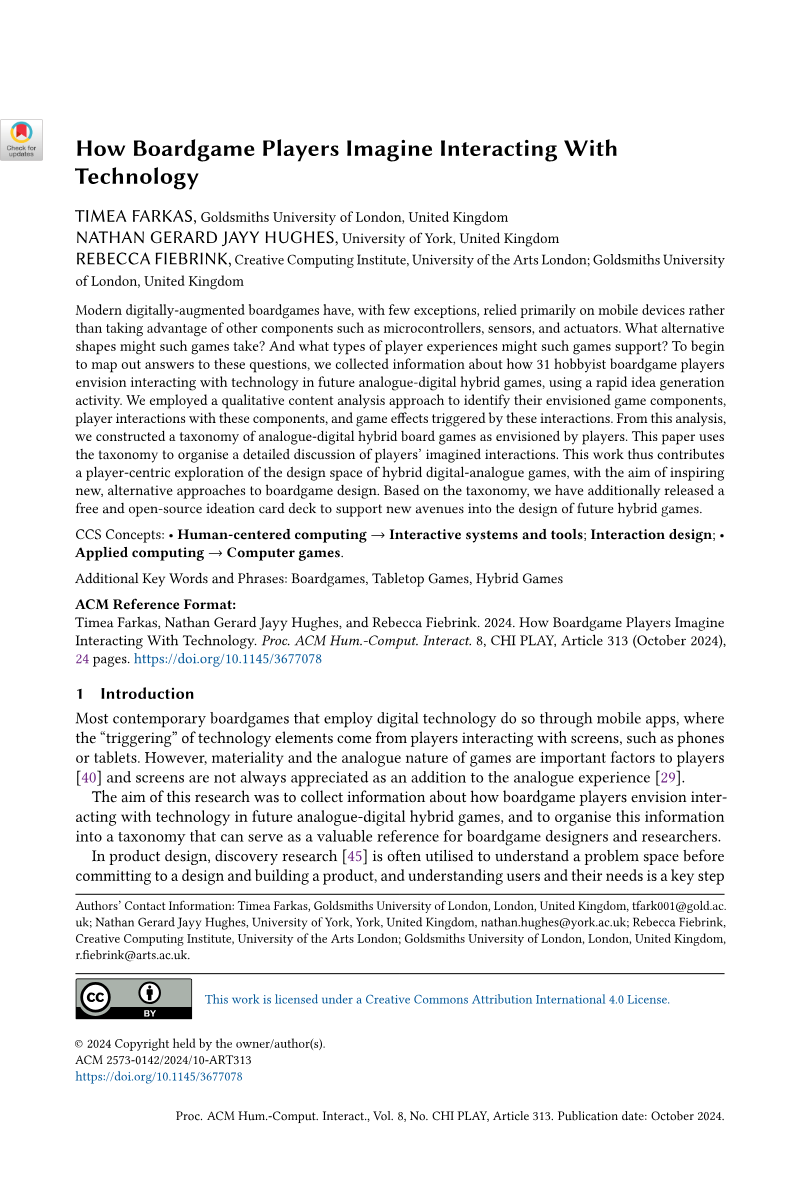
How Boardgame Players Imagine Interacting With Technology
ACM CHI PLAY · 2024