1 free read left. Create a free account for unlimited reading + AI research.
Create free account
Develop 2023 panel: what's next in mobile
Key insights
6 takeaways- 01The mobile gaming industry is shifting away from performance marketing toward organic discovery and community-led growth due to the reduced effectiveness of user acquisition following Apple’s App Tracking Transparency regulations.
- 02Developers are increasingly adopting cross-platform strategies by designing games for mobile, PC, and console simultaneously, rather than relying on late-stage ports, to ensure financial stability.
- 03Studios are mitigating the volatility of mobile-only revenue by integrating live-service models and alternative monetization tools, such as web-based shops.
- 04Ad performance metrics are now being used as a primary data source to inform core game design, narrative development, and concept testing.
- 05The industry is exploring new standards of transparency to verify human authorship, positioning handcrafted game assets as a premium quality in a market saturated by automated content.
- 06While AI is being utilized for internal production tasks like concepting and out-painting, studios are prioritizing human-led creative work as a premium, competitive differentiator.
Ask AI about this video
Transcript
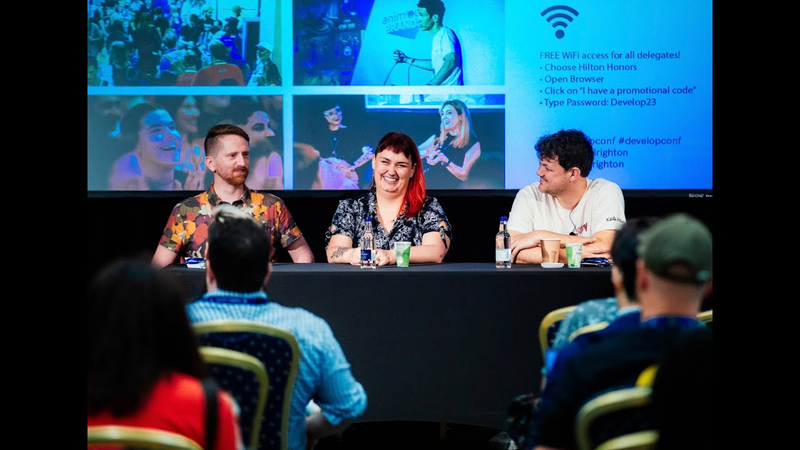
okay and and we're off hello welcome everyone um nicely packed room we have some uh journalists in the room uh games industry.biz uh our friends here uh so we're expecting a glowing write-up of this uh session um we're gonna be going for 45 minutes on the state of mobile I I'm told that uh one of your friends Ian uh said this could have been called the shocking state of mobile development but it's not going to be that Sensational it's going to be a very sensible and and wise conversation about what's going on in Mobile right now um maybe we'll start with introductions um Ian do you want to take it away and then we'll move across through the panel yeah sure my name's Ian Masters I'm the founder and CEO of afflict games we make
we make a solitaire game on mobile I um been in main games for about 22 years started as a programmer making PlayStation racing games um made my first mobile game in 2003. um it when when I was unemployed with a group of friends and it uh got nominated for a bafta against five really big Brands and I accidentally started my first games company and um so yeah 20 years later I feel a bit crazy when I tell people I'm obsessed with solitaire but it's really it's recall we we commission diverse artists from around the world to make really beautiful cards that players then collect collect in game so it's pretty good that's awesome I didn't know you've been in the industry for that long wow I started when I was 10. Alice Bowman mag interactive I'm the uh product lead on wordy specifically which is uh one of mag's word games um I've been in the industry for about nine years and um yeah before that I've
been at charmix games and netspeak King outplay a few other places um yeah I have only recently moved into the product side of things so this kind of strategizing and looking at kpis is relatively new to me I was uh previously in the design trenches uh before that so yeah cool I'm uh Danny gray I'm Chief creative officer at us two games so mostly known for Monument Valley more recently um we did a game called Destiny the memories between third Netflix and we did assemble with care and Alba Wildlife adventure for Apple arcade so yeah predominantly kind of subscription-based uh stuff at the minute and I should introduce myself shouldn't I uh I'm I'm Neil long I'm the founder of mobilegamer.biz um it's a mobile games industry website uh that I launched in March of last year so quite new on the scene um and uh this is my first uh Panela in
of any kind uh so so be gentle with me um we're going to start with uh discoverability uh which is a big issue in Mobile right now um post ATT um uh I I worked at Apple for a long time and uh they uh are sort of um kind of responsible for a lot of the woes people are seeing in in user acquisition um by kind of I mean directly uh Google also are clamping down a little bit in private in the Privacy uh space um so I wondered uh post ATT uh in in the modern landscape how are uh players discovering your games uh at the moment and and how is that different from Years Gone by I mean I can start if you want yeah um I mean we never lent that much into that side of things anyway so we were mainly known for premium games in the
past so a lot of our weight of discoverability went on either support from the big platform holders or it was traditional um PR and marketing like in the traditional sense of like magazines and journalistic outlets and everything else so yeah heavily reliant on Word of Mouth and platform support and that kind of hasn't changed like even now when we've transitioned into um subscription Services I'd say the one main thing that's changed is as other people have seen like any kind of featuring on any app stores is a fraction of what it used to be which used to be huge for us so yeah we're even more reliant on the platform holders back in our games we're just trying to make make waves ourselves so not that much has changed in the last 10 years for us really so maybe I'm a bit of an outlier on the on the table yeah I think maybe mag and and flicker kind of more UA uh dependent uh Studios could you maybe expand upon that definitely mag is um so we've been quite lucky in that we've not launched a game since the ATT
uh stuff has happened but I guess also that makes launching a game in this environment quite scary and unknown um the impact it's had on word see um has been pretty big uh I think yeah last year we were um we found a sweet spot with UA where we were able to um even without the targeting be able to bring in some users that were working very well for us um but there was sort of a limitation to that and we've almost kind of used up all of the users we're going to get from it so we've now scaled Daniela a bit or we're still experimenting and I think experimenting has really been the name of the game for our user Acquisitions Department because they're really just throwing a lot of things at the wall and seeing what sticks um and they're doing a great job of it but it is a time of just trying everything new because we're almost
having to just learn how to do it all over again and Ian you were saying that earlier in the in the in the lounge that um the shifting sort of landscape of UA might be a an opportunity for some in terms of moving back from that inorganic kind of Performance Marketing approach and moving into kind of more organic more traditional sort of ways of getting discovered yeah I think so I mean every every business in the world when it comes down to it is cost of customer acquisition and lifetime value how much you make from the customer and every business is that um but mobile because of you know to direct like per player attribution and knowing exactly how much a campaign is making it became everything just became like hyper hyper optimized towards certain design patterns and certain types of games you know build and battle and eventually you know hyper casual came out of that because it fits you know it found a niche and that
everything optimized towards and I think with um you know Social Casino and another one and I think with the the Privacy changes because those things are no longer possible my My Hope Is that um it it will it will bring about kind of new new designs that are successful and and won't just be the same the same games just optimized and optimized and optimized but there will be more opportunity for for creativity that that's what I would like to think whether that will happen and how long it will take to happen I don't don't know um I mean we we started uh our game launch three years ago so this was just pre-deprecation of idfa so we decided that we were just going to do UA on Android initially and not not on iOS because we would be able to retain those numbers for longer and and and and work on that and that's that's worked for us but we haven't been doing UA at scale it's really been about getting enough people in the funnel to drive the amount of data that we need for retention and
analytics while we while we continue to refine and improve the product but one of the things that's that's really helped us has been the Organics and particularly from from Google Play um and they I mean I don't know what you guys find but they they can change dramatically very quickly in One Direction or the other um so that's a big part of the battle is is constantly optimizing um optimizing screenshots and optimizing store descriptions and and trying to you know join these things up in the in the funnel as well but Organics can be amazing if you if you get them if you get them right no Alice I wondered uh if I could pick up on the point you were saying about throwing a lot of stuff at the wall uh maybe uh could you let us in uh sort of maybe explain a few things that have worked and a few things that haven't in terms of sort of acquiring new users in in the current landscape yeah sure so we find um we found that obviously you're
looking at different creative campaigns as well and testing different ads against each other to see what's best then you sort of end up with your benchmark and everything else gets measured against that um but also with just moving around the campaigns and targeting different users and things like that has has been a real part of the experimentation um and some of the platforms that we were advertising on it's just turned out to not be worth it for us so we've really had to refine that as well um I think with mags games in particular um what we've been trying to do with our user acquisition is focus on users that we can retain for a long time and get a lot of value from which is a slightly more premium sort of UA approach than what most casual games would go for like I think that um you know bigger scale games would just be looking at the sheer amount of users you can get in and then optimizing from there but the number like getting
it as high as possible would be the main thing whereas I think we're happy to take a lower number of users as long as we know that they're going to stay for longer and um and spend yeah yeah and um I wonder if there's more of a move to kind of optimize the players you have without sounding too brutal about it uh optimize what you have rather than launch a new game a few months ago um one of the biggest stories on my site in the last few months is is platika saying that they're not going to launch any new games until the marketing landscape improves um so I wondered if the if you guys are kind of uh shifting your focus more on the players you have rather than acquiring new ones yeah I think Mag is doing a bit of both so I can't talk about any of the new stuff but there is stuff being worked on um and that if we get to a position where we can launch a game we will go
for it even in the environment that it is now um but at the same time we've got a lot of strong games and and the company's been around for a long time so we've got these user bases that we acquired when it was a more favorable climate and we want to try and hold on to them so we're really looking at how we can look after our users and particularly the more like valuable ones that we've sort of segmented to see how we can improve their player experience so yeah live Ops and uh just trying to take care of them as much as possible is very important to us yeah and um how about other other sort of ways of getting discovered are you are you dancing on Tick Tock are you uh using Discord Community Based um uh means of Discovery to to reach players that you might not have found before yeah so so so we've um you know we've commissioned diverse impact Independent Artists from from across the world for since since you know the last the last three years we now at 43 and we um we've
always been super artist friendly so we we pay artists artists keep their IP we get a license for the game um and then we promote the artists in the game their their socials their shops and social media um everything so so we've actually now started approaching uh kind of big artists with big social followings so the last four artists we signed all head over uh over a million followers um and so and they are now promoting the game as as part as part of the deal so we're we're trying that the last artist we signed um Cyanide and Happiness does anyone know yeah them okay so a lot I get a few people nods and a lot of people don't because they just don't know the name but probably everybody does and yeah so that that's great they've done a they've done a tasteful nudes card deck which is just yeah amazing so hopefully that'll be really good for us tasteful nudes tasteful nude nice try it on Tick Tock it'll blow up I'm sure um uh Danny where are you finding your
your players we're trying like it's it's a it's a big change for us like as I said um platform-wise there's there's potentially kind of less support than they used to be so we are trying to get more into the the social aspect of things uh I always feel a bit weird getting hold of The Tick Tock that's why you've got to employ young people right uh to help let you know how to access people but yeah it's definitely because of the kind of scale we're talking about it is less of a focus potentially than if we were doing something that was like hundreds of millions of people you know yeah for sure so right a powerful like hiring people who use the platform or who are part of the community are trying to talk to is actually really really valuable um because I wouldn't know where to start I mean I used Tick Tock but I don't use it in the way yeah I'm not gonna go on and just go hey kids yeah right now it can be great to have a community manager who's actually familiar with those spaces yeah for sure I've been asked to people say I should uh promote myself I don't think anyone wants that um yeah let's let's move on uh from
discoverability to uh going cross-platform um I think uh increasingly mobile being uh tough uh right now uh mobile game developers are are moving on to PC moving on to uh web games in a lot of respects uh sort of browser games um and trying out uh uh you know all sorts of sort of interesting new avenues to uh mitigate for the sort of drop in revenue on on mobile through in-app purchase and and and ads so um I know uh both of you guys oh well Ian and Danny both of your games are so what both of you have sort of transformed from mobile only developers into PC could you tell us about uh what sort of prompted that transition and and some of the sort of do's and don'ts uh for anyone in the room who might be yeah yeah I'll go it's um I mean from the mobile perspective we always kind of felt like we had a bit more of a home towards the PC and
console audience than the super casual audience on mobile so it was a bit more of a natural transition so we started it with putting um I think Alba was the first um steam launch that we did and part of the reason for that is as we've moved towards um subscription-based games we obviously have the benefit of the security of being on those platforms financially but in comparison to when we were launching Monument Valley one on the App Store we're not exposed to that kind of upside in the way that we used to be right like we can we can be secure and we can have development fees paid for and all that kind of stuff but you know how are we going to get another game that's still paying the bills eight years later which is the the Holy Grail of what we want right like we need to be able to we launched five games we want one of them to be quite big and we want four of them to kind of be a bit so-so so it kind of like forced our hands a little bit to kind of expand the number of people who are going to play the games because again subscription platforms are not the same size of user base that we used to have either right very very kind of young stage platforms so yeah we wanted
to be able to expand the kind of number of people that were appealing to but also expose ourselves to a little bit more of that Financial upside the difficult thing with it has been um part of our design Focus so if we are we try and be the most platform perfect like touch screen game and small form factor game the more we go down that path the harder and harder it's going to be to adapt that to a larger screen and a completely different piece of Hardware that people interact with in different ways so trying to bridge that Gap is proven a little bit difficult um I think that in some ways the last game we launched Esther I feel like not only were we aiming for um three different Platforms in Mobile and PC and console it's always just aiming for three different types of people right who want different things and I think at times I let too much of what those three audiences get in my head and maybe made a few too many sacrifices instead of being hyper focused on exactly who the game was going to be for so I think that that's a risk that we've definitely definitely learned from and I think an important kind of lesson I've learned as well is
not talking about things as ports like a good multi-platform game is one that's been designed as a multi-platform game from the beginning so that we can avoid a lot of those design mistakes so instead of going all the way down the mobile path and going hey how does this work on PC really trying to from the get-go through our development Gates figure out exactly how it's going to work on all three of those things from jump not just you know six months before launch so the biggest things we've tried to learn yeah Financial upside audience size but also trying to make sure that we design for all those platforms from the beginning and could you tell us a little bit um sticking with you um about working with Netflix and apple um the platforms that you're working with right now and any any do's and don'ts for for working with those guys we're definitely um really really close with both platform holders um it's been amazing to see how much they're both committing to these things uh when it comes to designing say a pitch for a subscription-based game I think really it's about trying to
really trying to be honest about what that Niche is there's no point in making something for a subscription platform that would exist as a free to pay title on the App Store Right equally there's no point in doing something that would be better as a PC console game first description based platform it's about doing something that's still for that form factor that interaction scheme but also a more casual audience as well so be trying to be able to do something that still requires um retention-based design to a certain extent um but yeah really trying to nail something that fits in that middle ground between um casual and PC console is like the number one thing I I wish that there were more across both platforms I wish that there was a bigger emphasis on on short form content I'm always going to say that right because the things we've traditionally made um sometimes I feel there's two a bit too much of a leaning towards games that last forever I think I would I would I would hate for the idea of casual based short form games to disappear we see those things um persist on PC and console but there's a whole area of games that kind of of
dying a little bit on mobile that makes me immensely sad so you know still pushing for a lot of those things to exist on subscription-based platforms but yeah just be honest about what it is don't just try and do a free spy game of God you know it'd be great some really secured Revenue let's pitch this as a subscription okay I I think um just to add to that point I have actually noticed a few uh titles that have gone into arcade and Netflix that were yeah in soft launch free free to play games that were in soft launch maybe weren't doing the business um apple and Netflix came along put it on there in their catalog they had a period in there getting you know some solid revenue and that they're actually a lot of them are actually back out on the in the wild yeah App Store um so you can I mean if if you have a soft launch game that isn't quite working and kind of would fit into Apple arcade and Netflix maybe don't don't rule out entirely yeah but I think like what those platforms are really looking for
is is um particularly apple is sort of family focused and branded stuff Netflix is kind of cooler more Indie uh stuff as well as um established sort of Ip and it's also yeah it's a great way to develop your own IP in that way as well right like you've got a secure place to develop something from the ground up there's no reason why you can't do another version of that game or a sequel or as you said take it back off it's a really sure thing to do something with security right yeah I think those um those deals are a little bit more flexible than they once were so when when both platforms first were first introduced were they were quite sort of strict on exclusivity and things like that so it is a little bit more flexible if you want to work with those platforms um uh let's talk about Alternatives uh so browser games YouTube playables is is apparently a thing according to some reports and Alternate app stores have any of you looked into those as alternative sort of revenue streams because I know uh to go back to play
ticker again um they're they're going straight to Consumer with a lot of their games so they're they're sort of skipping in-app purchase and getting their most dedicated players to sign in through a webshop and they skip the 30 um so uh that is increasingly an important sort of way to do business in Mobile I don't know if any of you guys have explored those alternative options and any thoughts on YouTube playables it's not something I've explored at mag but at previous companies um yeah YouTube playables and Tick Tock playables have been something that's been looked into um and I think it's an interesting space I think like even using that almost as your UA to get people to actually then be directed towards the game is a really interesting angle but I think in terms of profitability there's a more Standalone thing you know you're not really going to get the same like scalability as you would do with a
like full game um at least in how it seems to me um yeah yeah I I I just happened to come across some of those playable games on Tick Tock one evening and they are all um hyper casual games that have been sort of ported over so I think that might be I know we don't have any hyper casual guys on the panel today but um I think that might be a good Avenue for anyone in hyper casual as as that market contracts as well uh moving into browser games and YouTube playables and Tick Tock uh whatever Tick Tock is calling it's game stuff uh that might be a good Avenue for those guys um Ian I know that you've uh you're you're sort of going outside in-app purchasing ads with uh nft functionality as well uh I don't know if you want to talk about that um yeah yeah sure it's uh we we make a again that's all about collection of art so for us that that entities like um you know limited editions for for
players to collect is a very natural fit for us we we have we haven't done it yet and we will we will only you know we will only do it when when the time is right you know we we could have probably exploited that a year or so ago um and we we didn't because it's not it's not what we're about but um I think it's something that can that can benefit players and artists and us but we'll we'll only do it when you know when everything lines up and it's the and it's the right time but we also don't really see it as as a huge Revenue generator in fact we see it mostly As engagement and you know people enjoying collecting the limited edition cards you know feeling ownership of them having meaningful ownership of them and sure trading them and it might create some variety but it's not you know I think um the number's just done at that for it to be you know a game-changing way to monetize the game I think it's it's great it Edition and nfts are a good um
technical solution to that but that's what it should be seen as another another tool in the in the stack building a good a good game first before considering anything yeah Yeah Yeah from uh talking to some uh game developers who have uh put nft stuff in their games um I think that first wave of like mad hype from sort of this time last year mainly from investors and people in that space uh has kind of gone away and now the more slightly more sensible uh grounded work is happening where uh you know hyper engaged players often very high Spenders they do want to buy nfts in in those games they play every day and it's another um it's really interesting talking to kind of in investors in the space because previously because we didn't have a token and there wasn't like a quick way out to them we would have not interested in them at all and since then
those that I've spoken to they understand that you know we're building a you know we're committed to one game and building a business it's about art and collection now all of a sudden that's that that's you know much much more interesting to them which is uh which which is positive but you know and you know we're not gonna take that take that money until we're sure it's the the right thing for the the community and the artists yeah and I think we touched up on sort of long long term engagement a little bit earlier with live Ops and and talking around that um I think um just to sort of look at it the opposite way um do you feel like there are ways that PC and console game developers could learn from from sort of how we operate in Mobile which is sort of almost like everything is a live service game and and everything is about uh keeping people playing and offering it constant sort of incentives to to keep doing that I think a an example from my website a couple of weeks ago um is
sort of comparing uh four guys and stumble guys uh so like four guys came out um incredible success on PlayStation Plus um but I'm not sure if it sort of persisted as a live service and then uh meanwhile on mobile stumble guys incredibly similar game uh but has like a much more uh much great much better developed live Ops service and battle pass and so on uh so I wondered if there are sort of ticks and trips ticks tips and tricks tripping up on tips and tricks there um uh that you might be able to offer to PC and console uh as as uh developers as as the sort of barriers fall down between map between mobile PC and console yeah I mean I think that games as a service is you know much bigger than just mobile and um you can kind of see a lot of games that particularly franchises that that
have multiple games or uh installation packs I'm thinking of the Sims as a really good example of this they have a live content team that they've been recruiting for and I think that when you look at that job advert you can see where they're actually taking some lessons from mobile games and other games as a service where um you know they're giving free content to the community to retain them across a longer life cycle and to get them to buy those installation packs and keep playing The Sims to get them ready for The Sims 5 and keep playing The Sims they just want to make sure they're still engaged and that sort of you know goal makes a lot of sense for any company that you know either is subscription based and they want you to be paying a subscription still you know months down the line or that's going to be giving out a lot of installations in DLC and things like that you know anything that um basically wants to keep the community engaged sure and you and you have sort of weekly
content drops in in inflict Solitaire is that right how is that sort of working for you um monthly so we need a new deck goes in right roughly every month um and that's a that's a big thing to chat about which is great and there's a lot of you know players looking for you know looking for the next new deck um we we do things like you know every Friday it's uh tank flick it's Friday and uh you get double rewards on a Friday and and it's interesting to see when you look at analytics of you know Friday is always a bit higher in terms of time time spent and things like that so but we're we're still pretty um basic in what we do kind of live live live Ops wise and um Desta is is kind of I think when we spoke end of last year maybe around the launch of that game uh it was kind of Builders us two's kind of first foray into live service or or this kind of levels the first time we had regular 10 post launch instead of it
being a fire and forget game so I mean even for us it's been a really good learning experience we managed to um deliver new level content every two weeks which is unheard of for us considering we ship forgotten Shores for Monument Valley one like 11 months after the game came out right like it takes a long time to make content so yeah it was a really good kind of half step to us like we we weren't very responsive like we had to front load so much of the content development that we weren't really responding to how players were playing the game so much we got a little bit at launch but we had to get so ahead of the content pipeline that we weren't as responsible as we'd like but it's a good learning process for us and a couple of the games we've got in development now are leaning even a little bit more into that but we've got a lot of learning too it's kind of like kind of like what you said about not not jumping into something too fast for us it's it's going to be really important to you how do we keep hold of the kind of content we love to make which is Meaningful and emotional and feels handcrafted and and has a lot of thought put into it whilst
delivering regular content for people it's I think it's going to take us a couple of years to get right but we're trying we we've had a bit of a change of mindset recently because we're we're such a small team you know you're you know the The Cliff face is here and you're just trying to get the next build done and getting you know whatever's next on the list and we've had a bit of a change of mindset to think about um features for for new players you know the optimizing you know first-time user experience and then you know that first week of experience and kind of separating those from the features that benefit kind of the longer term Community who've been with this longer and and quality of life because there was there was a period of a couple of months where we were just focused on the new players and you know and we realized you know there's all these things that are on the list and some of them are quite easy wins for you know existing long-term devoted players that we we need to be doing taste some of these with every with every build that we do so we've kind of we're trying to balance those a bit more carefully now
great and so we're at half an hour so uh I'm gonna wrap up ish with a few final kind of uh what's next uh I know it's tough out there um it feels like oh that's all I've been writing about the last six months is how Bleak it is um but um maybe uh each of you could give us uh like uh one reason to be cheerful or one big Trend that you see coming up I know it seems it seems like a big Downer right but the end of the day we all get to make games a lot of people don't get to say that right and that's amazing and it's beautiful so even though things might be a little bit bad we're very very lucky as well right I think that to be fair the ones that are uh miserable are the ones who bet their entire company on Performance Marketing um so you know it balances out um so maybe maybe uh maybe you could give us a sort of Trend you see coming down the line or or a
a new way of uh thinking about mobile games that uh gives us reason for for being optimistic I think one of the really exciting things is that now that we can't Target who's seeing our adverts we're getting a really diverse player base and um you know there's like the the negatives around that from the fact that we can't monetize as well and you know all the business case but it also means we've got more different types of people playing our games which means we're going to make more varied more exciting types of games to cater to that bigger audience um I think that's great personally um and yeah I think in terms of Trends I can see a lot of companies doing this already and I think more will where your next game design features or your next um like story changes are going to be based off of what's performing well in adverts where the creatives are leading like the ad creatives are leading what choices you're actually
making in the game so that's one that I predict cool great um I think to to your point about the um yeah the targeting because it's not possible to Target you know whales awful word in in the same way you know how about you know we just um figure out ways to monetize everybody fairly and gently and then ways that they're happy with and not you know have such uh predatory tactics that we we've seen in the industry so I think that that's positive for sure um I would I would pull it back to cross-platform I know you said like you know what's good what's gonna be good for mobile but you know I think we're going we're going across platform and and it's I don't think it it solves any problems I think it just creates more but it does it does create more opportunities to be to be discovered and to have you know to have that to have that luck that you need to accompany all of the hard work that goes into these things so the the moral of the story is make a
cool game release it on as many platforms as possible cross your fingers profit exactly um great uh thanks everyone um I think we have a few minutes for questions if anyone has questions and is Brave enough to to grill the panel the journalists don't have any questions thank you sir um yeah anyway it doesn't matter um yeah thank you for the talk um my questions directed towards Alice you mentioned something about the future Trend I was just trying to catch hold of it can you explain it a little bit further about what you mean by that yeah sure so I think already started to see a little bit is for instance advertising campaigns that show pulled the pin minigames and then when those adverts
perform really well people actually then take that game design into their game and I think that originally that wasn't necessarily the intention with those mini game adverts I think it was more this ad let's try it oh it's performing well and then people got mad about it not being actually in the game then they decided to put it in the game the game performs better so I think the trend is going to be the people will be looking to add campaigns to see what the player appetite is there for do you mean people creating the ad for the game is created kind of like is a preview of what the game could be rather than creating the game first and then advertising it afterwards you can actually do it both ways so I was talking more in terms of live game making updates to that live game based off of the adverts but it's actually also very common for mobile games to also have um different adverts that are testing out their concepts for new games so if you're trying to decide what Story theme
to have you might have a fantasy version of a match 3 game and a Sci-Fi version of a match shoe game and see what gets the most click-throughs and the lowest CPI and things like that okay thank you well there's a just to expand on that there's a couple of uh examples out there on the store on the app store right now where yeah the the the sort of first five minutes of the game is effectively the advert often uh like dog character where you build a thing and the bees attack it you might have seen this um and then uh five minutes in it's actually a card battler um and um that that kind of UA hook goes away and you've been and now you're in you're into the game and uh uh as uh wildly cynical as that approach uh appears to be it obviously works otherwise people wouldn't be doing it um that's kind of gone away a little bit I think uh some of the ad platforms are clap clamping down on misleading ads a little
bit more um but yeah I like you say I there are lots of Studios out there who uh mock up uh pretend games do some testing on social media networks and then follow what the numbers tell them from there so yeah I think that is quite a quite a common practice for for some mobile game developers hello hello so you guys were mentioning that there are like a lot of uh games that are going from mobile into PC and you were saying is mostly for web browser type of games but I noticed that for example when you talk about PC PC gaming you have a steam and when you check games in this team that look a bit like mobile there seems to be like a bit of animosity from the community there
so do you have any recommendations for when you put a mobile game on PC to make it look less mobile or on the other way around you know if how to convince those users that if you want to play that game in PCS are still good because I had the theory that some of those users are still playing on on PC and mobile at the same time but it seems like when they see a mobile game on PC they don't like it so any thoughts on that yeah yeah I can go um yeah people hate it right like I mean you know what a lot of PC gamers are like they have that kind of elitist mentality to what they want to play I think there's a couple of bits one um scale your UI appropriately because people as soon as they see a screenshot and it looks like the UI is designed for a small scale device it's an immediate no-go for some people um again trying to pick an art direction that doesn't necessarily lean into realism right trying to be something that is adaptable and leans more into
its artistic direction that can work on both kind of lower powered mobile but also PC as well um trying one big mistake we made recently is not adapting things like our store copy and screenshots to a PC audience we just copied wholesale from a lot of the mobile stuff that was a big mistake right um we got feedback from some people just being like listen you guys have got way too many pastel colors for a steam game in your in your screenshot selection right um also we were leading uh we were leading with a non-binary protagonist as part of the lead as well we got feedback to maybe Nestle that further down the um store description as well in certain ways so yeah I think it's a case of adapting UI adapting art Direction and make it it's an obvious one but making sure we're tailoring all of our assets and store copy to different audiences that's really sad yeah I mean I I ask different people our initial store Page at launch wasn't performing amazingly well for dester so I got into contact with you know
probably like five other Studio heads that make similar style mobile games of whilst from cross-platform stuff um and yeah I said listen give me give me your honest brutal feedback about some of this stuff and we really had to reorder how we talk about things and the types of screenshots we we use which I know is probably obvious in hindsight but I think at the end of the day the primary demographic of of steam is mostly you know middle class white males within a certain age range right who had relatively conservative in the grand scheme of things of course there's niches for other indie games but that's the that's the book of the audience right right if there are no more questions I was going to ask the panel um I don't know if we have any more time but um I published a story about a studio that's kind of implemented AI tools into its production process uh today um and uh you know AI is very Buzzy in terms in the investor Community right now um so I I wondered if uh any of your
teams have used AI in your production schedules if you've played around with it where do you see it fitting into to mobile game development you know we're we're again it's all about art and artists and promoting Independent Artists um but we do we do a little bit so so so so we're planning a Kickstarter in in a few months where we're printing like mini versions of decks now when you send something to to be printed it gets cut out so actually the cards that we have I'll need expanding so they can be trimmed so the obvious answer to that is AI out painting where we can you know automatically extend the artist's existing design um well that's AI image image generation right um is that is that okay I think it is I mean I'll probably get in touch with the artist and say do you want to really extend this yourself so we can trim it
off with the printers or can we use the AI for that um we've done some AI creatives for user acquisition um to you know concept scenarios that we think might get people's attention and drive and drive players um and they've performed well initially they performed well and the conversion for the ads was was really good but to the point about you know fake ads you know actually we got lower quality players that's such a horrible term but anyone in Mobile like low quality players just means they're not as good a match for your game they don't retain as well um so so because they didn't know what the game was and they clicked through because they saw a puppy playing a game or something right they they they're not as interested in your game in the first place so you get you get people who are more likely to leave so we're not using those at the moment yeah my team were only using it for sort of internally concepting things not for any of our content that's going out to
players um and I guess personally having been on like the content creation game design side of things I I don't know have really mixed feelings about it like it's here and people are using it and so you either go along with that or fall behind but I think it's a shame particularly for juniors in the industry that this is the way things are moving for Content because a lot of these content roles are how people get their first job in the industry I I mean I I can see a future where lots of mobile games sort of extended live Ops and events set schedules are kind of semi-automated through AI um it's not quite here yet but um it's coming maybe this time next year it will be robots on stage who knows we're trying to write some kind of internal policy like guideline stuff around things really yeah just just because people keep asking we keep having conversations about it internally about
and you know you end up with people on different ends of the Spectrum which is like we all use tools already that optimize our work in a certain way and you get people on the other end of the spectrum who are like no I'm an artist and I definitely don't want anything like this to happen and we do kind of need to make a statement like a lot of people end up working for us because of values so we do owe it to the employees to actually make a stand on where we think we should we should fall on it so yeah yeah I guess when it comes to attracting employees and retaining employees I wouldn't be surprised if we soon start seeing companies not using AI as a list of benefits yeah it's the same way right like like we end up being a listed B Corp because it's a set of values that we adhere to that makes us a more attractive employer right so yeah I would probably say some people would do that yeah I I think for anyone in the creative industries that making it clear that you're a human creating a thing is is going to become even more important and and uh sort of uh that there's a certain look that AI generated art has anyway and you can
kind of see it right now as it improves that will go away but um I think for now uh it's um it's good to make it clear that a human made this and um but how the hell do you prove that because I failed a lot of those tests back really maybe we can say handcrafted and it actually means something now yeah as opposed to organic fluff before yeah you'll have to just film a time lapse of you making the thing uh oh God we've opened a can of worms that's a good uh time to end I think uh with the worms spilled and writhing on the floor and not lovely image to finish on as well um thank you uh to the panelists if everyone could just uh give them a lovely Round of Applause [Applause] and thank you thank you Tech Team um thanks everyone goodbye thank you
[Music]
Summary
The mobile gaming industry is currently undergoing a fundamental transformation as traditional user acquisition models falter in the wake of stringent privacy regulations like Apple’s App Tracking Transparency. With performance marketing becoming less effective, studios are pivoting toward organic discovery, community-led growth, and long-term retention strategies. This shift necessitates a move away from hyper-optimized inorganic growth toward creative experimentation and the cultivation of loyal player bases that can sustain titles beyond initial launch windows.
To ensure financial stability, developers are increasingly adopting cross-platform strategies that span mobile, PC, and console environments. Success in this landscape requires designing games for multiple platforms from the outset rather than relying on late-stage ports, ensuring that user interfaces and art directions are tailored to specific audience expectations. This diversification is further supported by the integration of live-service models and alternative monetization tools, such as web-based shops, which help mitigate the volatility of mobile-only revenue streams.
Data-driven development has become a cornerstone of this new approach, with ad performance metrics now directly informing game design, narrative choices, and concept testing. While artificial intelligence is being utilized for internal production tasks like concepting and out-painting, the industry remains cautious regarding its long-term impact on junior talent and player engagement. Many studios are prioritizing human-led creative work as a distinct competitive advantage, even exploring methods to verify human authorship. As automated content proliferates, the industry is beginning to view the handcrafted nature of games as a premium quality, potentially requiring new standards of transparency to differentiate human-made assets in an increasingly crowded digital marketplace.