Loading the document
More on Serious Games
View all
Whitepaper
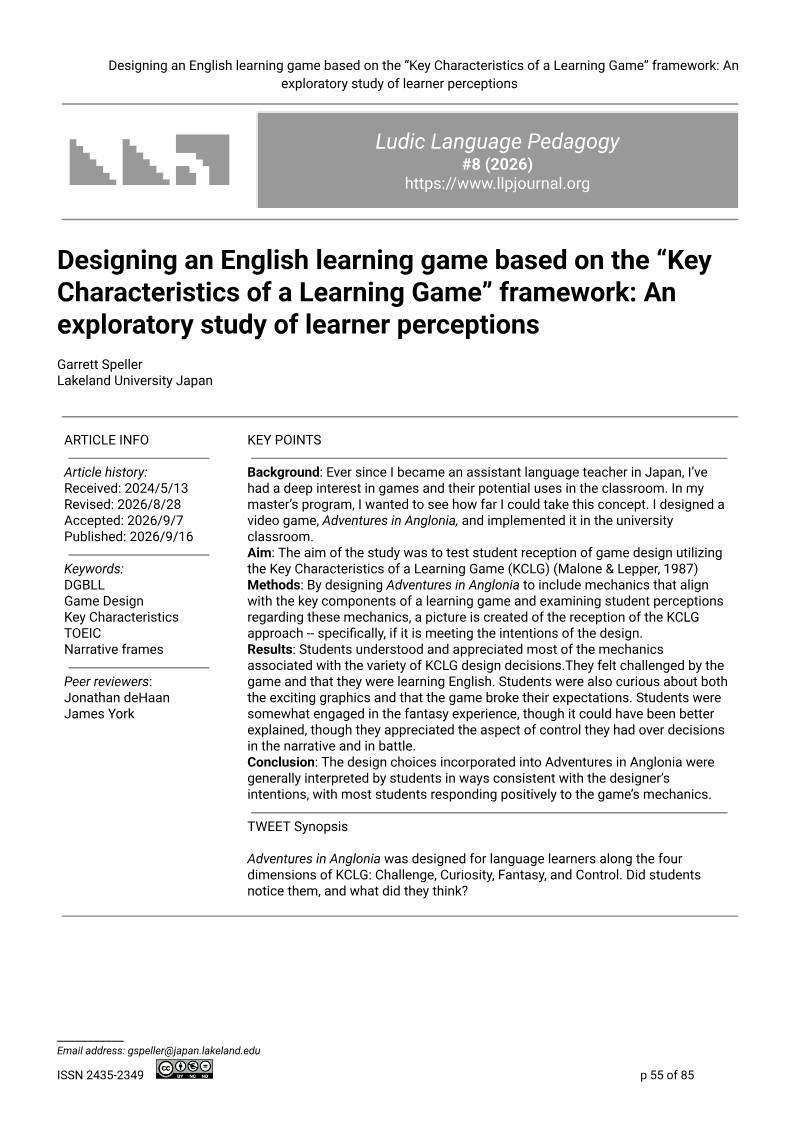
Designing an English Learning Game Based on the 'Key Characteristics of a Learning Game' Framework: An Exploratory Study of Learner Perceptions
Ludic Language Pedagogy · 2026
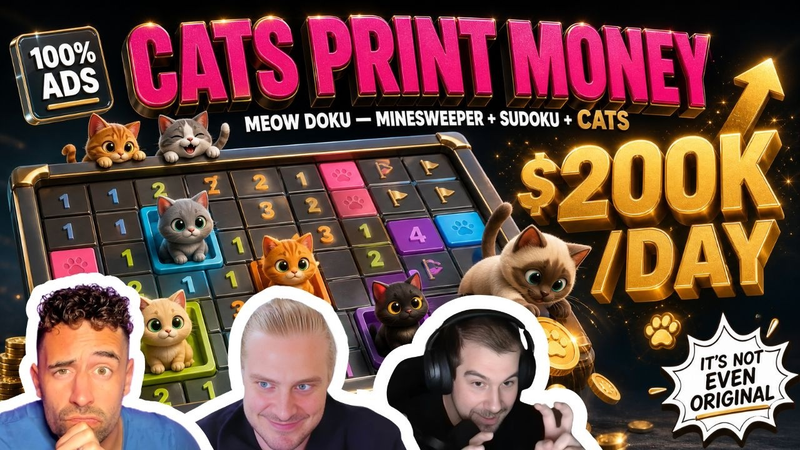
Two & a Half Gamers
🐱 Meowdoku case study: Minesweeper + Cats + Sudoku. Take a 40-Year-Old Game, Add Cats, Make Millions
Two & a Half Gamers · 2026
Presentation
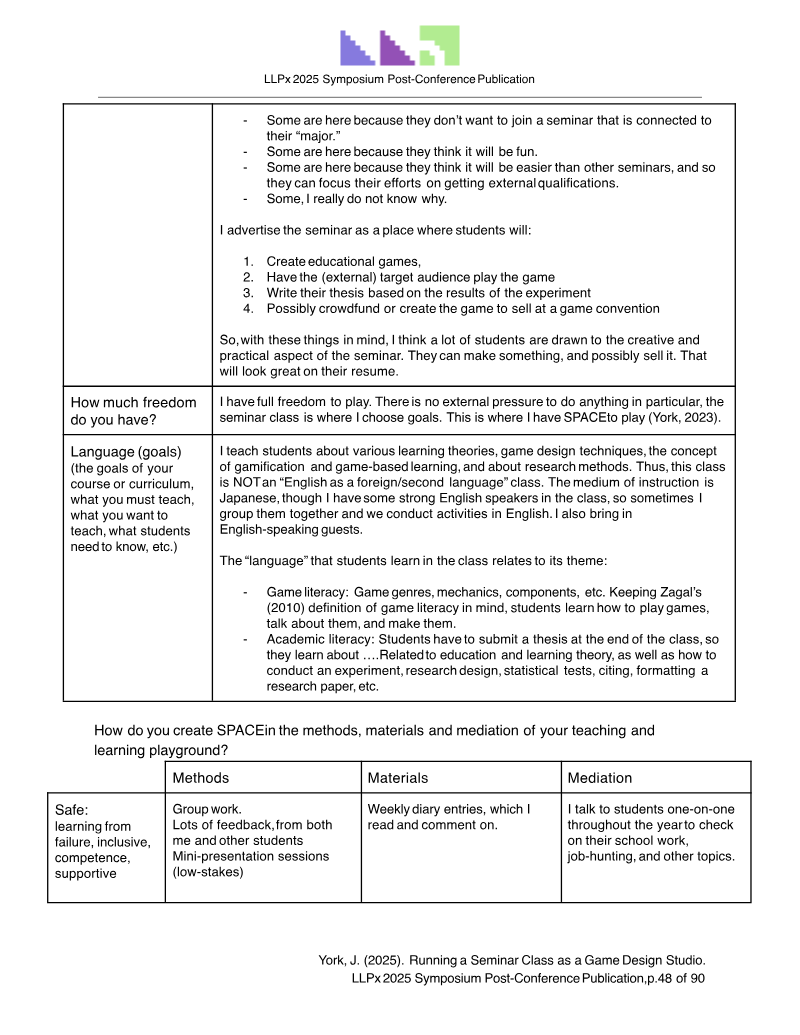
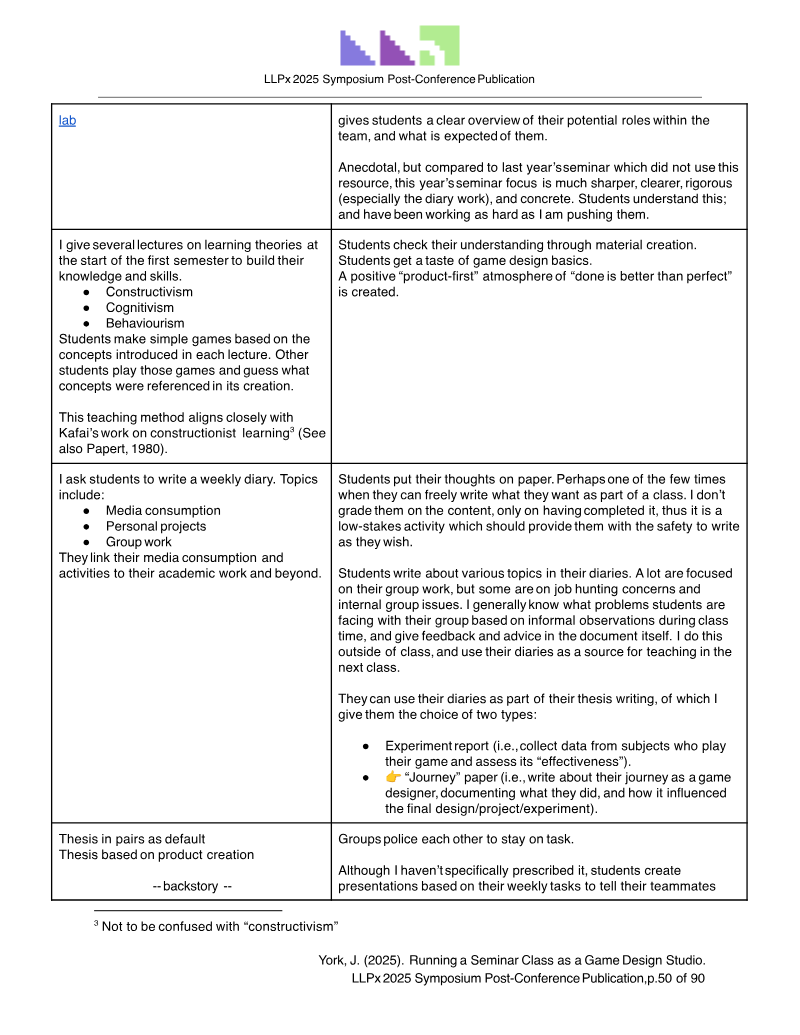
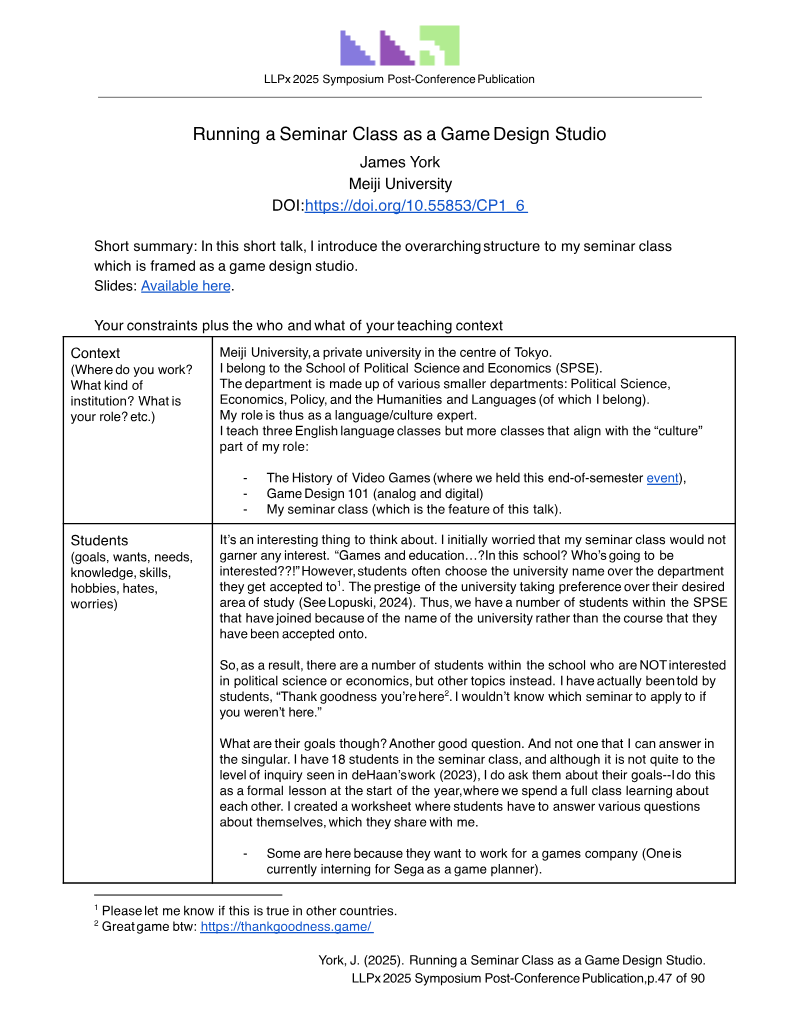
Running a Seminar Class as a Game Design Studio
Ludic Language Pedagogy · 2025
Whitepaper
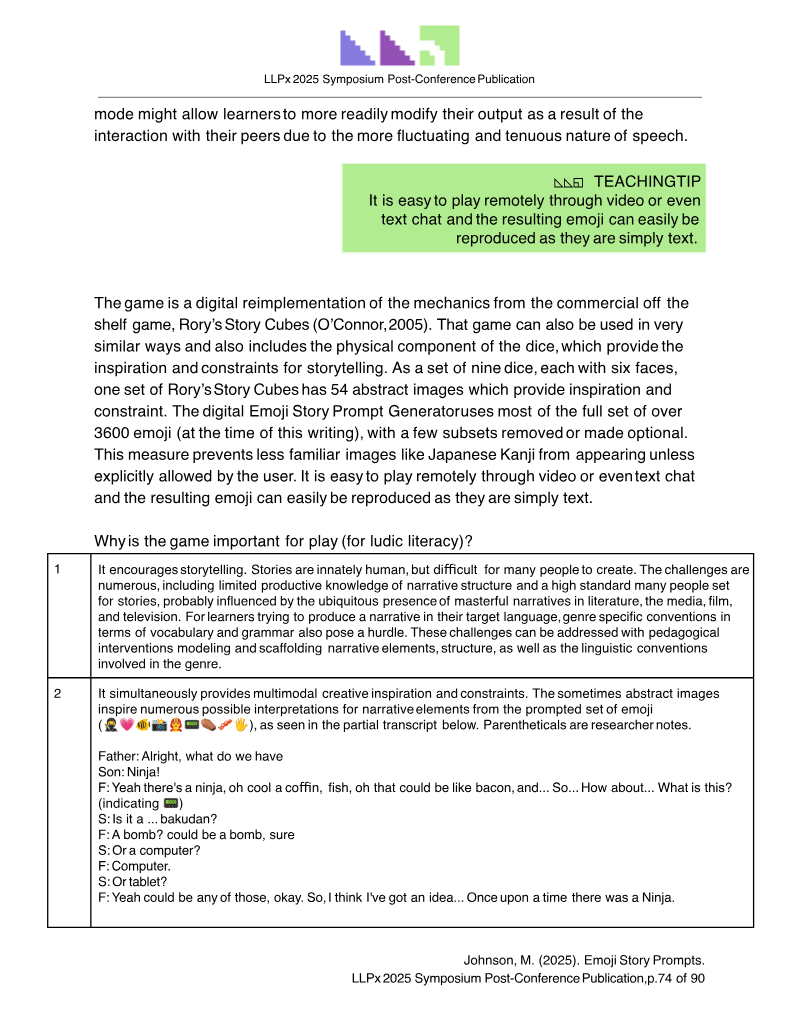
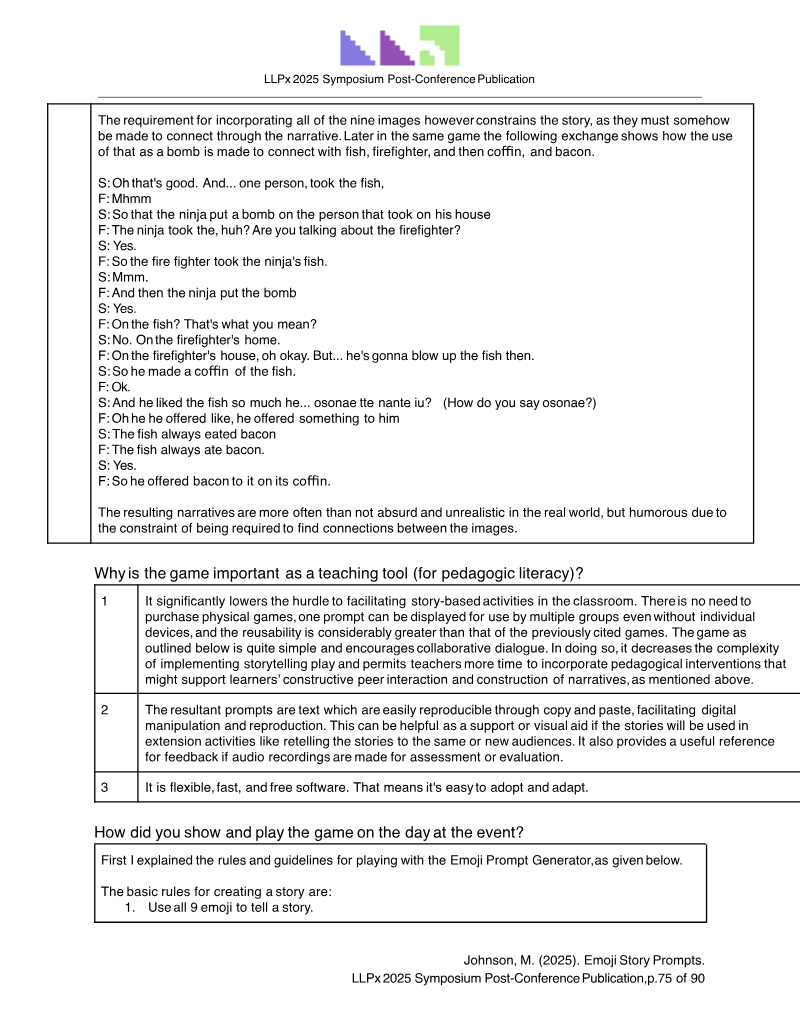
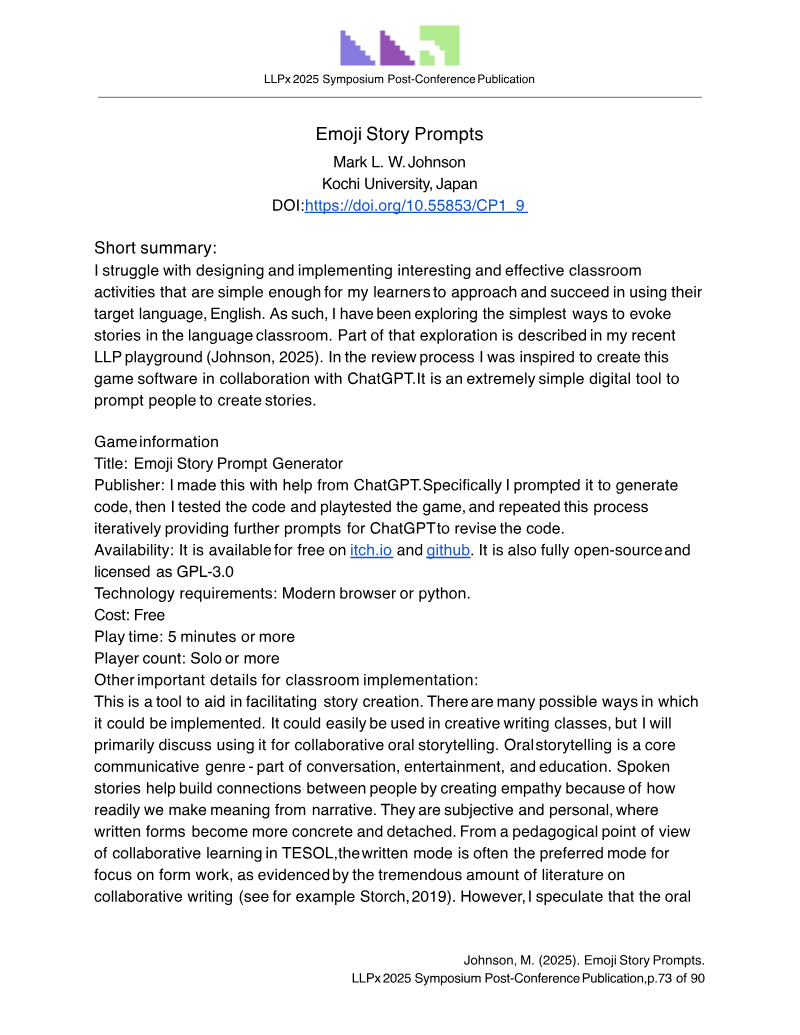
Emoji Story Prompts: LLPx 2025 Symposium Post-Conference Publication
Ludic Language Pedagogy · 2025

Whitepaper
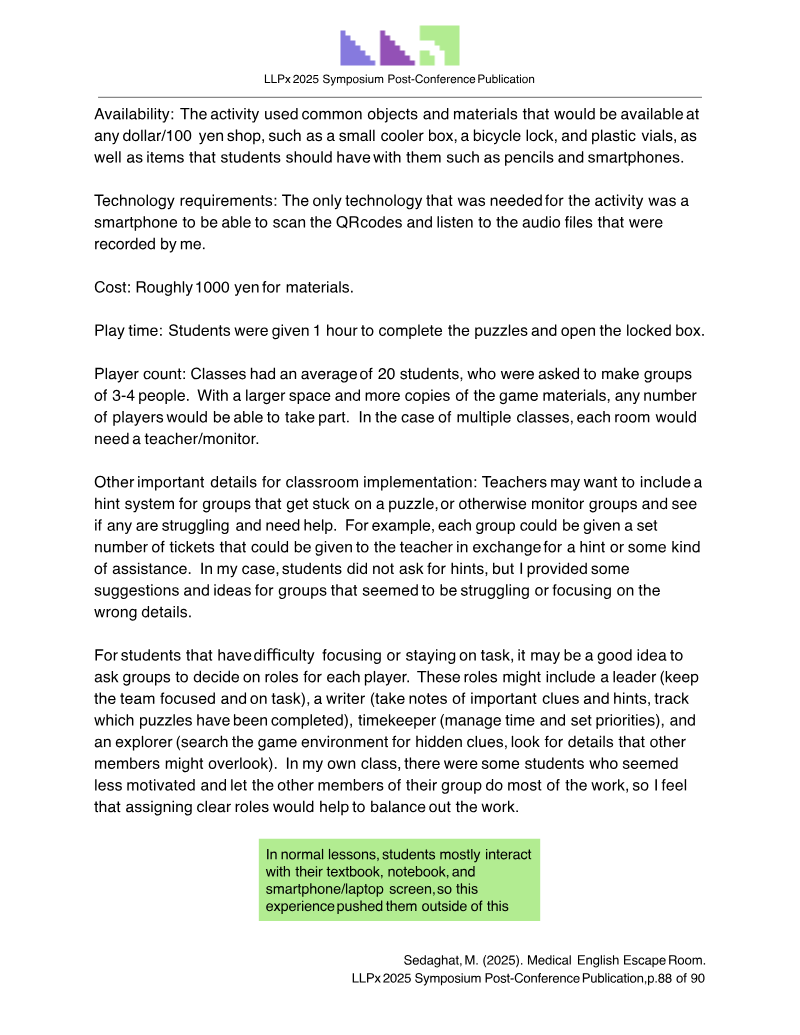
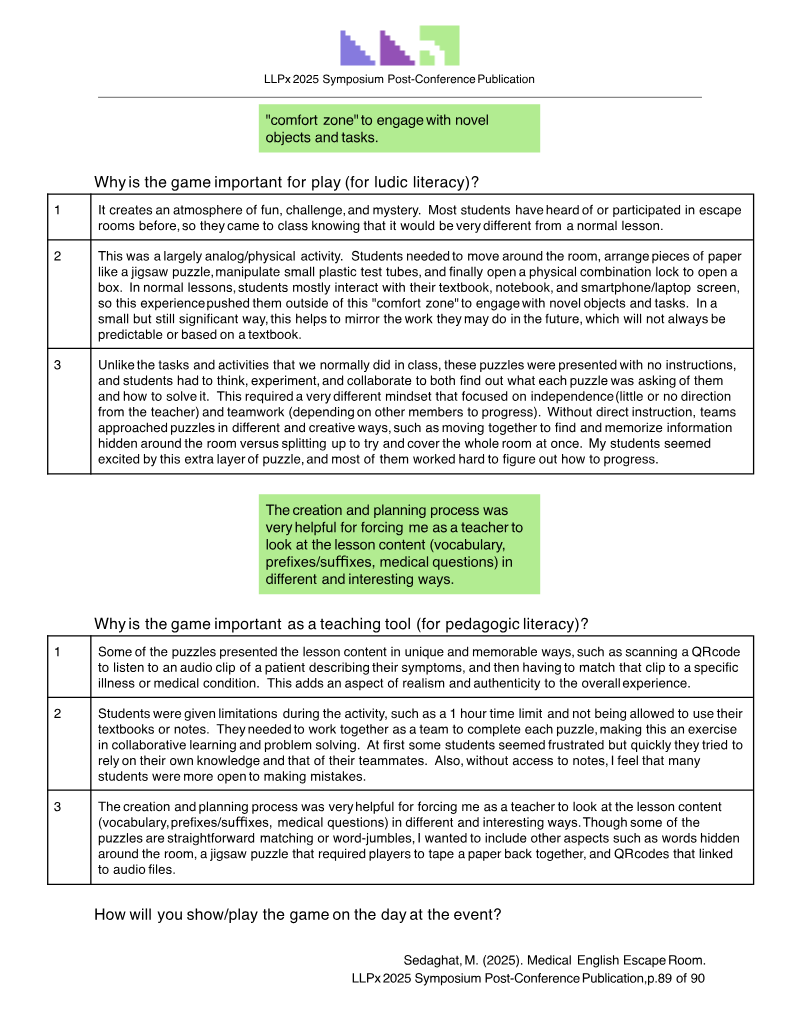
Medical English Escape Room
Ludic Language Pedagogy · 2025
Whitepaper
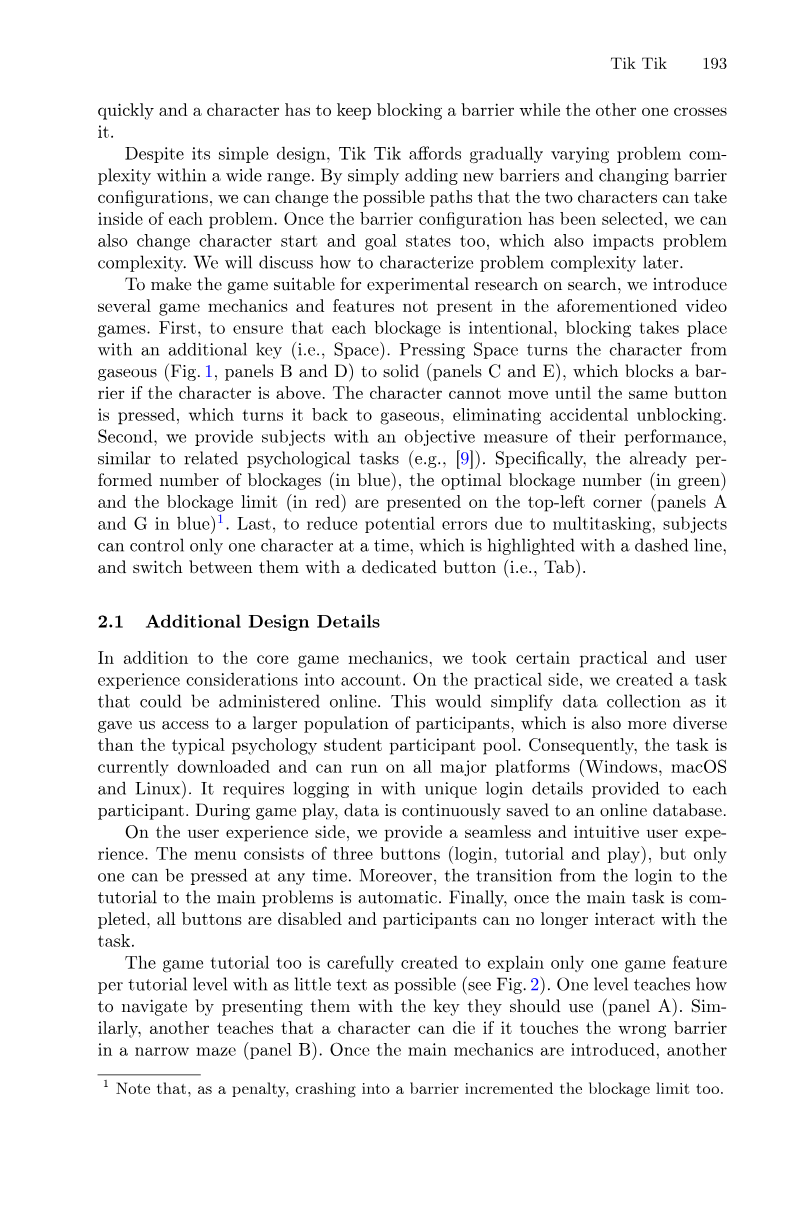
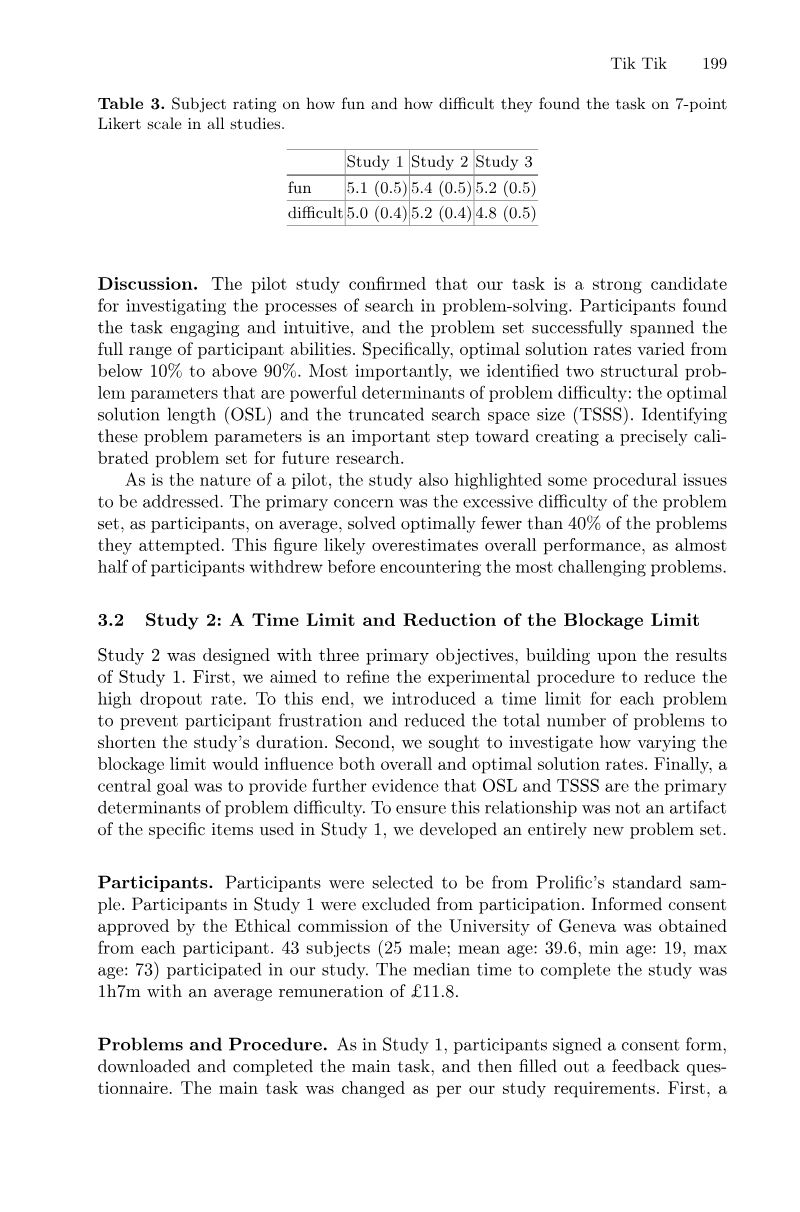
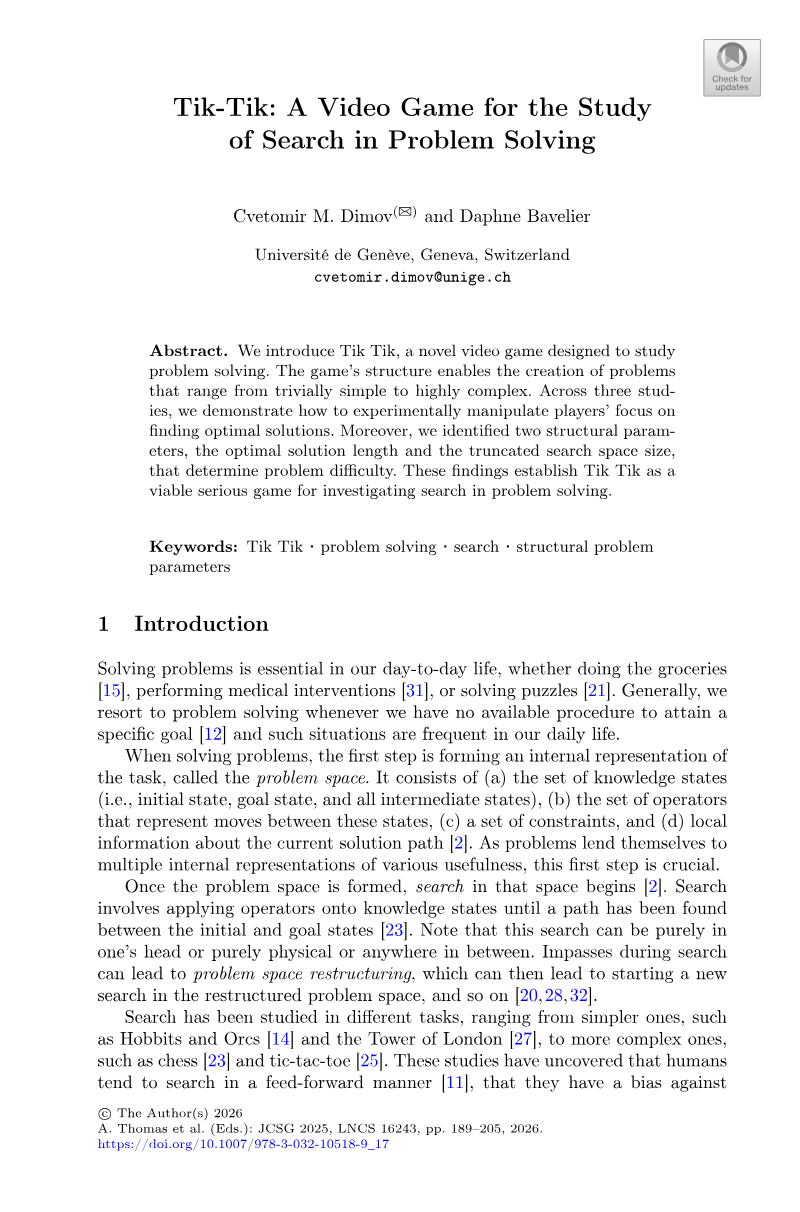
Tik-Tik: A Video Game for the Study of Search in Problem Solving
Joint International Conference on Serious Games (JCSG) · 2025

Whitepaper
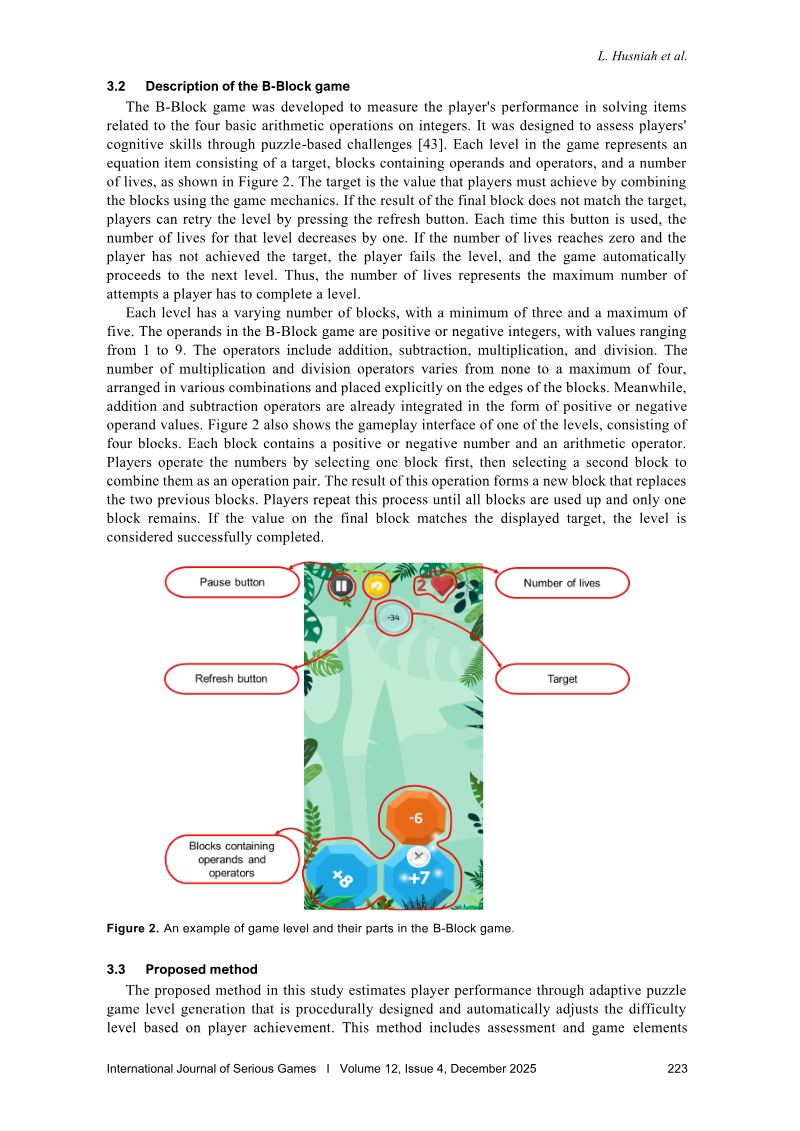
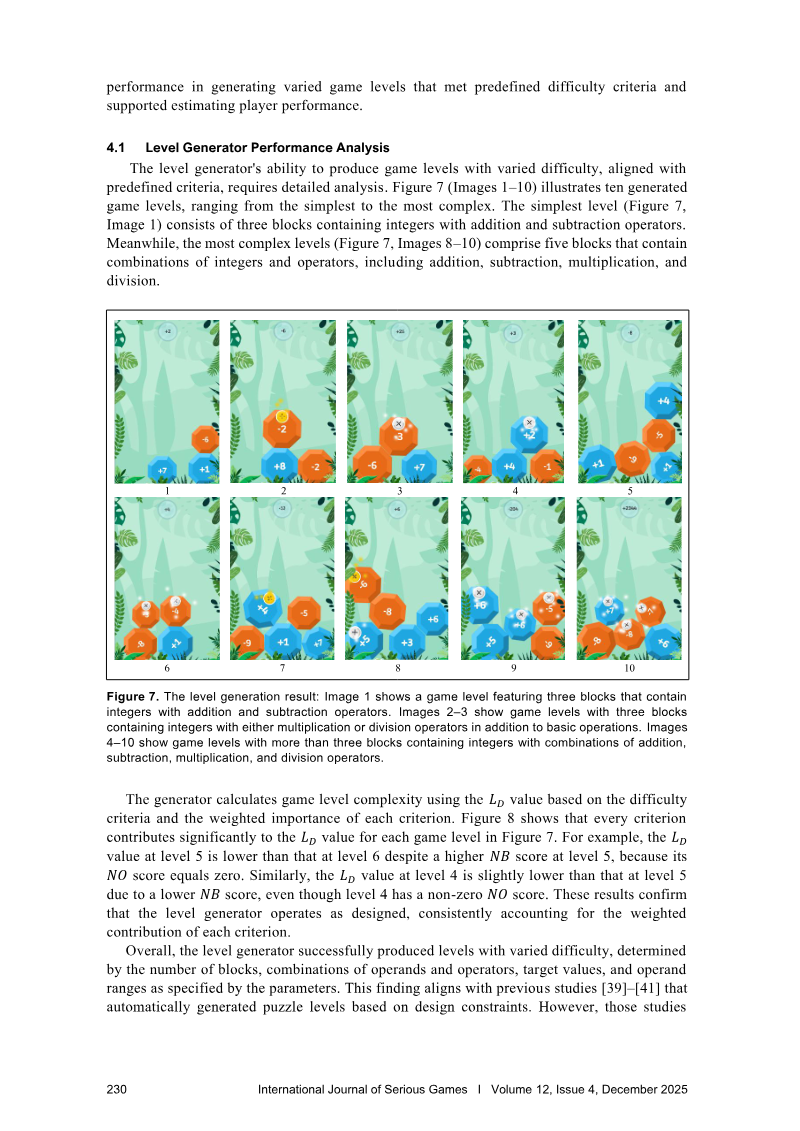
Player Performance Estimation Through Adaptive Puzzle Levels Generation in Game-Based Assessment
Serious Games Society · 2025

Whitepaper
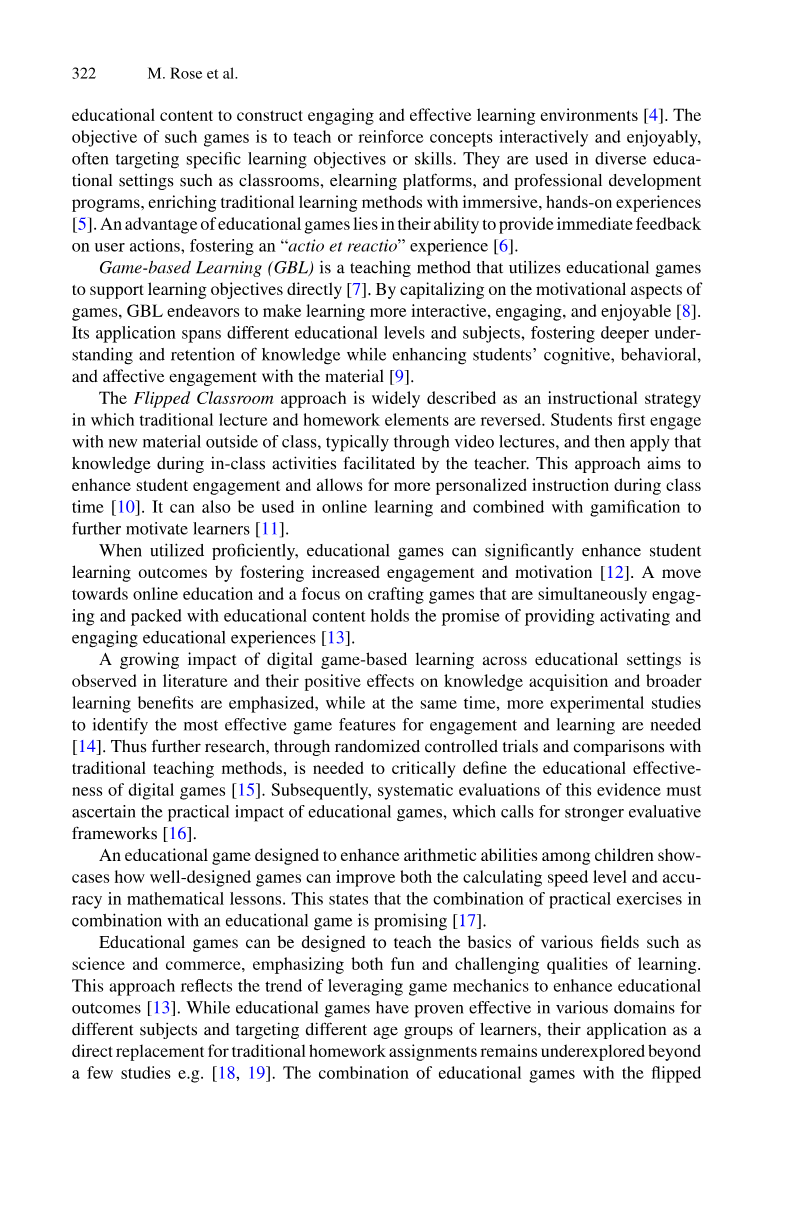
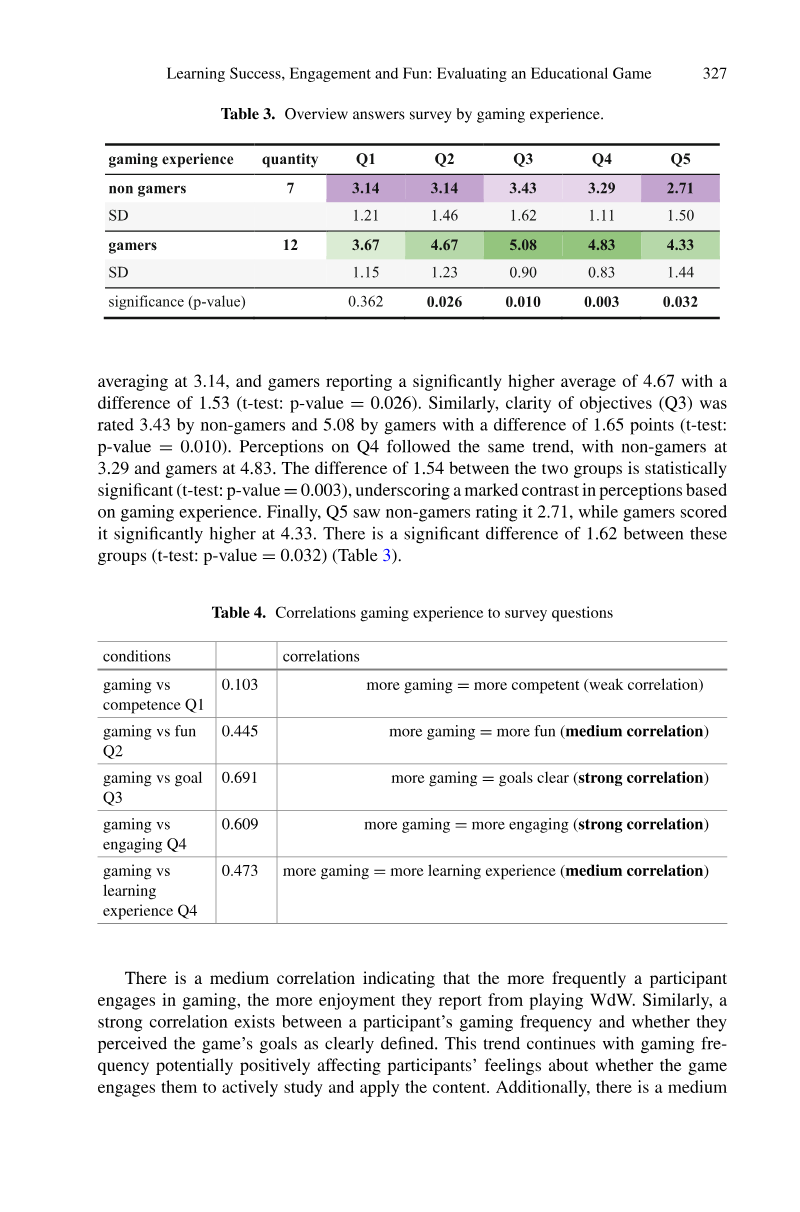
Learning Success, Engagement and Fun: Evaluating an Educational Game in Higher Education
Springer · 2025
Whitepaper
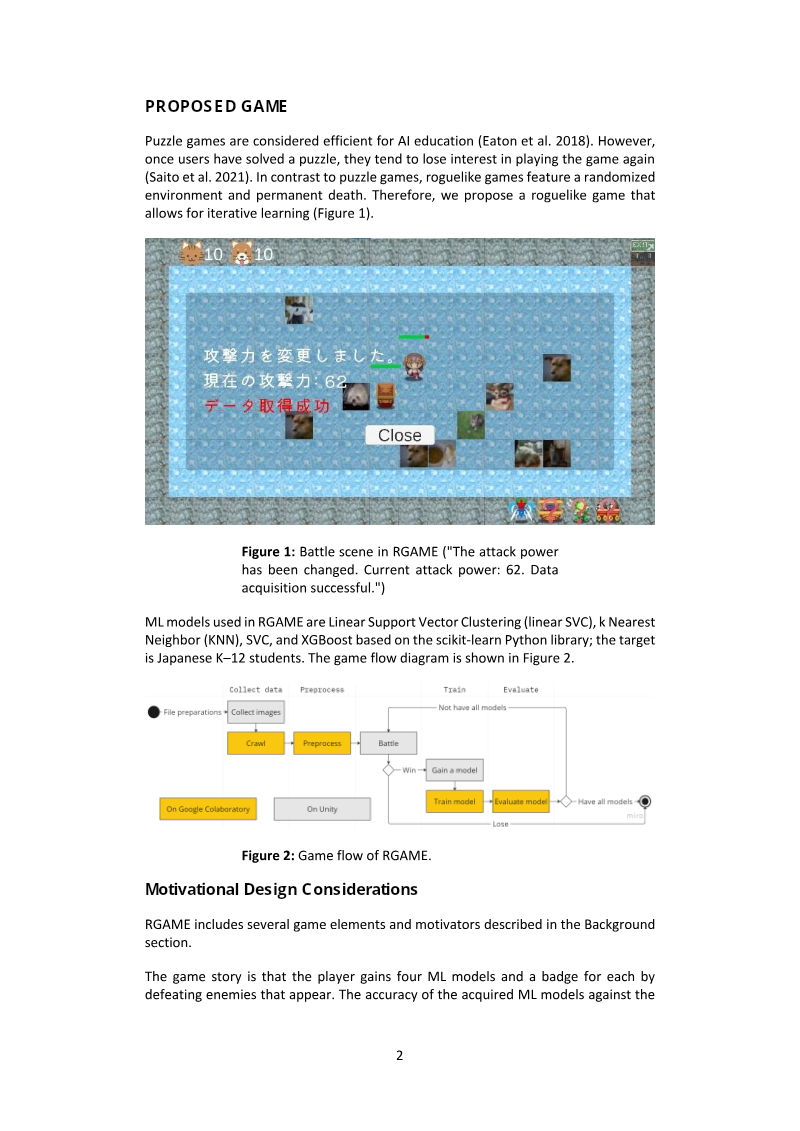
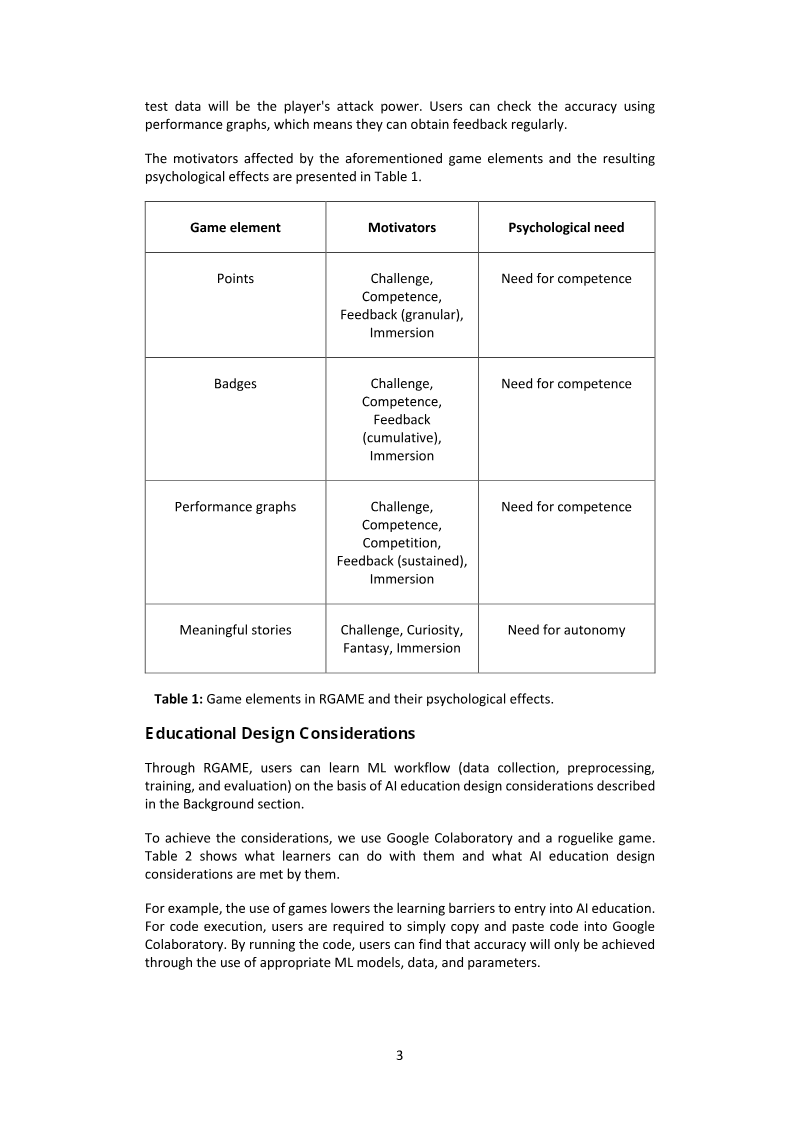
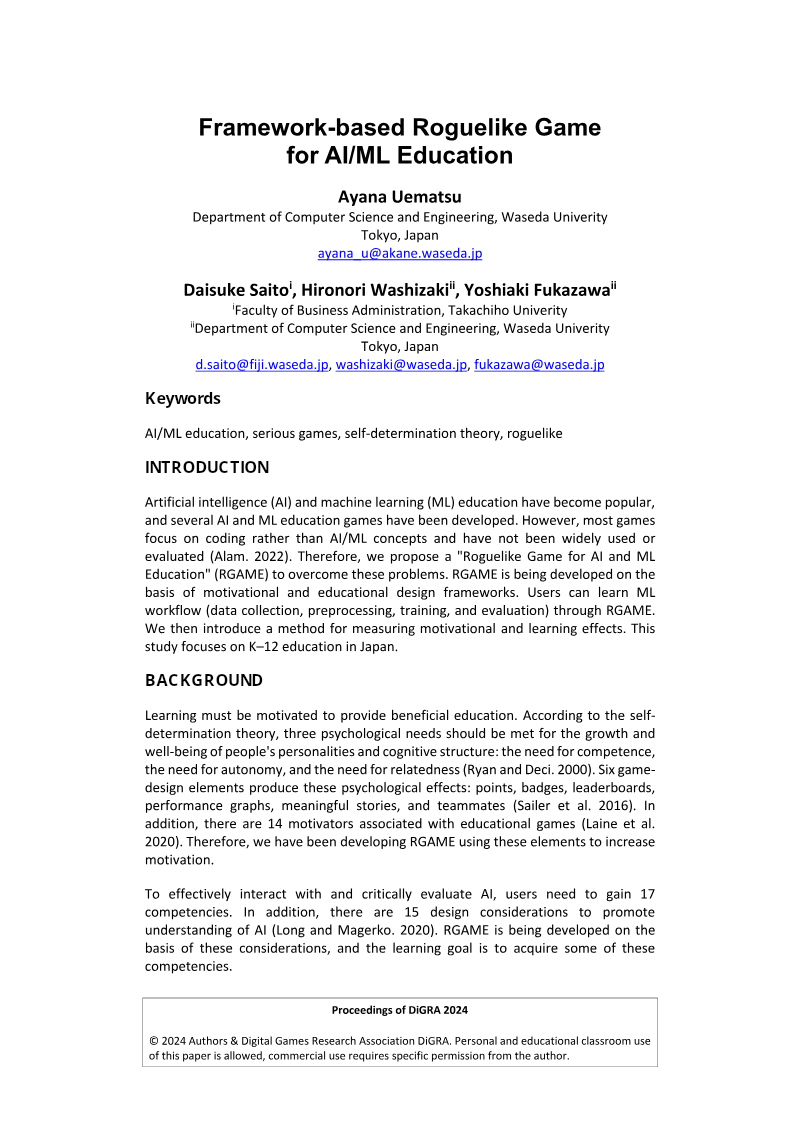
Framework-based Roguelike Game for AI/ML Education
DiGRA · 2024
Whitepaper
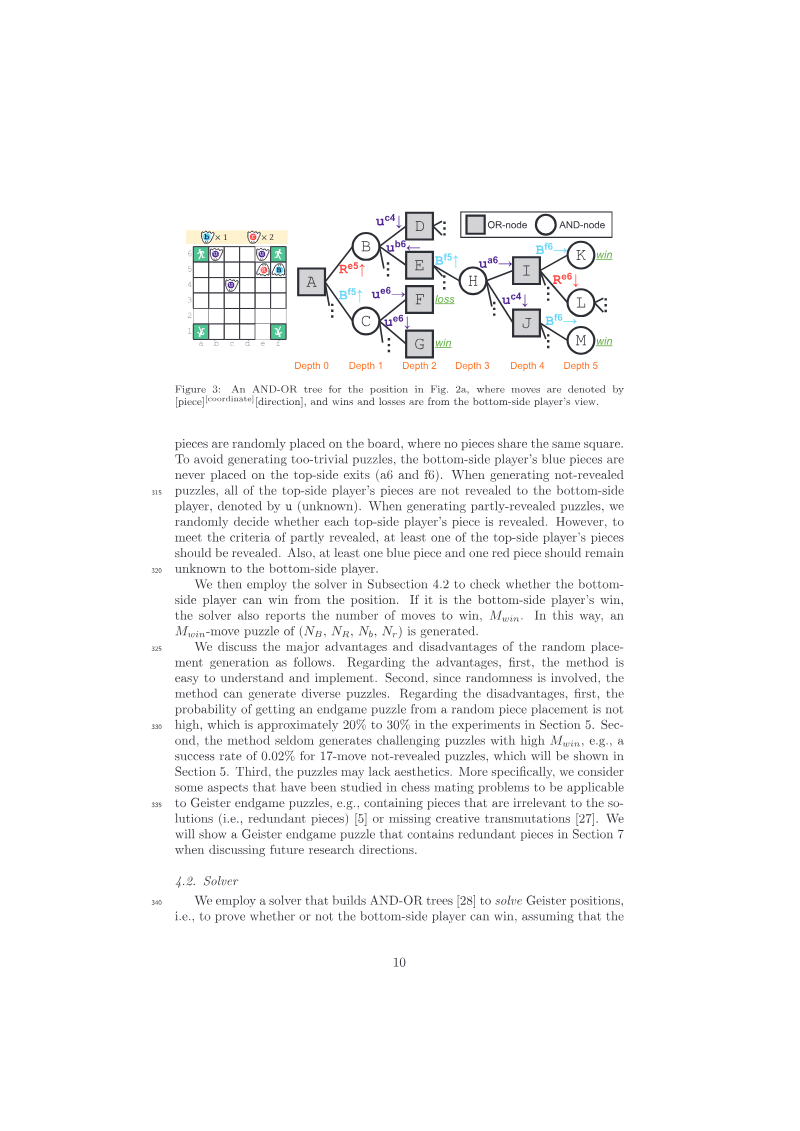
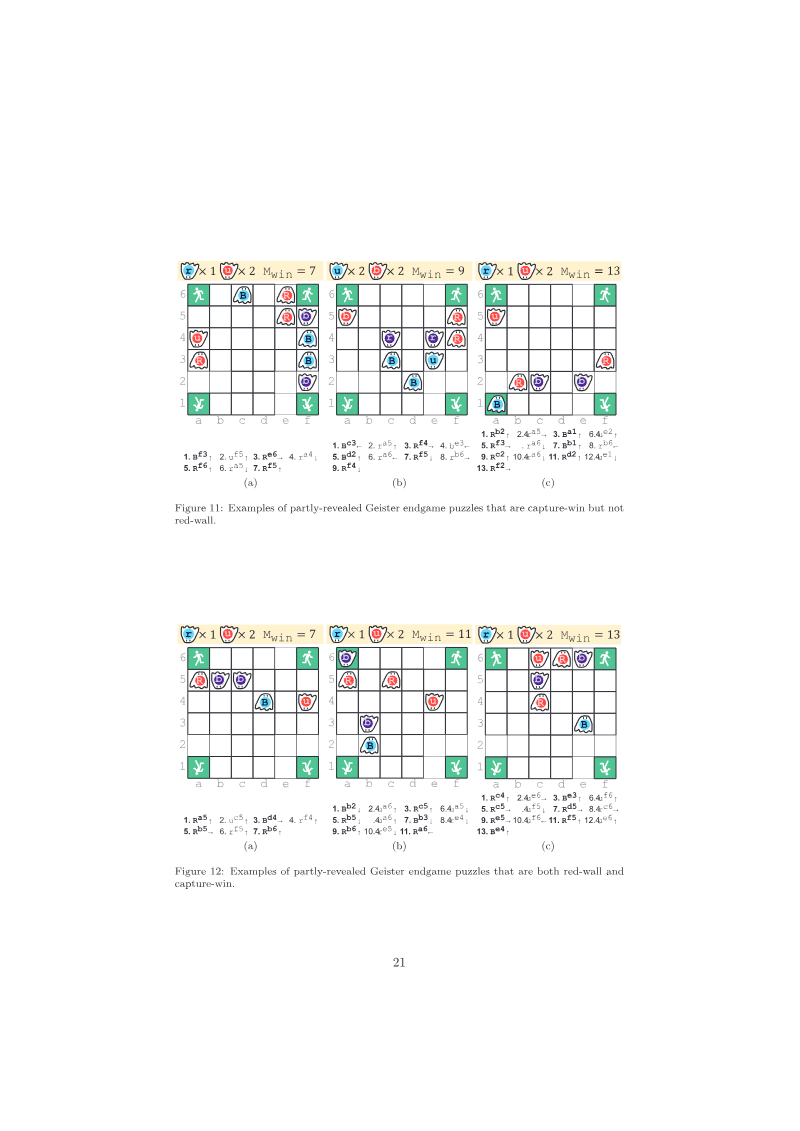
Proposal and Generation of Endgame Puzzles for an Imperfect Information Game Geister
Elsevier · 2024

Report
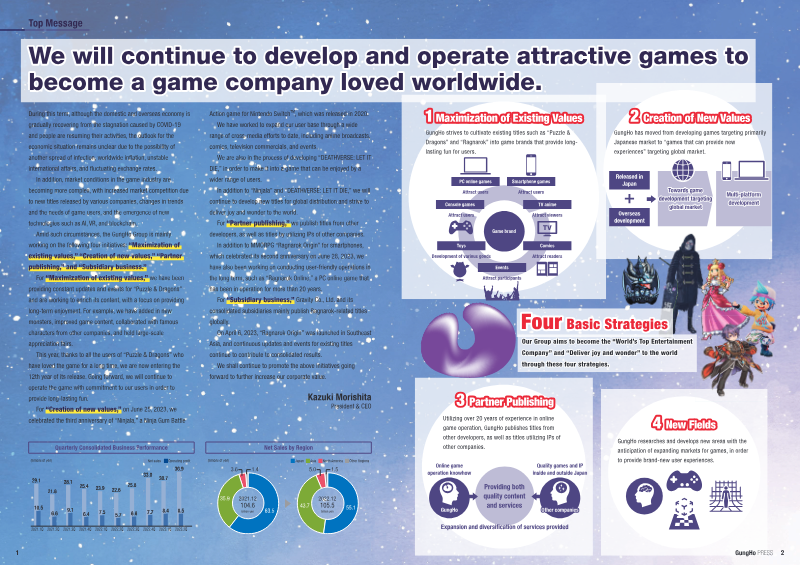
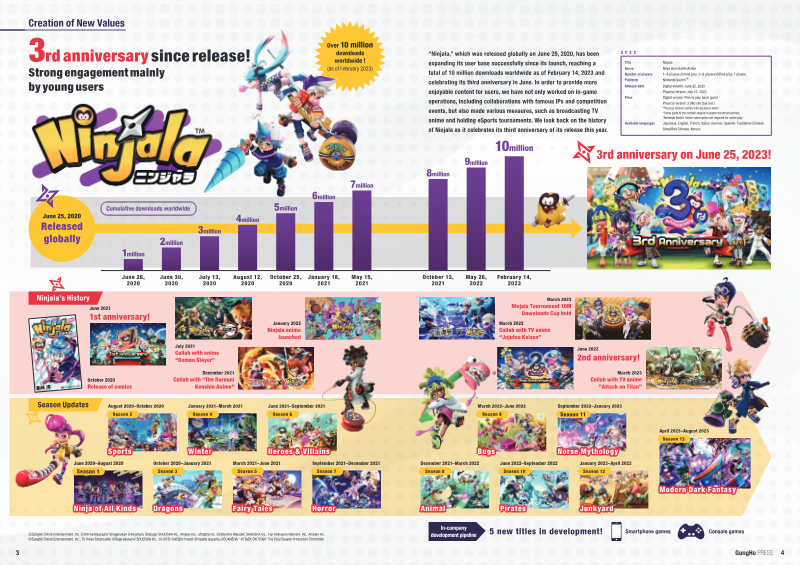
Puzzle & Dragons
GungHo Online Entertainment · 2023
Whitepaper
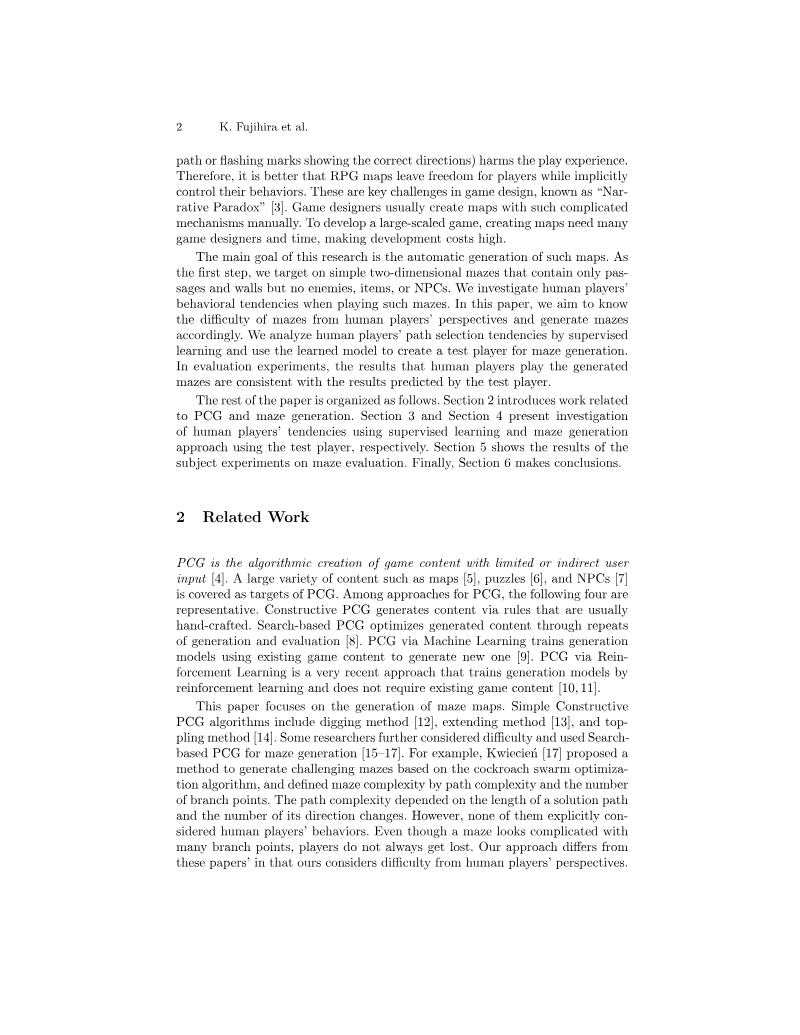
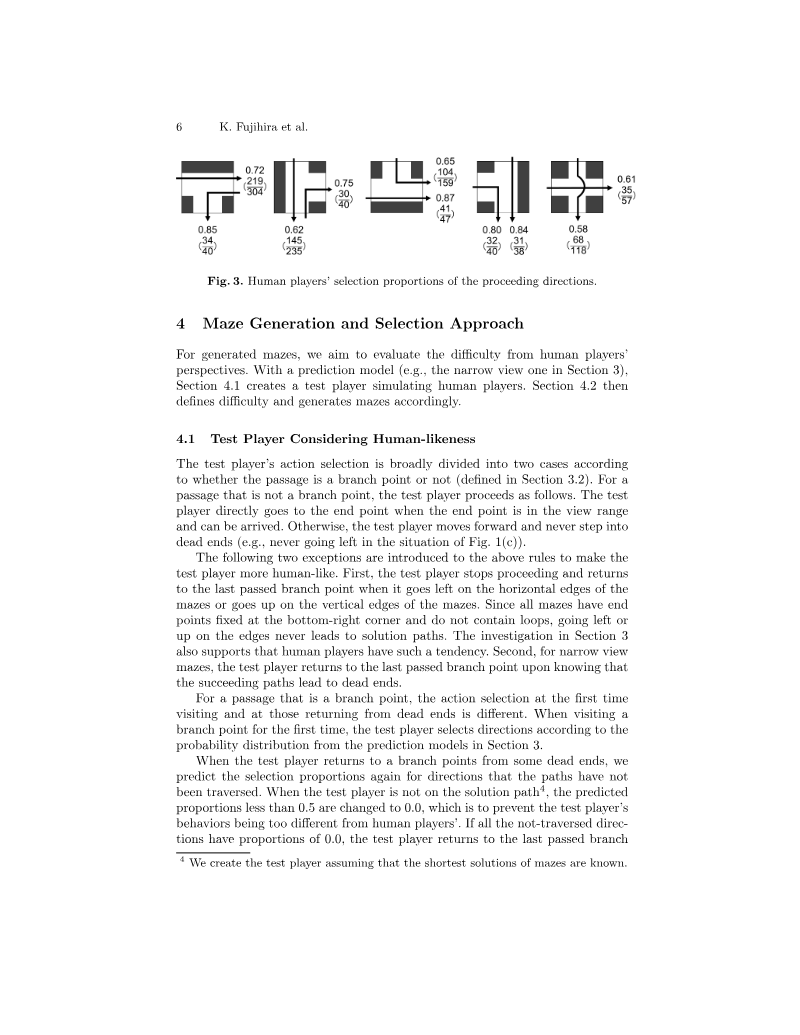
Procedural Maze Generation with Considering Difficulty from Human Players' Perspectives
Springer Nature · 2022